

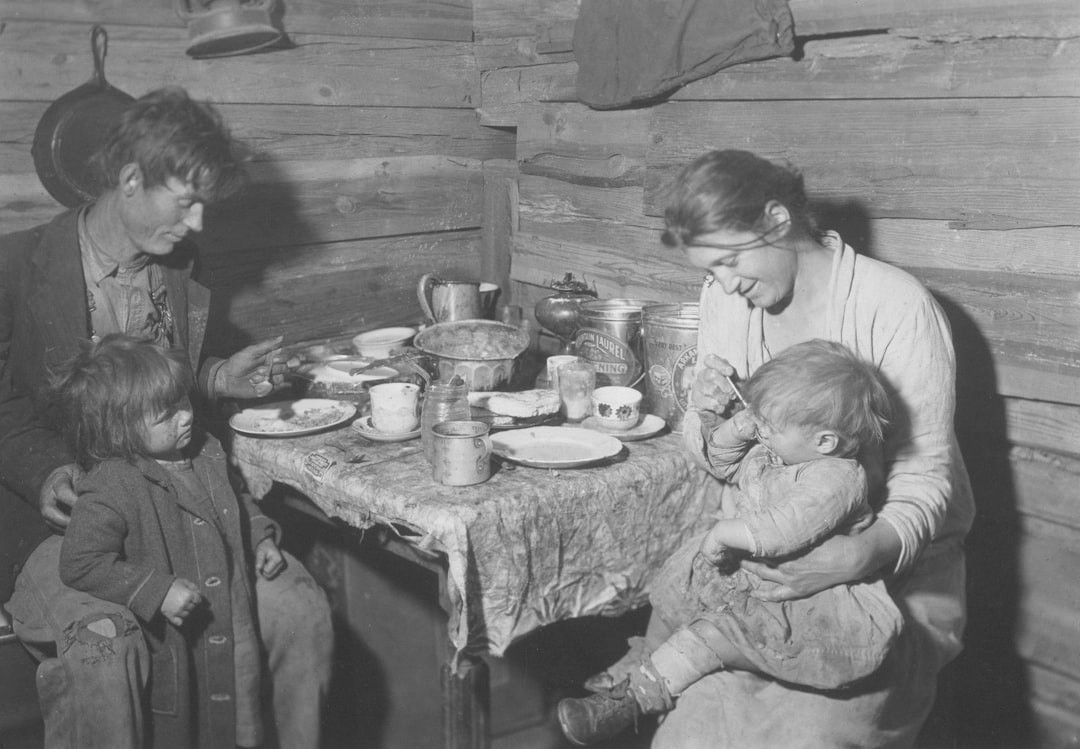
In 2026, American families are once again navigating a challenging economic landscape marked by rising costs and financial uncertainty. Echoing the struggles of the 1920s Great Depression, many are rediscovering the wisdom of past generations to stretch their budgets and enhance their resilience. These time-tested survival secrets, honed during a period of profound scarcity, offer practical and often surprising solutions for saving thousands today.
1. Embrace the “Make Do and Mend” Philosophy
During the Great Depression, resourcefulness was paramount, and extending the life of all possessions was a necessity. Families meticulously patched, darned, and repaired clothing, shoes, and household items to avoid replacement costs. This “make do and mend” ethos is making a significant comeback in 2026 as a direct response to the escalating cost of living. For instance, repairing worn seams, reinforcing elbows, and even resoling shoes were common practices to maintain functionality and avoid new purchases. Contemporary sources highlight that clothing durability became a mark of household competence, a stark contrast to the era of disposability. By mending and repairing, individuals can save hundreds of dollars annually on clothing and home goods, directly combating the inflationary pressures on everyday items.
2. Cultivate Your Own Food Source
In the 1930s, growing one’s own food was not merely a hobby but a critical survival strategy. With food scarcity a real threat, families turned to gardening to supplement their diets and reduce reliance on expensive market goods. This practice is proving invaluable in 2026, where rising food prices are a major concern for many households. Even small spaces can be utilized for “window gardens” on fire escapes or in backyards, providing fresh produce and significant savings. Beyond direct consumption, this practice reduces grocery bills, which for some families, can lead to savings of 20-30% on their food budget, according to modern applications of this strategy.
3. Master the Art of Preservation
The Great Depression necessitated preserving every edible item to prevent waste and ensure sustenance through leaner times. Techniques like drying, pickling, and canning were essential skills that allowed families to store seasonal produce and meats for extended periods. In 2026, with food costs remaining a significant household expense, these methods are highly relevant. Preserving seasonal fruits and vegetables through pickling or canning can significantly reduce reliance on store-bought goods, which are subject to price fluctuations. For example, homemade jams, jellies, and pickled vegetables offer cost-effective alternatives to commercially produced items, potentially saving families hundreds of dollars annually on their grocery bills.
4. Revive the Spirit of Bartering and Skill Swapping
In an era where cash was scarce, bartering and the exchange of services became a vital economic lifeline during the Great Depression. Neighbors and communities traded goods and skills, from trading eggs for sewing services to exchanging firewood for produce. This practice is experiencing a resurgence in 2026 as individuals seek alternatives to cash transactions amidst economic uncertainty. Modern platforms and local community groups facilitate skill swaps, allowing individuals to exchange services like graphic design for accounting help, or babysitting for dog walking, effectively saving money on services that would otherwise incur significant costs. This can amount to substantial savings on professional services that would typically cost hundreds of dollars.
5. Practice Radical Resourcefulness and Repurposing
The mantra of the Great Depression was “use it up, wear it out, make do, or do without.” This translated into an extraordinary level of creativity in repurposing everyday items. Flour sacks became clothing, worn-out tires were transformed into shoe soles, and glass jars were reused for myriad storage purposes. In 2026, this spirit of “upcycling” and extreme resourcefulness is proving a powerful antidote to consumerism and rising prices. Instead of discarding items, families are finding new uses for old furniture with a coat of paint, turning old t-shirts into cleaning rags, and repurposing containers for organization. This not only prevents waste but also avoids the expense of purchasing new items, saving families potentially thousands of dollars over time by circumventing the need for new purchases.
6. Embrace Shared Living and Community Support
During the Great Depression, isolation was a significant risk, and collective effort was crucial for survival. Families often consolidated households, pooling resources and sharing expenses to navigate extreme hardship. This concept of shared living and robust community support is finding new relevance in 2026. Neighbors assisting each other, informal aid networks, and communal meal preparations help mitigate the financial strain of individual households. Modern interpretations include “dollar five meal nights” where friends contribute ingredients for a shared meal, fostering community and significantly reducing individual food costs. Such practices not only provide emotional support but also tangible financial relief, reducing expenses related to food and utilities.
7. Prioritize Cash Savings and Avoid Debt
The financial instability of the Great Depression, marked by bank failures and lost savings, taught a harsh lesson about the importance of holding tangible assets and minimizing debt. People learned to save diligently, often making large purchases in lump sums, as credit was unreliable or unavailable. In 2026, with concerns about economic volatility and rising interest rates, this principle is more critical than ever. Financial advisors emphasize the importance of building an emergency fund and living below one’s means. By consciously avoiding unnecessary debt and prioritizing saving cash, families can build a buffer against unexpected expenses and avoid the high costs associated with borrowing, thereby securing their financial future and saving potentially thousands in interest payments.
