The glossy brochures promise a life of “tax-free” leisure and eternal sunshine, but for many seniors, the reality of relocating in 2026 is a harsh financial wake-up call. The traditional retirement havens are currently undergoing a “cost-of-living mutation,” where the lack of state income tax is being aggressively offset by skyrocketing property levies, insurance premiums, and localized inflation. According to recent 2026 migration surveys and “Relocation Remorse” reports, nearly 1 in 4 retirees who moved to a “top-ranked” state in the last three years already plan to exit due to these hidden burdens.
The math of retirement has changed fundamentally. As we move through 2026, the “amenity fees” of the South and the “maintenance taxes” of the West are eroding fixed incomes at an alarming rate. Here are the seven U.S. states that retirees say are significantly harder to live in than the advertisements suggest.
1. Florida: The “No-Income-Tax” Mirage
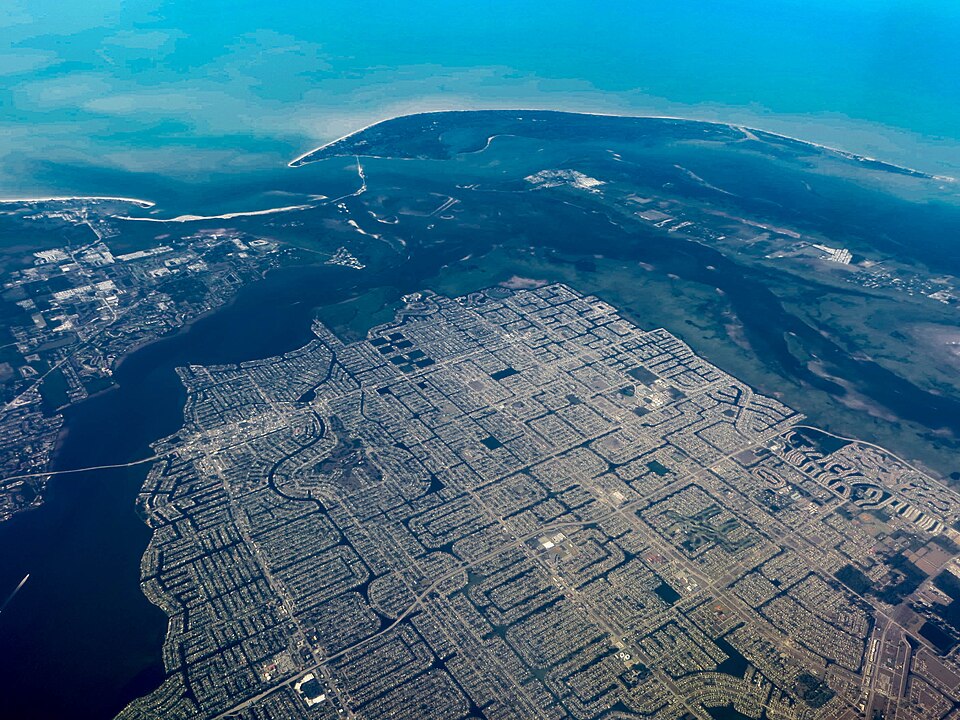
Florida remains the most advertised retirement destination in the world, but the 2026 data reveals a staggering “Insurance Cliff.” While there is no state income tax, the average homeowners insurance premium has hit a record $7,136, a figure that acts as a de facto tax that seniors cannot avoid. Realtors in the Sunshine State report that for many residents, the combined cost of insurance and skyrocketing HOA fees—which have risen by 15% in early 2026 to cover mandatory structural repairs—is now higher than their original mortgage payments. The “paradise” advertised is increasingly becoming a high-maintenance liability.
2. Texas: The Property Tax Trap
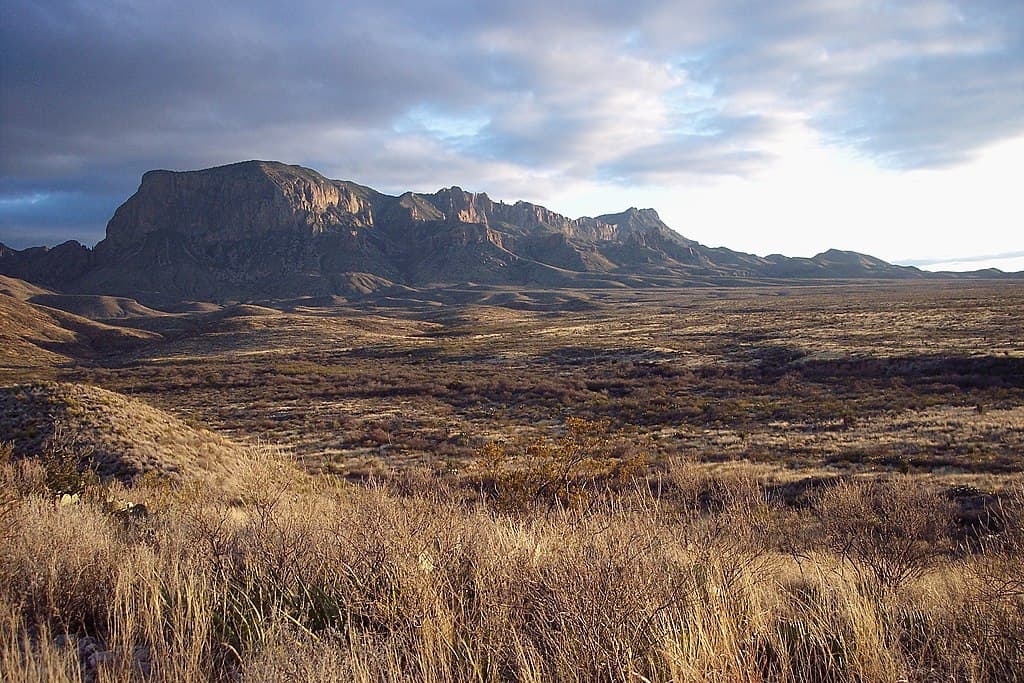
Texas is famous for its “business-friendly” and “low-tax” reputation, but retirees are finding that the state simply collects its revenue differently. Without an income tax, local municipalities rely heavily on property taxes, which are among the highest in the nation. In 2026, even with new senior exemptions, the rapid appreciation of home values has led to tax bills that “freeze” at levels many seniors find unsustainable. For a retiree in a suburb like Plano or Katy, the “hidden rent” paid to the government each year can exceed $12,000, creating a massive drain on liquid savings that wasn’t mentioned in the relocation guides.
3. Arizona: The “Hidden” Survival Costs

Arizona is often sold as an affordable, dry-heat alternative to California, but the 2026 “Climate Surcharge” is hitting seniors hard. As summer temperatures consistently break records, the cost of cooling a standard 2,000-square-foot home has jumped by 22% due to tiered utility pricing. Furthermore, a permanent groundwater moratorium in parts of the Phoenix metro has caused water rates to spike. Retirees who moved for the “cheap” desert lifestyle are now finding that the cost of simply keeping a home habitable in 115-degree heat is equivalent to a high-tax burden in a cooler state.
4. Tennessee: The Infrastructure Lag
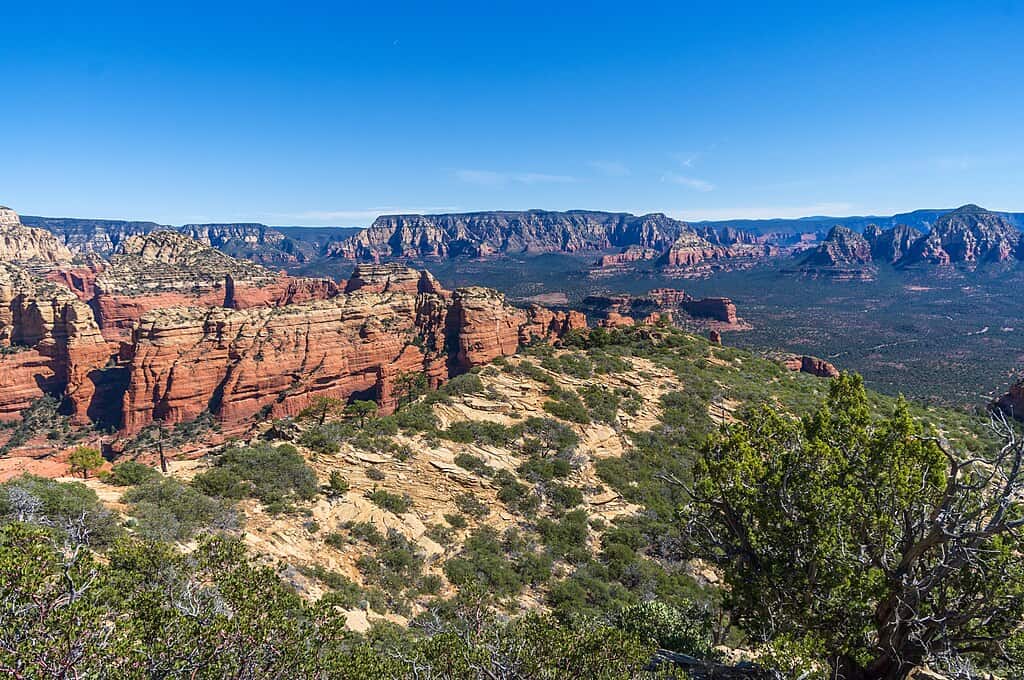
Tennessee has seen a massive influx of retirees fleeing the Northeast and West Coast, attracted by low taxes and scenic beauty. However, the “advertised” rural peace is being shattered by a massive infrastructure lag. In 2026, many of the most popular retirement counties are struggling with “medical deserts” and failing road systems. Seniors report wait times of over four months for specialist appointments, forcing them to drive hours to Nashville or Knoxville for routine care. The state’s lack of investment in public transit and senior services means that once a retiree stops driving, they are effectively stranded in their “dream” mountain home.
5. South Carolina: The “Special Assessment” Surge
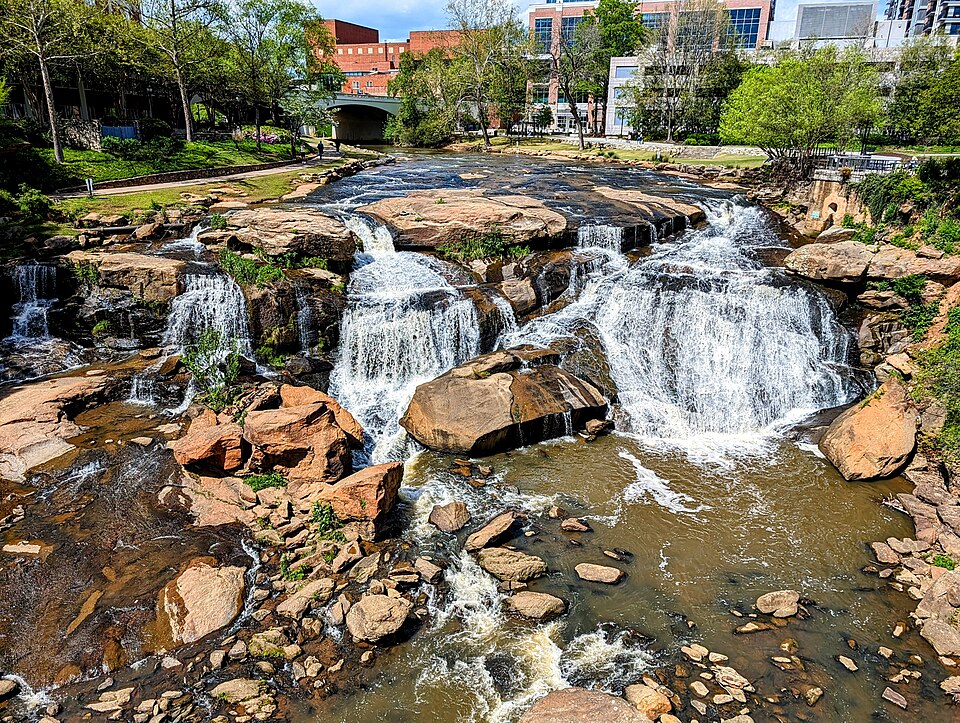
South Carolina’s coastal communities are currently a flashpoint for “Amenity Regret.” Many retirees who moved to gated communities in Hilton Head or Myrtle Beach are facing mandatory “special assessments” to fix aging infrastructure and combat rising sea levels. In early 2026, some residents were hit with one-time fees exceeding $25,000 to repair community seawalls and drainage systems. These “unadvertised” costs are turning equity into debt, as the state’s low base property tax is overshadowed by the high cost of maintaining a community in a high-risk flood zone.
6. Nevada: The Healthcare Quality Gap
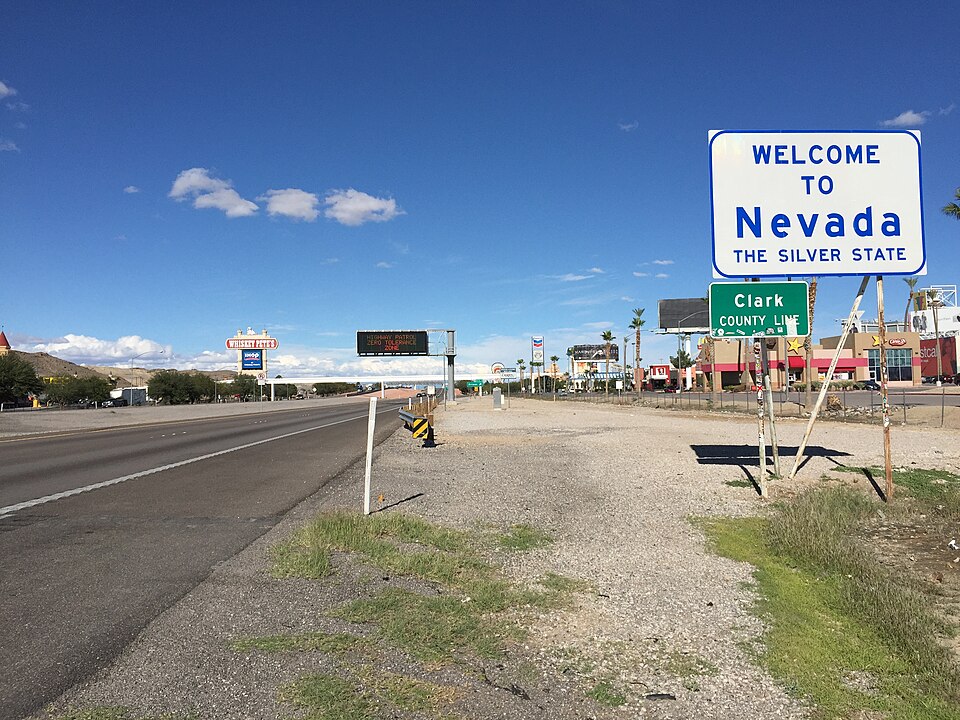
Nevada, and specifically Las Vegas, is often marketed as a high-energy, low-tax playground for active seniors. However, 2026 healthcare rankings place Nevada near the bottom of the list for geriatric care quality and physician availability. Retirees frequently report that while the “lifestyle” is great, the medical reality is terrifying. The state has one of the highest “outbound” rates for medical procedures, with many seniors flying back to their original home states for major surgeries or chronic condition management because local facilities are overwhelmed and understaffed.
7. North Carolina: The “Secondary Market” Inflation
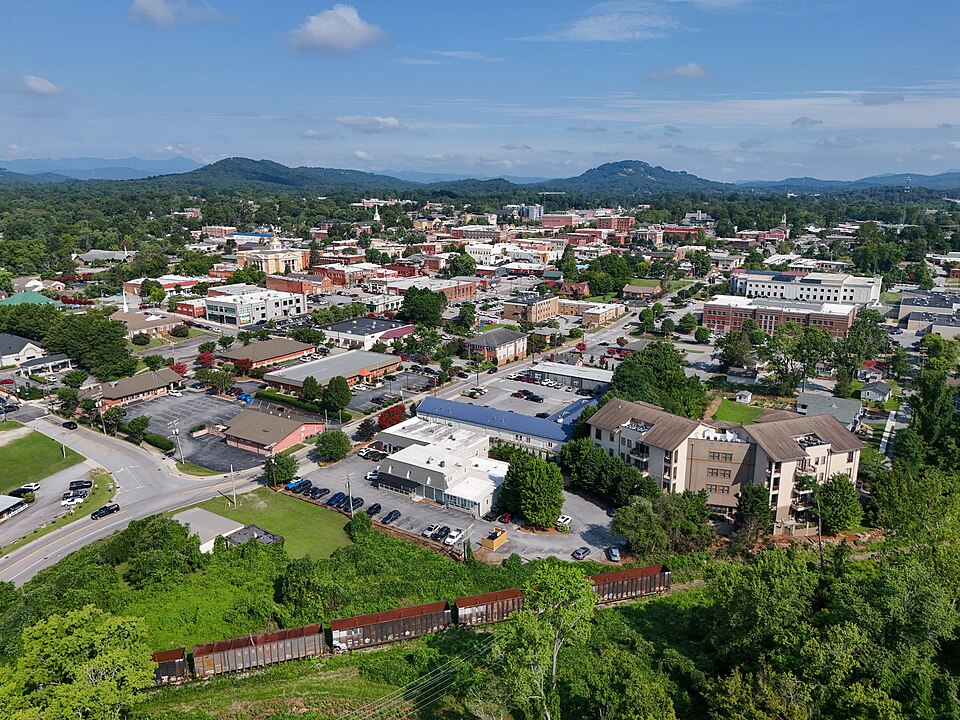
North Carolina’s “Research Triangle” and mountain regions were once seen as the perfect middle ground for retirees. In 2026, however, the state is suffering from “success inflation.” The influx of tech workers and remote professionals has driven up the cost of everything from groceries to contractor labor. Retirees are finding that they are competing with high-earning 30-somethings for basic services, leading to a “pricing out” effect. The “affordable Southern charm” advertised five years ago has been replaced by a competitive, high-cost environment that feels more like the suburban Northeast than the quiet South.