In 2026, the gap between “Smart Cities” and “Abandoned Alleys” has never been wider. While downtown cores showcase robotaxis and high-tech parks, many historic residential zones are grappling with what experts call “civic drift.” In these neighborhoods, basic infrastructure—from paved roads to clean water—has become a luxury rather than a standard service. Recent 2026 urban studies and municipal “Report Cards” highlight a growing sentiment of neglect among residents who pay taxes but see a dwindling return in safety, sanitation, and stability.
According to data from the 2025-2026 Infrastructure Report Card and recent urban migration surveys, the “feeling of abandonment” isn’t just emotional; it’s measurable through budget deficits and specialized specialist wait times. Here are the seven neighborhoods where locals say the city’s attention has officially moved elsewhere.
1. Sandtown-Winchester, Baltimore: The Infrastructure Void
Sandtown-Winchester has become a national symbol for the “neglect cycle” in urban planning. Despite its historic significance, 2026 Baltimore city data shows that the neighborhood continues to struggle with underfunded infrastructure and disconnected transit loops. Locals report that city leaders have largely focused revitalization efforts on the Inner Harbor, leaving Sandtown with crumbling public spaces and a staggering volume of vacant properties that provide cover for daytime crime. To the residents, the lack of basic street maintenance and streetlighting is a clear signal that their neighborhood has been “written off” by City Hall.
2. West Side, Detroit: The “Service Desert” Stagnation
While Detroit’s downtown has seen a massive “tech-boom” influx, the residential blocks of the West Side are experiencing a different reality. In 2026, many locals describe their neighborhood as a “service desert,” where police and fire response times lag significantly behind the city’s newly gentrified corridors. Urban planning experts point out that the city’s over-reliance on downtown growth has led to a hollowing out of peripheral communities, where overgrown vacant lots and failing water mains have become the permanent landscape for families who feel ignored by the current administration.
3. South Side, Chicago: The “Broken Promises” Corridor
In Chicago, the neighborhoods of Englewood and Greater Grand Crossing are at the center of a “broken promises” crisis. Despite multiple mayoral initiatives aimed at South Side investment, 2026 budget audits show that a significant portion of promised funds for local schools and community centers has been redirected or stalled. Residents frequently mention that “beautification” projects always seem to stop just before reaching their blocks, leaving them with aging infrastructure and a persistent lack of grocery stores—a “food desert” reality that hasn’t improved in over a decade.
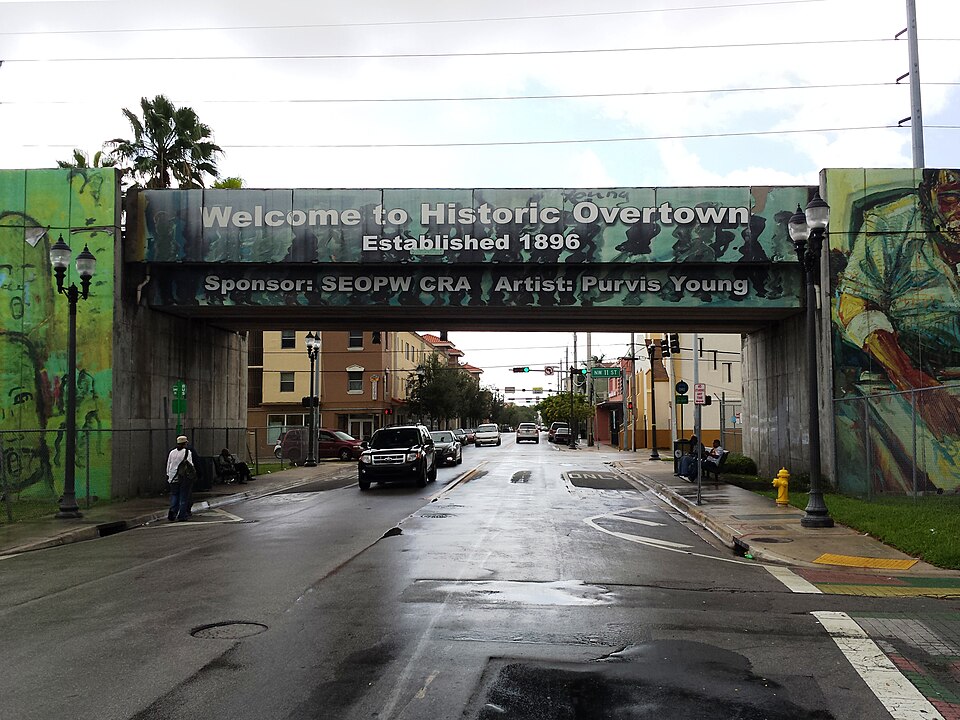
4. Overtown, Miami: The “Revitalization” Mirage
Overtown is a primary example of “gentrification without inclusion.” In 2026, while luxury condos rise on its borders, the heart of Overtown continues to face crumbling infrastructure and a high volume of illegal dumping. Residents say that city leaders seem more interested in “clearing the path” for developers than in fixing the broken sidewalks or providing adequate public trash collection for current homeowners. This “mirage” of progress has left long-term residents feeling like they are being intentionally pushed out through neglect rather than invited into the city’s future.
5. West End, Birmingham: The Economic Afterthought
Birmingham’s West End is currently flagged as one of the fastest-declining neighborhoods in the South. In 2026, the neighborhood suffers from a lack of “eyes on the street” as businesses shutter and city-led economic development projects focus almost exclusively on the downtown “Innovation District.” Locals report that basic requests for pothole repairs and park maintenance go ignored for months, creating a sense of “second-class citizenship” among a population that feels it has become an economic afterthought for city planners.
6. Northside, Jackson: The Perpetual Water Crisis
The situation in Jackson, Mississippi’s Northside has moved beyond “neglect” into what many call a “structural failure.” In 2026, residents still face frequent water pressure issues and “boil water” notices, a direct result of decades of underinvestment in the city’s aging treatment plants. Local leaders are often criticized for their inability to secure the federal and state funding necessary for a total overhaul, leaving Northside residents feeling trapped in a cycle of “band-aid fixes” that fail every time it rains, effectively severing their trust in municipal governance.
7. Tenderloin, San Francisco: The “Containment Zone” Policy
In San Francisco, the Tenderloin neighborhood is increasingly described by locals as a “containment zone” for the city’s most difficult social problems. Residents and small business owners say that city leaders have essentially surrendered the neighborhood to open-air drug markets and encampments to keep other “tourist-friendly” areas clean. According to 2026 crime and health data, the Tenderloin has the highest density of 911 calls but the least visible progress in long-term safety, leading to a profound sense of abandonment by those who have to navigate its streets daily.