

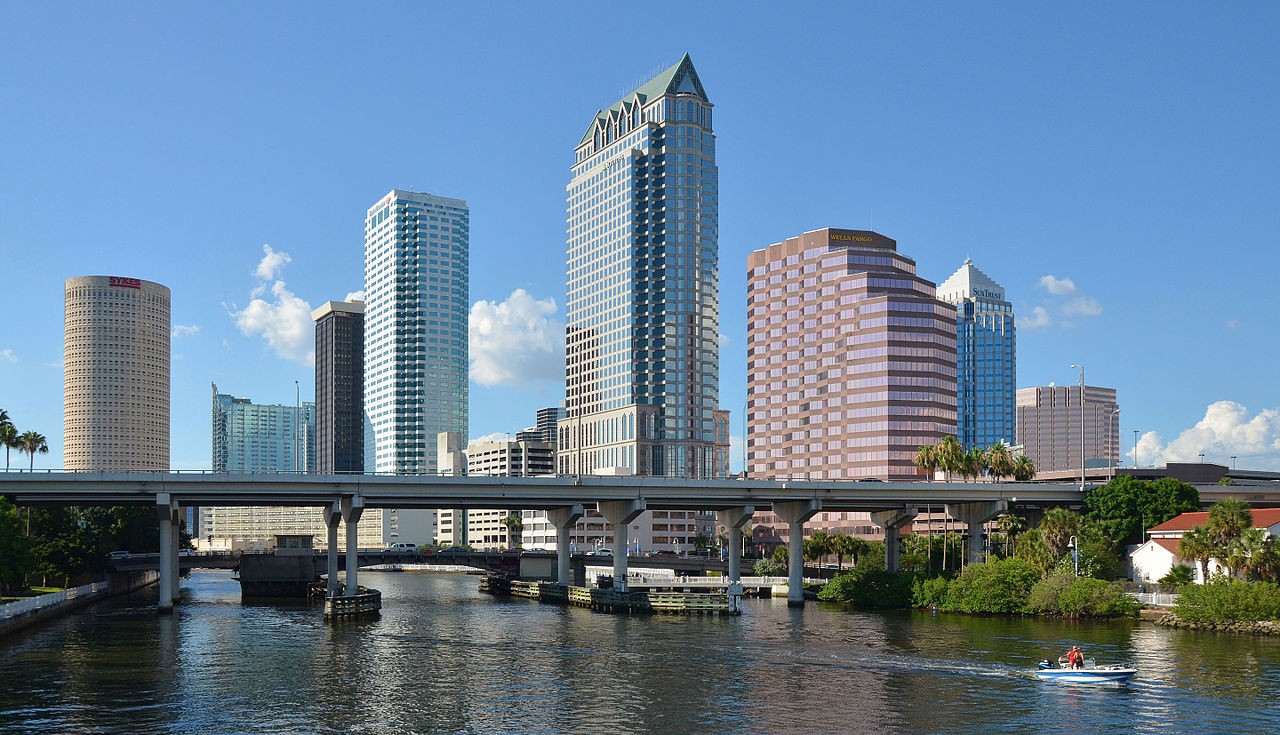
Florida stands at the apex of the national migration narrative, having fundamentally reshaped the American demographic landscape over the past few years. While nationwide migration trends have begun to moderate from their pandemic peaks, the Sunshine State continues its ascent, distinguished by an economy that has consistently outpaced the United States average. This extraordinary momentum is sustained by a convergence of fiscal policy advantages, robust job creation, and a quality of life that remains highly desirable to high-net-worth individuals and burgeoning families alike. The state’s strategic appeal is now manifesting in profound economic and population growth figures, solidifying its reputation not merely as a retirement haven but as the nation’s foremost destination for capital and human talent.
The Unparalleled Economic Engine
Florida’s economic expansion has been nothing short of exceptional, creating a powerful fiscal foundation that supports its high influx of new residents. The state’s Gross Domestic Product growth over the past five years has led the nation, ranking first among all 50 US states, signaling robust and sustained commercial activity. This performance has translated directly into a more resilient local economy, with the state’s unemployment rate consistently trending lower than the national average, such as the 3.3 percent reported in July 2024 compared to 4.3 percent for the country as a whole. This aggressive economic environment ensures that the migration wave is met with genuine professional opportunity, not merely an idyllic landscape. The projected path of growth suggests that the state will continue to be a dominant force in the coming decade, further reinforcing its status as a top relocation choice.
The Favorable Fiscal Architecture
A cornerstone of Florida’s magnetic appeal is its uniquely favorable fiscal architecture, offering residents significant insulation from the high-tax burdens common in legacy states. Crucially, the Florida Constitution prohibits the assessment of a personal state income tax, which translates to a substantial annual saving for professionals and retirees alike. Furthermore, the state does not levy a state estate tax, a powerful incentive for wealth preservation and intergenerational transfer. This deliberate commitment to tax-friendliness extends to property ownership, where the Homestead Exemption allows homeowners to claim up to a $50,000 reduction on the assessed value of their primary residence for tax purposes. This structure creates a compelling financial environment that encourages both residency and investment.
An International Migration Powerhouse

While domestic migration figures have recently stabilized, Florida has become the nation’s unparalleled leader in attracting global talent and capital through international migration. In the period from July 2024 to June 2025, Florida recorded the highest level of net international migration in the country, attracting 178,674 new international residents. This continuous influx of global citizens enriches the state’s cultural diversity and provides a vital expansion of the labor pool, fueling growth in key sectors like professional services and healthcare. The concentration of new immigrants, particularly in major metropolitan centers like Miami and Orlando, underscores the state’s emerging role as a global crossroads, transcending its historical domestic appeal.
A Magnet for Net Income Migration
The most tangible evidence of Florida’s economic gravitational pull is its exceptional performance in net income migration. This metric, which tracks the movement of adjusted gross income across state lines, firmly positions Florida as the premier recipient of wealth from other states. Recent data shows a staggering $39.2 billion in net income migration flowed into the state, cementing its status as the national leader in attracting affluent residents. This inflow of high-value earners provides a massive stimulus to the local consumer economy, supporting the growth of luxury services, high-end real estate, and sophisticated financial markets. The migration of income directly correlates to increased prosperity and fiscal stability within the state.
Dynamic Labor Market and Opportunity
Florida’s labor market continues to exhibit remarkable dynamics, creating an environment where opportunity is abundant for incoming workers. Job growth in 2024 remained robust at a rate of 1.4 percent, significantly contributing to the state’s economic outperformance compared to the rest of the nation. The state’s recovery from the pandemic was aggressive, exceeding its pre-pandemic employment level by over 900,000 jobs as of July 2024. Key sectors, particularly in education and health services, along with professional and business services, saw notable net job gains in the first quarter of 2024. This continuous employment momentum dispels any perception of the state as simply a retirement destination, establishing it as a serious hub for professional career advancement.
The Enduring Lifestyle and Tourism Dividend

Beyond economics, the elemental appeal of Florida’s climate and lifestyle remains a foundational driver for relocation. The state’s consistent year-round sunshine and coastal access provide an unparalleled quality of life that acts as a powerful non-fiscal incentive. This natural appeal is inextricably linked to the state’s dominant tourism sector, which acts as a powerful economic stabilizer. In 2024 alone, Florida welcomed a record 142.9 million visitors. This immense tourism base indirectly benefits every resident; the revenue generated by the visitor economy is calculated to save each Florida household approximately $1,910 annually in state and local taxes. The lifestyle dividend is thus a dual benefit of daily enjoyment and reduced financial liability.
Navigating the Nuances of Rapid Growth
While the narrative of growth is overwhelmingly positive, the state must strategically address the inherent challenges that accompany such explosive demographic expansion. The intense demand has predictably moderated the affordability advantage that first attracted many migrants, leading to some out-migration to other lower-cost southern states like North Carolina and Tennessee. The cost of living and, notably, insurance rates are rising concerns that policymakers must address to maintain long-term competitive balance. However, the state’s existing property tax benefit, the Save Our Homes assessment cap, provides a crucial buffer by restricting the annual increase of a homestead’s assessed value to no more than three percent, aiding long-term residents in managing costs.
