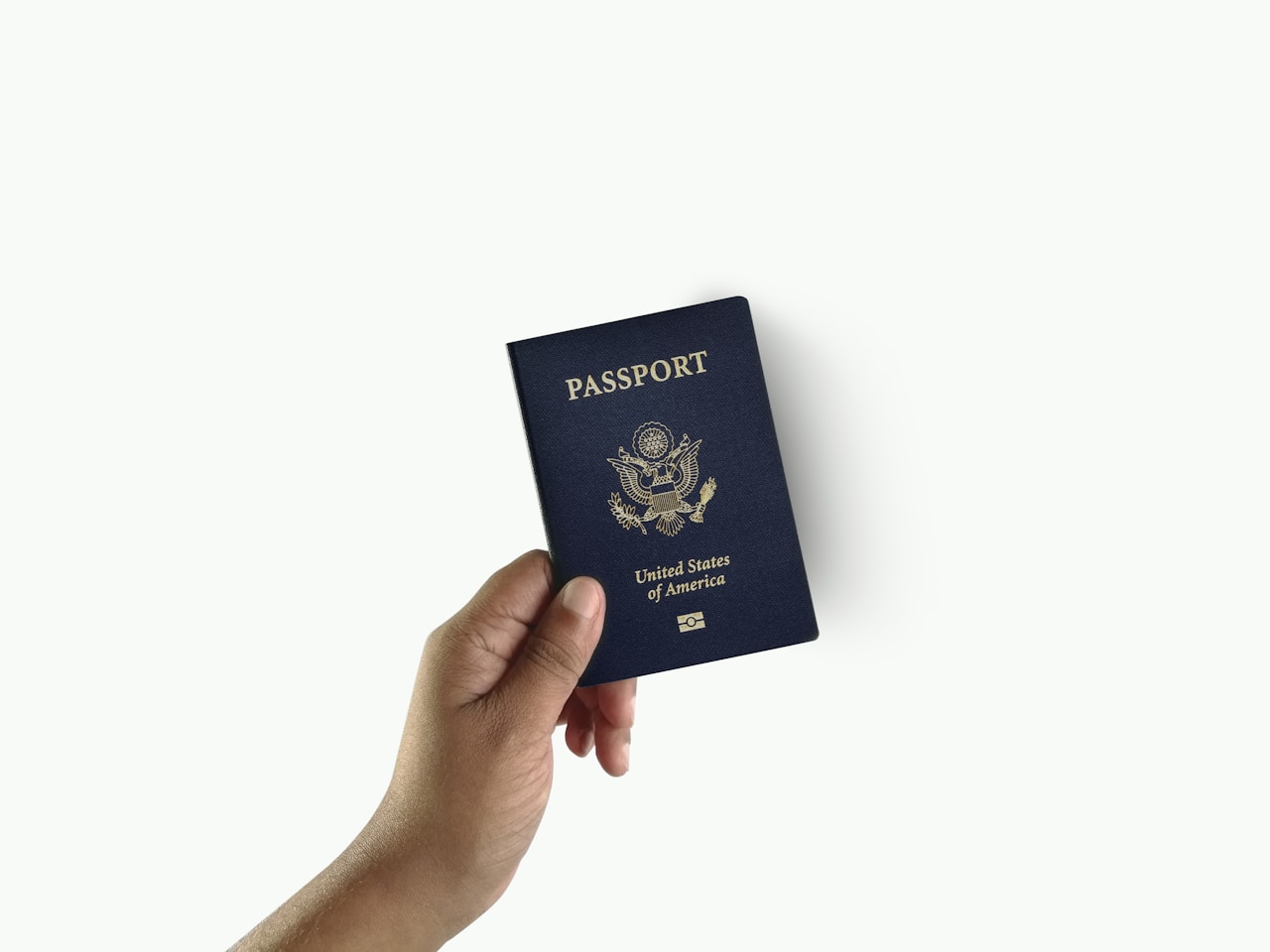
The itinerary is confirmed, the resort is awaiting, and the final boarding call echoes through the terminal, yet for an increasing number of elite travelers, the journey ends not with a stamp in a pristine passport, but with a quiet, devastating rejection at the gate. The culprit is not an expired visa or an overstayed welcome, but a flaw so minuscule it often escapes notice: the tiny, almost imperceptible smudge, stain, or faint crease on a passport’s vital page. This seemingly innocent mark is increasingly being adjudicated by airline and immigration officials worldwide as an intentional “mutilation” or an indication of tampering, a non-negotiable legal infraction that renders the document immediately invalid and the entire luxury vacation void. The rising enforcement of these stringent rules means that the preservation of your passport’s integrity is now the most critical, and often overlooked, element of sophisticated international travel planning.
The Microscopic Threat: A Smudge as Tampering
The core of the issue resides in the security integrity of the biographical data page, the sophisticated layer that holds your photograph and machine-readable zone (MRZ). An errant coffee splash, a faint ink stain, or a small fingerprint smudge that obscures even a single character can trigger a rejection protocol. Immigration authorities view any such mark not as simple wear and tear, but as an attempt to alter or compromise the document’s authenticity. The United States Department of State, for example, classifies a passport as “mutilated” if it has been altered or compromised in a way that affects its function as proof of identity and citizenship, a category under which seemingly harmless smudges and smudged ink on the machine-readable section fall, instantly rendering the document legally invalid. This immediate leap to an assumption of fraud is the reason a minor blemish carries such catastrophic consequences for the unsuspecting traveler.
The Financial Disruption: Why Airlines Say No
The first line of defense, and frequently the cause of the greatest travel disappointment, is the airline check-in desk. Carriers enforce draconian pre-screening measures not out of choice, but out of financial and legal necessity. An airline that transports a passenger with an invalid passport faces substantial fines from the destination country, often amounting to thousands of dollars per incident, along with the expense of repatriating the rejected traveler. For this reason, airlines are mandated to err on the side of extreme caution, treating any perceived damage as a liability. In 2023, approximately 25,000 passengers were denied boarding on U.S. flights, a number equating to about 29 passengers per one million, showcasing the tangible risk of such document issues and the reluctance of carriers to accept even marginal risk.
The Southeast Asian Stricture: Indonesia and Thailand
Certain popular international destinations are notoriously strict, elevating minor damage to a zero-tolerance policy. Nations like Indonesia, particularly for travel to Bali, Thailand, and Vietnam, maintain some of the most rigorous passport standards globally. Their immigration teams are highly sensitized to even the smallest defects that might suggest a document’s history is compromised. Specifically, Indonesian authorities have been documented refusing entry to travelers for tears as minor as a single centimeter, setting an extremely low bar for what constitutes unacceptable damage. The region’s reputation for rigorous scrutiny means that travelers bound for a luxury escape in these locales must ensure their passport is in virtually pristine condition before even arriving at their departure airport.
The Invisible Barrier: Water Damage and Laminate Peel
Among the most common, yet most lethal, forms of damage is that caused by moisture or an aged, slightly lifted lamination layer. Water damage is particularly insidious because it can warp pages, blur essential text, and often degrade the embedded electronic chip in modern biometric passports. The subsequent warping and page distortion raise immediate red flags regarding the document’s authenticity. Similarly, peeling laminate on the photo page is viewed with the utmost suspicion, as it suggests the potential for photo substitution, a classic method of passport fraud. The UK’s HM Passport Office explicitly warns that stains on the pages, such as from ink, are considered damaged, clearly indicating that simple liquid contamination is sufficient to invalidate the entire travel document.
The Data-Backed Blind Spot: Unaware Travelers
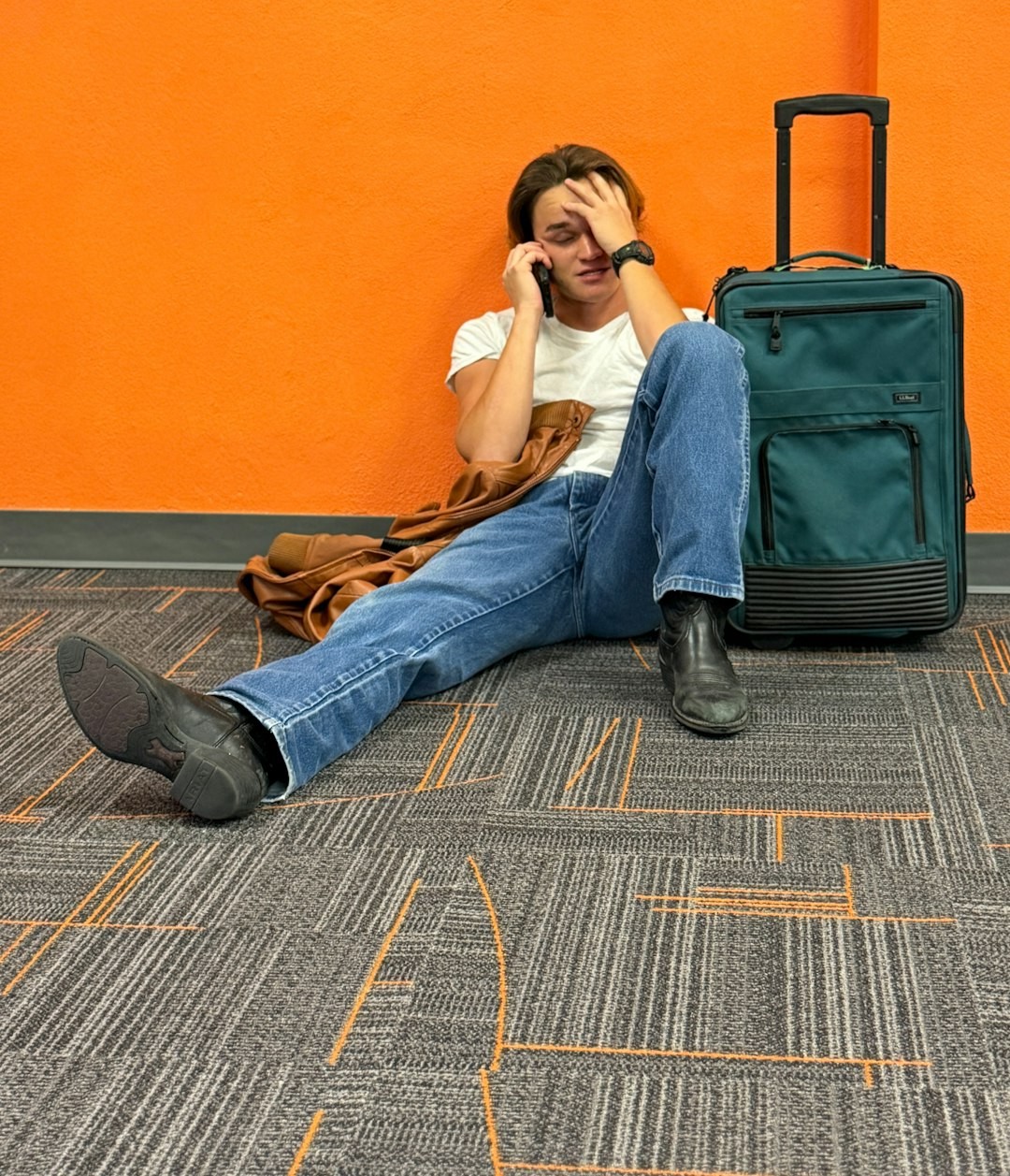
The true complexity of this issue lies not just in the strictness of the rules, but in the widespread lack of awareness among the traveling public. Many seasoned globe-trotters remain oblivious to the fragility of their travel credentials. A YouGov study in the UK highlighted this critical blind spot, suggesting that an estimated 9.6 million British travelers might be unaware that their passports could be deemed unusable due to a damaged or loose cover, stains, or other minor issues. This statistical evidence underscores a significant chasm between official travel mandates and common passenger perception, leading to last-minute shock and ruined holiday plans for those who mistake minor wear for acceptable longevity.
The Luxury of Vigilance: Pre-Flight Passport Protocol
The only true defense against an unexpected denial of boarding is an elevated level of vigilance, treating the passport with the care afforded to any other high-value, irreplaceable asset. Before planning any trip, especially to countries with known stringent standards like the United Arab Emirates or Australia, a thorough page-by-page inspection is imperative. Check for deep folds, creases, or any marks across the machine-readable zone at the bottom of the photo page, as these are the most likely causes of electronic and visual rejection. Protecting the passport in a high-quality, durable cover and storing it away from liquids is no longer a suggestion, but a fundamental requirement for maintaining the legal validity necessary to ensure smooth passage across international borders.