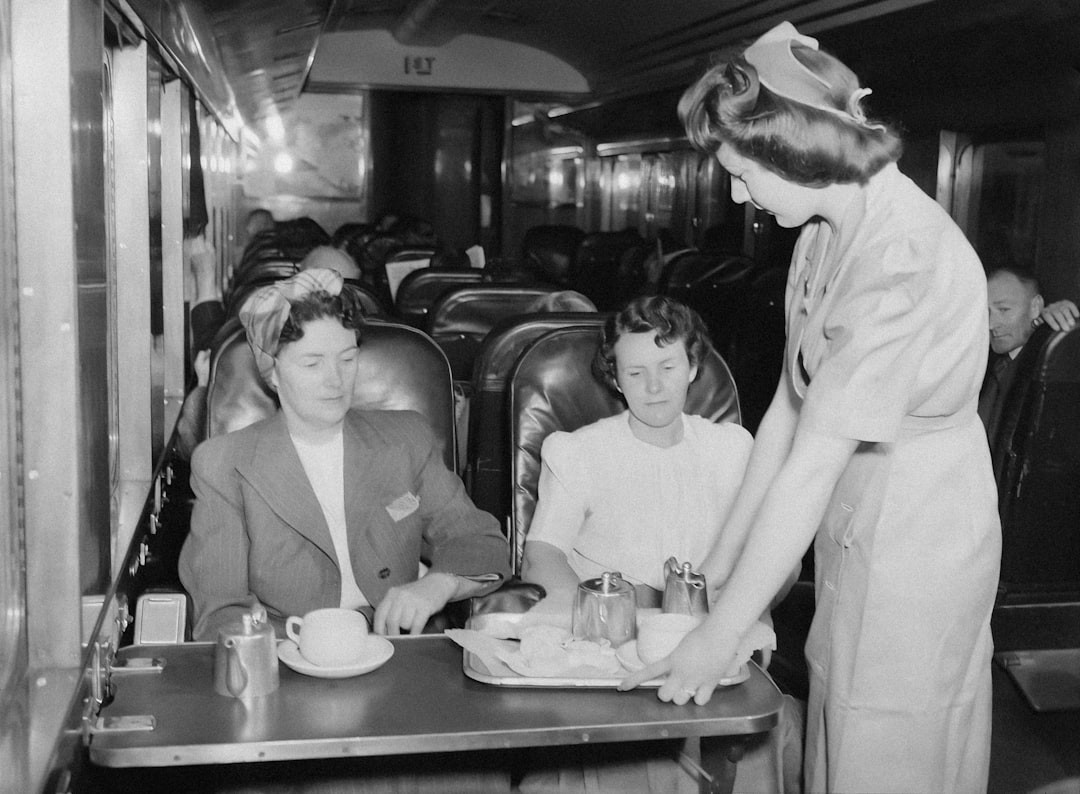
Before the 1980s, the role of a flight attendant was far more than serving beverages and ensuring passenger safety. It was a profession fraught with stringent, often discriminatory, rules that would be unthinkable today. From appearance-based regulations to mandated marital statuses, flight attendants, predominantly women, navigated a landscape of expectations that prioritized image and subservience over professional development and basic rights.
Stringent Appearance and Age Restrictions
In the decades preceding the 1980s, aspiring flight attendants, overwhelmingly women, faced a gauntlet of strict physical requirements that would be considered discriminatory today. Airlines often mandated specific heights and weights, with limits so precise that a mere few pounds over the limit could lead to termination. For instance, American Airlines in 1974 had guidelines where a 5’3″ woman could weigh a maximum of 119 lbs, a stark contrast to modern, more inclusive standards. Age was another significant factor, with many airlines imposing mandatory retirement ages, often in the mid-thirties, to maintain a youthful image. These regulations extended to grooming, with strict rules on hairstyles, makeup, and even requirements for shaved legs and red nail polish, all contributing to a highly scrutinized and often demeaning professional environment.
The Marriage Gag Rule
One of the most pervasive and discriminatory rules for flight attendants before the 1980s was the prohibition of marriage. Female flight attendants were often required to be single, and marriage was grounds for immediate dismissal. This policy persisted despite legal challenges, with United Airlines settling a significant class-action lawsuit in 1986 for $33 million, involving former flight attendants fired due to the company’s no-marriage rule. Even widowed or divorced women faced hurdles, often needing to have no children to be considered for the role. This rule not only infringed upon personal freedoms but also reinforced the notion that flight attendants were transient figures, their primary value lying in their perceived availability and single status rather than their professional competence.
Objectification and the “Glamour” Factor
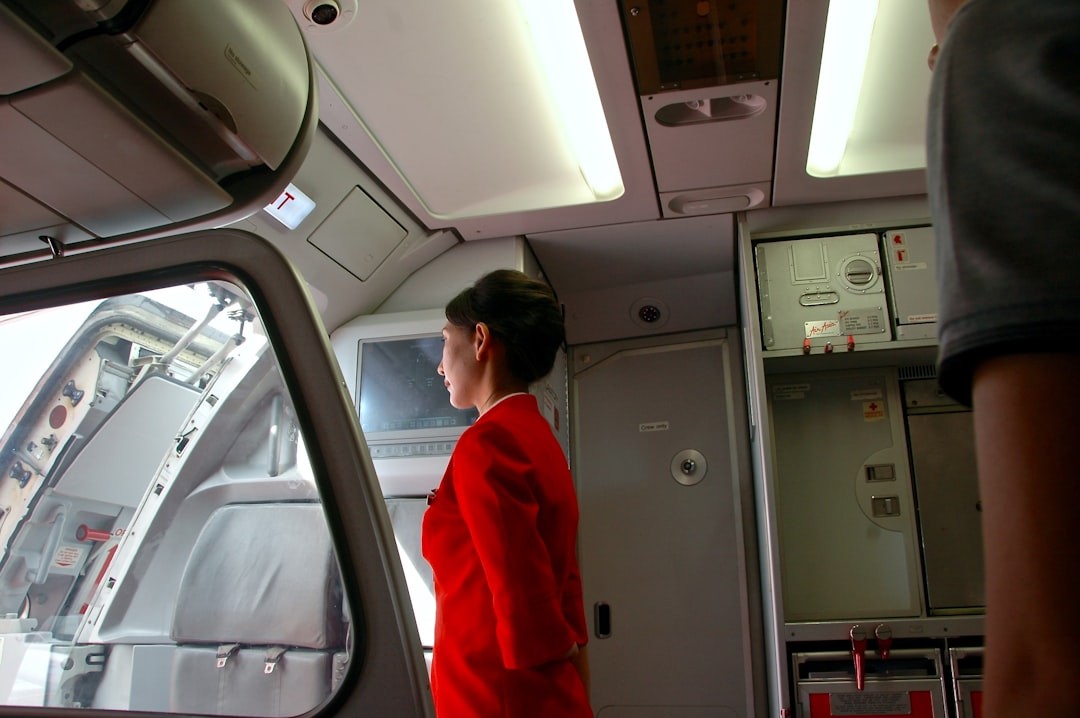
The marketing strategies of many airlines before the 1980s heavily relied on the hypersexualization of flight attendants, predominantly women, to attract passengers, particularly businessmen. Advertisements often featured suggestive slogans and revealing uniforms, such as hot pants and go-go boots in the 1960s, designed to enhance the “glamour” and perceived accessibility of the role. This objectification extended to the very image of the flight attendant, who was marketed as a symbol of modernity and allure, rather than a trained professional responsible for safety. Such practices not only demeaned the profession but also created an environment where sexual harassment was more likely to occur, as flight attendants were often viewed as commodities rather than individuals with rights.
Demanding Service and Manual Labor
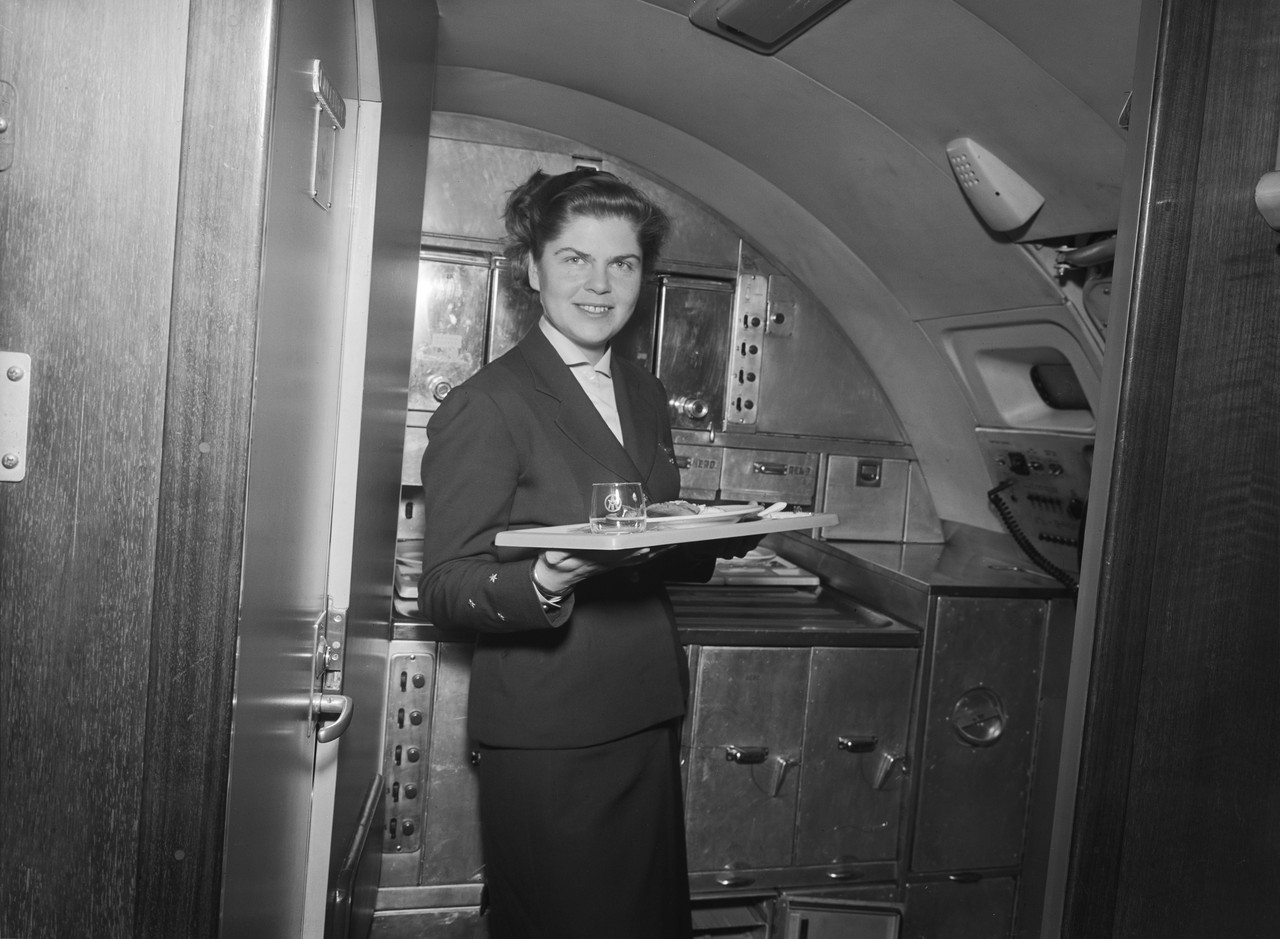
Beyond the strict appearance codes and marketing gimmicks, pre-1980s flight attendants were often tasked with extensive manual labor and demanding service duties that went unrecognized in their job titles. In the 1940s, duties expanded to include cleaning the cabin, preventing passengers from throwing garbage overboard, and at times, assisting with fueling aircraft. Passengers in the 1970s enjoyed a luxurious experience, even in coach, with gourmet meals and custom cocktails. Flight attendants were expected to deliver this high level of service flawlessly, which included learning deportment, how to smile, and even the proper way to smoke a cigarette as part of their training. This focus on an idealized, subservient service model often overshadowed the critical safety responsibilities inherent in the role.
Limited Career Progression and Mandatory Retirement
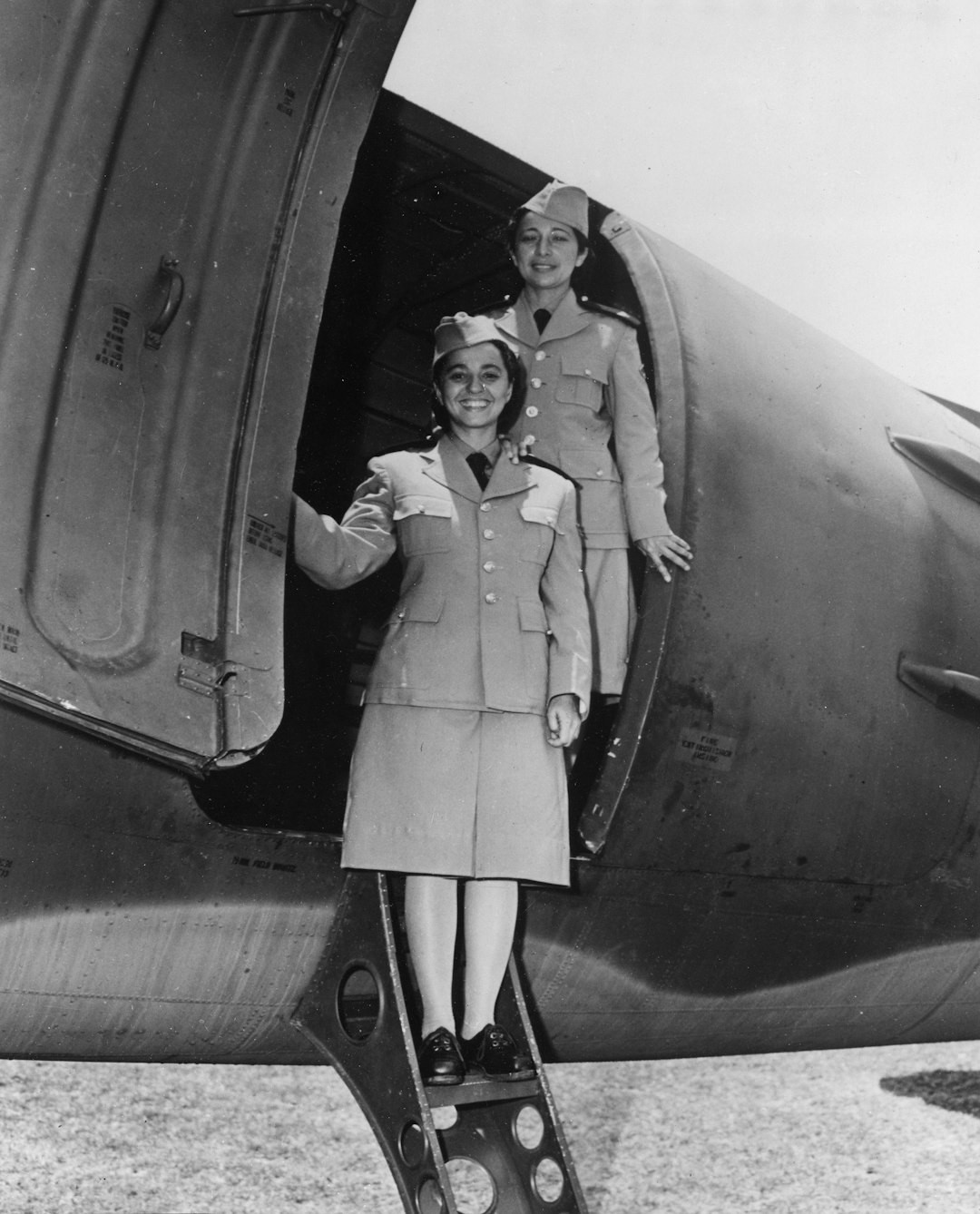
The career trajectory for flight attendants before the 1980s was severely limited, characterized by mandatory retirement ages and a lack of opportunities for advancement. Typically, flight attendants were expected to retire in their early thirties, usually around age 32, regardless of their performance or desire to continue. This policy was largely rooted in the desire to maintain the young, attractive image associated with the profession, a stark contrast to today’s industry where the average flight attendant is significantly older, around 46 years old. The absence of clear paths for career growth meant that flight attendants had little incentive or opportunity to develop specialized skills beyond the demanding service requirements of their initial role.
The Early Fight for Equality
The restrictive and discriminatory practices faced by flight attendants were not without challenge. As societal attitudes began to shift in the 1960s and 1970s, driven by the Civil Rights and Women’s Rights movements, flight attendants became instrumental in the fight for workplace equality. Groups like Stewardesses for Women’s Rights emerged, using legal action to combat discriminatory hiring and employment practices. Flight attendants were among the first groups to file cases under Title VII of the Civil Rights Act of 1964, which outlawed biased hiring practices based on sex, race, and national origin. These legal battles gradually dismantled rules concerning marriage, age, race, and weight, paving the way for a more inclusive and professional future for the industry.
The Dawn of Professionalism and Safety

The transformation of the flight attendant role accelerated in the 1980s, marking a pivotal shift from an emphasis on appearance and subservient service to one of professionalism and safety. The term “cabin crew” began to be widely adopted, signaling a broader recognition of their responsibilities beyond mere hospitality. Rigorous training in emergency management, first aid, and security became paramount, equipping flight attendants with the skills to handle a wide range of critical situations. This evolution was crucial, as it not only elevated the status of the profession but also ensured the well-being of passengers by prioritizing their safety above all else.
A Stark Contrast to Today’s Standards
Today’s flight attendant profession stands in stark contrast to its pre-1980s iteration. Modern flight attendants are recognized as highly trained safety professionals, with comprehensive training in emergency procedures, medical assistance, and security protocols. The profession is now open to individuals of all genders, ages, and marital statuses, reflecting a commitment to diversity and equal opportunity. While customer service remains a key aspect, it is now balanced with the primary responsibility for passenger safety. The days of strict weigh-ins, mandatory retirement at 32, and dismissal upon marriage are long gone, replaced by regulations that foster a professional, respectful, and inclusive working environment for all cabin crew members.