

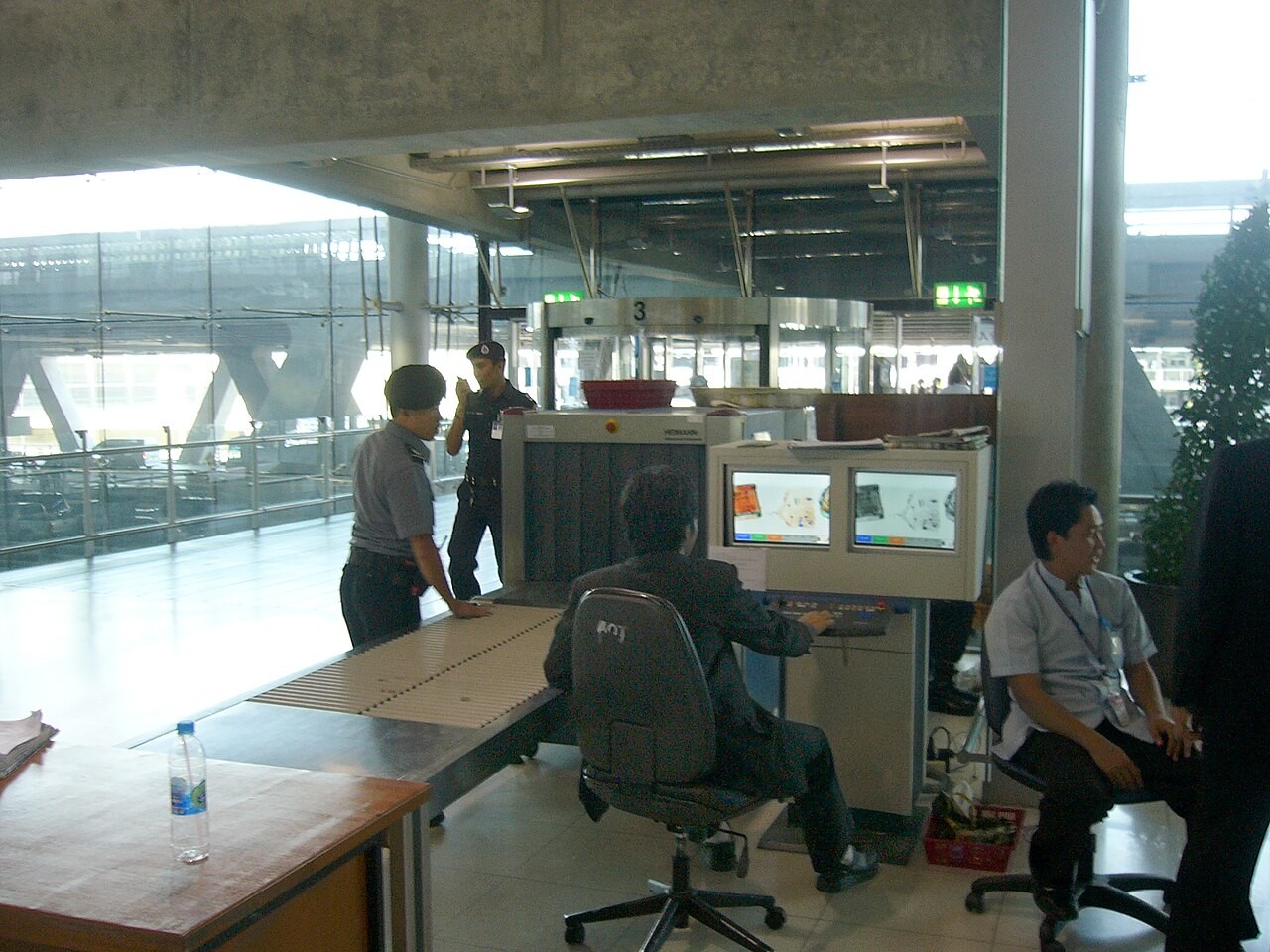
Navigating airport security can be a stressful experience, and it’s easy to let nerves or frustration lead to ill-advised comments. Understanding what not to say is crucial, as security personnel are trained to take all potential threats seriously, regardless of intent. Even seemingly innocuous jokes or remarks can result in significant delays, questioning, or even legal consequences. Adhering to simple guidelines and maintaining a respectful demeanor ensures a smoother process for everyone involved.
1. “I Was Just Joking About the Bomb”
Making any comment, even humorously, about possessing a bomb or an explosive device is strictly prohibited at airport security checkpoints. This applies to remarks made in person, over the phone, or even through written messages. Airport personnel are mandated to treat all such statements as genuine threats, initiating immediate investigations that can lead to arrest, interrogation, and severe civil and criminal penalties. The consequences are swift and can include charges for making a false report, a serious felony. Even if a passenger insists it was a joke, law enforcement will likely proceed with charges, as such statements are legally considered to have criminal intent and can disturb public peace. For instance, a man in Florida was arrested and charged with a felony for joking about TSA missing a bomb in his bag, despite no bomb being found.
2. “You Can’t Search My Bag – I Know My Rights”
Asserting knowledge of one’s rights in a confrontational manner at a security checkpoint is ill-advised. While passengers have rights, their assertion during the screening process can be perceived as obstructive behavior. TSA officers are trained to conduct screenings for security purposes, and passengers are expected to cooperate. Challenging their authority or attempting to dictate the screening process can lead to increased scrutiny, delays, and potentially being denied boarding. It is always best to comply with instructions and address any concerns through the appropriate channels after the screening is complete. Cooperation ensures a more efficient and less contentious experience for everyone.
3. “This Is Ridiculous – I’m Going to Sue You All”
Expressing extreme frustration or making threats of legal action towards security personnel is counterproductive and can escalate the situation. Airport security officers are performing their duties according to established protocols. Engaging in arguments or making statements like “I’m going to sue you all” can be interpreted as disruptive behavior, potentially leading to further investigation or delays. Instead of resorting to aggressive language, it is advisable to remain calm and politely inquire about procedures if something is unclear. If a legitimate grievance exists, it can be addressed through official channels after the travel is completed.
4. “I Have a Gun in My Bag – But It’s Declared”
While it is permissible to travel with firearms under strict regulations, declaring it in a casual or uncertain manner at a security checkpoint is highly problematic. Firearms must be unloaded, locked in a hard-sided case, and declared to the airline at the check-in counter, not at the security line. Bringing a firearm to a security checkpoint without proper declaration and adherence to regulations can lead to confiscating the weapon, significant fines, and potential arrest. Passengers are advised to familiarize themselves thoroughly with airline and TSA regulations regarding transporting firearms before their travel to avoid such serious issues.
5. “I Don’t Have to Tell You What This Is”
Refusing to identify items or answer questions from security personnel about the contents of your luggage is a direct impediment to the screening process. TSA officers are authorized to inspect any item they deem suspicious or require further clarification on. Failing to cooperate by stating “I don’t have to tell you what this is” can lead to your belongings being subjected to more intensive inspection, including a pat-down or a secondary screening. This non-compliance can cause significant delays for yourself and other passengers. It is always best to be transparent and answer truthfully when asked about any item.
6. “TSA Always Misses Things Anyway – They’re Useless”
Making disparaging remarks about the TSA or its officers’ competence is disrespectful and unproductive. Comments such as “TSA always misses things anyway – they’re useless” can be perceived as undermining security protocols and may even trigger additional screening. TSA officers are trained professionals tasked with ensuring safety, and their work is critical for secure air travel. Instead of voicing criticism, it is more constructive to focus on complying with instructions. If you have concerns about the process, they can be raised through official feedback channels after your screening.
7. “I’m Going to Miss My Flight – Just Let Me Through”
While the urgency of catching a flight is understandable, pressuring or attempting to rush TSA officers is not advisable. Statements like “I’m going to miss my flight – just let me through” are common but can lead to increased scrutiny rather than expedited passage. TSA’s screening procedures are designed for security, not speed, and are based on threat intelligence. Attempting to rush the process can be interpreted as trying to bypass security, which often results in more thorough checks. It is best to arrive at the airport with ample time to spare to avoid such stressful situations.
8. “I’ll Just Walk Back Through the Exit Lane”
Attempting to re-enter a security area through an exit lane, even with a seemingly innocent explanation like “I just need to go back for a second,” can have serious consequences. Security checkpoints are designed with specific entry and exit points for safety reasons. Deviating from these established pathways can be seen as an attempt to breach security protocols. This type of action, regardless of intent, can result in being stopped, questioned by law enforcement, and potentially detained or charged. If you realize you’ve made a mistake or need to retrieve something, find a TSA officer for guidance instead of attempting to self-correct.
9. “My Bag Isn’t Mine – I’m Just Carrying It for a Friend”
Claiming that luggage belongs to someone else, especially if you are carrying it for a friend, can raise significant security concerns. Unattended or unknown baggage is treated with extreme suspicion at airports due to potential security risks. TSA officers may subject such bags to thorough inspection, which could include opening them. To avoid complications and delays, it is crucial to only travel with your own belongings or to ensure you are aware of and comfortable with the contents of any bag you are carrying for someone else. This transparency is key to a smooth security process.
10. “Don’t Touch Me – I’ll Record Everything and Put It Online”
Displaying an aggressive or defiant attitude, coupled with a threat to record the interaction and post it online, is likely to escalate the situation. While passengers have the right to be treated with respect, threatening to record security personnel can be seen as intimidating behavior. TSA officers are trained to handle interactions professionally, but a confrontational approach can lead to heightened security measures, including pat-downs or more thorough searches. It is more effective to remain calm and polite, and if you feel you have been mistreated, to file a formal complaint afterward through the appropriate channels.
11. “You Already Checked That – Stop Going Through It Again”
Expressing impatience or disbelief when your belongings are being re-examined can create unnecessary friction. Security officers may need to conduct secondary screenings for various reasons, including random checks or if an item raises a concern. Responding with “You already checked that – stop going through it again” can be perceived as uncooperative and may lead to further delays. It is important to understand that these procedures are in place for safety. A calm and patient demeanor will facilitate a more efficient resolution of any screening requirements.


