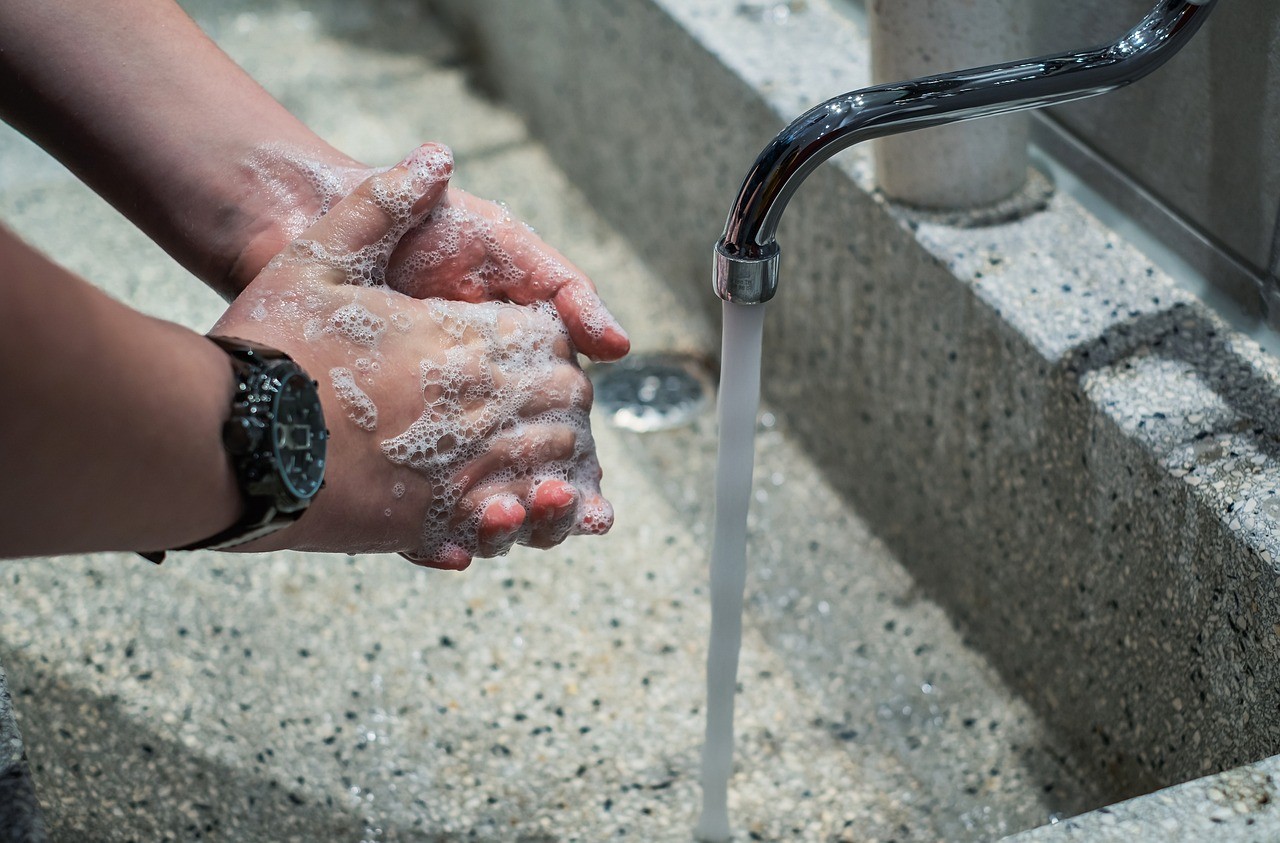
Maintaining impeccable hand hygiene is paramount in preventing the spread of pathogens and safeguarding personal and public health. Numerous everyday items, often overlooked, can harbor a significant number of germs, making immediate handwashing a crucial preventative measure. Understanding which items pose the greatest risk allows for informed practices to minimize germ transmission and promote well-being.
1. Money and Payment Terminals
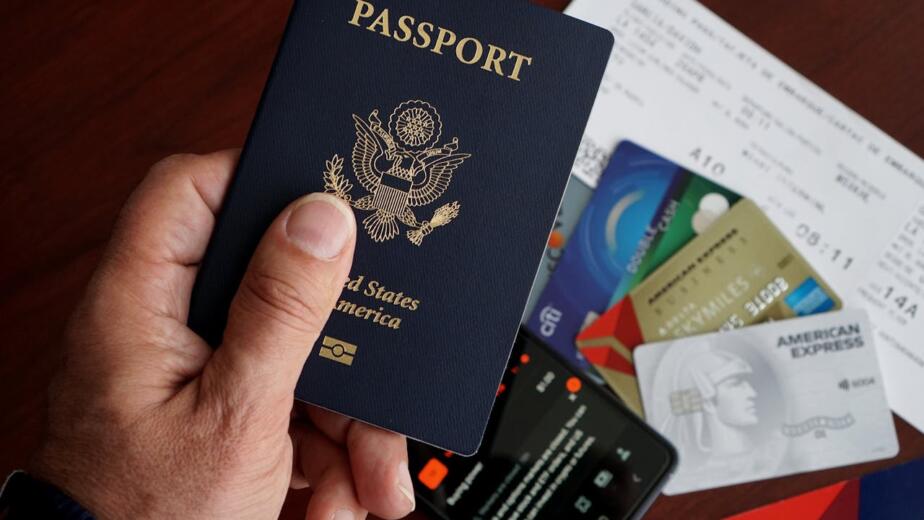
Cash, along with debit and credit cards, frequently changes hands and can harbor thousands of germs and microorganisms. Studies indicate that money can carry bacteria like Salmonella and Staphylococcus aureus, which can cause serious illness. Payment terminals and ATMs are also high-touch surfaces that accumulate germs from numerous users. It is crucial to wash your hands with soap and water for at least 20 seconds after handling cash or using payment terminals, or use an alcohol-based hand sanitizer. Minimizing cash use in favor of digital or contactless payments can further reduce exposure.
2. Public Transportation Surfaces

Public transportation vehicles are breeding grounds for germs due to the high volume of passengers touching shared surfaces. Handles, seats, railings, and buttons can harbor bacteria and viruses, with some pathogens surviving for hours or even days. A study on high-touch surfaces in public transport found that handles and buttons were among the most frequently touched items. It is especially important to clean your hands after touching these surfaces. Washing your hands with soap and water for at least 20 seconds or using hand sanitizer after getting on and off public transport is recommended.
3. Grocery Store Items and Carts
Grocery store carts and baskets are handled by numerous individuals daily and can test positive for coliform bacteria, an indicator of fecal contamination. While at the store, avoid touching multiple food items and sanitize your hands after using high-touch surfaces like freezer handles or payment terminals. After returning home, wash your hands thoroughly after handling groceries and cleaning packaging, as these items can harbor germs from various environments.
4. Raw Meat and Poultry
Handling raw meat and poultry poses a significant risk of cross-contamination due to the presence of harmful bacteria such as E. coli and Salmonella. These pathogens can easily spread to kitchen surfaces and other foods if proper hygiene is not maintained. It is imperative to wash your hands thoroughly with soap and warm water for at least 20 seconds immediately after handling raw meat, poultry, or seafood, and to keep these items separate from other foods during preparation and storage. Avoid washing raw meat, as this can increase the risk of splashing bacteria onto surrounding surfaces.
5. Pet Contact and Related Items
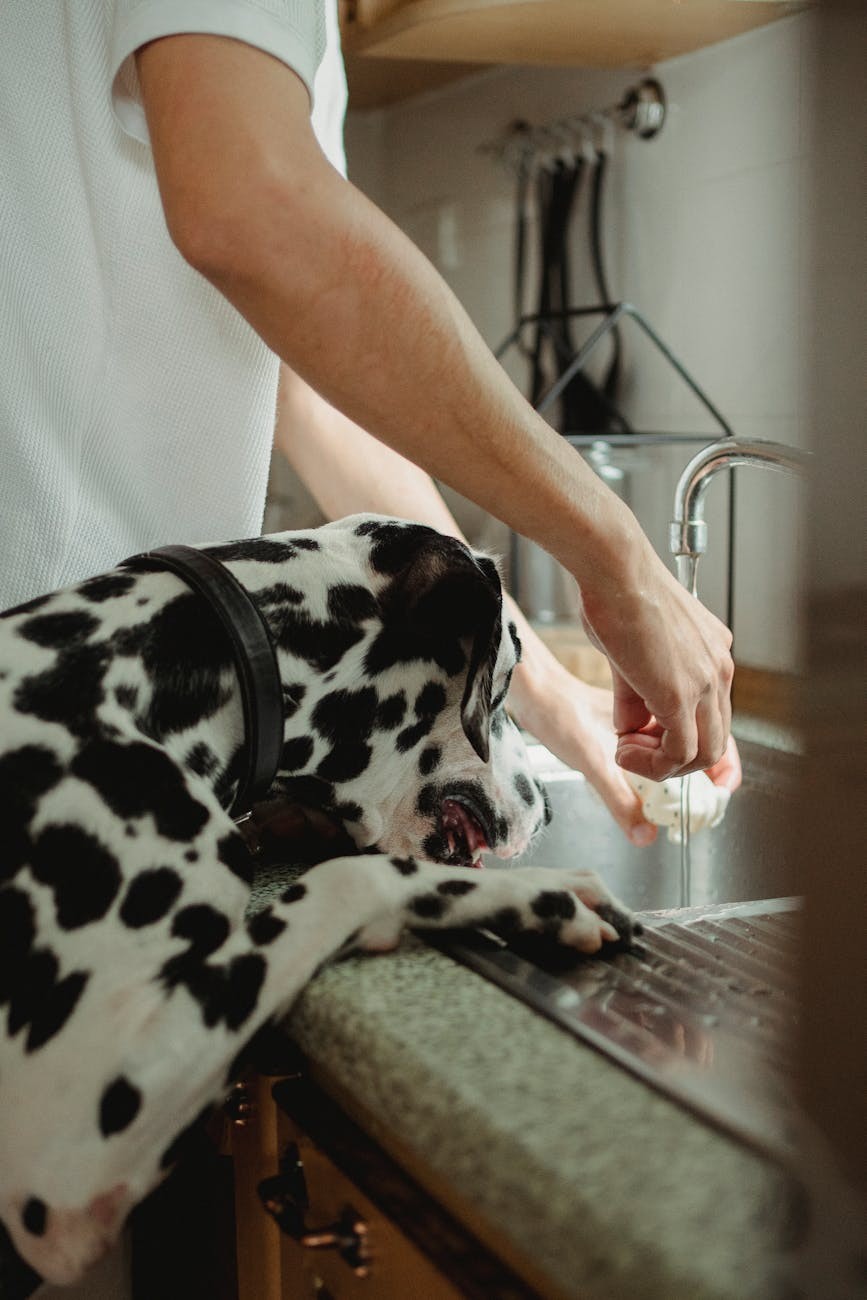
Animals, even those that appear healthy, can carry harmful germs like Salmonella and E. coli that can be transmitted to humans. Always wash your hands thoroughly with soap and water after touching or playing with pets, handling pet food or dishes, or cleaning up after them. This includes after visiting areas where animals live, such as barns or stalls. If soap and water are not immediately available, use a hand sanitizer with at least 60% alcohol. Washing hands prevents the spread of zoonotic diseases, which are illnesses that can be passed from animals to people.
6. Public Restroom Fixtures
Public restrooms are known to harbor a high concentration of germs, including E. coli and Salmonella, due to frequent use and the nature of the facilities. High-touch surfaces such as door handles, flush levers, faucets, and countertops are particularly prone to contamination. It is essential to wash your hands thoroughly with soap and water for at least 20 seconds after using a public restroom. If soap and water are unavailable, an alcohol-based hand sanitizer with at least 60% alcohol is a viable alternative.
7. Electronic Devices
Our electronic devices, especially smartphones, are touched frequently throughout the day and can accumulate a significant number of germs. Studies suggest that phones can harbor more bacteria than a toilet seat. It is crucial to wash your hands after handling devices that are frequently used or shared, such as phones, tablets, keyboards, and remote controls. Regular cleaning of these devices with appropriate disinfectants is also recommended to minimize germ transmission.
8. Garbage and Waste Receptacles
Garbage cans and waste receptacles are inherently sources of bacteria and pathogens. Handling garbage, even with gloves, can transfer germs to your hands. It is important to wash your hands immediately after touching garbage cans or handling waste. According to the CDC, handwashing is a critical step after touching garbage to prevent the spread of illness-causing microorganisms. This practice is essential for both household and public waste bins.
9. Eating Utensils and Food Preparation Surfaces
Kitchen sponges and cutting boards can harbor over 10,000 colony-forming units (CFUs) of bacteria per square inch. Utensils and surfaces used for food preparation are particularly vulnerable to contamination, especially after handling raw ingredients. Always wash your hands thoroughly with soap and warm water after using kitchen sponges, cutting boards, or preparing food. This practice is vital in preventing the transfer of bacteria from these items to your mouth or other food items.
10. Dining Out and Takeout Food Handling
When dining out or handling takeout food, multiple touchpoints are involved, from menus to food packaging. Restaurant surfaces, especially high-contact areas, can reflect the establishment’s commitment to sanitation. After eating out, or after handling takeout containers and packaging, it is advisable to wash your hands to remove any potential contaminants. If you handle food at a restaurant, such as at a buffet, it is recommended to wash your hands before eating.