


As travel continues to rebound and evolve, so too do guest expectations for hotel cleanliness. While the bed linens and bathroom might receive daily attention, numerous high-touch items within hotel rooms are often overlooked during routine cleaning. Even in five-star establishments, the reality of time constraints and cleaning protocols means certain surfaces can become surprising breeding grounds for bacteria and viruses. In 2026, understanding these overlooked areas is key for travelers prioritizing hygiene.
1. Remote Controls
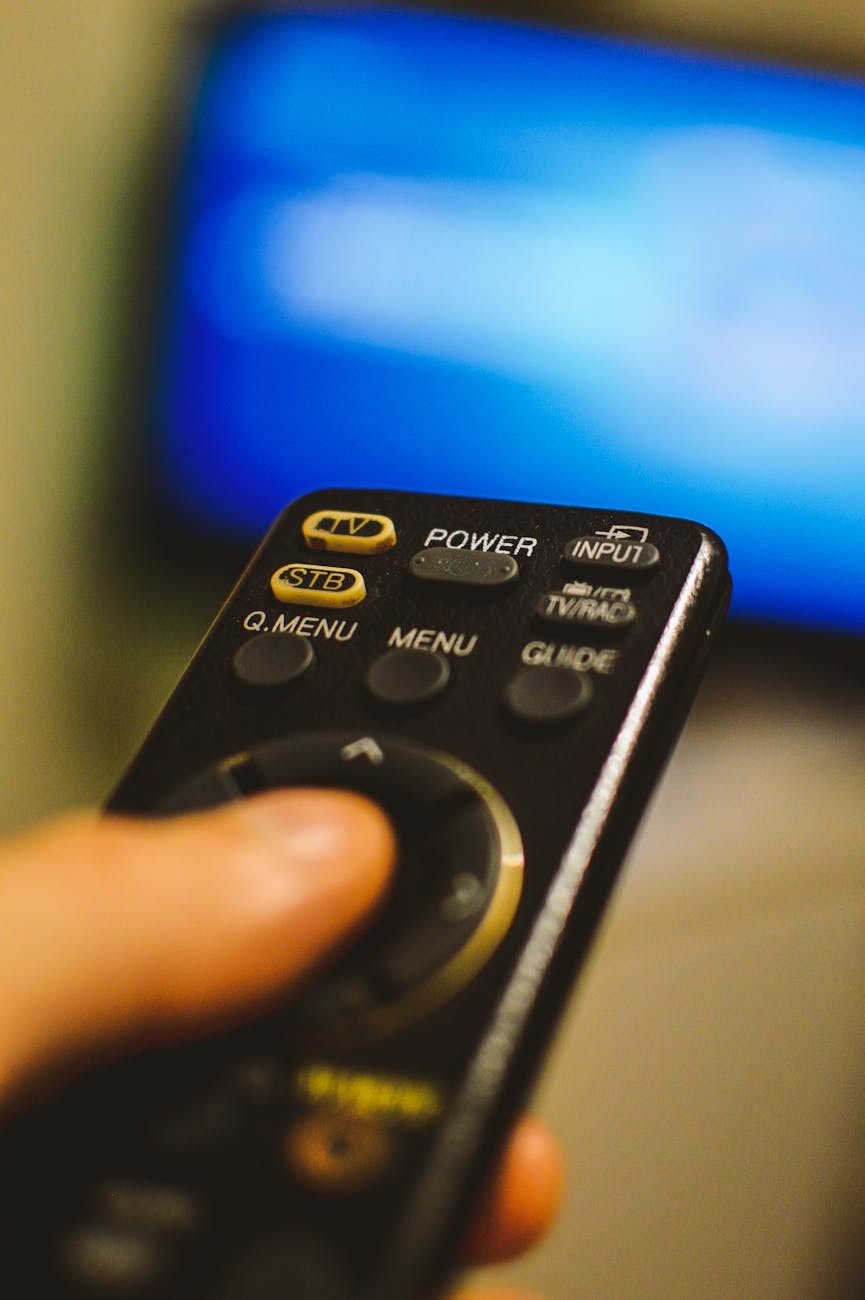
The television remote control is consistently cited as one of the dirtiest items in a hotel room. Studies have revealed that these frequently handled objects can harbor more bacteria than toilet seats, with potential contamination including E. coli. Due to their constant use by multiple guests and limited cleaning time during room turnover, remotes are often only wiped down superficially, if at all. This makes them a significant, yet often ignored, surface for germ transmission. In 2026, the expectation for high-touch item disinfection is growing, but the reality for remotes remains a concern, especially given their ubiquitous presence in all hotel types, from budget to five-star resorts.
2. Light Switches and Bedside Lamp Buttons
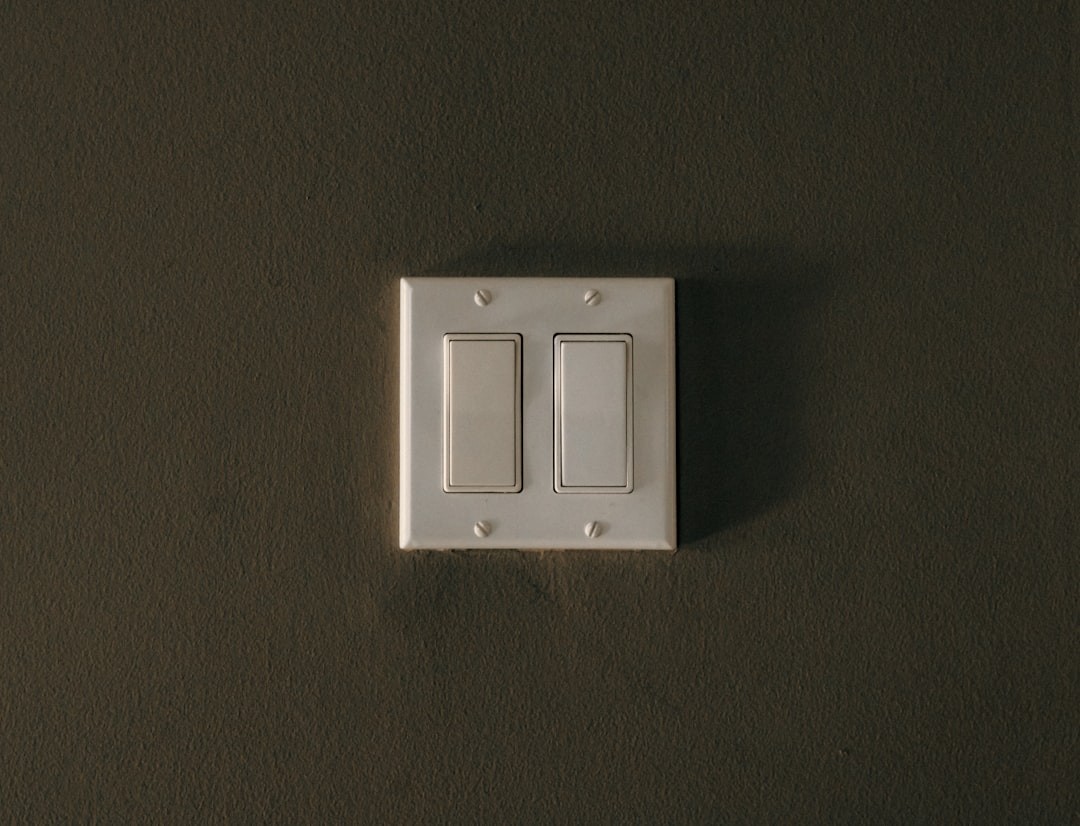
Light switches and bedside lamp buttons are among the most frequently touched surfaces in a hotel room, often being the first and last things guests interact with daily. Despite their constant use, these small but critical touchpoints are frequently missed during routine cleaning. Housekeeping staff often focus on more visible areas, leaving switches and buttons as prime spots for bacteria and virus accumulation. The sheer volume of guests touching these surfaces daily, coupled with infrequent deep cleaning schedules, makes them a persistent hygiene concern, even in upscale accommodations aiming for superior guest experiences.
3. Coffee Makers and Kettles
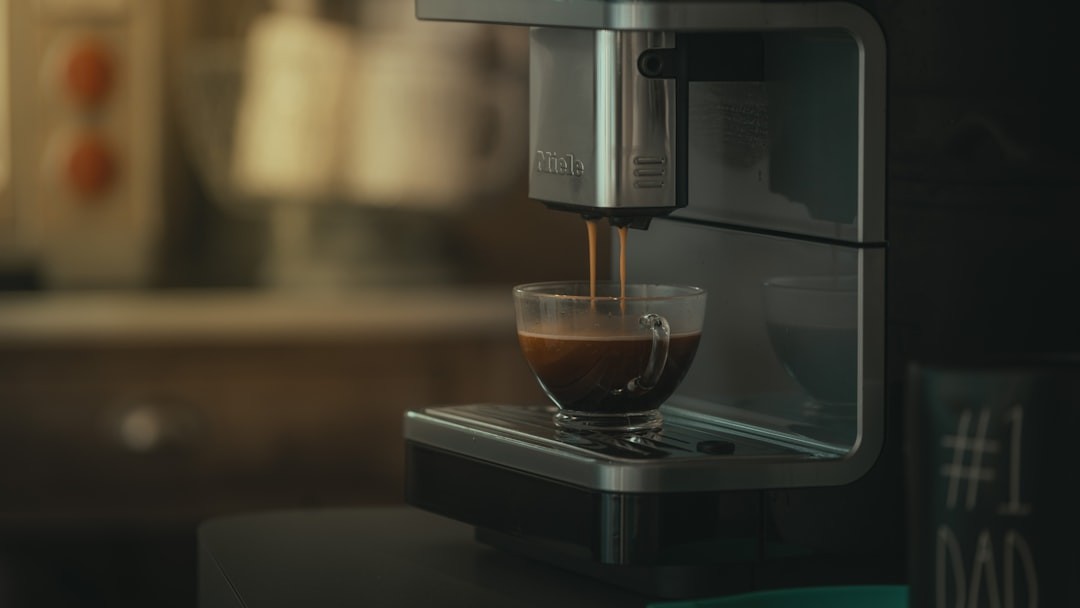
The convenience of in-room coffee makers and kettles comes with a hidden downside: their cleanliness. These appliances, particularly areas like buttons and handles, can harbor bacteria, mold, and even remnants of previous guests’ use if not thoroughly cleaned. Stagnant water in coffee makers can become a breeding ground for microorganisms. While daily cleaning might involve a cursory wipe-down, deep sanitization, including internal components, is often neglected. This oversight is common across hotel tiers, as efficient room turnover prioritizes visible tidiness over comprehensive appliance hygiene, leaving guests at risk.
4. Decorative Pillows and Bed Throws

While bed linens and pillowcases are typically changed between guests, the decorative pillows and bed throws often are not. These soft furnishings can be easily overlooked in daily cleaning routines and may only be washed occasionally, if at all. They are also prone to being placed on the floor or other surfaces, further increasing their contamination risk. In 2026, as guests become more discerning about hygiene, the presence of these infrequently cleaned textiles on the bed can be a significant concern, even in luxury settings that aim to provide an enhanced aesthetic.
5. Ice Buckets and Glasses

The ice bucket and the drinking glasses provided in hotel rooms present a surprising hygiene risk. Ice buckets, especially if used without liners, can be a breeding ground for germs, and some reports suggest they are sometimes used for purposes beyond holding ice. Similarly, drinking glasses may only receive a quick rinse in the bathroom sink, potentially spreading bacteria from the commode area. Despite their perceived necessity, the cleaning protocols for these items often fall short of true disinfection, posing a risk to guests across all hotel categories.
6. Telephones and Alarm Clocks
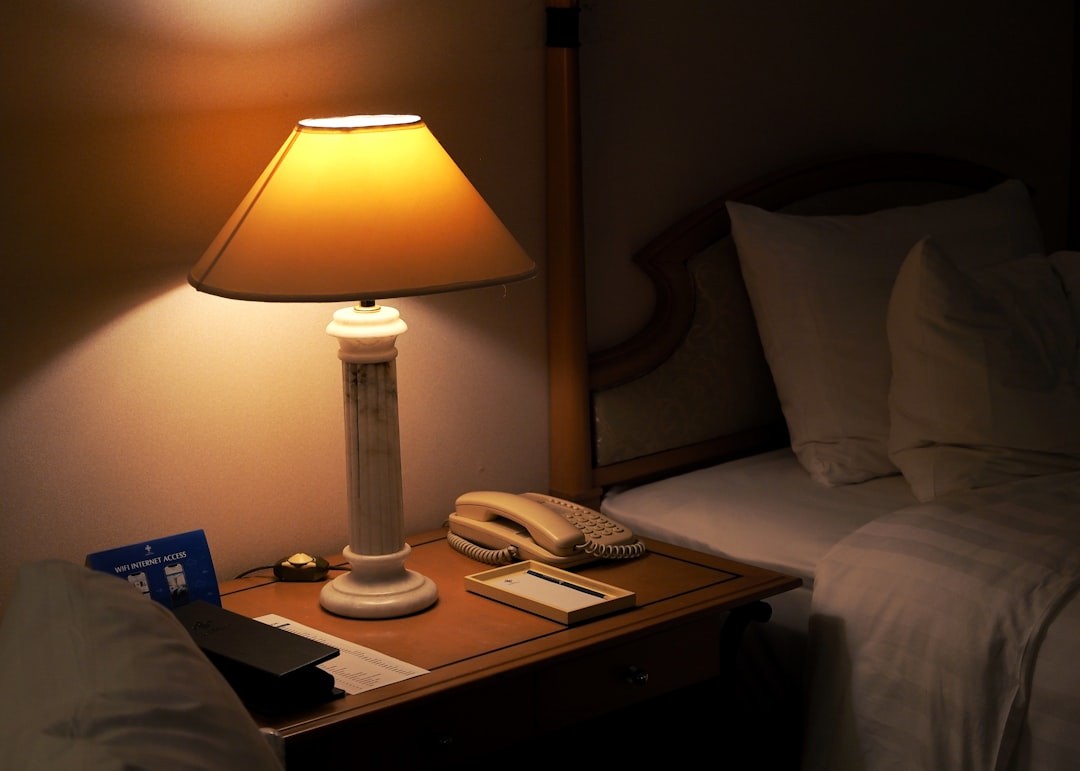
In-room telephones and alarm clocks are high-touch items that are frequently handled by guests throughout their stay. These electronic devices, often located near beds, can accumulate a significant amount of bacteria and viruses from daily use, including from unwashed hands. While they are dusted, a thorough disinfection that targets all nooks and crannies is often not part of the standard daily cleaning routine. This oversight is consistent across hotels, as the focus remains on visible cleanliness rather than comprehensive sanitization of all electronic touchpoints, leaving guests exposed to potential pathogens.
7. Upholstered Furniture (Chairs and Sofas)
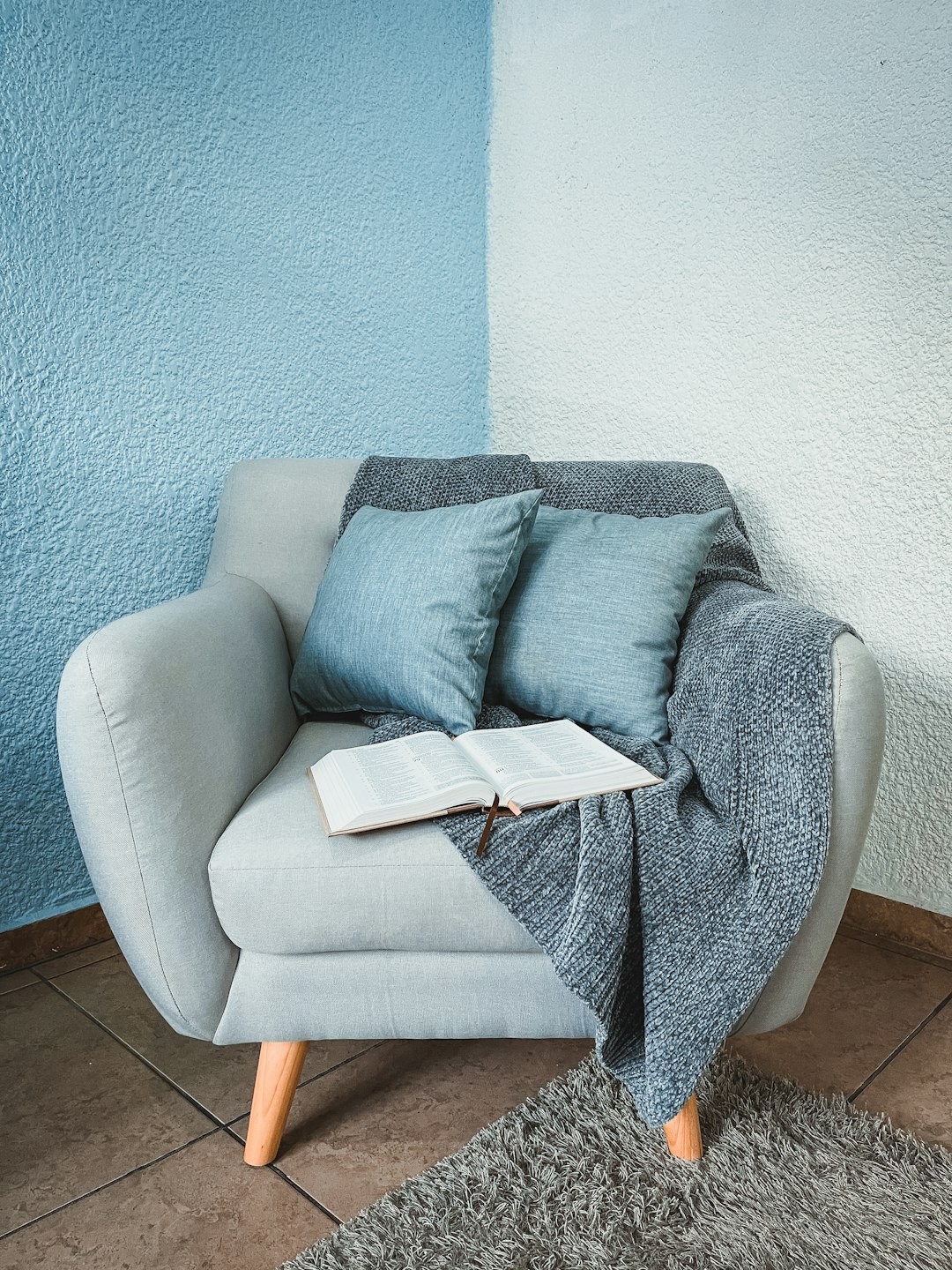
Upholstered chairs and sofas in hotel rooms are subjected to considerable wear and tear, accumulating skin cells, sweat, and environmental microbes. Unlike hard surfaces, fabric furnishings are more challenging to clean thoroughly and are rarely disinfected daily. Microbes can become trapped within the fabric fibers, persisting even after vacuuming or spot cleaning. While guests may assume these pieces of furniture are clean, their infrequent deep cleaning makes them potential reservoirs for bacteria and fungi, a concern that extends to all accommodation types.
8. Curtains and Blinds
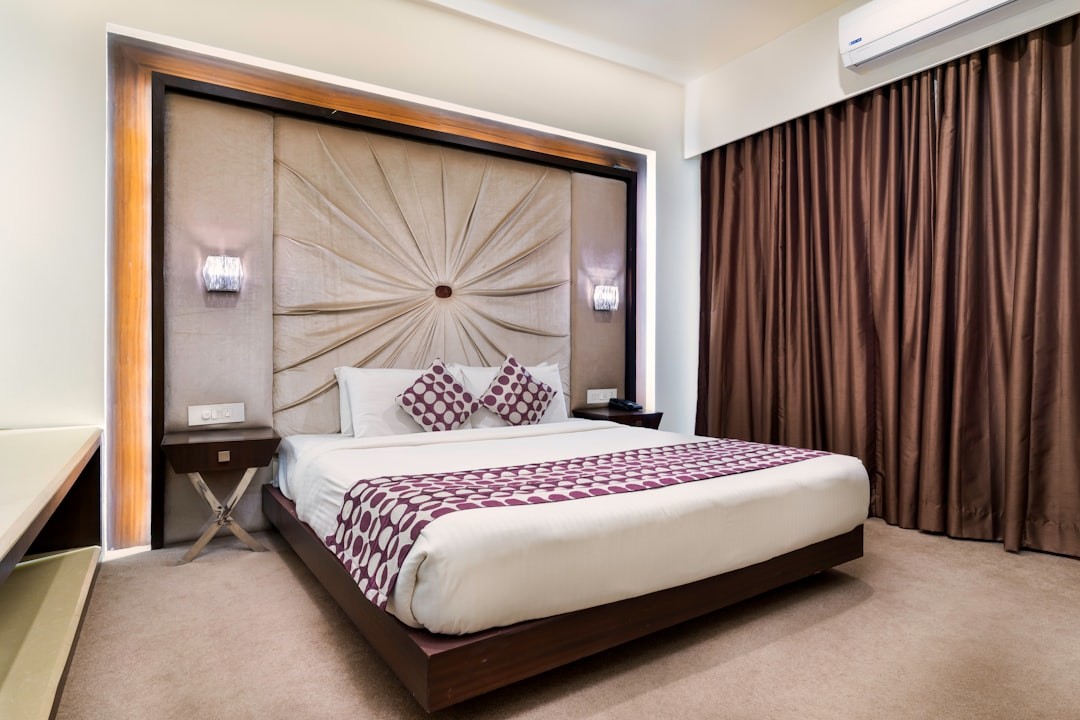
Curtains and blinds, while contributing to the room’s ambiance, are rarely given the deep cleaning attention they require. They accumulate dust, pollen, and potentially mold in damp environments. Guests frequently interact with them by opening and closing them throughout their stay, transferring germs and allergens. The process of cleaning them is labor-intensive, meaning they are often only cleaned when visibly soiled, rather than on a regular disinfection schedule, making them a neglected source of contaminants in hotel rooms.
9. Desks and Desk Accessories
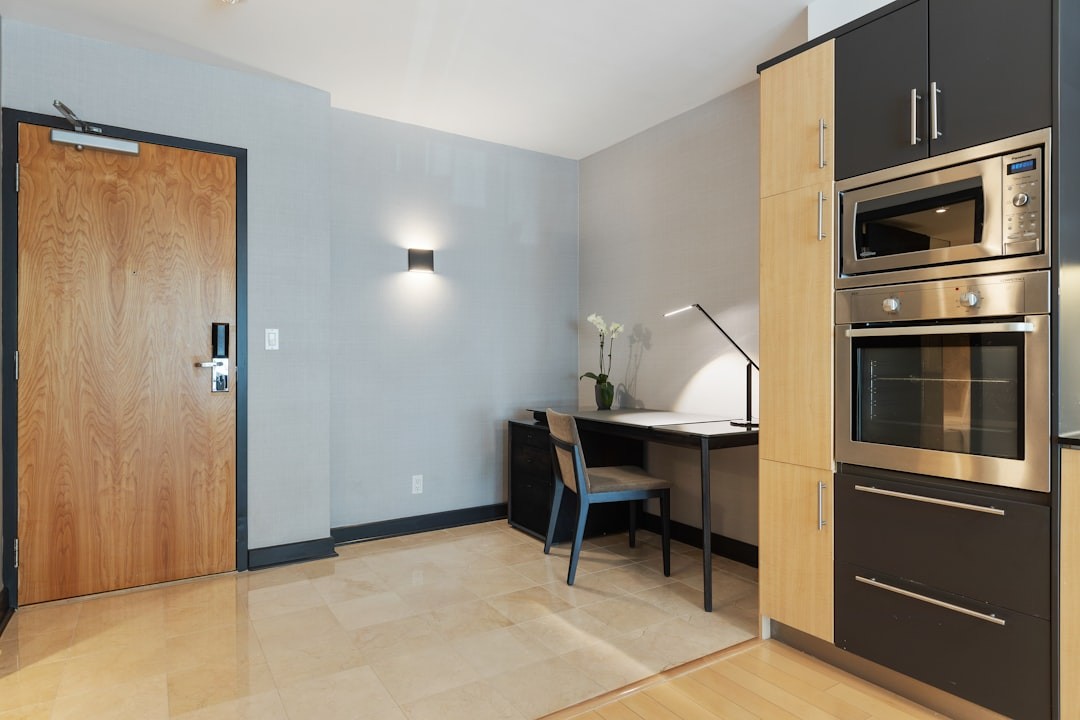
The desk area in a hotel room, often equipped with a phone, alarm clock, and various informational pamphlets, can be a germ hotspot. Respiratory viruses can linger on desk surfaces for extended periods. While housekeeping might wipe down the main surface, accessories like pen holders, desk lamps, and even the edges of drawers are often overlooked. The combination of high-touch surfaces and infrequent deep sanitization means these areas can harbor a significant amount of bacteria, despite appearing visually clean, posing a risk to travelers in 2026.

