
From beach sand to specific foods to cultural artifacts — these souvenirs can land you with fines, seized luggage, or worse. Here’s what customs officers are actually looking for.
Most travelers know the big prohibitions — no drugs, no weapons, no undeclared cash over $10,000. What catches people off guard are the specific items, country by country, that seem completely innocent but can result in fines of hundreds or thousands of dollars, confiscated luggage, or in extreme cases, arrest. Many of these rules exist to protect fragile ecosystems, irreplaceable cultural heritage, or agricultural safety. All of them are actively enforced. Here are 15 that actually trip up tourists every year.
1: Sand from Sardinia, Italy
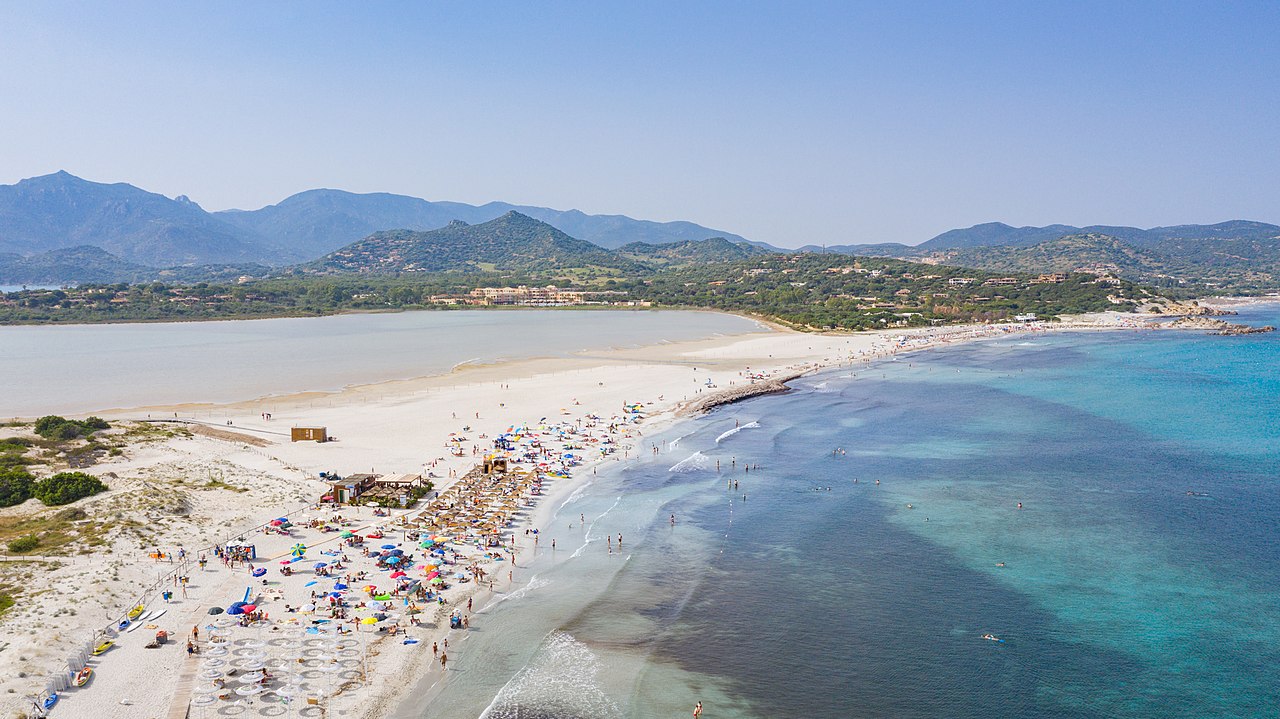
Fines up to €3,000 (about $3,250), and in severe cases, up to six years in prison. Since 2017, it’s been illegal to remove sand, pebbles, shells, or stones from Sardinia’s beaches under a regional conservation law. Customs officers at Sardinia’s airports — particularly Alghero and Olbia — routinely search departing passengers’ luggage during peak season. In 2020 alone, Italian police seized more than 200 pounds of sand from 41 tourists. A French couple was arrested in 2019 after being caught with 90 pounds of sand packed in plastic bottles. The conservation group Sardegna Rubata e Depredata estimates at least six tons of sand are stolen from the island each year.
2: Lava rocks or black sand from Hawaii
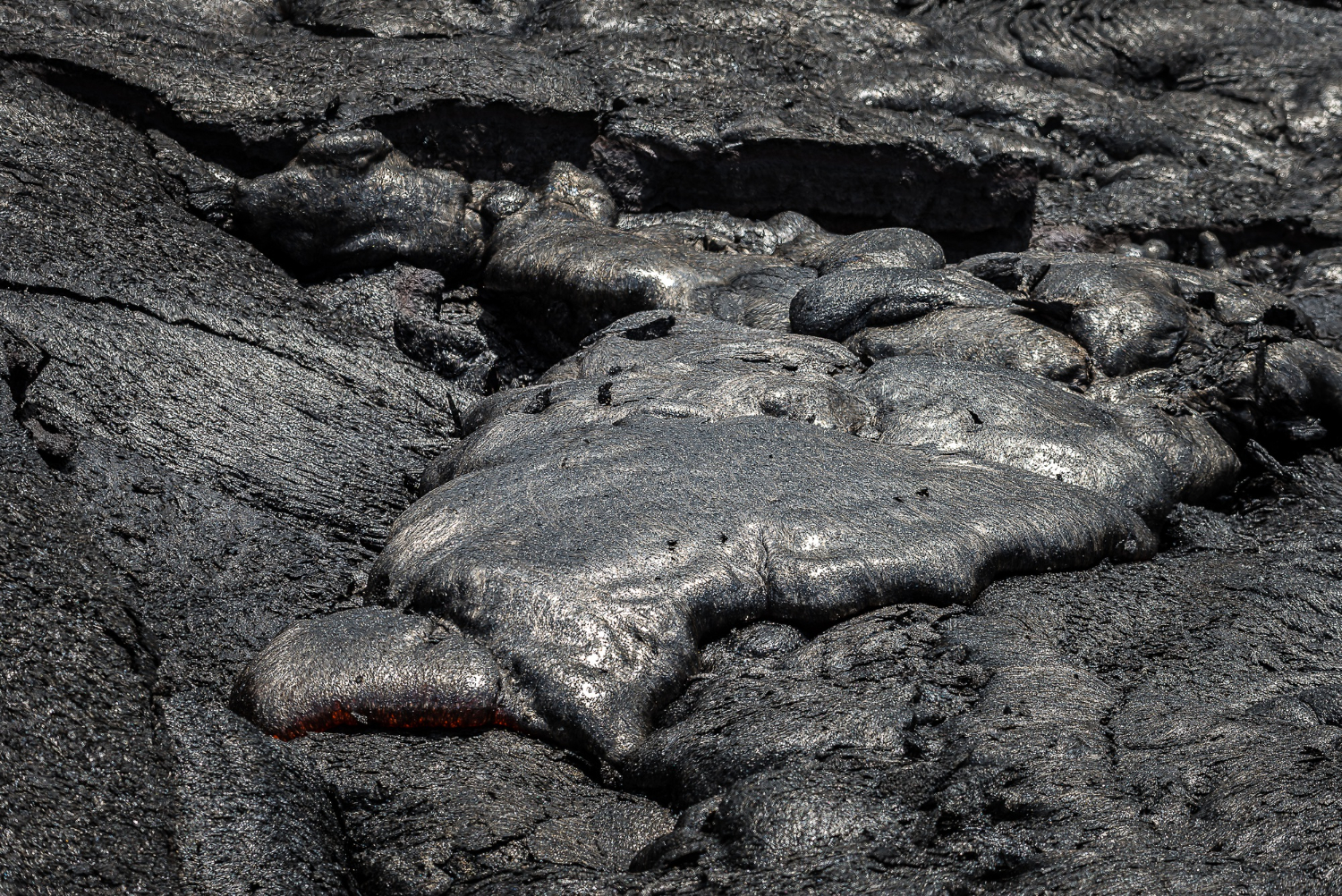
Federal law prohibits removing anything from Hawaii Volcanoes National Park or any other US national park — including lava rocks, sand, pebbles, and plants. Hawaii state law (HRS §171-58.5 and §205A-44) prohibits removing sand, dead coral, and coral rubble from any Hawaiian beach statewide. Fines can reach $5,000 and include possible imprisonment. The famous “Pele’s Curse” legend — that anyone who takes Hawaiian rocks will be followed by bad luck — is technically folklore (park rangers and bus drivers are widely credited with popularizing it to discourage theft), but the legal prohibition is very real. Hawaii Volcanoes National Park receives hundreds of packages a year from tourists mailing lava rocks back.
3: Shells or pebbles from any Greek beach
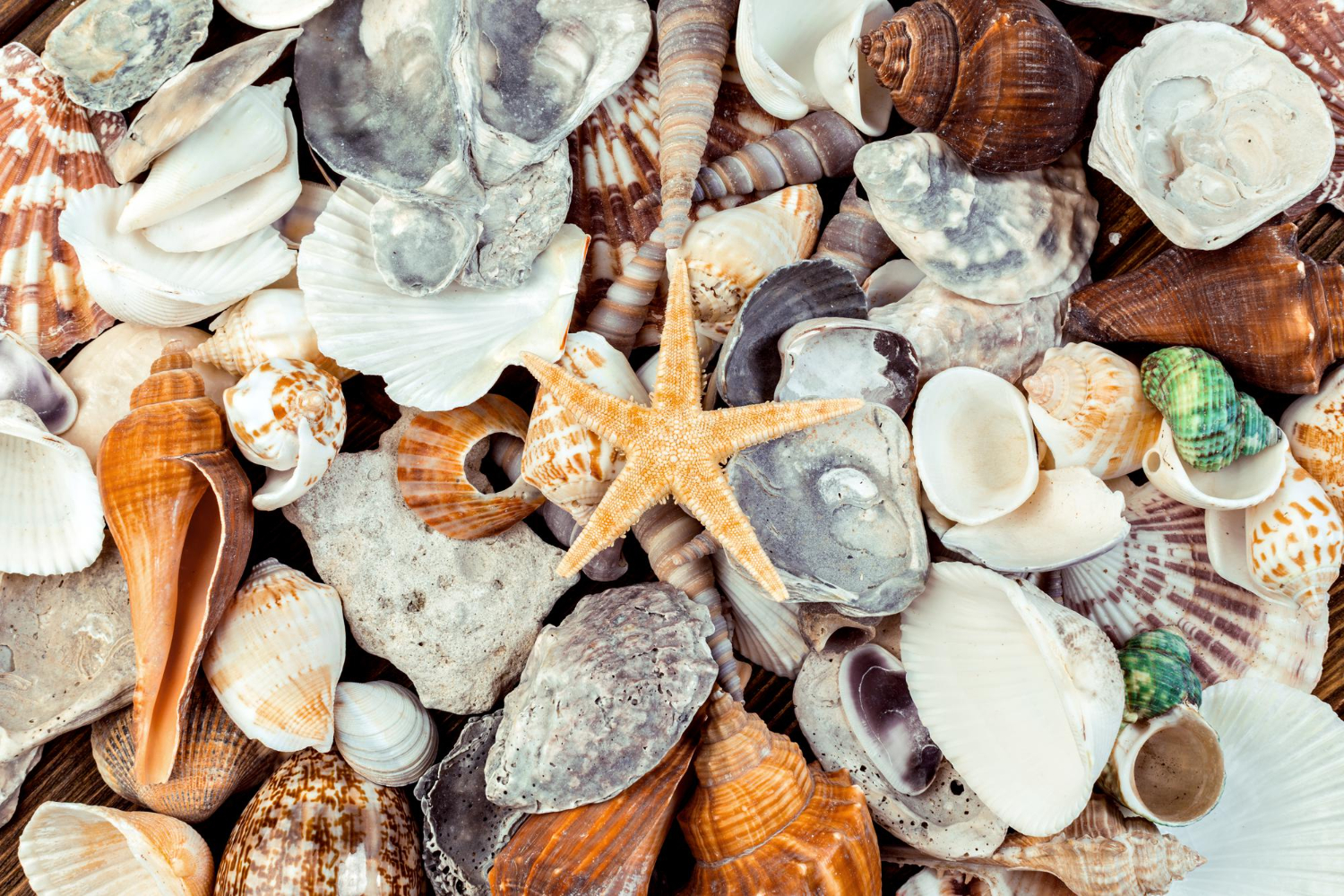
As of 2025, Greece imposes fines of up to €1,000 (about $1,080) for collecting shells or pebbles from protected beaches. The rule is part of a broader effort to combat the environmental effects of over 40 million annual tourists. Separately, removing any stone, pottery fragment, or object from a Greek archaeological site — even a seemingly worthless rock picked up off the ground — is classified as theft of cultural heritage under Greek law, with criminal penalties. A 2024 incident on Naxos, where a tourist removed a single stone from a protected site, prompted the Greek Ministry of Culture to install fencing.
4: Cuban rum and cigars (for US travelers)

Effective February 2025 and updated in July 2025, US travelers can no longer return to the United States with alcohol or tobacco products acquired in Cuba, even for personal use. This reversed earlier Obama-era relaxations. US Customs and Border Protection actively enforces this — Cuban cigars and rum found in arriving travelers’ luggage will be seized. The underlying Cuban assets control regulations (31 CFR § 515) make most Cuban-origin goods prohibited for import without a specific Treasury license, which is rarely granted.
5: Fresh meat, fruit, or plants into the United States
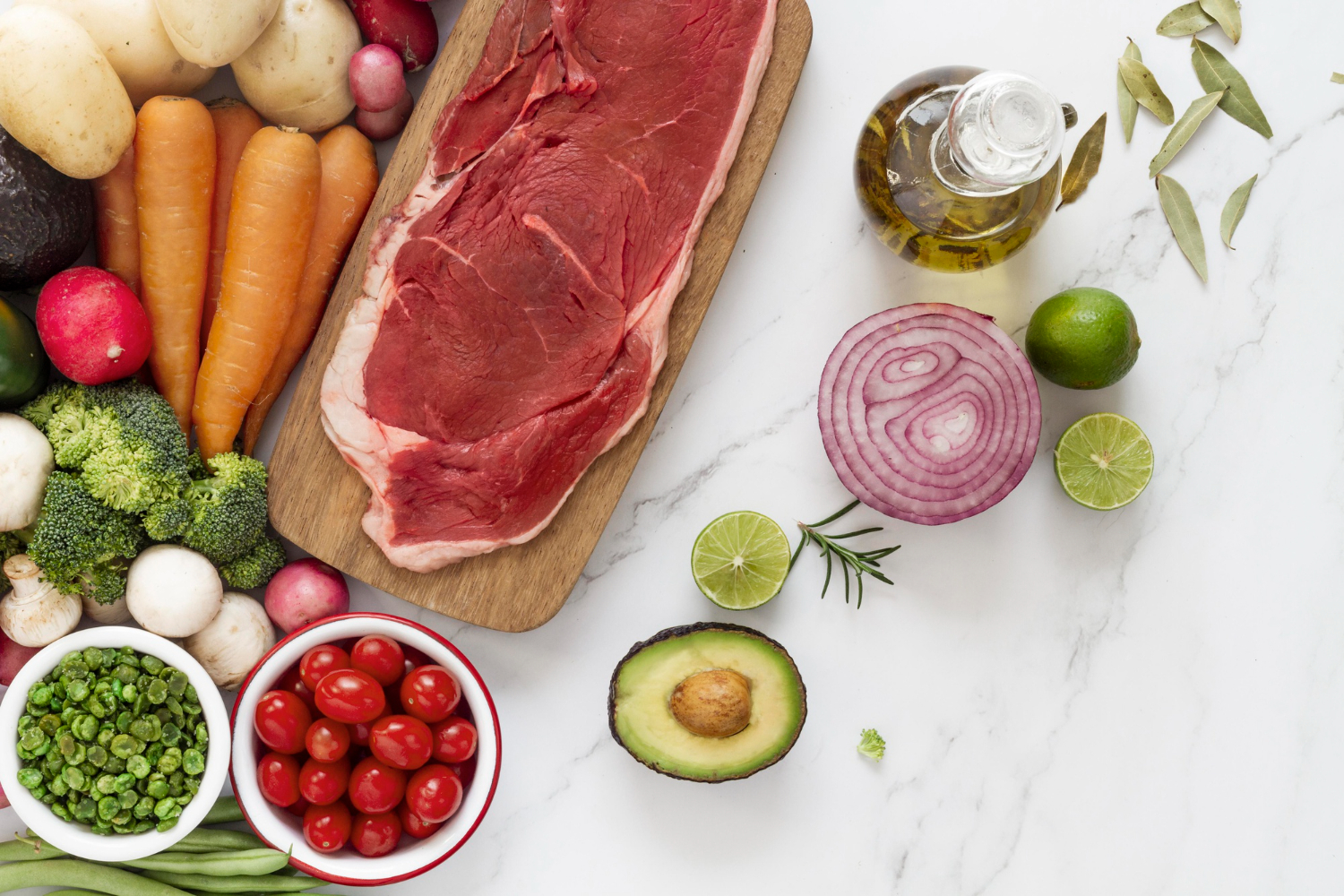
US Customs and Border Protection, working with USDA inspectors, prohibits most fresh meats, fruits, vegetables, plants, seeds, and soil from entering the country. The specific prohibited list varies by country of origin — meats from countries with foot-and-mouth disease, BSE (mad cow), or African Swine Fever are banned outright. Even products containing beef broth from restricted countries are prohibited. The fine for failing to declare agricultural items can reach $10,000. Declared items that turn out to be prohibited can be abandoned at the port of entry without penalty; undeclared ones result in fines and confiscation.
6: Kinder Surprise eggs into the United States

The hollow chocolate eggs with a small toy inside are legal in over 100 countries but banned from import into the US under the 1938 Federal Food, Drug, and Cosmetic Act, which prohibits “non-nutritive” objects embedded in food. US Customs and Border Protection has fined travelers for bringing Kinder Surprise eggs across the Canadian border — one Manitoba resident was threatened with a $300 fine for a single egg in 2011. Kinder Joy eggs, which separate the toy into a plastic half-shell, are legal and widely sold in the US.
7: Sea shells from Cuba
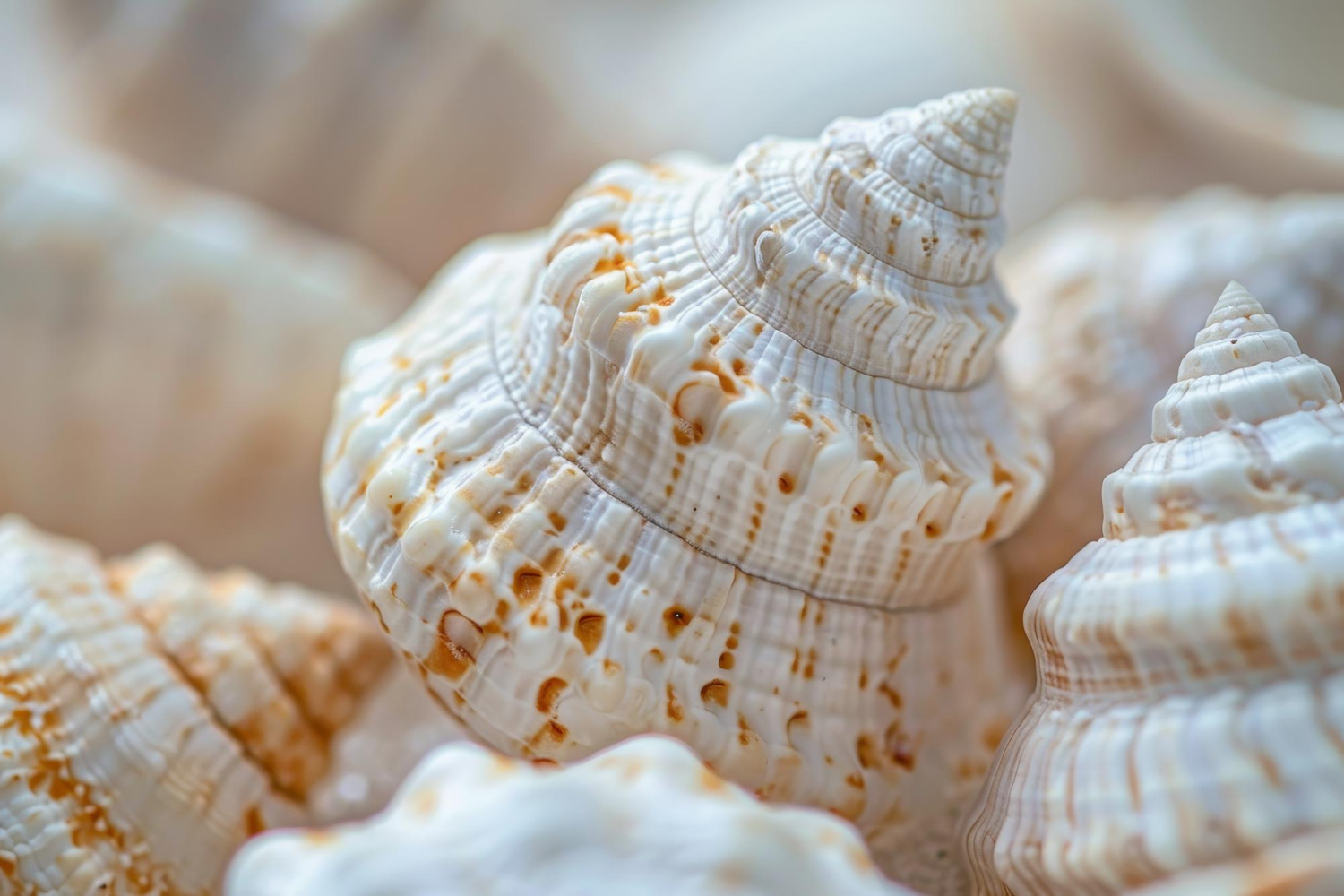
Beyond the general ban on Cuban imports, seashells from Cuba are specifically prohibited under the US Endangered Species Act because many Caribbean shell species are listed as threatened. This applies even to shells found loose on a Cuban beach. CBP agriculture specialists at airports are trained to spot them in arriving luggage.
8: Conch shells from the Bahamas or Caribbean
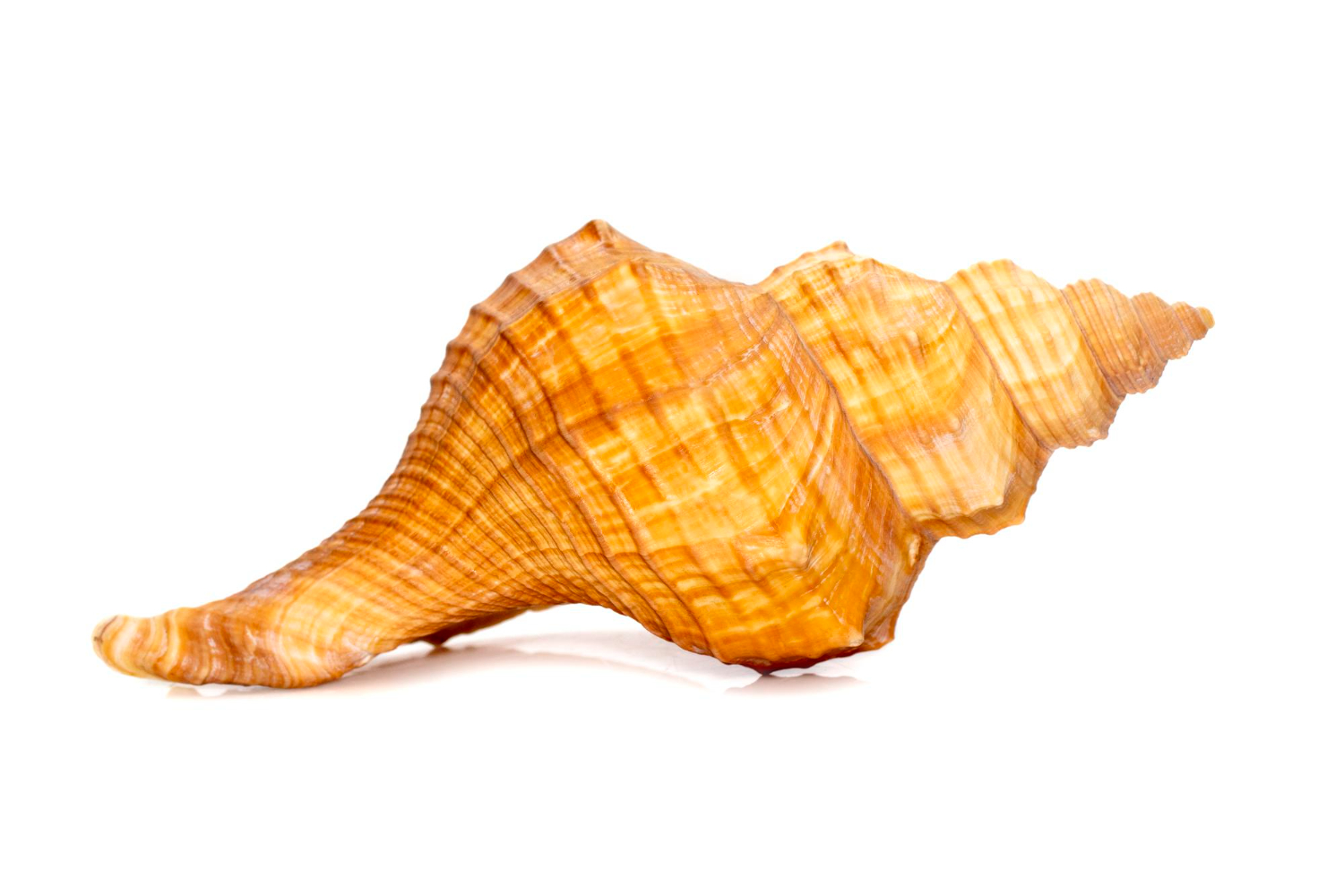
Queen conch is a protected species under CITES (the Convention on International Trade in Endangered Species), which the United States enforces. You cannot legally bring conch shells, conch meat, or conch products (including jewelry) into the US from the Bahamas, Turks and Caicos, or most Caribbean nations without a CITES permit. The Bahamas itself allows tourists to purchase conch products locally, which confuses travelers — the issue is the export/import step, not the local sale.
9: Coral (live or dead) from most tropical destinations
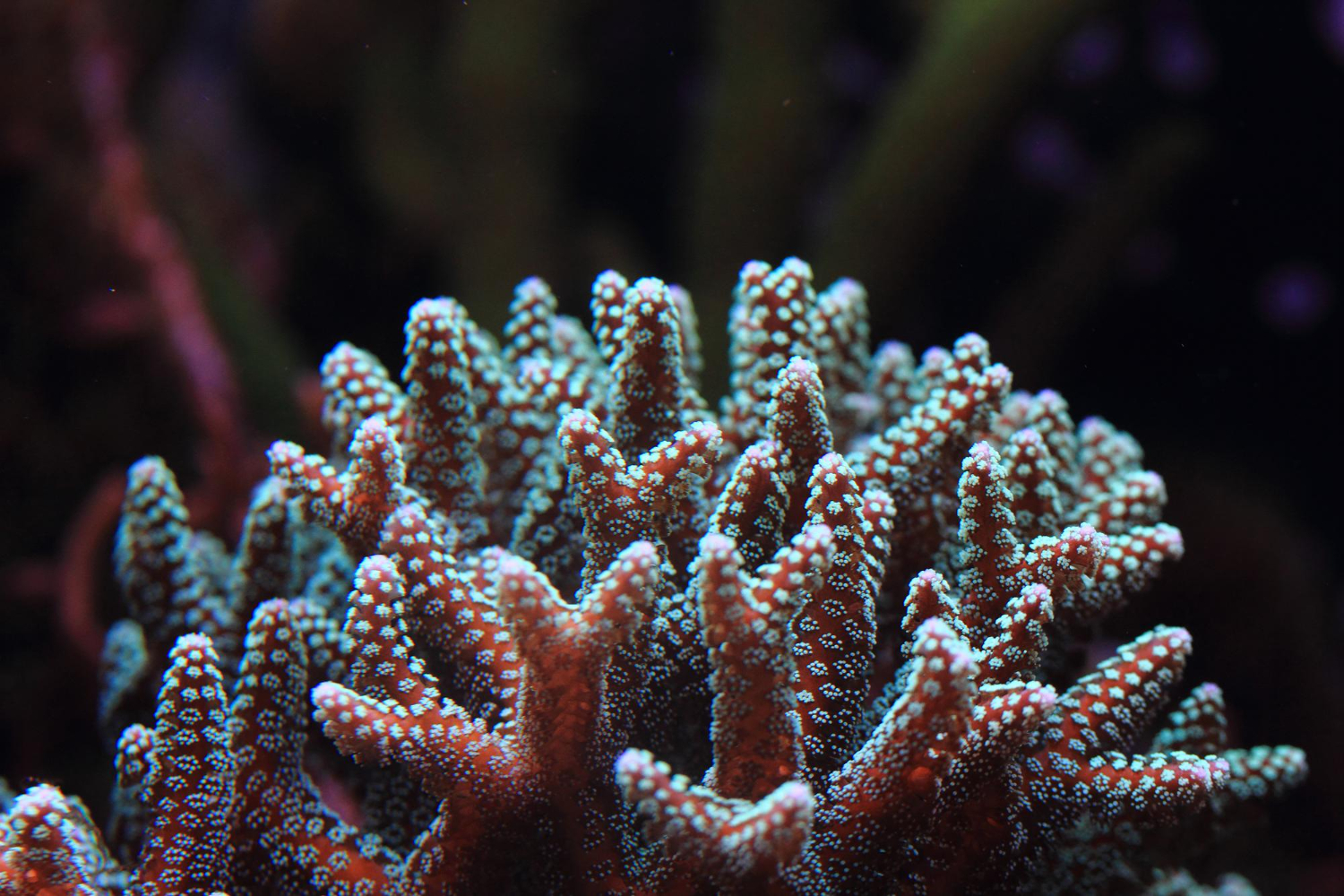
Hard corals are CITES-protected globally, and most countries prohibit the collection and export of both live and dead coral. The US, Australia, and most European nations prohibit importing coral without a permit. Even coral jewelry purchased legitimately at a tourist shop can be seized at the US border if the shop can’t provide CITES documentation. The Great Barrier Reef Marine Park in Australia adds its own penalties — fines up to AU$11,550 for collecting any reef material.
10: Sand from the “pink beach” (Spiaggia Rosa) in Sardinia

A separate and even stricter sub-rule: the famous pink-sand beach on Budelli Island, part of the La Maddalena archipelago, has been completely closed to foot traffic since the mid-1990s. The pink sand gets its color from crushed microorganism shells, and decades of tourists taking it as souvenirs nearly destroyed the beach entirely. Fines for taking pink sand specifically reach €3,500 (about $3,800), and airport scanners at Sardinian airports are calibrated to detect it in luggage.
11: Traditional medicines containing endangered species

Tiger bone, rhino horn, bear bile, pangolin scales, sea turtle products, and certain traditional Chinese medicines that contain these ingredients are prohibited under CITES and US Endangered Species Act regulations. Fines can reach $100,000 for individuals, and in severe cases, penalties include imprisonment. Travelers returning from parts of Asia occasionally bring back traditional medicines without realizing the ingredients are CITES-listed. CBP agriculture specialists at major US airports screen specifically for these.
12: Ivory products from Africa

Most ivory — including ivory jewelry, figurines, and antiques — is prohibited from import into the US under the African Elephant Conservation Act and Endangered Species Act, regardless of the claimed age of the piece. The US banned most commercial ivory imports in 1989 and tightened rules further in 2016. Even antique ivory requires CITES certification proving the piece predates 1976. CBP notes ivory as one of the most frequently encountered prohibited souvenirs from African destinations.
13: Archaeological items or artifacts from Egypt

Egypt’s Law No. 117 of 1983 prohibits the export of any antiquity — defined broadly to include anything over 100 years old — without a permit from the Supreme Council of Antiquities. Penalties for attempting to export artifacts include fines and imprisonment. Tourists regularly get caught at Cairo airport with small souvenir-shop purchases that turn out to contain genuine antiquities the seller didn’t disclose. The US separately restricts import of Egyptian archaeological materials under a bilateral cultural property agreement.
14: Absinthe (with high thujone content) into the United States

Absinthe produced outside the US and containing more than 10 parts per million of thujone is prohibited from import. Many European absinthes — particularly traditional Swiss and Czech varieties — exceed that threshold and will be seized by CBP. Absinthe-style spirits sold in the US as “absinthe” are specifically formulated to meet FDA thujone limits, which is why the European versions are sought after and why travelers sometimes try to bring them home.
15: Soil (from anywhere)
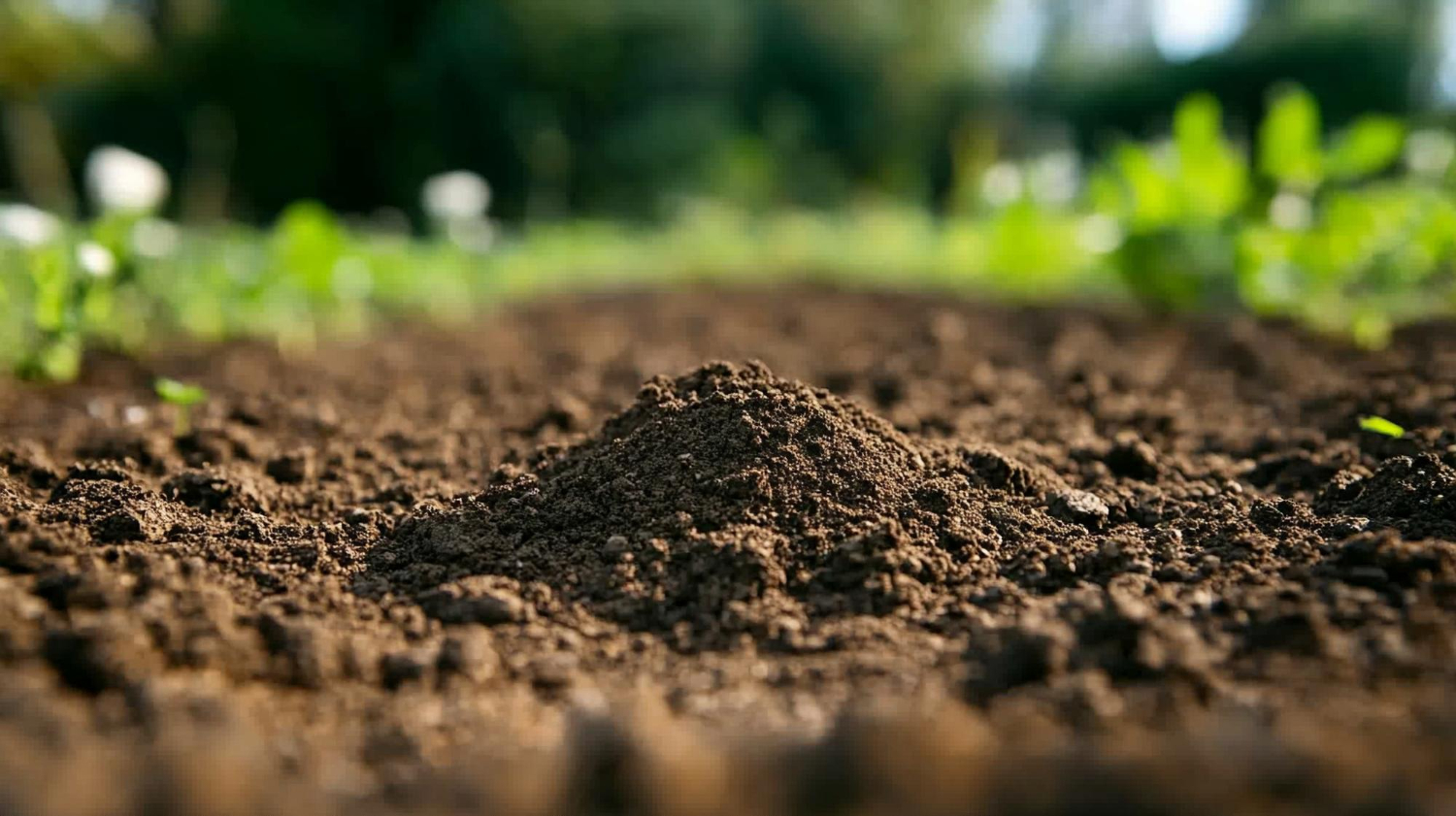
The simplest rule and one people violate constantly: you cannot bring soil into the United States from any country without a specific USDA permit. This includes soil on the roots of plants, soil in potted souvenirs, and — critically — soil on hiking boots, camping gear, or golf shoes. CBP agriculture specialists specifically ask travelers returning from rural trips about footwear, and boots with visible dirt can be confiscated for cleaning or destruction. The concern is foreign plant pathogens that could devastate American agriculture. The rule applies universally, not just to countries with known disease outbreaks.
A practical note for travelers
When in doubt, declare everything. CBP’s policy is that travelers who voluntarily declare prohibited items are typically allowed to abandon them at the port of entry without penalty. Travelers who don’t declare prohibited items and get caught face fines ranging from a few hundred dollars to tens of thousands. The US CBP Declaration Form 6059B that you fill out on arrival explicitly asks about agricultural items, currency over $10,000, and commercial merchandise — and lying on it is a federal offense.
For most tourist souvenirs, the safest approach is the same one locals in each of these destinations recommend: buy a postcard or a fridge magnet, leave the beach and the ruins intact, and take photos of anything you want to remember. That approach has the side benefit of not accidentally committing a crime on your way home.