From breakfast cereals to fast food meat, things sold every day on US grocery shelves are illegal to sell in the EU, Japan, and other countries — usually because of additives American regulators allow but others don’t.
The United States has one of the most permissive food additive regimes among developed countries. The Food and Drug Administration approves chemicals and processes that other regulatory bodies — particularly the European Food Safety Authority — have classified as harmful, restricted, or outright banned. The result is that many American grocery staples can’t legally be sold elsewhere in the world.
Here are 12 of the most notable examples, with the actual regulatory reasoning behind each ban.
1. American breakfast cereals with BHT and BHA

Cereals including some Kellogg’s and General Mills products contain BHT (butylated hydroxytoluene) and BHA (butylated hydroxyanisole) as preservatives. The European Union restricts BHA in food intended for infants and young children, and the National Toxicology Program in the US classifies BHA as “reasonably anticipated to be a human carcinogen.” Several American cereal brands sold in Europe are reformulated to remove these preservatives.
2. Mountain Dew and citrus sodas with brominated vegetable oil
Brominated vegetable oil (BVO) was used as an emulsifier in citrus sodas including Mountain Dew, Fanta Orange, and certain Gatorade flavors for decades. Europe, Japan, and India have banned BVO in food for years. The US FDA finally revoked authorization for BVO in food in August 2024, with manufacturers given until August 2025 to comply. Most American beverage companies removed BVO from their formulations between 2014 and 2020 in anticipation of the ban.
3. American milk produced with rBST/rBGH
Recombinant bovine somatotropin (rBST), also called rBGH, is a synthetic hormone given to dairy cows in the US to increase milk production. It’s been banned for use in dairy cows in Canada, the European Union, Japan, Australia, and New Zealand for human health and animal welfare concerns. Milk from rBST-treated cows cannot be sold in any of those markets.
4. Chicken washed in chlorine
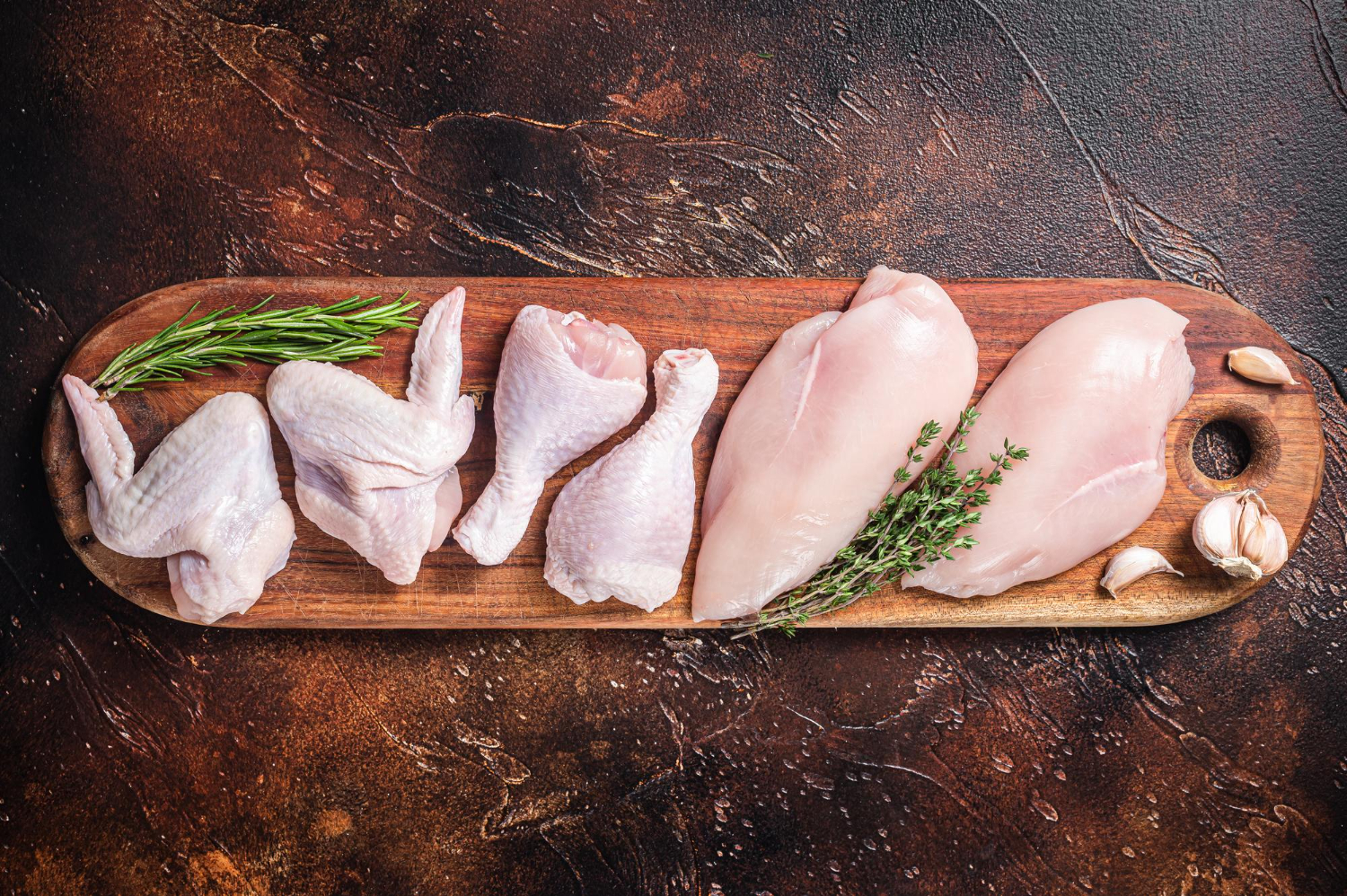
US poultry processing standards permit washing chicken carcasses in a chlorine solution to kill bacteria after slaughter. The European Union has prohibited the import of chlorine-washed chicken since 1997, on the grounds that the practice masks poor hygiene earlier in the supply chain. This was one of the most contentious sticking points in post-Brexit US-UK trade negotiations.
5. Beef raised with growth hormones
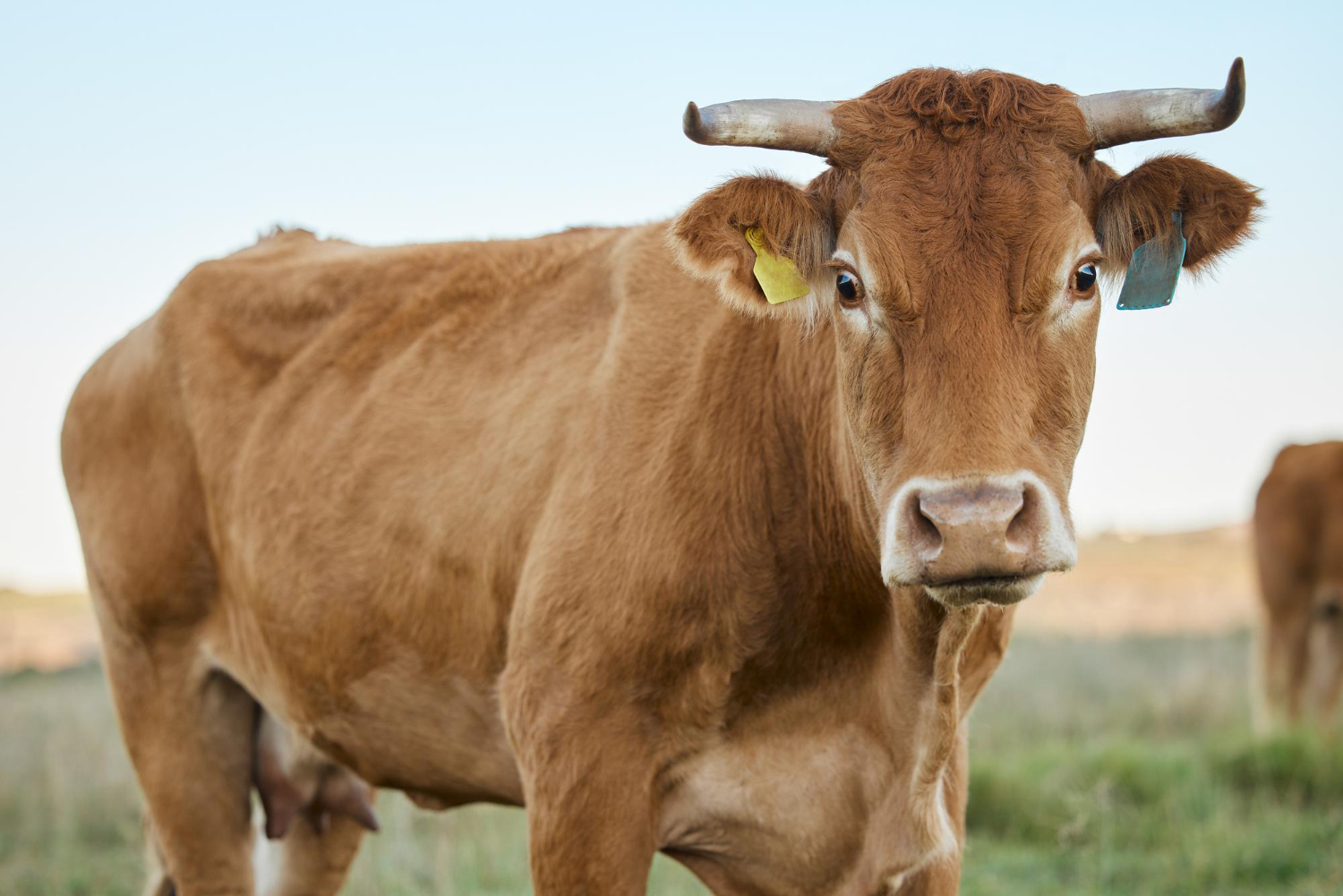
The US permits the use of six growth hormones in beef cattle: estradiol, progesterone, testosterone, zeranol, trenbolone acetate, and melengestrol acetate. The European Union has prohibited hormone-treated beef since 1989 — a ban that survived a long-running World Trade Organization dispute with the US. American beef can only be exported to the EU if it comes from cattle certified hormone-free.
6. American pork from pigs given ractopamine
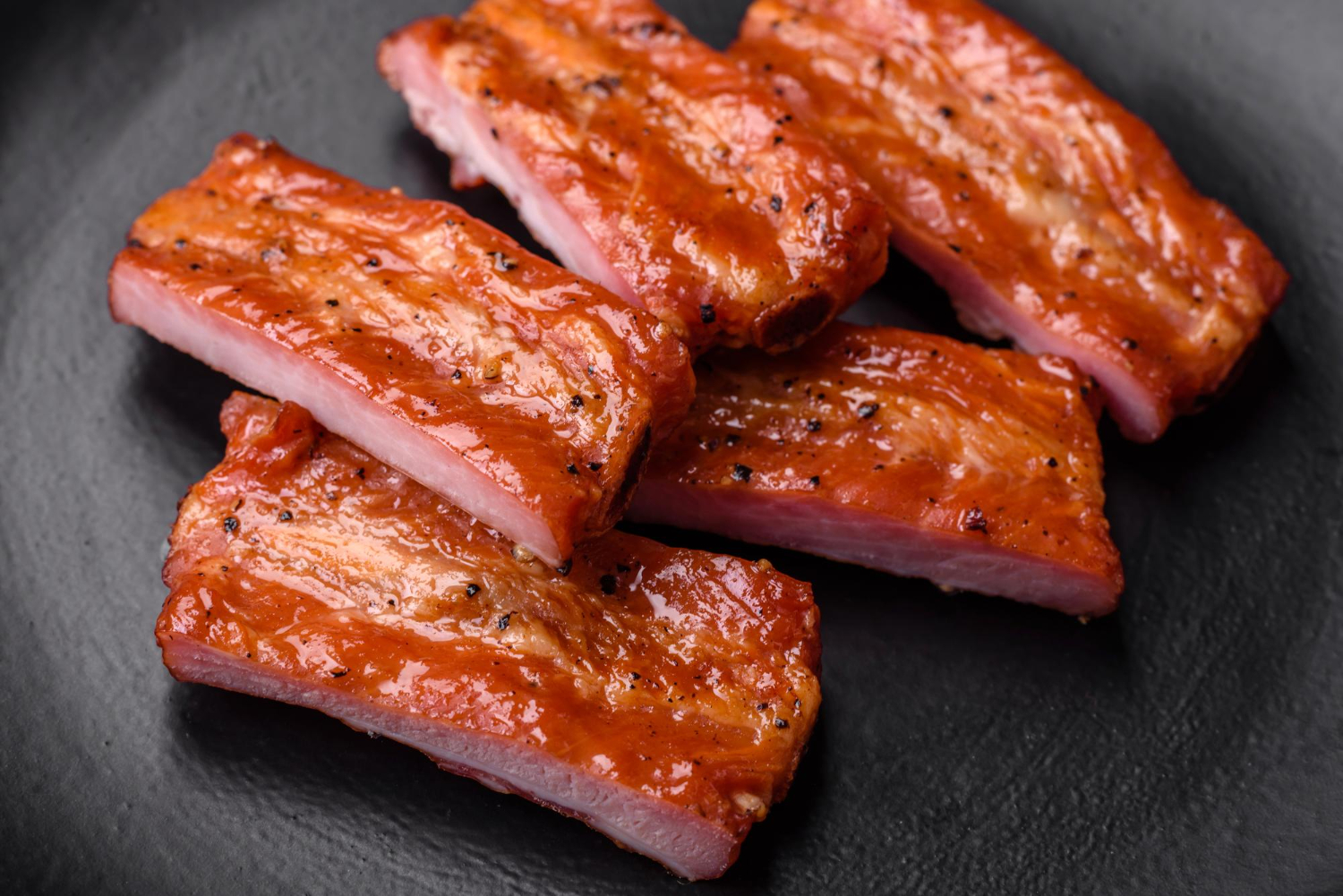
Ractopamine is a feed additive that increases lean muscle mass in pigs. It’s used in roughly 60-80% of US pork production. China, Russia, the European Union, and over 160 other countries have banned ractopamine residue in pork. American pork exporters maintain a separate “Never Fed Ractopamine” supply chain specifically for export to those markets.
7. Skittles and candies with titanium dioxide
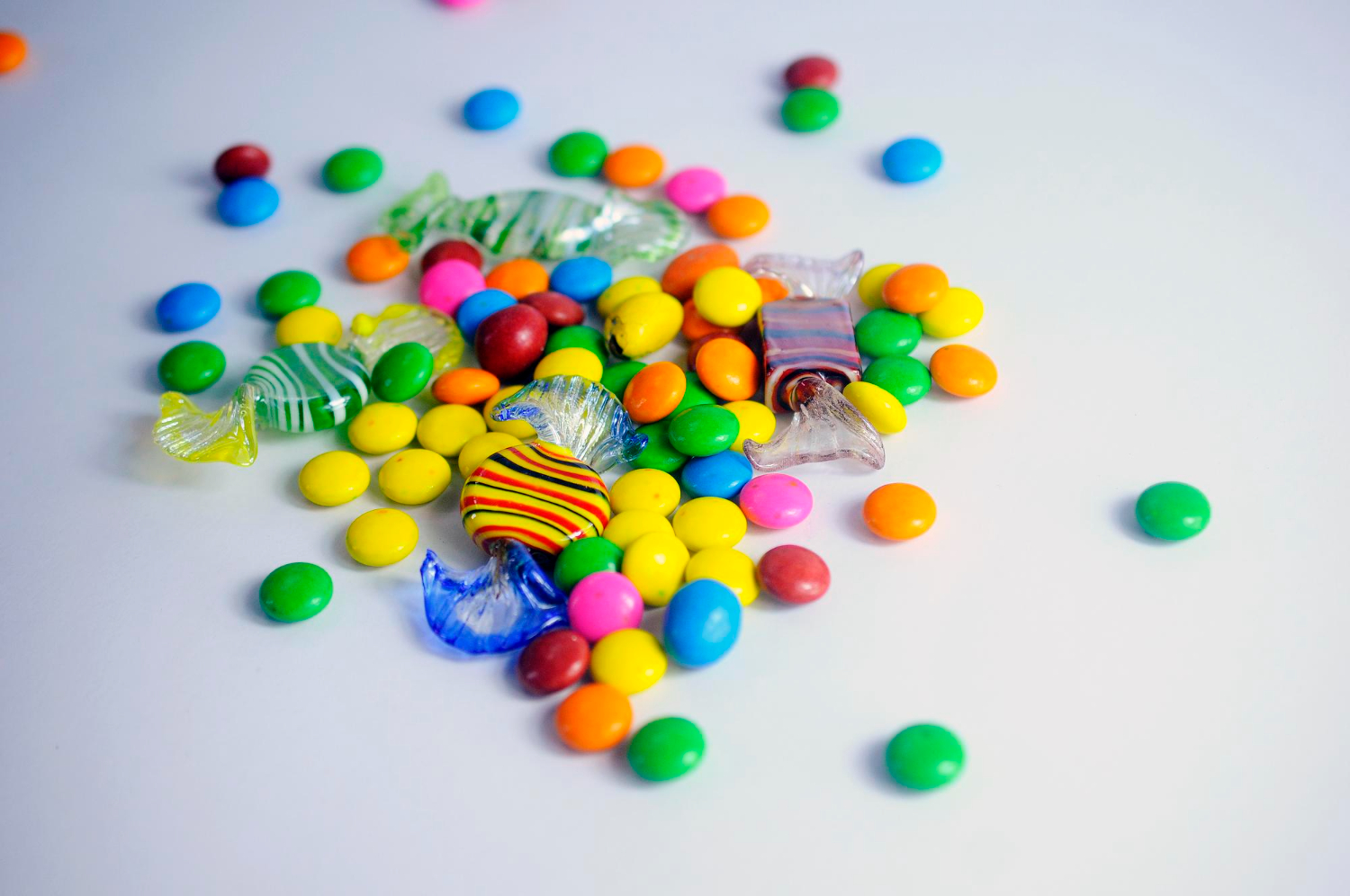
Titanium dioxide is used as a whitening agent in candies including Skittles, Starburst, and many baked goods in the US. The European Union banned titanium dioxide as a food additive in August 2022, based on a European Food Safety Authority ruling that it could no longer be considered safe due to potential genotoxic effects. American formulations of these candies still contain it; European versions are reformulated.
8. Pillsbury Crescent Rolls and other foods with potassium bromate
Potassium bromate, used in flour to strengthen dough, is banned in the European Union, Canada, Brazil, China, and Peru, and is classified as a Group 2B “possibly carcinogenic to humans” by the International Agency for Research on Cancer. It’s still permitted in the US, where it’s found in some refrigerated dough products and commercial baked goods. California began phasing out bromated flour in 2027 under the state’s Food Safety Act.
9. Drinks and snacks colored with Red 40, Yellow 5, and Yellow 6
Synthetic food dyes including Red 40 (Allura Red), Yellow 5 (Tartrazine), and Yellow 6 (Sunset Yellow) are heavily restricted in Europe, where products containing them must carry warning labels stating they “may have an adverse effect on activity and attention in children.” California passed legislation in 2023 banning Red 3 outright; in January 2025, the FDA followed by banning Red 3 from all US food products with a 2027 compliance deadline. The other dyes remain permitted in the US.
10. American farmed salmon with synthetic astaxanthin
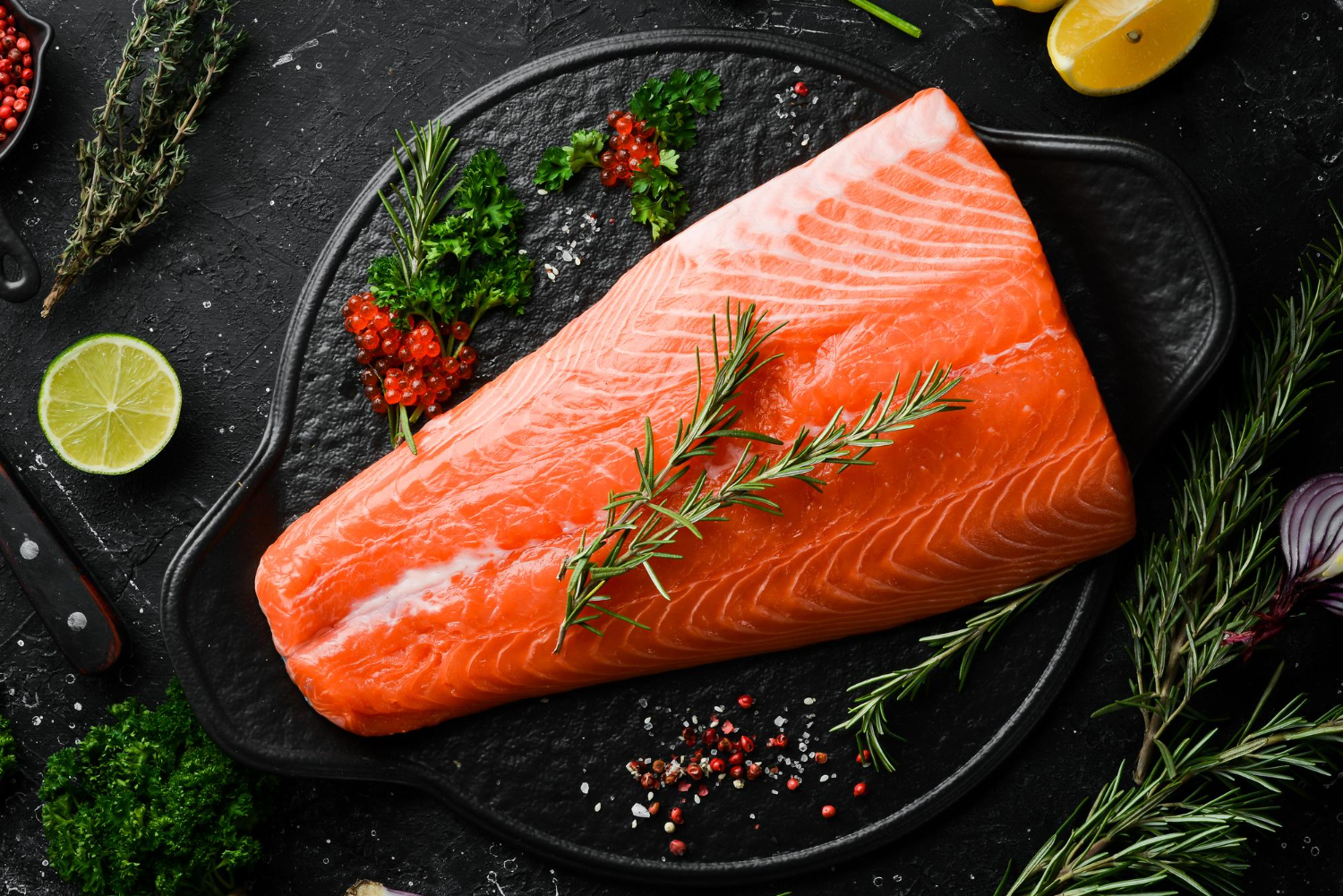
Most farmed salmon in the US is fed synthetic astaxanthin to give the flesh its pink color, since farmed fish don’t develop it naturally the way wild salmon do. Australia and New Zealand have stricter rules on which forms of astaxanthin can be used. The synthetic version commonly used in US salmon farming is restricted from sale in those markets.
11. Frozen turkey and chicken treated with carbon monoxide
US poultry processors are permitted to use carbon monoxide as a “modified atmosphere packaging” technique that keeps meat looking pink and fresh-appearing for longer. The European Union banned carbon monoxide for this purpose in 2004, on the grounds that it can mask actual spoilage and mislead consumers about meat quality. Canada, Japan, and Singapore have similar restrictions.
12. American Coffee Mate and other coffee creamers with partially hydrogenated oils

While the US banned partially hydrogenated oils (the source of artificial trans fats) from food in 2020, many traditional formulations of Coffee Mate, Cool Whip, and similar products contained PHOs for decades. Europe banned industrial trans fats in 2019 with stricter limits than the US. Some powdered coffee creamers exported to the US from countries with stricter standards are formulated differently than the equivalent American products.
What this actually means for travelers and consumers
The differences between US and European food regulation aren’t a simple “European is safer” story — Europeans use more sugar in some products, allow some additives the US restricts, and have different cultural assumptions about what counts as safe. Both regulatory systems make tradeoffs.
But the pattern is consistent: the US tends to default to “innocent until proven guilty” on food additives, requiring evidence of harm before restricting a substance. Europe tends to apply the precautionary principle, restricting substances when there’s reasonable concern even if conclusive harm hasn’t been demonstrated. That difference produces grocery store shelves that look very different on either side of the Atlantic — and explains why a Skittles bag in London tastes slightly different from one in New York.