From Jell-O Pudding Pops to Hi-C Ecto Cooler, several beloved childhood snacks have vanished from American grocery shelves. The reasons range from corporate buyouts to safety concerns to changing consumer tastes — and a few of them have made surprising returns.
If you grew up in the United States during the 1980s or early 1990s, you spent a meaningful percentage of your childhood eating snacks that no longer exist. The era was a high-water mark for novelty packaged foods — heavily marketed through Saturday morning cartoons, movie tie-ins, and after-school TV commercials. Most of the iconic snacks from that period have disappeared, often after specific corporate decisions that fans never fully understood.
Here are eight of the most-missed, with the actual reasons each one disappeared.
1. Jell-O Pudding Pops — discontinued, then briefly revived, then gone again
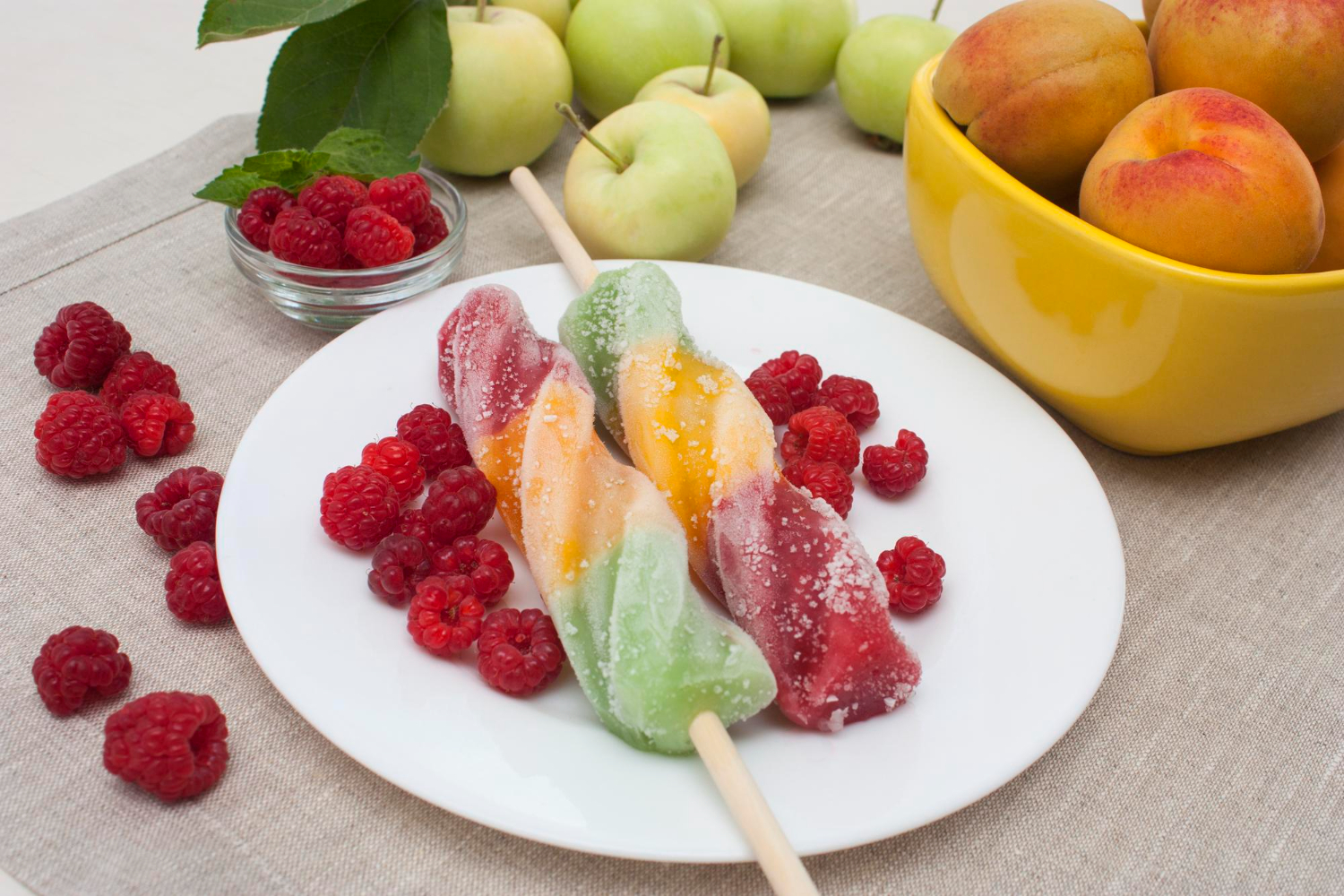
Jell-O Pudding Pops debuted in the late 1970s and reached peak popularity in the 1980s, heavily marketed through television commercials starring Bill Cosby. The chocolate, vanilla, and chocolate-vanilla swirl frozen pudding pops became one of the defining frozen treats of the era.
The original Pudding Pops were discontinued in the late 1990s. The complicated reason: Kraft Foods (which owned the Jell-O brand) eventually licensed Pudding Pops production to Popsicle, who reformulated the product. The new version reportedly didn’t taste like the original — fans consistently described it as having a different texture and being more “icy” than the creamy original. Sales declined and the product was eventually pulled entirely.
The original Pudding Pops have not returned. KraftHeinz has published a DIY recipe on their website using Jell-O instant pudding mix and popsicle molds, but fans consistently report that the homemade version doesn’t replicate the original. There remains an active fan community asking for the product’s return.
2. Hi-C Ecto Cooler — twice discontinued

Hi-C Ecto Cooler was a bright-green citrus-flavored fruit drink launched in 1987 as a tie-in with the Ghostbusters animated TV series “The Real Ghostbusters.” The drink became wildly popular and remained in production well after the show ended, eventually being pulled in 2001.
The drink came back briefly in 2016 to coincide with the Ghostbusters reboot film, but was discontinued again shortly afterward. Hi-C still exists as a brand under Coca-Cola, but the specific Ecto Cooler formulation and packaging are gone.
For fans determined to recreate the experience, the most-cited home substitute is mixing Tampico Citrus Punch with Minute Maid Lemonade, plus a few drops of green food coloring to match the original’s distinctive neon hue.
3. Doritos 3D — discontinued, then resurrected, then changed
Doritos 3D were the puffy, three-dimensional versions of standard Doritos, launched in the late 1990s. They became a fan favorite for their lighter, crunchier texture compared to traditional flat Doritos. They were discontinued in the early 2000s, reportedly because they were more expensive to produce.
In an unusual case of fan-driven resurrection, Doritos 3Ds returned in 2020 after years of consumer demand, with new flavors including Spicy Ranch. The 2020 return is sometimes cited as proof that organized fan campaigns can bring back discontinued products. However, the modern 3Ds are reportedly different from the originals — the texture and flavor profile have changed, and original-formula 3Ds remain unavailable.
4. Keebler Magic Middles — discontinued in the 1990s
Keebler Magic Middles were shortbread cookies with a soft fudge center (or peanut butter, in a separate variant). They became a lunchbox staple throughout the late 1980s and early 1990s before being discontinued.
The reason for the discontinuation has never been formally explained by Keebler, but industry analysts have pointed to the manufacturing complexity — the cookies required precise temperature control to keep the fudge center soft without compromising the shortbread shell — combined with relatively modest sales volume compared to the brand’s larger products.
A Facebook group and multiple online petitions exist asking for their return. Chips Ahoy now produces a “stuffed” cookie line that fans cite as the closest available substitute, though it lacks the shortbread base.
5. Planters Cheez Balls — gone for 12 years, then back
Planters Cheez Balls, introduced in 1981, became one of the defining cheese snacks of the era. The light, crunchy, perfectly cheese-coated balls came in the iconic blue canister and developed a devoted following through the 1980s, ’90s, and early 2000s. Kraft (Planters’ parent company at the time) discontinued them in 2006 as part of a snack lineup streamlining.
The cult following never faded. After more than a decade of fan demand — including organized social media campaigns — Planters brought Cheez Balls back in 2018, with packaging deliberately designed to evoke the classic blue canister. This is one of the few examples in this article of a successful permanent revival.
However, fans consistently report that the modern formulation isn’t quite the same. The original 1981-2006 formula reportedly used a slightly different cheese coating that created a distinctive flavor profile that hasn’t been precisely replicated.
6. Planters PB Crisps — discontinued in late 1990s
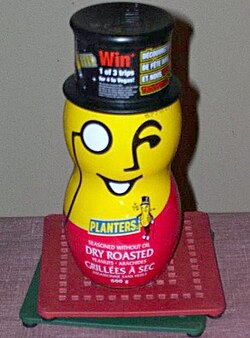
Launched in 1992, Planters PB Crisps were peanut-shaped cookies with a crunchy outer shell and a creamy peanut butter center. They became one of the most-requested discontinued snacks of the era after their late-1990s discontinuation.
There is currently a website (peanutbuttercrispsforever.com and similar fan sites) entirely dedicated to bringing them back. Multiple Change.org petitions have circulated. As of 2026, Planters has not signaled any plans to revive the product.
7. Pop-Tarts Crunch cereal — short-lived 1990s release
Kellogg’s launched Pop-Tarts Crunch cereal in 1994 — small cereal bits that tasted like the brand’s iconic toaster pastries, in Strawberry and Brown Sugar Cinnamon flavors. The cereal was discontinued within a few years.
The official Kellogg’s explanation has never been made public, but industry analysts suggest the cereal was caught between two markets: it wasn’t quite as appealing as actual Pop-Tarts (which require no preparation and have a distinct toasted-pastry experience), and it competed with established sweet cereals that had stronger brand identities. The product became a footnote in Pop-Tarts marketing history.
Modern Pop-Tarts cereal does not exist. Some adjacent products (Pop-Tarts-flavored ice cream, limited edition Pop-Tarts varieties) reference the original cereal occasionally, but the cereal itself has not returned.
8. Hershey’s Bar None — the chocolate bar discontinued in 1997
Hershey’s Bar None was a chocolate bar launched in 1986, consisting of a chocolate wafer covered in chocolate, with a peanut layer added in some versions. It became popular through aggressive 1980s and early 1990s marketing.
The product was discontinued in the United States in 1997. Hershey’s has not formally explained the decision, though industry analysts have pointed to the bar’s relatively modest sales compared to Hershey’s flagship products (Hershey’s Bar, Reese’s, KitKat) and the high marketing costs required to maintain a niche product in the competitive chocolate aisle.
In one of the more unusual cases in this article, Hershey’s Bar None was actually re-released in some international markets after the U.S. discontinuation, and a Mexican version reportedly continued production for several years. The U.S. version remains gone.
What this pattern actually reveals
Looking across all eight discontinued snacks, several common themes emerge:
Movie and TV tie-ins create products that outlive their context. Hi-C Ecto Cooler, Doritos 3D (originally tied to a Mountain Dew promotion), and several other 1980s-90s snacks were created as marketing tie-ins. When the underlying property faded from cultural relevance, the products often outlived their marketing rationale — but eventually got cut anyway.
Manufacturing complexity is often the actual reason. Keebler Magic Middles, Doritos 3D, and several others were genuinely difficult to manufacture at scale, which made them more expensive than competing products with simpler production processes. Even when sales were good, the margin difference often made discontinuation financially attractive.
Corporate consolidation eliminates products. Many of the disappeared snacks were caught in corporate restructurings — Kraft acquiring Nabisco, ConAgra acquiring various brands, Mondelez spinning off from Kraft. Each restructuring typically resulted in product line “rationalizations” that eliminated lower-volume items.
Fan-driven returns sometimes work. Planters Cheez Balls, Doritos 3D, and Hi-C Ecto Cooler all came back at least temporarily because of organized fan demand. The pattern requires sustained social media engagement, often years of organized petition activity, and a corporate parent company willing to take a marketing risk on nostalgia.
For fans of any specific discontinued snack, the most realistic path to seeing it return is the same: organized social media campaigns, persistent direct outreach to the manufacturer, and patience. Several of the snacks on this list — and many others — have been brought back through similar fan efforts. It works often enough to be worth trying, though it doesn’t work most of the time.
For the rest of us, the snacks remain part of childhood memory in a way that hard-to-replicate products often do. The specific texture of a Pudding Pop, the particular shade of green of Ecto Cooler, the snap of biting into a Magic Middle and finding the fudge center — these are sensory memories that the available substitutes don’t quite reproduce. That’s part of what makes them feel so specifically of their era.