Commercial aircraft wings are tested to flex 25-26 feet upward before failing. The last commercial aviation wing failure happened in 1981. Pilots view turbulence as a comfort issue, not a safety issue. Here’s what’s actually happening when your plane shakes.
If you’re afraid of flying — and according to multiple aviation industry studies, roughly 25-40% of Americans are at least moderately afraid — turbulence is probably your main trigger. The combination of feeling out of control, the unfamiliar sensations, the sound of the airframe, and the visible flex of the wing through the window produces an experience that feels genuinely dangerous, even though the actual physics involved are nearly as benign as a car going over potholes.
The disconnect between what passengers feel during turbulence and what pilots think is happening is one of the most extreme examples in any field of perceived versus actual risk. Understanding what’s really going on doesn’t necessarily eliminate the fear — but it does provide context that many anxious flyers find helpful.
What pilots actually see during turbulence
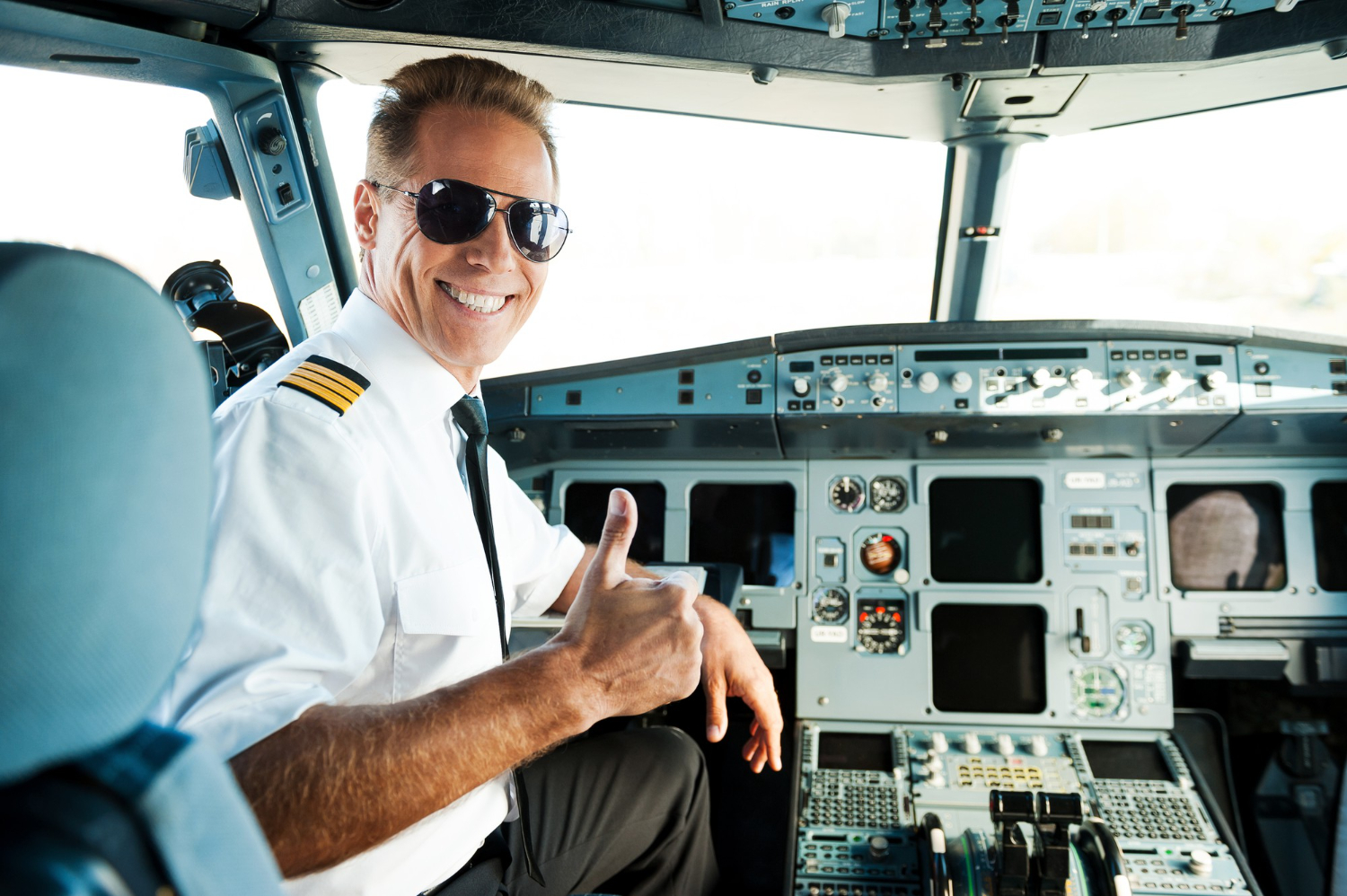
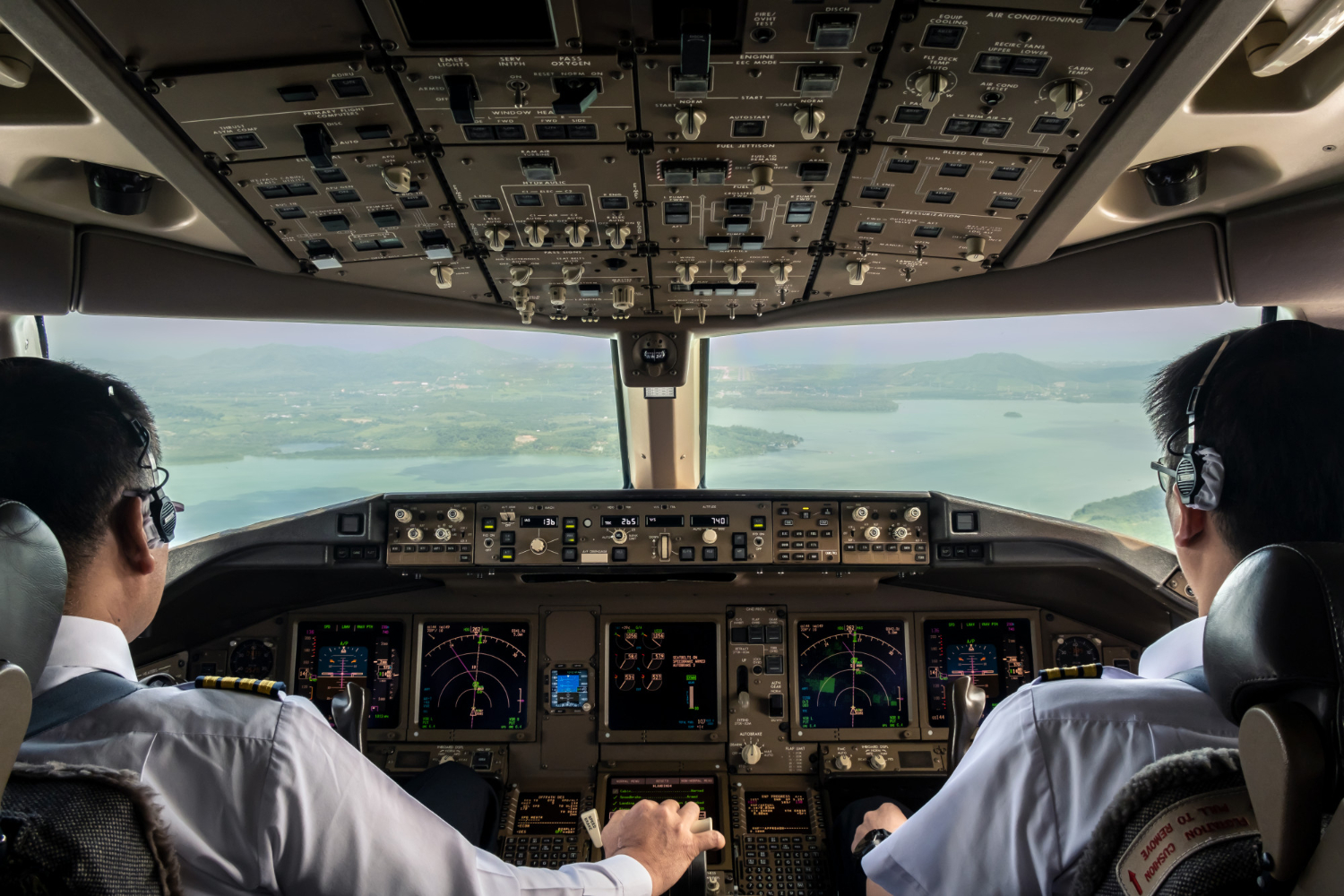
Patrick Smith, a longtime commercial airline pilot and author of Cockpit Confidential who runs the popular AskThePilot.com website, has written extensively about the pilot experience of turbulence. His key observation: what passengers experience as severe turbulence often shows up in the cockpit as 10-40 feet of altitude variation.
In his words, when crossing the Atlantic during what he describes as “the kind of turbulence people tell their friends about,” he saw “fewer than forty feet of altitude change, either way” on the cockpit instruments — “ten or twenty feet, if that, most of the time. Any change in heading — the direction our nose was pointed — was all but undetectable.”
This isn’t because pilots are minimizing what’s happening. It’s because aircraft have a property called “positive stability” — meaning that when something pushes the aircraft out of its current position, the design causes it to naturally return to that position. Modern commercial aircraft don’t tip over, flip upside down, or fall from the sky in turbulence. They move with the surrounding air the way a boat moves with waves.
According to one experienced commercial pilot quoted on FlightDeckFriend.com, in approximately 6,000 flying hours over 15 years (much of it crossing the Atlantic where the jet stream produces particularly bumpy conditions), he had experienced genuinely “severe” turbulence — the official aviation classification — exactly twice. What passengers consistently report as severe turbulence is generally classified by pilots as “light” or “moderate.”
What aircraft wings can actually withstand
This is the part most fearful flyers don’t know, and it’s the most reassuring fact about aviation safety:
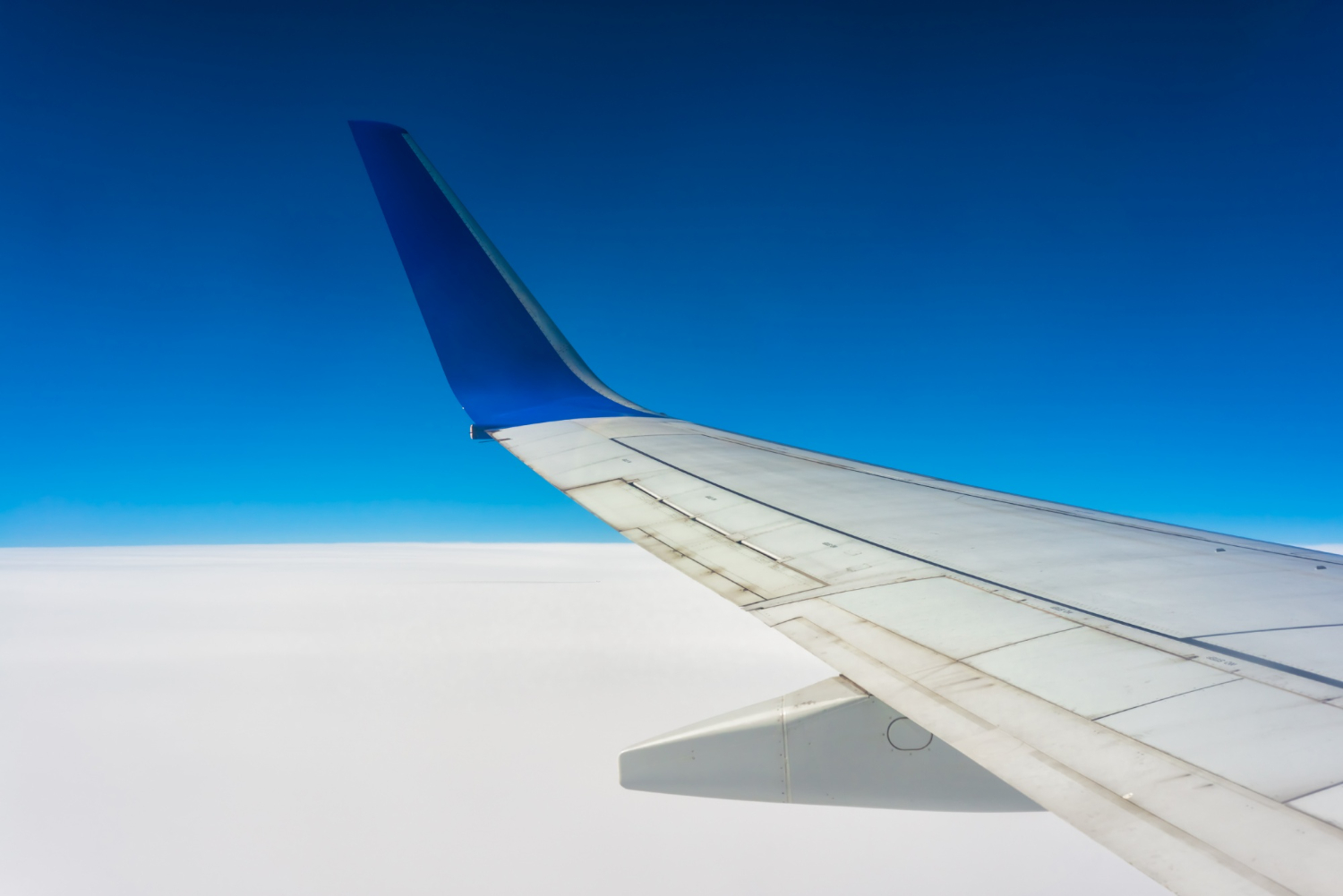
Modern aircraft wings are tested to flex 25-26 feet upward before failure. During the certification testing of the Boeing 787, the wings flexed 26 feet upward — beyond the most extreme operational conditions — before structural failure. The Boeing 777 underwent similar testing with comparable results.
Wings are certified to withstand 150% of their design limit load. According to aviation safety standards from both the FAA and EASA (European Union Aviation Safety Agency), every commercial aircraft must withstand 1.5 times the maximum load that engineers expect it to encounter during its operational life. This is a mandatory regulatory requirement before any aircraft can be certified for commercial passenger service.
The actual operational stress of severe turbulence is a small fraction of the design limit. The forces involved in turbulence — even in what passengers experience as terrifying — are typically a small percentage of what the aircraft is engineered to handle. The wings are not “barely holding on” during turbulence; they’re operating well within their tested capacity, doing exactly what they were designed to do.
The last commercial aviation wing failure happened in 1981. A Fokker F-28 entered an extreme thunderstorm and encountered a tornado, which produced loads of +6.8G to -3.2G — far beyond normal turbulence. According to Aviation Safety Network reports, the right wing was bent upward followed by a severe downward motion, eventually compromising structural integrity. This was 45 years ago, in conditions that modern weather radar would have allowed pilots to avoid entirely. There has not been another in-flight wing failure on a commercial aircraft since.
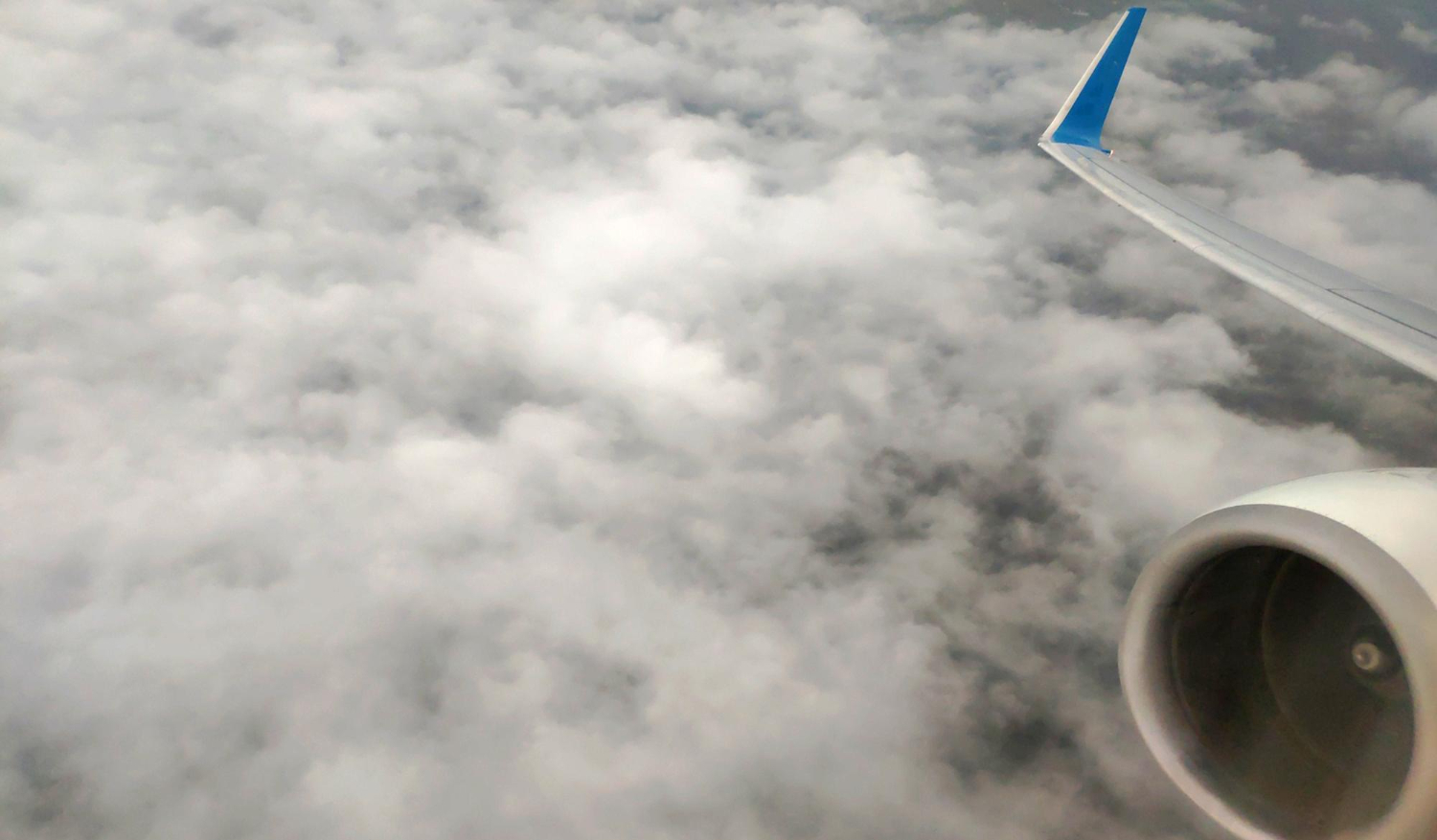
For comparison: the visible flex you see through your window during turbulence is typically 1-3 feet of wing movement. The aircraft is rated to handle 25+ feet of flex. The margin between what’s happening and what would actually be dangerous is enormous.
What pilots actually do when they encounter turbulence
The pilot response to turbulence is procedurally specific and not particularly dramatic:
Step 1: Slow down. Pilots reduce the aircraft’s airspeed to what’s called “turbulence penetration speed” — typically around Mach 0.78-0.80 for most commercial jets. This reduces structural stress on the airframe and improves passenger comfort by reducing the sharpness of bumps.
Step 2: Turn on the seatbelt sign. This is largely for passenger safety — most turbulence-related injuries occur to passengers and crew who weren’t seated and belted when an unexpected bump occurred. Aircraft injuries from turbulence almost always involve unbelted occupants being thrown against ceiling or seat structures.
Step 3: Communicate with air traffic control about altitude changes. Pilots can request altitude changes to find smoother air, often climbing or descending several thousand feet to escape turbulent layers. This is done for passenger comfort, not aircraft safety. From the pilot’s perspective, turbulence is “ordinarily seen as a convenience issue, not a safety issue,” as Patrick Smith puts it.
Step 4: Communicate with other aircraft. Pilots routinely report turbulence conditions to air traffic control, who pass the information to other aircraft in the area. This is how pilots know which altitudes and routes are smoother — often before they encounter the rough air themselves.
Step 5: Suspend cabin service if necessary. When turbulence becomes significant enough to make beverage service unsafe, the captain instructs flight attendants to secure carts, take their seats, and buckle in. This is one of the more visible signals to passengers that conditions are bumpy — but it’s a comfort and injury-prevention decision, not a safety-of-the-aircraft decision.
What pilots are not doing during turbulence: panicking, fighting to keep the aircraft in the air, or struggling with controls. The aircraft is essentially flying itself through the rough air the way a boat hull rides through choppy water.
The actual safety statistics
For passengers worried about turbulence specifically:
- Turbulence-related fatalities on commercial aircraft are essentially zero when measured per million passengers. The very rare deaths that have occurred (about one per decade, on average, in the entire global commercial aviation system) have universally involved unbelted passengers thrown against fixed structures, not aircraft structural failure.
- Turbulence-related injuries are uncommon but do occur, almost always to unbelted passengers or to flight attendants performing service. The FAA’s most recent reporting indicates approximately 50-60 turbulence-related injuries per year in U.S. commercial aviation — out of nearly 1 billion annual passenger trips.
- Wearing your seatbelt whenever you’re in your seat eliminates almost all turbulence injury risk. This is the single most important thing passengers can do to protect themselves.
The actual risks of commercial aviation are dominated by other factors: takeoff and landing operations, runway incursions, mechanical failures unrelated to turbulence, and (most rarely) extreme weather events. Turbulence as such is essentially a non-factor in aviation fatality statistics.
Why turbulence is increasing — and what that means
According to research from the University of Reading published in 2023 and discussed in subsequent reporting, total annual duration of severe turbulence on transatlantic routes increased by 55% between 1979 and 2020 — from 17.7 hours per year to 27.4 hours per year. The increase is driven primarily by Clear Air Turbulence (CAT), which is invisible to weather radar and can occur at cruising altitude in apparently clear conditions.
The likely cause is climate change altering jet stream patterns. Warmer global temperatures produce stronger temperature gradients in the upper atmosphere, which produce stronger and more variable jet stream activity, which produces more clear air turbulence.
For passengers, this means that you’re likely to experience more rough flights over the coming decades than passengers did in previous generations. But — and this is the critical point — the increase is in frequency of moderate turbulence, not in severity that approaches structural limits. The aircraft are still rated to handle far more than even the worst projected turbulence increases. The relevant adjustment is wearing your seatbelt more consistently throughout the flight, not worrying about the structural integrity of the aircraft.
Modern aircraft are also being designed with this trend in mind. Newer aircraft like the Boeing 787 and Airbus A350 use advanced composite materials that flex more than older aluminum aircraft, providing a smoother ride in turbulent conditions. Predictive turbulence detection systems are improving rapidly, allowing pilots to avoid turbulent zones more effectively. The combination of improved aircraft design and better forecasting is largely keeping pace with the increasing turbulence frequency.
What this actually means for nervous flyers
If you’re afraid of flying because of turbulence, the central reframe that often helps is this: the aircraft is not in any meaningful structural danger during turbulence. The wings are doing exactly what they were designed to do. The pilots are not worried about whether the aircraft will hold together. The most likely turbulence-related risk to you personally is being thrown against the cabin ceiling if you’re not wearing your seatbelt — which you can entirely eliminate by keeping your seatbelt fastened whenever you’re in your seat.
The sensations during turbulence are genuinely uncomfortable, and the visual experience of the wing flexing is genuinely intense. But the gap between “this feels dangerous” and “this is actually dangerous” is one of the largest in modern travel. The aircraft is overengineered by a factor of 1.5 minimum, the regulatory environment is extremely conservative, and the actual statistical risk is essentially zero.
Several airlines now provide on-screen turbulence forecasts during flights. Apps like Turbli (turbli.com) provide turbulence forecasts for specific routes. Sitting closer to the wings (rather than in the back of the aircraft) reduces the perceived intensity of turbulence — the back of an aircraft moves more than the middle, the same way the back of a bus feels rougher than seats above the wheels. Daytime flights in cooler months tend to be smoother than afternoon flights in summer (when thermal turbulence is greatest).
For passengers who want to do something concrete during turbulence: focus on slow breathing, keep your seatbelt fastened, and remember that the pilots — who have flown through hundreds of similar episodes — are not concerned about anything beyond passenger comfort. The aircraft will keep flying. The wings will keep flexing. The flight will continue. That’s not blind reassurance; it’s what the engineering, the regulations, and the safety statistics all consistently demonstrate.