

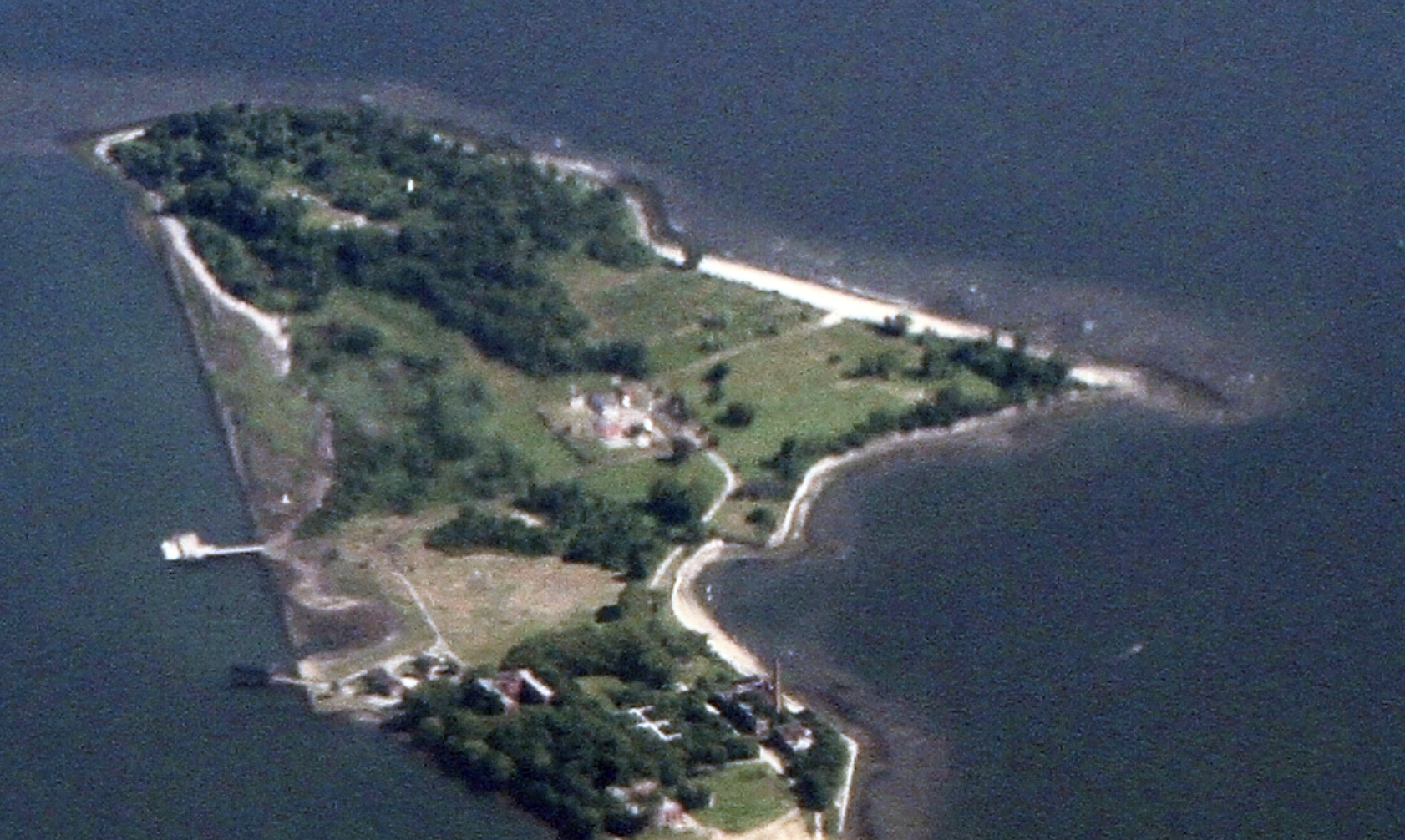
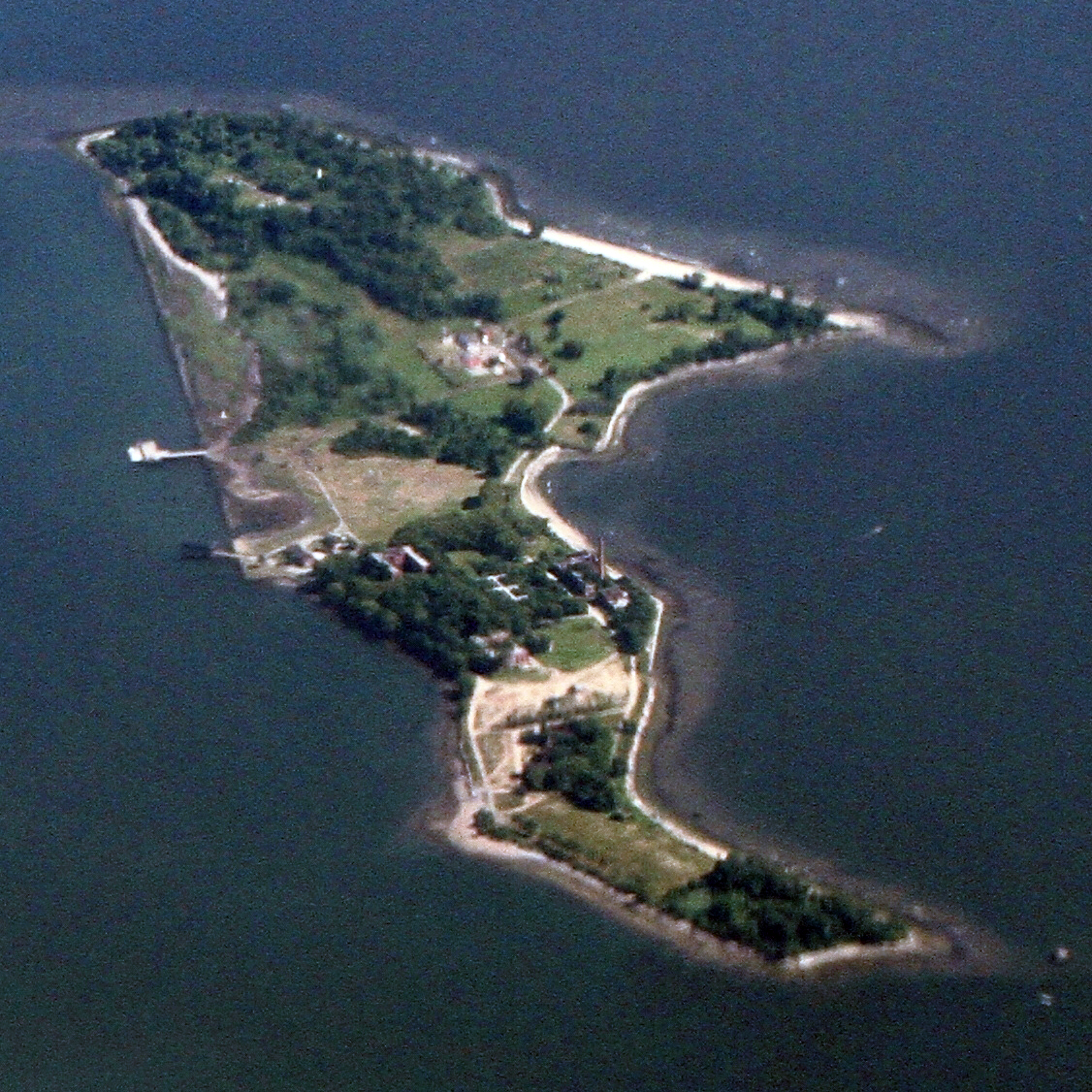
Hart Island, located in Long Island Sound just off the Bronx, has been New York City’s public burial ground since 1869. It now holds the largest tax-funded cemetery in the United States, the country’s single largest AIDS burial site, and most recently became the temporary mass grave for COVID-19 victims.
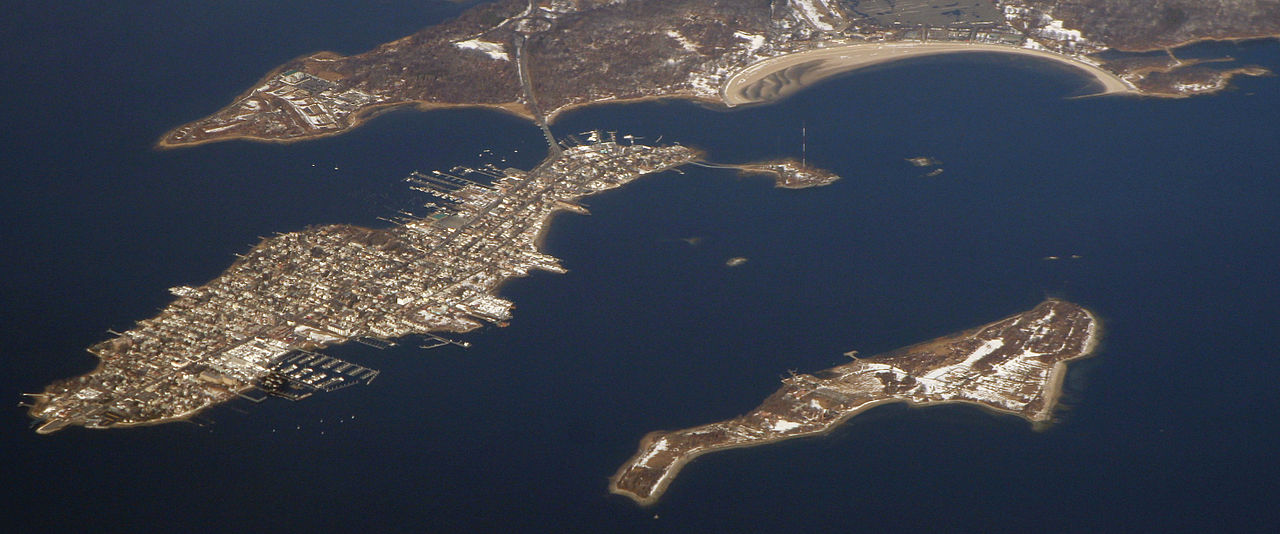
If you stand on the eastern shore of City Island in the Bronx and look across Long Island Sound, you can see a long, low strip of land covered in trees and meadows. From a distance, it looks like an unused park. There are no buildings visible from the mainland. There are no tour boats. There are no signs.
You’re looking at the largest tax-funded cemetery in the United States. Beneath those rolling meadows lie the remains of over one million New Yorkers — people who died poor, alone, unidentified, or unclaimed by their families.
1: The most people buried in any U.S. cemetery
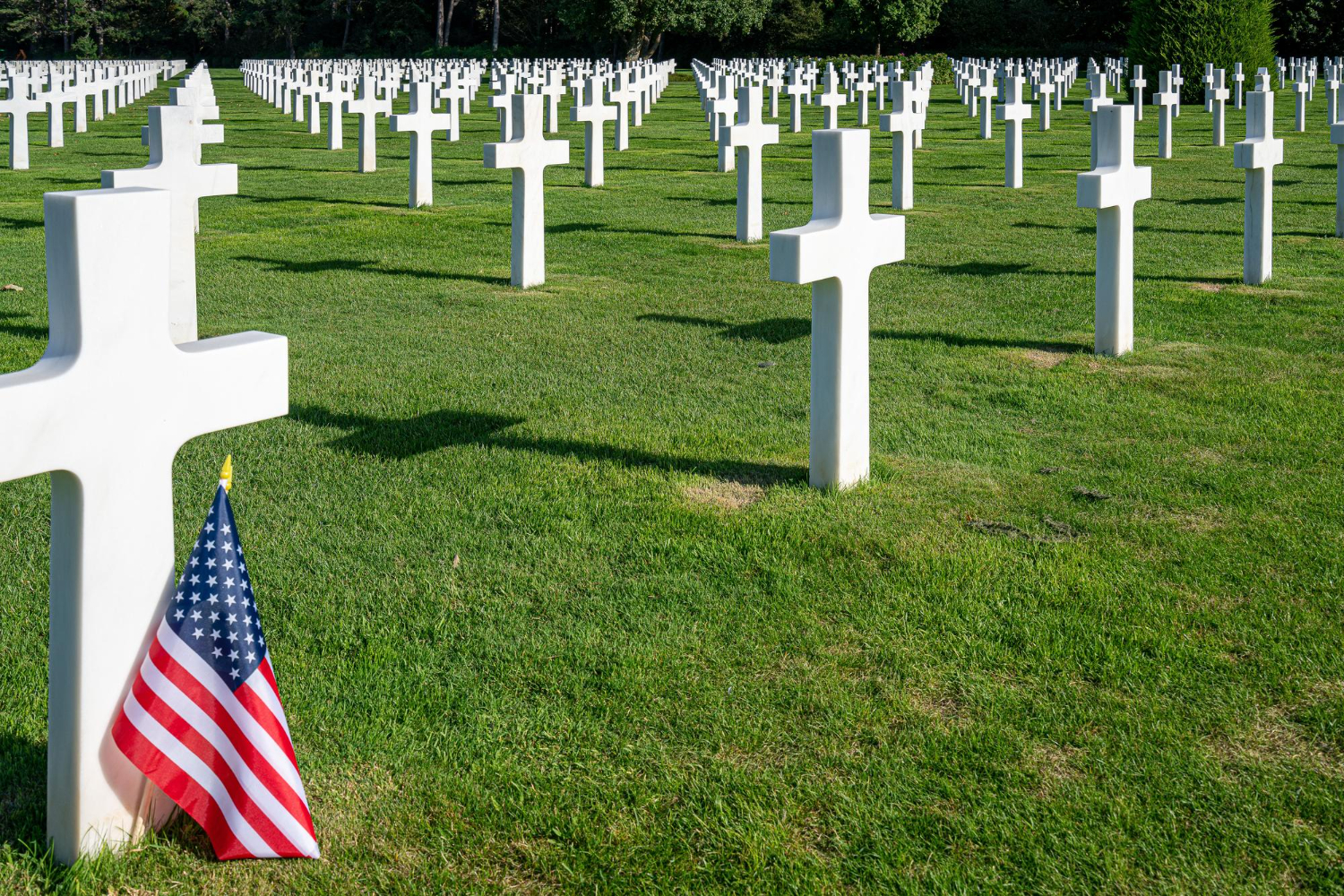
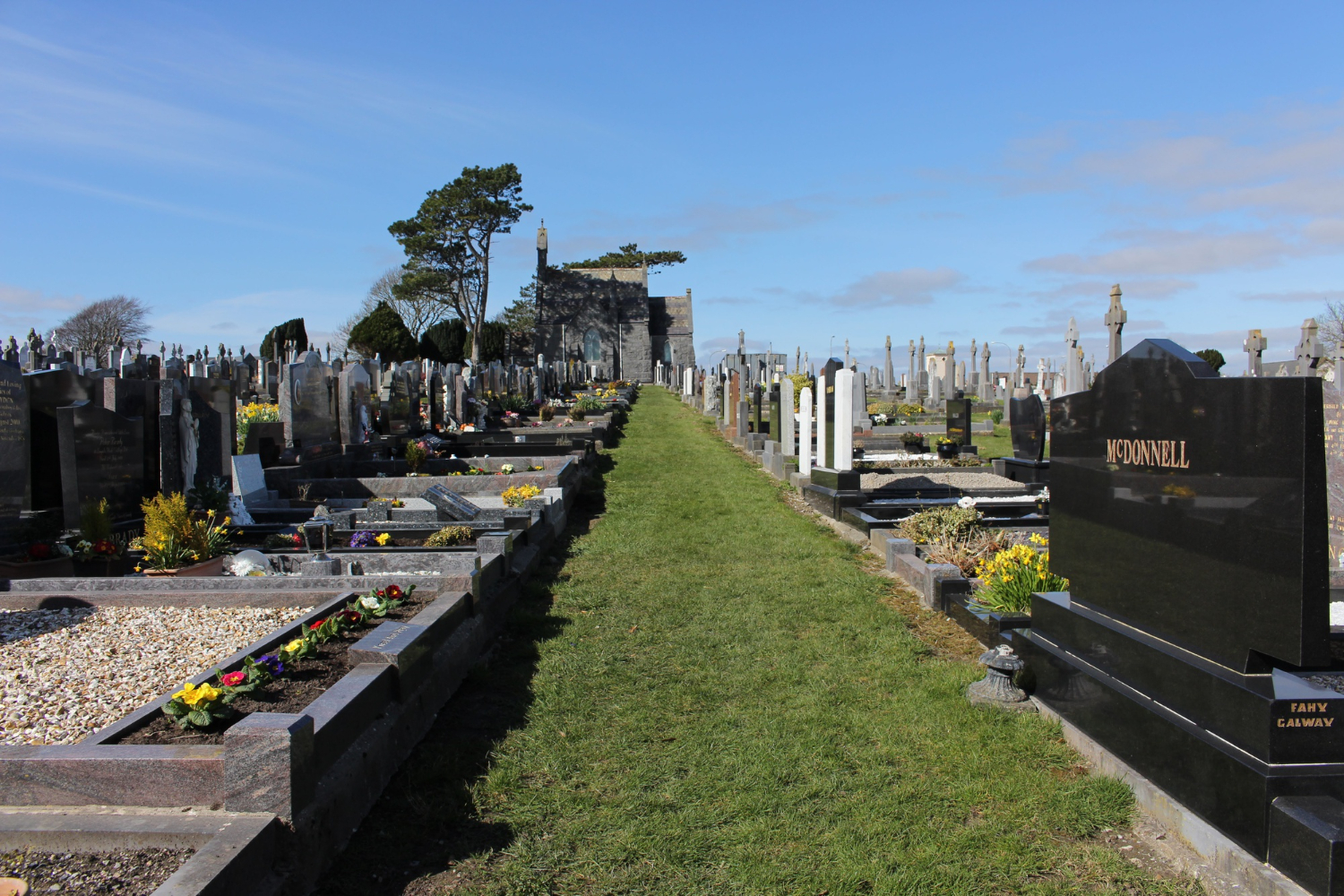
Beneath the rolling meadows of Hart Island lie the remains of over one million people, making it the largest tax-funded cemetery in the United States and one of the largest mass burial grounds in the country. Unlike conventional cemeteries, there are no headstones — only 3-foot white posts stuck in the ground every 25 yards. Each marker signifies 150 bodies below it. The bodies are buried over 131 acres of meadows, with the only sounds typically the wind and the occasional jangle of a nearby bell buoy in the water.
2: The first burial was a 24-year-old woman
In 1869, four years after the Civil War ended, New York City began using Hart Island as its potter’s field. The first burial was a 24-year-old woman named Louisa Van Slyke, who according to the New York Times “was born at sea and died alone at Charity Hospital.” She was buried in a plain pine box on what would become a 131-acre public graveyard. From that day to the present, Hart Island has been New York City’s primary burial site for the unclaimed dead.
3: The Civil War prisoner-of-war camp
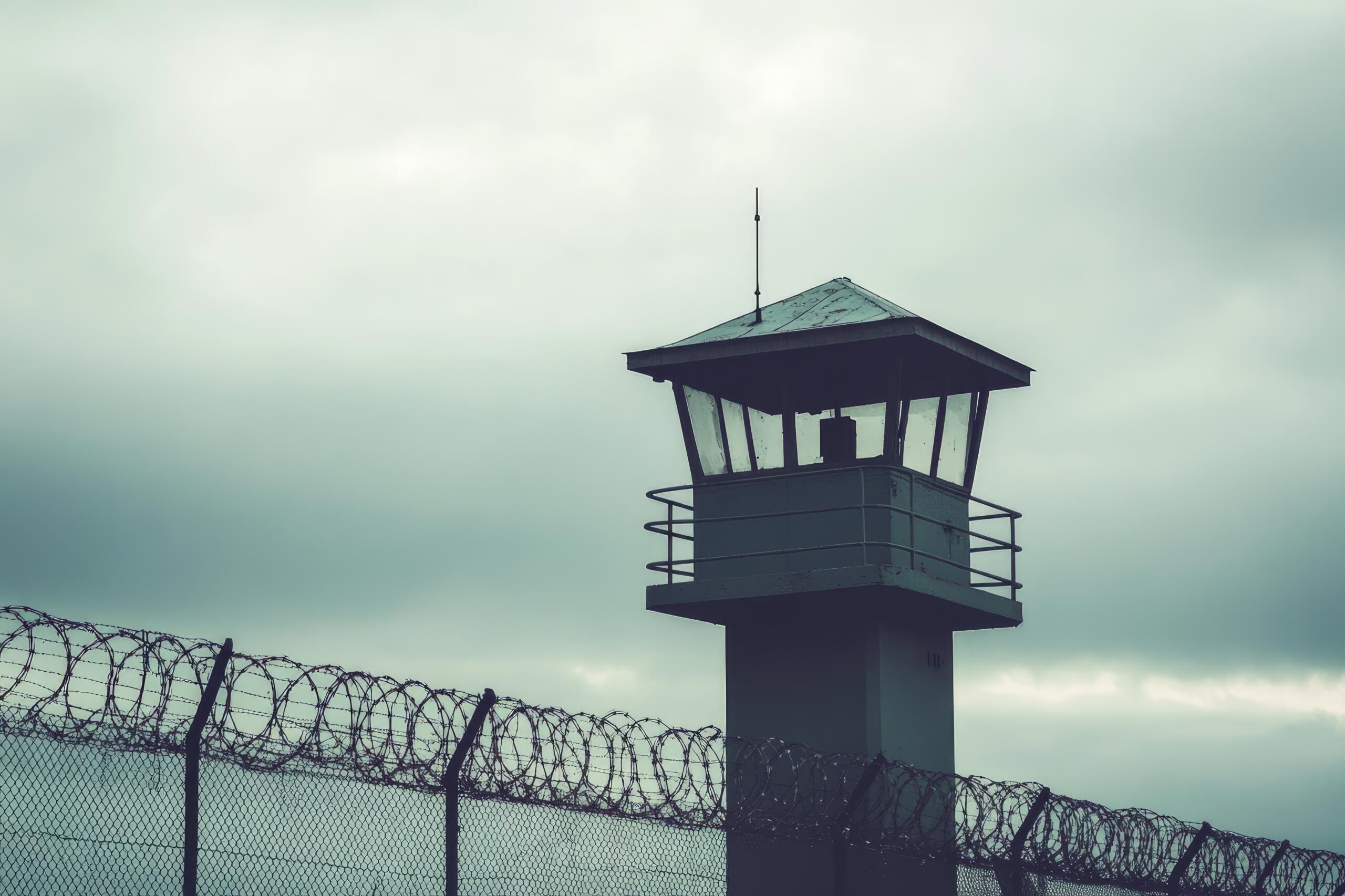
Before the cemetery, Hart Island had a darker military history. The island first served the city in 1864 as a training ground for the United States Colored Troops during the Civil War. It then became a Confederate prisoner-of-war camp in the war’s final months, with conditions described in inmate accounts as “appallingly inhumane.” Some Confederate prisoners died and were buried on the island. A monument erected by the Army Reserves in 1877 still marks the location of the original Soldiers’ Plot.
4: The trench burial system
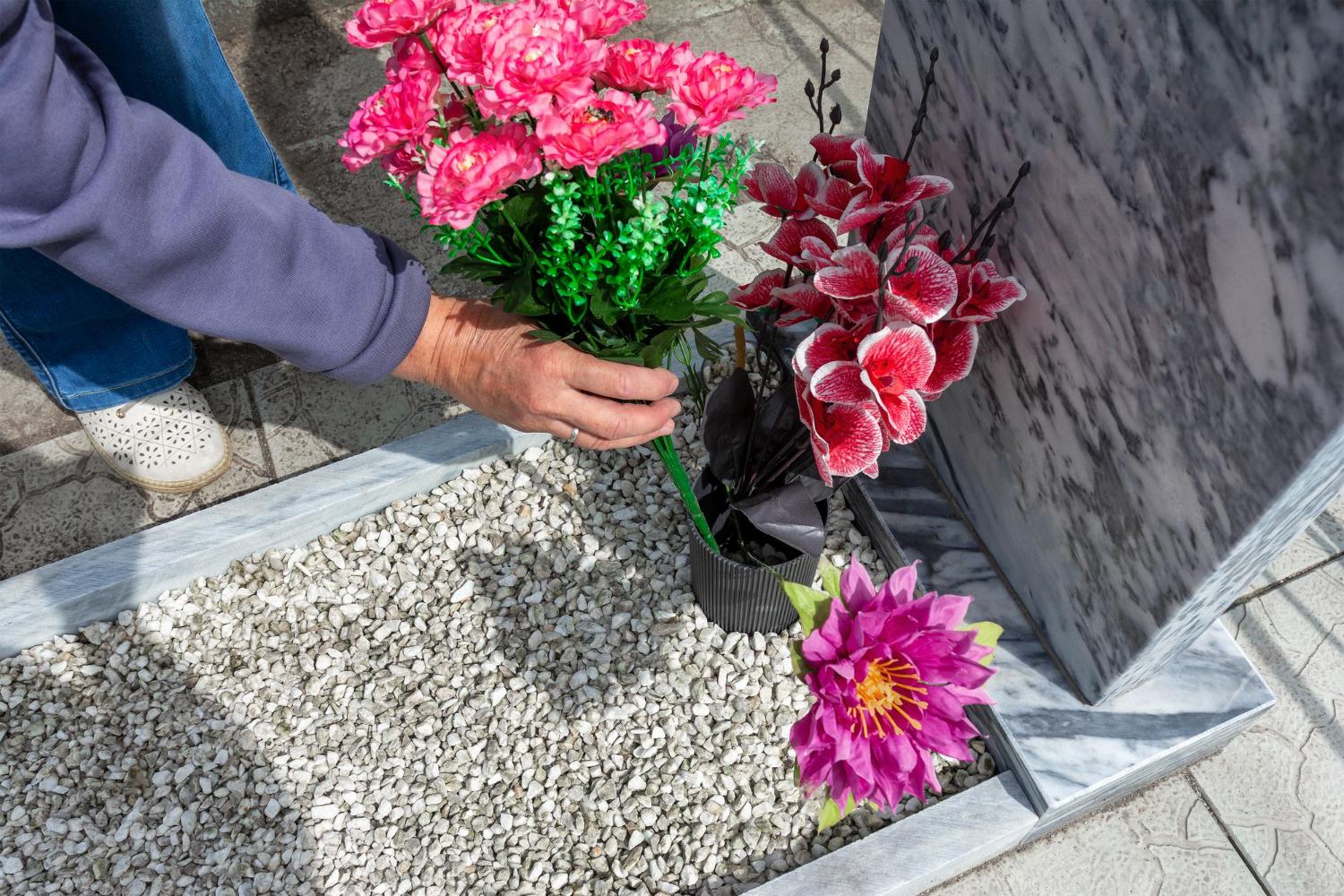
The bodies arrive from the city’s morgues to be buried Monday through Friday, on a schedule organized by borough. Queens burials happen on Tuesdays, Brooklyn on Wednesdays, Manhattan on Thursdays, the Bronx on Fridays. Until December 2019, the bodies were lowered into trenches by inmate workers from Rikers Island, paid 37 cents per hour. Each trench measures approximately 60 feet long by 14 feet wide. For most of the cemetery’s history, 150 wooden caskets were stacked in each trench in a grid two caskets wide and 25 long, three layers deep.
5: The largest AIDS burial site in America
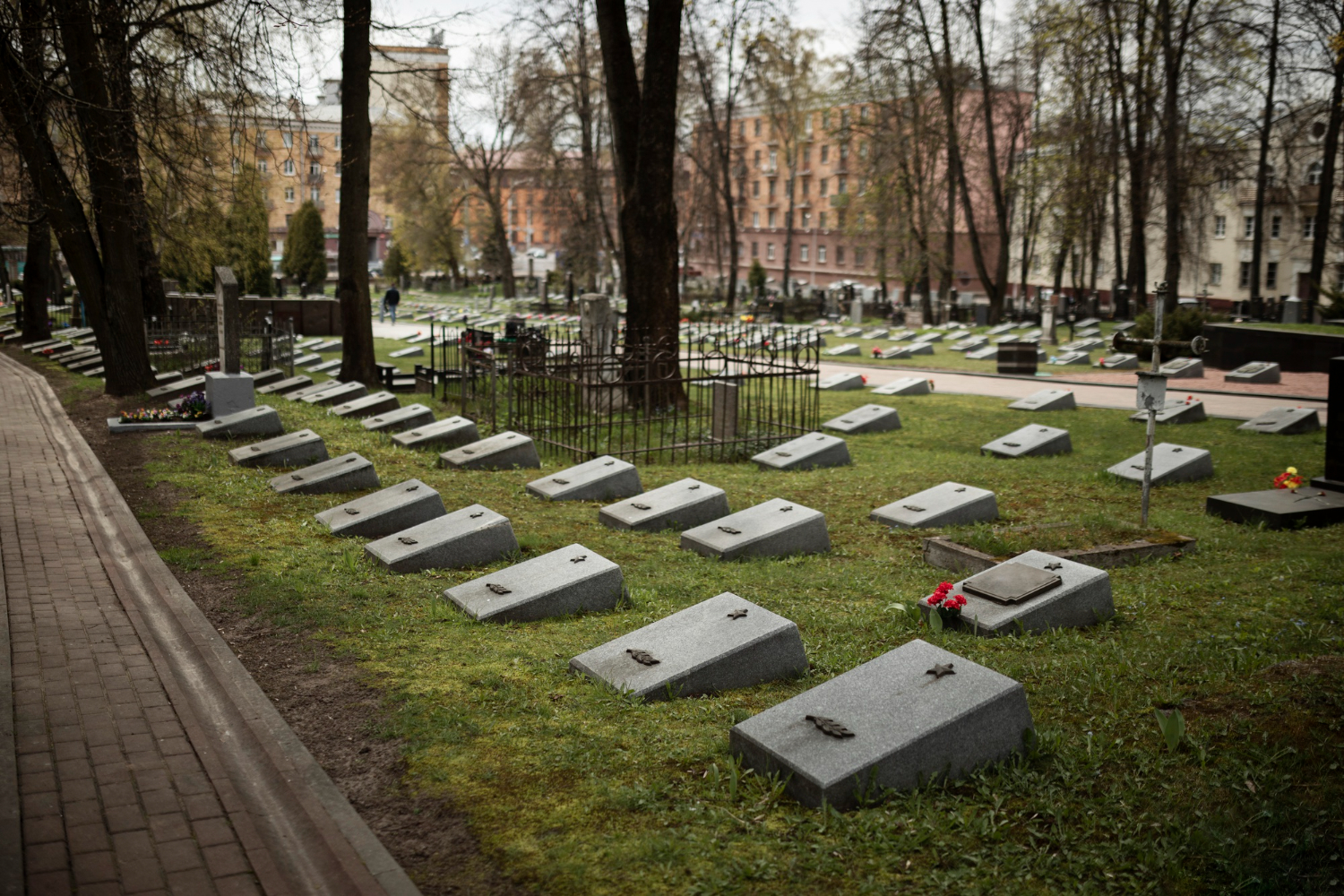
In 1985, the first known person to die of AIDS was buried on Hart Island. The burial conditions for AIDS victims during the 1980s were unique in Hart Island’s history — these were the only people to be buried in deep, individual graves rather than the standard mass trenches. Officials at the time feared (incorrectly) that AIDS could be transmitted through corpses. The discrimination went further. In 1983, the New York State Funeral Directors Association formally urged its members not to embalm bodies of people who had died of AIDS. Many funeral homes refused to handle the bodies at all.
6: Why the AIDS deaths went undocumented

According to the NYC Parks Department, Hart Island is “believed to be the single largest AIDS burial site in the United States.” The exact number was never definitively counted. The Hart Island Project and other advocacy groups have documented thousands of confirmed AIDS deaths buried on the island during the height of the epidemic. Many remain unmarked because the Department of Health stopped listing AIDS as a cause of death on burial permits during the worst years of discrimination, making subsequent identification difficult. For many New York families, Hart Island was the only option because funeral homes either refused outright or charged enormous markups.
7: The COVID-19 burials of 2020
In April 2020, as New York City became the global epicenter of the early COVID-19 pandemic, Hart Island was reactivated for use as a temporary mass burial site. The city’s morgues and refrigerated trucks had become overwhelmed by the death toll. According to TIME magazine reporting, more than 2,000 New Yorkers were buried on Hart Island in 2020 alone — more than double the previous year’s total. October 2020 alone saw 360 burials, more than four times the same month in 2019. Private contractors replaced inmate labor for the burials during the pandemic.
8: The Department of Correction era
For 124 years, until December 2019, Hart Island was operated by the New York City Department of Correction, which prioritized security over family access. Until 2015, families could not visit gravesites at all — they could only visit a small gazebo near the dock and look at the cemetery from a distance. After years of advocacy by Melinda Hunt’s Hart Island Project, the New York City Council passed legislation transferring jurisdiction from the Department of Correction to the Department of Parks and Recreation. The transfer took effect December 2019, formally making Hart Island a city park rather than a prison facility.
9: The mass graves are getting denser
A 2022 city-commissioned study found that the island could run out of burial space by 2030 at the previous rate. The recent shift from 150 to 200 caskets per trench (by adding a fourth layer) is intended to extend Hart Island’s usable lifespan by an estimated 61 years. Critics argue that this expansion suggests the city has already decided to continue using mass graves indefinitely, despite ongoing public input processes. Burials continue at a rate of roughly 1,500 per year in normal times.
10: The 20-year plan

In July 2025, NYC Parks announced its 20-year plan for Hart Island, designed by the firm Starr Whitehouse. The plan includes new restrooms, a visitor center, restoration of three existing memorials, renovation of the old Catholic chapel, and improved landscaping. Importantly, the plan does not transform Hart Island into a public park — burials will continue, and most of the island’s 131 acres will remain primarily a cemetery. In November 2025, the City Council passed legislation requiring city agencies to study Hart Island’s future capacity and burial procedures, with a report due by June 2027.
11: How to actually visit
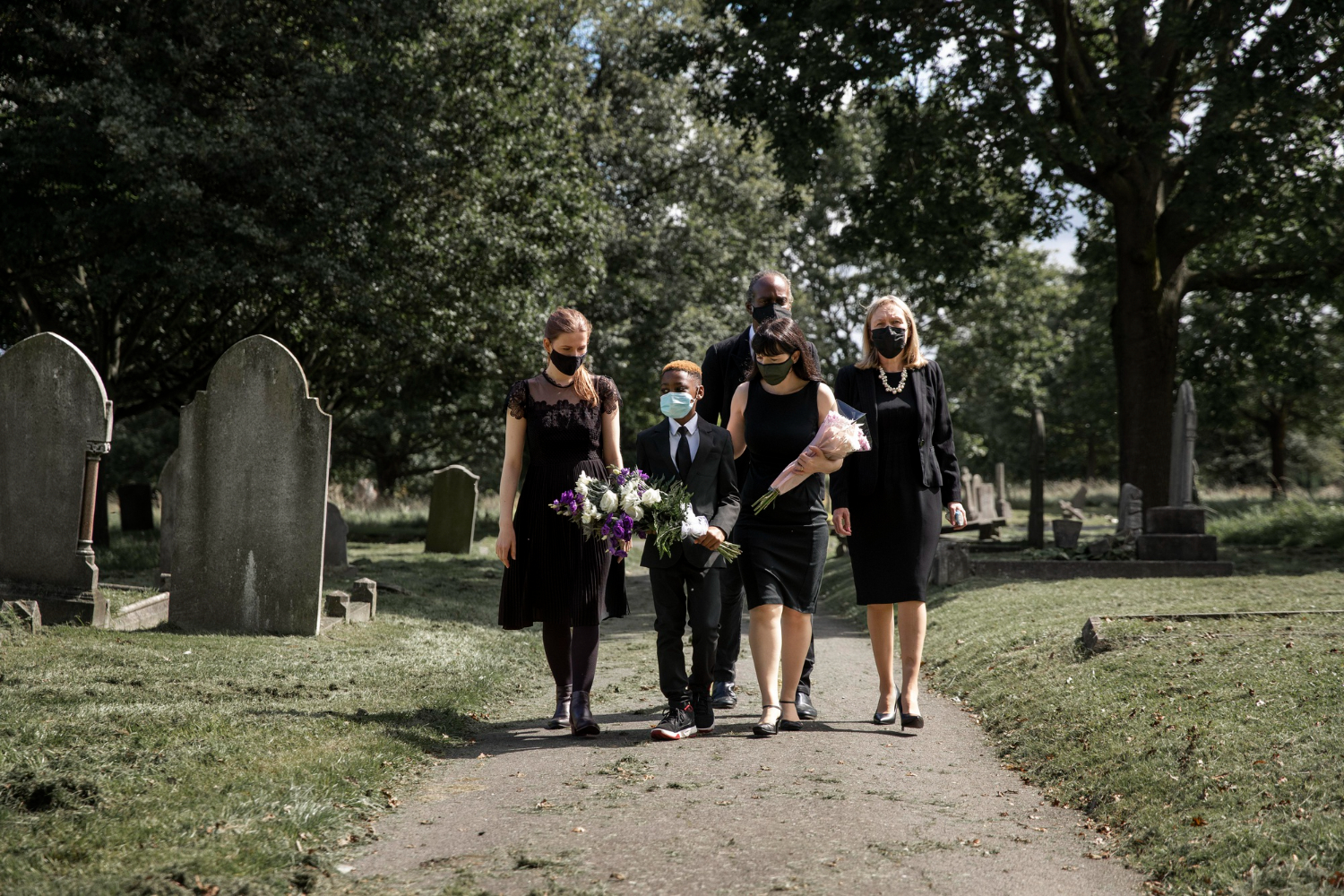
Family visits to gravesites are available twice a month, with up to 70 people permitted per visit. Visitors must schedule weeks in advance through the NYC Parks Hart Island Office. Public tours are available twice monthly through urban park rangers, with limited slots open. Burial records dating back to 1977 are searchable online through the NYC Council’s database, where families can look up loved ones by name, age, birth date, date of death, or Medical Examiner case number.
12: The shadow of New York City
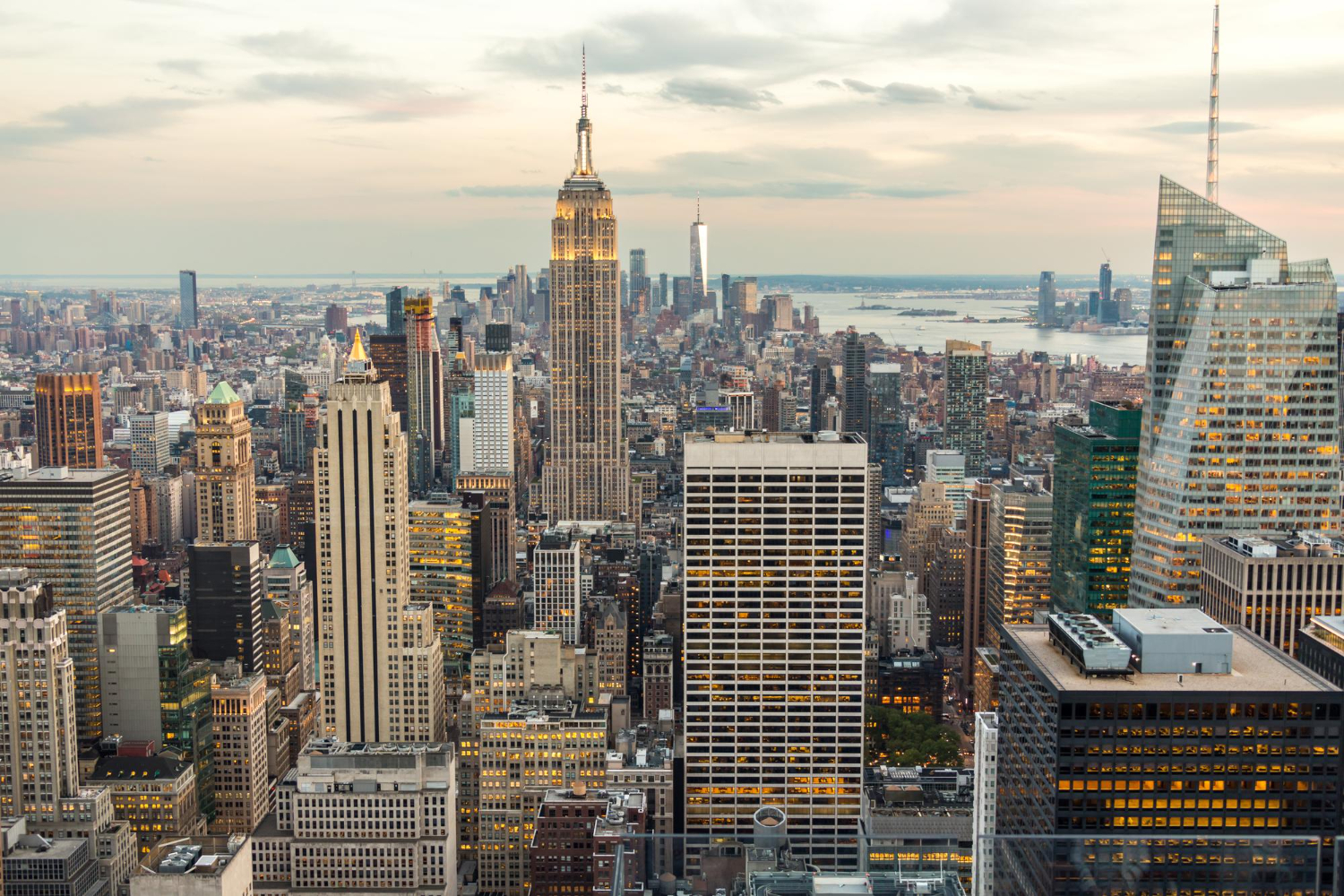
The Manhattan skyline is visible from Hart Island. The same city that produced the buildings across the water also produced the conditions that filled the unmarked graves. As the cemetery’s chaplain Justin von Bujdoss told TIME magazine: “Hart Island is like a shadow of New York City. It reflects the lives of people who live on the margins — the homeless, the sickly, the neglected, the forgotten and overworked.” For those whose family members were buried during the AIDS epidemic, the COVID-19 wave, or any of the countless quieter tragedies that fill mass graves at a rate of roughly 1,500 per year, the island remains a place where their loved ones disappeared. The continuing work of activists is gradually making it less of a place that erases people — but the underlying reality of poverty in New York that produces so many unclaimed dead has not been similarly transformed.
