According to Google’s 2026 travel trends data, search interest in “slow travel” hit an all-time high this year, with “slow travel Italy” up 100% in just one month. Travelers are choosing one place for weeks instead of multiple cities in days. Here are 5 destinations specifically suited to it.
The post-pandemic travel pattern that defined 2022 and 2023 — “revenge travel,” packing maximum destinations into minimum time — is over. According to Google’s 2026 travel trends data and KAYAK’s “What the Future” report, search interest in “slow travel” has hit an all-time high in 2026. Search interest in “slow travel Italy” alone is up 100% in just one month. “Month-long hotel stay” and “month-long yoga retreat” are among the most-searched “month-long” queries.
The numerical shift is significant. According to industry data, two-thirds of U.S. travelers under 35 now say they prefer active, immersive trips over passive sightseeing. The number of Americans identifying as digital nomads or “slowmads” (travelers who stay in one location for two-to-three months at a time) reached approximately 18.1 million in 2025 — large enough to constitute a demographic rather than a trend.
The economics work. Monthly apartment rentals are typically 30-50% cheaper per night than nightly hotel rates. Cooking some of your own meals reduces food costs. Fewer flights and trains reduce transport expenses. The result is that genuinely extended stays are often less expensive than packed multi-city itineraries — even before factoring in the experiential benefits.
For travelers considering their first slow travel trip, the key decision is location. Some destinations work brilliantly for month-long stays. Others reveal their limitations after a week. Here are 5 destinations that 2026 slow travelers are choosing — and what makes each one work.
1. The Alentejo region, Portugal
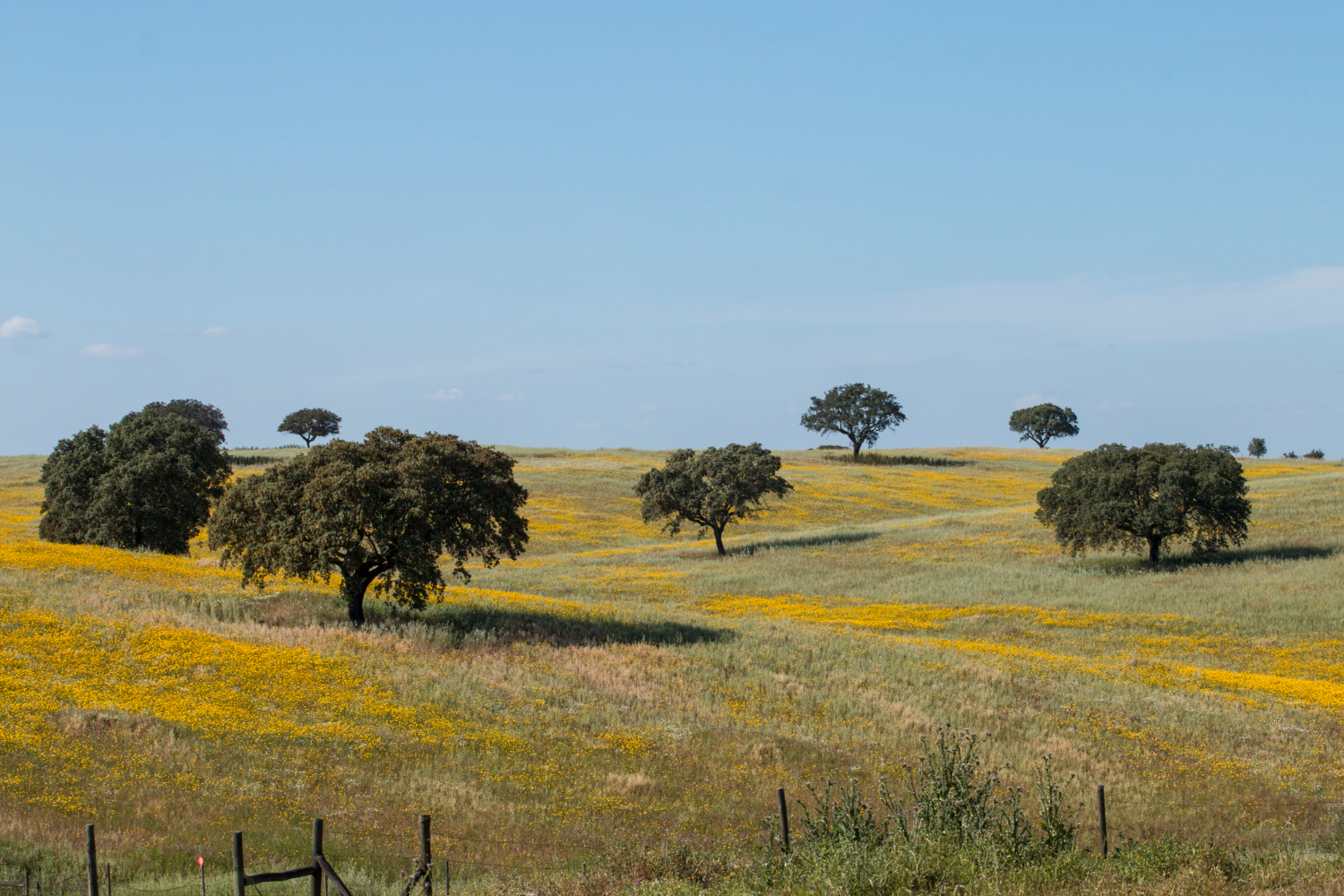
Portugal’s Alentejo region — the rural inland area between Lisbon and the Algarve — has emerged as one of 2026’s most-recommended slow travel destinations. The reasons are specific and practical.
The Alentejo offers what travel researchers describe as “a territory of calm” — landscapes of cork forests, olive groves, vineyards, and wildflower-studded plains. Inland medieval towns (Évora, Monsaraz, Beja) connect via bike routes and scenic drives. The pace is unhurried. Traffic is light. The dark night skies remain unspoiled by light pollution.
The infrastructure is genuinely sufficient for extended stays. Rural cottages and renovated farmhouses (montes) rent for €600-1,500 per month. Local food and wine remain inexpensive (€10-15 dinners with wine at village restaurants). High-speed internet is available in most towns. Healthcare access is comparable to other EU countries.
The 2026 Alentejo experience: rent a place for 3-4 weeks, establish a routine of morning walks among vineyards, long lunches in village squares, afternoon work or reading, and evenings under clear skies. The rhythm feels distinctly different from urban travel — and that’s the point.
Best time: April-June and September-October. Summer can be very hot.
Typical monthly cost: $1,500-3,000 for accommodation, food, and basic transport.
2. South Tyrol, Italy
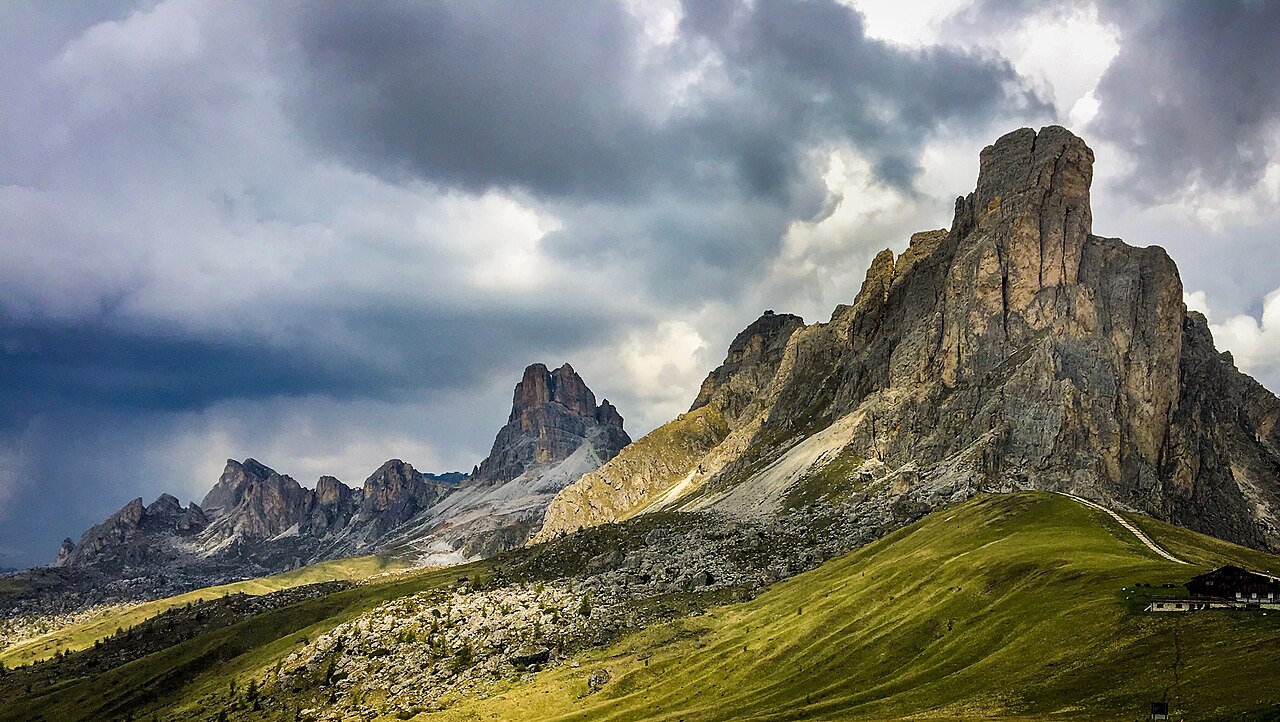
The South Tyrolean Alps in northern Italy have emerged as a 2026 favorite for slow travelers wanting nature-first experiences. The region combines small Alpine towns, extensive trail networks, and a regionally focused food culture (a distinct mix of Italian and Austrian influences) that rewards extended exploration.
Towns like Merano, Brixen, and Castelrotto serve as base camps for multi-week stays. The pattern that works: rent an apartment in a valley town, rotate between easy day hikes, spa visits, slow meals, and quiet work days. The combination of mountain scenery, walkable towns, and strong infrastructure produces an environment that rewards staying still rather than moving constantly.
South Tyrol’s specific 2026 appeal includes the upcoming Cortina d’Ampezzo Winter Olympics (driving infrastructure improvements throughout the region), the strong cycling and hiking culture, and the Törggelen season in autumn when wineries open for new wine tastings paired with traditional food.
Best time: May-October. Winter is also popular but for different activities (skiing).
Typical monthly cost: $2,500-4,500 for accommodation, food, and basic transport. South Tyrol is more expensive than the Alentejo.
3. Chiang Mai, Thailand
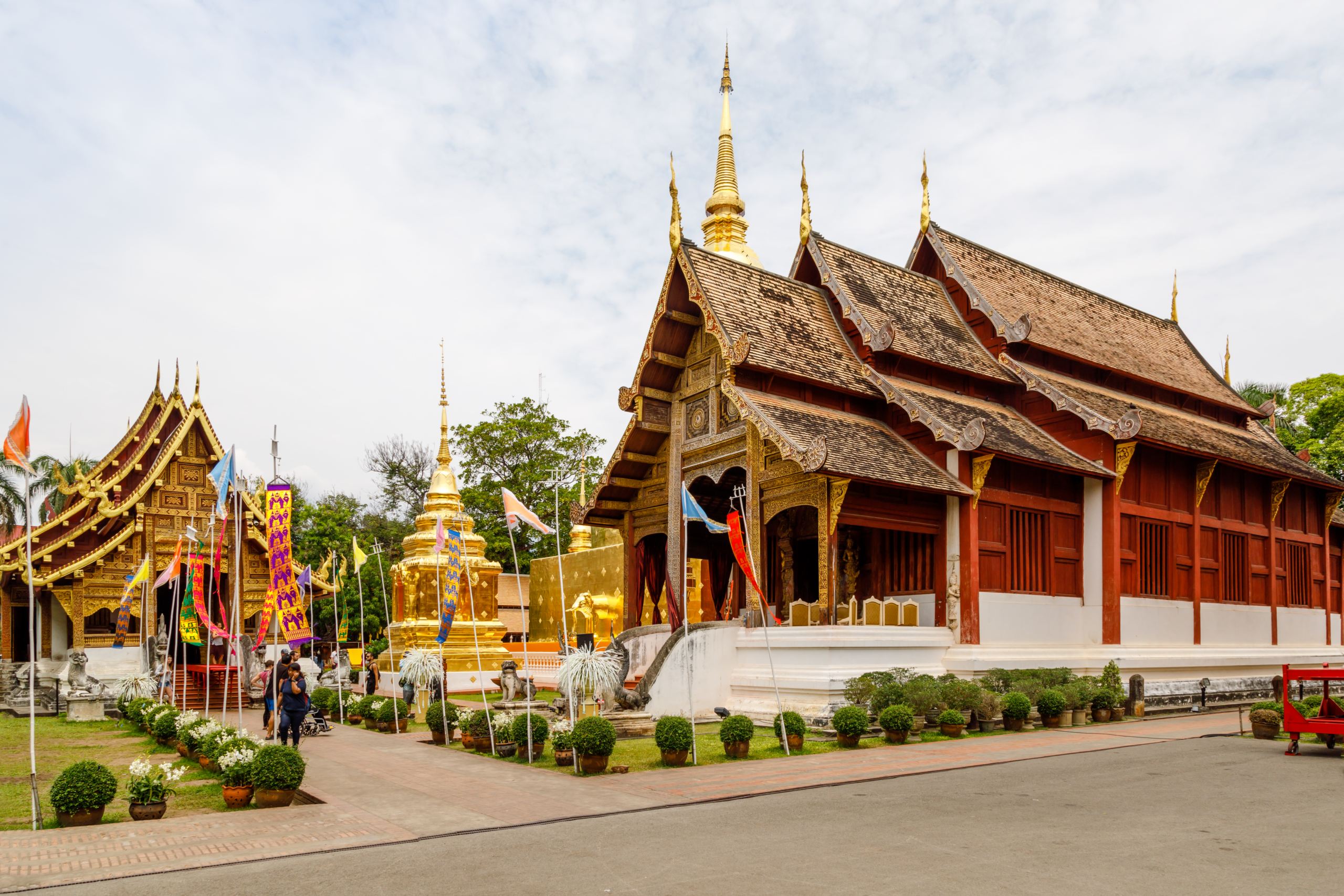
For travelers wanting to experience a culture genuinely different from European or American norms, Chiang Mai has remained one of the world’s premier slow-travel destinations for over a decade. The 2026 appeal is well-established: monthly costs around $1,000 USD (in some cases lower), widespread high-speed internet, an established expat and digital nomad community, and a city that combines temple culture with modern conveniences.
The neighborhoods within Chiang Mai produce different slow-travel experiences. The Old City offers temple-focused, quieter living. Nimmanhaemin is the digital nomad and café district. The east side has more authentic local experiences and lower costs.
What works for slow travelers in Chiang Mai: morning yoga at one of dozens of studios, afternoon work from any of hundreds of cafés (most with strong WiFi), evening Thai cooking classes or massage appointments, weekend trips to nearby mountains, waterfalls, and elephant sanctuaries.
Best time: November-February (cool dry season). Avoid March-May (burning season) and June-October (rainy season).
Typical monthly cost: $1,000-1,800 for accommodation, food, transport, and activities. Chiang Mai is among the world’s most affordable destinations for Western visitors.
4. Medellín, Colombia
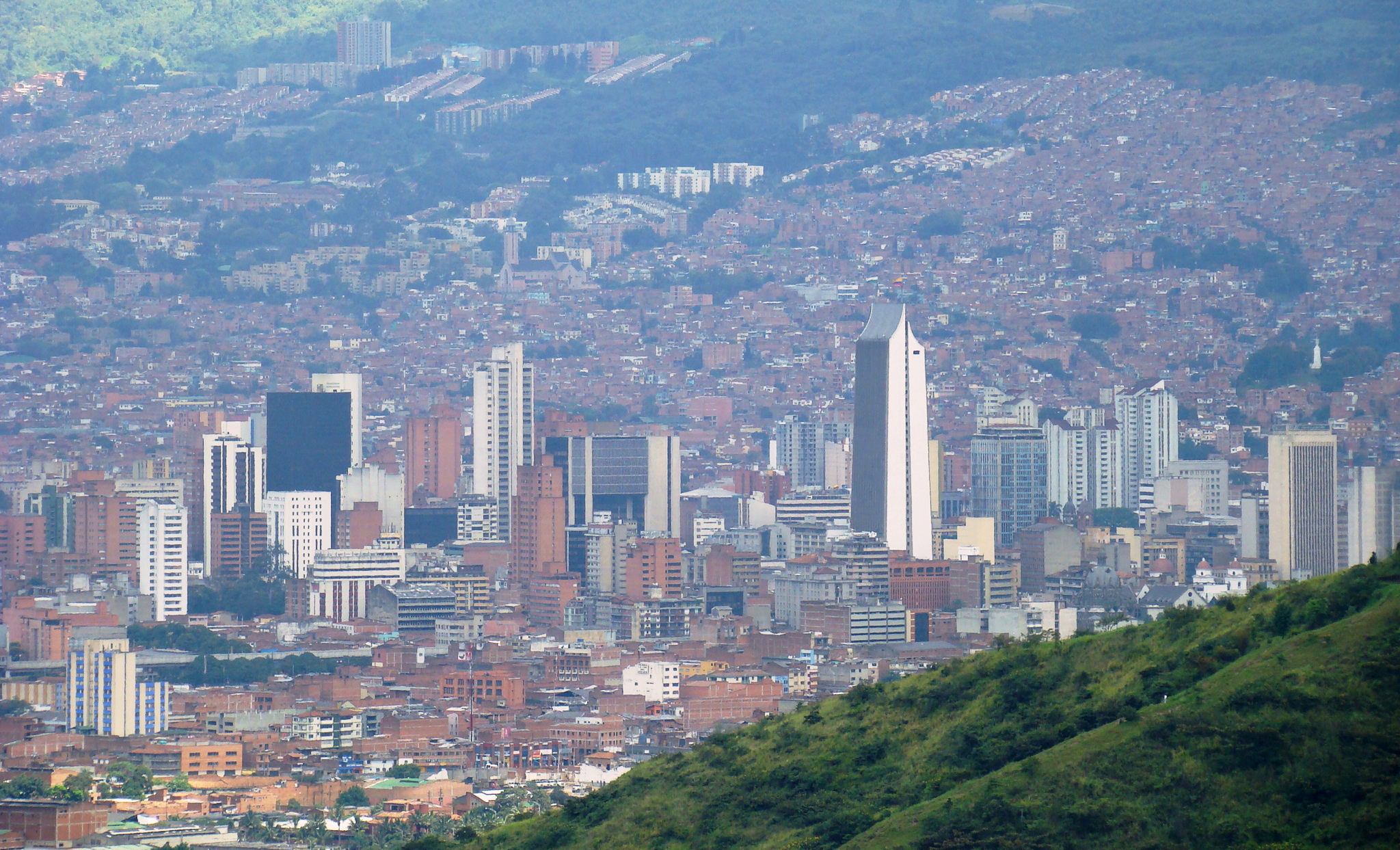
Medellín has become the dominant Latin American slow-travel destination for the 2020s. The “City of Eternal Spring” climate (consistently 65-78°F year-round), improving infrastructure, and strong digital nomad community make it work for extended stays.
The Poblado neighborhood is the digital nomad center, with cafés, coworking spaces, and English-friendly services. Laureles offers a more local experience at lower costs. Envigado (technically a separate city but functionally part of Medellín’s metro area) provides quieter residential living.
Medellín’s specific appeal includes the modern Metrocable cable car system that connects the city’s hillside neighborhoods, the substantial salsa dance culture, and the cuisine that blends traditional Colombian flavors with international influences. The transformation from the city’s 1990s reputation to its current status has been substantial — most of the safety concerns from older travel guidance no longer reflect current reality, though common-sense urban precautions still apply.
Best time: Year-round, though December-February has the least rain.
Typical monthly cost: $1,800-2,800 for accommodation, food, and transport. Medellín is more expensive than Chiang Mai but less expensive than European destinations.
5. Tbilisi, Georgia (the country)
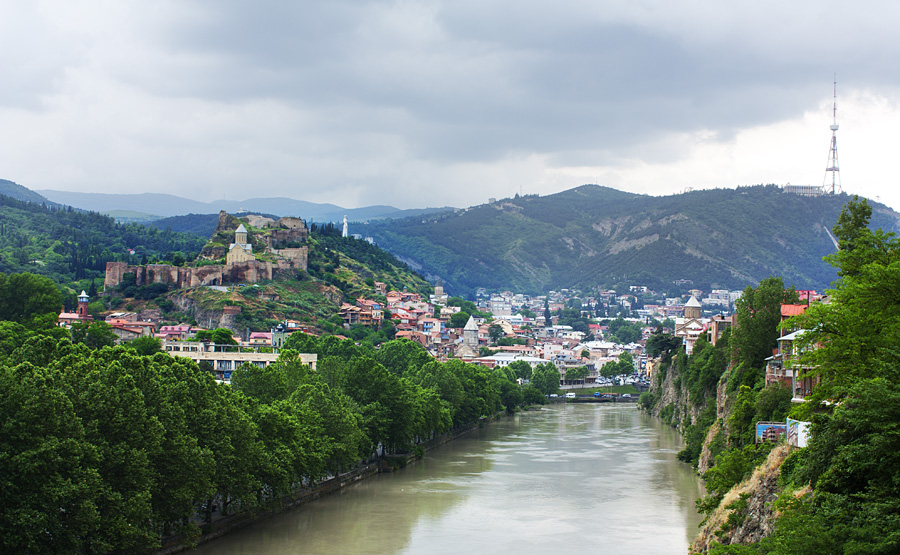
Tbilisi has emerged as the 2026 European slow-travel discovery destination, with the country’s exceptionally generous “Remotely from Georgia” visa program (originally launched 2020) allowing remote workers to stay for up to a year with minimal documentation.
Tbilisi’s specific appeal for slow travelers includes the medieval old town with its distinctive architecture, the surrounding Caucasus mountains accessible for weekend trips, the wine culture (Georgia is one of the world’s oldest wine-producing regions, with traditional clay-vessel qvevri winemaking dating back 8,000 years), and dramatic affordability. Restaurant meals run $5-15. A nice apartment for a month costs $400-800.
The texture of Tbilisi works for slow travelers in ways that more famous European cities don’t. The pace is unhurried but not sleepy. The cafés support extended laptop work without the social pressure of more touristed destinations. The city is small enough to walk most places. Day trips to nearby wine regions (Kakheti) and mountain monasteries offer variety.
The political situation in Georgia has been unstable through 2024-2025 due to ongoing tensions with Russia and EU accession debates. Travelers should check current State Department guidance before extended stays.
Best time: May-June and September-October. Summer is hot; winter is cold and gray.
Typical monthly cost: $1,200-2,200 for accommodation, food, and transport.
What slow travel actually requires
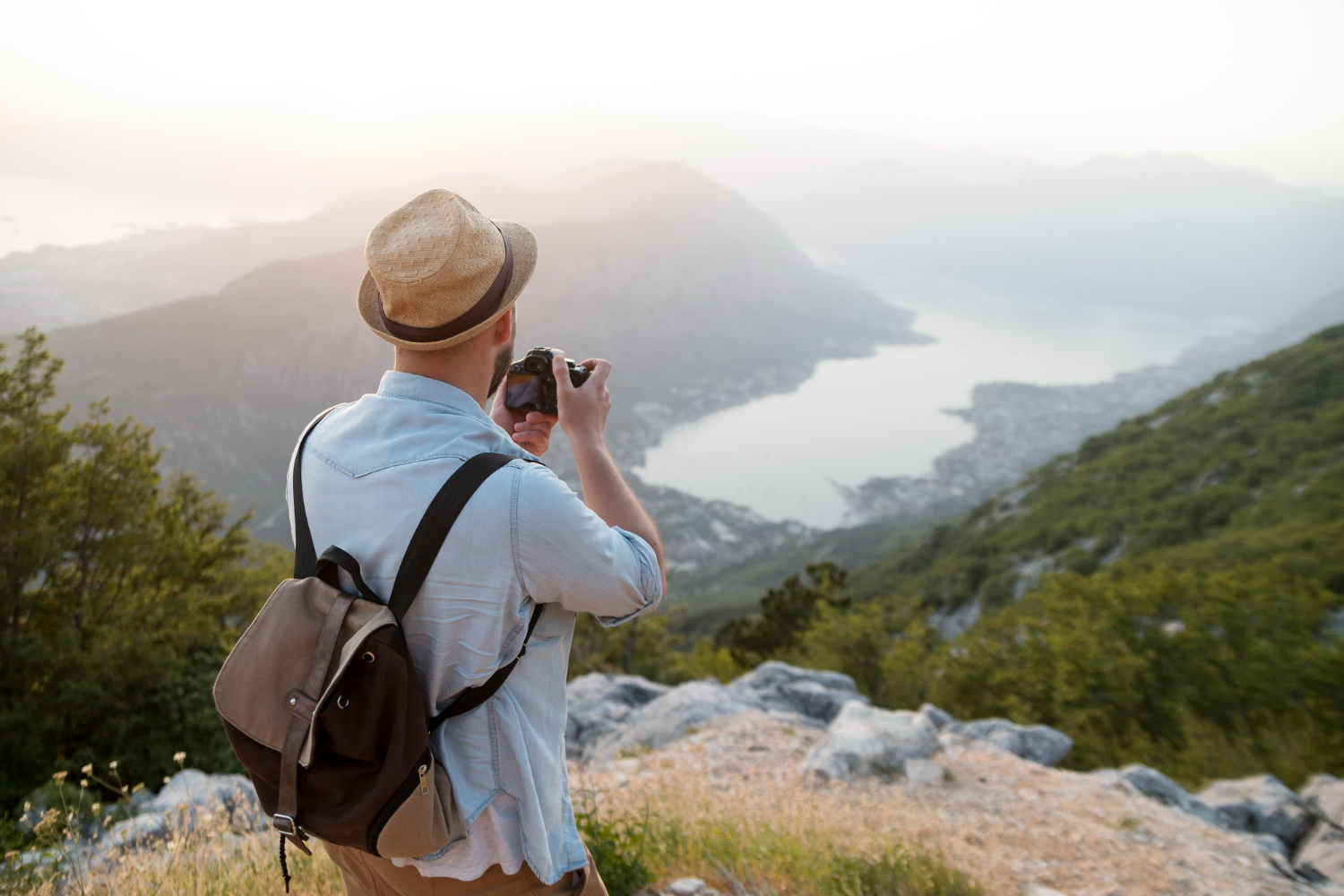
The destinations on this list work for slow travel, but the experience requires different preparation than typical vacation travel. Several practical considerations:
Apartment rentals over hotels. Hotels become exhausting after 2-3 weeks. Apartment rentals (through Airbnb, Vrbo, or local rental platforms) provide kitchens for cooking, laundry facilities, and a sense of routine that hotels can’t replicate. Most slow travelers report that the kitchen specifically is essential — eating restaurant meals every day for a month becomes both expensive and unhealthy.
Flexible work arrangements. True slow travel typically requires either being retired, being on extended sabbatical, or having work that genuinely allows remote operation. The “I’ll just check email occasionally” approach often becomes frustrating; the work either gets done or it doesn’t, and pretending otherwise produces stress that defeats the slow travel purpose.
Health insurance for extended international stays. Standard travel insurance often has time limits. Specialized policies for digital nomads (SafetyWing, IMG Global Medical, World Nomads) provide coverage designed for multi-month stays at reasonable rates.
Visa awareness. Different countries have very different rules about how long visitors can stay. Schengen Area countries allow 90 days in any 180-day period for U.S. tourists. Thailand allows up to 60 days with a tourist visa. Georgia allows up to 365 days. Colombia allows 90 days that can be extended for another 90. Knowing the specific rules for your destination is essential before booking.
Banking and currency. International transaction fees, ATM access, and currency exchange rates matter much more during extended stays than during short trips. Most slow travelers use a combination of: a credit card with no foreign transaction fees (Capital One Venture, Chase Sapphire Preferred, etc.), a Charles Schwab debit card for fee-free ATM withdrawals worldwide, and Wise (formerly TransferWise) for currency exchange and bill payment.
Internet redundancy. Working from a foreign country requires reliable internet. Most slow travelers maintain: a primary apartment WiFi connection, a backup mobile hotspot via local SIM card, and a laptop with cellular capability for emergencies. The cost of unreliable internet during a remote work assignment significantly outweighs the cost of redundancy.
Community building. The biggest difference between slow travel and tourism is social. Tourist trips don’t require social connection. Month-long stays do. Most successful slow travelers actively engage with: local language exchanges, expat meetups (Internations, Couchsurfing meetups, niche Facebook groups), coworking spaces, fitness classes, and recurring social activities. Without deliberate community building, extended solo travel can become surprisingly lonely.
What slow travel produces that fast travel doesn’t
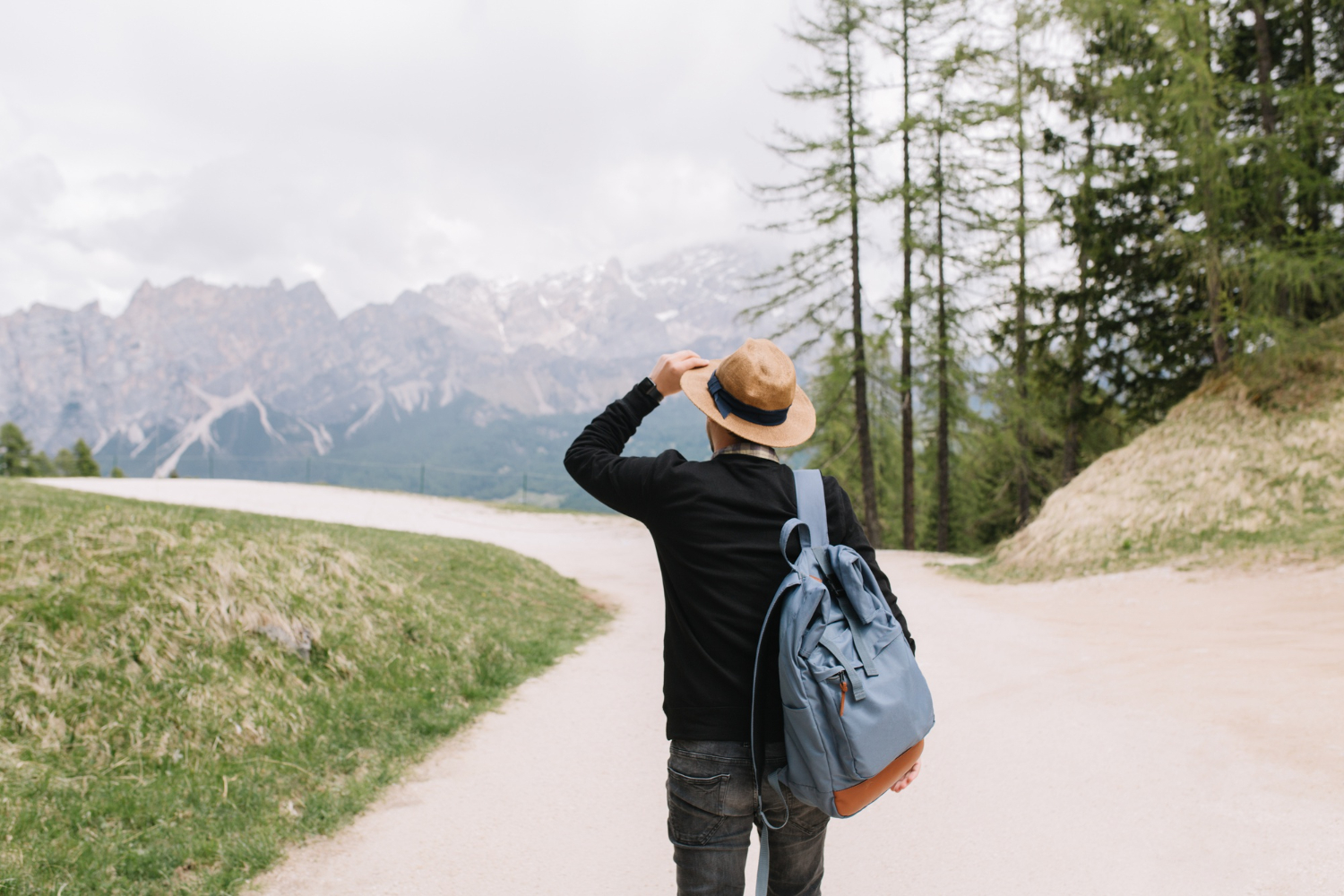
The argument for slow travel is ultimately experiential rather than economic. Travelers who have done both consistently report specific differences:
Real local relationships. A week isn’t enough time to develop relationships with neighbors, regular café staff, fellow gym members, or other people who become part of your daily routine. A month is. The relationships that develop during slow travel often produce the most memorable parts of the experience.
Genuine language acquisition. Two weeks isn’t enough to make meaningful language progress. A month with deliberate practice can produce conversational ability in Romance languages. Three months can produce genuine functional fluency for motivated learners.
Real cultural understanding. Tourist-level cultural exposure is necessarily superficial. Extended stays let you see cultural patterns across multiple weeks — how the city changes between weekday and weekend, how restaurants treat regulars differently than visitors, how local politics actually plays out in daily life.
Cost efficiency on a per-day basis. A month of slow travel typically costs less per day than a week of fast travel, even before factoring in flights. The amortization of fixed costs (the flight to get there, the time investment to figure out the destination) over a longer period produces dramatically better value.
Reduced travel stress. Fast travel is exhausting. The constant logistics — checking in and out of hotels, finding new restaurants, navigating new transit systems, packing and unpacking — produces a specific kind of fatigue that slow travel eliminates. Many travelers report returning from slow travel trips feeling restored, while returning from fast travel trips feeling depleted.
For first-time slow travelers, the recommended approach from veteran practitioners is typically: start with a single one-month trip to a destination with strong infrastructure (Lisbon or Mexico City are common first choices), evaluate whether the lifestyle works for you, then potentially extend to longer stays at other destinations.
The 2026 slow travel surge represents something genuine — a sustained shift in how Americans (particularly under-35 Americans) think about leisure time. Whether the trend continues or eventually reverses depends on broader factors including remote work persistence, economic conditions, and cultural attitudes toward speed and efficiency. For travelers in the current moment, the destinations on this list represent the most refined versions of what slow travel can offer. The infrastructure exists. The communities are established. The experiences are real.