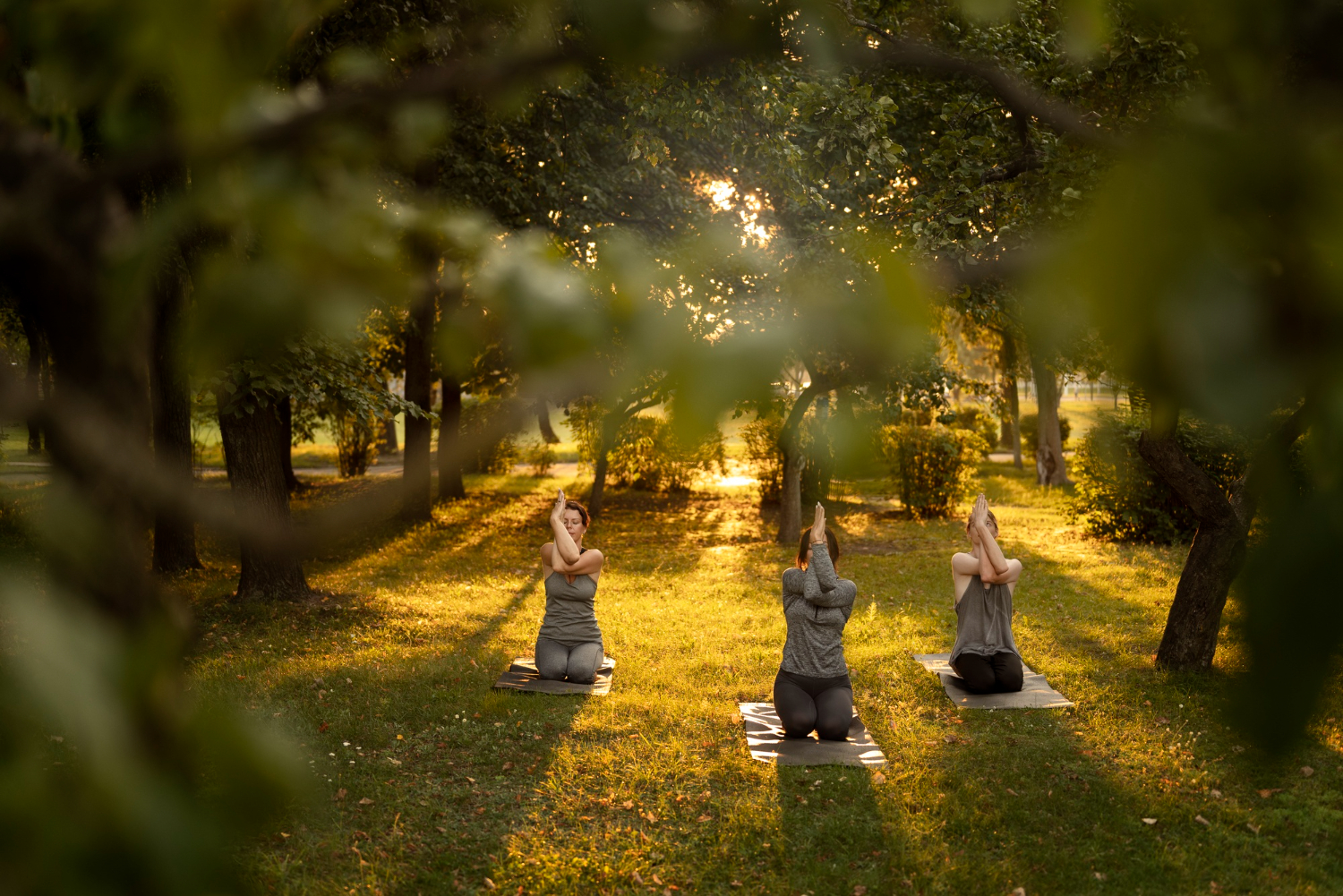
The travel industry’s defining 2026 buzzword is “whycation” — purpose-driven trips planned around a specific personal goal rather than just a destination. Reader’s Digest’s Adventure Travel Trade Association calls 2026 “the year of the whycation.” Here are 6 specific whycation types that have become real travel products.
The word is awkward. The concept is real.
“Whycation” — coined by the travel industry in 2025 and refined into a 2026 marketing standard — refers to vacations planned around a specific personal “why” rather than around a destination. Instead of “I want to go to Italy,” the whycation traveler thinks “I want to come back from this trip having learned to make pasta.” Instead of “We want to see Costa Rica,” they think “We want to come back stronger and healthier than when we left.”
The shift represents something more substantial than a marketing rebrand. According to Reader’s Digest’s reporting on 2026 travel trends, the Adventure Travel Trade Association’s CEO Shannon Stowell describes 2026 travel as prioritizing “well-being, simplicity and regenerative depth” — purposeful travel that produces specific outcomes rather than passive sightseeing that produces generic memories.
The numbers behind the trend support the thesis. Industry data shows that 41% of travelers say awe-inspiring experiences are a top priority in 2026. 63% say natural wonders will guide their travel plans. The post-pandemic exhaustion with packed itineraries, combined with rising travel costs that demand real value-per-dollar from each trip, has produced demand for trips that produce specific personal returns rather than generic experiences.
Here are 6 whycation types that have become genuine travel products in 2026, with specific destinations and providers that have built businesses around each one.
1. The fitness whycation: come back stronger

The fitness whycation is built around the question: “What if I came back from vacation in better shape than when I left?” Instead of the typical “vacation weight gain” experience, fitness whycations specifically target physical improvement.
The format that has emerged: 7-14 day stays at fitness-focused properties with structured programming. Daily workouts (typically 2-3 hour blocks), nutrition-conscious meals, and recovery activities like sauna, cold plunge, and massage therapy.
Notable destinations in 2026:
- The Ranch Malibu, California — One-week intensive hiking program with 4-5 hours of daily mountain hiking, 1,400-calorie daily meals, and twice-daily fitness classes. Cost: $7,500-$11,000 per week. Reportedly results in 5-10 pound weight loss for most participants.
- Mountain Trek, British Columbia — Hiking-focused fitness retreat in the Canadian Rockies. Cost: $4,500-$5,500 per week. Less extreme than The Ranch but with similar structure.
- Aro Hā, New Zealand — Wellness adventure retreat combining hiking, yoga, strength training, and detox programming. Cost: $4,000-$7,000 per week. Located on stunning Lake Wakatipu.
What makes these work as whycations rather than punishments: the structure and accountability that producing fitness improvements requires is genuinely difficult to maintain at home. A week of full immersion produces compound benefits that a year of inconsistent home effort often doesn’t.
2. The skill-acquisition whycation: come back having learned something
The skill-acquisition whycation is built around the question: “What if I came back having genuinely learned a craft, language, or art form?” Instead of generic cultural exposure, these trips target specific transferable skills.
The popular skill-acquisition whycation formats include:
Language immersion programs — One to four weeks at language schools combined with homestay accommodation. Locations include Antigua, Guatemala (Spanish, $200-400/week including homestay), Quebec City, Canada (French, $400-700/week), Florence, Italy (Italian, $500-900/week), and Kyoto, Japan (Japanese, $800-1,500/week).
Cooking-focused trips — Hands-on cooking schools with multi-day programs. The Italian Culinary Institute (Calabria, Italy) offers 5-day to 6-month programs ($800-$15,000). The International Kitchen offers cooking-focused trips throughout Italy, France, and Spain. Le Cordon Bleu offers shorter consumer programs in Paris, London, and other locations.
Art and craft workshops — Pottery in Kyoto, weaving in Oaxaca, jewelry-making in Florence, painting in Provence. Most run 1-2 weeks with daily instruction from working artists.
Music intensive programs — Songwriting in Nashville, jazz performance in New Orleans, classical music programs in Salzburg, traditional instrument programs in Cuba.
What makes skill-acquisition whycations valuable beyond entertainment: the skill itself is durable and transferable. A week learning to make pasta in Bologna produces a skill you’ll use in your own kitchen for years. Two weeks of Spanish in Guatemala produces conversational ability that opens doors at restaurants, on subsequent trips, and in your professional life.
3. The wellness whycation: come back healthier mentally and physically

Wellness whycations focus on mental and physical restoration rather than fitness improvement. The distinction matters — fitness whycations are intensive; wellness whycations are restorative.
The 2026 wellness whycation typically combines several elements: spa treatments, mental health practices (meditation, journaling, therapy), nutrition focus (often with restrictions like alcohol-free or sugar-free programming), gentle movement (yoga, swimming, walking), and substantial unstructured time for rest.
Notable destinations:
- Kamalaya, Koh Samui, Thailand — Holistic wellness sanctuary with personalized programs ranging from “Asian Bliss” to “Optimal Fitness” to specialized programs for sleep, stress, and emotional balance. Cost: $400-$800 per night plus program fees.
- Sha Wellness Clinic, Spain — Medical wellness focus with diagnostic testing, customized programs, and Mediterranean coast location. Cost: $500-$1,500 per night.
- Ananda in the Himalayas, India — Ayurvedic wellness combined with yoga, meditation, and Himalayan setting. Cost: $400-$1,200 per night.
- Canyon Ranch Tucson, Arizona — American wellness destination with extensive programming, medical services, and high-desert setting. Cost: $1,000-$2,000 per night all-inclusive.
The “glowcation” subset of wellness whycations specifically targets skincare and visible appearance improvement, with destinations including South Korea (K-beauty programs), Paris (French pharmacy treatments), Italy (spa-focused stays), and Kerala, India (Ayurvedic skin programs).
4. The reset whycation: come back with mental clarity

The reset whycation specifically targets mental health and life-direction issues. The format: extended time away from regular life specifically to think about regular life — what’s working, what isn’t, what should change.
The 2026 reset whycation typically combines: digital detox (often with phone-locked-up rules), nature immersion, journaling and reflection practices, sometimes therapy or coaching access, and significant unstructured time.
Common formats:
- Silent retreats at meditation centers like Spirit Rock (California), Insight Meditation Society (Massachusetts), or Plum Village (France). Typical cost: $50-$150 per day. Often the cheapest whycation option.
- Off-grid cabins in remote locations — Dwell Cabins in upstate New York, Getaway House properties throughout the U.S., Hipcamp listings for cabin and rural rentals. Typical cost: $200-$500 per night.
- Solo extended trips to slower destinations like the Alentejo (Portugal), the Cotswolds (UK), or rural Vermont where the goal is genuinely doing nothing for a week.
- Therapeutic retreats combining therapy, group work, and outdoor activity. Companies like Onsite (Tennessee) and Driftwood Recovery (Texas) offer structured emotional health programs.
The “decision-detox” or “decision-light” whycation — where an expert curates all trip details so the traveler doesn’t have to make any choices — has become particularly popular for travelers experiencing decision fatigue from modern life. Companies like Black Tomato and Audley Travel build complete itineraries with no decisions required from the traveler.
5. The connection whycation: come back closer to the people you traveled with

The connection whycation prioritizes relationship strengthening — typically multi-generational family trips, couples reconnection trips, or close friend group trips with specific structure designed to deepen relationships rather than just provide shared entertainment.
The format that has emerged: trips that include both shared activities (creating memories together) and structured connection time (deeper conversation prompts, meal-sharing rituals, joint reflection).
Multi-generational whycations are growing rapidly per industry data. Three-generation trips (grandparents, parents, kids) and “skip-gen” trips (grandparents with grandchildren only) have become real travel products with specific operators. Popular destinations: Mediterranean countries (Greece, Spain, Portugal, Italy) with something for every age, Costa Rica with adventure plus relaxation balance, all-inclusive Caribbean and Mexico resorts that simplify logistics.
Couples reconnection whycations typically combine adventure and intimacy. Costa Rica adventure-and-spa packages, African safari-and-luxury-lodge combinations, and Italian villa rentals for couples with multiple bedrooms (giving space when needed) have become product categories.
Friend group whycations often feature villa rentals with 4-8 bedrooms, structured group activities, and split-cost economics that make luxury accessible. Tuscany villas, Greek island rentals, and Costa Rican beachfront houses are popular formats.
What separates a connection whycation from a regular family vacation: the deliberate inclusion of connection-building elements. Daily meal rituals (everyone present, phones away). Specific conversation prompts during long drives. Joint activities that require genuine cooperation rather than parallel entertainment.
6. The contribution whycation: come back having helped

The contribution whycation centers on giving back rather than just consuming experiences. The traveler returns having contributed to a community, an environmental cause, or a specific organization.
Several formats have emerged with varying levels of legitimacy:
Voluntourism with credible operators. Organizations like Discover Corps, Earthwatch Institute, and Globe Aware offer structured programs that combine meaningful contribution with genuine cultural exposure. Costs typically run $1,500-$4,000 per week.
Sustainable tourism partnerships. Tour operators that explicitly partner with local communities to ensure tourism revenue benefits residents. G Adventures’ “Planeterra” projects, Intrepid Travel’s community partnerships, and various local operators throughout developing countries.
Conservation-focused trips. Wildlife conservation work in Africa with operators like Wilderness Safaris (which directly funds anti-poaching and community work), reef restoration work in Belize and the Maldives, and rewilding projects throughout Europe. Costs vary from $300-$1,500 per day.
Hands-on agriculture and traditional craft. WWOOF (World Wide Opportunities on Organic Farms) connects travelers with organic farms worldwide for work-exchange stays. Workaway offers similar arrangements with non-farm hosts. These can be free or near-free in exchange for daily work.
The legitimacy concern with contribution whycations is real and worth flagging. Many “voluntourism” operators are primarily extractive — taking traveler payments without producing meaningful local benefit. Veteran travel writers consistently advise: research the actual local impact, look for operators that pay local staff fair wages, and prioritize programs where your contribution genuinely matches your skills (don’t volunteer to “build” something if you have no construction skills; don’t volunteer to “teach” without training).
What whycations actually require

Whycations work when planned around clear, achievable specific goals. They fail when the goal is vague or the time is insufficient.
Match the time to the goal. Learning conversational Spanish requires 2-4 weeks of immersion, not a long weekend. Significant fitness gains require at least a week of structured programming. Real mental reset requires more than 3-4 days. Setting expectations to match what’s actually achievable matters.
Be honest about the goal. A wellness whycation marketed as “transformative” but actually built around vacation activities won’t produce wellness gains. A skill-acquisition whycation that includes too much sightseeing won’t produce skill gains. The whycation format works when the goal genuinely drives the structure rather than the structure following normal vacation patterns.
Budget for both activities and recovery. Whycations are typically more intense than regular vacations. Building in recovery time (one full rest day per week of intensive programming, easier days at the beginning to acclimate, etc.) prevents burnout that defeats the purpose.
Set return-home practices. The challenge of whycations is that the gains can fade after returning home. Successful whycation travelers typically establish: a specific practice they’ll continue at home (the cooking technique, the language study schedule, the meditation practice), a planned check-in 30 days after returning to evaluate retention, and ideally a follow-up trip 6-12 months later to extend the original work.
Consider professional support. For wellness, reset, and fitness whycations, working with coaches, therapists, or professional guides during the trip often produces dramatically better results than DIY approaches. The cost increase is often justified by the experience improvement.
Whether whycations are actually different from regular vacations
The skeptical view of the whycation trend: most “whycations” are just regular vacations with marketing language attached. Wellness retreats existed before the term. Family trips existed before the “connection whycation” rebrand. Cooking classes in Italy were happening for decades.
The defense: the explicit goal-setting actually changes how trips are planned and experienced. A “vacation in Tuscany” produces different choices than “a cooking-focused whycation with the goal of mastering 5 traditional Tuscan dishes.” The latter forces the traveler to choose accommodations near cooking schools, schedule specific lessons in advance, allocate time for practice and ingredient shopping, and document what they’ve learned. The trip itself becomes structured around producing the goal rather than around generic experience.
For travelers willing to engage with the framework genuinely, whycations produce meaningfully different outcomes than traditional vacation travel. The trips cost similar amounts but produce specific transferable benefits — fitness gains, skills, relationships, mental clarity, contributions — that traditional vacation travel often doesn’t.
For travelers who want unstructured rest and entertainment, traditional vacation patterns remain entirely valid. Not every trip needs a goal. Sometimes the goal is just rest. The whycation framework is most valuable for travelers feeling that their vacation time has been producing diminishing returns — that a week off no longer produces real refreshment, that trips feel forgettable shortly after returning, that vacation time has become another form of consumption rather than genuine renewal.
The 2026 industry positioning of whycations is genuine. The travel companies, hotels, and tour operators investing in this format have observed real customer behavior shifts. For travelers planning 2026 trips, considering what specific outcome you want from the trip — beyond “to have a good time” — often produces a significantly better-designed and more rewarding trip, regardless of whether you adopt the “whycation” terminology.