Search interest in “best restaurants in Mexico City” hit a 10-year high in 2026, and “Mexico City street food tour” is among the most-searched travel queries of recent months. The city now has 21 million people, multiple World’s 50 Best restaurants, and street food at every level. Here’s where to actually go.
Mexico City’s food culture has been quietly building international recognition for over a decade, but 2026 has produced an inflection point. According to Google Trends data, search interest in “best restaurants in Mexico City” hit a 10-year high in 2026. “Mexico City street food tour” was a breakout trending query in early 2026. UNESCO has recognized Mexican cuisine as Intangible Cultural Heritage. The city’s most ambitious restaurant — Pujol — appears consistently in The World’s 50 Best Restaurants rankings.
The depth is genuinely staggering. Mexico City supports an ecosystem in which street vendors specializing in single preparations coexist with neighborhood markets, family fondas (small home-style restaurants), and globally ranked tasting menu restaurants — all in a single afternoon’s eating. The prices span the entire range, from $1 tacos to $250 tasting menus, and the quality is excellent at both ends.
For American visitors, the practical challenge is navigating the scale. Mexico City has approximately 21 million people across the metropolitan area. The food scene is concentrated in specific neighborhoods, each with its own character. Visiting “Mexico City” generically without targeting specific neighborhoods produces a worse experience than choosing 2-3 neighborhoods deliberately and exploring them properly.
Here are the 8 neighborhoods that 2026 visitors should actually plan around — what each offers, what to eat there, and why each one matters to the broader Mexico City food experience.
1. Roma Norte — The dense restaurant heart
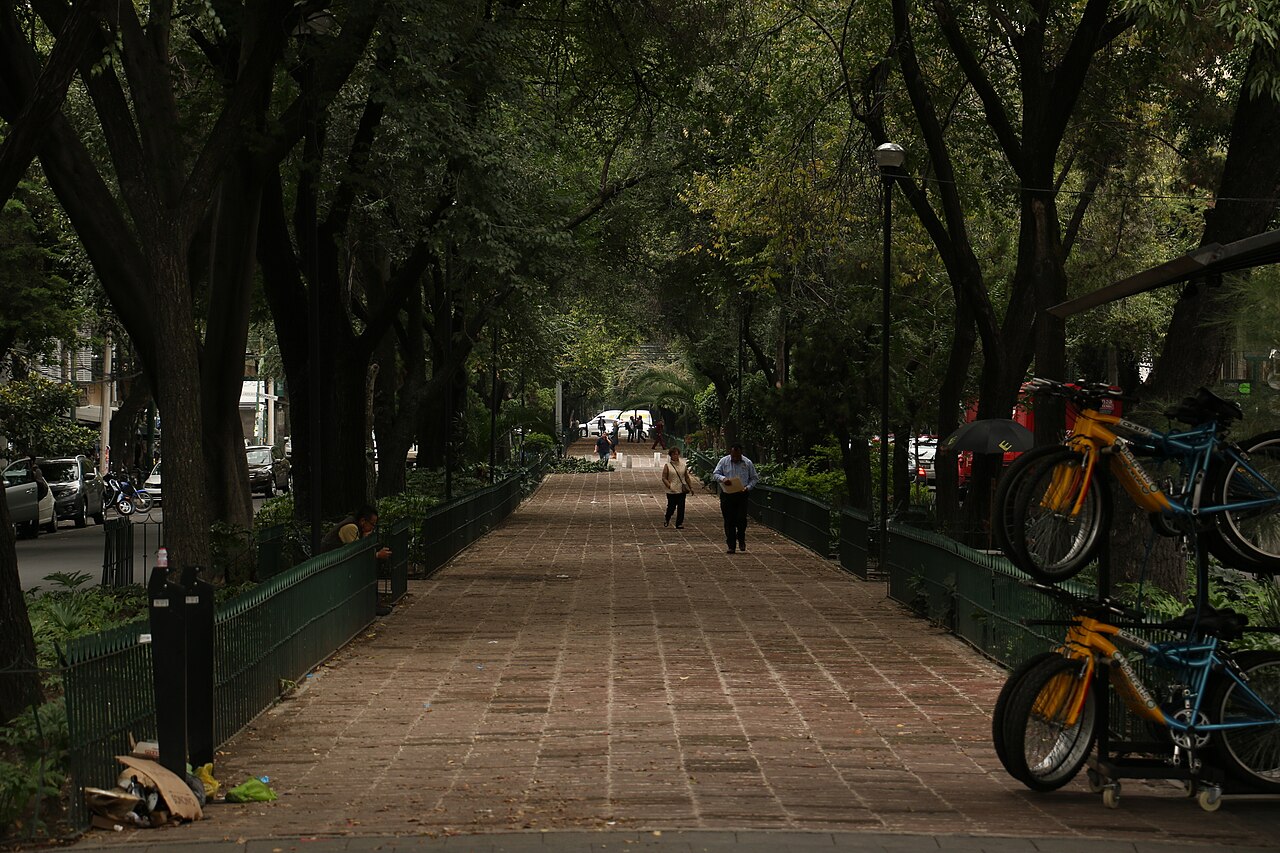
Roma Norte has the highest concentration of excellent restaurants in Mexico City. Originally developed in the early 1900s as an upscale residential neighborhood, it was heavily damaged in the 1985 earthquake. The rebuilding attracted artists, young professionals, and entrepreneurs who transformed abandoned mansions into galleries, restaurants, and boutique hotels. The result: an urban neighborhood with genuine character, excellent walkability, and the highest density of good restaurants in the city.
Must-try restaurants:
- Contramar (seafood) — Chef Gabriela Cámara’s iconic restaurant. The tuna tostadas have become one of Mexico City’s defining dishes. Reservations essential 2-3 weeks in advance.
- Rosetta (Italian-Mexican) — Chef Elena Reygadas’s restaurant in a restored Porfiriana mansion. Excellent bakery (Panadería Rosetta) is part of the same operation.
- Máximo Bistrot (farm-to-table French-Mexican) — Chef Eduardo García’s restaurant. Strong wine list. More accessible reservations than Contramar (1-2 weeks ahead). 400-700 MXN per person.
- Lardo (Mediterranean-Mexican) — Chef Elena Reygadas’s casual outpost. Excellent for lunch.
- Mercado Roma — Curated upscale food hall on Querétaro 225. Multiple vendors, rooftop terrace seating.
The streets to walk: Álvaro Obregón, Orizaba, and Oaxaca. Most restaurants are 2-block-radius from these main thoroughfares.
2. Condesa — The slightly more relaxed sister neighborhood
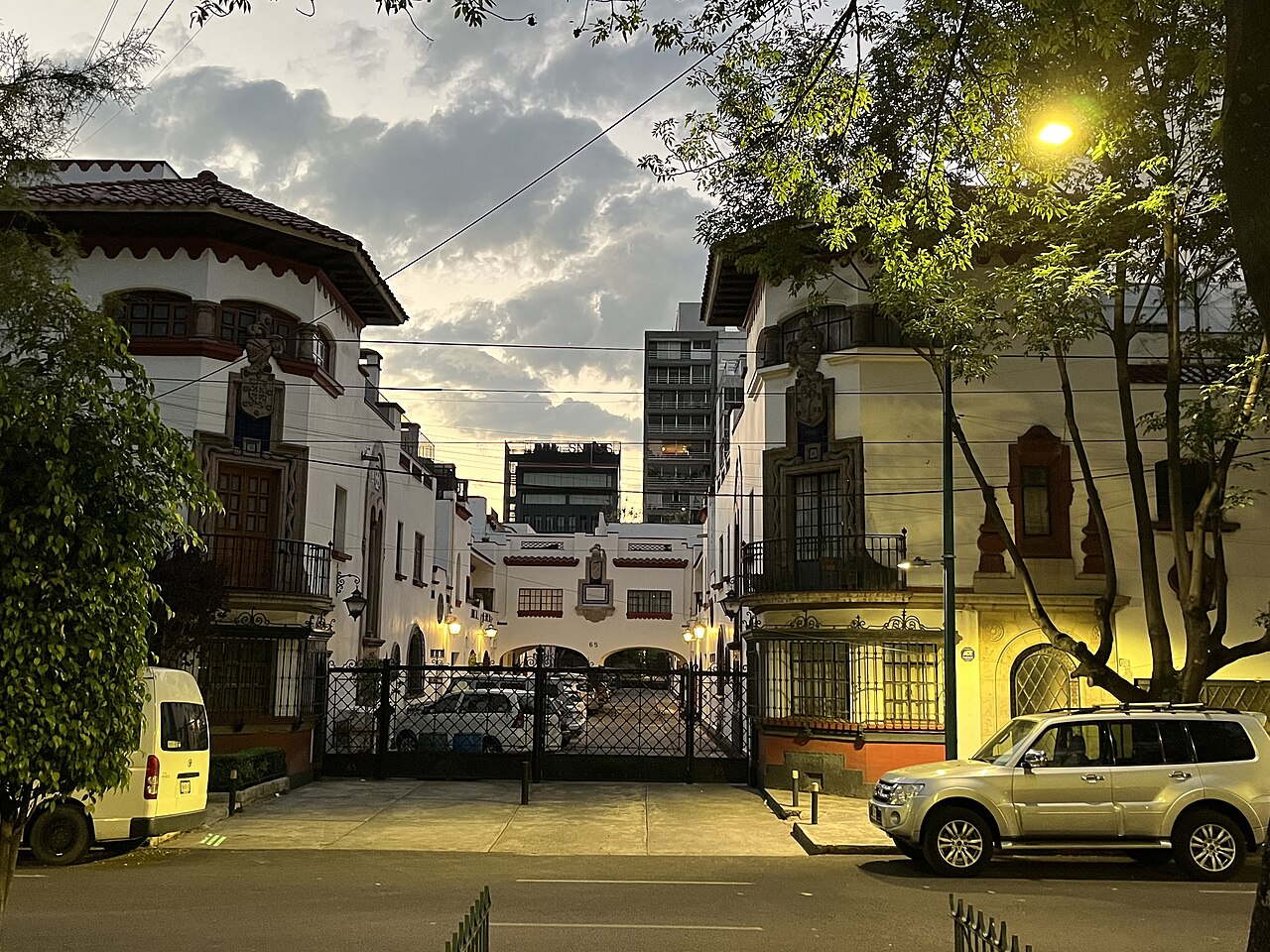
Condesa borders Roma Norte and shares much of its food culture but with a calmer pace. The neighborhood centers around Parque México and Parque España, with tree-lined streets and a strong brunch-and-café culture. Condesa attracts more digital nomads, families, and longer-term residents than the more transient Roma.
Must-try restaurants:
- Azul Condesa — Chef Ricardo Muñoz Zurita’s elevated traditional Mexican. The mole tasting flight is exceptional. 200-350 MXN per person.
- Taquería Orinoco — One of the city’s best sit-down taco operations. Northern Mexican style. Multiple branches in Condesa and Roma.
- Nevería Roxy — Operating since 1946, this ice cream shop serves traditional Mexican flavors (mamey, guanábana, jamaica) that aren’t available at typical international ice cream shops.
- El Pendulo Condesa — Bookstore-café with a beautiful interior. Multiple Mexico City locations; the Polanco one is famous, but the Condesa branch offers a quieter experience.
Condesa is the recommended base for first-time visitors who want excellent food access without the constant nightlife energy of Roma Norte. Streets to walk: Tamaulipas and Michoacán.
3. Polanco — The fine dining concentration
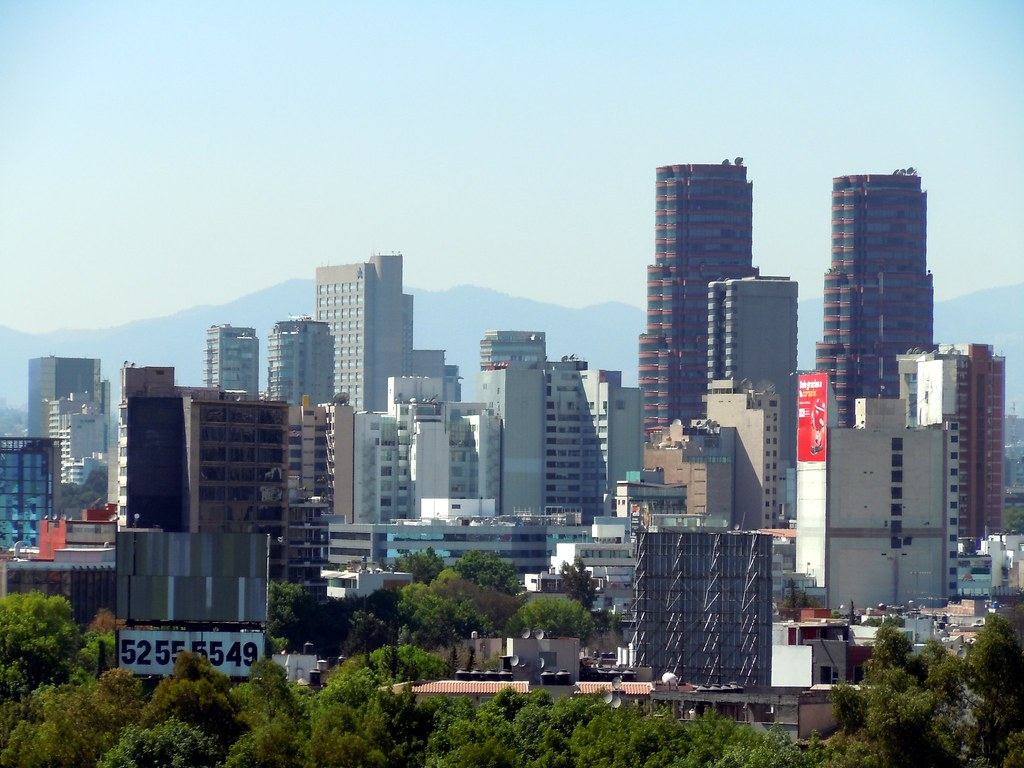
Polanco is Mexico City’s most affluent neighborhood — home to luxury hotels (Four Seasons, St. Regis, W Hotel, Las Alcobas), international embassies, and designer boutiques along Avenida Presidente Masaryk (sometimes called “the Mexican Champs-Élysées”). For most travelers, Polanco is somewhere to visit rather than base, but it contains several of the city’s most ambitious restaurants.
Must-try restaurants:
- Pujol — Chef Enrique Olvera’s flagship. Consistently ranked among The World’s 50 Best Restaurants. The 1,000+ day-aged mole madre is the most famous dish in Mexican fine dining. Reservations 2-3 months in advance. Tasting menu approximately $150-200 USD per person.
- Quintonil — Chef Jorge Vallejo’s restaurant. Often mentioned alongside Pujol as Mexico City’s best modern Mexican experience. Reservations 1-2 months in advance. Similar pricing to Pujol.
- Sud777 (technically in Pedregal, just south) — Chef Edgar Núñez’s creative modern Mexican in a beautiful south-city space. Less famous internationally than Pujol but equally rewarding. 2,500-3,500 MXN tasting menu.
Polanco is also home to the Museo Soumaya (Carlos Slim’s free private art collection) and Museo Jumex (modern art). The combination of fine dining and museum culture makes it a natural day-trip destination from a Roma or Condesa base.
4. Coyoacán — The colonial-era former village
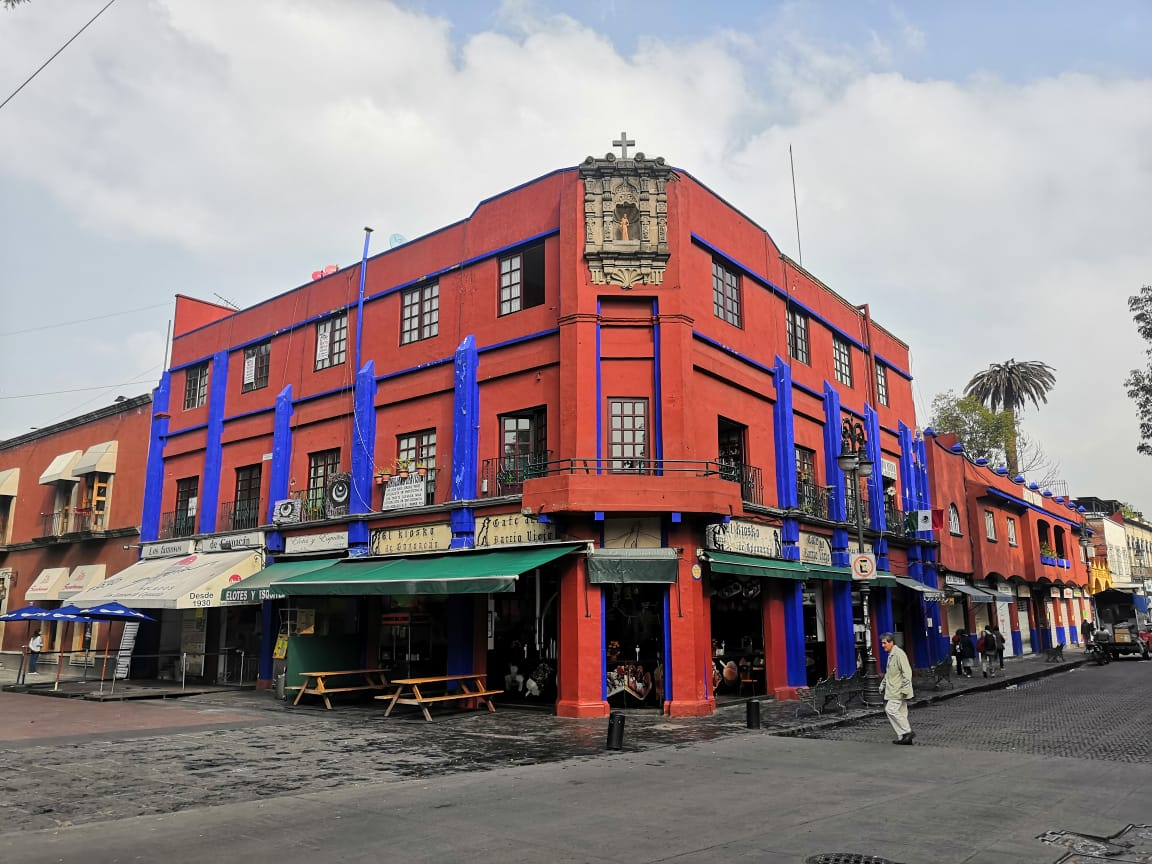
Coyoacán is a colonial-era village that became part of Mexico City as the city grew southward — but it retained its identity as a separate place. Cobblestone streets, 16th-century buildings, plazas with muralists and performers, and a market selling regional foods give it a completely different character from Roma or Polanco. The neighborhood is also where Frida Kahlo lived (her Casa Azul is now a museum).
Must-try food experiences:
- Mercado de Coyoacán — Traditional market with excellent stalls. The “Tostadas Coyoacán” stalls serve crispy tortillas piled high with ceviche, pata (pig’s trotter), chicken with mole, or seafood tostadas. The market also has excellent quesadillas and fresh aguas frescas. Lunch crowds arrive by 1 PM.
- Los Danzantes Coyoacán — Mid-range modern Mexican on the central plaza. Strong cocktail program with mezcal focus.
- El Jardín del Pulpo in the market — Specialized seafood stand serving cocktail de camarón and ceviche tostadas.
Coyoacán is a half-day to full-day trip from Roma/Condesa (30-60 minute Uber depending on traffic). Best combined with the Frida Kahlo Museum visit.
5. Centro Histórico — The historic heart with traditional food
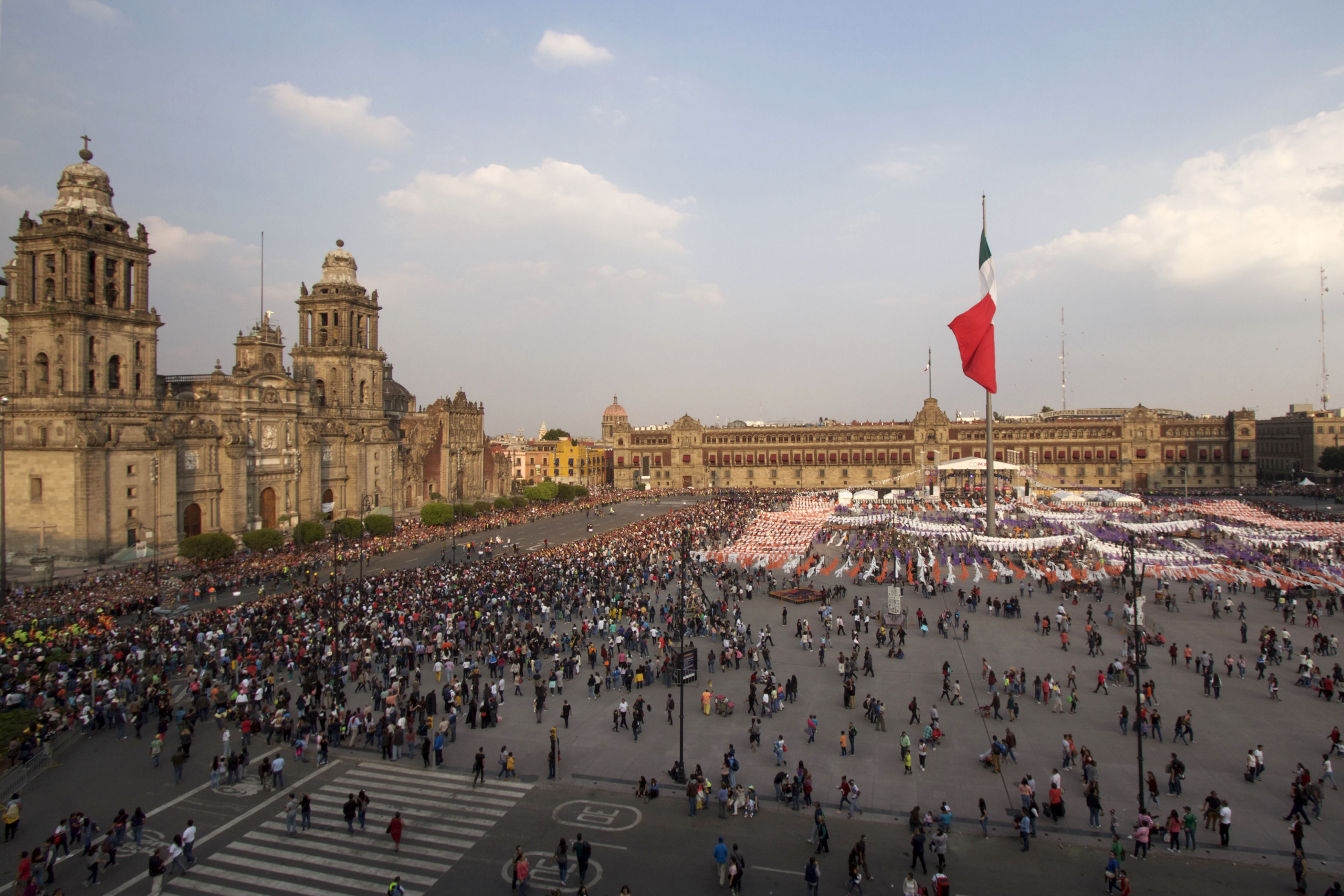
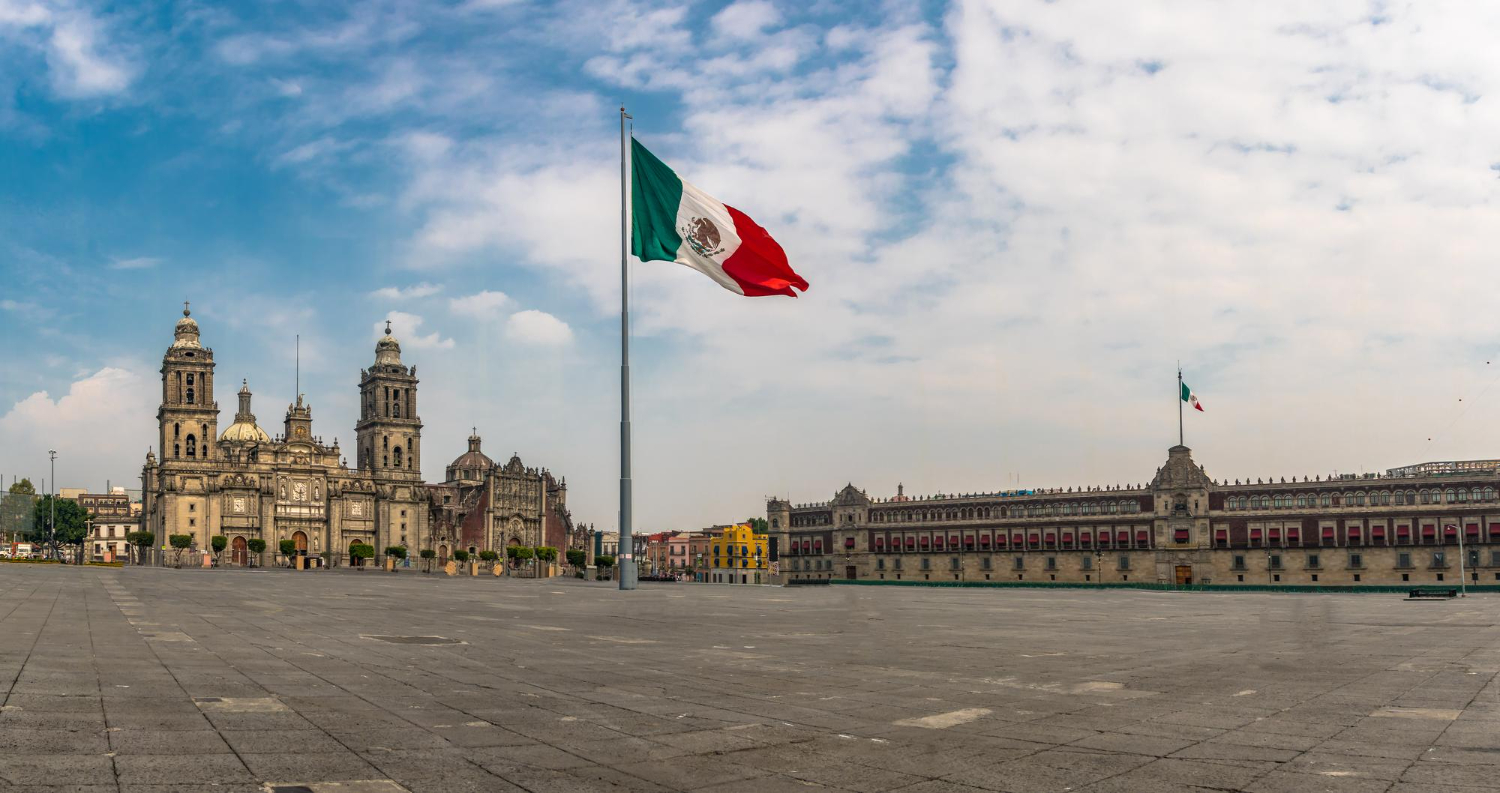
Centro Histórico is Mexico City’s downtown — built on top of the Aztec city of Tenochtitlán, with the Zócalo (main plaza) at its center. The neighborhood is iconic for sightseeing during the day but can feel uncomfortable at night, with nearby neighborhoods (Tepito) having significantly higher crime rates. Many travelers visit for daytime exploration without staying overnight.
Must-try food experiences:
- El Cardenal — Traditional Mexican breakfast institution since 1969. Specialty: fresh hot chocolate with bread, traditional egg dishes. Multiple locations in Centro.
- Los Cocuyos — Iconic late-night taquería near the Zócalo. Specialty: tacos de cabeza (beef head tacos). Open until 4 AM.
- El Huequito (original location) — One of the city’s best al pastor preparations. The original location is in Centro; multiple satellite locations exist.
- Mercado de San Juan — Famous for exotic meats (crocodile, ostrich, occasional rabbit) and imported goods. Vendors will prepare meals for you in adjacent food stalls.
- Café de Tacuba — Operating since 1912 in a former monastery. Traditional Mexican breakfast and lunch. Tourist-popular but genuinely excellent.
6. San Juan — The exotic ingredient market
Mercado de San Juan deserves its own discussion. While technically located in Centro Histórico, the market operates as its own destination for serious food enthusiasts. The market specializes in unusual ingredients that are hard to find elsewhere: gusanos de maguey (agave worms), jumiles (stink bugs, traditional Aztec ingredient), various exotic meats (alligator, ostrich, kangaroo, cricket), fresh truffles, imported European cheeses, and specialty Mexican ingredients (huitlacoche, exotic chiles).
The market also has stalls that prepare ingredients into small plates. You can buy ingredients from one vendor and have them cooked and served at an adjacent food bar. The combination produces some of the most adventurous eating experiences in the city.
For travelers interested in the deepest Mexican food traditions or rare ingredients, San Juan is essential. The market is an experience as much as a shopping destination.
7. Narvarte — The taco capital
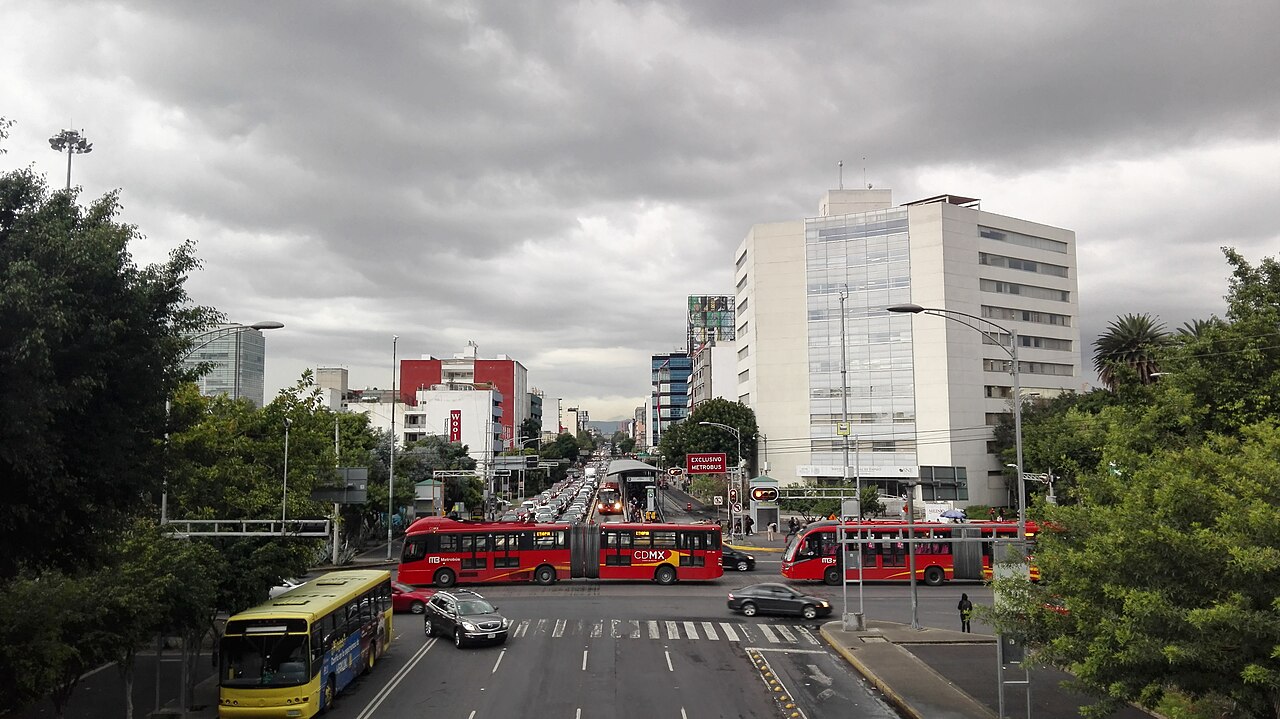
Narvarte is a residential neighborhood that has emerged as Mexico City’s recognized “taco capital.” The neighborhood doesn’t have the architectural appeal of Roma or the colonial character of Coyoacán, but it has dense concentrations of specialized taquerías that locals consider the city’s best.
Must-try taco experiences:
- El Vilsito — Famous for tacos al pastor cut directly from the trompo. Operates as an auto repair shop during the day and a taquería at night.
- El Califa — Larger sit-down taquería with multiple locations. Specialty: tacos de costilla. Higher-end than typical street operations.
- Taquería Los Parados — Standing-only operation specializing in tacos al pastor and suadero.
- Tacos Hola El Güero — Famous for guisado-style tacos (slow-cooked stews on tortillas).
For travelers willing to make the trek to Narvarte (Uber from Roma is 15-25 minutes), the taco experience is genuinely better than most of the famous spots in the central neighborhoods.
8. Xochimilco — The food-and-canal experience
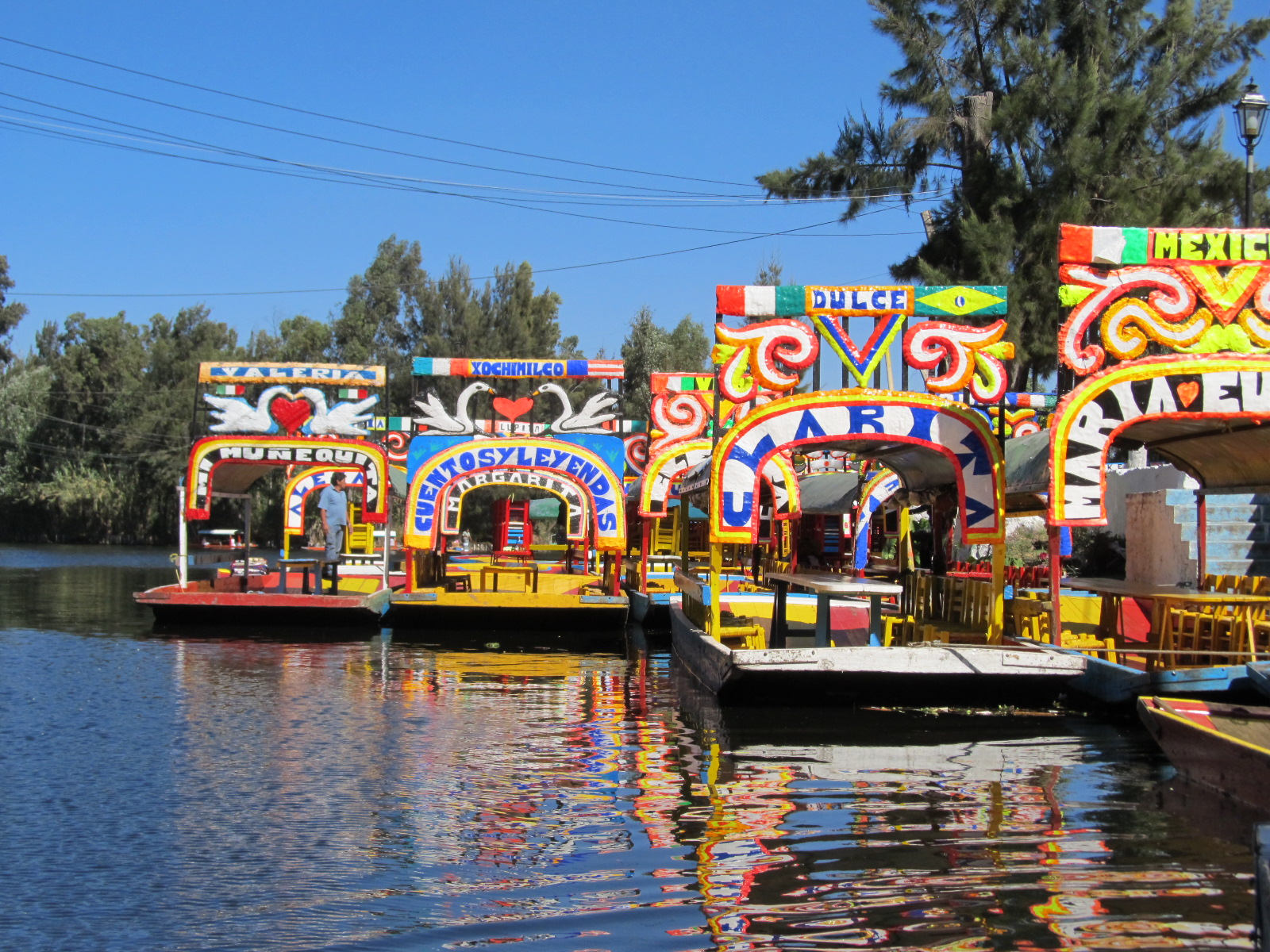
Xochimilco is Mexico City’s southern neighborhood famous for its canals — remnants of the original Aztec lake system. The traditional Xochimilco experience involves renting a trajinera (decorated wooden boat) and traveling through the canals while mariachi musicians, food vendors, and other entertainment circulate on smaller boats.
The food experience is unique: fresh tortillas being cooked on portable comales pulled alongside your boat, traditional aguas frescas, fresh quesadillas with squash blossoms, and various small plates available without leaving the boat. The combination of food, music, and water transportation creates an experience that can’t be replicated elsewhere.
Xochimilco works best as a half-day or full-day trip (most visitors combine it with a visit to nearby Coyoacán or the southern museums). The cost is approximately 500-700 MXN per hour for the boat (split among the group) plus food and drinks.
What makes Mexico City’s food different
The depth of Mexico City’s food culture comes from several specific factors:
Multi-generational tradition. Many of the city’s best food experiences come from family operations that have been refining single dishes for 50+ years. Café de Tacuba (1912), Nevería Roxy (1946), El Cardenal (1969), and dozens of similar institutions provide continuity that few cities maintain.
The market system. Every neighborhood has its market. Eating at market stalls offers some of the best and most authentic meals in the city — often at a fraction of restaurant prices. Mercado Jamaica (the largest), Mercado de la Merced (the most overwhelming), and the various neighborhood mercados each offer different experiences.
The street vendor specialization. Mexico City street vendors typically specialize in a single preparation — one type of taco, one type of tamale, one type of sandwich (torta). The specialization produces extraordinary skill and quality at low prices. The basket taco (tacos de canasta) cyclists who appear in the morning, the mole specialists, the al pastor experts — each represents decades of refinement of a single dish.
The fine dining innovation. Pujol, Quintonil, Sud777, and similar restaurants represent a generation of chefs (Enrique Olvera, Jorge Vallejo, Edgar Núñez, Elena Reygadas) who have been internationally recognized for innovating within Mexican traditions. The result is a fine dining scene that genuinely competes with anywhere in the world.
The price-to-quality ratio. A meal at Pujol costs about 40% less than equivalent tasting menus in New York or Paris. Mid-range restaurants run $30-50 per person for excellent food. Street food meals run $3-8. The combination produces the rare situation where multiple price tiers all offer compelling value.
Practical considerations for visitors
Several specific points matter for planning a Mexico City food trip:
Altitude affects eating. Mexico City sits at 7,350 feet elevation. Heavy meals, especially with significant alcohol, can be difficult during the first 1-2 days. Pacing yourself early is recommended. Lighter foods (fish, vegetables, lighter tacos) work better than heavy meals (full mole dishes, large steaks) in the first 24-48 hours.
Reservations are essential at top restaurants. Pujol books 2-3 months in advance. Contramar books 2-3 weeks in advance. Quintonil books 1-2 months. Even mid-range popular restaurants like Máximo Bistrot require reservations 1-2 weeks ahead. The specific restaurants you most want to visit should be booked before you arrive in the city.
Cards work everywhere except street vendors. Restaurants and markets generally accept cards. Street vendors, taqueros, and traditional food stalls take cash only. Carry small bills (20s, 50s, 100s).
Tipping norms. 10-15% is standard at restaurants. Higher-end restaurants may include service charges; check the bill. Street food and market vendors typically don’t expect tips.
Bottled water for everything. Tap water in Mexico City is not potable. Even washing fruits and vegetables in tap water can cause issues for visitors. Stick to bottled water (still or sparkling) for drinking, and request bottled water for ice in cocktails.
Walking time is significant. Roma to Polanco is a 30-minute walk or 15-minute Uber. Polanco to Coyoacán is 30-45 minutes by Uber. Distances are larger than Mexico City maps initially suggest. Allow time for transit between neighborhoods.
Late dining is normal. Mexicans eat dinner late by American standards — typically 8-10 PM, with restaurants busiest at 9-10 PM. Restaurants are usually empty before 7 PM and may not even open for dinner until 7. Plan accordingly.
For first-time visitors, the recommended pattern is: 5-7 days minimum, base in Roma Norte or Condesa, build in 2-3 fine dining reservations (book before arrival), and structure each day around a different neighborhood — Roma/Condesa for casual food, Polanco for one fine dining splurge, Coyoacán for traditional/colonial experience, Centro Histórico for historic context, Narvarte for serious tacos, and one full-day adventure (Xochimilco or a market deep-dive).
Mexico City’s food culture is large enough that a week barely scratches the surface. Two weeks lets you cover most major neighborhoods and several memorable meals. A month produces genuine immersion. The 2026 attention to the city’s food scene is well-deserved — and the experience is as good as the international press suggests.