From Sam Goody’s Tuesday-morning new release rush to the payphone call asking your parents for a pickup, the 1990s mall experience was a complete cultural ecosystem that’s almost entirely gone. The stores closed, the payphones disappeared, and the social rituals migrated online. Here are the 12 specific things that defined a Saturday at the mall — and what replaced them.
For roughly 20 years between the late 1970s and the late 1990s, the American shopping mall was the social epicenter of suburban teenage life. You went to the mall to shop, to eat, to meet friends, to flirt, to be seen, to escape your parents, and to spend whatever allowance or babysitting money you’d accumulated. The whole experience was so foundational to that generation that the people who lived it can recall the exact smell of the Bath & Body Works lotion section thirty years later.
By 2026, most of it is gone. Online retail killed the stores. Cell phones killed the payphones. Streaming killed the music and movie shops. Changing teenager habits killed the casual hanging-out culture. What remains in the surviving malls bears almost no resemblance to what the ’90s mall actually was.
Here are the 12 specific things every ’90s kid did at the mall that simply don’t exist anymore.
1. Rushed to Sam Goody on Tuesday morning to buy new CDs
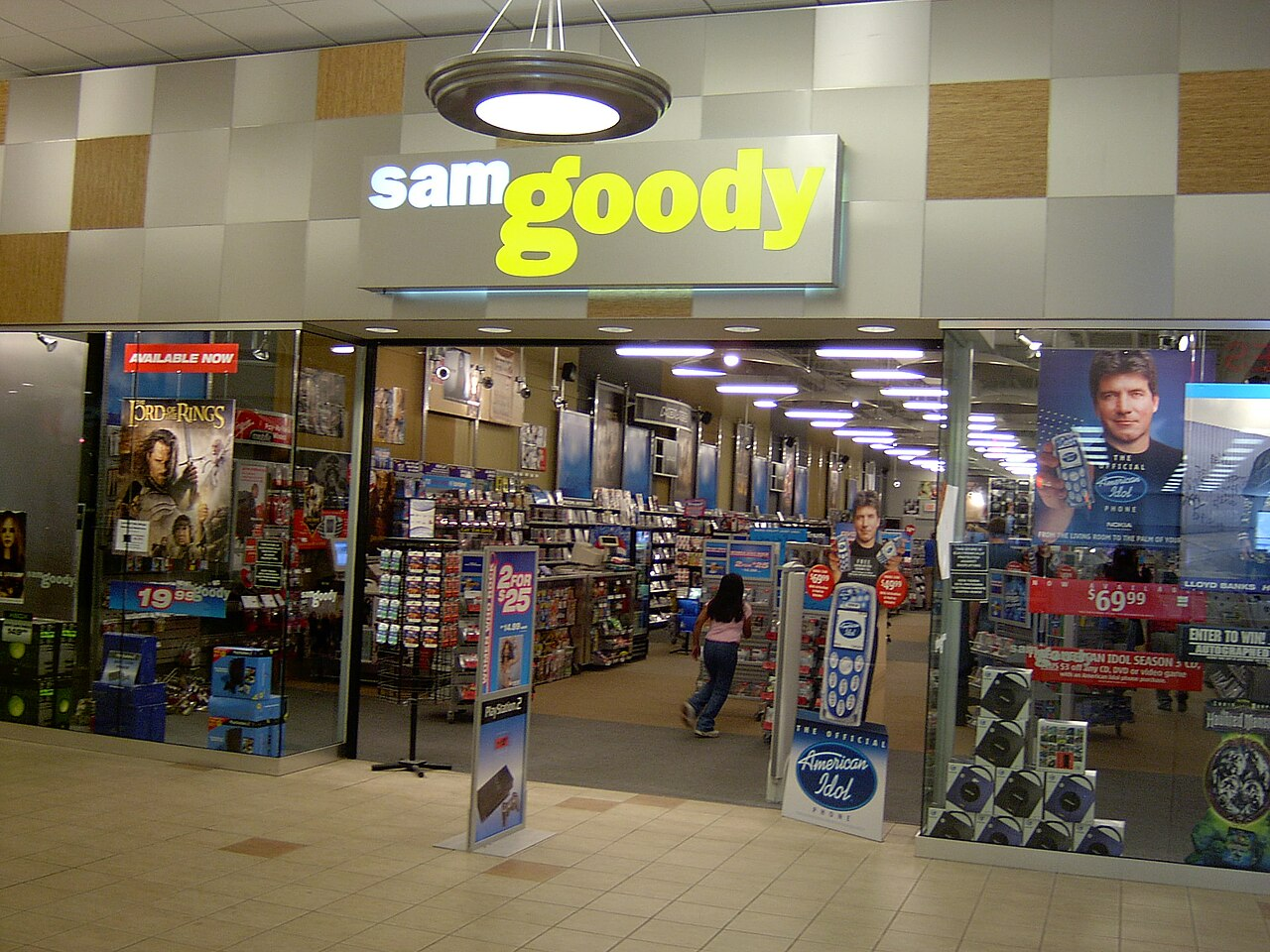
Tuesday was the day new music released. Sam Goody (or Musicland, depending on your region) was where you went to get it. Founded in 1955, Musicland had purchased Sam Goody in 1978 and rebranded all locations to Sam Goody in 1997. At peak, the chain operated over 650 music stores nationwide.
The ritual was specific: get to the mall before noon, head straight to Sam Goody, find the new release section near the entrance, debate whether to buy the album or just the single, get the longbox plastic packaging that you’d struggle to open without scissors. After Best Buy purchased Musicland in 2001 and consumers shifted away from physical music, the chain filed for bankruptcy in 2006. By 2009, all Sam Goody stores were closed except one in Medford, Oregon, which has since also reportedly closed.
2. Browsed Suncoast for VHS tapes and DVDs
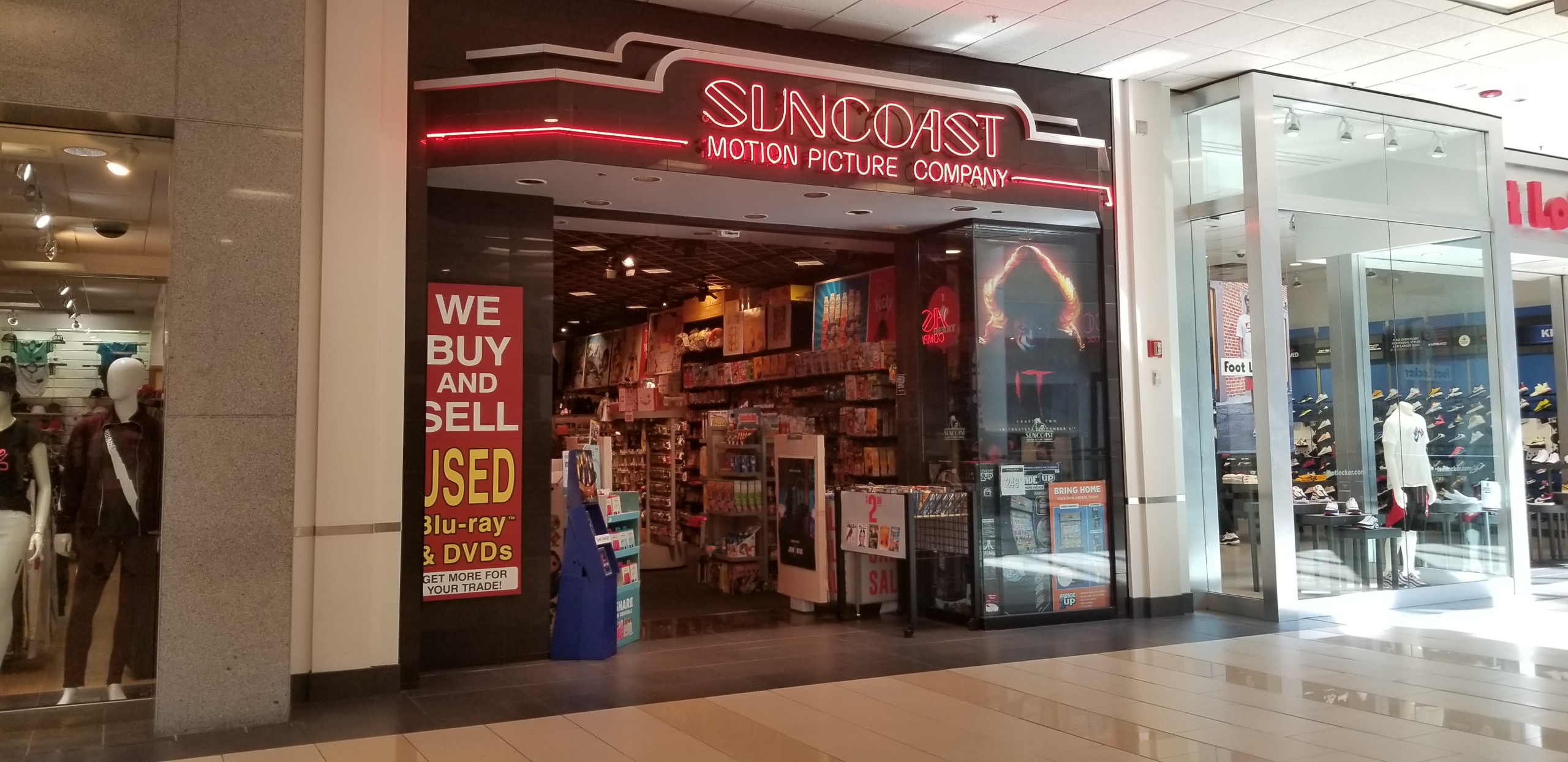
Suncoast Motion Picture Company was the movie equivalent of Sam Goody. Founded in 1986 and owned by Musicland, Suncoast peaked at approximately 400 stores across America. The selection covered everything: VHS, LaserDisc, eventually DVD and Blu-ray, plus extensive anime, cult films, TV box sets, and obscure international cinema.
For movie obsessives in the ’90s, Suncoast was where you found things you couldn’t get anywhere else — director’s cuts, criterion editions, foreign films, and the kind of niche horror collections that mainstream stores didn’t stock. The store followed the same trajectory as Sam Goody: bankruptcy filing in 2006, near-complete closure by 2009, swept away by the streaming era. The cultural void left by Suncoast’s closure helped give rise to today’s specialty Blu-ray boutiques like Vinegar Syndrome and Criterion’s collector market.
3. Drank an Orange Julius at the food court
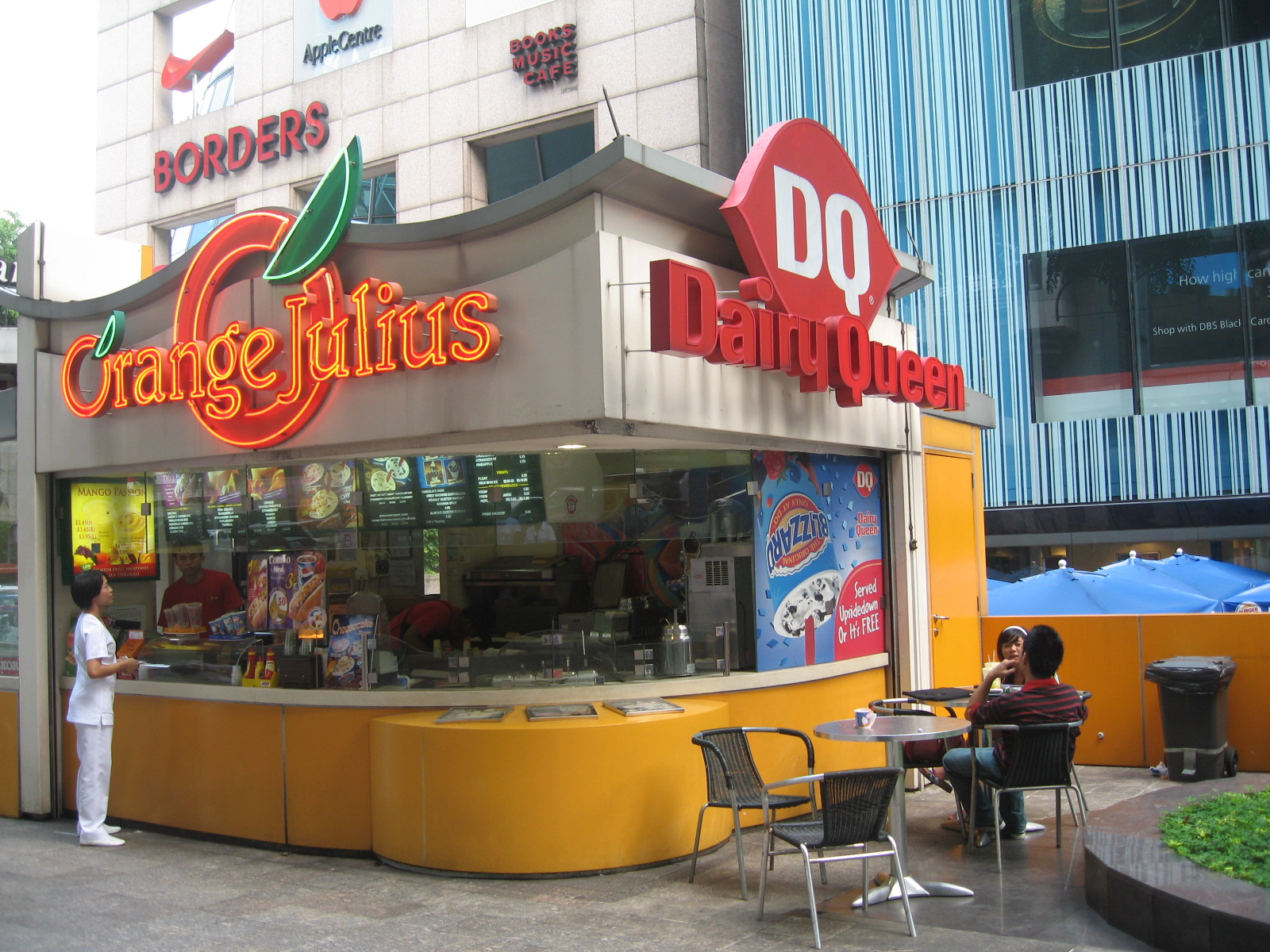
Orange Julius was the iconic mall food court beverage from approximately 1960 through the early 2000s. Founded in 1926 by Julius Freed in Los Angeles, the chain peaked at around 400 locations by the 1960s. The Orange Julius drink itself — orange juice mixed with milk, sweetener, vanilla, and powdered egg whites blended with ice — became the official beverage of the 1964 World’s Fair.
Dairy Queen acquired Orange Julius in 1987 and gradually consolidated locations into “DQ Treat Centers.” By 2018, all standalone Orange Julius locations had been converted to Dairy Queens. The drink itself still exists at select Dairy Queen locations, but the dedicated mall food court Orange Julius — with its distinctive orange-and-white branding and its specific positioning across from the Sbarro pizza counter — is essentially extinct as a freestanding mall fixture.
4. Got a soft pretzel from Hot Sam (not Auntie Anne’s)
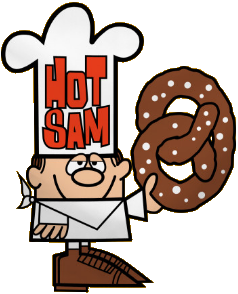
Before Auntie Anne’s became the dominant mall pretzel brand, Hot Sam Pretzels owned the category. Founded in 1966, the first Hot Sam opened in Detroit’s Livonia Mall. Throughout the ’70s and ’80s, the chain expanded nationwide, distinguishing itself by baking pretzels in rotating ovens (rather than reheating frozen pretzels under heat lamps).
The wafting smell of fresh Hot Sam dough was, for many ’90s kids, a defining sensory memory of the mall. In 1995, Mrs. Fields acquired Hot Sam, then acquired Pretzel Time (now Pretzelmaker) the following year. Mrs. Fields focused resources on Pretzel Time and either closed Hot Sam locations or converted them. The last Hot Sam locations made the shift to Pretzel Times in 2005. Hot Sam’s only on-screen appearance since closing was a brief cameo in Netflix’s Stranger Things Season 3, recreating a 1980s mall food court.
5. Used a payphone to call parents for pickup
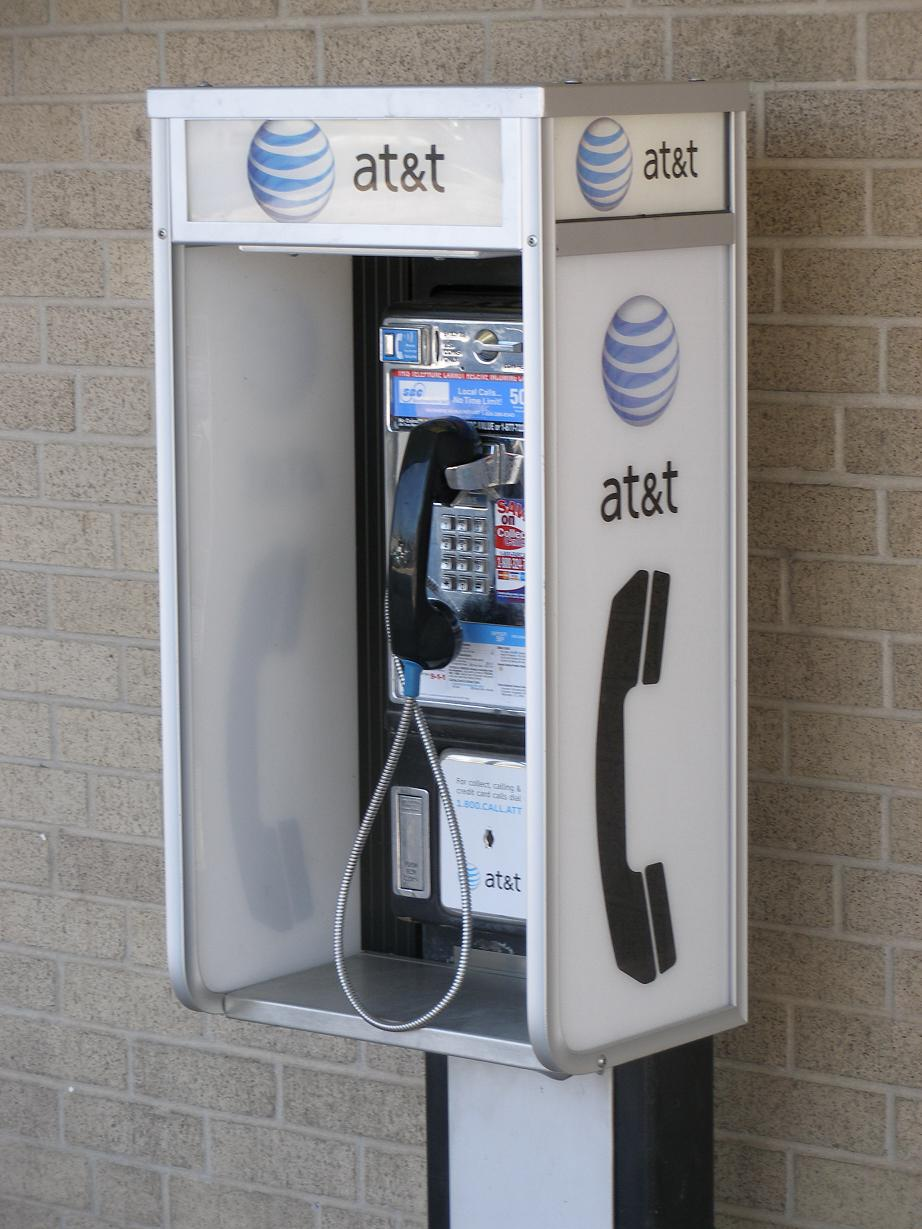
Cell phones existed in the ’90s but were rare for teenagers until the late 1990s. The standard ’90s mall pickup ritual involved finding a payphone (typically near the entrance or food court), inserting a quarter, and calling your parents to come get you.
Payphone availability declined rapidly through the 2000s. According to FCC data, the U.S. had approximately 2 million payphones in 1999. By 2018, fewer than 100,000 remained nationwide. Today, payphones at malls are essentially nonexistent. The replacement — texting your parents that you’re ready — is faster and more reliable but eliminates the small ritual of having to physically locate a phone, find the change, and have a brief conversation rather than a quick text.
6. Browsed graphic tees at Delia’s, Wet Seal, or Hot Topic

The ’90s mall had a hierarchy of teenage clothing stores that signaled subculture allegiance. Delia’s (launched in 1993 by Yale alumni) was for the Seventeen-magazine reading mainstream girl. Wet Seal covered the trendy mainstream. Hot Topic served the alternative/goth/punk identification. Each store had distinctive merchandise, music, and aesthetic.
Delia’s filed for bankruptcy in December 2014 — its parent company Alloy Inc. unable to compete with online fast fashion. Wet Seal filed for bankruptcy in 2017. Hot Topic survives but is much smaller than at its peak. The dress code politics of ’90s mall teenage culture — what your store choice signaled about your social position — has migrated to social media, where similar identification rituals now play out through brand mentions and platform choices rather than physical store visits.
7. Bought movie posters and back issues at Spencer’s Gifts
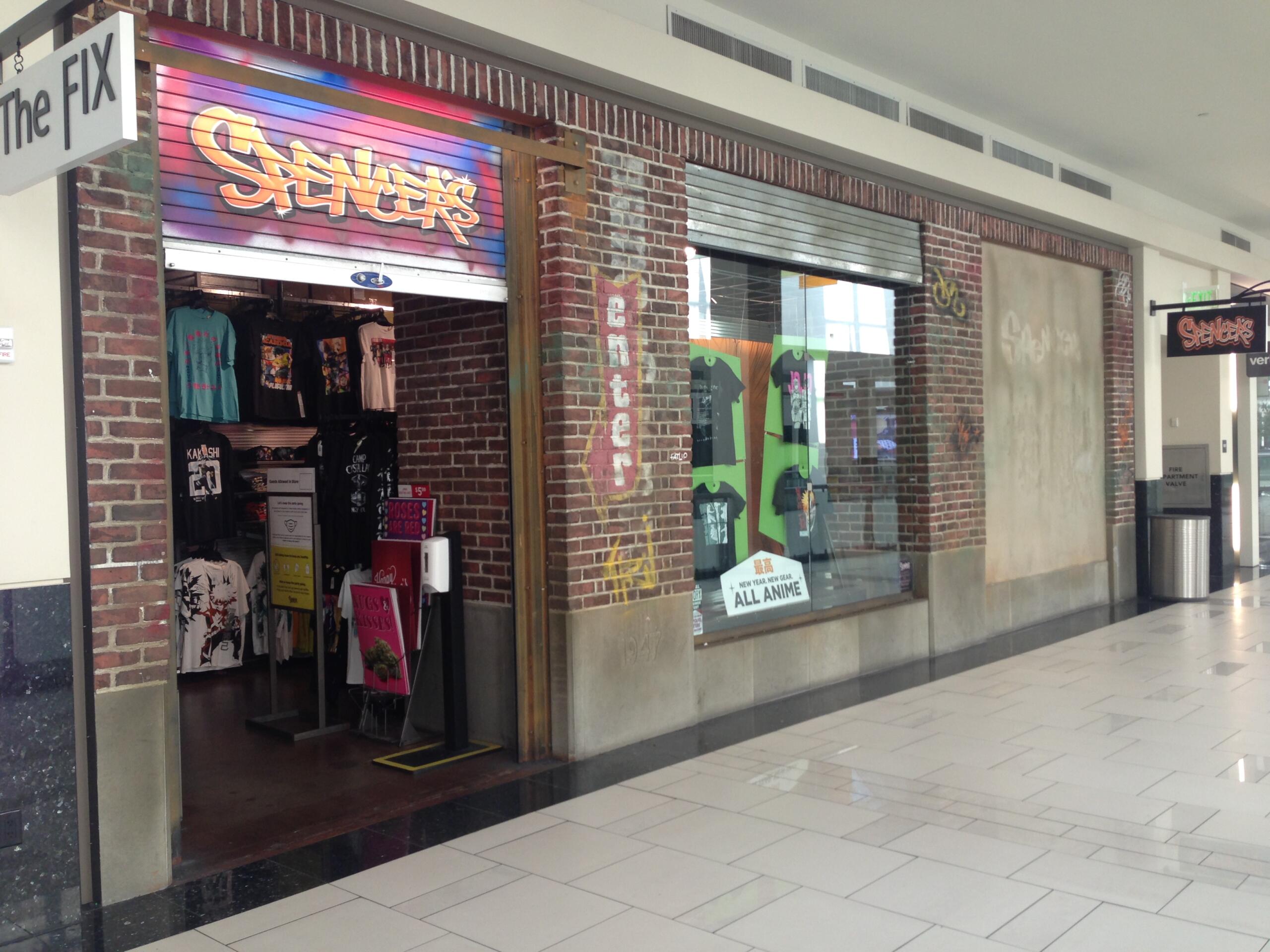
Spencer’s Gifts was the mall destination for novelty items, posters, lava lamps, gag gifts, costume jewelry, and miscellaneous countercultural merchandise. The chain dates to 1947 but peaked in the ’80s and ’90s mall era as a specifically teenage destination.
Unlike many mall stores on this list, Spencer’s actually still exists — they have over 600 stores. But the cultural role they played has substantially diminished. The novelty merchandise that drove ’90s Spencer’s traffic (band posters, lava lamps, blacklight items, gag T-shirts) is now overwhelmingly purchased online. Spencer’s has pivoted toward Halloween costumes (its sister brand Spirit Halloween dominates that category each fall) and party supplies. The “browsing for hours through random novelty items” experience that defined Spencer’s at its peak is largely a memory.
8. Shopped at the Warner Bros. Studio Store
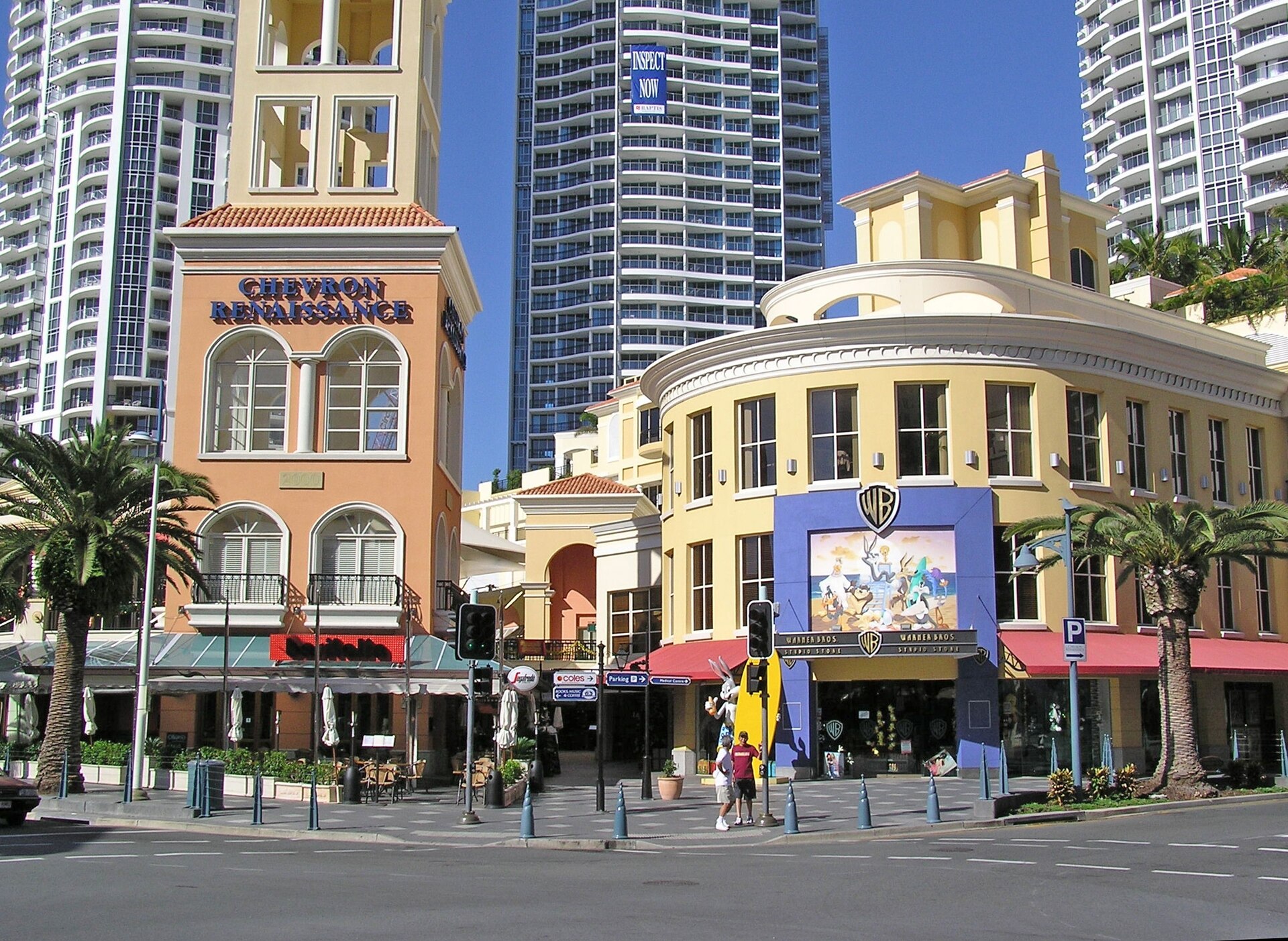
The Warner Bros. Studio Store was the WB equivalent of the Disney Store — a mall destination for licensed merchandise from Warner Bros. characters. The 1990s peak corresponded with the Space Jam and Looney Tunes resurgence era, when Bugs Bunny and Tweety merchandise was actually fashionable.
Warner Bros. closed all Studio Store locations in 2001 as part of broader restructuring. The Disney Store remains, though substantially smaller than its ’90s peak. The mall’s role as the destination for licensed character merchandise has largely been replaced by direct-from-studio websites, Amazon, and specialized retailers like Box Lunch and Hot Topic. The specific experience of walking into a store entirely dedicated to one studio’s intellectual property no longer exists for most franchises.
9. Picked up a Karmelkorn at the food court
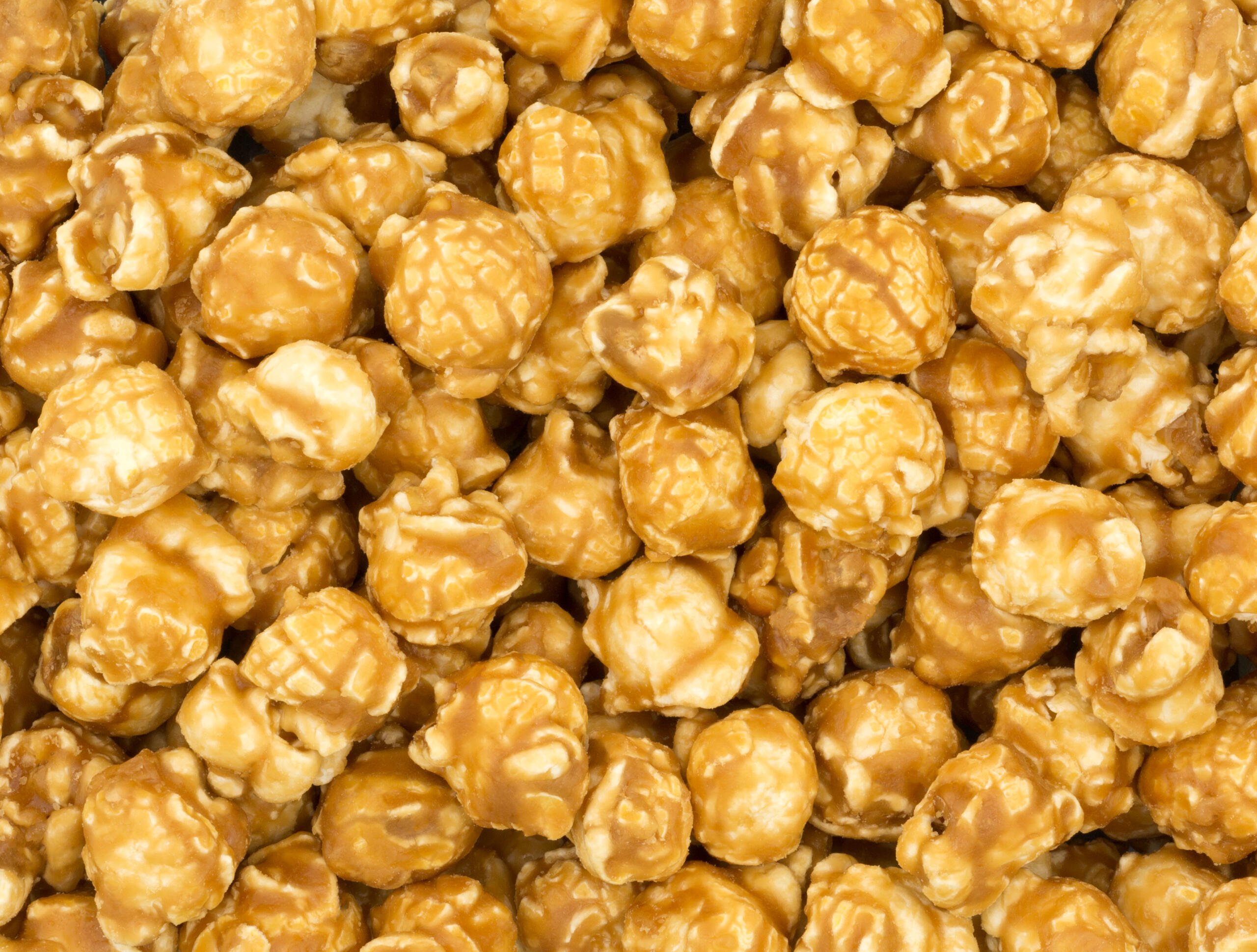
Karmelkorn specialized in flavored caramel popcorn — sweet, gooey, and available in flavors like cheese, butter, kettle corn, and the original caramel. The chain dated to 1929 and reached peak mall ubiquity in the ’80s when Dairy Queen acquired it in 1986 to be part of “DQ Treat Centers” alongside Orange Julius and Dairy Queen products.
By 2019, the last “triple” Karmelkorn-Orange Julius-DQ stores had closed. Devotees can still order Karmelkorn online or find it at a few locations in Nebraska, but the specific mall food court experience of getting a fresh bag of Karmelkorn is essentially gone. The space Karmelkorn occupied has typically been replaced by Asian food chains or other modern food court tenants.
10. Got rotisserie chicken at Kenny Rogers Roasters
Kenny Rogers Roasters was the ’90s celebrity-restaurant phenomenon that briefly conquered American mall food courts. Founded in 1991 by country singer Kenny Rogers and former KFC CEO John Y. Brown Jr., the chain positioned wood-fired rotisserie chicken as a “healthy” alternative to fried chicken.
The brand expanded rapidly through the early ’90s but filed for bankruptcy in 1998. Nathan’s Famous purchased the brand. In 2008, Roasters Asia Pacific acquired the rights and gave the chain new life in Asia (where it remains operational in Malaysia, Singapore, and several other countries). But the American mall presence is essentially gone. The famous Seinfeld episode “The Chicken Roaster” (1996), where Kramer becomes obsessed with the Kenny Rogers Roasters across the street, is now largely a historical artifact rather than a relatable cultural reference.
11. Browsed magazines at Waldenbooks or B. Dalton
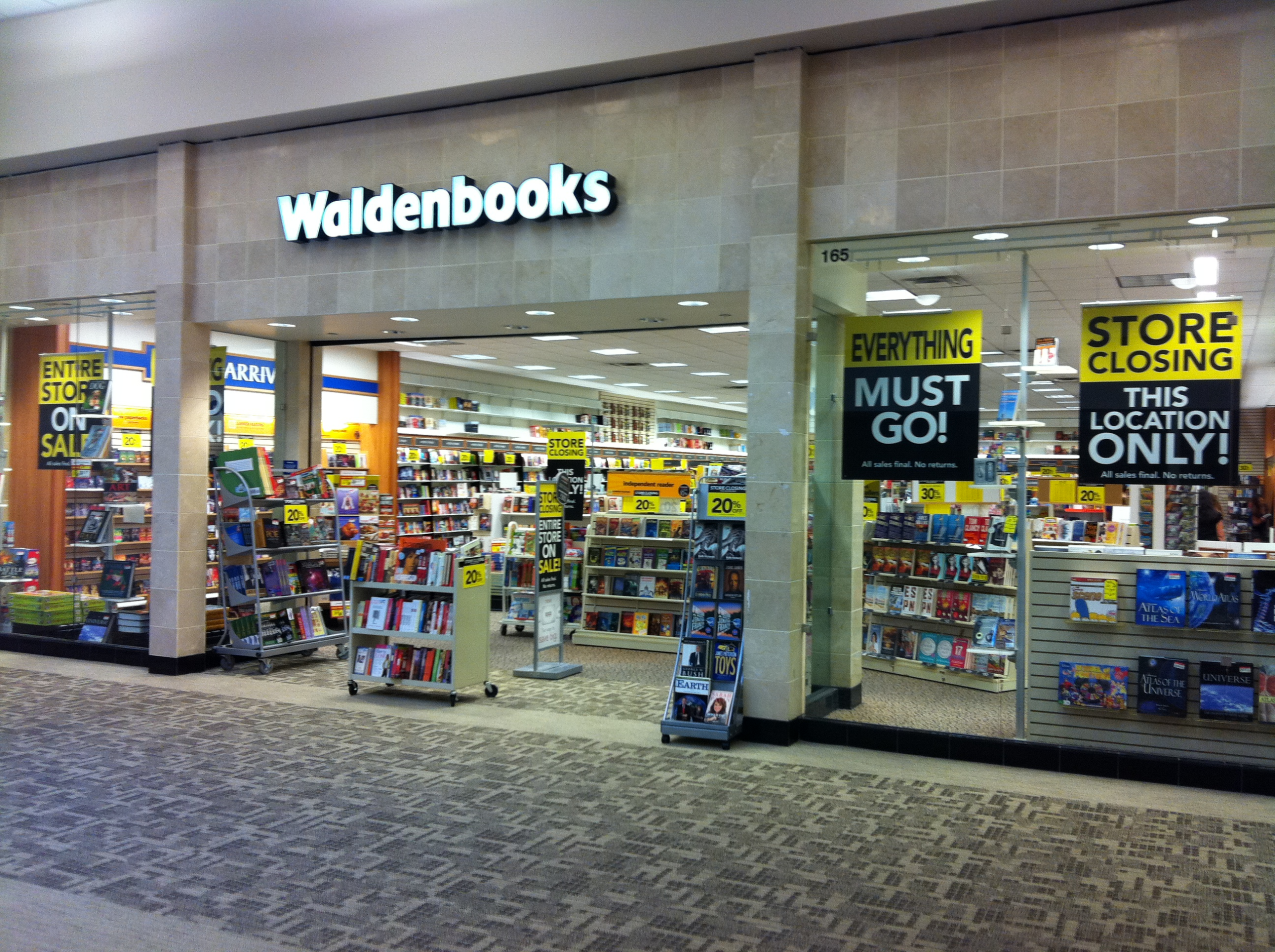
The ’90s mall had not one but typically two competing bookstore chains: Waldenbooks and B. Dalton. Both were mall-format bookstores (smaller than the Borders and Barnes & Noble megastores that came later), focused on bestsellers, magazines, calendars, and gift books rather than deep literary inventory.
Borders Group acquired Waldenbooks in 1994. After Borders’ bankruptcy in 2011, all Waldenbooks locations closed. B. Dalton, owned by Barnes & Noble since 1986, was gradually wound down throughout the 2000s, with the last B. Dalton closing in January 2010. The ’90s ritual of browsing the magazine rack at the mall bookstore — checking out the latest Rolling Stone, Entertainment Weekly, or Tiger Beat — is essentially extinct as a physical activity.
12. Got a haircut at Supercuts and felt fancy
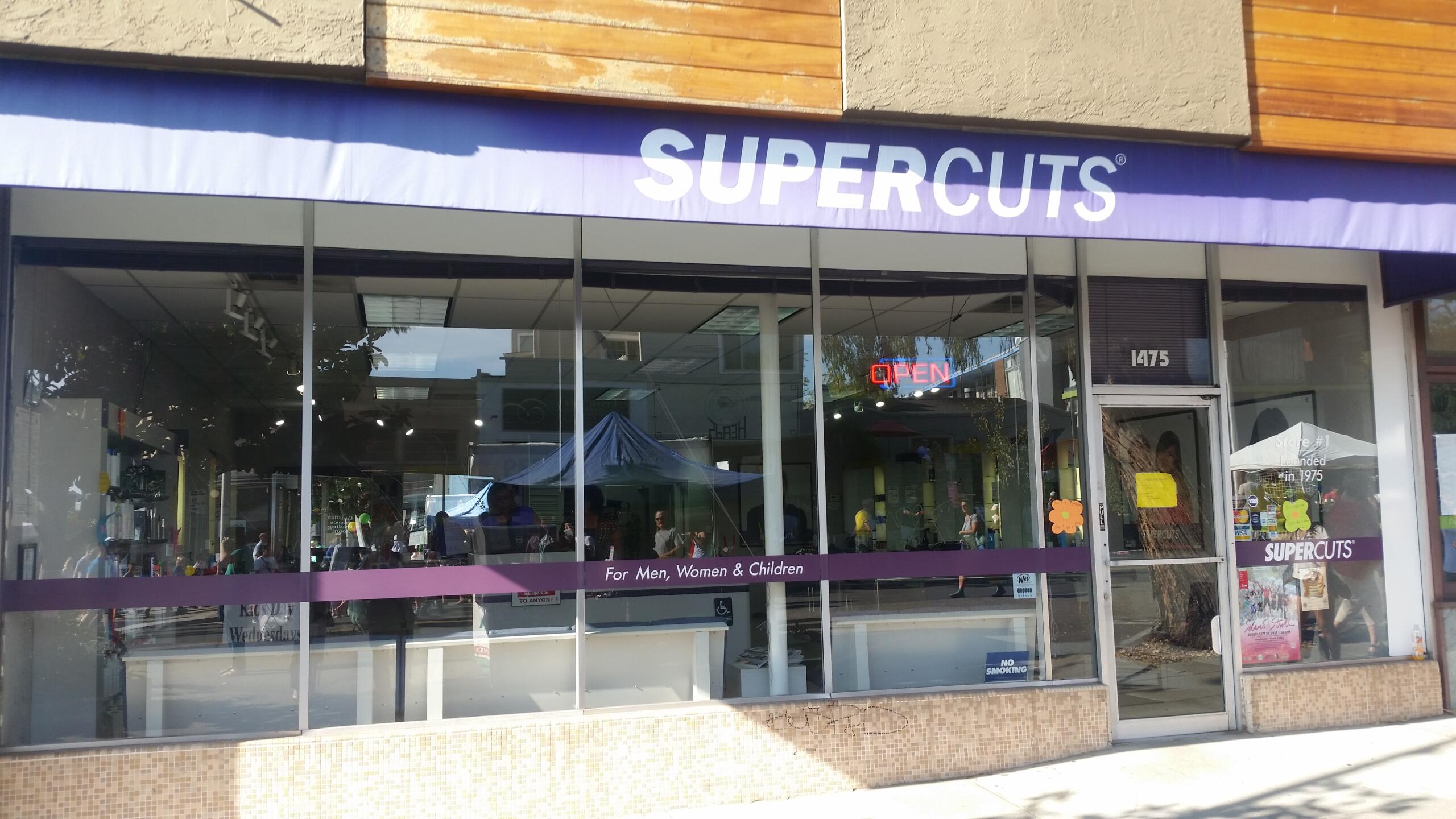
The ’90s mall typically had at least one walk-in hair salon — Supercuts, Fantastic Sams, Hair Cuttery, or a regional equivalent. For teenagers and budget-conscious adults, getting a haircut at the mall was a routine errand combined with the social experience of being at the mall.
Supercuts and Fantastic Sams still exist, though many mall locations have closed as malls themselves have declined. The broader phenomenon — that getting a haircut was something you did at the mall as part of a Saturday outing — has largely disappeared. Hair salons have moved to standalone locations or to strip mall settings, and the integration of personal services into the mall experience has substantially weakened.
What this all represents
The 1990s mall wasn’t just a collection of stores — it was a specific social institution that organized suburban teenage life for roughly two generations. The Saturday afternoon mall trip was a complete experience: transportation, social meeting, browsing, shopping, eating, lingering, and eventually communicating with parents to arrange the ride home.
Almost every element of this institution has been replaced by online and mobile alternatives. Music shopping moved to Spotify. Movie shopping moved to streaming. Clothing shopping moved to Amazon and direct-to-consumer brands. Hanging out moved to social media. Phone calls moved to texts. The cumulative effect is that the specific 1990s mall experience — what your store choices signaled, who you ran into, what you bought, what you ate, how you got home — exists now only in memory and in the occasional film or TV show recreating the era.
For the millennials and older Gen-Z who lived through the ’90s mall era, the disappearance represents something specific: a particular form of in-person social geography that doesn’t really have a current equivalent. Today’s teenagers communicate, shop, and entertain themselves through entirely different channels. The mall wasn’t replaced by a new physical institution — it was replaced by the smartphone in everyone’s pocket.
The remaining American malls survive primarily through restructuring (becoming entertainment-focused rather than retail-focused), through specialty positioning (luxury malls in major cities), or through demographic specialization (serving specific cultural communities). The general-purpose teenage social mall of the 1990s essentially doesn’t exist anymore.
For visitors interested in seeing what’s left of the ’90s mall culture, the Mall of America in Bloomington, Minnesota retains substantial elements of the original concept. Several large regional malls (King of Prussia in Pennsylvania, South Coast Plaza in California) continue operating at scale. But the cultural texture of the ’90s mall — the specific combination of stores, the specific social rituals, the specific demographic of teenagers spending their Saturdays browsing — exists now mostly in nostalgic memory and occasional documentary productions about the era that produced it.