

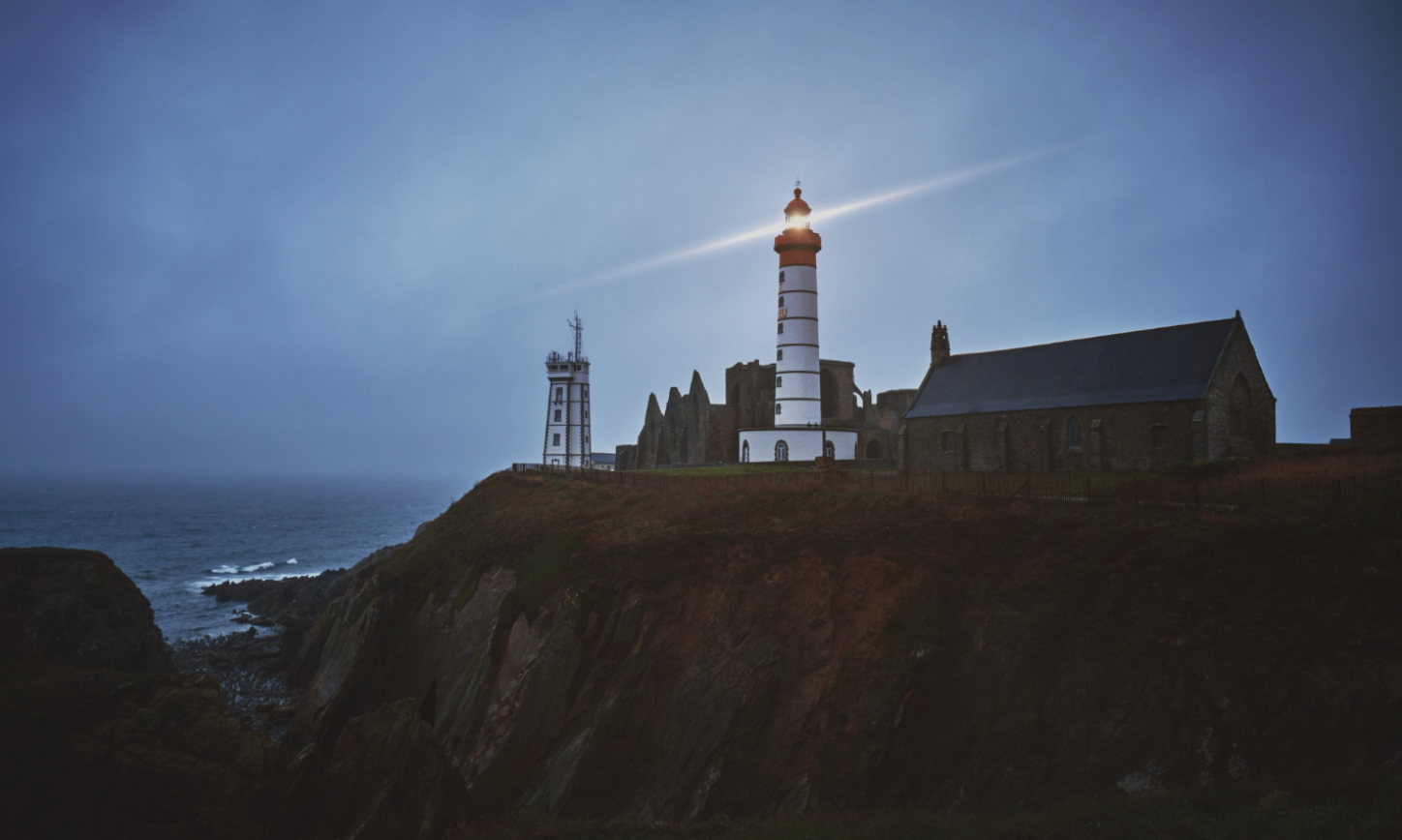
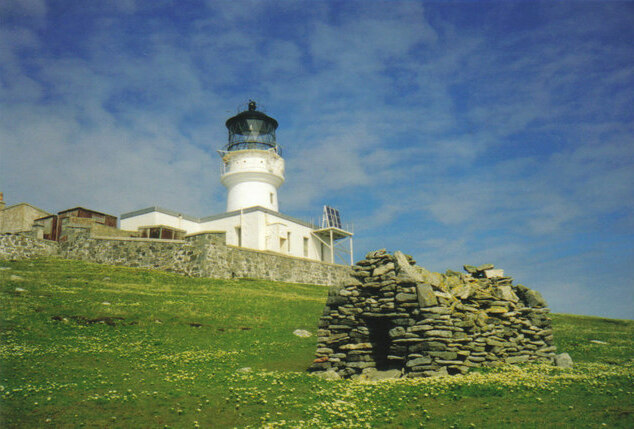
On December 26, 1900, the relief ship Hesperus arrived at Eilean Mòr lighthouse in Scotland’s Outer Hebrides. The flag wasn’t flying. No one was waiting on the landing. When relief keeper Joseph Moore climbed the 160 steps to the lighthouse, he found a scene that has haunted maritime historians for 125 years: stopped clocks, an overturned chair, one of three sets of oilskins still hanging in the entry hallway. The three men who lived there had simply disappeared. Here’s the documented record from the Northern Lighthouse Board’s actual files.
1: The Loneliest Lighthouse in Scotland
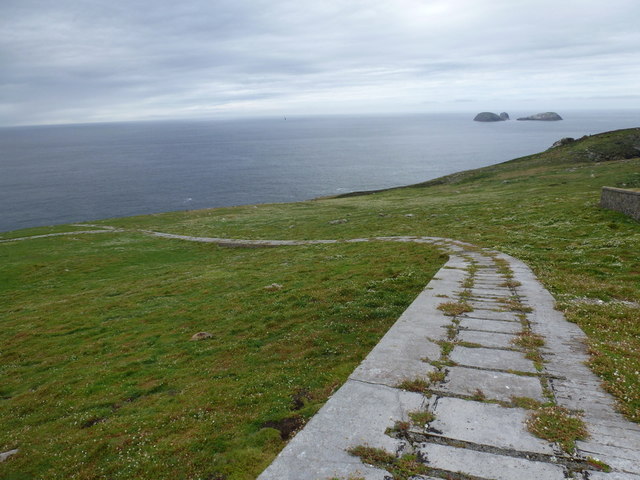
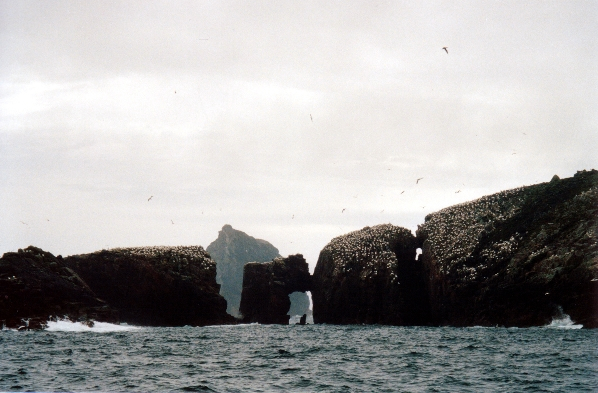
The Flannan Isles sit in the Atlantic Ocean roughly 20 miles west of the Isle of Lewis in Scotland’s Outer Hebrides. They are essentially uninhabited — a cluster of seven small rocky islands with cliffs rising 200 feet from violent seas. The largest is Eilean Mòr (“Big Island”), at just 38 acres. For centuries, local shepherds brought sheep to graze on the islands but refused to spend the night, fearful of the spirits believed to haunt that remote spot.
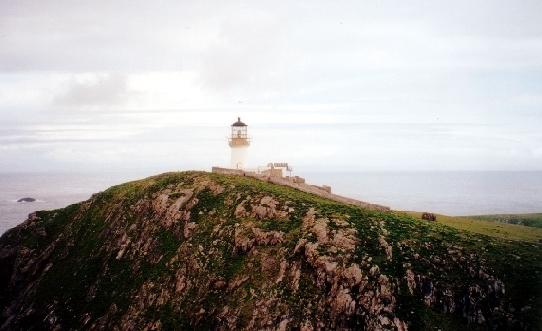
In 1899, the Northern Lighthouse Board completed a 75-foot tower on Eilean Mòr’s highest point. The light was first lit on December 7, 1899. Just over a year later, the lighthouse would become the site of one of maritime history’s most enduring mysteries.
2: The Three Keepers
Three men staffed Eilean Mòr lighthouse in December 1900: James Ducat, the 44-year-old Principal Keeper with 22 years of service; Thomas Marshall, the 28-year-old Second Assistant; and Donald McArthur, the Occasional Keeper covering for First Assistant William Ross who was on sick leave. McArthur had a reputation as a brawler and tough mariner.
A fourth keeper rotated to the shore station at Breasclete on Lewis. The three men served two-week rotations on the island, with relief vessels bringing supplies and rotating personnel. It was demanding but routine work — the kind that had been performed safely at hundreds of British lighthouses for decades.
3: The Last Logbook Entry

The last written entries in the keepers’ log were made on December 13, 1900. On the morning of December 15, the men recorded weather observations on the slate intended for transferring to the log later — barometer readings, thermometer readings, wind conditions taken at 9 AM. Everything was normal. The lamp had been extinguished, as expected. The morning’s work was complete.
Some time after 9 AM on December 15, 1900, all three men disappeared. No one would discover this for 11 days.
4: The First Warning

At approximately midnight on December 15, the steamer SS Archtor — sailing from Philadelphia to Leith, Scotland — passed the Flannan Isles. Crew noted in the ship’s log that the lighthouse was not lit. In bad weather, an unlit lighthouse was a serious matter that should have been reported immediately.
But the Archtor ran aground in the Firth of Forth before reaching port. The captain’s report didn’t reach the Northern Lighthouse Board until December 18. By then, three days had passed since whatever had happened on Eilean Mòr. The relief vessel Hesperus, scheduled to depart December 20, was delayed by storms. It didn’t reach the island until noon on December 26 — Boxing Day, eleven days after the disappearance.
5: Boxing Day at Eilean Mòr
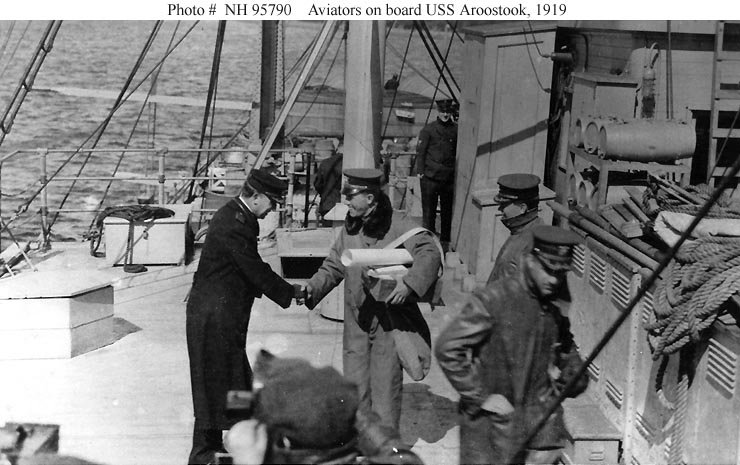
Captain Jim Harvie of the Hesperus immediately knew something was wrong. The Northern Lighthouse Board’s flag wasn’t flying. No provision boxes had been left on the landing dock for restocking. No keepers came down to greet the relief ship.
Captain Harvie sounded the ship’s horn. He fired a flare. No response came from the island. Relief keeper Joseph Moore was dispatched alone to investigate. He climbed the 160 steep steps cut into the 200-foot cliff up to the lighthouse compound.
6: What Joseph Moore Found
The entrance gate was closed. The main door was closed. Moore passed through them and continued through the lighthouse complex. The kitchen was empty. The clocks had stopped. The fire in the grate had been cold for days. The men’s beds were unmade — exactly as they would have been left during a routine morning.
Moore searched every room. No keepers. He checked outside the buildings. No keepers. According to his account, an “eerie frisson” filled the air. He retreated quickly back down the cliff steps to report to Captain Harvie.
7: The Telling Detail of the Oilskins
When the search party from the Hesperus joined Moore on the island, they made one specific discovery that has haunted investigators ever since. Two sets of oilskins (the heavy waterproof outer gear keepers wore in storms) were missing from the entry hallway. One set was still hanging on its hook.
This meant something specific: at least two of the three keepers had gone outside in storm conditions wearing rain gear. But one of them — almost certainly Donald McArthur — had gone outside in only his shirt sleeves. Whatever drew McArthur out into the weather had been urgent enough that he didn’t pause to grab his oilskins.
8: Evidence of a Massive Storm
The western landing of the island showed evidence of catastrophic storm damage. A wooden box stored in a crevice 110 feet above sea level had been smashed open, its contents scattered. Iron railings had been bent and twisted. A section of the railway track for hauling supplies had been torn from its concrete moorings. A boulder weighing more than a ton had been displaced. Turf had been ripped from the tops of cliffs 200 feet above sea level.
But there was no sign of the three keepers. No bodies. No clothing. No personal effects washed up on the rocks. They had simply vanished.
9: Captain Harvie’s Telegram
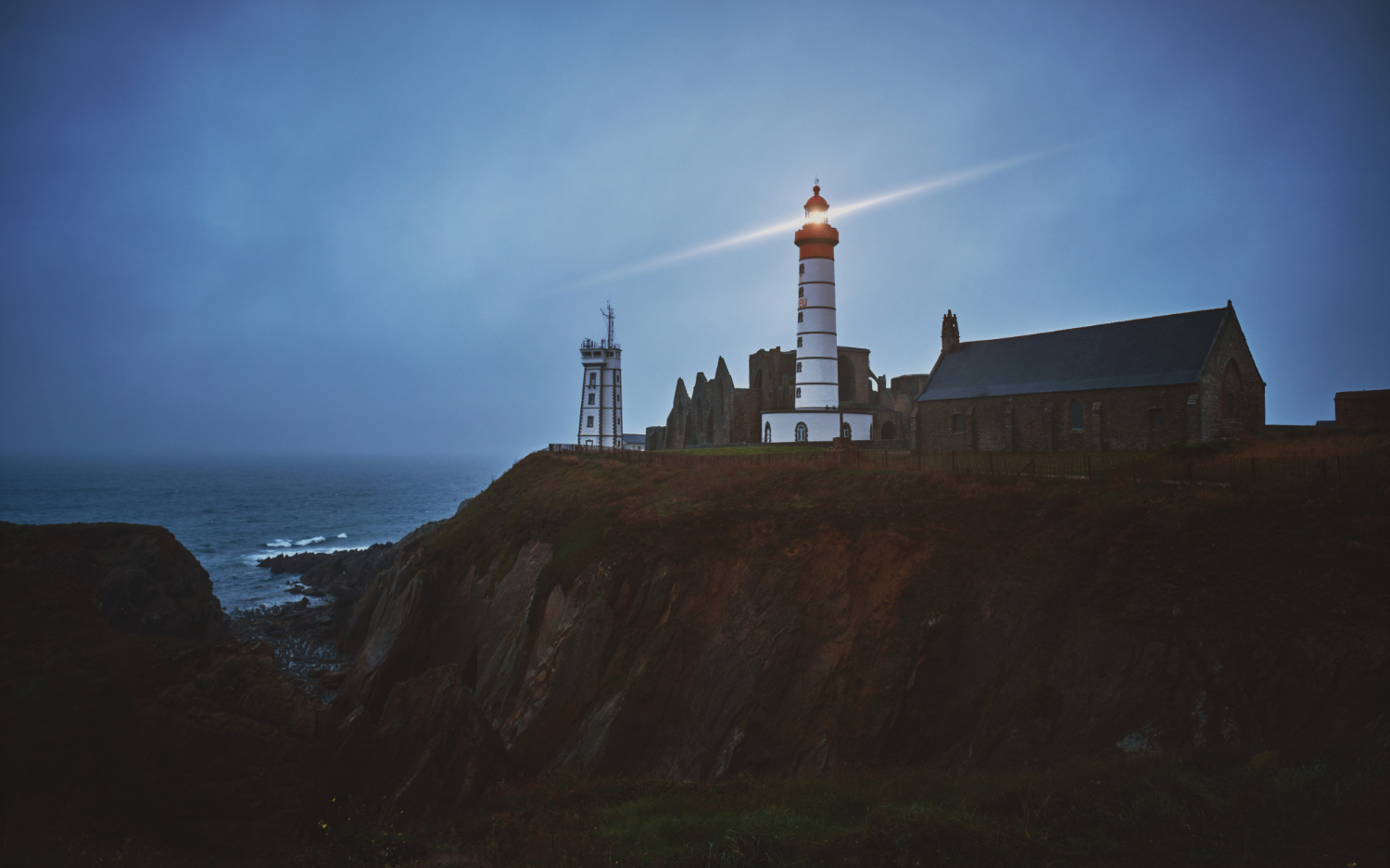
On December 26, 1900, Captain Harvie sent the following telegram to the Northern Lighthouse Board:
“A dreadful accident has happened at Flannans. The three Keepers, Ducat, Marshall and the occasional have disappeared from the island. On our arrival there this afternoon no sign of life was to be seen on the Island. Fired a rocket but, as no response was made, managed to land Moore, who went up to the Station but found no Keepers there. The clocks were stopped and other signs indicated that the accident must have happened about a week ago. Poor fellows they must been blown over the cliffs or drowned trying to secure a crane or something like that.”
10: The Official Investigation
Robert Muirhead — the Northern Lighthouse Board superintendent who had personally recruited all three men and visited them just 19 days before — arrived to lead the investigation. His official conclusion: Marshall and Ducat had gone to the western landing to secure equipment threatened by the storm. McArthur, watching from the lighthouse, had seen them in danger and rushed out without his oilskins to help. All three were swept away by a rogue wave.
The theory had specific evidence. Marshall had been fined five shillings the previous year for losing equipment in a storm. He had financial motivation to risk himself securing the gear. The geography of the western landing — narrow gullies called “geos” that could channel and amplify wave force — made rogue wave deaths plausible.
11: The Logbook Legend
After the official report, a different version of events began circulating. Anonymous sources claimed the lighthouse logbook contained strange entries between December 12-15: that Marshall wrote of “severe winds the likes of which I have never seen before in twenty years”; that James Ducat had become “very quiet”; that the burly McArthur had been “crying”; that all three had been “praying”; that the final entry on December 15 read “Storm ended, sea calm. God is over all.”
Investigation by historian Mike Dash for the Fortean Times eventually proved these logbook entries had never existed. They were fabrications added to the story years later, likely inspired by Wilfrid Wilson Gibson’s 1912 ballad “Flannan Isle.” But the false entries had become so embedded in popular accounts that they appear in many modern retellings as fact.
12: The Mystery Persists
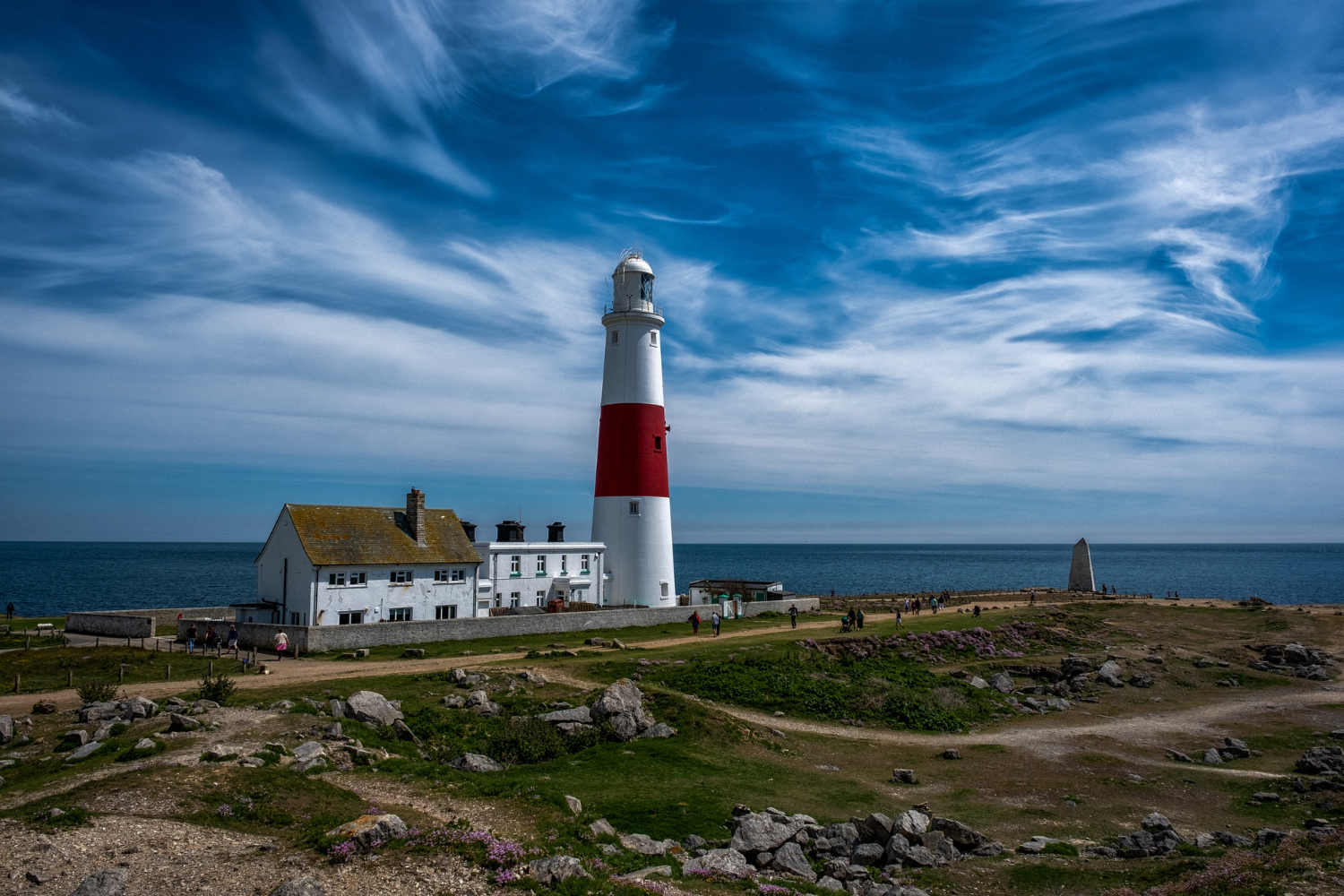
The bodies of James Ducat, Thomas Marshall, and Donald McArthur were never found. The official register notes them as “disappeared on or about 15 December 1900” with cause of death listed as “probably drowning.” Ducat was survived by his wife and four children. Marshall was unmarried. McArthur was survived by his wife and two children.
The 2018 film “The Vanishing” dramatized the disappearance. Tourist boats now visit the Flannan Isles in summer. Subsequent lighthouse keepers reported hearing voices calling the dead men’s names in the wind — though all keepers were eventually replaced by automation in 1971. The lighthouse still operates today, automated, on the same 200-foot cliff where three men disappeared on a December afternoon 125 years ago.
What the Flannan Isles Story Actually Represents
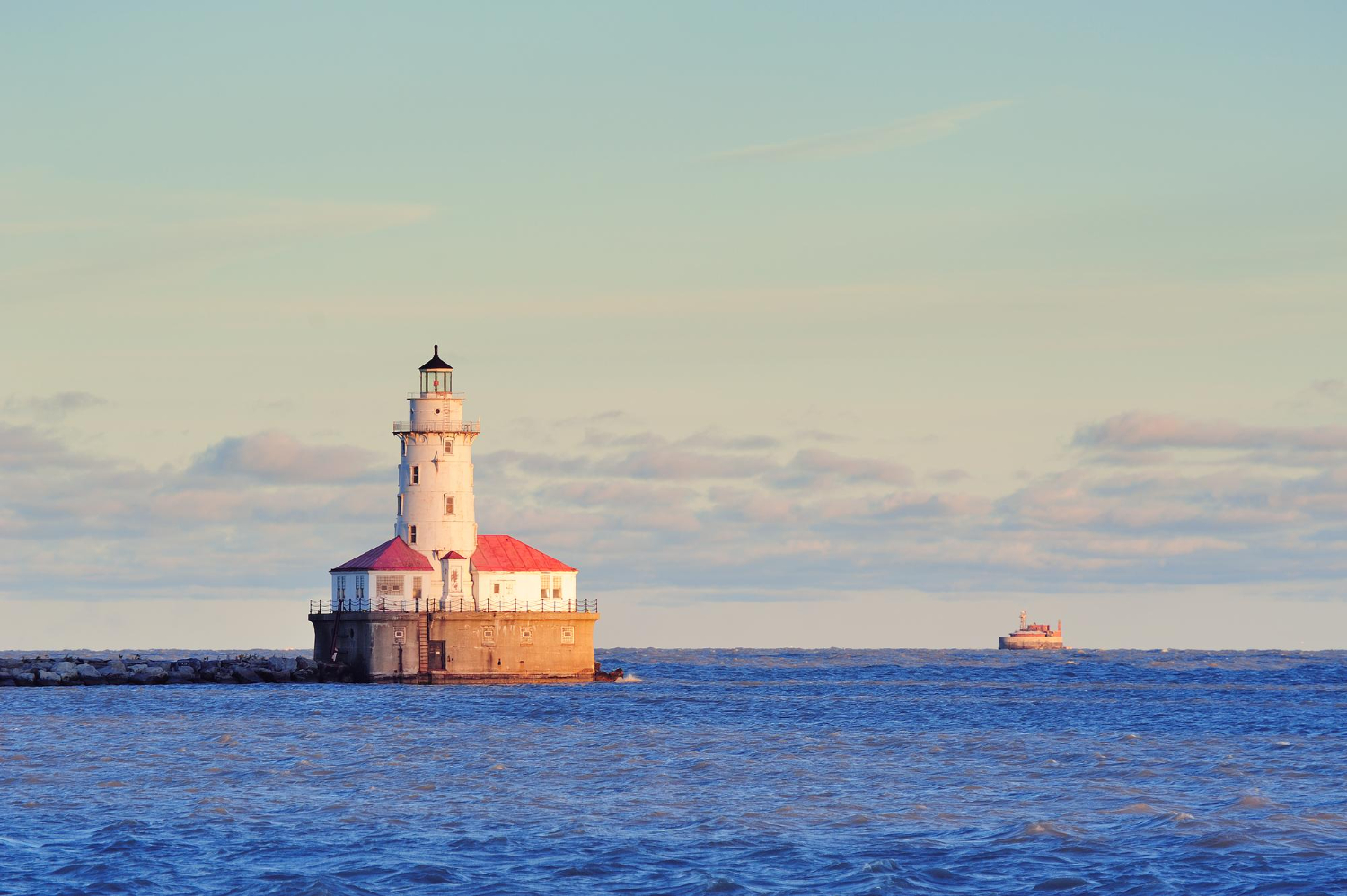
The Flannan Isles disappearance has endured because it occupies a specific kind of mystery: there’s no supernatural element, no compelling crime theory, no real reason to doubt the official drowning explanation — yet the absence of bodies, the closed doors, the missing oilskins, and the eerie scene Joseph Moore found combine into something that feels unresolved. Every time evidence seems to point one way, another detail complicates it. The story endures because it sits permanently between the explainable and the inexplicable, between maritime tragedy and genuine mystery — a real event with real victims that nonetheless reads like fiction.
