From the Gilbert U-238 Atomic Energy Laboratory (containing actual radioactive uranium ore) to lawn darts (banned by the Consumer Product Safety Commission in 1988 after multiple child fatalities) to chemistry sets featuring hydrochloric acid, the toys sold to American children in the 1960s would be inconceivable today. Several were sold for years after specific deaths and injuries had been documented. Here are the 11 most dangerous, what they actually did, and why each was eventually pulled from shelves.
The 1960s American toy industry operated under regulatory standards that would be unthinkable today. The Consumer Product Safety Commission wasn’t established until 1972. Lead paint wasn’t banned in residential paint until 1978. Asbestos in consumer products wasn’t comprehensively regulated until the 1980s. The result was that children’s toys could contain radioactive material, asbestos, lead, mercury, dangerous chemicals, sharp metal projectiles, and various other materials that have since been substantially restricted or eliminated.
Some of the toys on this list killed children. Others caused severe injuries documented in medical literature. Several were sold for years after their dangers were known to manufacturers but before regulators required removal from the market. The accumulation of incidents eventually drove the creation of the modern toy safety regulatory framework.
Here are 11 specific toys sold to American children in the 1960s that would be completely banned today, what each actually did, and the documented incidents that led to their eventual removal.
1. Gilbert U-238 Atomic Energy Laboratory (1950-1951, sold through 1960s)
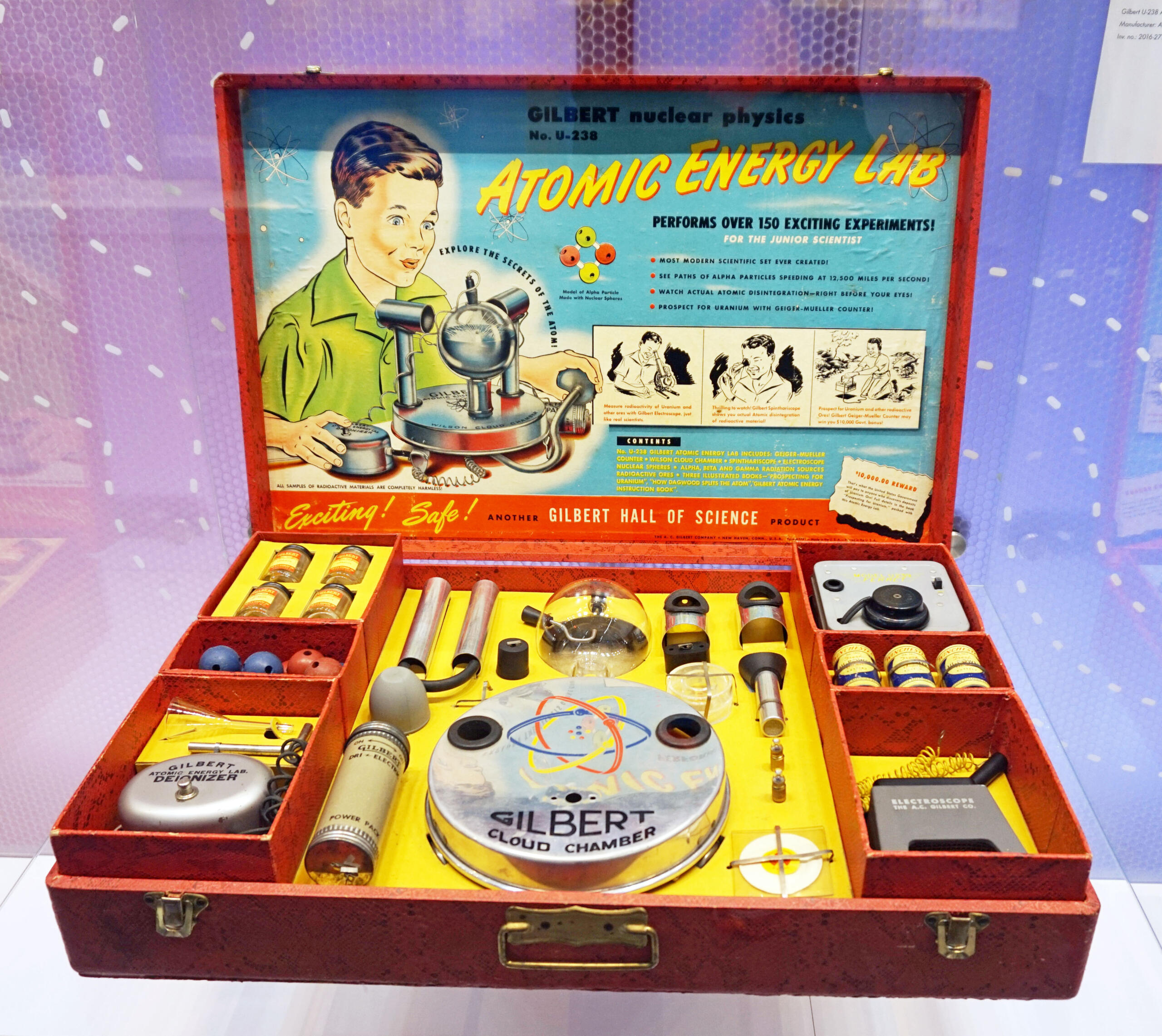
This is the legendary “most dangerous toy ever made” — and the description isn’t hyperbole. Manufactured by A.C. Gilbert Company in 1950-1951 (with units circulating in the second-hand market through the 1960s), the Atomic Energy Laboratory contained:
- Three actual radioactive uranium-bearing ores (uraninite, autunite, and torbernite samples)
- A Geiger counter for measuring radiation
- A spinthariscope for viewing radioactive disintegration
- A cloud chamber for tracking ionizing particles
- An electroscope
- Educational materials including a comic book co-authored by the director of the Manhattan Project explaining nuclear fission
The set sold for $49.50 (equivalent to roughly $600 in 2024 dollars) and was marketed to boys interested in atomic energy. The instructions warned children not to remove the radioactive ores from their vials, but extended use of the kit could produce meaningful radiation exposure.
In the 1960s, when sweeping toy safety reforms were being developed, the Gilbert Atomic Energy Lab was specifically cited as an example of a dangerous consumer product. Production had ended in 1951 due to poor sales (it was complex and expensive), but the safety concerns highlighted what the toy industry had been allowed to sell.
2. Lawn Darts / Jarts (popular through 1970s and 80s, banned 1988)
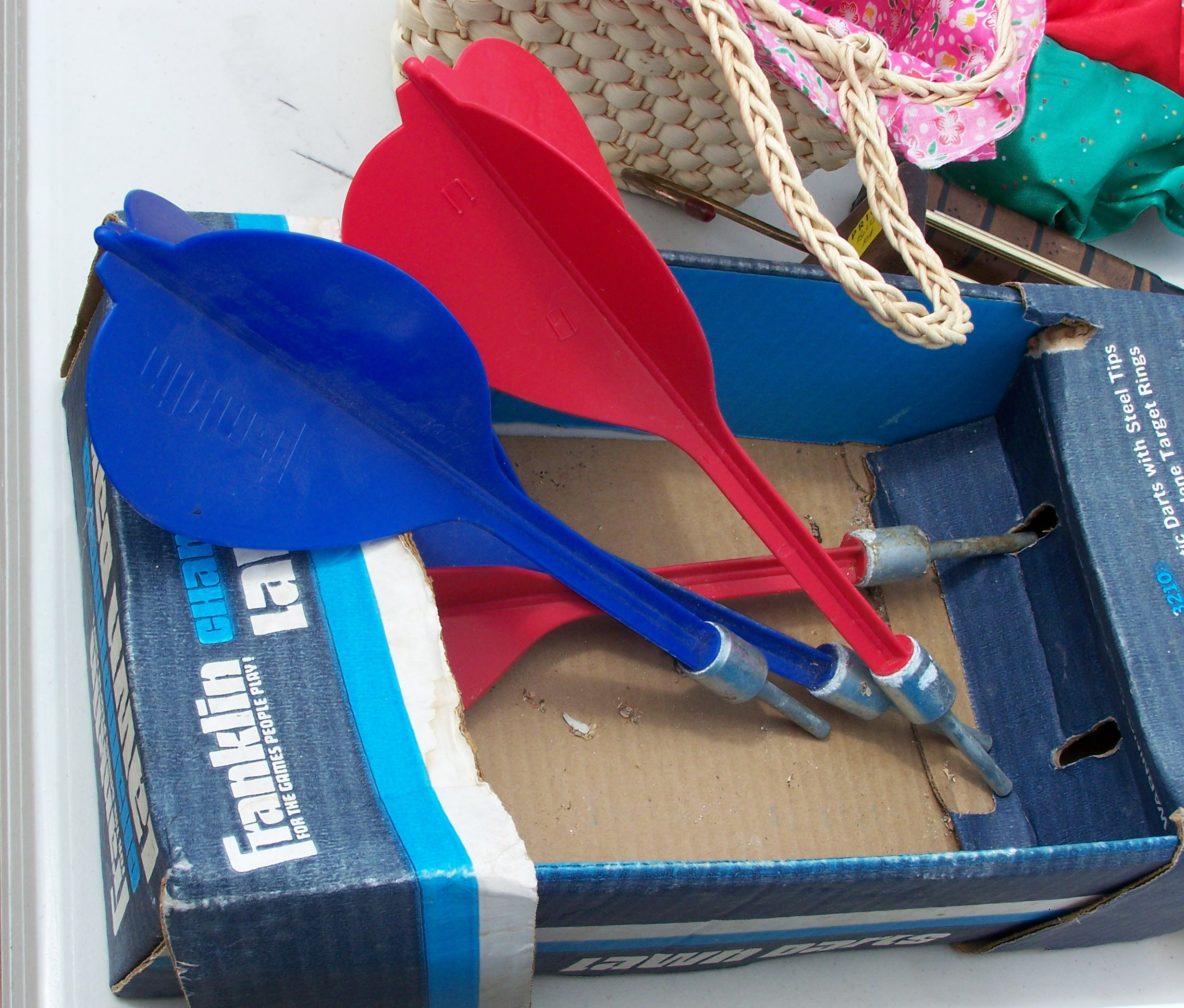
Lawn darts (also called “Jarts”) were among the most popular outdoor games of the 1970s and early 1980s. The game involved throwing heavy metal-tipped darts at a target on the ground from a distance. The darts had pointed metal spikes designed to stick into the ground.
The danger pattern was specific: errant throws or kids throwing darts straight up could result in metal projectiles falling at substantial speed, capable of penetrating skulls. Multiple injuries accumulated through the 1970s and ’80s, including at least three documented child fatalities.
The U.S. Consumer Product Safety Commission banned the sale of lawn darts with sharp tips in 1988. The decision came after years of advocacy by parents whose children had been injured or killed. Modern “lawn dart” products use weighted, rounded bottoms rather than metal spikes — fundamentally a different toy that retains only the throwing-at-a-target concept of the original.
3. Clackers / Klick Klacks (1960s-70s)
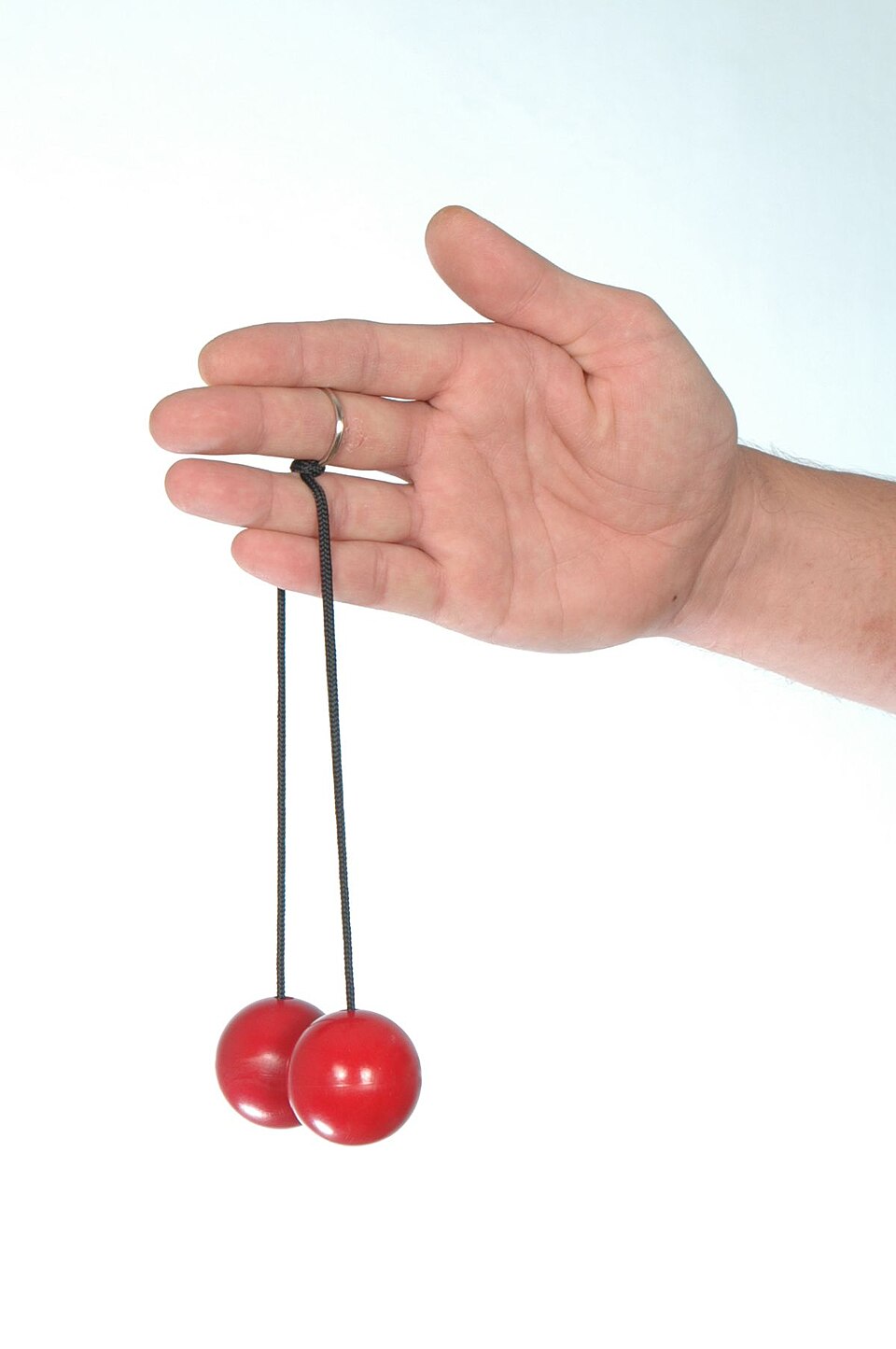
Clackers were two acrylic balls on a string — the user swung them to make the balls collide and produce the addictive “clacking” sound that gave the toy its name. Massively popular in the late 1960s and early 1970s.
The problem: the acrylic balls would occasionally shatter on impact, sending sharp plastic fragments toward the user’s face and eyes. Eye injuries became frequent enough that the FDA and CPSC began warning about the toy. Various manufacturers reformulated the materials to use more durable plastic (which reduced the shattering issue but didn’t eliminate it).
By the late 1970s, original-style clackers had largely disappeared from store shelves. Modern versions use much softer materials that don’t have the shattering risk but also don’t produce the same satisfying clicking sound.
4. Chemistry sets with hydrochloric acid and other genuinely dangerous chemicals
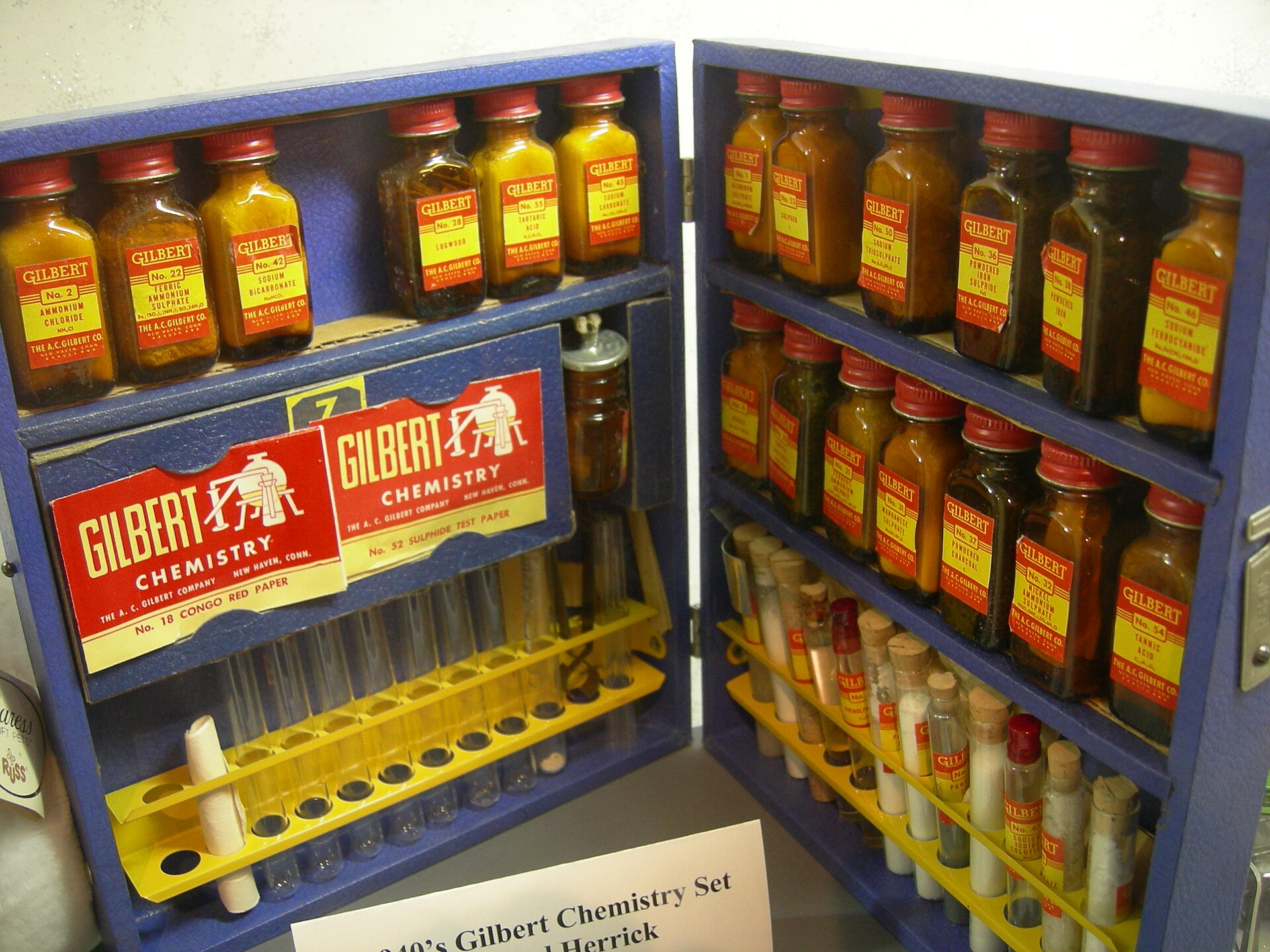
Chemistry sets sold by Gilbert, Chemcraft, Skilcraft, and other manufacturers throughout the 1960s contained substances that would now be classified as hazardous chemicals requiring adult supervision and specific safety equipment. Common contents included:
- Hydrochloric acid (concentrated)
- Sodium hydroxide (caustic, can cause severe burns)
- Lead salts for color reactions
- Mercury compounds for various experiments
- Ammonium dichromate (carcinogenic, used for “volcano” experiments)
- Sodium ferrocyanide
- Various flammable solvents
Modern chemistry sets are dramatically scaled back, with most chemicals replaced by safer substitutes or eliminated entirely. The educational value of the original sets — letting kids actually do real chemistry — has been substantially reduced in exchange for the safety improvements. The change has been controversial in science education circles.
5. Wood-burning kits with no safety features
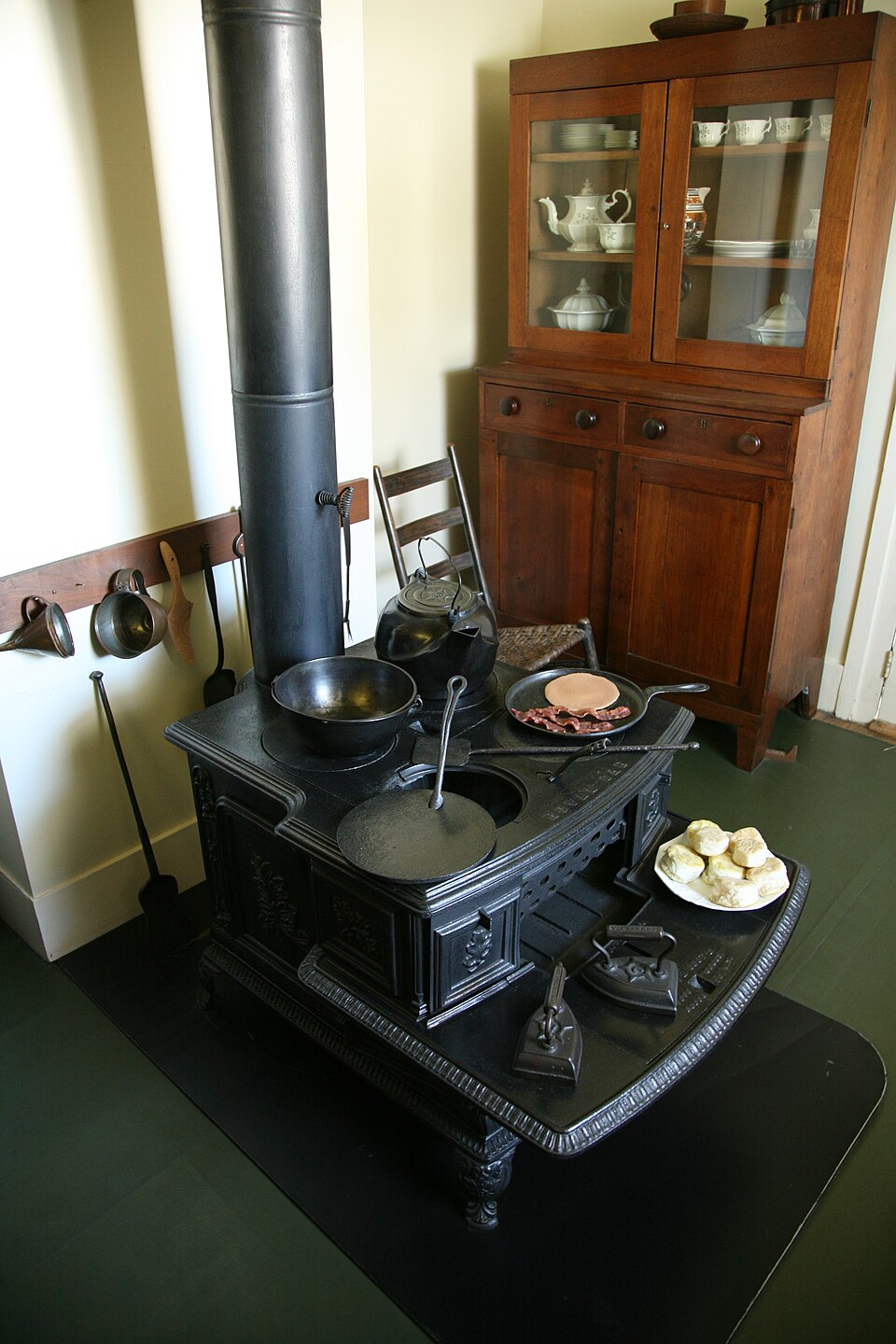
Wood-burning kits sold throughout the 1960s included electric tools that reached temperatures of 750°F or higher with minimal safety features. The original kits had:
- No automatic shutoff
- Limited cool-down protection
- Exposed heating elements that could cause severe burns
- No required eye protection
- Sometimes no protective base or stand
Modern wood-burning kits include safety features that the originals lacked: stands that prevent direct contact with surfaces, automatic shutoffs, lower operating temperatures, and warnings about appropriate ages. The original “let a kid figure out how to use a 750°F tool” approach is no longer acceptable.
6. Easy-Bake Oven (original 1963 version)
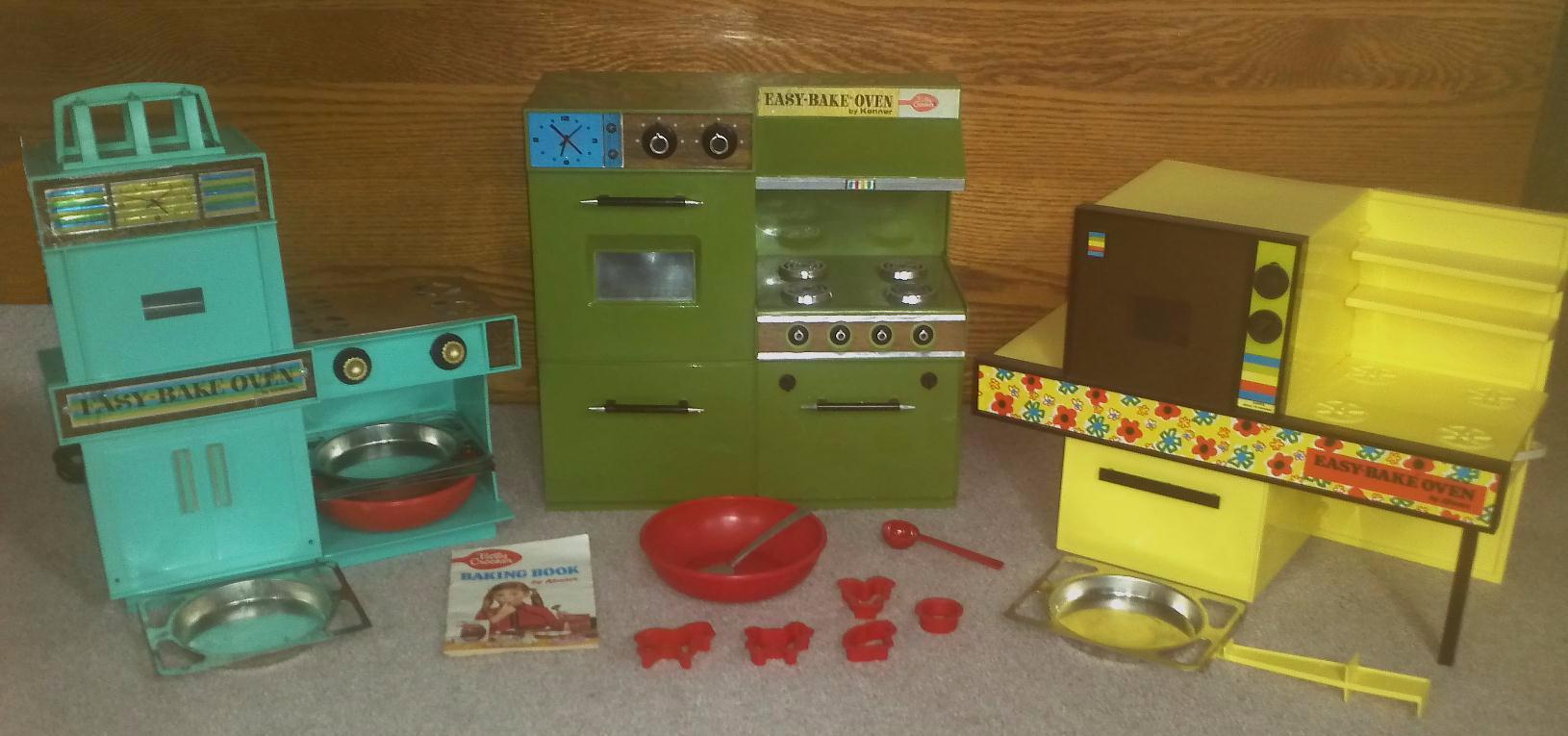
The Easy-Bake Oven, first sold in 1963, used incandescent light bulbs as the heating element. Children put cake batter in small pans and inserted them into the oven, where the bulbs’ heat baked the food.
The original design produced burns when children touched the heating elements or when small fingers got caught in the oven door. The CPSC has issued multiple recalls of various Easy-Bake Oven models over the decades — most notably a 2007 recall affecting nearly 1 million units after burn injuries to children, including one that resulted in a partial finger amputation.
Modern Easy-Bake Ovens have been substantially redesigned with proper heating elements, better safety features, and warnings appropriate for the age group using them. The original light-bulb model from 1963 wouldn’t pass any modern safety standard.
7. Slip ‘N Slide (sold through 1990s, with documented adult injuries)
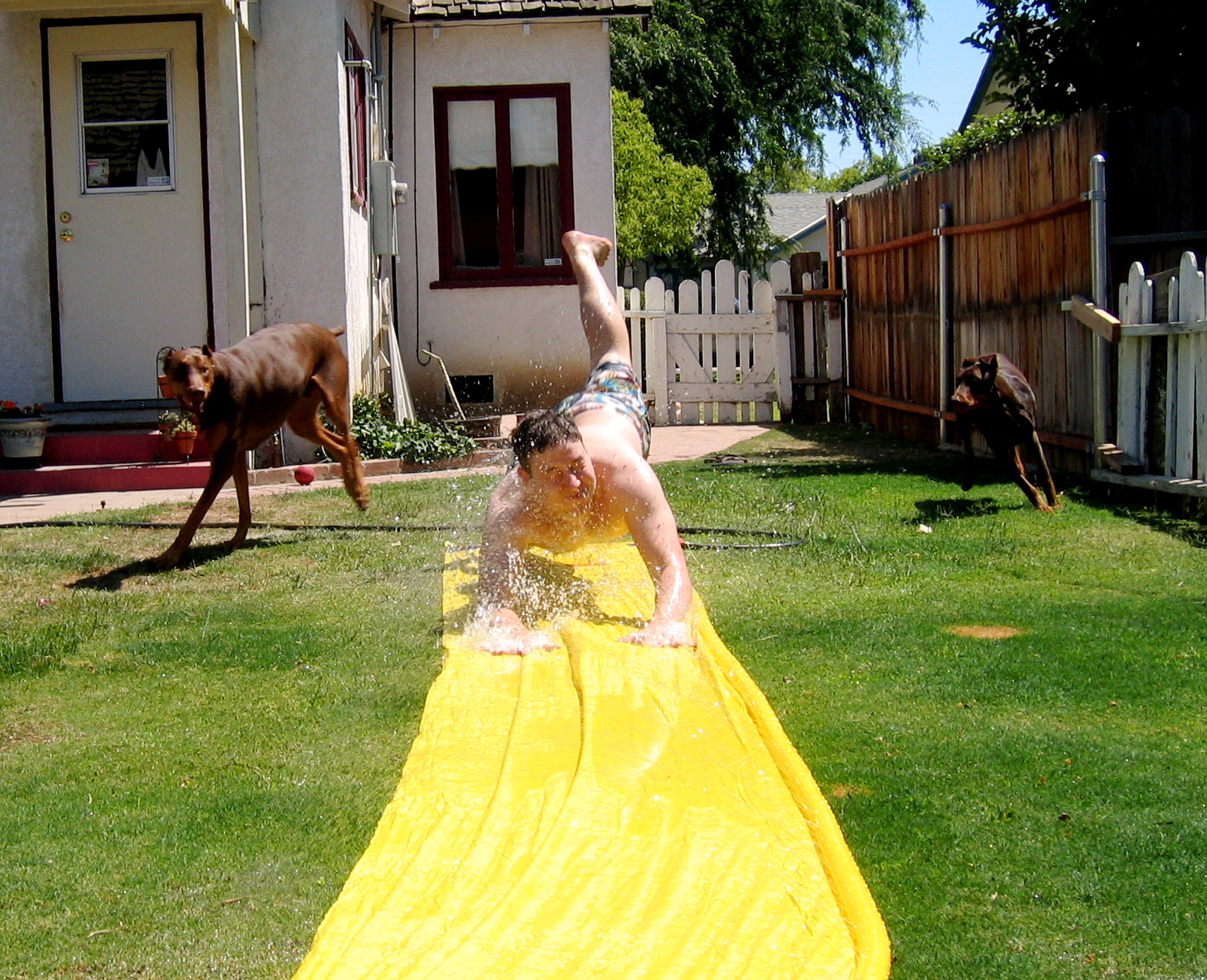
The Slip ‘N Slide was a long sheet of plastic that you wet down and slid on. Marketed for children, it became enormously popular in the 1960s and remained a summer staple through the 1990s.
For children, the toy was generally safe — sliding on plastic at low speeds rarely causes serious injury. The problem was that adults occasionally used the product, and adults sliding at higher speeds risked spinal injuries when their bodies stopped abruptly at the end of the slide. The CPSC documented several cases of adult quadriplegia related to Slip ‘N Slide use.
Wham-O eventually included warnings prohibiting adult use. The product itself remains on the market in 2026 but with substantial warning labels and restrictions that the 1960s original lacked.
8. Mr. Bones Skeleton / glow-in-the-dark toys with radioactive paint

Various 1960s glow-in-the-dark toys used radium-based paint to produce their glow effect. Radium-painted clock faces and watch dials were standard until the 1960s; some toy manufacturers used similar paint formulations for novelty items.
The toys themselves typically didn’t expose children to dangerous radiation levels in normal use, but extended handling could produce radium dust transfer to skin and clothing. By the late 1960s, radium-based glow paints were being phased out in favor of safer phosphorescent compounds.
The actual cancer risk from these toys was probably low for most children, but the casual use of radium in consumer products that children handled directly is genuinely shocking by modern standards.
9. Creepy Crawlers / Thingmaker (Mattel, 1964)
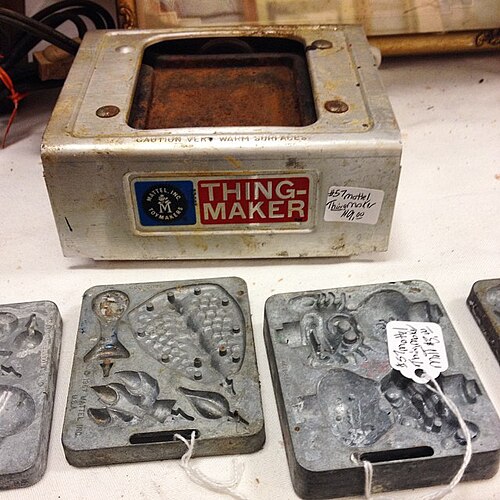
The Creepy Crawlers Thingmaker was a metal mold that you filled with liquid “Plasti-Goop,” then placed on a hot heating element to bake the substance into rubber bug shapes. The system involved:
- A heating element that reached temperatures of 350°F+
- No automatic shutoff
- Liquid plastic compounds with various solvents
- Direct child handling of hot metal molds
- Fumes from heating the plasti-goop
Documented injuries included burns, eye injuries from accidentally squirting hot goop, and respiratory issues from extended exposure to fumes. The product was eventually reformulated multiple times. Modern versions use safer materials, lower temperatures, and various other safety improvements.
10. Suction Dart Guns with Real-Sized Darts
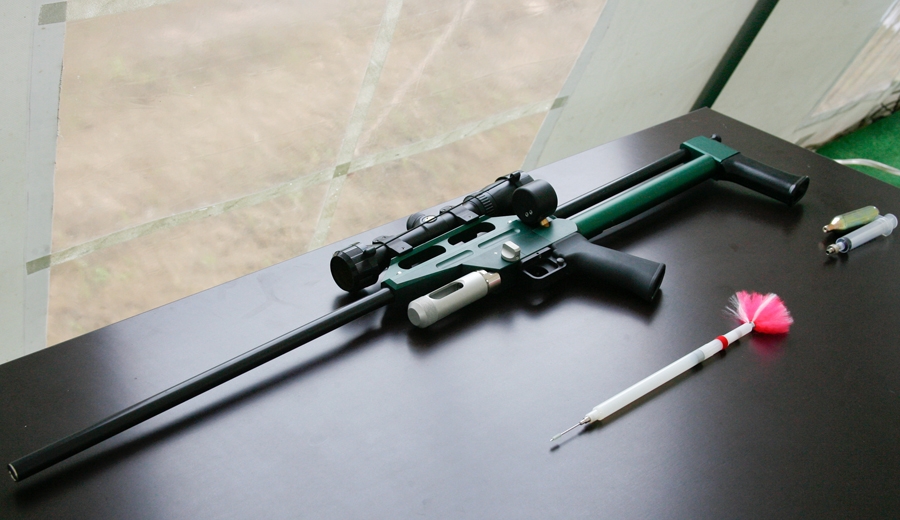
Throughout the 1960s, “dart guns” with rubber suction-cup tips were standard children’s toys. The darts were similar in size to actual archery arrows and could be propelled with substantial force. The “safety” feature was a rubber suction cup on the tip, intended to prevent injury.
The problem: the suction cup tips frequently fell off or were intentionally removed, leaving sharp wooden or plastic projectiles that could cause serious eye injuries. Hundreds of cases of eye injuries from dart gun toys were documented through the 1960s and 1970s.
Modern dart toys use much smaller foam darts, lower projectile speeds, and integrated safety features that prevent the suction cup removal that caused most original dart gun injuries.
11. Real metal cap guns and BB guns marketed to young children
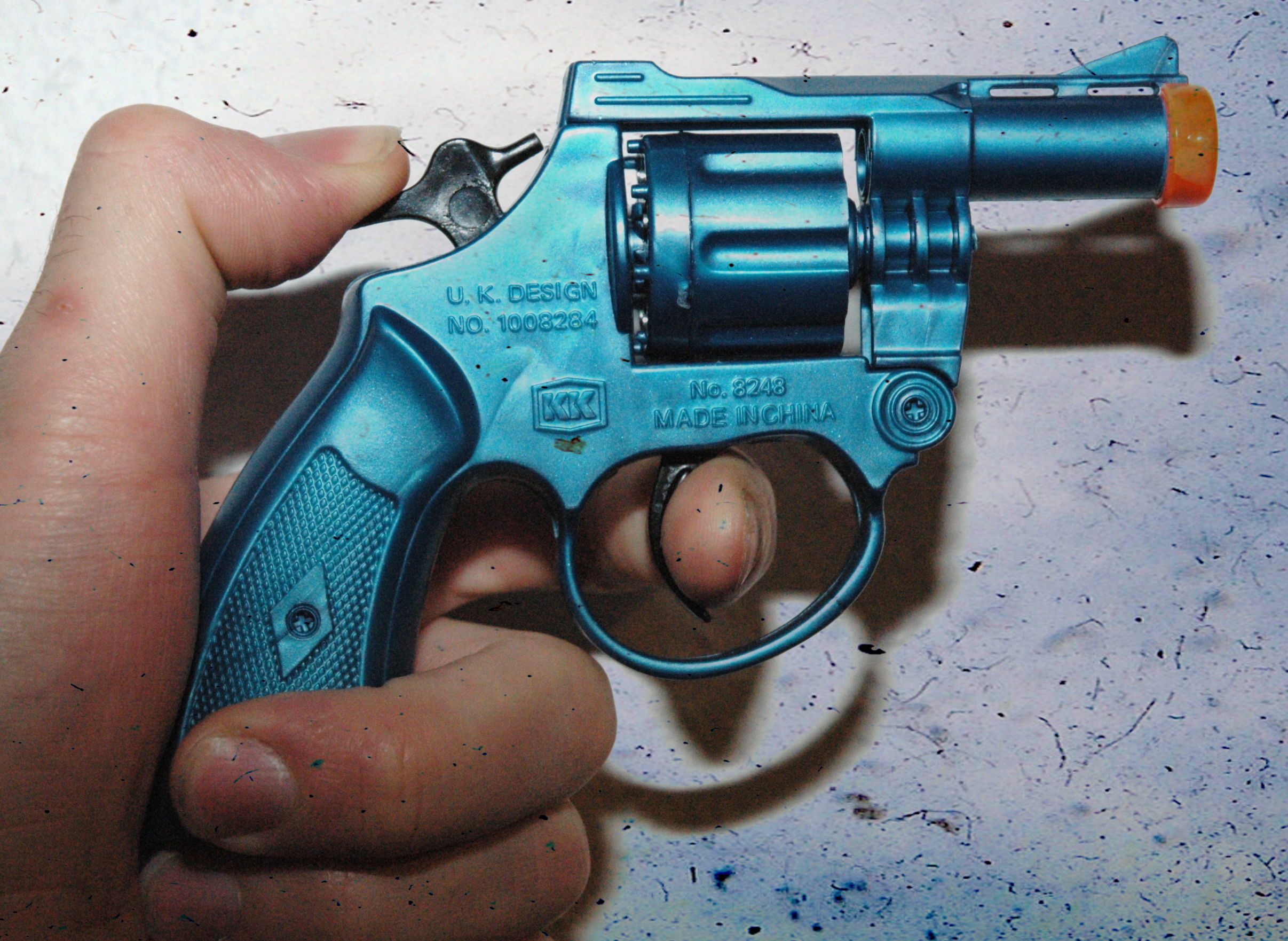
The 1960s toy market routinely included realistic metal cap guns and BB guns marketed to children as young as 6-8 years old. These products:
- Looked nearly identical to real firearms
- Used real (though small) gunpowder caps that produced loud reports and small flash burns
- BB guns fired metal projectiles with enough velocity to cause eye injuries
- Were marketed without significant safety guidance or supervision recommendations
Modern toy gun regulations require orange tip markings to distinguish toys from real firearms (added after multiple police shootings of children carrying realistic-looking toy guns). BB gun age restrictions and supervision requirements are substantially stricter. Cap gun powder formulations have been modified to reduce burn risk.
What this all reveals about toy safety progress
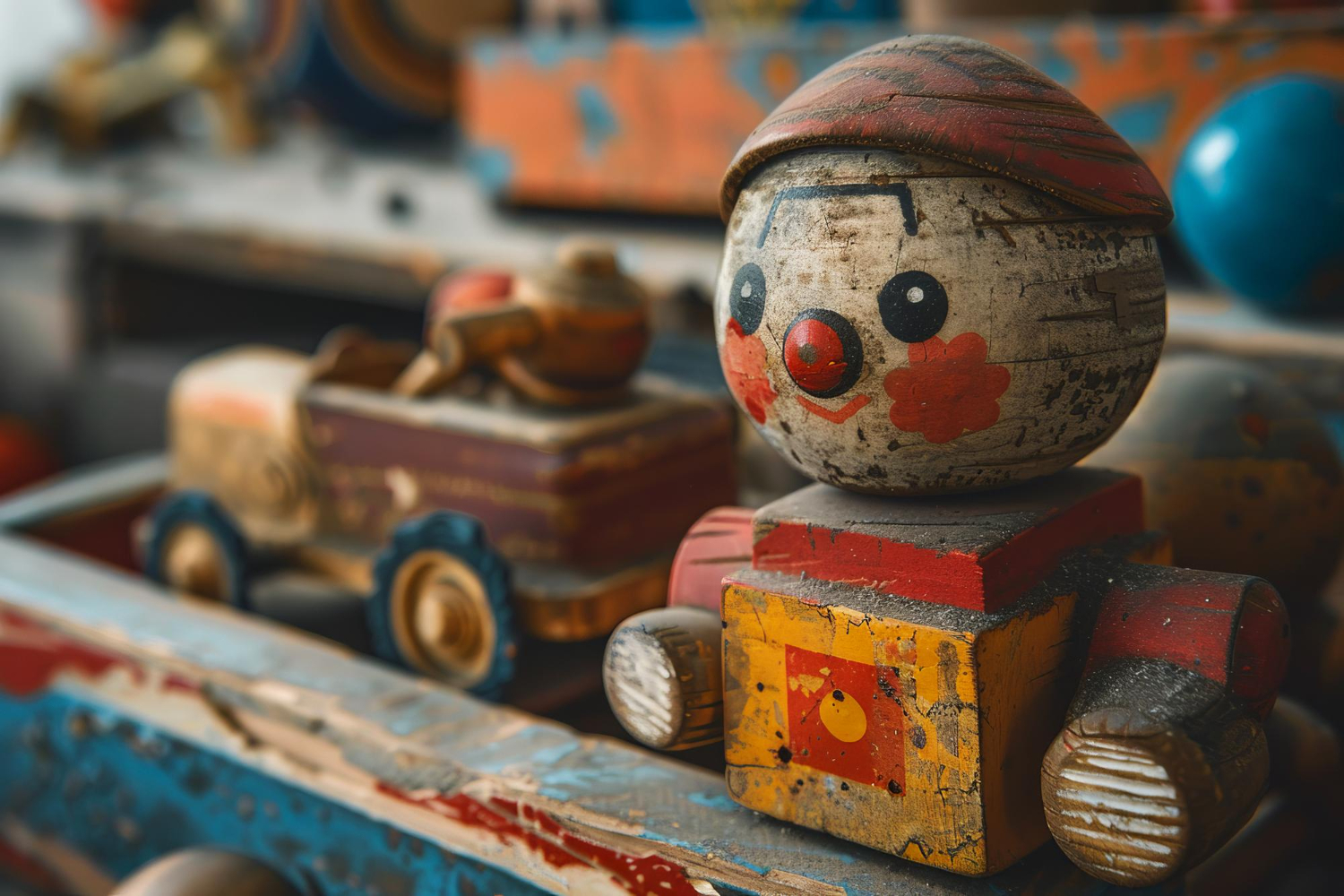
The transformation from 1960s toy market to 2026 toy market reflects several specific factors:
Establishment of regulatory infrastructure. The CPSC was created in 1972, providing the first comprehensive federal authority to require recall of dangerous toys. The Federal Hazardous Substances Act of 1960 established initial requirements that were substantially expanded over the following decades.
Specific incident-driven changes. Many toy regulations responded directly to specific deaths or injuries. Lawn darts banned after fatalities. Magnet toys banned after children required emergency surgery from swallowed magnets. Lead paint restrictions after research documented neurological damage.
Manufacturing and material improvements. Modern plastics, paints, and other materials have been engineered specifically to be safer than 1960s alternatives. The technical capabilities for safer toy production didn’t fully exist in 1965 — modern materials science has enabled much of the safety improvement.
Liability environment changes. Modern manufacturers face substantially greater legal liability for product injuries than 1960s manufacturers did. The economic incentive to eliminate dangerous designs has increased dramatically.
Increased awareness of long-term effects. Many 1960s product hazards (asbestos, lead, certain solvents, radioactive materials) had long-term health effects that weren’t recognized until decades after exposure. Modern regulations attempt to anticipate long-term effects rather than waiting for them to manifest.
Changed parental expectations. Modern parents simply wouldn’t accept many 1960s toys regardless of regulation. The cultural expectation that children’s products will be designed primarily for safety has changed substantially.
For collectors and museum visitors interested in seeing these dangerous historical toys, several institutions display them with appropriate safety precautions:
The Strong National Museum of Play in Rochester, NY has extensive vintage toy collections including some of the dangerous products discussed here.
Museum of Failure (touring exhibition) has displayed various banned toys as examples of products that should never have been sold.
Online collectors’ communities often photograph and document vintage toys, allowing viewing without the actual handling that produced original injuries.
Some Smithsonian collections include vintage toys as part of broader American childhood history exhibits.
For modern parents wondering whether their own children’s toys are similarly dangerous in ways we don’t yet recognize, the honest answer is: probably some of them are. The history of toy safety suggests that each generation discovers that some of the products their predecessors considered safe were actually causing harm. Modern toys are substantially safer than 1960s toys, but specific concerns continue to emerge — about chemicals in plastic, about magnetic toys, about button batteries, about smart toys with privacy implications, and about various other categories that may eventually appear on similar “things we used to allow but shouldn’t have” lists 30 years from now.
The 1960s toys on this list represent specific moments when American culture allowed children to play with materials and products that we now recognize as genuinely dangerous. Some of the products injured or killed thousands of children before regulators acted. Others were eventually banned or substantially modified through processes that took decades.
Looking at these toys from 2026 reveals something specific about historical change: regulatory frameworks evolve in response to documented harms, often slowly and only after substantial injuries have accumulated. The kids who played with the Gilbert Atomic Energy Lab in 1951, with chemistry sets containing hydrochloric acid in 1965, or with original metal-tipped lawn darts in 1985 weren’t being uniquely careless — they were being given products that the surrounding culture considered acceptable. The fact that we now find those products shocking represents progress in safety standards, even as it raises the question of which currently-acceptable products will look equally shocking to future generations.