Riding in the back of pickup trucks to the lake. Roasting marshmallows on sticks you sharpened with your own knife. Counselors who couldn’t have been older than 18 supervising 10-year-olds at midnight capture-the-flag in the woods. Nobody wore sunscreen. Nobody wore helmets. Nobody had bottled water. The 1980s American summer camp produced one of the most consistent shared experiences of an entire generation — and almost none of it would survive a modern liability review. Here are 11 specific activities every ’80s camper remembers that have been quietly eliminated from American summer camp programs.
The American summer camp industry has transformed substantially since the 1980s, driven primarily by liability concerns, changing safety standards, and a parental culture far more risk-averse than the one that sent kids to camps in 1985. Activities that produced occasional injuries — but were considered character-building parts of the camp experience — have been systematically eliminated as camps faced lawsuits, insurance pressures, and increased state regulation.
1. Riding in the back of pickup trucks to off-site activities
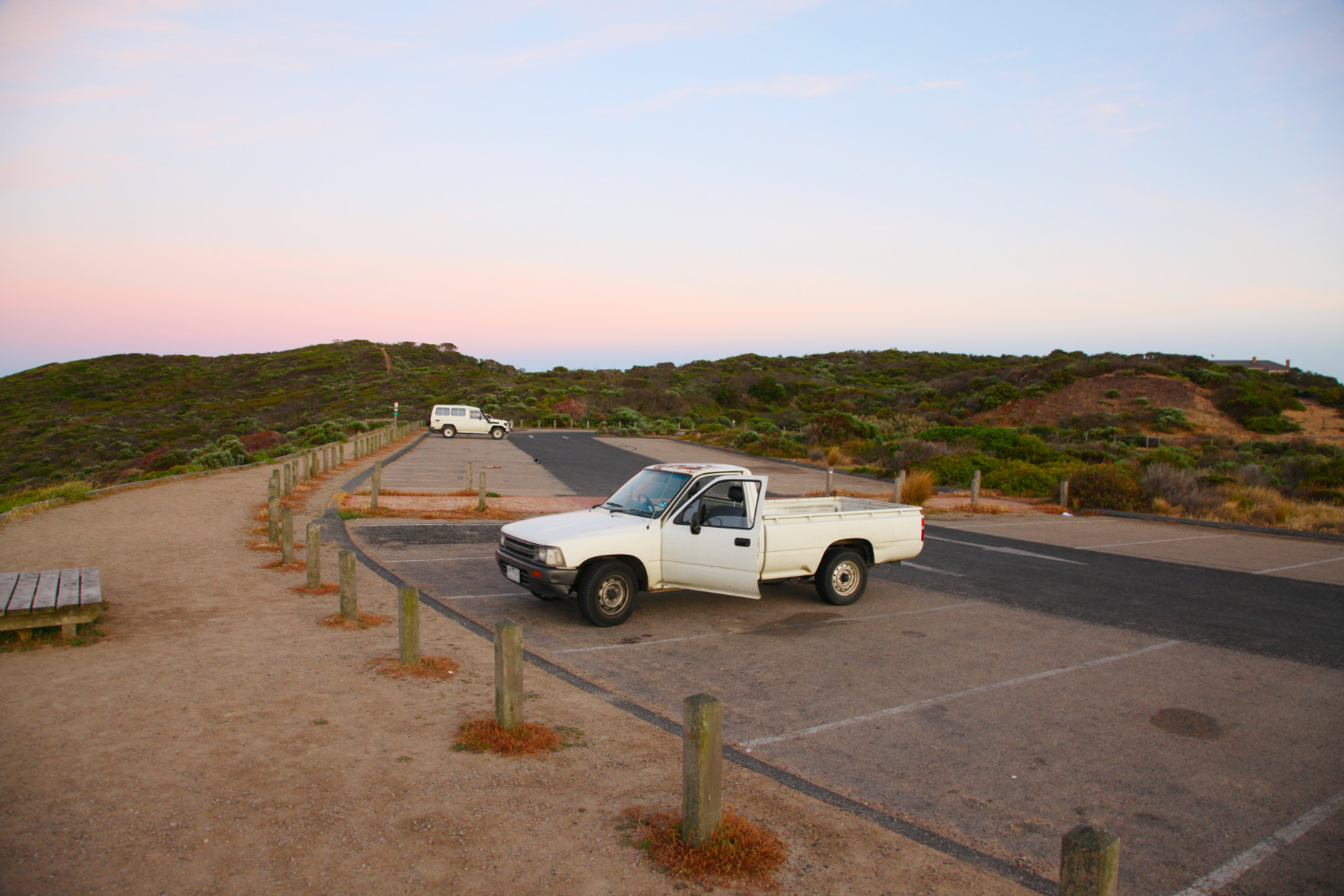
Throughout the 1980s, camp transportation routinely involved kids piled into pickup truck beds for trips to the lake, the trailhead, or off-camp activities. State laws prohibiting passengers in pickup beds didn’t widely exist until the late 1980s and 1990s. Today, this is illegal in most U.S. states for passengers under specific ages and would expose any camp to immediate license revocation. Modern camps use buses, vans, or full-passenger vehicles for any transportation. The casual pile-into-the-truck approach that defined many ’80s camp logistics simply doesn’t happen anymore.
2. Sharpening your own knife and using it freely

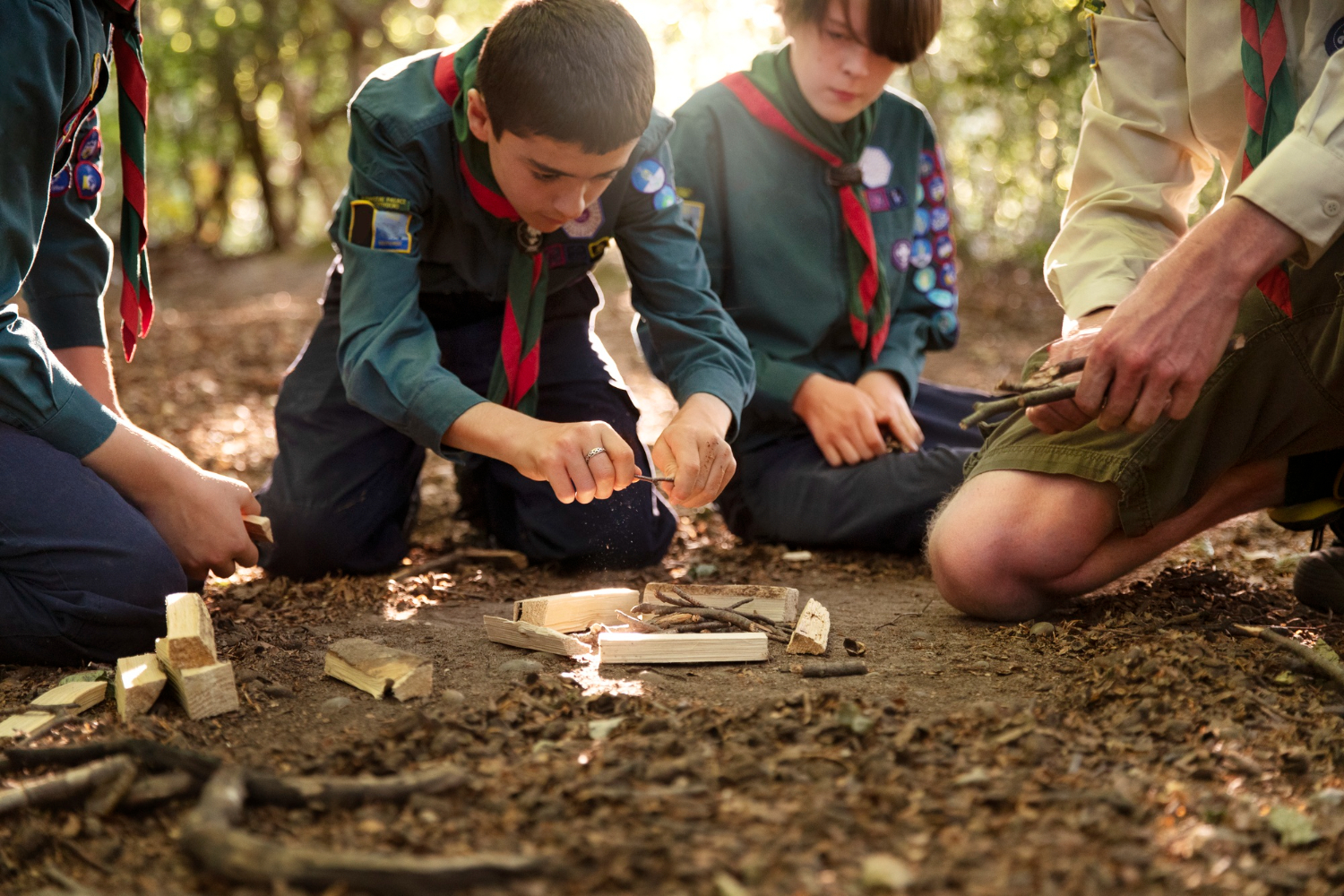
Many ’80s summer camps issued or allowed personal pocket knives. Kids whittled sticks, sharpened roasting sticks, opened things, cut rope. Knife-handling was considered a basic outdoor skill that camps actively taught. Modern camps have dramatically restricted knife policies. Most prohibit personal knives entirely. Group cooking activities use staff-supervised tools only. Even adult counselors at many camps need specific certifications to handle knives in front of campers. The shift reflects both genuine safety improvements and the broader liability environment that makes any sharp-tool incident a potential lawsuit.
3. Counselors barely older than the campers running everything
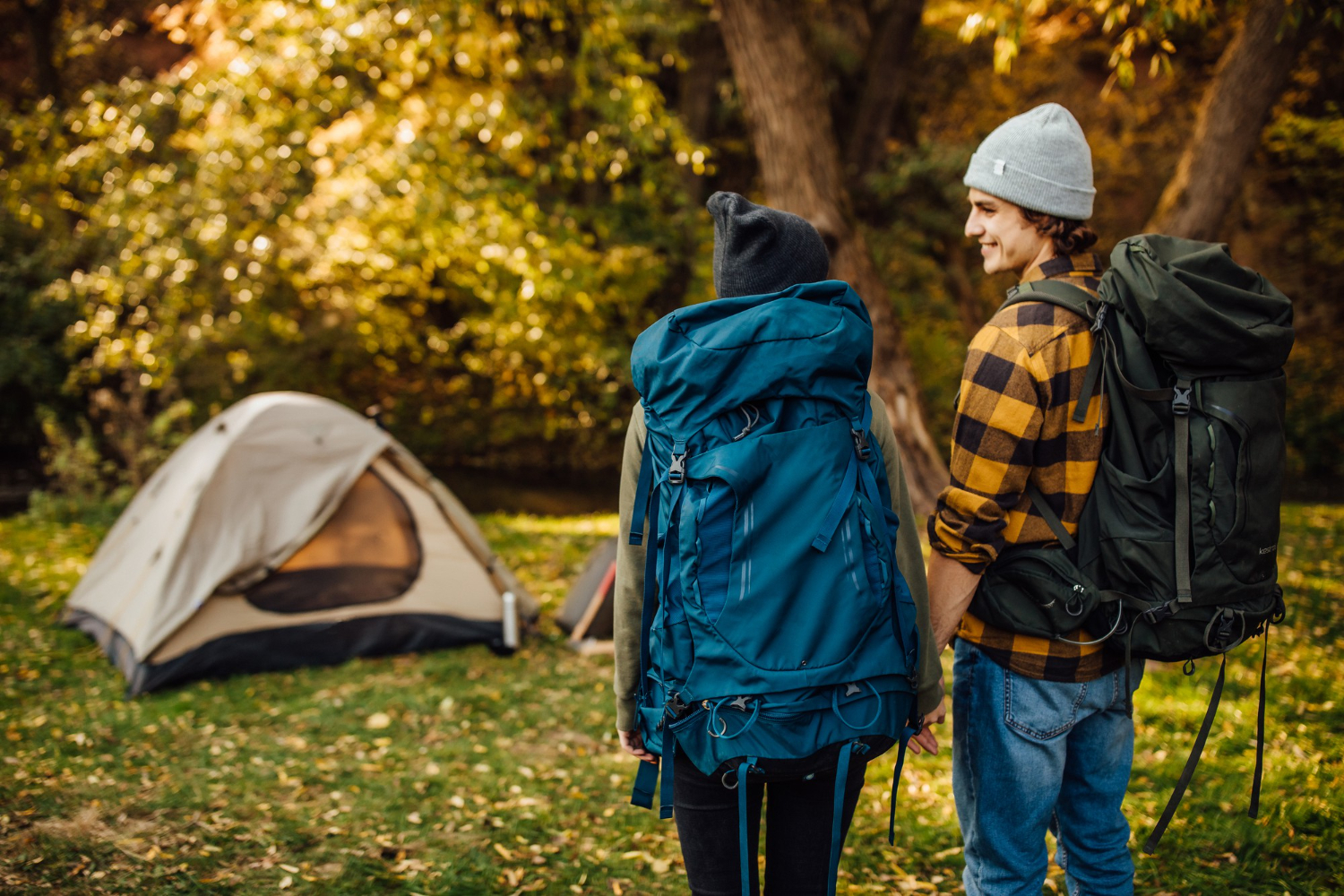
The standard ’80s summer camp employed counselors as young as 16-17 years old, often supervising 10-year-olds with minimal training. Background checks were essentially unknown. The relationship between counselors and campers was casual and largely unmonitored. Modern camps require background checks for all staff, mandate specific minimum ages (typically 18+), provide extensive training in supervision and child protection, and operate under documented policies with enforced supervision ratios. The “fun teenage counselor” archetype that defined ’80s camp memories has been replaced by documented adult supervision with specific qualifications.
4. Cabin raids and pranks at 2 AM

Cabin raids — late-night cross-cabin pranks involving water balloons, shaving cream, screaming, “kidnapping” sleeping campers — were a defining ’80s camp tradition. They happened with counselor knowledge, often counselor participation. Modern camps have largely eliminated these traditions. The combination of liability concerns (kids running through dark woods at 2 AM produces injury risks), changing norms about consent and bullying, and structured camp programming has made the spontaneous chaos of ’80s camp nightlife essentially impossible. Most modern camps maintain strict lights-out policies enforced by adult staff.
5. Walking back to camp alone after evening activities
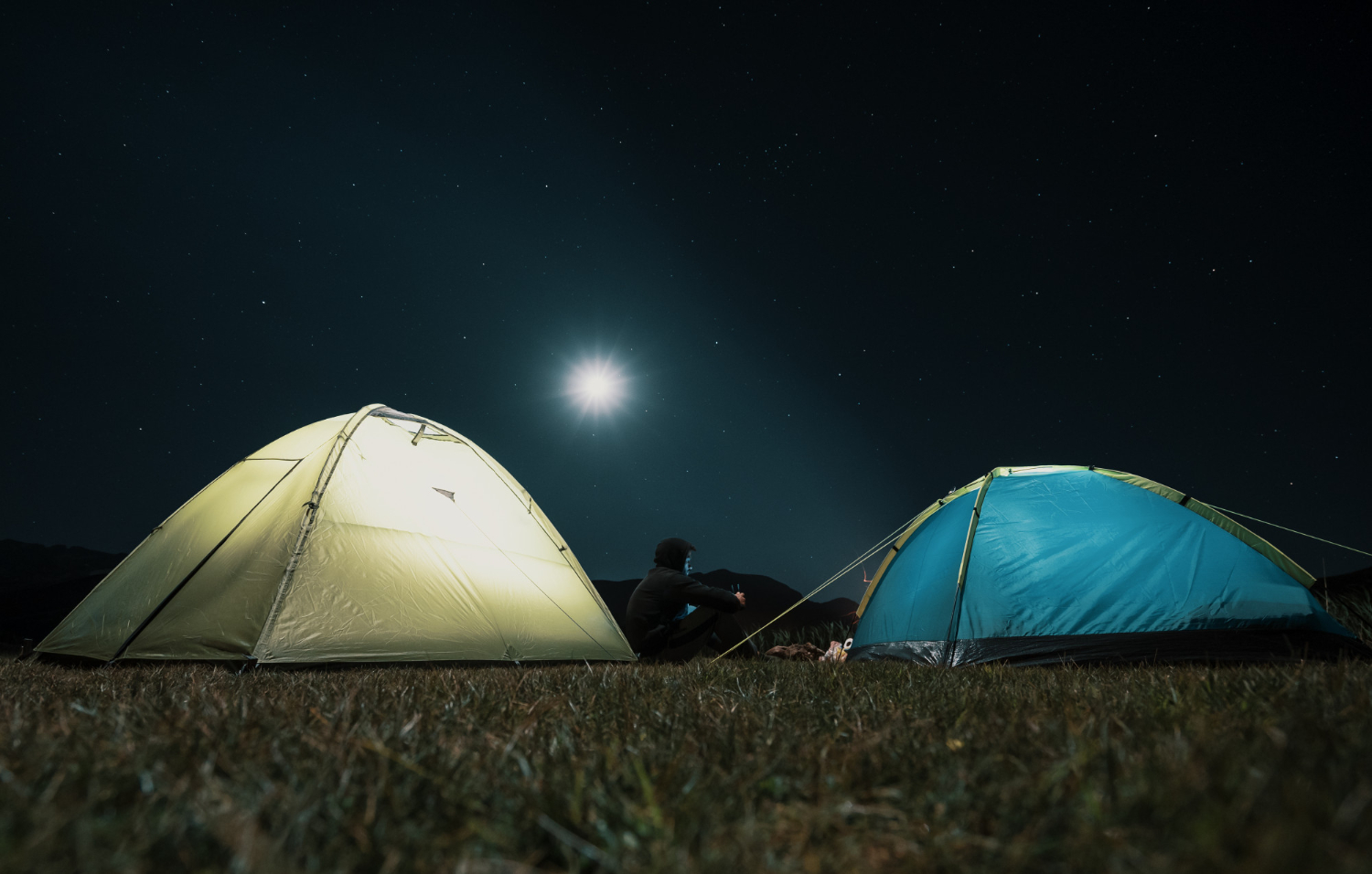
The ’80s camp routinely featured situations where kids walked back to their cabins alone after evening campfires, returning from the lake, or various other after-dark activities. The walks could take 10-15 minutes through wooded trails. Modern camps essentially never allow unaccompanied movement after dark. Buddy systems are mandatory. Counselors escort campers between activities. The freedom of nighttime camp navigation that defined many ’80s memories — the slight scariness, the feeling of independence, the occasional getting lost — has been systematically eliminated.
6. Swimming in lakes without lifeguards or buddy checks

’80s camp swimming routinely happened in unsupervised lake areas. Buddy checks were inconsistent. Lifeguards might be teenage Red Cross-certified swimmers themselves. Multiple kids might be in the water with one watching adult. Modern camps have transformed water safety completely. Documented lifeguard certifications, mandatory buddy check systems, life jackets for non-swimmers, swim testing before any open water activity, lifeguard-to-swimmer ratios, and various other protocols have made ’80s-style lake swimming essentially impossible. The actual drowning prevention has substantially improved; the freewheeling lake-day experience has disappeared.
7. Archery and BB gun ranges with minimal supervision

Many ’80s camps included archery and BB gun ranges as standard activities. Supervision was often a single counselor managing 10-15 kids. Personal protective equipment was inconsistent. Modern camps either eliminate these activities entirely or operate them under substantially stricter protocols: certified instructors, specific supervisor-to-camper ratios (often 1:4 or tighter), required eye protection, documented safety briefings before each session, and limited shot counts per camper. The casual “shoot until you’re tired of it” approach that defined ’80s ranges has been replaced by structured, supervised, brief sessions.
8. Polar bear plunges into 50°F lakes at dawn
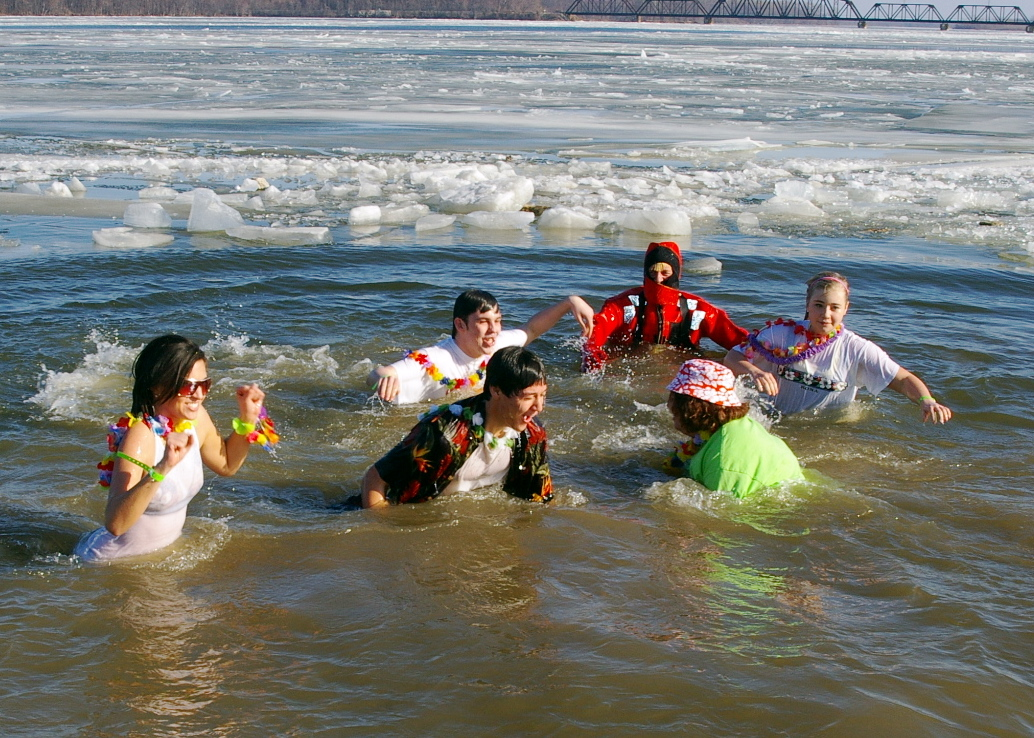
Many ’80s camps maintained traditions of dawn polar bear plunges — kids running into 50°F mountain lakes for “character building.” No medical screening preceded the activity. No liability waivers covered the specific cold-water exposure. No staff were trained in cold-water immersion response. Modern camps have largely eliminated these traditions or operate them with substantial medical pre-screening. The combination of cold-water shock risk, liability concerns about cardiac events, and documented camper deaths from hypothermia-related incidents at various camps has made the casual polar bear plunge a relic of camp history.
9. The all-camp game of capture the flag in the woods at midnight
Massive cross-cabin capture the flag games run through the woods at night were defining ’80s camp experiences — sometimes involving 100+ campers, multiple cabins, and territory covering acres of forest. Adult supervision was minimal. Modern camps have substantially scaled back these activities. The combination of injury risks (kids running through dark woods produce sprains, twisted ankles, occasional more serious incidents), supervision ratios, and parental expectations has produced “capture the flag in a designated lit field” rather than “capture the flag through whatever woods exist around camp.”
10. Eating absolutely anything campers found in the woods

’80s camps routinely involved kids identifying and eating wild edibles — wild berries, edible plants, wild garlic, various fungi. Safety education varied by camp; some kids ate things based on counselor guidance, others on their own assessments. Modern camps essentially never permit this. Foraging is restricted to staff-supervised demonstrations only. Eating anything not provided by camp food service is typically prohibited. The combination of allergies, poisoning risks, and liability concerns has eliminated what was once a routine outdoor education element.
11. Long unsupervised periods of “free time”
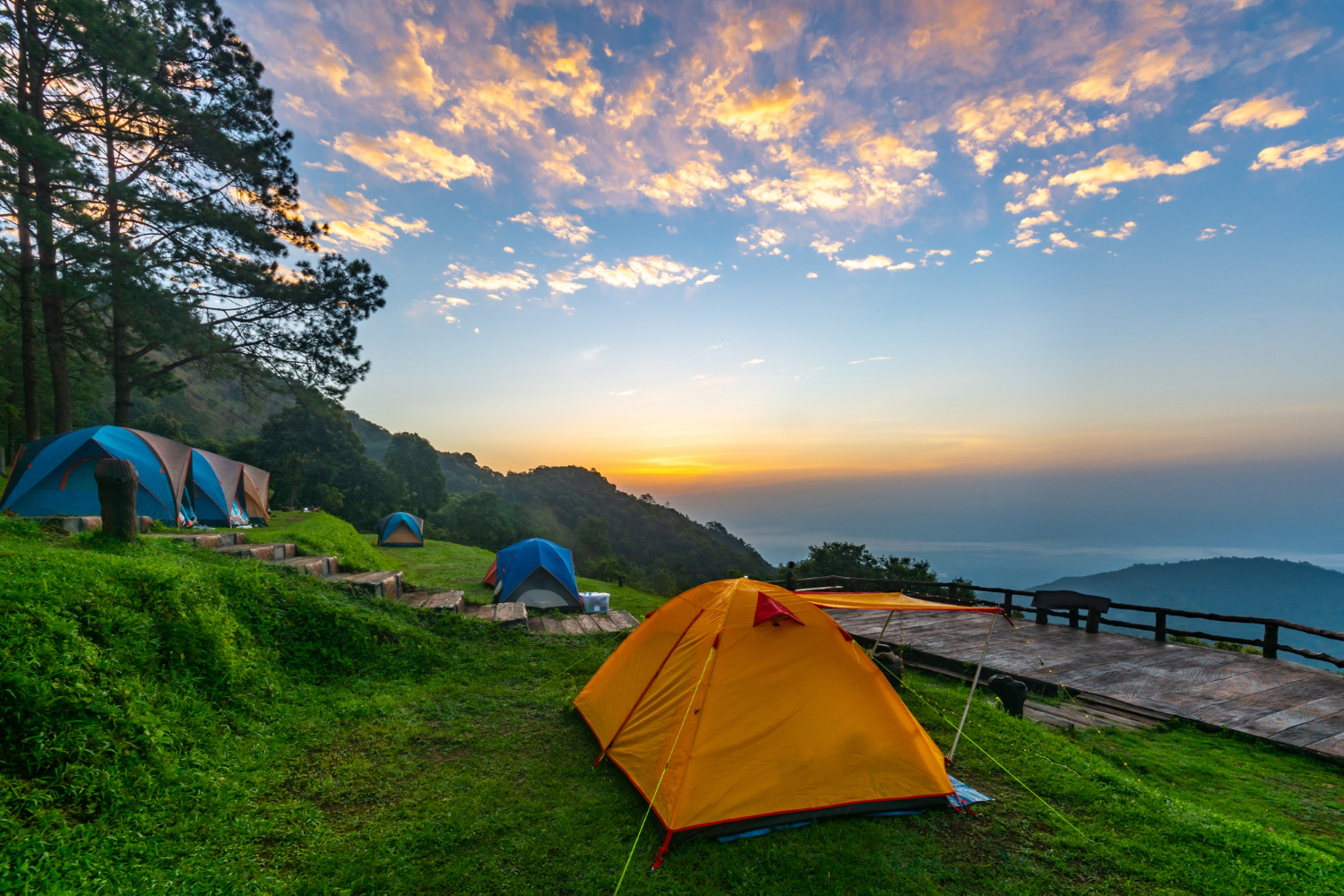
The ’80s camp schedule included substantial unsupervised free time — kids could wander the camp, hang out at the lake, explore woods near camp, do whatever they wanted within general camp boundaries. Modern camps have substantially structured this time. Most operate on schedules where every period has designated activities and supervision. The “go figure out what you want to do” hours that produced so many ’80s camp memories — the hours that taught kids to entertain themselves, navigate social dynamics, and develop independence — have largely been replaced by curated programming.
What the Transformation Actually Reveals
The shift from ’80s summer camp to 2026 summer camp reflects both genuine safety improvements and substantially increased risk aversion. Drowning rates, serious injury rates, and abuse incidents have all declined as professional standards have developed. Parents and campers benefit from better screening, better supervision, and documented protocols. But something specific has also been lost: the unstructured time, the genuine risk-taking, the independence from adults, and the slightly chaotic freedom that defined the ’80s camp experience as a transformative part of childhood for an entire generation. The trade-offs are real on both sides.