The Japanese onsen — natural hot spring bath — is often described as similar to a spa, but the comparison substantially understates how different the experiences are. Japan has approximately 27,000 onsen sources across more than 3,000 onsen towns, supporting an entire cultural ecosystem with specific rituals, etiquette, and meanings that have no Western equivalent. Most international visitors who experience onsens only at hotels miss the substantial cultural depth. Here’s what actually happens at an authentic Japanese onsen — and why getting the etiquette right matters more than at any Western spa.
The onsen (温泉) — Japanese natural hot spring bath — is fundamentally different from Western spa experiences in ways that go substantially beyond cultural variation. Japan’s geological situation (extensive volcanic activity throughout the archipelago) produces approximately 27,000 hot spring sources, supporting a cultural institution that has developed specific rituals over more than a thousand years. The onsen isn’t a leisure activity that emerged from spa culture — it’s a foundational element of Japanese life that organized communities and developed substantial cultural practices long before Western spa traditions developed.
The Geological Reality
Japan sits on the Pacific Ring of Fire, with extensive volcanic activity producing thousands of natural hot springs across the islands. Specific volcanic regions (Hokkaido, Tohoku, Kanto, Kansai, and Kyushu) contain particularly dense onsen concentrations. Different springs produce different water characteristics — sulfur, alkaline, acidic, salt, iron, and various other mineral compositions, each with specific historical claims about health effects. Japanese law specifically defines what qualifies as “onsen” — water must be from underground hot springs, must contain specific minerals at specific concentrations, and must reach specific temperatures naturally rather than through artificial heating. The specific legal definition produces genuine quality differentiation.
The Specific Bathing Procedure
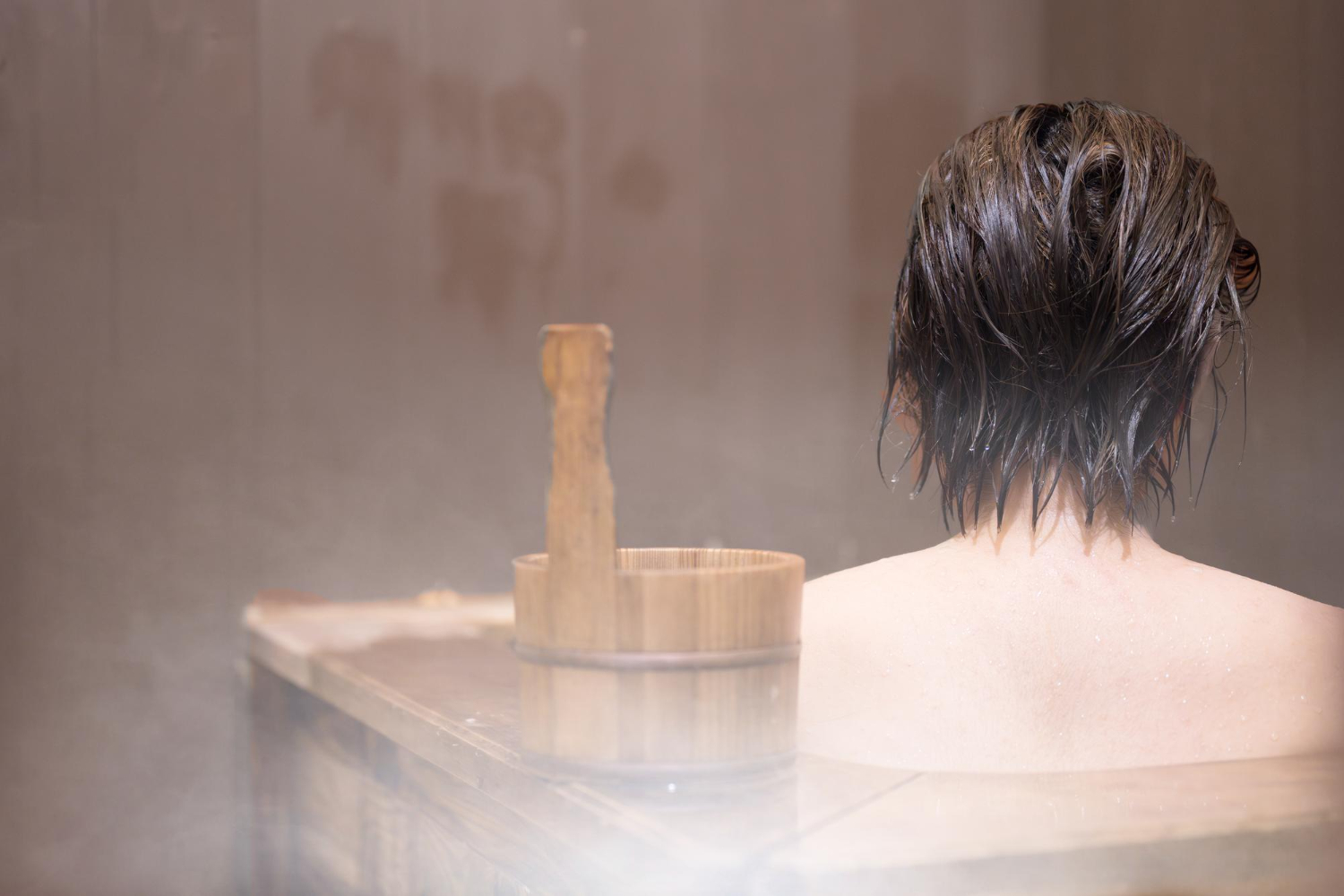
Authentic onsen bathing follows specific procedures that differ from Western bath culture. Bathers undress completely in changing rooms (separated by gender for traditional onsens, with mixed-gender konyoku increasingly rare). Small towels (typically modesty towels) accompany bathers but are placed on heads or beside the bath rather than in the water. Bathers wash thoroughly at seated showers before entering bathing pools — soap, shampoo, complete cleaning is required before any pool entry. Multiple pools may be available with different temperatures, mineral compositions, or features. Bathers move between pools as desired, with extensive cool-down time between hot soaks. Sessions typically last 1-2 hours with multiple immersion cycles.
The Modesty Towel Confusion
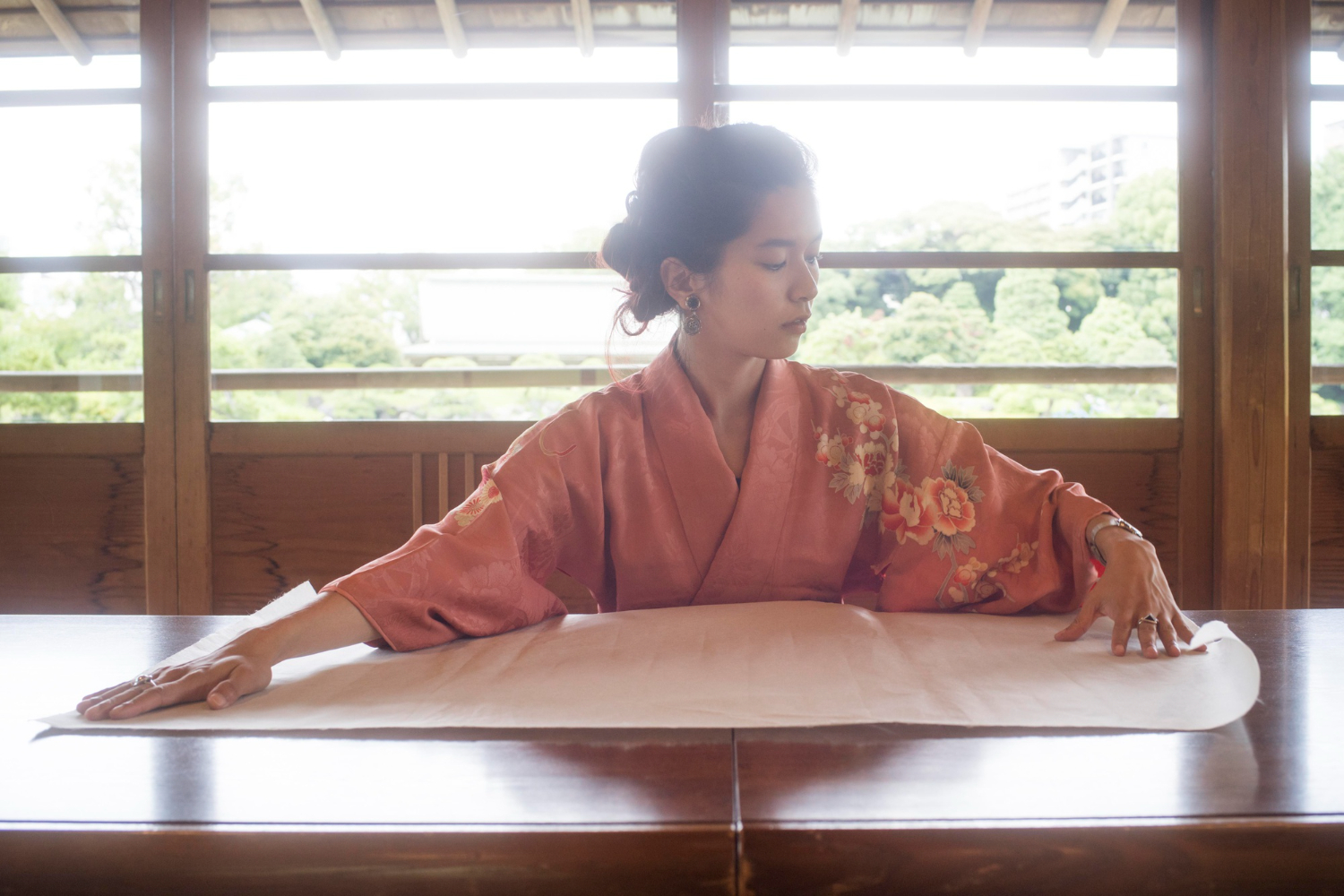
Many Westerners are confused by the small towels carried by Japanese onsen bathers. The towels serve multiple specific purposes. They’re used during the pre-bath washing for scrubbing. They’re carried into bathing areas for occasional use. They’re placed on heads when sitting in pools (preventing dripping into pools and offering modest covering for those who want it). They’re never placed in pool water (considered substantially unhygienic). Many Western visitors carry larger towels which is inappropriate. Onsens typically provide appropriate small towels for guests, and using them correctly demonstrates cultural respect. Improper towel use is one of the most common etiquette violations by Western visitors.
The Tattoo Issue
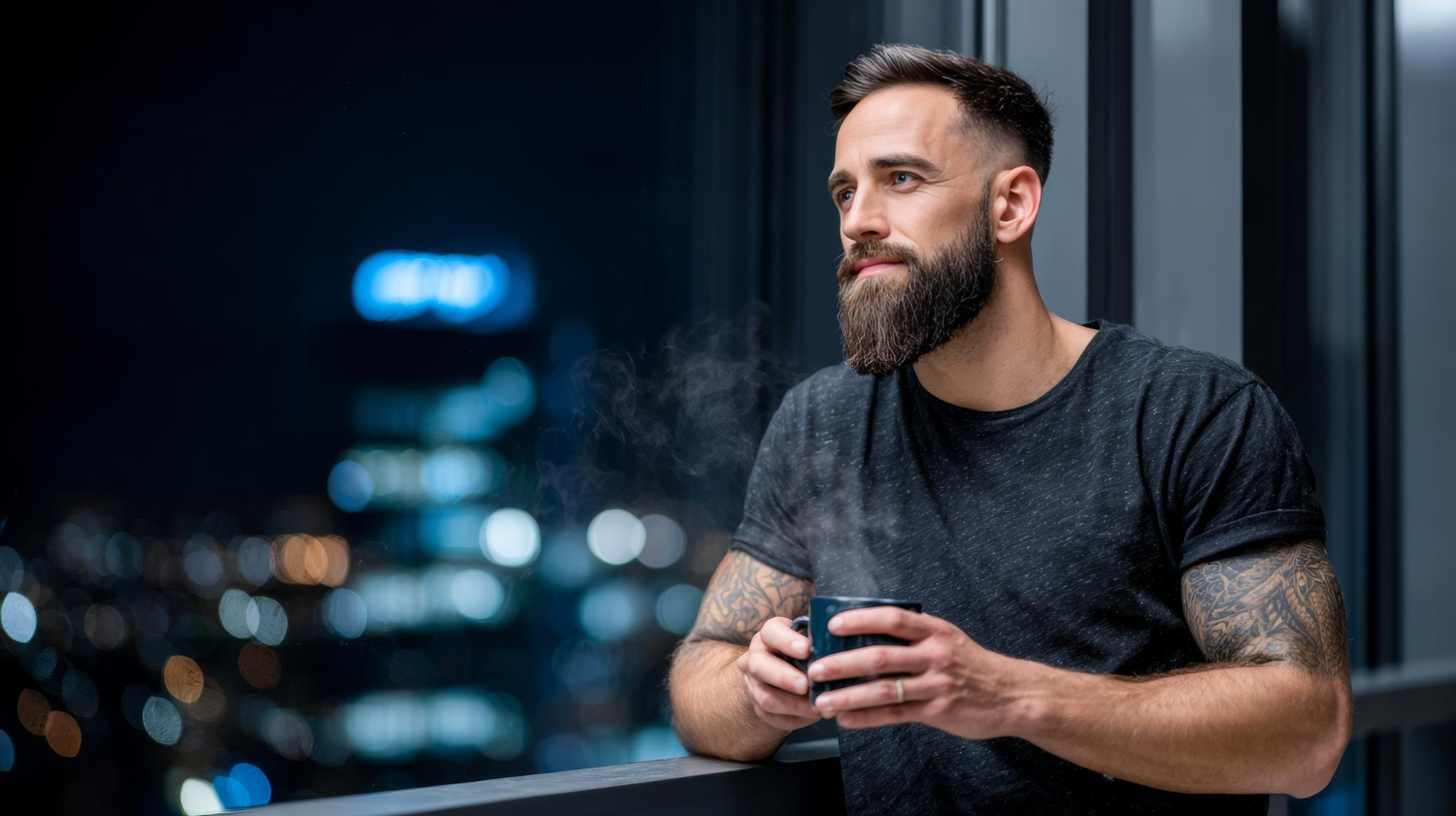
A specific complication for Western visitors involves tattoos. Many traditional Japanese onsens prohibit visible tattoos due to historical association with yakuza (Japanese organized crime). The prohibition isn’t directed at Westerners specifically but applies universally. Visitors with tattoos may face refusal at traditional onsens. Some specific responses are available: small tattoos may be covered with bandages provided by the onsen. Some onsens have begun accepting tattooed visitors as Japan adapts to international tourism. Specific tattoo-friendly onsens exist and can be researched in advance. Private rotenburo (outdoor pools rented by individuals or families) provide alternatives for tattooed visitors. The issue reflects genuine cultural differences rather than discrimination, though it produces practical complications.
The Specific Etiquette Rules
Successful onsen experience requires specific etiquette rules that vary from Western bath culture. No swimming or playing in pools (these are bathing pools, not swimming pools). No food or drink in bathing areas. No talking loudly or using phones. Hair must be tied up if long enough to enter water. Showers must be conducted seated, not standing. Soap must be completely rinsed before pool entry. Towels must not enter pool water. No splashing. No diving. Specific time limits aren’t typically enforced but excessive time in single pool is impolite when others are waiting. Body washing should be substantially complete before pool entry. Various other specific rules exist and vary slightly by establishment.
The Onsen Town Experience
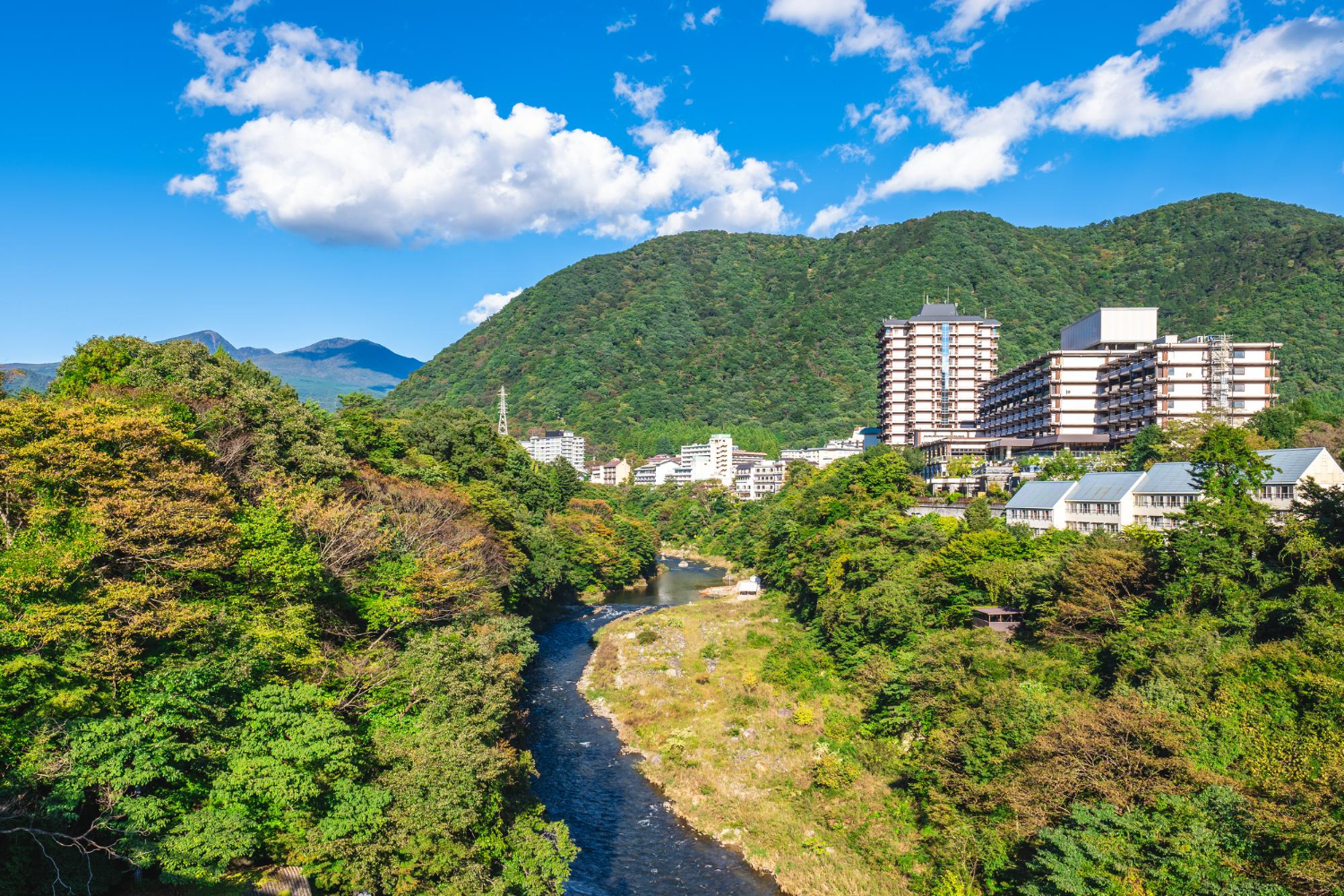
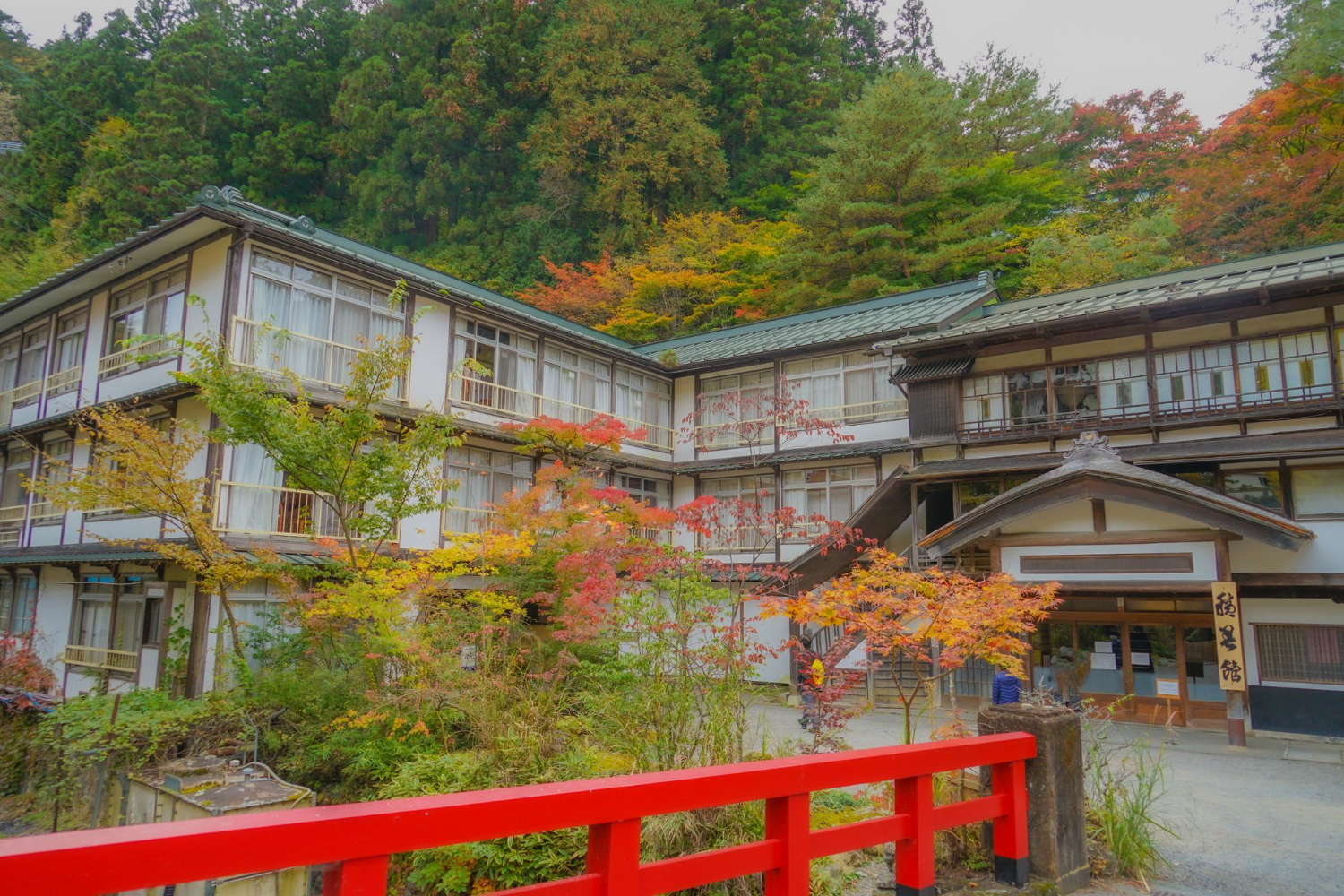
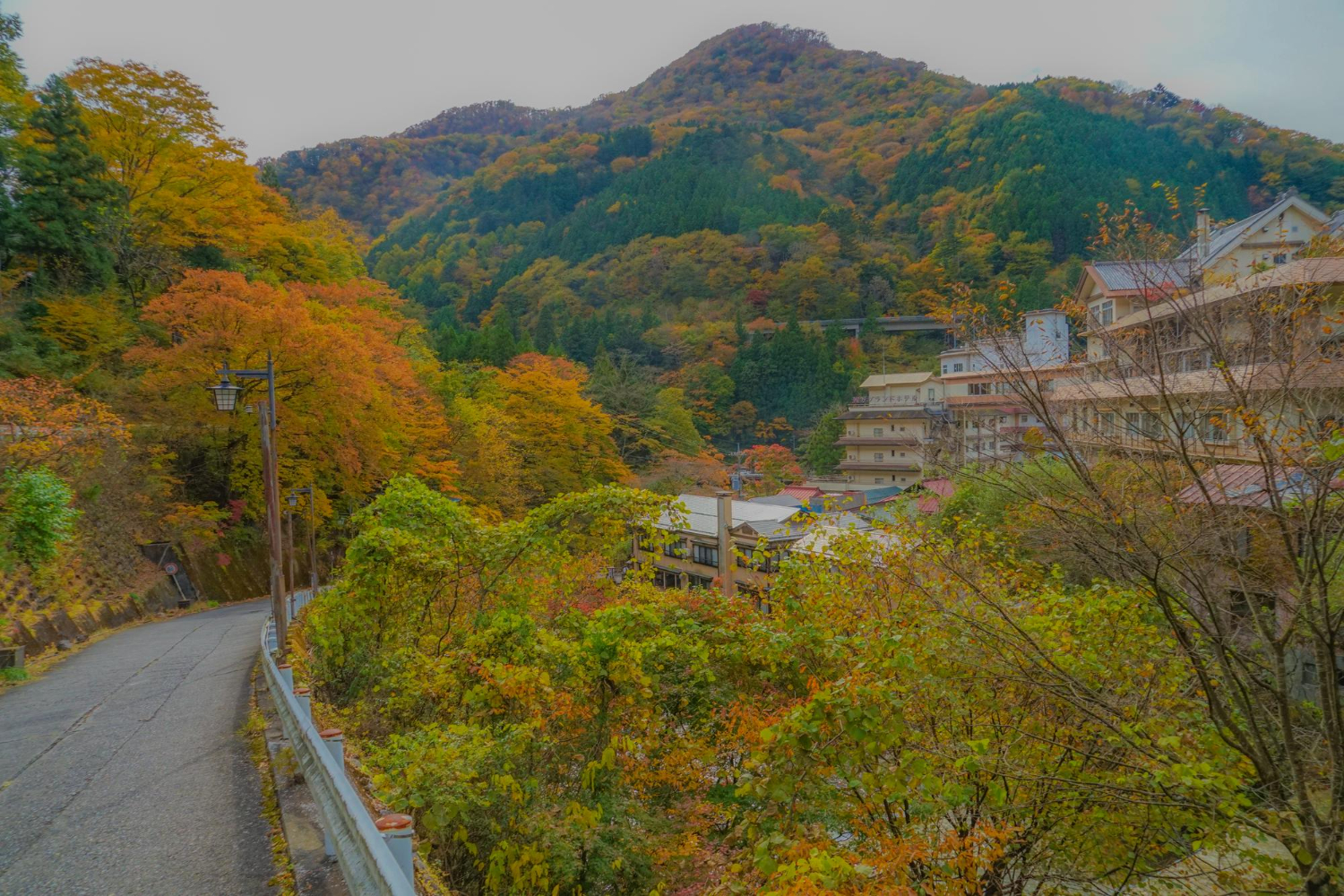
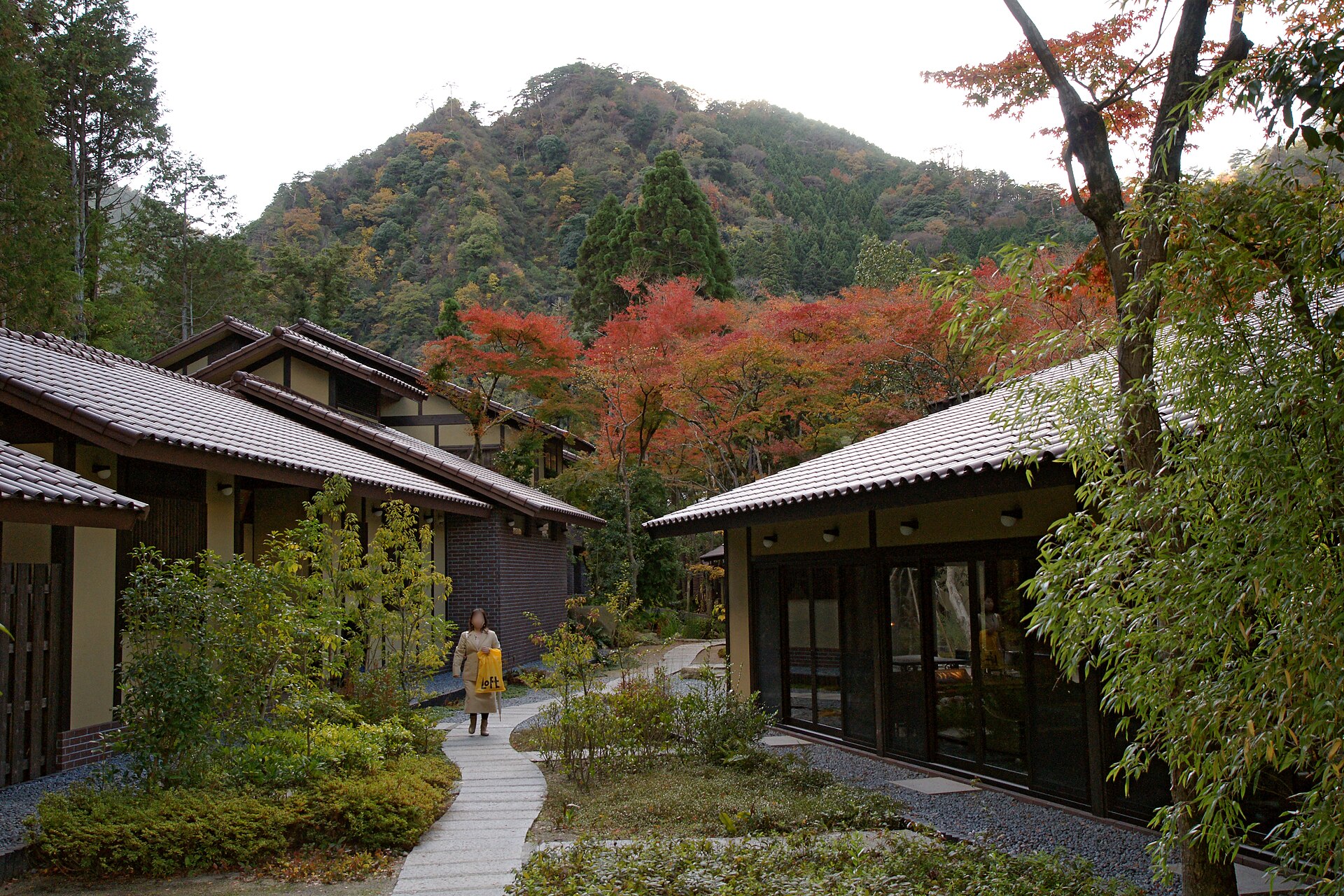
Beyond individual bathing, the onsen town (温泉街 onsen-gai) experience represents a specific Japanese cultural institution. Onsen towns are entire communities organized around their hot springs — typically including multiple ryokan (traditional inns), public bathhouses, restaurants serving regional specialties, traditional shopping streets, and various other amenities. Famous examples include Hakone (near Tokyo), Kusatsu (Gunma Prefecture), Beppu (Kyushu), Noboribetsu (Hokkaido), Kinosaki (near Kyoto), and dozens of others. Visitors typically stay at ryokan for specific 1-2 night packages including dinner (traditional kaiseki cuisine), breakfast, and unlimited access to onsen facilities. The total experience includes substantial cultural elements beyond just bathing.
Ryokan Culture
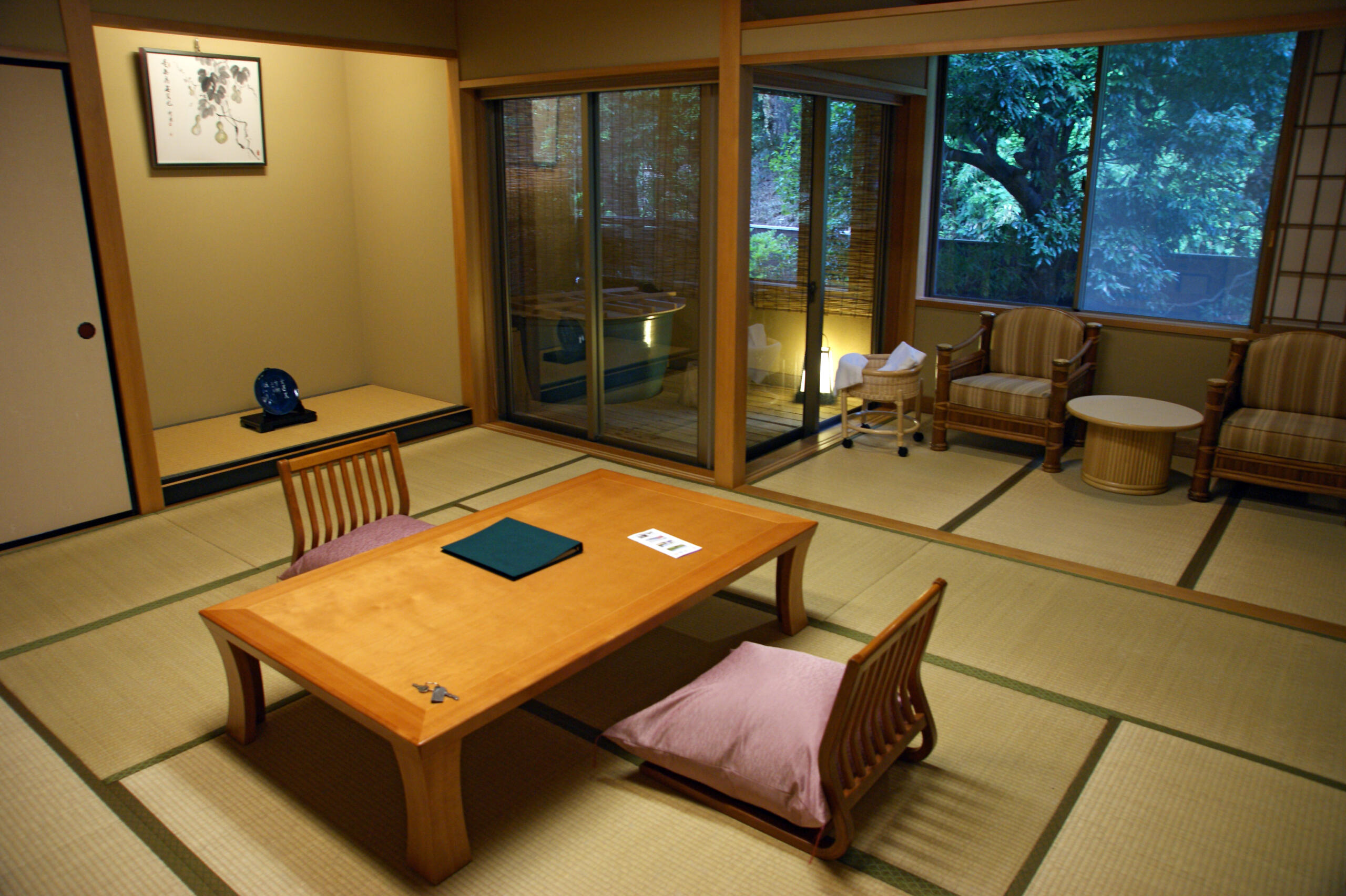
Ryokan (traditional Japanese inns) provide the standard accommodation framework for onsen visits. Specific characteristics: tatami mat floors in rooms, futons unrolled at bedtime by staff (rather than fixed beds), traditional yukata robes provided for guest wear throughout stay, communal bathing facilities (sometimes private bath options for additional cost), traditional Japanese meals (typically multi-course kaiseki dinner and traditional breakfast), substantial service and ritual surrounding meals and stay. Ryokan rates are typically substantially higher than Western hotel equivalents but include meals and various services. The ryokan experience is integral to authentic onsen culture and shouldn’t be replaced by Western hotel stays for visitors specifically seeking traditional experience.
The Health Claims
Different mineral compositions support specific traditional health claims. Sulfur springs are claimed to treat skin conditions. Salt springs are claimed to improve circulation. Acidic springs are claimed to have anti-bacterial effects. Alkaline springs are claimed to soften skin. Iron springs are claimed to treat anemia. The traditional claims have varying scientific support — some are reasonably well-documented, others are essentially folklore. Modern Japanese medical institutions continue to recognize onsen therapy as legitimate complementary medicine for specific conditions. Visitors shouldn’t expect dramatic health effects from short visits, but regular onsen use over time appears to have measurable health benefits.
The Famous Onsen Towns
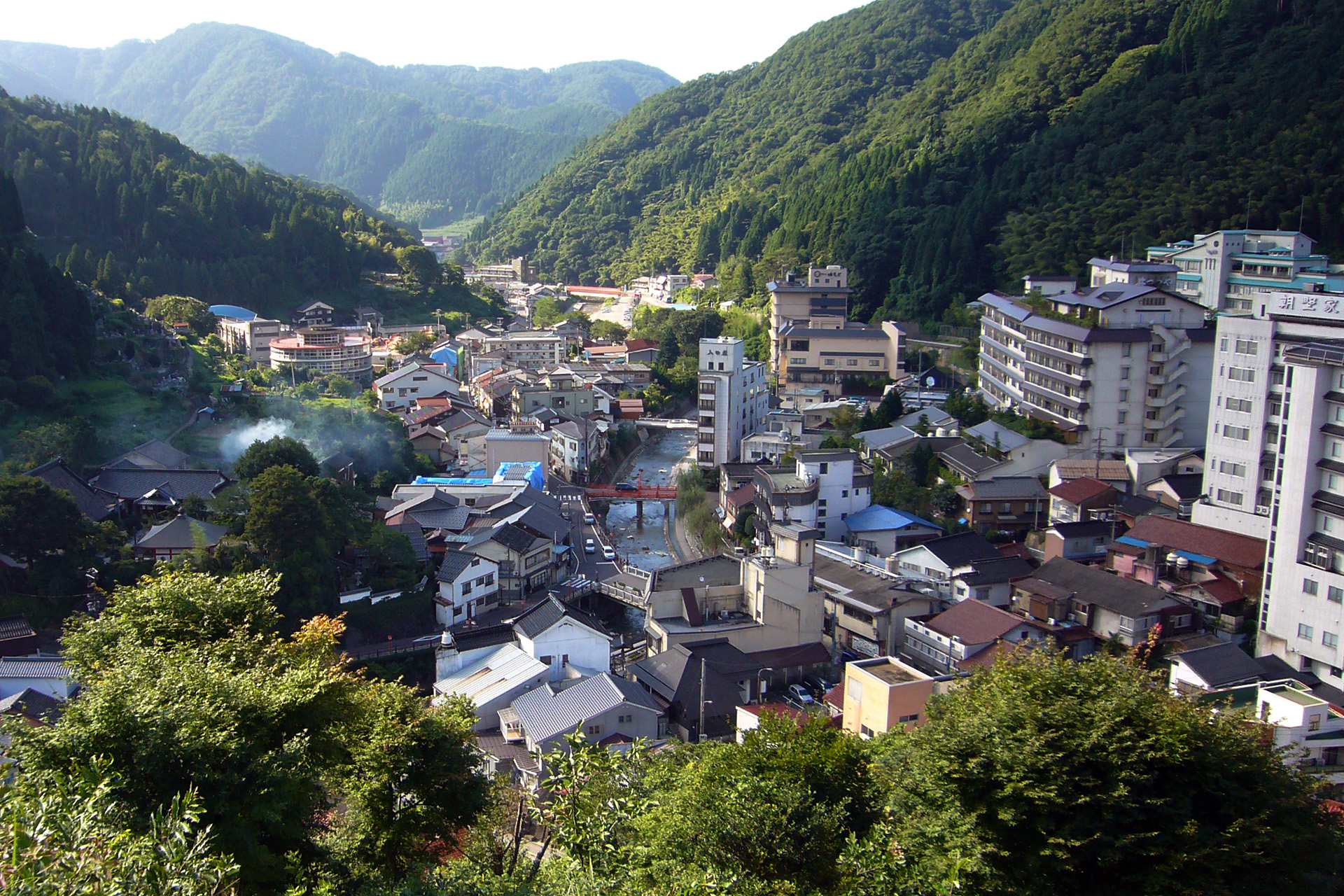
Several specific onsen towns are particularly famous and worth visiting: Hakone (near Tokyo, accessible day trip, dramatic Mount Fuji views from many baths). Kusatsu (Gunma, sulfur-rich water with traditional yumomi water-mixing performances). Beppu (Kyushu, eight different onsen districts including unusual options like sand baths and mud baths). Noboribetsu (Hokkaido, Hell Valley with dramatic volcanic landscape). Kinosaki (near Kyoto, traditional onsen town atmosphere with seven public baths visited via yukata-clad walking tour). Yufuin (Kyushu, beautiful mountain setting with eclectic shopping). Hakuba (Nagano, combines onsen with skiing in winter). Each provides specific characteristics that distinguish from generic onsen experience.
How International Visitors Should Approach Onsens
Practical guidance for international visitors planning onsen experience: research specific onsens before visiting, with attention to tattoo policies and English language support. Stay at a ryokan rather than hotel for most authentic experience. Try multiple onsens during a single trip to experience variety in mineral compositions and atmospheres. Don’t rush — onsen visits work best with substantial time investment (overnight stays minimum, ideally multi-day onsen town visits). Follow etiquette rules carefully — appropriate behavior matters substantially. Bring appropriate toiletries (most onsens provide soap and shampoo but specific brands may differ from preferences). Don’t drink heavily before or during onsen use (alcohol and hot water combination can produce dangerous effects). Be respectful of other guests — onsens are quiet spaces.
What Onsens Actually Represent
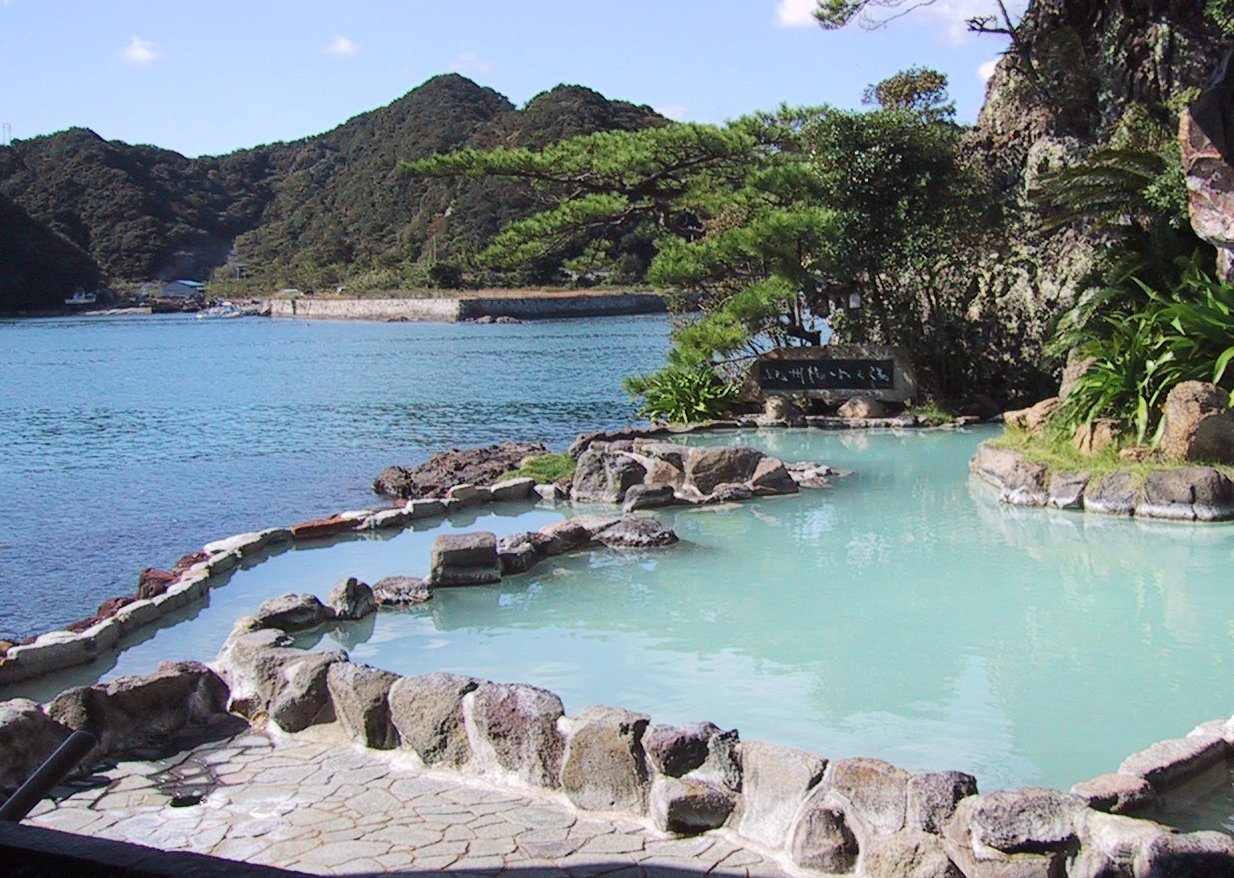
The Japanese onsen represents something specific that Western spa culture cannot quite replicate. The combination of geological reality (genuine natural hot springs), cultural depth (1,000+ years of practice), specific etiquette (developed over centuries), community institutions (entire onsen towns), and integration with broader Japanese culture (ryokan, kaiseki cuisine, yukata, etc.) produces an experience that exists nowhere else. Visitors who only experience hotel-spa versions of onsens miss substantially what makes the cultural institution distinctive. Those who invest the time to experience authentic onsen towns, follow appropriate etiquette, and engage with the broader cultural framework typically describe the experience as among the most memorable aspects of Japanese travel. The onsen isn’t a luxury or wellness trend — it’s a foundational cultural practice that has organized Japanese life for over a millennium and continues to provide substantial value in contemporary Japanese society.