An Italian standing at a bar drinking espresso pays €1. The same espresso at a table costs €3-4. The same person ordering cappuccino after 11 AM is identifying themselves as a tourist before saying anything else. Italian coffee culture operates under specific rules developed over centuries that most international visitors break repeatedly without realizing why local baristas seem amused or annoyed. Understanding the actual rules transforms the Italian coffee experience from confusing tourist mistake into one of the more genuine cultural experiences available in Italy.
Italian coffee culture differs from American coffee culture in essentially every meaningful way. The coffee itself is different (espresso-based rather than drip-brewed). The serving sizes are different (substantially smaller). The pricing structure is different (location-based, not size-based). The timing rules are different (specific drinks for specific times of day). The social rituals are different (standing at bars rather than sitting). The menu is different (drinks Americans expect typically don’t exist). Understanding what Italians actually do at coffee bars requires substantial cultural recalibration that most American visitors never quite achieve.
The €1 vs €3 Pricing Reality

Italian coffee bars operate two-tier pricing based on where you consume your coffee. Standing at the bar (al banco): €1-1.50 for an espresso. Sitting at a table (al tavolo): €3-5 for the same espresso. The price difference reflects table service costs and isn’t about the coffee itself. Italians overwhelmingly choose to stand at the bar — quick consumption, lower cost, social interaction. Tourists who don’t realize the pricing structure often sit down at tables and pay 3-4x what locals pay. The pricing isn’t hidden — it’s typically posted on signs — but the system isn’t intuitive to visitors expecting standard café service patterns.
The 11 AM Cappuccino Rule
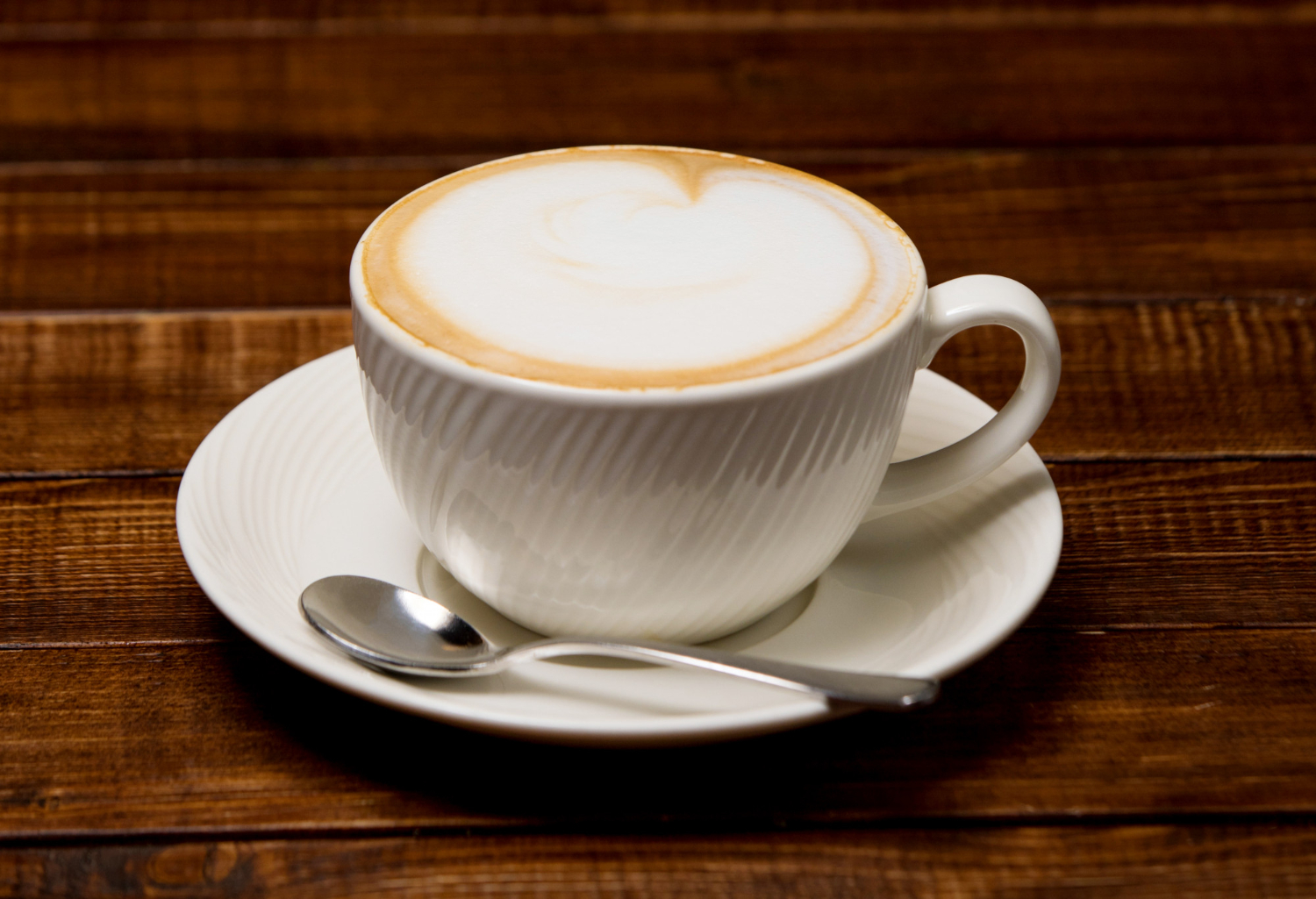
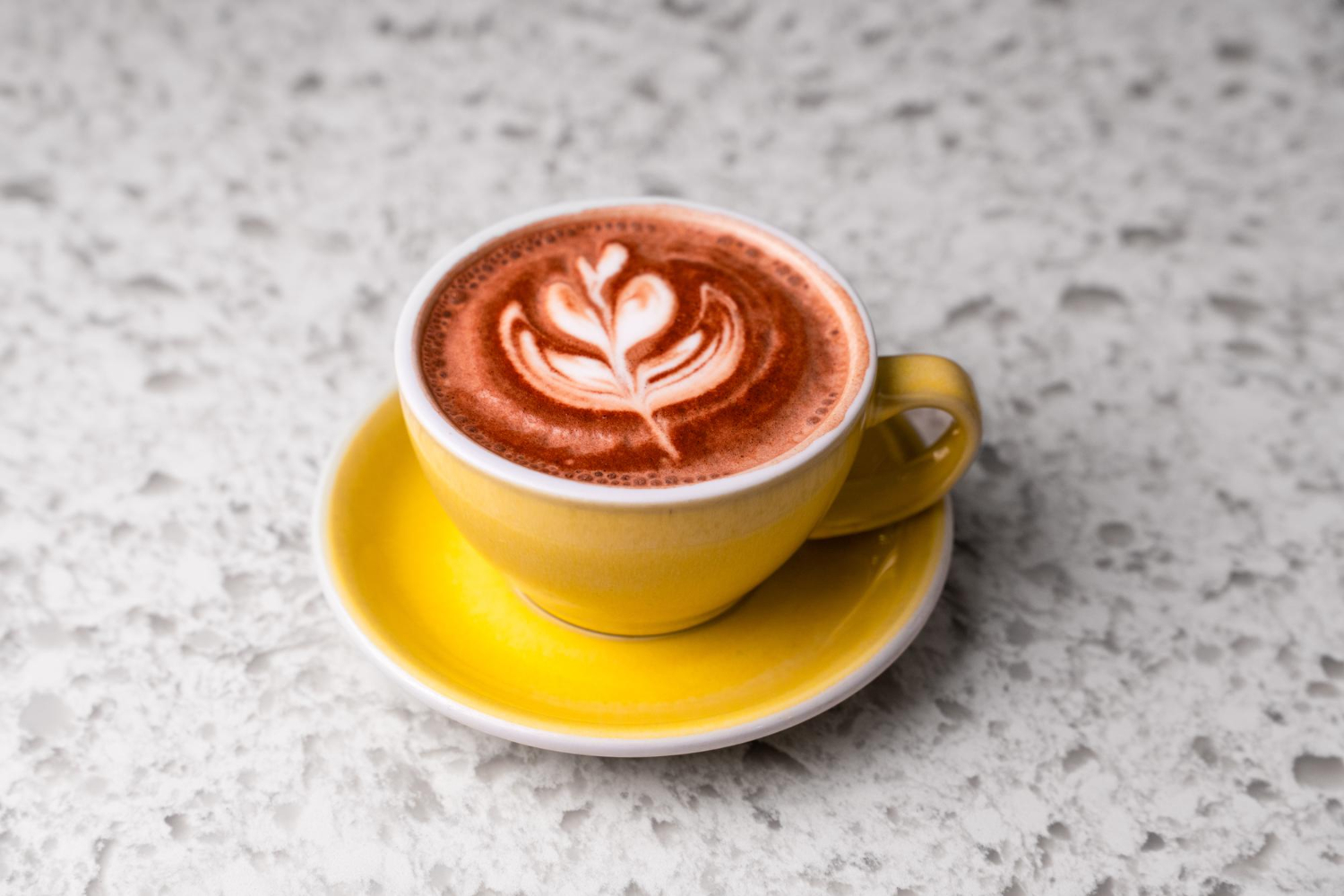
The most-quoted Italian coffee rule: cappuccino is consumed only at breakfast, never after approximately 11 AM. The traditional reasoning involves the substantial milk content — Italians believe milk-heavy drinks are inappropriate after meals because they interfere with digestion. The rule is genuinely cultural. Italians ordering cappuccino at 2 PM will mark themselves as foreigners immediately. Baristas typically serve the requested drink without comment but cultural identification has occurred. After-meal coffee should be espresso, macchiato, or possibly cappuccino made with very little milk — not a full milky cappuccino. The rule isn’t strictly enforced but is genuinely followed by most Italians.
The Espresso Default
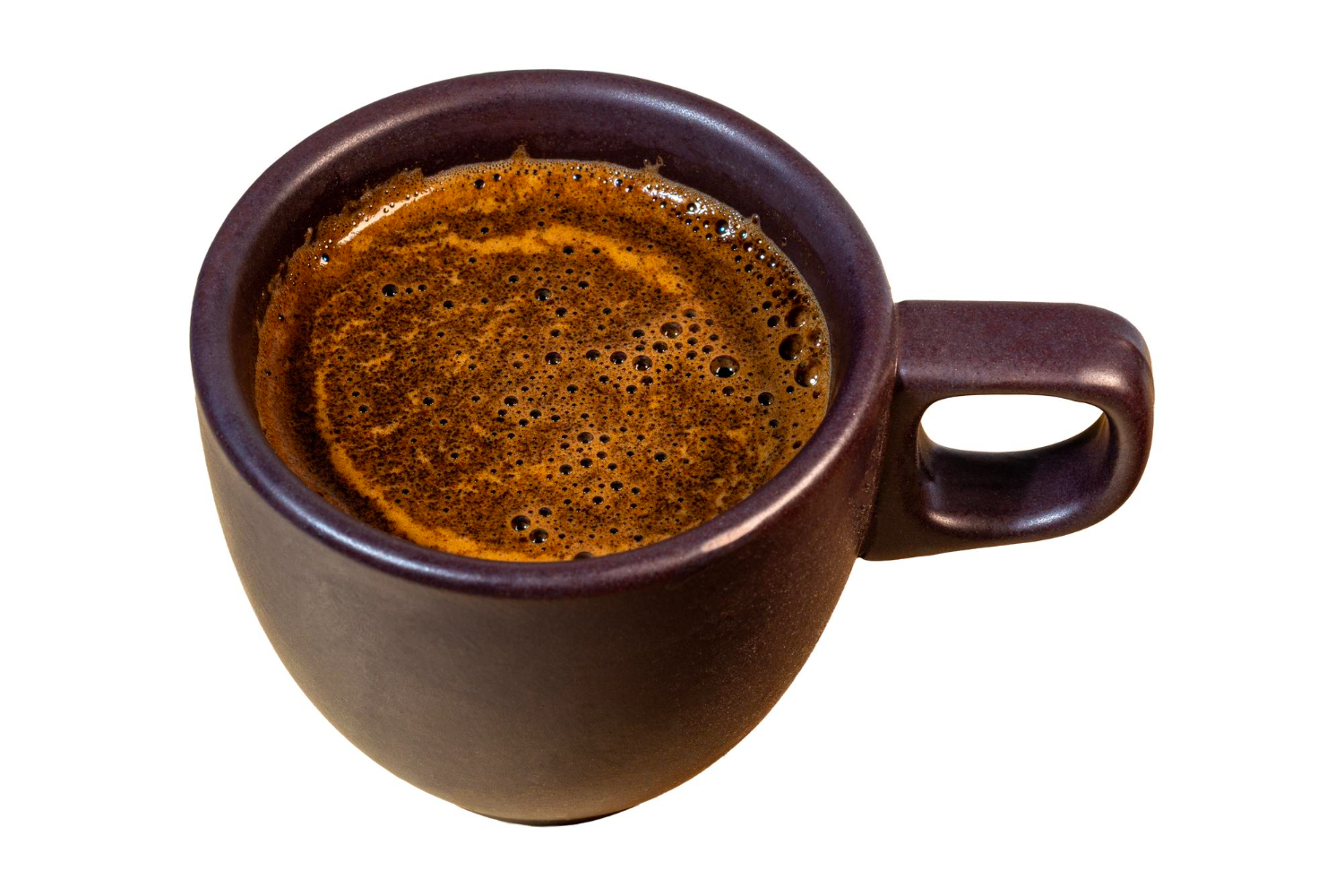
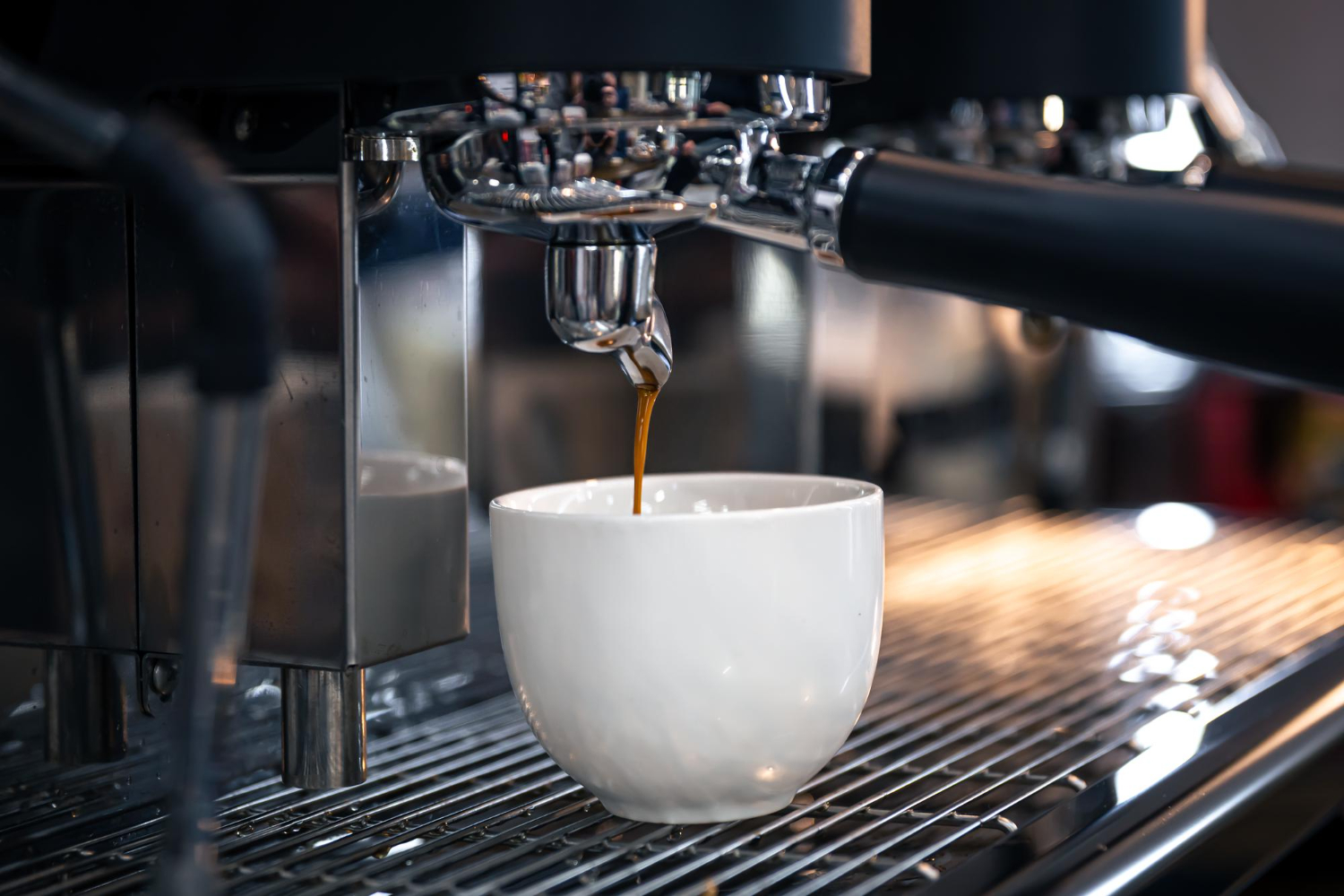
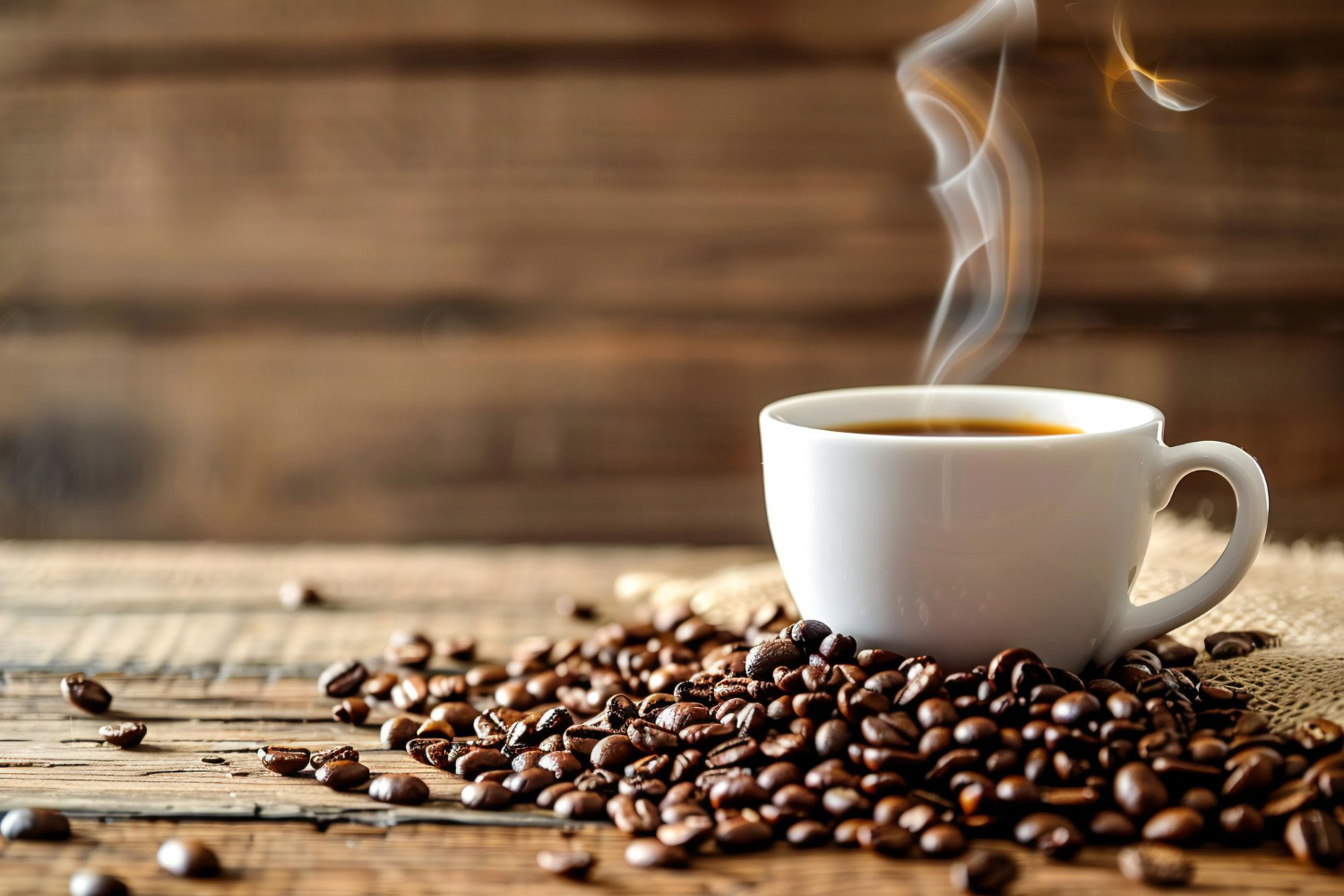
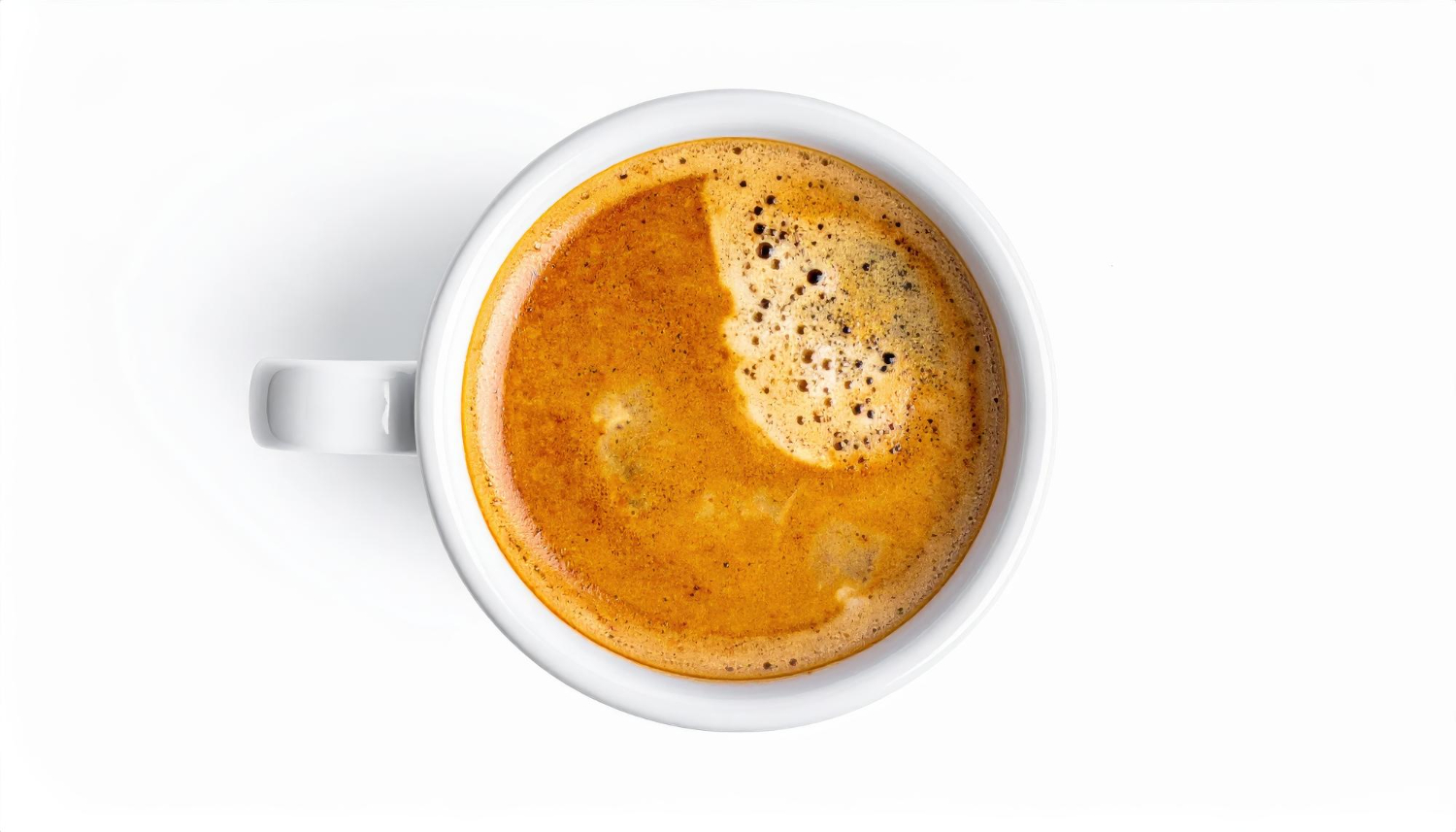
When an Italian orders “un caffè” (a coffee), they’re ordering espresso. The default coffee in Italy is espresso — a small concentrated shot served in a tiny ceramic cup. The drink is consumed in 2-3 sips, often standing at the bar. Total time from ordering to finishing: typically under 5 minutes. The espresso is the standard coffee experience throughout Italy, served at breakfast, between meals, after lunch, after dinner, and various other times. Americans expecting drip coffee, cold brew, or other alternatives need to specifically order them — and many alternatives that exist in American cafés simply aren’t available in traditional Italian coffee bars.
The Specific Italian Coffee Vocabulary
Italian coffee vocabulary differs substantially from American conventions. Caffè = espresso (the default). Caffè doppio = double espresso. Caffè lungo = espresso made with more water (still small). Caffè ristretto = espresso made with less water (more concentrated). Caffè macchiato = espresso “marked” with small amount of milk foam. Cappuccino = espresso plus equal parts steamed milk and foam, served in larger cup. Caffè latte = espresso plus substantial steamed milk (Americans saying “latte” alone often receive just hot milk). Caffè americano = espresso diluted with hot water (closer to American drip coffee). Caffè marocchino = espresso with cocoa and milk foam. Caffè corretto = espresso with shot of grappa or other liquor. Each has specific preparation and traditional consumption context.
What “Latte” Actually Means in Italy
The word “latte” in Italian means “milk.” If you walk into an Italian coffee bar and order “a latte,” you’ll receive a glass of hot milk with no coffee. The American coffee drink that English-speakers call “latte” is properly called “caffè latte” in Italy. The vocabulary distinction trips up substantial numbers of American visitors who don’t realize they’re ordering plain milk. Italian baristas typically clarify the order rather than serve unhelpful hot milk, but the linguistic confusion is genuine. American chain café conventions that abbreviated “caffè latte” to “latte” don’t translate to the original Italian context.
The Standing-at-Bar Social Ritual
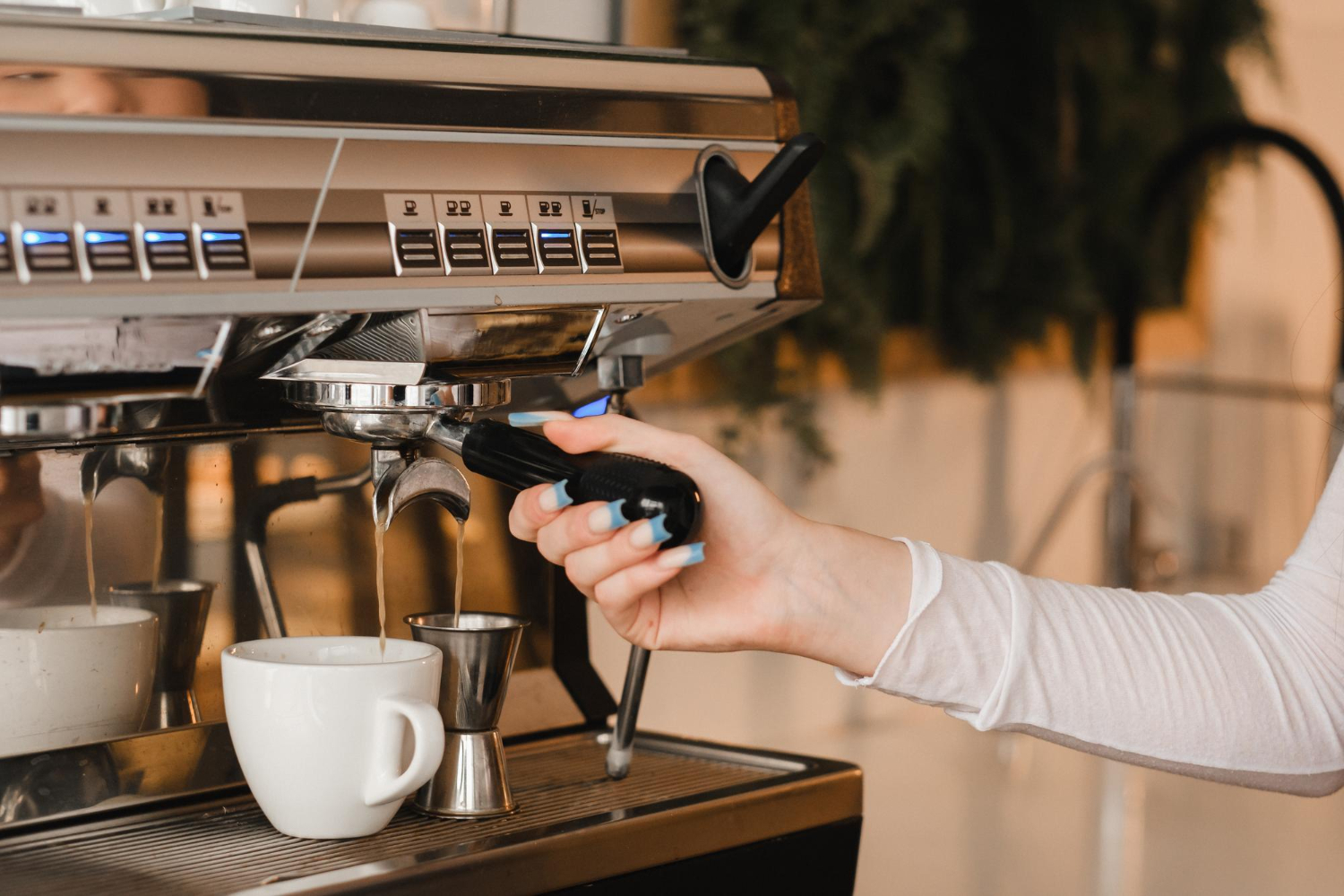
Italian coffee bars function as social spaces in specific ways American cafés don’t replicate. Italians stand at the bar, exchange brief greetings with baristas they often know personally, drink their coffee in a few minutes, and leave. The interaction provides social connection without substantial time investment. Bars in residential neighborhoods serve specific recurring customers who have specific routines (the barista may begin preparing their usual order when they enter). The social ritual is genuinely meaningful — it’s how many Italians maintain neighborhood social connections. Tourists who sit at tables miss this aspect entirely. Standing at the bar provides better cultural experience than table service even when the latter would be more comfortable.
The Specific Time-of-Day Patterns

Italians follow specific coffee patterns throughout the day that don’t match American conventions. Breakfast (7-9 AM): cappuccino with cornetto (Italian croissant), or espresso. Mid-morning (10-11 AM): espresso break, often with brief social interaction. Lunch finish (around 2 PM): espresso to conclude the meal. Afternoon (3-5 PM): another espresso or possibly an aperitif. After dinner (8-10 PM): espresso again. Total daily coffee consumption: typically 3-5 espressos per day for many adult Italians. The pattern provides regular caffeine spikes throughout the day rather than the larger morning consumption that defines American patterns.
The “Coffee to Go” Problem
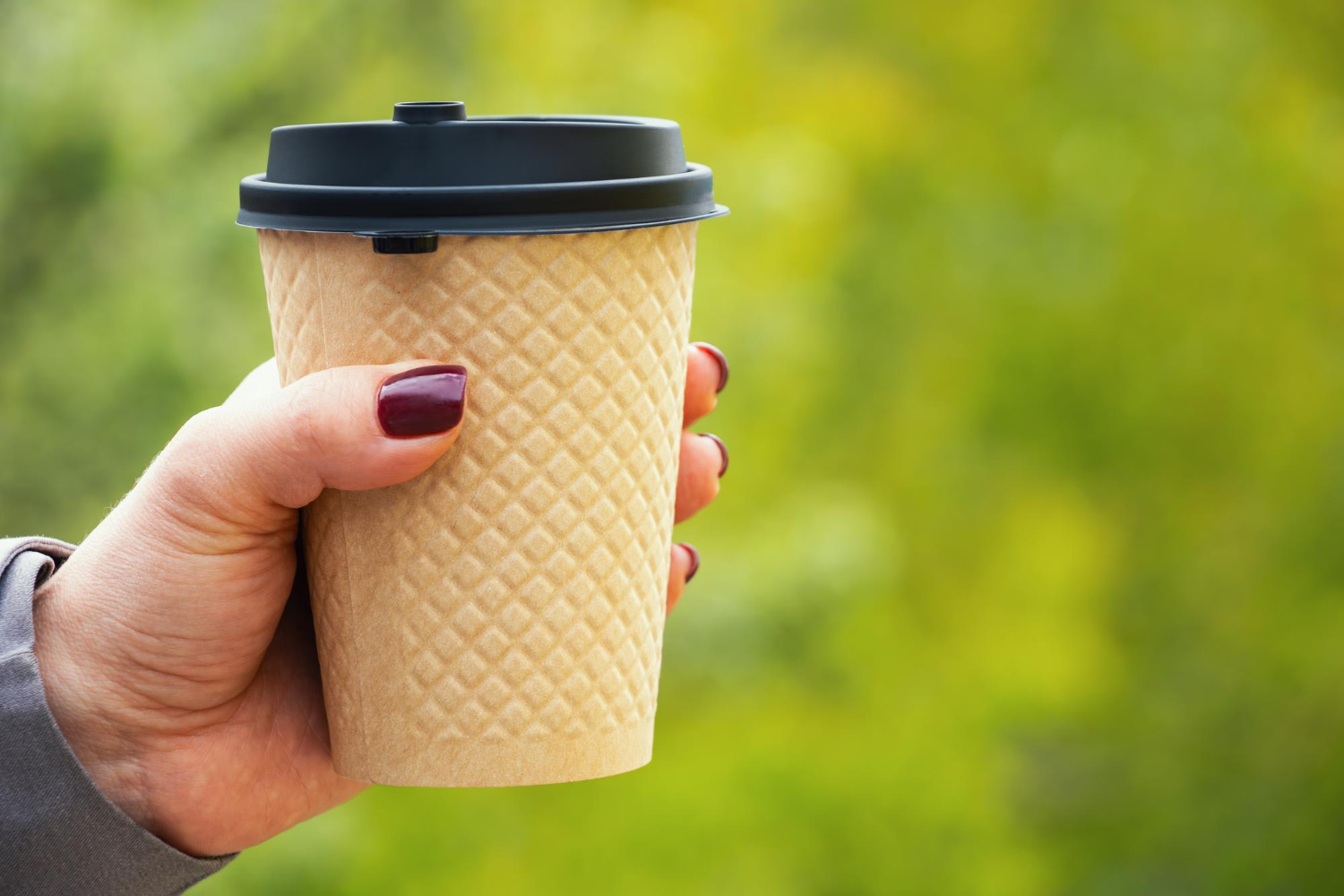
Italian coffee culture has substantially resisted the “coffee to go” pattern that dominates American consumption. Disposable cups are uncommon in traditional Italian coffee bars. The expectation is that coffee is consumed at the bar, in the cup it was served in, within a few minutes. Modern tourist-oriented locations may offer takeaway service, but it’s culturally marginal. The reasoning involves coffee quality (espresso loses character quickly), social ritual (the standing-at-bar tradition), and aesthetic considerations (Italians don’t typically walk through cities carrying cups of coffee). American visitors who expect to take coffee with them often discover the option simply isn’t available at traditional bars.
The Sugar Question
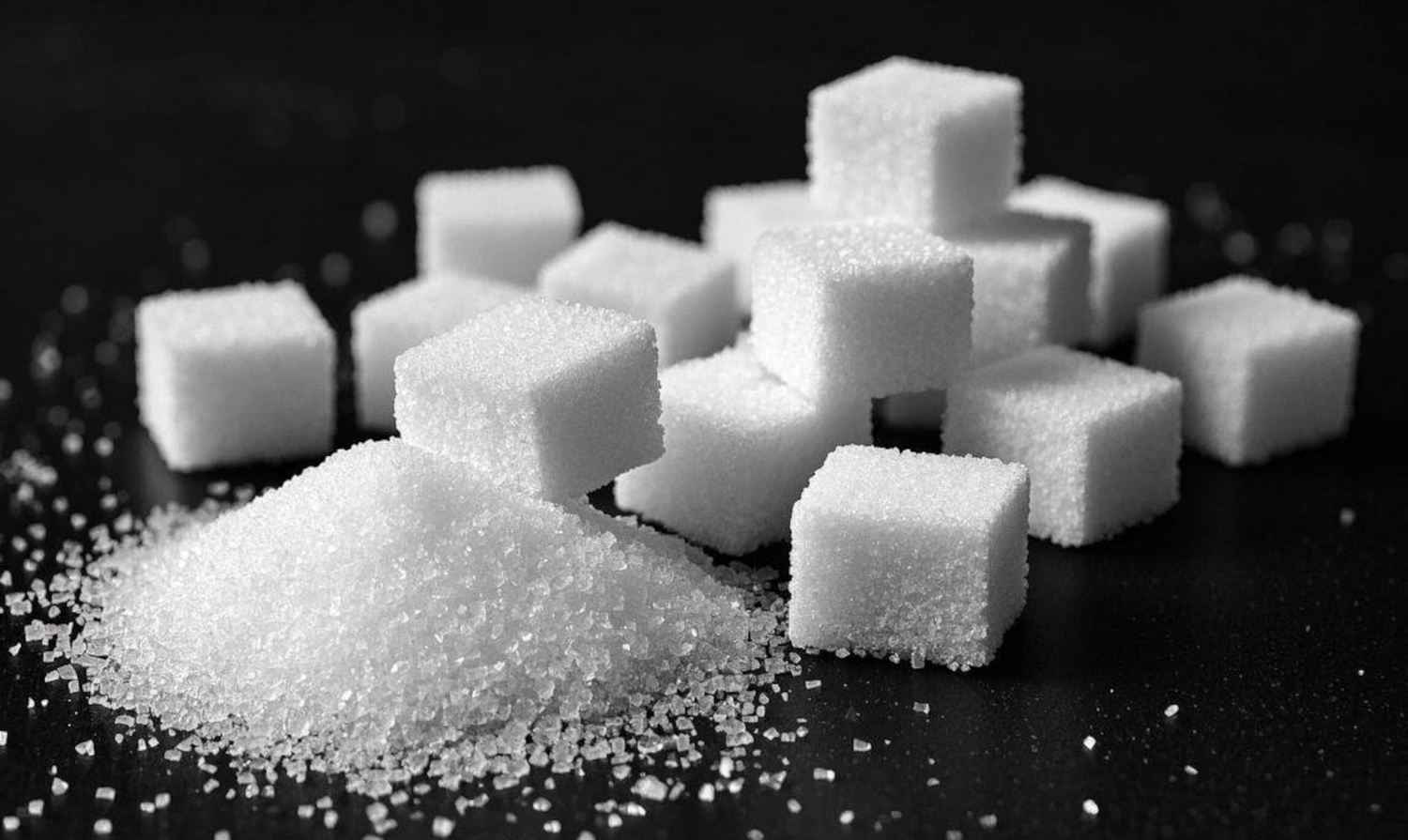
Italian coffee is typically served with substantial sugar by Italian standards but minimal sugar by American standards. The traditional approach: a small packet of sugar (typically less than 5 grams) is added and stirred briefly. The bottom of the cup typically retains undissolved sugar that forms a sweet sludge consumed last. Americans accustomed to either no sugar or substantial flavored syrups find Italian sugar conventions unfamiliar. The Italian relationship with sugar is moderate — enough to slightly sweeten the espresso but not enough to substantially mask the coffee flavor. American sugar maximalism (substantial flavored syrups, whipped cream, etc.) isn’t really part of Italian coffee tradition.
The Tipping (Non-)Convention
Italian coffee bars do not have substantial tipping conventions. Service charge (coperto) is sometimes included for table service but rarely expected at the bar. Leaving small change (€0.10-0.20) on the bar is appreciated but not expected. The American convention of tipping percentages doesn’t apply to Italian coffee bars. Visitors who tip generously aren’t being rude — they’re being culturally inappropriate by Italian standards. The transaction is simple: order coffee, drink coffee, pay (typically at separate cashier station, then present receipt at bar), leave. The streamlined process reflects Italian preference for efficient coffee consumption rather than extended service interactions.
What This All Reveals About Italian Coffee Culture
The specific rules that govern Italian coffee culture reflect approximately 500 years of accumulated cultural practice. Coffee arrived in Italy in the late 16th century. Italian coffee bars (caffè) have existed since at least 1645, when Caffè Florian opened in Venice. The cultural patterns developed gradually as coffee integrated with Italian social life. Modern Italian coffee culture reflects this accumulated history — every specific rule has historical reasoning and continues serving social functions for Italian users. American coffee culture, in contrast, developed primarily through 20th-century commercial chain expansion (Starbucks specifically) that created different conventions. The two systems aren’t comparable as better or worse — they’re different cultural products with different functions. Visitors to Italy who learn the Italian rules can participate in genuine cultural experience that mainstream tourism rarely accesses. Those who don’t learn the rules essentially experience a substandard version of what Italian coffee actually offers — paying tourist prices for tourist experience while missing what makes Italian coffee culture genuinely distinctive.