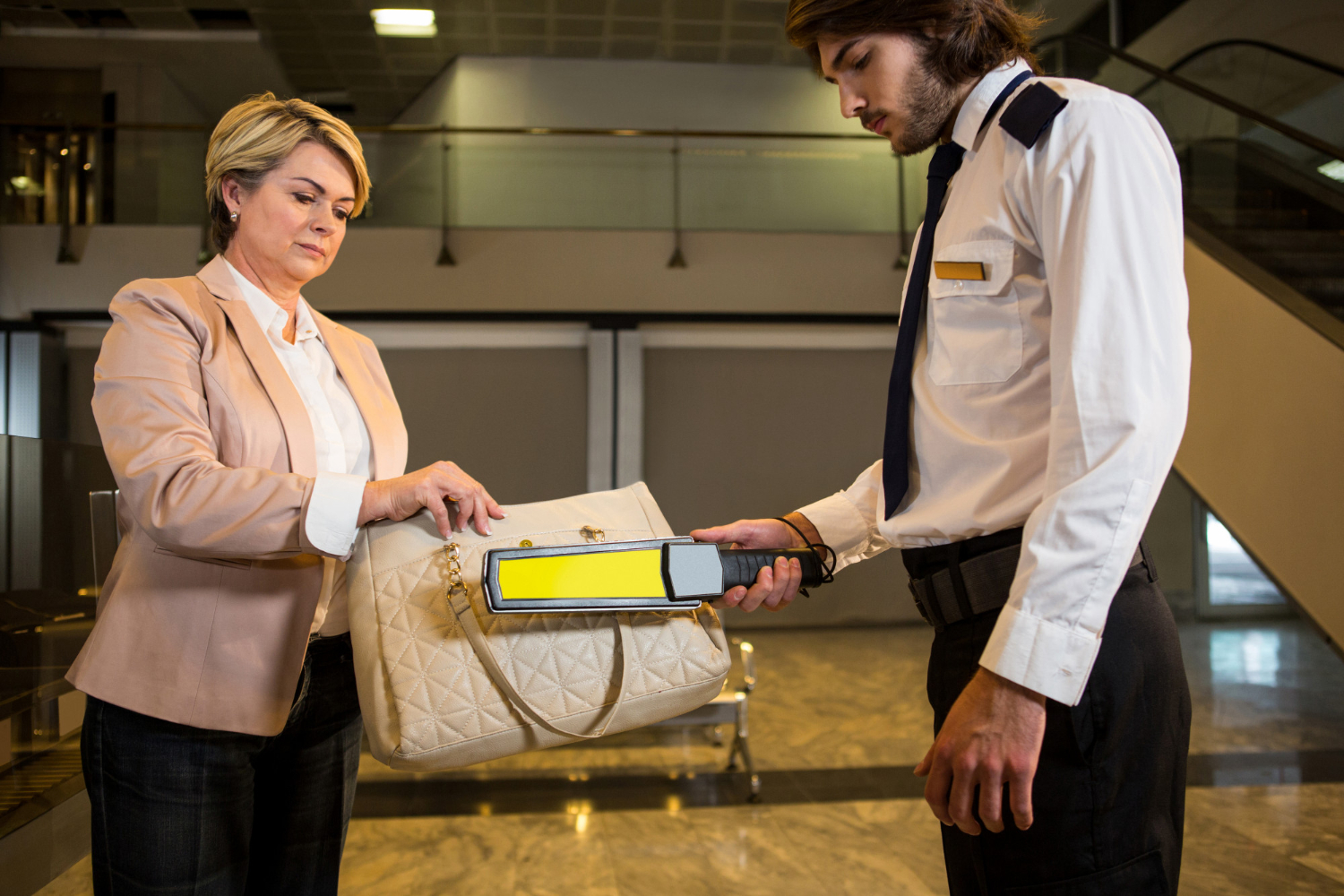
Of the 419 million travelers U.S. Customs and Border Protection processed at ports of entry in fiscal year 2025, approximately 11.6 million — about 3% — were referred to secondary inspection. The decisions aren’t random and aren’t based on appearance the way passengers often assume. CBP officers use specific behavioral and documentary signals that have been documented in agency guidance and legal practice. Understanding what they actually look for matters substantially for travelers wanting to minimize their chances of being pulled aside — and for those who suddenly find themselves in secondary inspection without understanding why.
The U.S. Customs and Border Protection inspection process operates on specific principles documented in agency policies and federal regulations. Primary inspection occurs at the initial booth where every traveler interacts with a CBP officer. Secondary inspection is a separate process for travelers who require additional review. The 3% referral rate reflects substantial discretion exercised by primary inspection officers — but that discretion follows specific patterns rather than random selection. Understanding the actual factors that drive secondary inspection referrals helps travelers prepare appropriately.
The IBIS Database Hit

The most common cause of secondary inspection: the traveler’s name produces a “hit” in the Interagency Border Inspection System (IBIS). IBIS is a shared law enforcement database used by 20+ federal agencies including FBI, DEA, ATF, IRS, Coast Guard, FAA, Secret Service, and others. The system tracks suspected individuals, businesses, vehicles, aircraft, and vessels. It also accesses the FBI’s National Crime Information Center for wanted persons, stolen items, license information, and criminal histories. A name match — even a coincidental match with someone unrelated — typically triggers automatic secondary inspection referral until the situation can be clarified.
Documentation Inconsistencies

CBP officers specifically look for inconsistencies between documents and verbal answers. For visa holders, this includes: job title that doesn’t match the I-129 petition, employer information differing from documentation, addresses that don’t match between forms, dates that don’t reconcile properly, and various other small discrepancies. Even a small discrepancy can trigger additional scrutiny. The key principle: officers expect verbal answers to substantially match documentation. When they don’t match, secondary inspection allows time for verification. This is why immigration attorneys consistently recommend bringing physical copies of all relevant documentation rather than relying on memory or digital access.
Behavioral Signals
CBP officers receive specific training in identifying behavioral signals associated with various concerning patterns. The signals include: nervousness disproportionate to the situation, inconsistent eye contact, avoiding direct answers, providing too much information when simple answers would suffice, vague answers about travel purpose or duration, contradictions in basic information when asked the same question different ways. The training reflects substantial behavioral research about deception detection. The reliability of these signals is genuinely debated in academic research, but officers do use them in their referral decisions. Travelers who appear unusually nervous often receive additional scrutiny even when they have nothing to hide.
The Random Selection Component
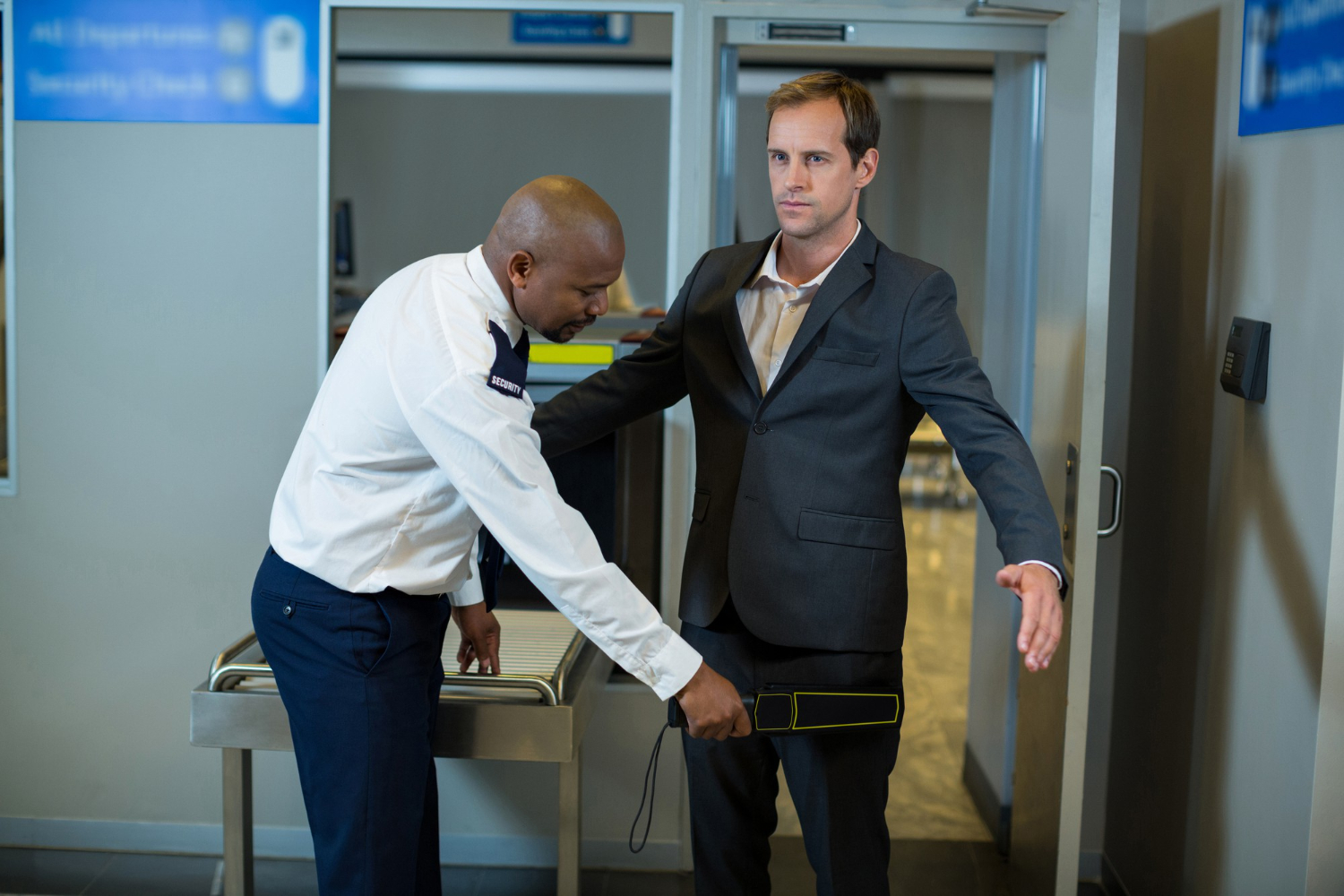
Some secondary inspections are genuinely random — used both for general security purposes and to prevent any pattern that could be exploited by people trying to predict inspection patterns. CBP doesn’t disclose random selection rates but acknowledges they exist. The randomness serves specific purposes: prevents predictable bypass strategies, validates that the targeting system isn’t producing biased results, and provides ongoing data on baseline traveler patterns. Travelers who feel they were “randomly” selected may have actually been randomly selected — the system specifically includes randomization as a deliberate component rather than purely targeted enforcement.
The Country of Origin Considerations
CBP officers receive specific intelligence about countries with current concerning patterns. Travelers from specific countries may receive additional scrutiny based on intelligence about specific organized smuggling networks, terrorism concerns, or other documented threats originating from those countries. The targeting isn’t supposed to be based on the traveler’s race or ethnicity — that would violate Constitutional protections — but country of origin and travel patterns are legitimate factors. Travelers from countries currently associated with concerning patterns face statistically higher secondary inspection rates regardless of individual circumstances.
The Duration and Purpose Questions
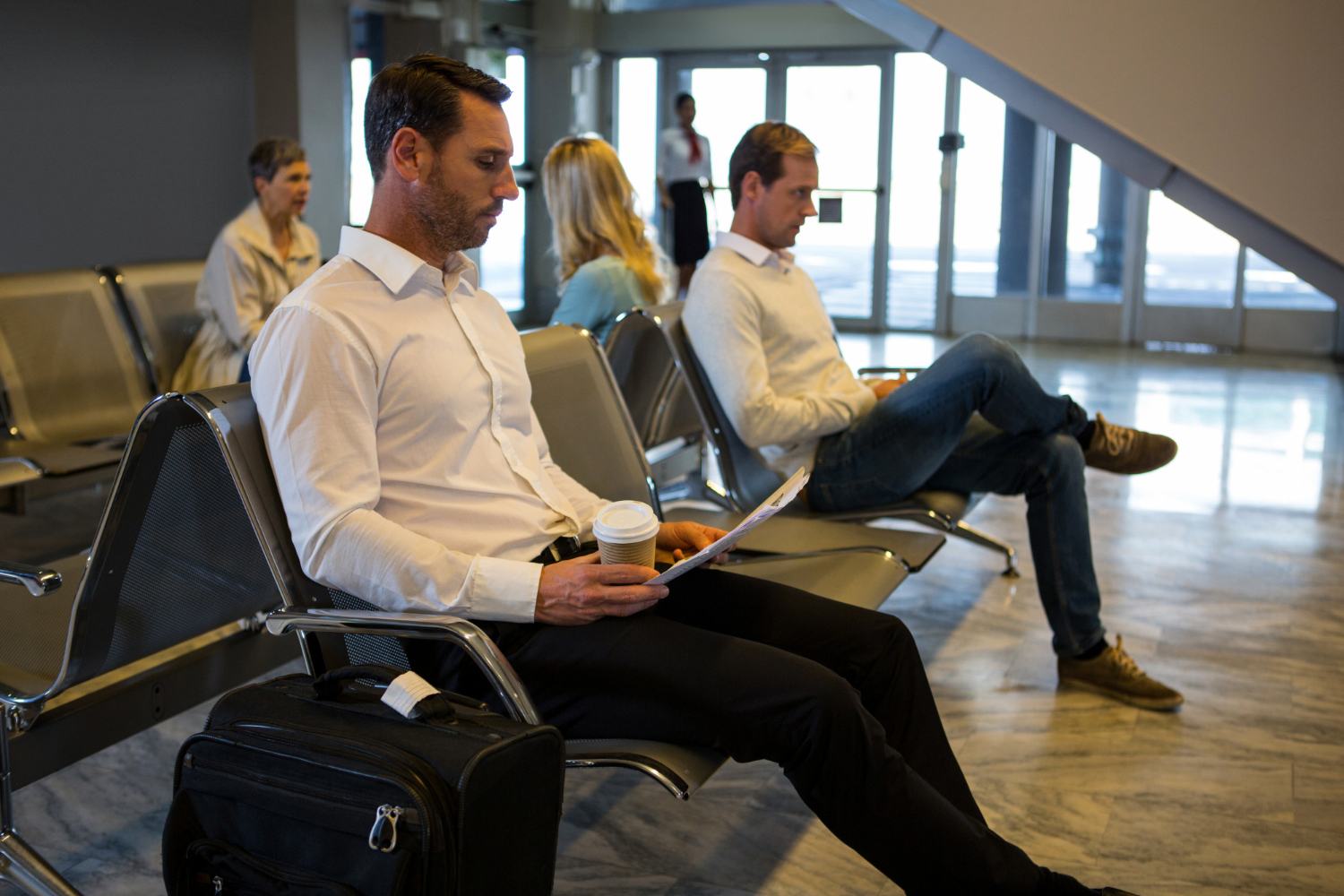
Officers specifically probe for inconsistencies in stated travel purposes and durations. Common questions: How long are you staying? Where are you staying? Who are you visiting? What is the purpose of your visit? Have you been here before? Why? When? The answers should match documentation, prior travel records, and any related information. Inconsistencies trigger additional scrutiny. Common problem: visa holders giving answers that suggest different purpose than their visa allows (saying they’ll work when they’re on tourist visa, saying they’ll stay longer than visa permits, etc.). The questions often seem repetitive but they’re specifically designed to identify inconsistencies through different framings.
The Electronic Device Search Authority

CBP has substantial authority to search electronic devices at ports of entry. The legal framework allows two categories of searches. Basic search: officers manually review device content, no specific suspicion required. Advanced search: forensic tools used for deeper analysis, requires “reasonable suspicion” or national security concern plus supervisor approval. CBP can hold devices for up to 5 days (sometimes longer with special authorization) for further review. There is no right to attorney during these searches. Travelers can technically refuse to unlock devices, but refusal can result in extended detention, denial of entry (for non-citizens), and various other consequences.
What’s Actually in Your Phone
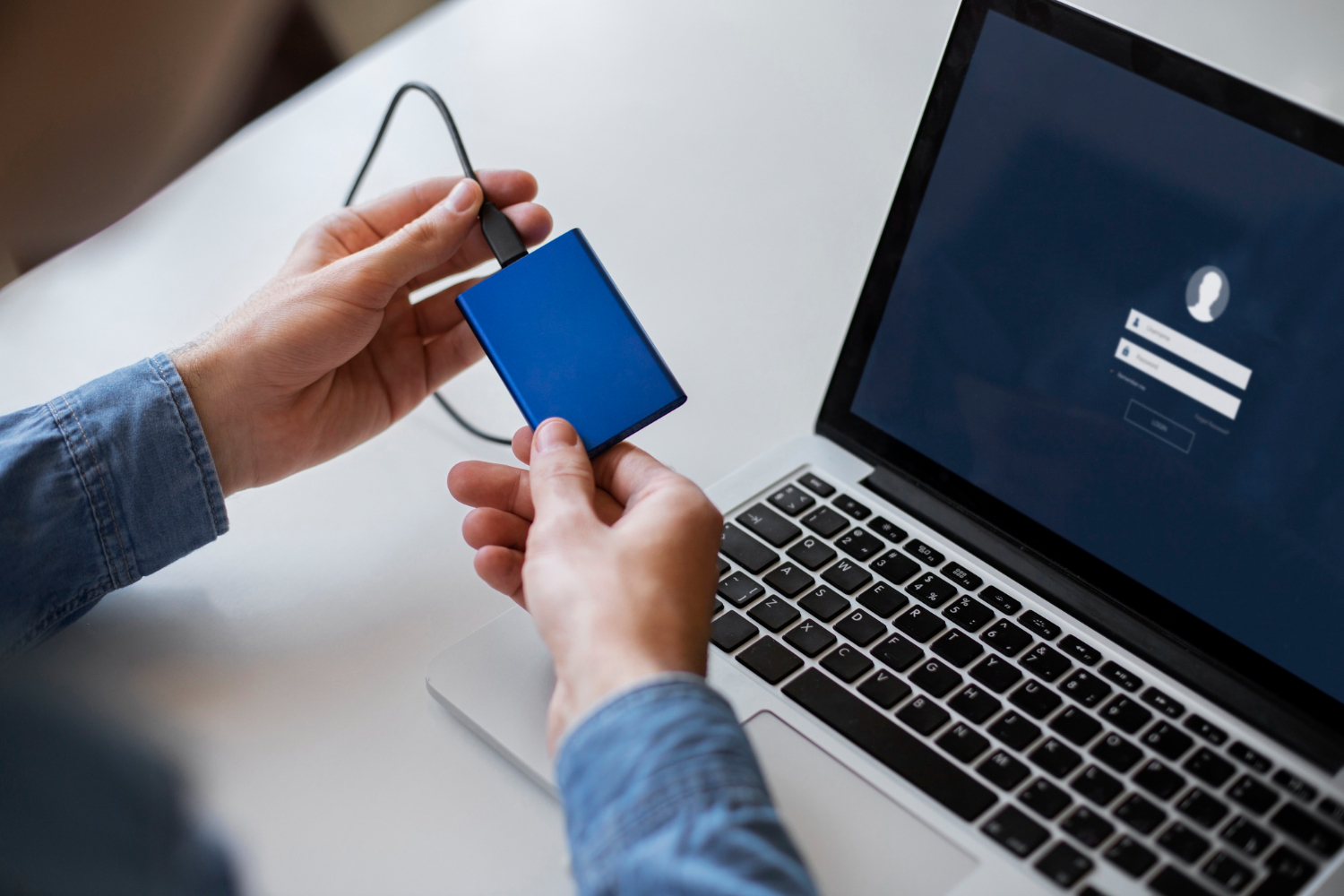
Officers conducting electronic searches specifically look for: text messages and emails that contradict stated travel purposes, social media activity inconsistent with claimed activities, financial transactions suggesting unauthorized work, photos showing prior unauthorized activities, contacts associated with concerning patterns, and various other digital evidence. The searches can examine deleted content (which is rarely actually deleted from device storage), cloud-linked apps, and various other content. Travelers concerned about specific information can travel with separate clean devices, leave personal devices at home, or take various other protective measures. Modern privacy advocates recommend specific protective measures for international travel.
The Things You Cannot Bring
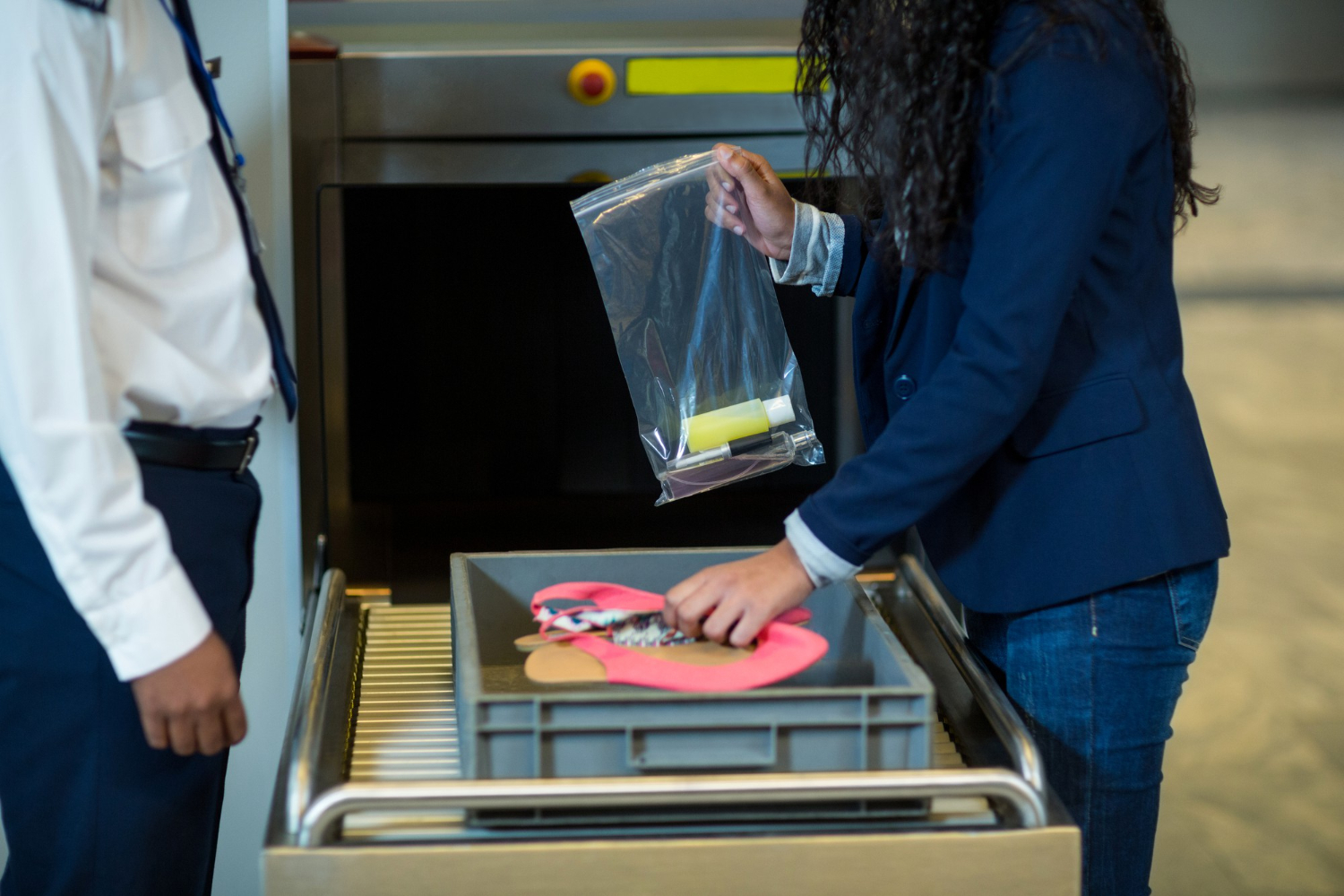
Beyond identity and travel verification, CBP enforces substantial restrictions on items entering the U.S. Common problem categories: agricultural items (food, plants, seeds, soil — even for personal use), substantial cash (over $10,000 must be declared), various medications, certain electronics, military-related items, items from specific embargo countries, fake luxury goods, and various other categories. Travelers who don’t realize they’re carrying restricted items are still legally responsible for their cargo. The “I didn’t know” defense is generally ineffective. Substantial fines, item seizure, and potential criminal charges can result from undeclared items even when the traveler had no fraudulent intent.
What to Actually Do If Referred to Secondary

Practical guidance for travelers placed in secondary inspection. Remain calm and polite — confrontation worsens outcomes substantially. Answer questions truthfully but briefly — extensive elaboration creates additional inconsistencies. Bring physical copies of documentation when possible — visa documents, employment letters, proof of accommodations, return tickets. For visa holders: bring I-797 approval, offer letter, pay stubs, business cards. Don’t sign documents without understanding them — particularly Form I-407 (abandonment of permanent resident status) which CBP sometimes pressures green card holders to sign. Document everything if released — officer names, questions asked, items requested, anything signed. Contact attorney if released and concerned — secondary inspection records can affect future travel.
What This All Reveals About the System
The CBP secondary inspection system operates with substantial discretionary authority that affects approximately 11.6 million travelers annually. The 3% referral rate isn’t random — it reflects specific targeting based on documented factors plus some random component. Most secondary inspections result in eventual admission after issues are clarified. But some result in denial of entry, expedited removal, or other serious consequences. The system has legitimate purposes (identifying genuine threats, enforcing immigration laws, intercepting prohibited items) but operates under conditions where individual officer discretion can produce substantial impact on individual travelers. Understanding the actual factors that drive referrals helps travelers prepare appropriately. The most important guidance: maintain consistency between documents and verbal answers, prepare to verify all claimed information, treat the process as administrative rather than adversarial, and recognize that being polite and prepared substantially affects outcomes for everyone involved.