The Faroe Islands are 18 separate islands scattered across the North Atlantic between Iceland and Scotland, supporting approximately 54,000 residents. Connecting these communities was historically dependent on ferries that frequently couldn’t operate in the islands’ famously brutal weather. Over the past 23 years, the Faroese have built four undersea tunnels that have transformed island life — including the Eysturoy Tunnel, which runs 11.24 kilometers under the seabed and features the world’s only undersea roundabout, 187 meters below the surface, decorated with a giant illuminated sculpture by Faroese artist Tróndur Patursson. Here’s the story.
The Faroe Islands operate as a self-governing nation within the Kingdom of Denmark. The 18 volcanic islands sit at high latitude in the North Atlantic, halfway between Iceland and Scotland. The islands are famously beautiful — dramatic cliffs, deep fjords, lush green slopes, and abundant bird life — but also famously remote and weather-challenged. Wind, fog, and storms regularly disrupt transportation. The historical solution involved extensive ferry networks that were unreliable in winter and required substantial time investment for routine inter-island travel. The modern solution: build tunnels.
The Tunnel-Building Tradition
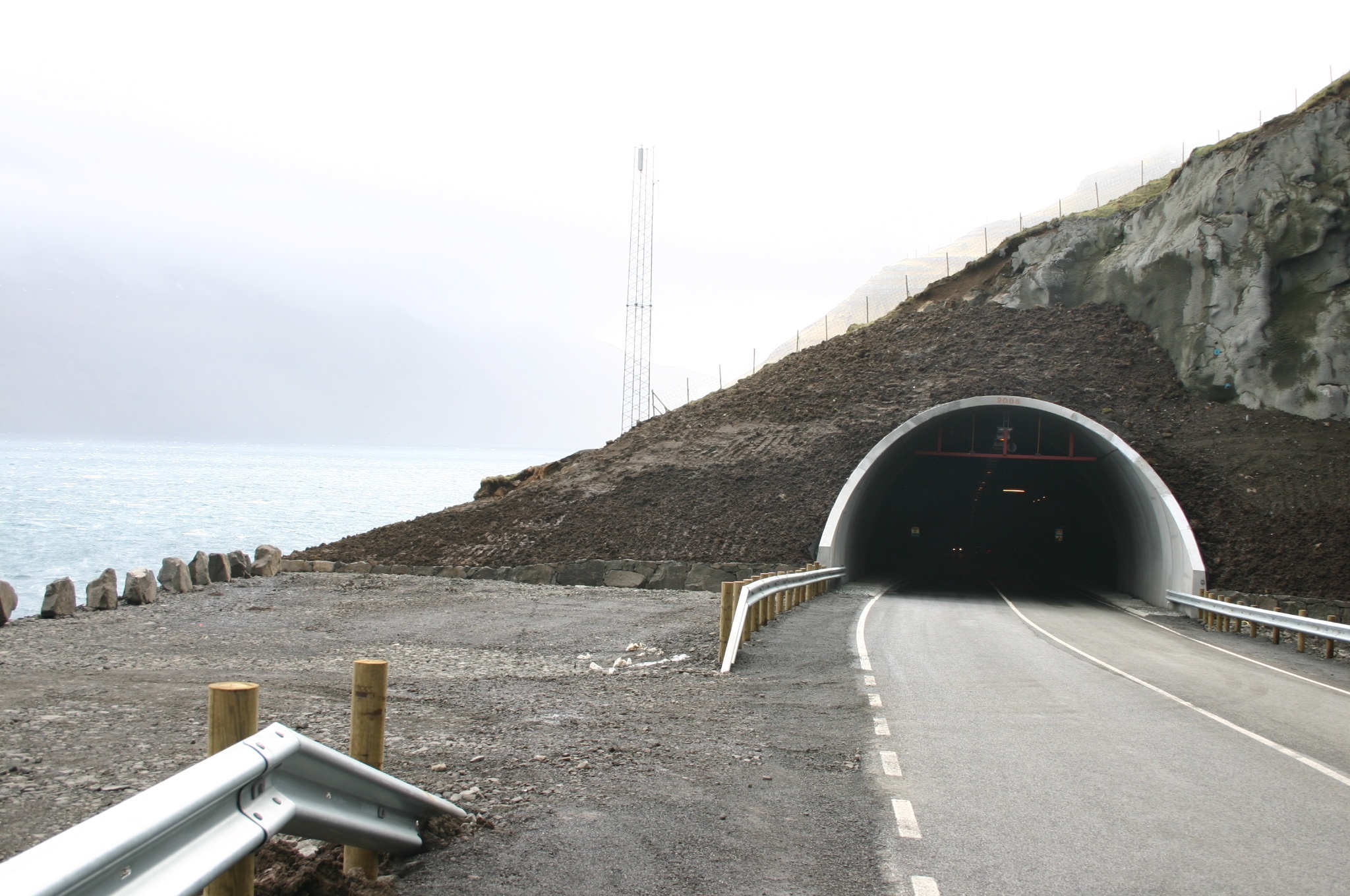
The Faroe Islands have built an unusually extensive tunnel network for their small size. The current count: 17 tunnels through mountains plus 4 undersea tunnels connecting different islands. Total tunnel length across all 21 tunnels exceeds 50 kilometers. The tunnels make over 90% of Faroese residents reachable by road from any other Faroese location — a substantial transportation achievement for an 18-island archipelago. The Faroese sometimes joke that despite being 18 islands, they “defy the fact that we are islands” through their tunnel network.
Each tunnel represented substantial financial investment for a country of 54,000 people. The cumulative investment has been substantial — billions of Danish kroner across multiple decades. The political consensus required to maintain this investment reflects specific Faroese values about national connectivity and infrastructure development that few other small countries have matched.
The First Undersea Tunnels
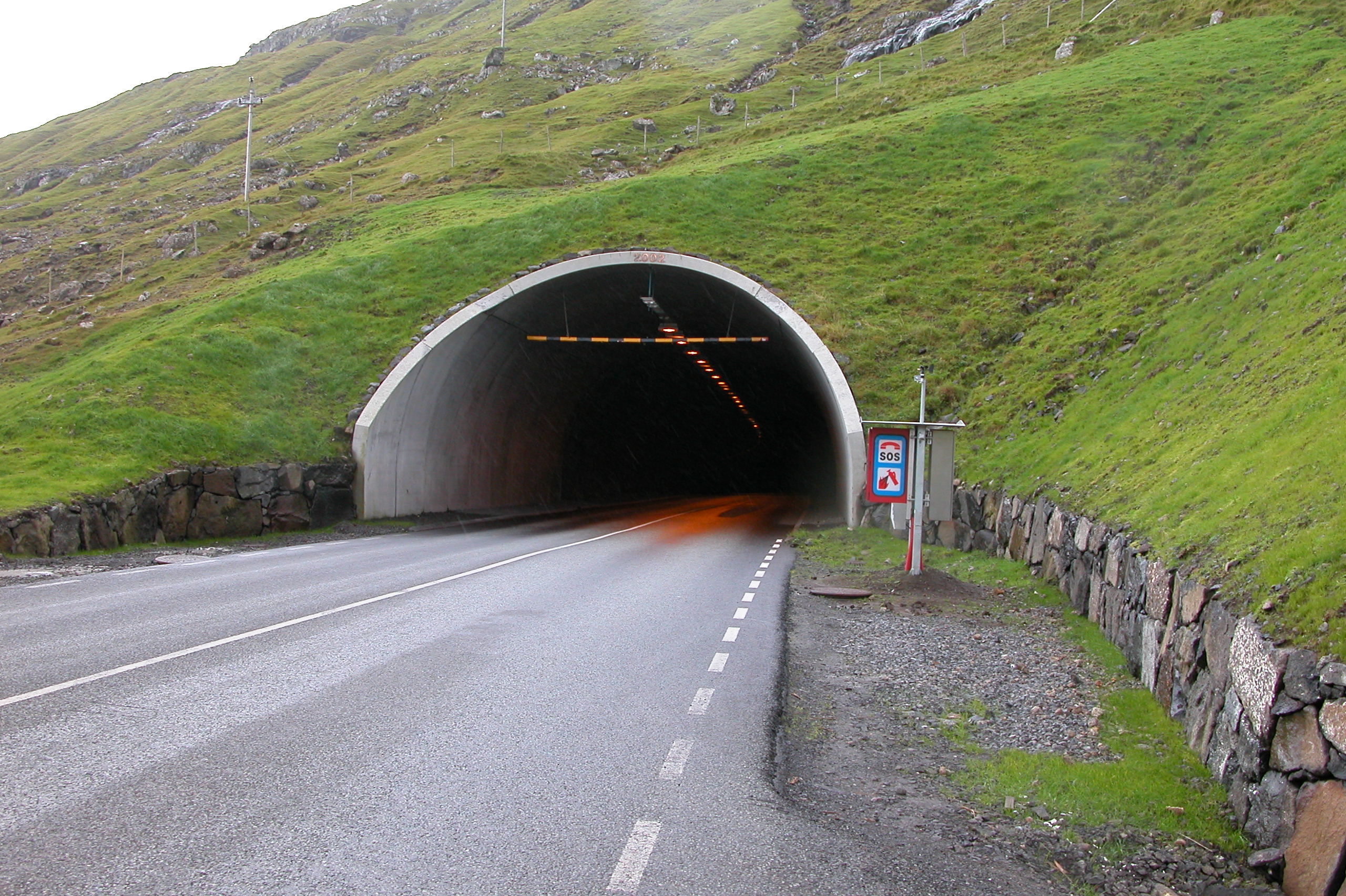
The Vágatunnilin (Vágar Tunnel) opened in December 2002 — the first undersea tunnel in the Faroe Islands. It connects the island of Vágar (where the international airport is located) to Streymoy (where the capital Tórshavn is located). The tunnel is 4.9 km long. Before its construction, travelers from the airport to Tórshavn required ferry crossings that were often disrupted by weather. The tunnel transformed airport access from challenging logistics into routine 30-minute drive.
The Norðoyatunnilin (Northern Isles Tunnel) opened in April 2006 — the second undersea tunnel. It connects Eysturoy island to Borðoy island, providing road access to the Norðoyar (Northern Isles) which previously required ferry connections. The tunnel is 6.2 km long and reaches 150 meters below sea level. The combination of the two tunnels substantially reduced ferry dependence and travel times throughout the central Faroese islands.
The Eysturoy Tunnel — The Game Changer
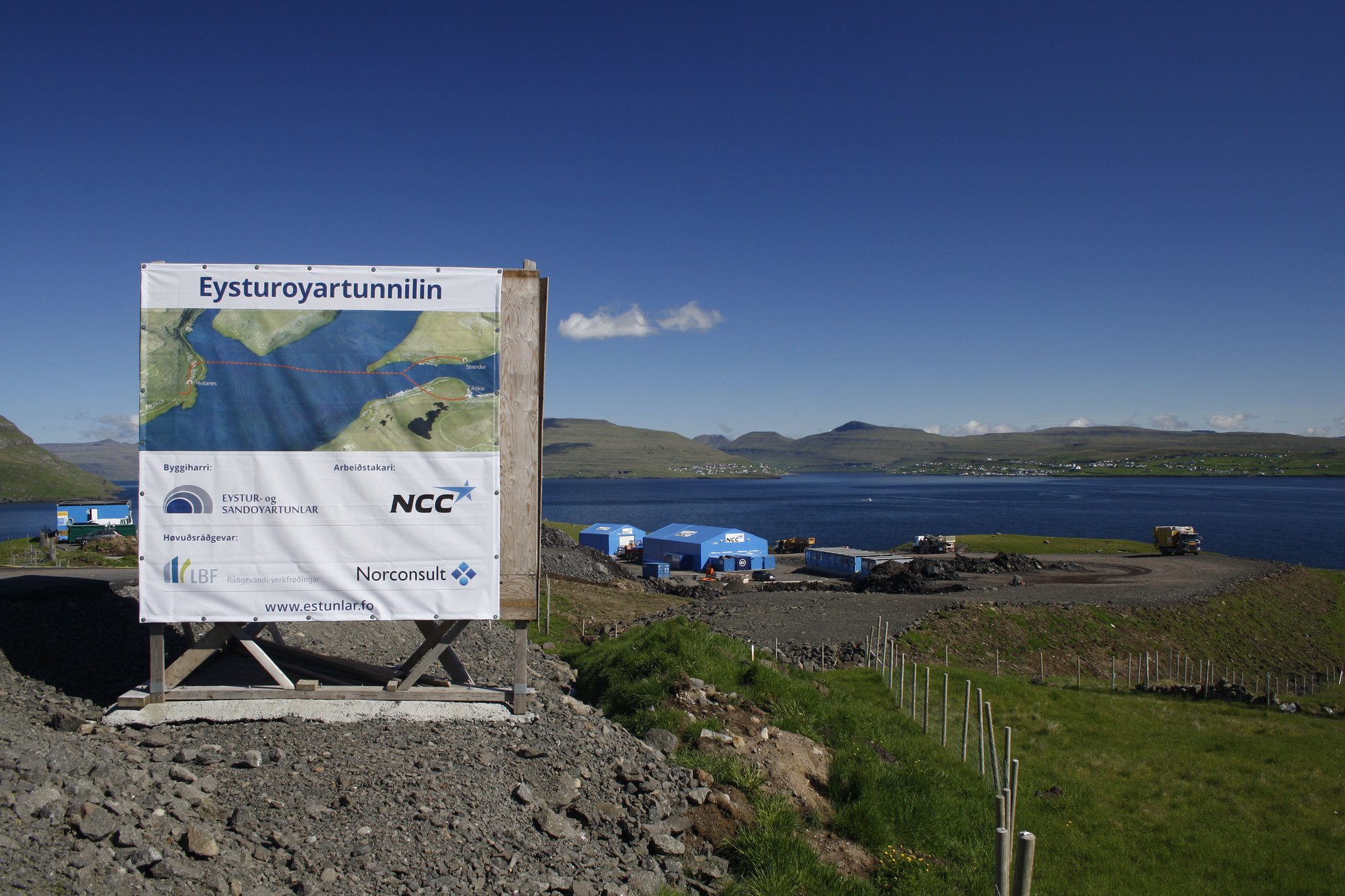
The Eysturoyartunnilin opened on December 19, 2020, after four years of construction. The tunnel is genuinely massive — 11.24 km of total tunnel length including a complex three-branch network. The deepest point reaches 187 meters (614 feet) below sea level. The construction used drill-and-blast methods through basalt rock — Faroese geology that’s particularly suitable for tunnel construction. Construction cost approximately 1 billion Danish kroner (roughly $150 million USD).
The tunnel network connects Streymoy (where Tórshavn is located) to two separate destinations on Eysturoy island: Strendur on the western side of Skálafjørður fjord and Runavík on the eastern side. The travel time impact is substantial: the trip from Tórshavn to Runavík was previously over an hour by road around mountainous terrain. The tunnel reduced it to 16 minutes. The tunnel completely transformed practical commuting and economic patterns between Tórshavn and Eysturoy island.
The World’s Only Undersea Roundabout
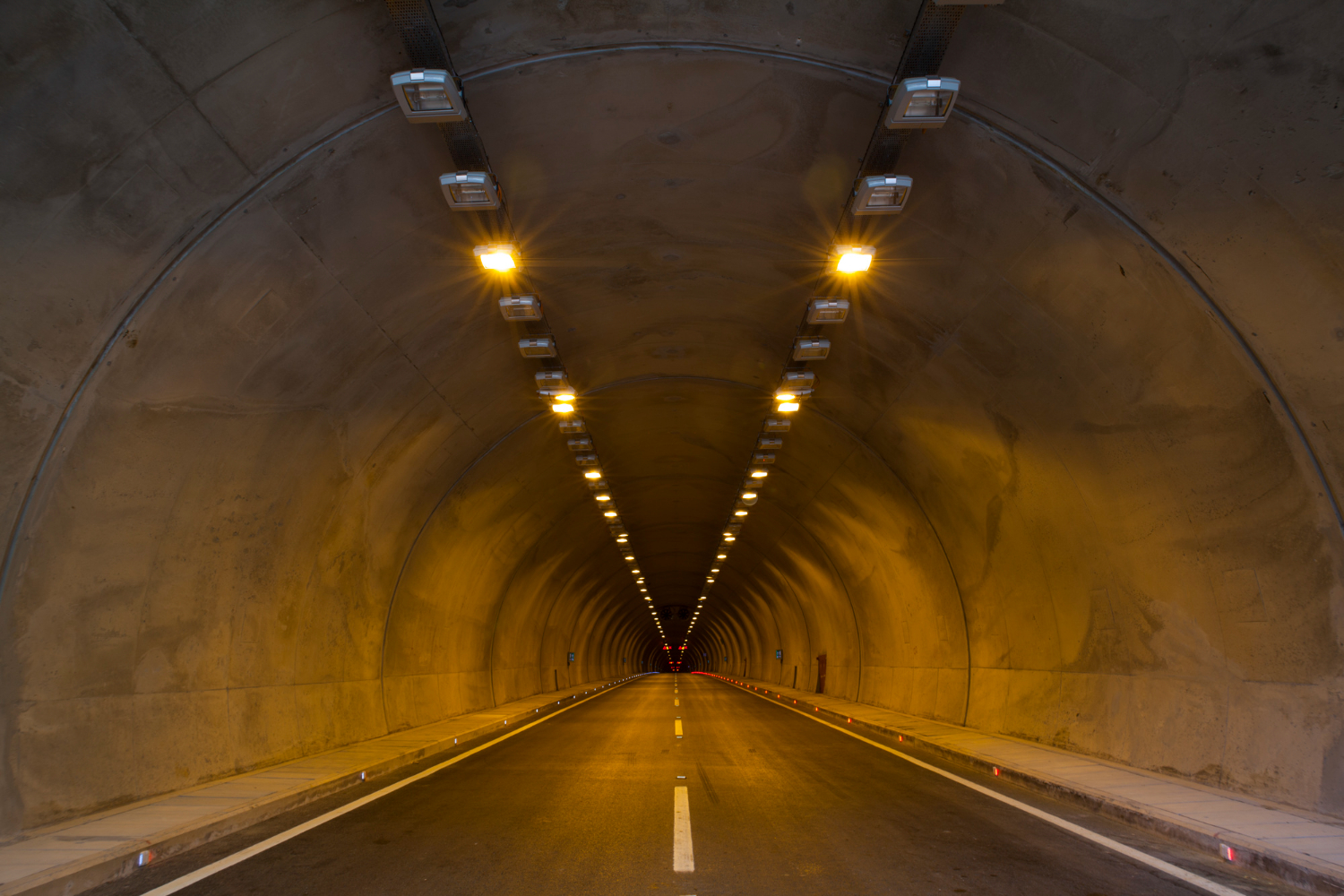
The most remarkable feature of the Eysturoy Tunnel is its underwater roundabout. Located 72 meters below sea level at the meeting point of the three tunnel branches, the roundabout is the only sub-sea roundabout in the world. The roundabout exists because the three tunnel branches needed to meet somewhere — the engineering solution was a roundabout that allows traffic to flow in any direction without complicated intersection design.
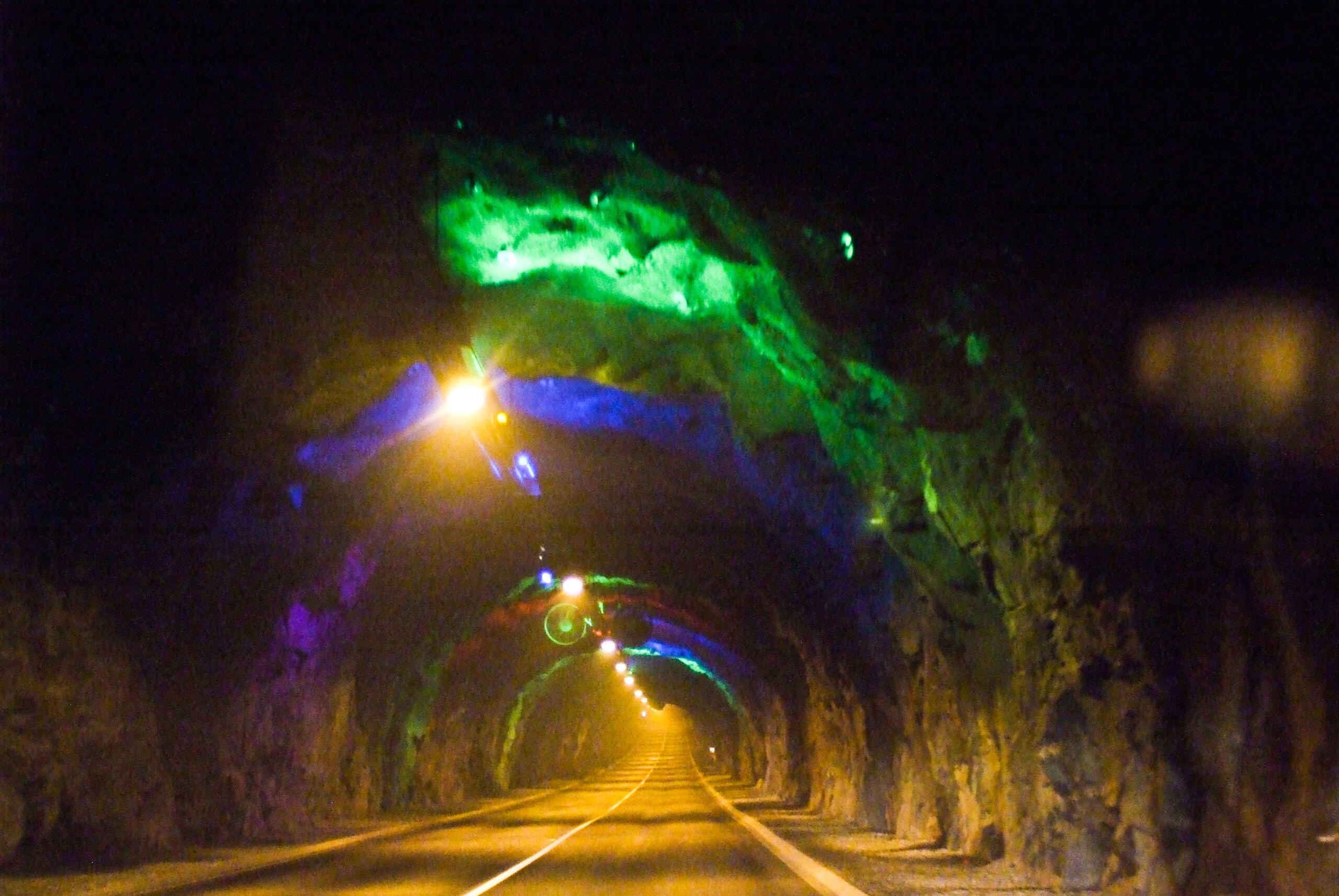
The center of the roundabout features a natural basalt rock pillar that was deliberately preserved during construction — an enormous column of original rock that anchors the entire roundabout structure. The pillar is illuminated with color-changing lights that produce dramatic visual effects throughout the day. The roundabout has been nicknamed “the jellyfish” for its glowing appearance. Many drivers deliberately take multiple turns around the roundabout to enjoy the visual experience. The international media coverage has made the roundabout one of the Faroe Islands’ most famous tourist attractions.
The Tróndur Patursson Sculpture

The roundabout features substantial public art commissioned specifically for the tunnel. Faroese artist Tróndur Patursson (born 1944, from the historic village of Kirkjubøur) created an 80-meter steel sculpture that wraps around the central basalt pillar. The sculpture depicts life-sized human figures holding hands in a circle, all looking inward toward the illuminated central column.
Patursson described his intent specifically: “The figures are walking from darkness into the light. They symbolize the very Faroese idea that by joining hands and working together we achieve great things.” The figures evoke the traditional Faroese chain dance performed at cultural celebrations, particularly during Ólavsøka (Faroese National Day) on July 29. The combination of natural rock pillar, color-changing illumination, and steel sculpture creates a genuinely distinctive aesthetic experience — public art on a scale that few infrastructure projects anywhere have attempted.
The Music Inside the Tunnel
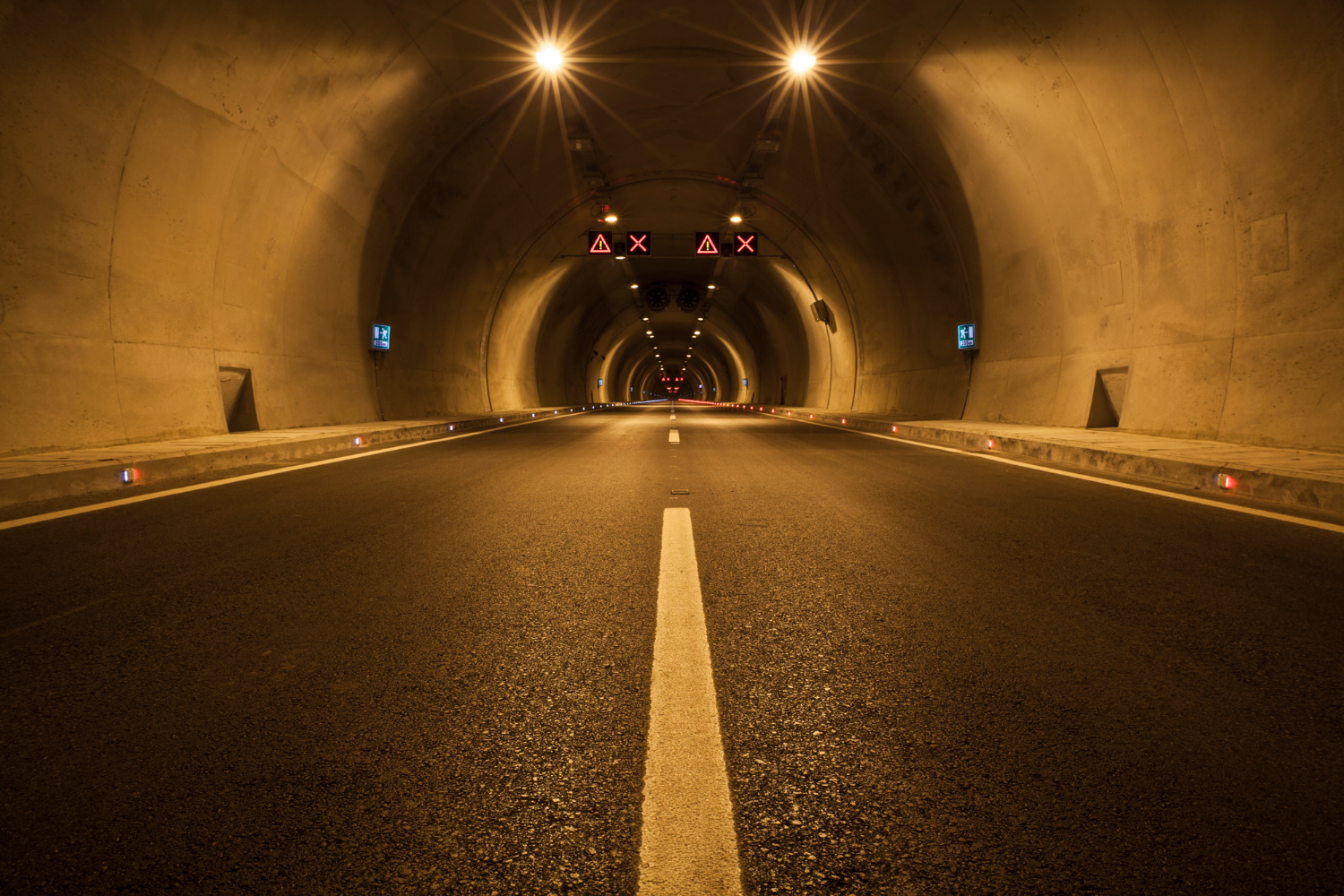
The Eysturoy Tunnel includes audio art alongside the visual elements. Faroese musician Jens L. Thomsen composed an ethereal soundscape specifically for the tunnel, available by tuning car radios to FM 97.0 while driving through. The soundscape was created by recording sounds of the construction process and the silence within the completed tunnel, then layering these into musical composition. The technique was specifically designed to capture “the voice of the tunnel” rather than imposing conventional musical elements on the experience.
The combination of visual art and audio art transforms what would otherwise be functional infrastructure into substantial cultural experience. Drivers who tune in to FM 97.0 receive enhanced experience of what would otherwise be just an underwater tunnel drive. The investment in cultural elements reflects specific Faroese values about integrating beauty and meaning into practical infrastructure.
The Sandoy Tunnel — Most Recent Addition
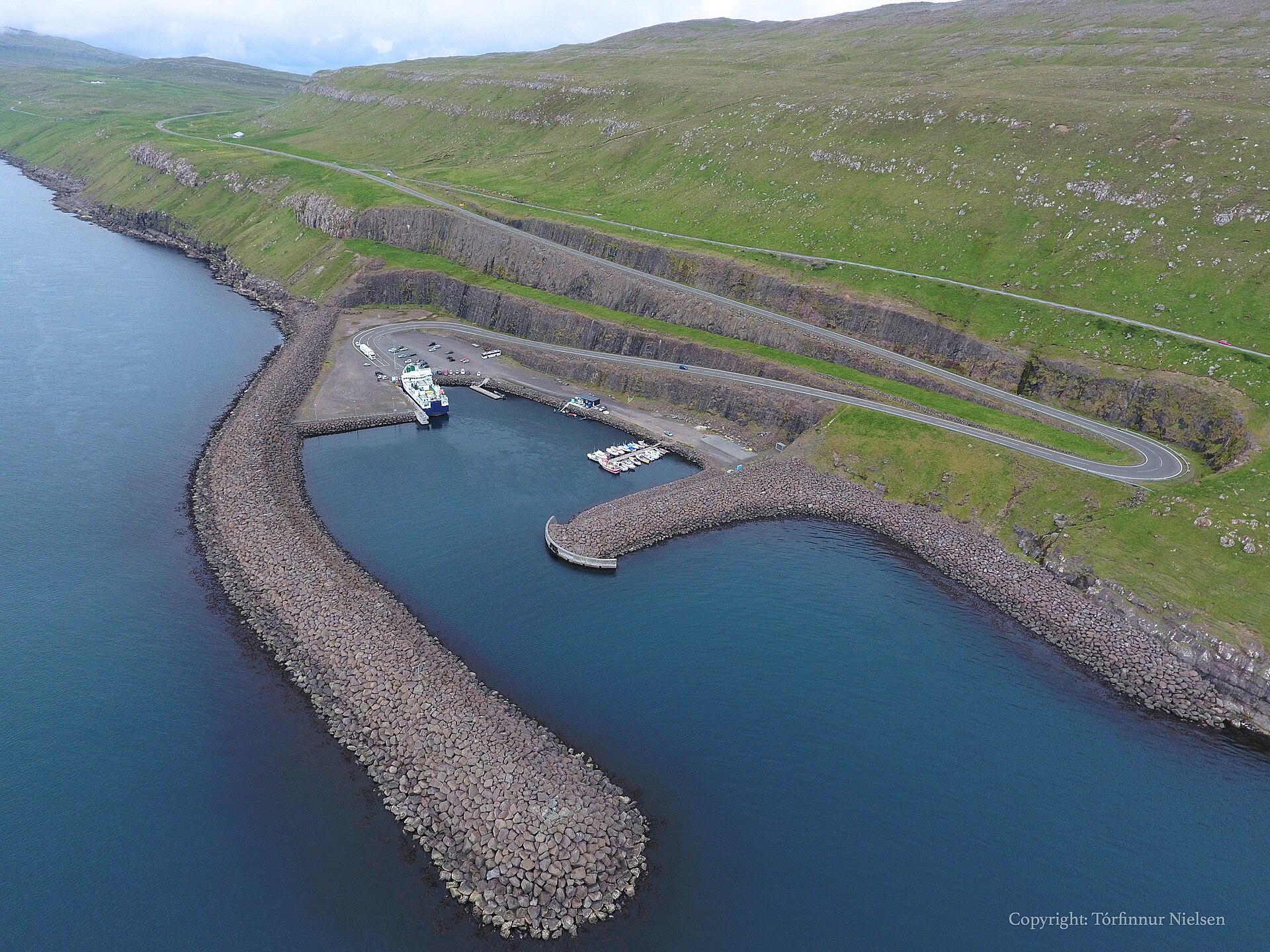
The Sandoyartunnilin (Sandoy Tunnel) opened on December 21, 2023 — the fourth undersea tunnel in the Faroese network. The tunnel connects Streymoy island to Sandoy island, which previously required ferry access. The tunnel is 10.8 km long and reaches 155 meters below the seafloor at its deepest point. The tunnel substantially transformed Sandoy island access — what had been a substantial ferry journey became a 15-minute drive.
The Sandoy Tunnel represented the next phase of Faroese tunnel building. The combination of all four undersea tunnels means substantial portions of the Faroese population can now drive between major destinations regardless of weather conditions. The remaining ferry routes serve specific smaller islands where tunnels haven’t been built yet — though additional tunnel projects continue under active consideration.
The Tunnel Tolls
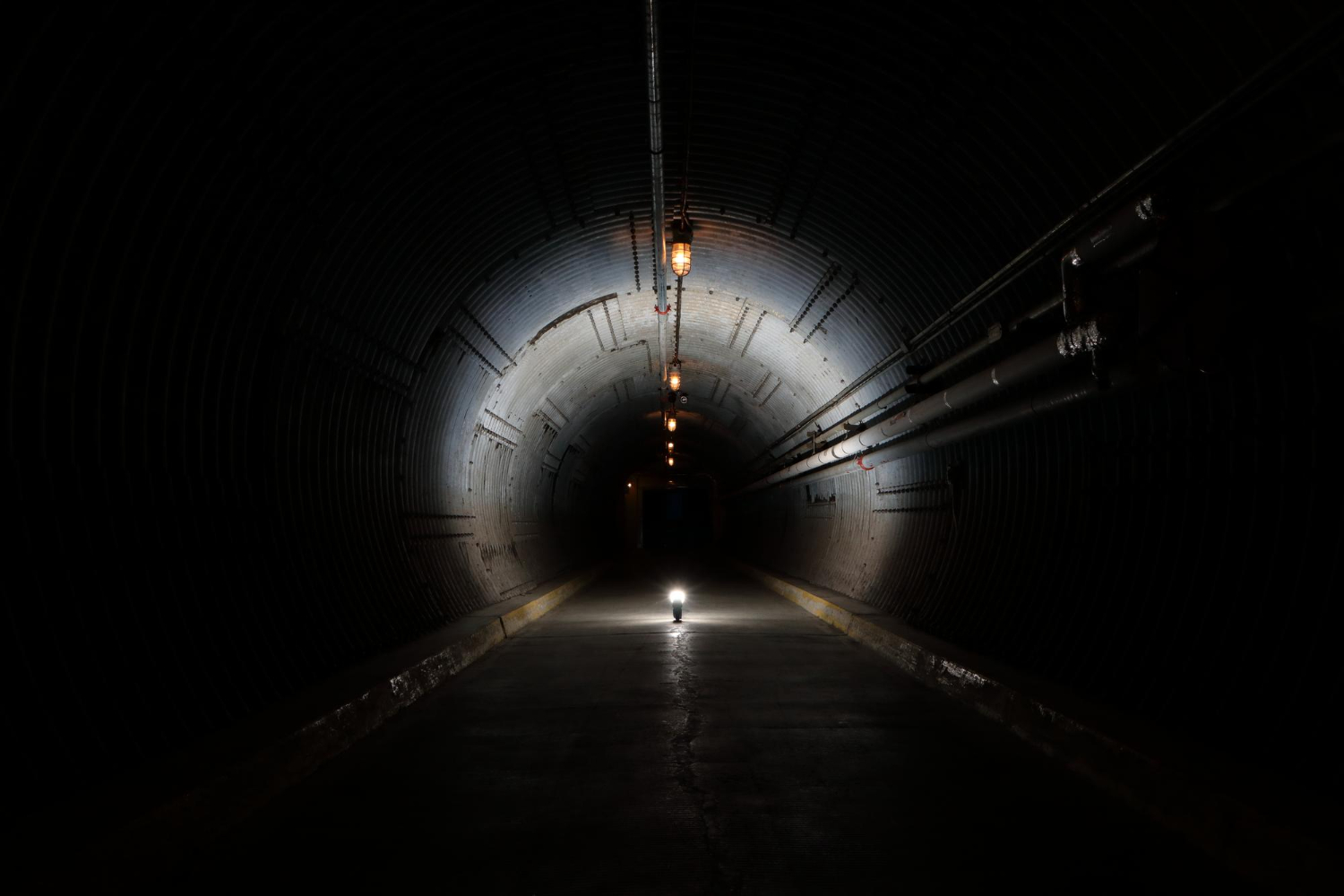
The undersea tunnels operate as toll roads to recover their substantial construction costs. Specific toll rates vary by tunnel and vehicle type. For the Eysturoy Tunnel: passenger cars pay approximately 175 DKK (~$25 USD) for one-way travel without registration; with a tunnel pass, rates are lower. Vans, lorries, and buses pay progressively higher tolls. Local commuters between Saltnes and Strendur pay reduced “local traffic” rates of approximately 25 DKK.
The toll system is unusual in being charged in both directions for the Eysturoy and Sandoy tunnels (the older tunnels charge only one-way tolls). The reasoning involves construction cost recovery — the newer tunnels need to recover larger investments more rapidly. The Faroese government provides modest financial compensation to commuters who use the tunnels for daily work travel. Visitors typically register for automated payment systems before their trips, eliminating the need for cash transactions.
How Visitors Should Experience the Tunnels
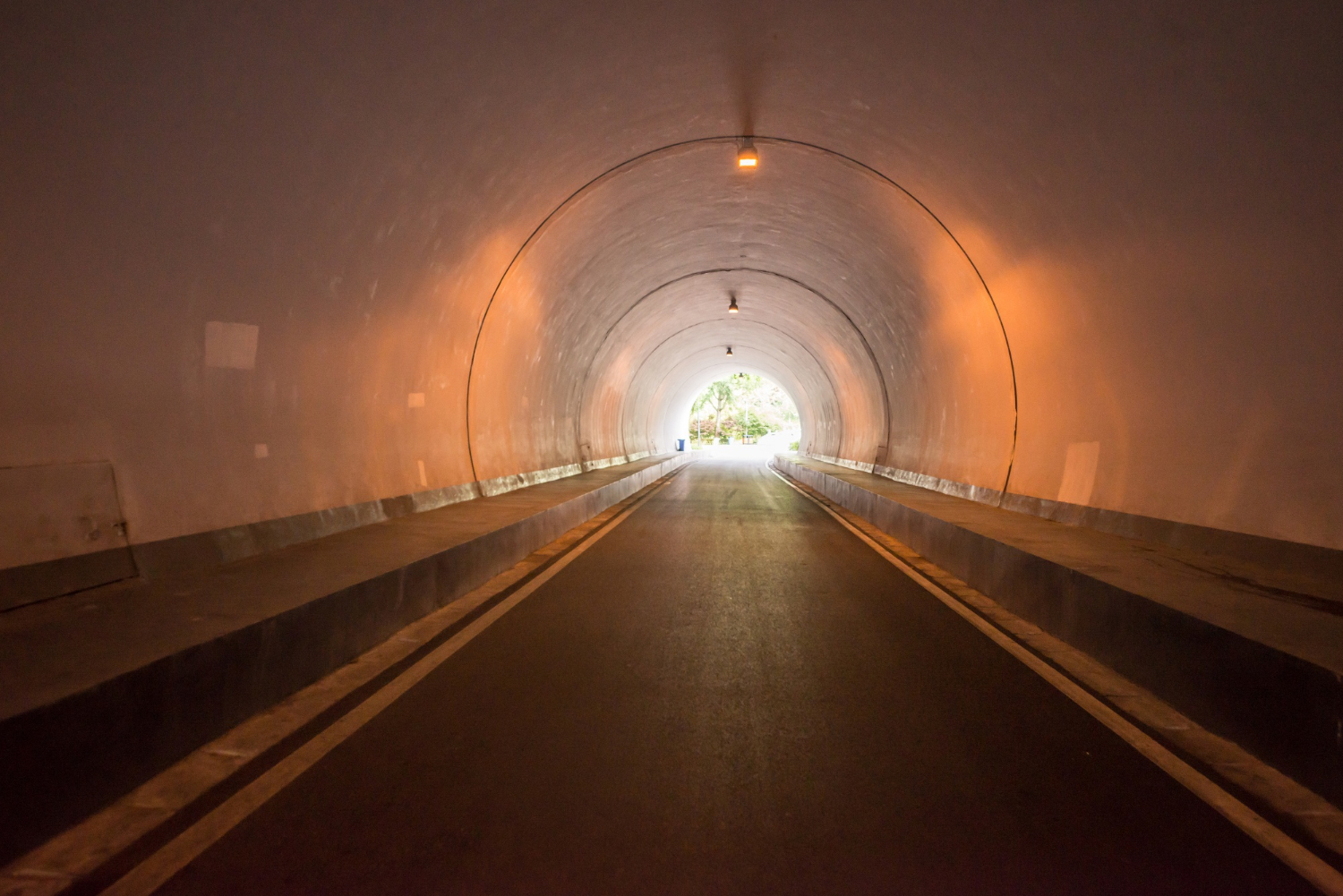
Practical guidance for travelers visiting the Faroe Islands. The undersea tunnels are essentially mandatory — most Faroese destinations require tunnel use for efficient travel. Rental car drivers should register for the automated payment system online before arriving, which substantially simplifies the experience. The Eysturoy Tunnel roundabout is genuinely worth experiencing as a destination rather than just transit — many tourists take multiple roundabout circles to fully appreciate the visual and audio elements. FM radio set to 97.0 enhances the experience.
The other recommended Faroese travel experiences include: the village of Saksun on Streymoy (one of the most photographed Faroese locations), Mykines island puffin colonies (summer season), the village of Gjógv in northern Eysturoy, the dramatic sea cliffs of Vestmanna, the capital Tórshavn (charming small capital city), and various traditional grass-roofed houses throughout the islands. Most visitors plan 4-7 days for substantial Faroese exploration.
What These Tunnels Actually Represent
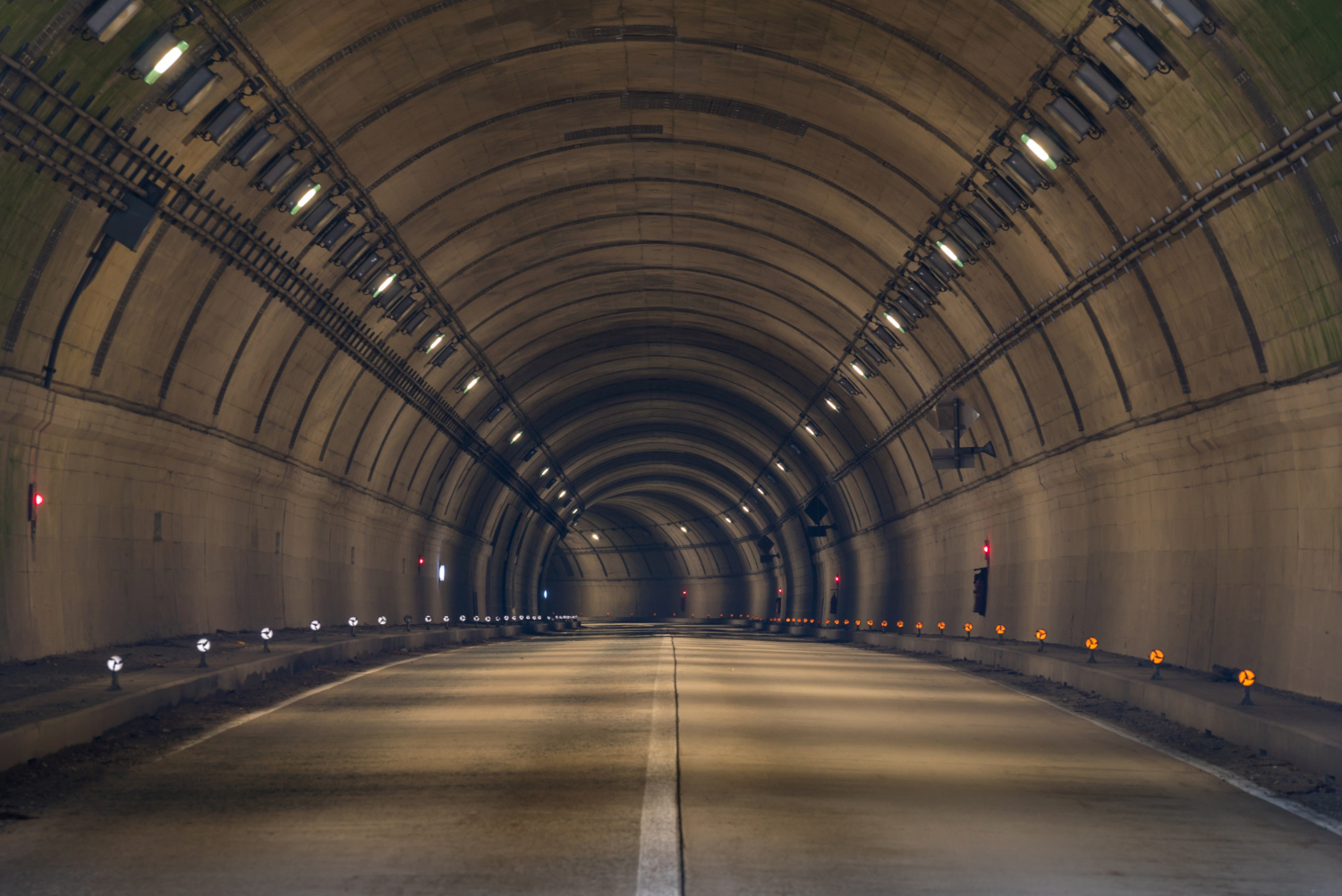
The Faroese undersea tunnel network represents what’s possible when small communities make sustained infrastructure investments based on specific values about connectivity and national development. The tunnels weren’t built primarily for tourism — they were built to give Faroese residents reliable transportation between communities that had been separated by water and weather for centuries. The cumulative investment of approximately $400-500 million USD across the four tunnels is enormous for a country of 54,000 people but reflects specific decisions about prioritizing national infrastructure over alternative uses of public funds. The world’s only undersea roundabout, the Patursson sculpture, the custom soundscape, and the various other distinctive elements demonstrate that practical infrastructure can incorporate substantial cultural and aesthetic elements when communities decide it should. Most countries don’t make these investments; the Faroe Islands have, and the cumulative result is one of the world’s most distinctive transportation networks. The Eysturoy Tunnel roundabout has joined Big Ben and the Eiffel Tower (according to its operators) as symbolic representations of small communities achieving significant infrastructure accomplishments through sustained collective commitment.