

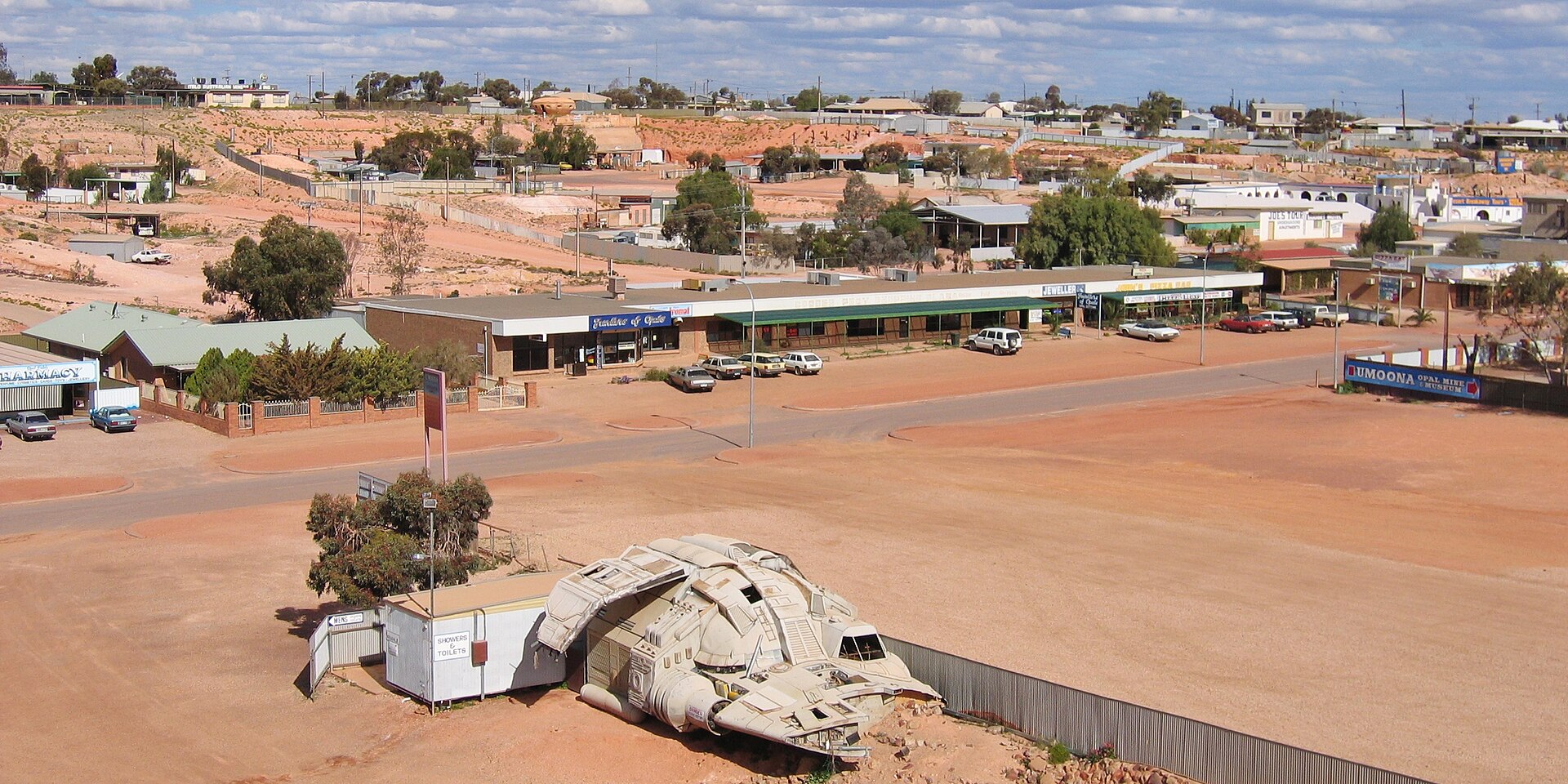
Coober Pedy sits 846 kilometers north of Adelaide in the South Australian Outback, where summer temperatures regularly exceed 40°C and have reached above 50°C. To survive the heat, more than half of the town’s approximately 1,500-3,500 residents live in “dugouts” — homes carved directly into sandstone hillsides where temperatures stay constant at 22-25°C year-round, regardless of surface conditions. The town produces approximately 70% of the world’s gem-quality opals. It also has underground churches, an underground hotel, an underground campground, and the world’s only underground bookshop. Here’s how it actually works.
Slide 1: A Town in the Middle of Nowhere
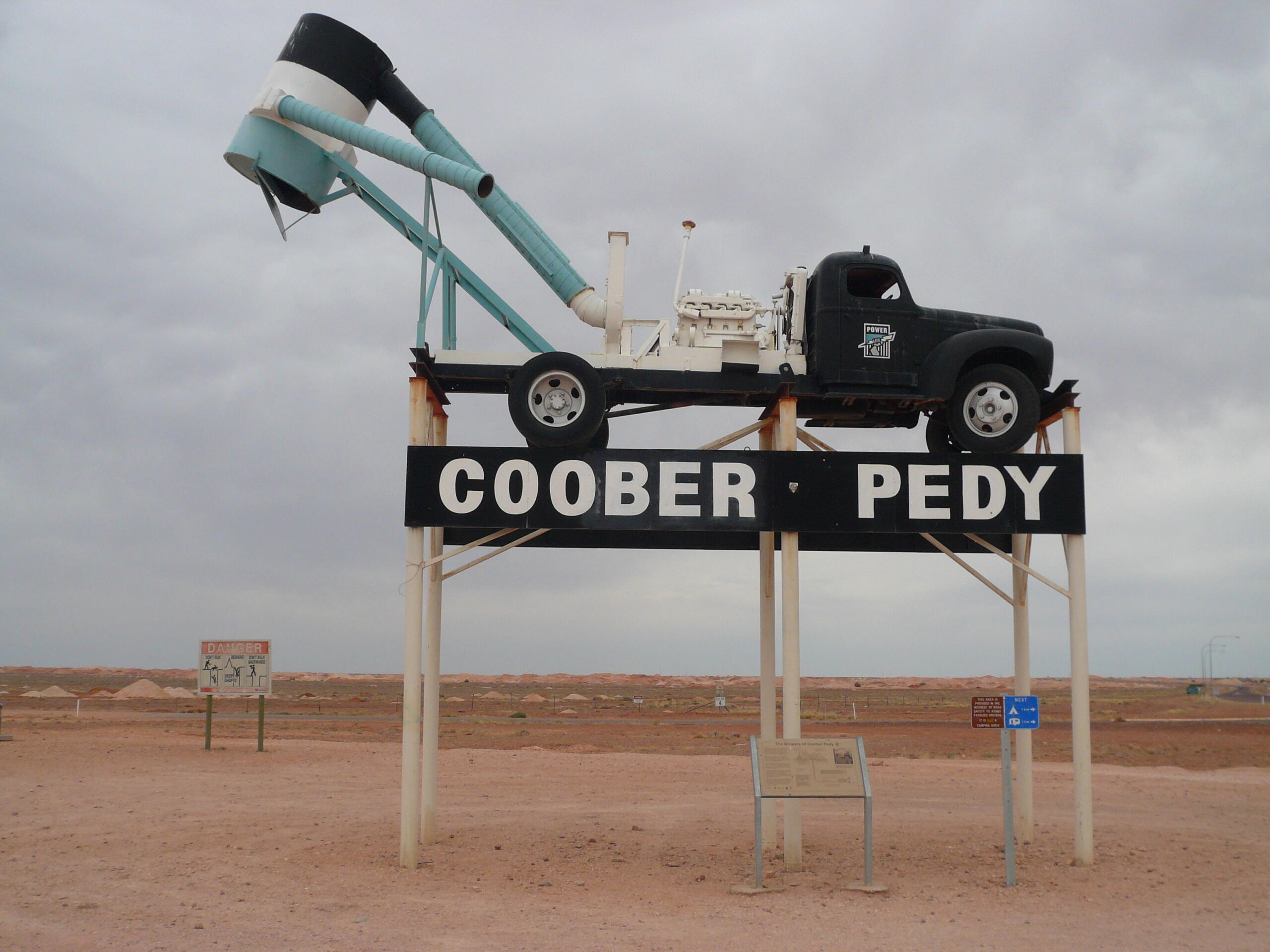
Coober Pedy sits in the Far North region of South Australia, 846 kilometers (526 miles) north of Adelaide on the Stuart Highway. The town occupies a position roughly halfway between Adelaide and Alice Springs, in some of the most remote terrain in inhabited Australia. The surrounding landscape is genuinely lunar — flat, dusty desert dotted with sandstone mounds (mullock heaps from generations of opal mining) and essentially no vegetation. Very little plant life exists in town due to low rainfall, expensive water, and lack of topsoil.
The current population is approximately 1,500-3,500 residents (sources vary substantially). The town serves as both functional opal mining community and substantial tourist destination. Despite the harsh environment, residents have built a community that has persisted for over 100 years and continues operating as both working town and one of Australia’s more distinctive cultural sites.
Slide 2: The 1915 Opal Discovery
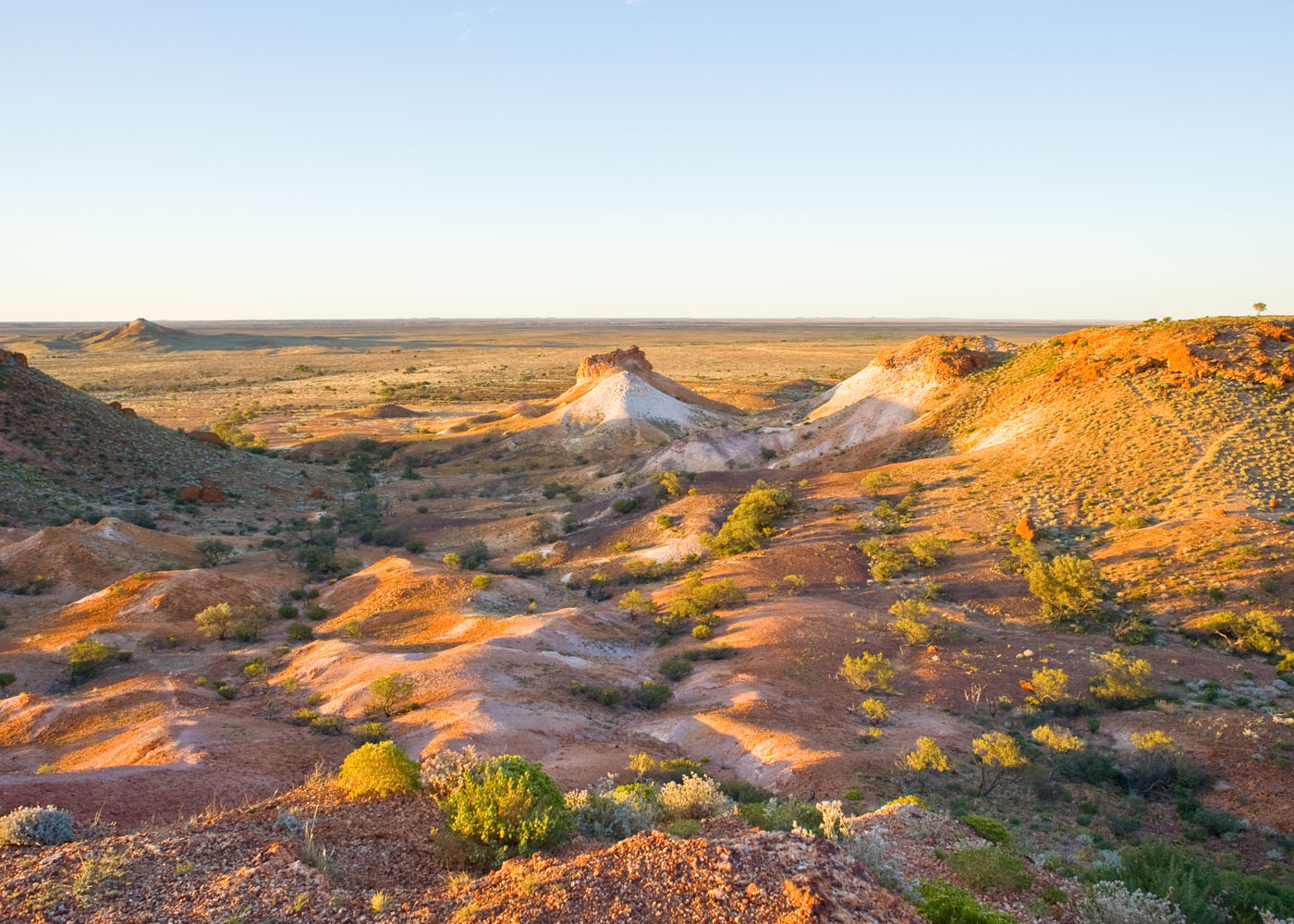
The first opal at Coober Pedy was discovered in February 1915 by 14-year-old Willie Hutchison, who reportedly found the stone while his father searched for water during a gold prospecting expedition. The discovery sparked an opal mining rush that transformed the previously uninhabited area into substantial mining settlement within years. By the 1920s, organized opal mining was substantial; by the 1960s, mechanized mining had begun replacing manual extraction methods.
The Aboriginal connection to the area substantially predates the 1915 European discovery. Various Aboriginal groups including the Antakirinja, Yankunytjatjara, and Pitjantjatjara peoples lived in the region for thousands of years. Oral history suggests that Aboriginal people knew where opals were located but didn’t value them — food and water were genuinely more important resources in the harsh environment. The cumulative European mining activity began on land that had been Aboriginal territory continuously for thousands of years before opal mining commenced.
Slide 3: The Name Origins
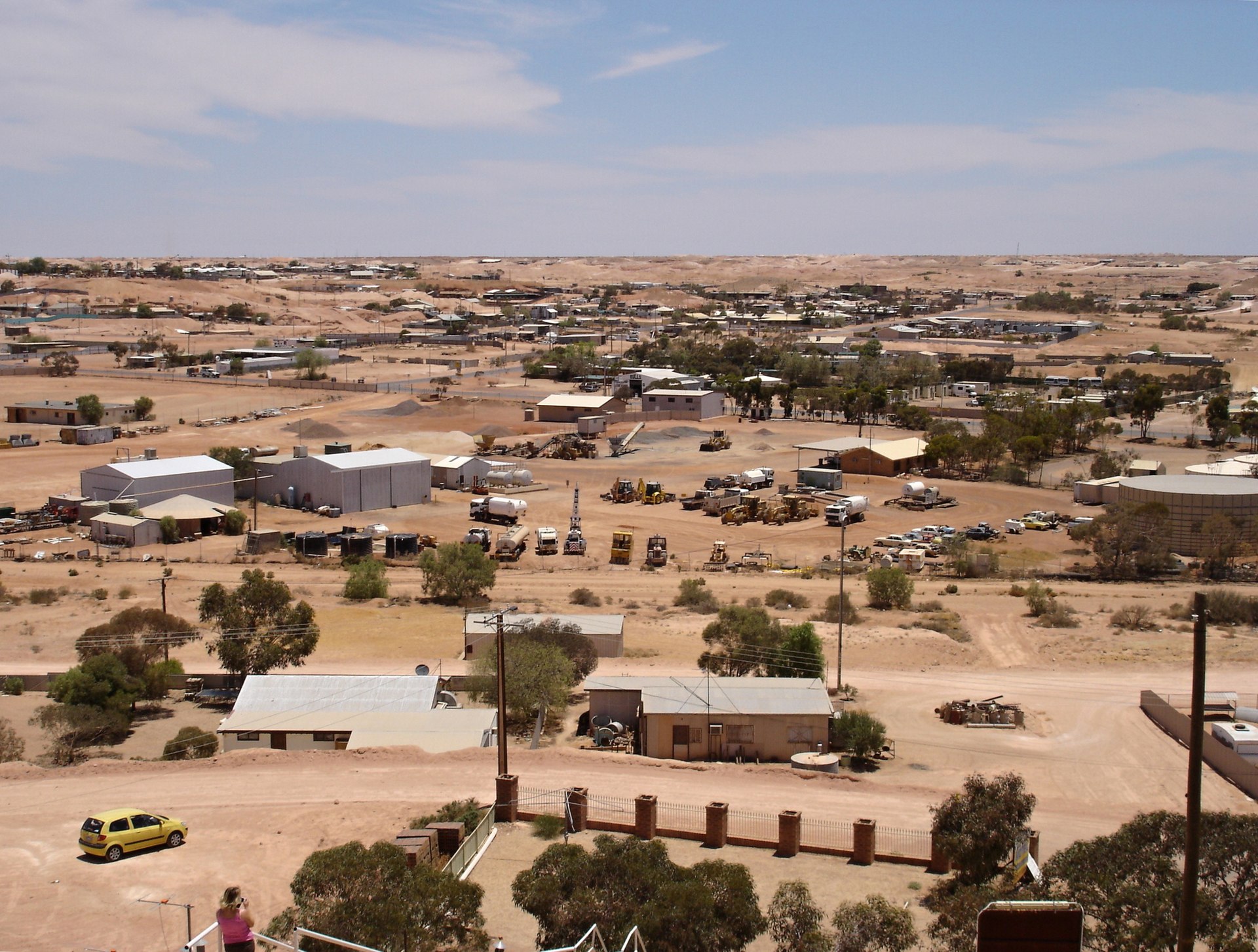
“Coober Pedy” derives from the Kokatha-Barngarla term “kupa-piti,” typically translated as “whitefellas’ hole” or “white man’s hole” — a reference to the underground living that European miners adopted. The name reflects Aboriginal observation of the European mining and dwelling practices rather than any pre-European place name. The cumulative term has become globally recognized as the town’s official name despite its specific origins describing the unusual European adaptation to the harsh environment.
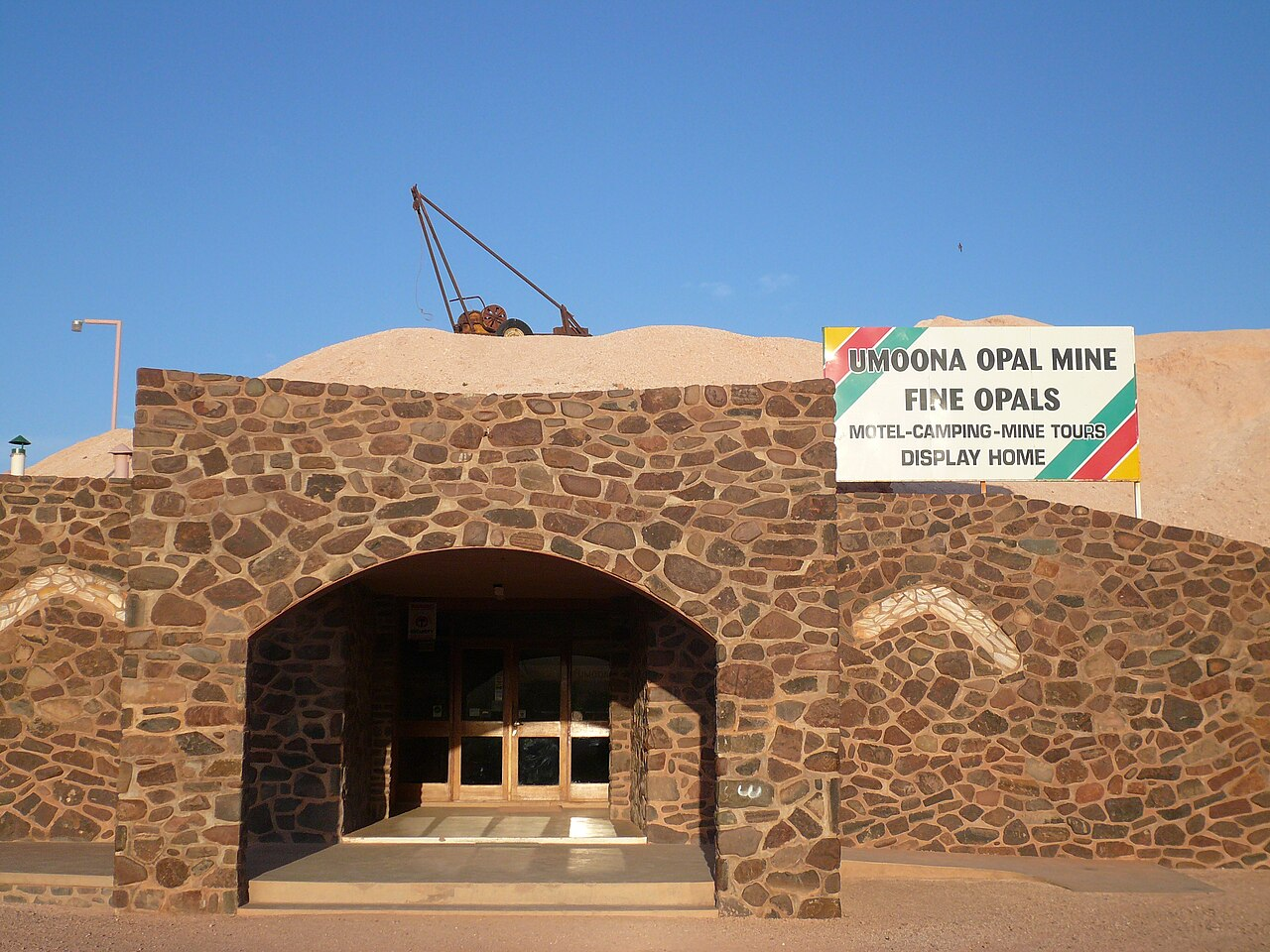
In July 1975, the local Aboriginal people of Coober Pedy adopted the alternative name “Umoona,” meaning “long life” and also their term for the mulga tree (Acacia aneura) common in the area. The Umoona name is used for various local establishments including the Umoona Opal Mine and Museum, Umoona Community Art Centre, and Umoona Tjutagku Health Service Aboriginal Corporation. Both names continue in use depending on context.
Slide 4: The Underground Housing Reality
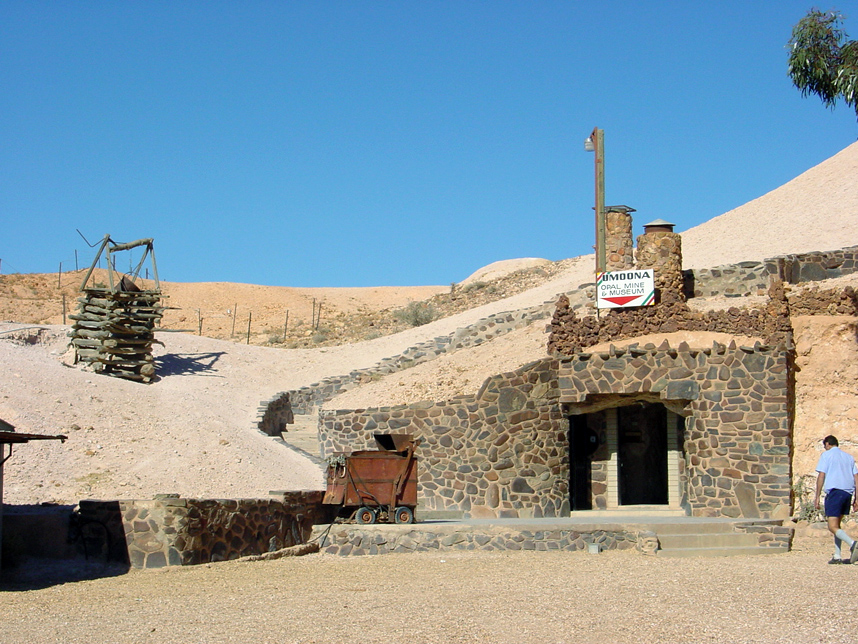
The “dugout” homes that define Coober Pedy are essentially private caves dug horizontally into sandstone hillsides. Construction occurs through specific process: miners drill or blast tunnels into hillsides, expand the tunnels into living spaces, install electrical and ventilation systems, and finish interiors with various materials. The cumulative process produces homes that can range from simple two-room dwellings to sprawling labyrinths with multiple bedrooms, living rooms, kitchens, bathrooms, and various other amenities.
The temperature consistency is genuinely remarkable. Outside temperatures can reach 50°C in summer and drop to single digits in winter. Inside dugouts, temperatures remain at 22-25°C year-round without any heating or cooling. The natural temperature regulation reflects the substantial thermal mass of the surrounding sandstone, which buffers temperature changes effectively. Energy costs for typical dugout homes are substantially lower than equivalent above-ground homes due to eliminated heating and cooling requirements.
Slide 5: How Dugouts Are Actually Built
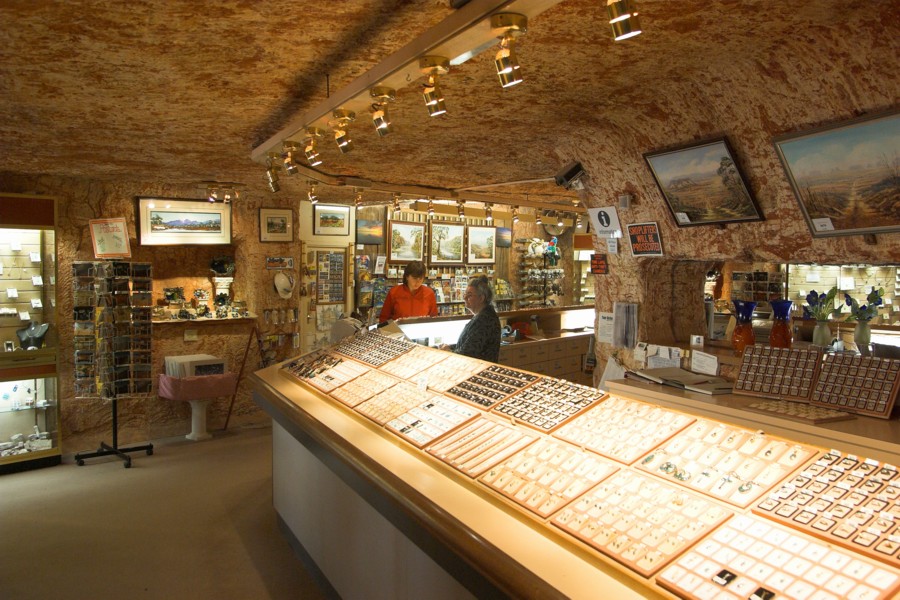
The dugout construction process has specific characteristics that distinguish it from conventional housing. Most dugouts are dug from existing mine tunnels — when miners encountered worked-out areas without further opal potential, the tunnels could be converted to living space rather than abandoned. The cumulative effect is that many dugouts incorporate former working mine sections into their living spaces. This dual purpose substantially reduced original construction costs compared to digging fresh tunnels specifically for housing.
Modern dugout construction can also occur through dedicated digging without prior mining. Specific equipment including tunnel boring machines and various excavation tools enables building purpose-built dugouts. Construction typically takes 6-12 months for substantial dugout homes. The cumulative cost is generally lower than equivalent above-ground construction in Coober Pedy due to eliminated requirements for substantial walls, insulation, heating, cooling, and various other elements that conventional construction requires.
Slide 6: The Underground Churches
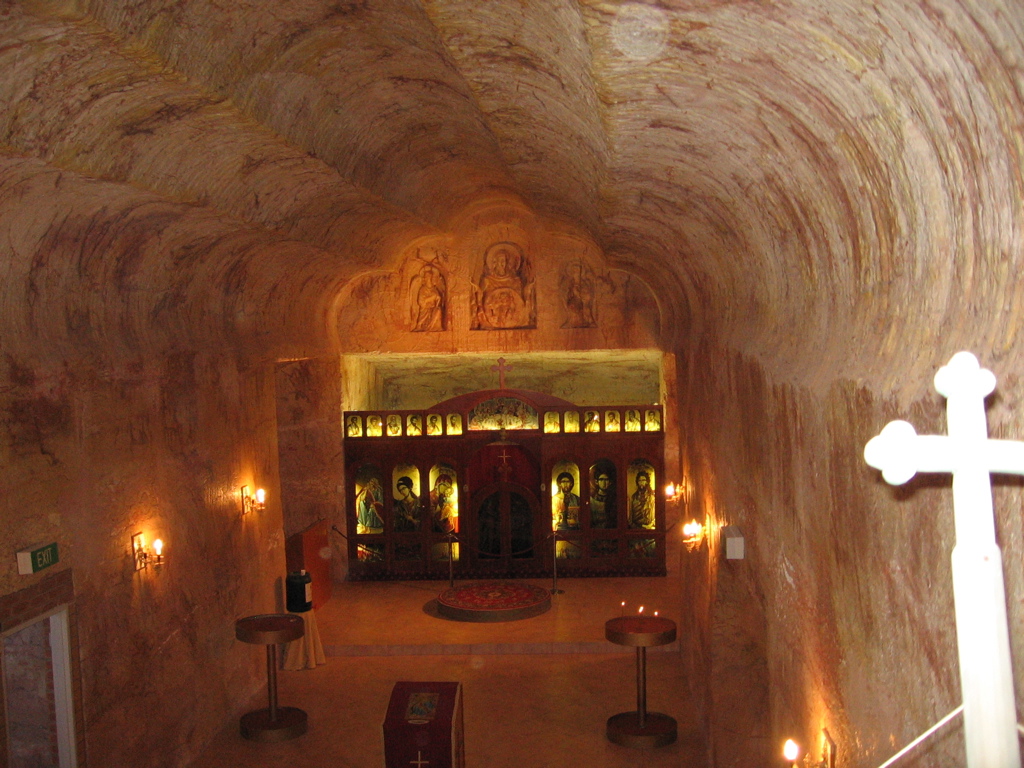
Coober Pedy has multiple underground churches that serve the town’s diverse population. The Serbian Orthodox Church features sandstone walls decorated with intricate carvings of saints and various religious imagery. The Catholic Church (Saint Peter and Saint Paul) provides another substantial underground worship space. An Anglican church and various other denominations also operate underground facilities.
The underground churches serve substantial religious functions for the town’s multicultural population. Coober Pedy has historically attracted miners from over 45 nationalities, with substantial post-WWII migration of Southern and Eastern European refugees. The specific churches reflect this multicultural character — Serbian Orthodox communities established their distinctive church to serve specific cultural and religious needs that other available churches couldn’t adequately accommodate. The churches function as both worship spaces and tourist attractions, with specific architectural and artistic features that make them substantial cultural sites.
Slide 7: The Famous Hollywood Connections
Coober Pedy’s lunar landscape has made it a popular filming location for various movies. “Mad Max Beyond Thunderdome” (1985) used the town’s distinctive surface terrain extensively. “Pitch Black” (2000) filmed substantial scenes in and around Coober Pedy. Various other films have used the town’s unique visual character for science fiction, post-apocalyptic, and various other settings requiring distinctively alien-looking landscapes.
The Hollywood productions have substantially affected the town’s tourism. Visitors specifically come to see filming locations from various movies. “Crocodile Harry’s Underground Nest” (the dugout home of late Latvian-born crocodile hunter Arvid Blumenthal) features prominently in Mad Max Beyond Thunderdome and continues drawing visitors decades after Blumenthal’s 2006 death. The cumulative film tourism represents significant portion of Coober Pedy’s tourism economy alongside opal-related visitor activities.
Slide 8: The Underground Tourism Infrastructure
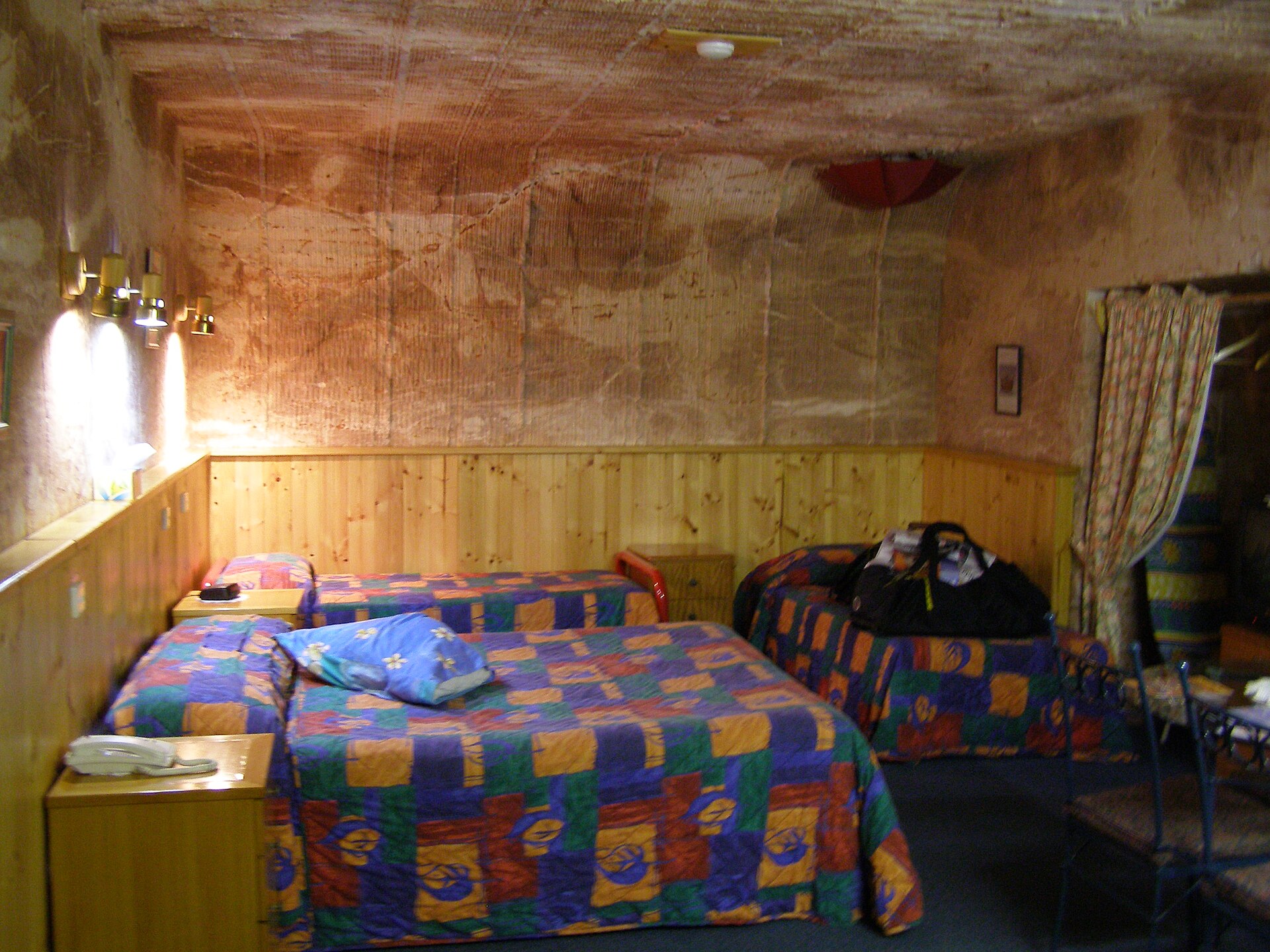
Modern Coober Pedy has substantially developed underground tourism infrastructure. The Desert Cave Hotel features underground rooms providing distinctive accommodation experience. Riba’s Underground Campground offers what may be the world’s only underground camping facility, set up in a former mine. Various underground hostels, motels, and other accommodation options provide diverse options at various price points.
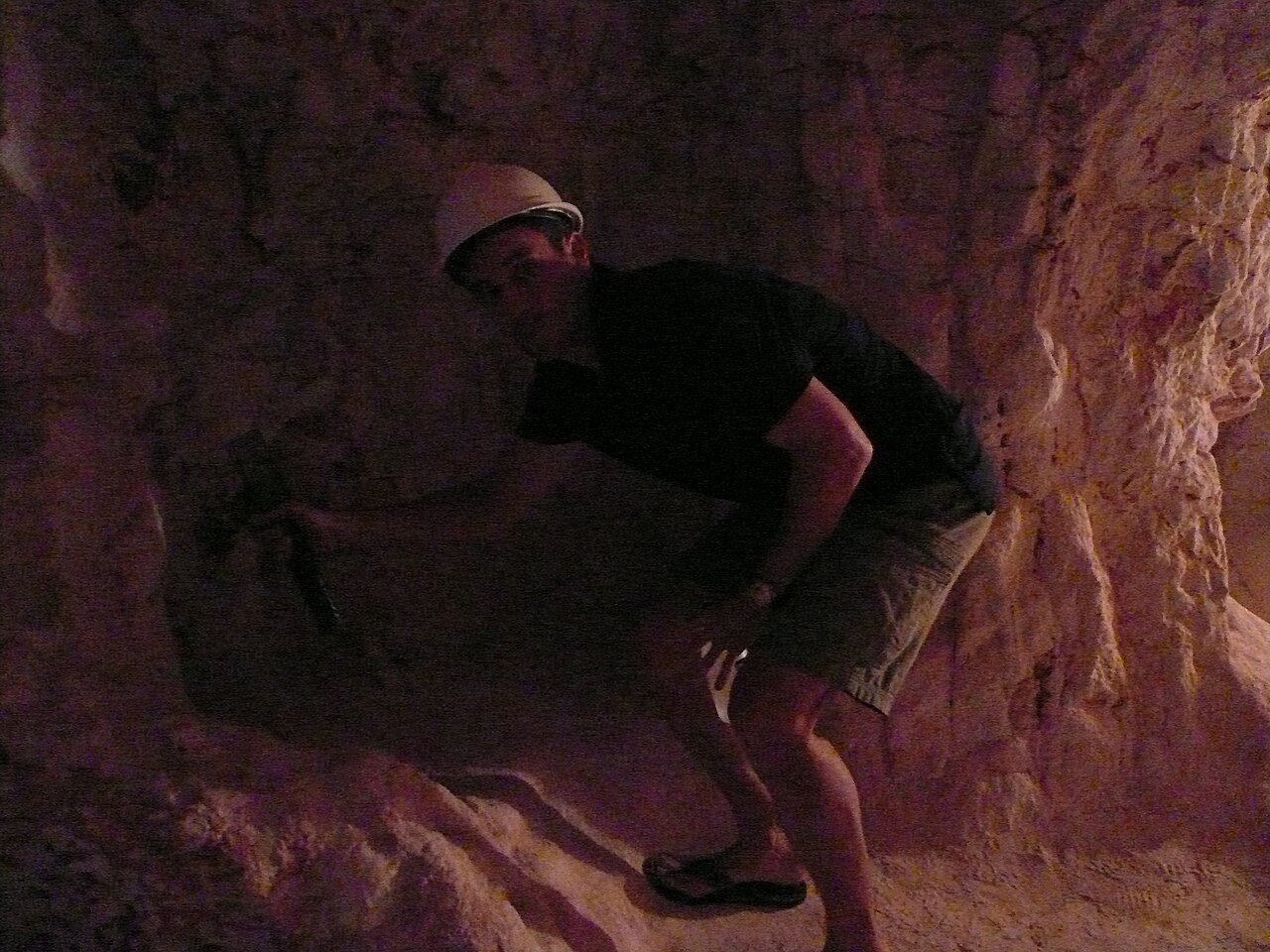
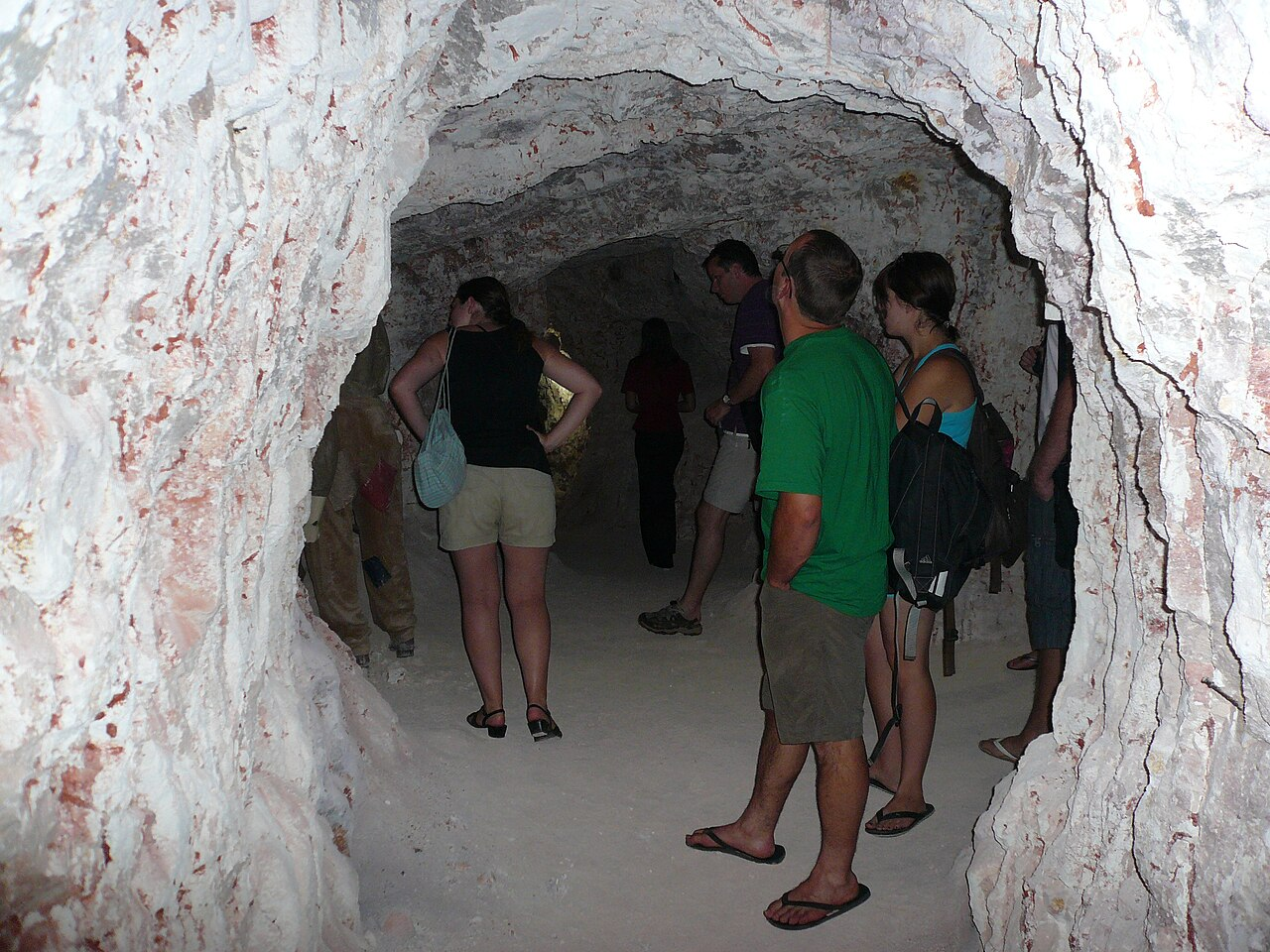
Underground commercial spaces include the Umoona Opal Mine and Museum (a sprawling former mine that has been converted to substantial museum space), various underground retail stores, an underground bookshop, an underground gaming room and bar (claimed by Desert Cave Hotel as world’s only such facility), and various other establishments. The cumulative underground commercial infrastructure provides substantial tourist activities that complement the standard above-ground attractions. Many visitors specifically plan tours that cover both above-ground and below-ground sites during multi-day visits.
Slide 9: The Working Opal Mining Reality
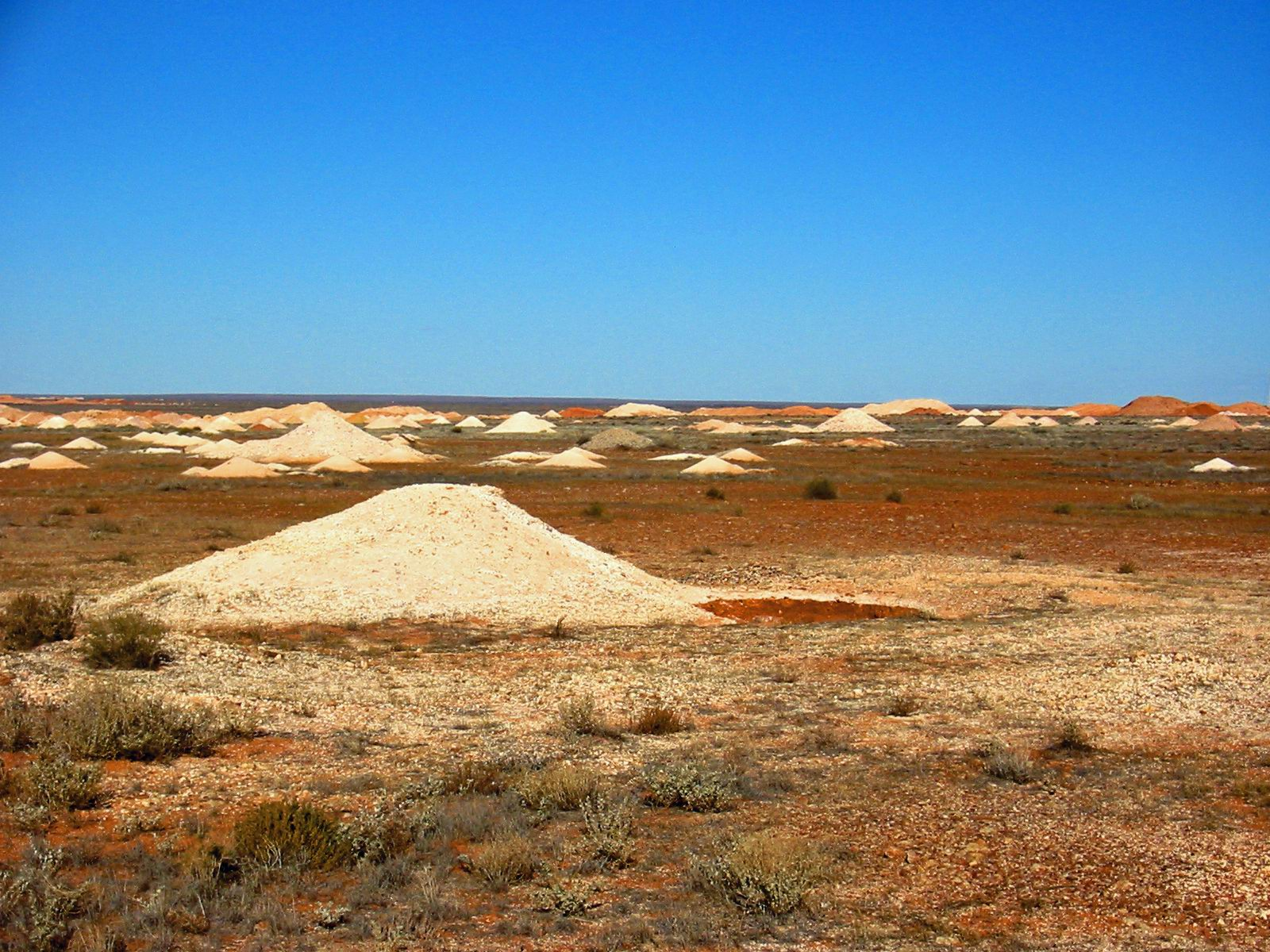
Despite the substantial tourism, Coober Pedy continues operating as a working opal mining town. Approximately 70% of the world’s gem-quality opal production comes from Coober Pedy. Specific mining operations range from small individual operations to substantial commercial mines. Various visitors can observe working operations, sometimes participate in “noodling” (sifting through abandoned mine tailings looking for missed opals), and purchase opals direct from miners.
Modern opal mining uses substantially different technology than the manual operations that dominated earlier eras. Bulldozers, blowers, and various other heavy equipment have largely replaced the picks and shovels of earlier generations. Specific mining methods include shaft mining, tunneling, and surface mining depending on geological conditions. The cumulative technology has substantially increased production rates while reducing labor requirements. The mining continues providing substantial livelihoods for individual miners, mining companies, and various supporting businesses.
Slide 10: The Multicultural History
Coober Pedy has unusual multicultural composition for an Australian outback town. Substantial European migration occurred after WWII, particularly from Southern and Eastern European countries. At various points in the post-war period, up to 60% of miners had Southern or Eastern European ancestry. The cumulative migration produced specific multicultural character that continues distinguishing Coober Pedy from typical Australian rural communities.
Specific ethnic communities have established substantial presence in Coober Pedy across decades. Greek, Italian, Yugoslav (now Serbian, Croatian, Bosnian), Polish, German, and various other communities have built specific cultural institutions, churches, restaurants, and various other establishments. The cumulative multicultural character produces specific cultural exchanges that international visitors often find surprising in remote Australian context. Various Aboriginal communities also continue substantial presence with specific cultural and economic roles in the town.
Slide 11: Practical Visit Information
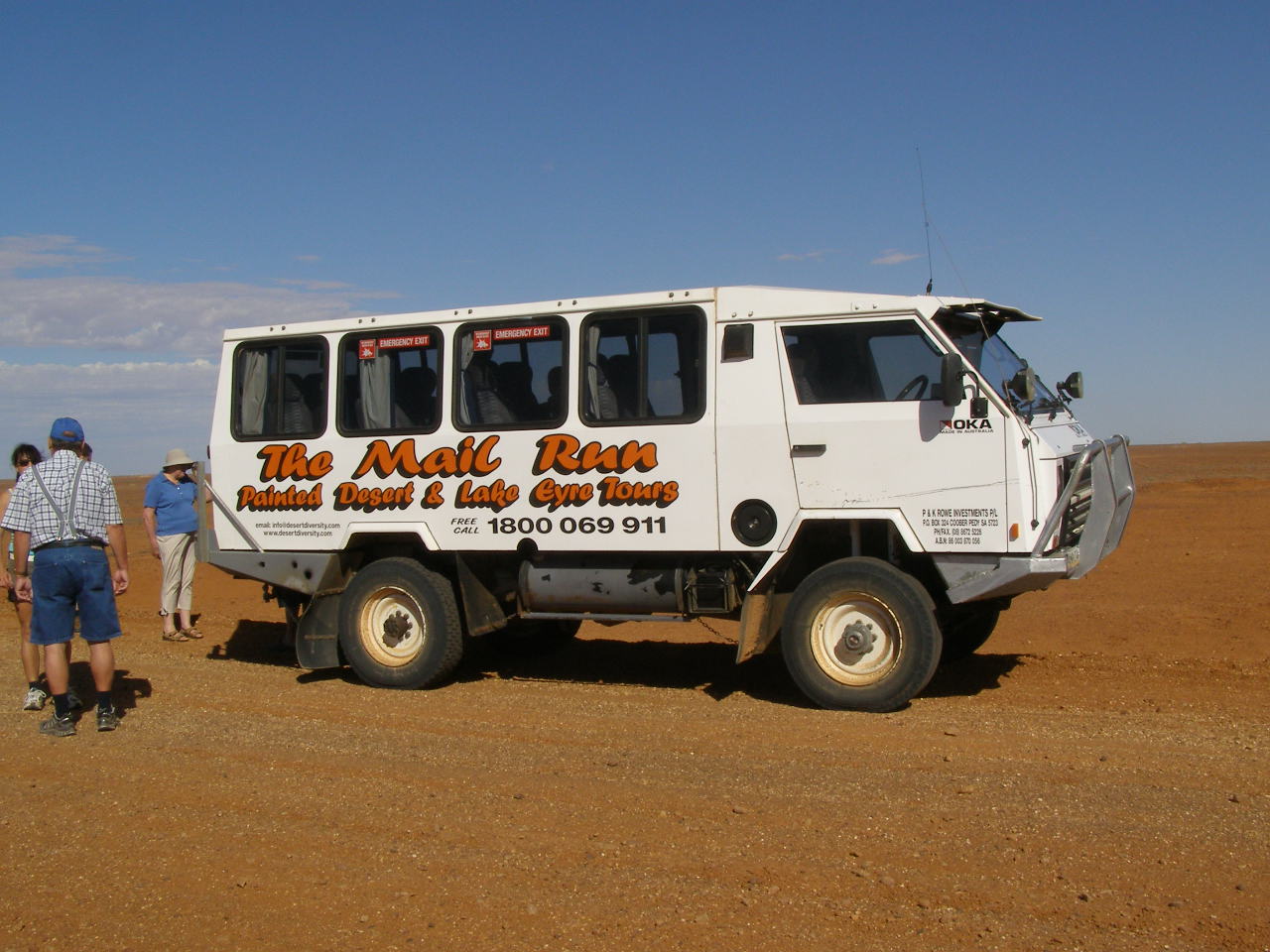
Practical guidance for travelers planning Coober Pedy visits. Access is via Stuart Highway from either Adelaide (846 km south) or Alice Springs (685 km north). Major bus services (Greyhound) operate between these cities with stops in Coober Pedy. Various tour operators run multi-day Outback tours including Coober Pedy stops. Driving requires substantial planning — fuel availability, water, vehicle preparedness for remote travel, and various other considerations require attention.
Most visitors plan 1-3 day visits, with multi-day stays providing substantially better experience than single-day visits. Underground accommodation options range from approximately AU$25 per night for hostel beds to AU$200+ for premium hotel rooms. Specific activities include underground tours, opal mine tours, the Umoona Mine and Museum, underground churches, “Crocodile Harry’s” dugout, the Coober Pedy Drive-in Theatre (one of Australia’s most distinctive outdoor cinemas), and various other attractions. Best visiting season: April-October when temperatures are most moderate.
Slide 12: The Future of Coober Pedy
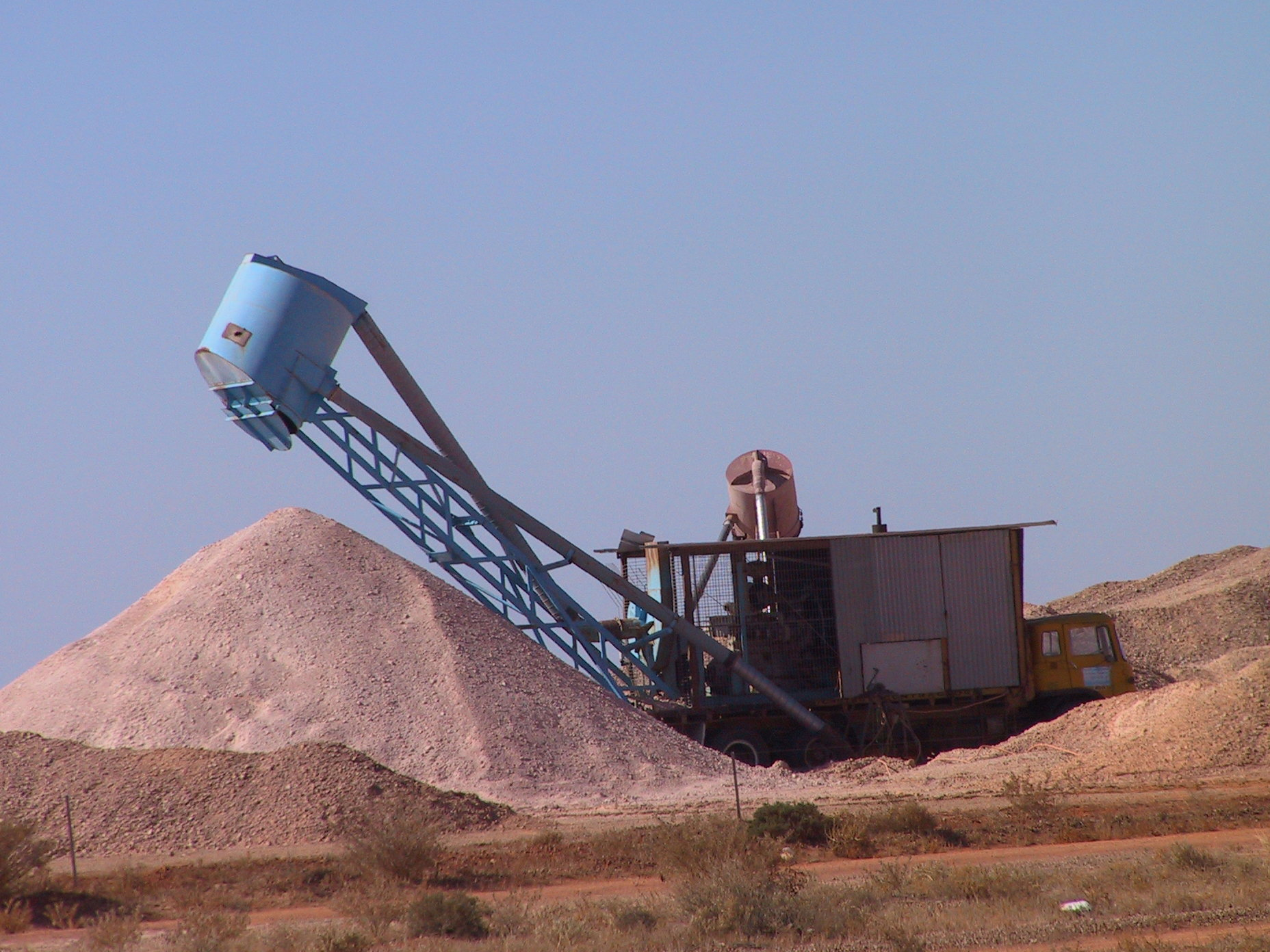
Coober Pedy faces specific long-term challenges that affect its future. Opal production has declined substantially from peak years as easily-accessible opal deposits have been progressively worked out. Younger generations of miners have substantially declined as the work has become economically less attractive compared to alternatives. Population has declined from peak years (the town had over 4,000 residents at various peak periods).
The combination of declining mining economics plus tourism opportunities creates specific tension about the town’s future direction. Some residents emphasize maintaining mining as town’s primary identity. Others emphasize tourism development as more sustainable economic foundation. Various other approaches focus on diversification including renewable energy (Coober Pedy operates a hybrid solar power station), various other industries, and various other strategies. The cumulative future direction remains genuinely uncertain — the town has persisted through previous challenges but faces substantial pressure on traditional mining economic foundation.
What Coober Pedy Actually Represents
Coober Pedy represents specific human adaptation to genuinely extreme environment. The combination of harsh climate, scarce water, substantial mining wealth, and creative residential adaptation has produced something genuinely distinctive globally. Underground living solved specific environmental problems while creating unique community character that has persisted for over 100 years. The mining industry that originally drew residents continues operating, even as tourism has supplemented it as substantial economic activity. For international travelers interested in genuinely distinctive destinations, Coober Pedy provides experience genuinely unavailable elsewhere — both in terms of physical environment (the lunar landscape, underground homes, working opal mines) and cultural character (the multicultural community, the specific Australian outback culture, the various historical layers from Aboriginal presence through European migration through modern tourism). The cumulative experience represents specific aspect of Australian Outback culture that mainstream tourism rarely emphasizes despite its substantial distinctiveness.
