Walk into any traditional American diner from Maine to California and you’ll find essentially the same menu. Disco fries. Two eggs any style with home fries and toast. Patty melts. Tuna melts. Open-faced turkey sandwiches with gravy. Greek salads. Club sandwiches. Various other specific items. The menu standardization isn’t accidental — it reflects specific business logic about what diners actually do and how they actually function. Understanding the consistency helps explain why the American diner has remained one of the most distinctive American restaurant categories despite various competitive pressures over decades.
The American diner represents one of the most distinctive American restaurant categories — a specific combination of menu, atmosphere, service style, and operational characteristics that has remained substantially consistent across decades despite enormous changes in American food culture more broadly. Walking into any traditional diner produces specific experience pattern that’s essentially identical regardless of geographic location. The consistency reflects specific business logic about what diners actually do, how they survive economically, and what their customers actually want. Understanding the actual basis matters substantially for both understanding American food culture and appreciating what makes diners genuinely distinctive.
The 24-Hour Operation Reality

The classic American diner operates 24 hours daily — or at minimum extended hours that exceed typical restaurant operations. The 24-hour model substantially affects menu design. Items must work for breakfast, lunch, dinner, and various other meal contexts. Specific items must be preparable rapidly during slow periods when full kitchen staff isn’t available. Various menu elements must accommodate the specific customer mix that 24-hour operations attract — including substantial late-night customers, shift workers, travelers, and various other categories that conventional restaurants don’t typically serve.
The cumulative effect produces specific menu patterns. Breakfast items must be available all day (the famous “breakfast all day” diner standard). Various items must be preparable on griddles and basic equipment that operates throughout 24-hour periods. Specific items that require substantial kitchen complexity work better than those requiring substantial preparation. The cumulative menu design reflects 24-hour operational reality rather than just customer preferences alone.
The Greek-American Influence
A specific factor in American diner menu standardization involves Greek-American immigrants who substantially shaped diner culture across the 20th century. Greek immigrants entered the diner business in substantial numbers starting in the early 20th century, particularly in the Northeast (New York, New Jersey, Pennsylvania). By the 1950s-1970s, substantial portions of American diners were Greek-owned and operated.
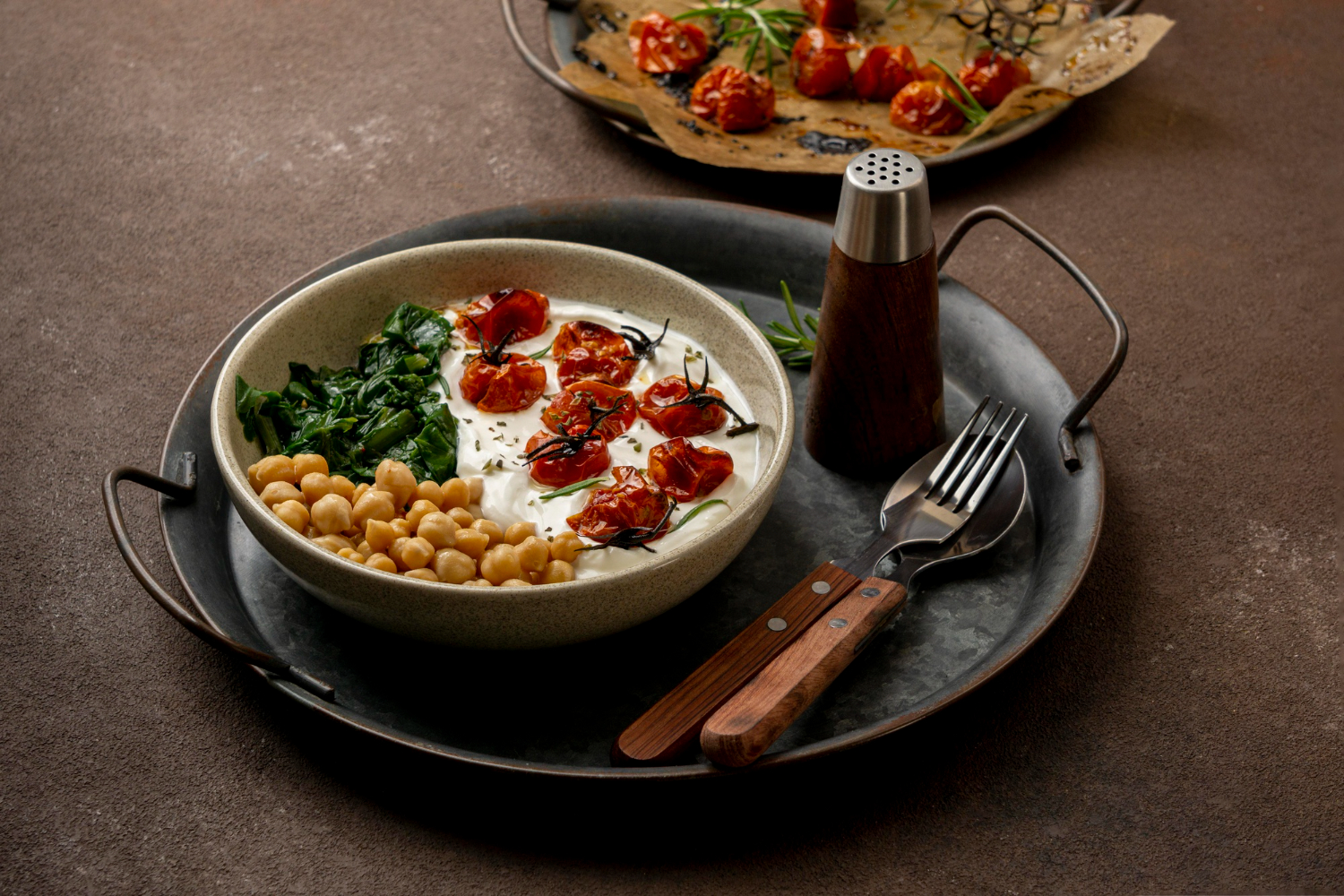
The Greek influence introduced specific menu items that became standard across non-Greek-owned diners as well. Gyros, Greek salads, Greek-style spinach pies (spanakopita), various Greek-style desserts (baklava), and various other specific items appeared on diner menus regardless of ownership. Various Greek-American restaurant suppliers became dominant in diner equipment and ingredient supply chains. The cumulative Greek influence essentially defined modern American diner menu standards even as ownership has diversified across various other ethnic groups in subsequent decades.
The Equipment-Driven Menu Logic

American diner menus reflect specific kitchen equipment that defines diner operations. The flat-top griddle handles most cooking. Various grills handle specific items. Deep fryers handle fried foods. Steam tables hold prepared items. Specific other equipment handles various other functions. The cumulative kitchen design substantially constrains what menu items work efficiently versus what items would require substantial additional equipment.
The menu standardization across diners reflects this equipment standardization. Items that work on standard diner equipment appear on essentially all diner menus. Items requiring specialized equipment are typically absent regardless of regional variation. The cumulative pattern means that diner menu items are essentially preselected by equipment availability — items that don’t work on standard diner kitchens don’t appear regardless of customer demand or chef preferences. The cumulative consistency emerges from this equipment-driven logic rather than from explicit menu coordination across diners.
The “Menu Bible” Phenomenon
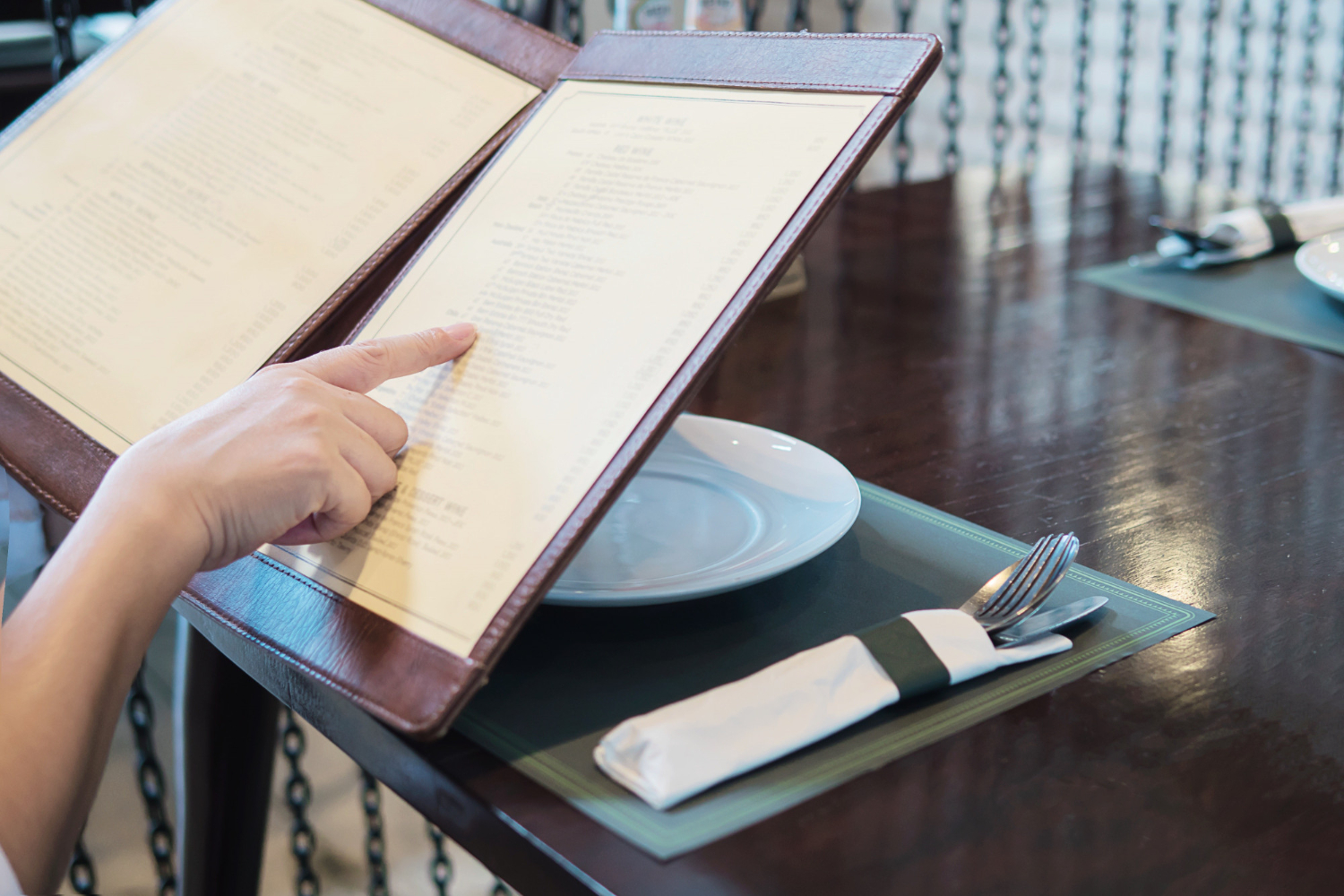
Various restaurant supply companies and distributors have produced what’s sometimes called the “diner menu bible” — comprehensive menu templates that diner owners can adapt for their specific operations. The cumulative templates include essentially all standard diner items with specific suggested preparation methods, portion sizes, pricing strategies, and various other operational details. New diner operators frequently start with these templates rather than designing menus from scratch.
The cumulative effect of menu template usage produces substantial menu standardization across diners that have no other connection. Various specific items appear on essentially all diner menus precisely because the template recommendations have been substantially identical for decades. Various regional variations exist but the core template substantially defines what items appear regardless of specific regional adjustments. The cumulative result: walking into a diner you’ve never visited before produces substantially predictable menu experience because the menu was essentially predetermined by industry standardization rather than individual operator design.
The Open-Faced Turkey Sandwich
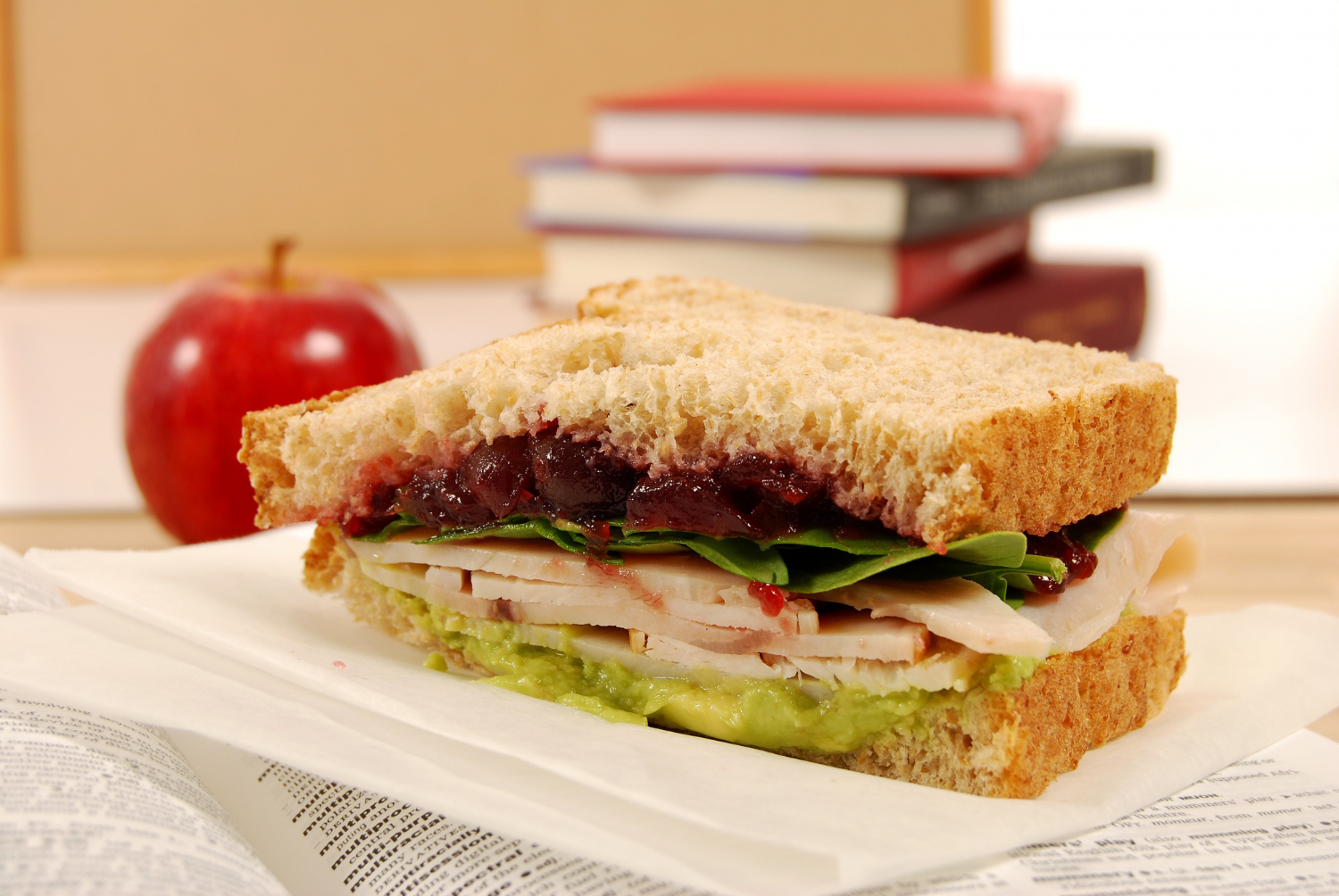
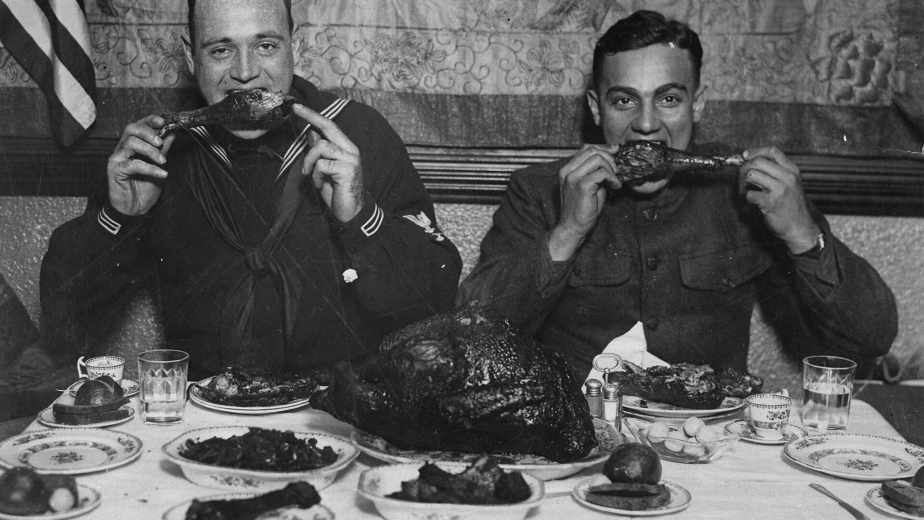
Various specific items deserve specific attention as exemplars of diner menu standardization. The open-faced turkey sandwich (turkey breast slices on white bread, covered with substantial gravy, served with mashed potatoes and various sides) appears on essentially every American diner menu. The dish reflects specific elements: uses precooked turkey that holds well, requires no specialized preparation skills, fits standard diner equipment, provides substantial filling at low cost, appeals to specific customer demographics.
The cumulative logic explains why the open-faced turkey sandwich persists on diner menus despite substantial decline in mainstream American restaurant culture. Various other restaurants don’t serve the dish — it has become essentially diner-specific. The dish exemplifies what diner menus actually do: provide specific items optimized for diner operational logic rather than mainstream restaurant aesthetics. Various other diner-specific items follow similar patterns — specific dishes that work specifically in diner operational context regardless of broader culinary trends.
The Disco Fries Origin
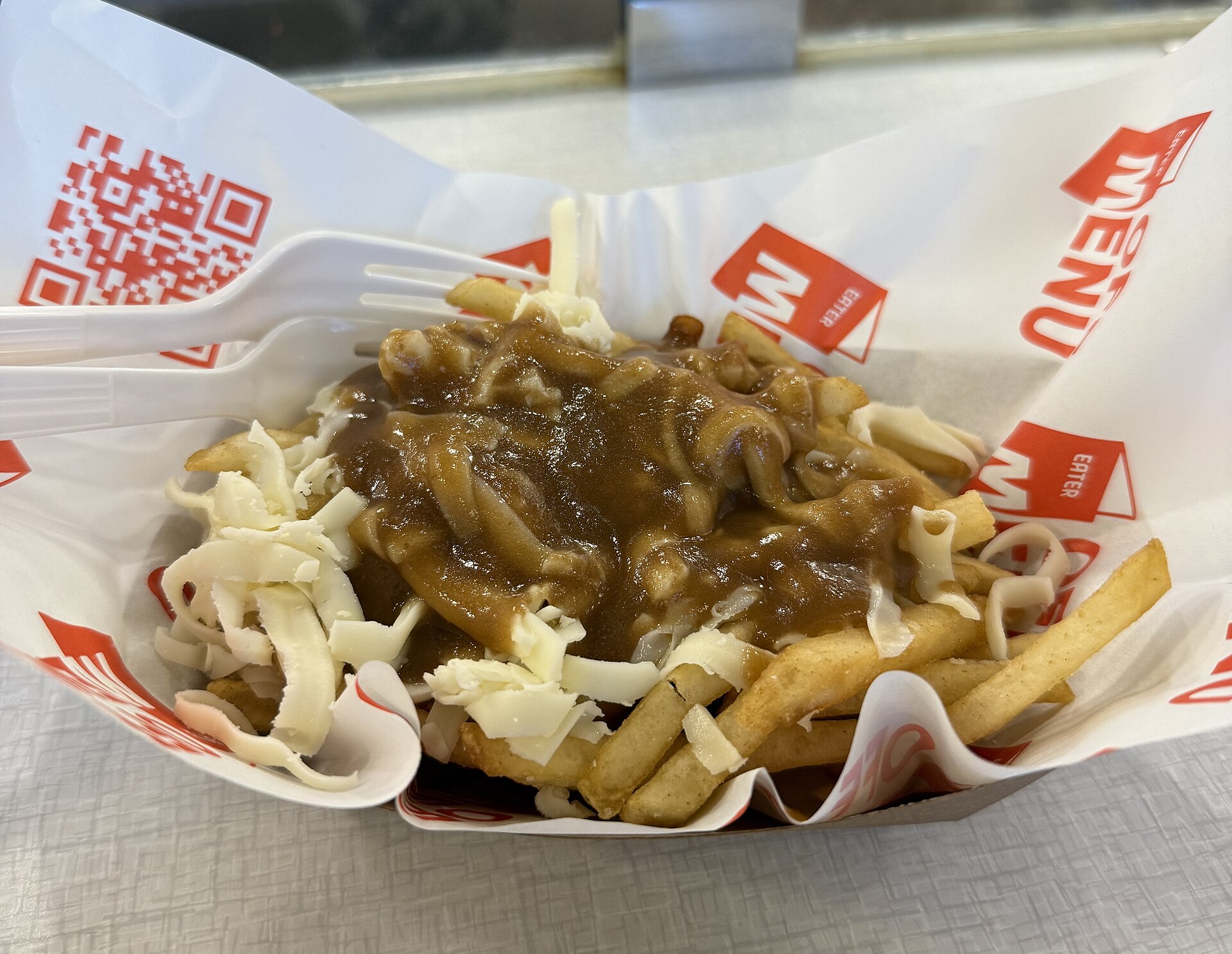
Disco fries (French fries topped with brown gravy and melted mozzarella cheese) provide specific example of regional diner item that became substantial menu standard. The dish originated in Northern New Jersey diners during the 1970s, possibly inspired by Canadian poutine but developed independently. The Greek-American diner culture of Northern New Jersey specifically produced and standardized the dish.
By the 1990s, disco fries had spread to diners throughout the broader Northeast region. By the 2010s, various diners outside the Northeast had added disco fries despite the dish’s specific regional origins. The cumulative spread reflects how diner menu items propagate through informal networks of operators, suppliers, and customers. Various other regional dishes have followed similar paths from specific origins to broader diner menu adoption. The cumulative phenomenon illustrates how diner menus continue evolving despite their substantial standardization.
The Regional Variations That Do Exist
Despite substantial standardization, diner menus do show regional variations. Northeast diners (particularly New Jersey, New York, Pennsylvania) feature substantial Greek-American influence and items like disco fries, Taylor ham (pork roll) sandwiches, and various other specific items. Southern diners may feature grits, biscuits and gravy, country fried steak, and various other specific Southern items. Midwest diners may feature various dishes specific to regional preferences. West Coast diners may feature various specific items reflecting Pacific influences.
The cumulative regional variation operates within substantially standardized framework. Core menu items are essentially identical regardless of region. Regional additions and modifications occur on top of the standard menu rather than replacing it. The cumulative pattern produces substantially predictable diner experience nationally with specific regional flavor that adds variety without disrupting the essential consistency. Most diners can be substantially understood through national menu patterns plus specific regional additions.
The Atmosphere Standardization
Beyond menus, American diners feature substantial atmospheric standardization. Specific physical elements appear consistently: counter seating with stools, booth seating along walls, formica or similar surfaces, fluorescent lighting (or specific traditional lighting that produces similar effect), specific decorative elements (often including local sports memorabilia, vintage posters, or various other typical items), specific waitstaff uniforms or styles, various other specific elements.
The cumulative atmospheric standardization complements menu standardization. Walking into a diner produces specific sensory experience regardless of geographic location — same general atmosphere, same general menu, same general service style. The cumulative consistency provides specific value to customers who specifically want predictable diner experience. Various people specifically choose diners precisely because the predictability provides comfort that other restaurant categories don’t match. The cumulative phenomenon represents specific aspect of American restaurant culture that operates differently from various other restaurant categories that emphasize differentiation rather than consistency.
What This Standardization Reveals
The American diner menu standardization represents specific aspect of how restaurant categories actually function. Various restaurants emphasize differentiation, individual chef vision, specific regional cuisines, and various other elements that distinguish them from competitors. American diners operate on substantially different model — emphasizing consistency, predictability, broad accessibility, and various other elements that produce reliable customer experience. The two models serve substantially different customer needs and operate through substantially different business logic.
For travelers interested in specific authentic American restaurant experiences, the diner provides genuine entry to substantially distinctive American food culture. The specific items, atmosphere, service style, and various other elements combine to produce experience that doesn’t exist in other countries (despite various international attempts to replicate it). The cumulative experience represents specific aspect of American culture that has persisted across decades despite various competitive pressures from chain restaurants, fast food, fast casual, and various other newer categories. The diner standardization isn’t limitation — it’s the specific thing that makes diners actually function as the institution they are. Diners that abandon the standardization typically struggle commercially because customers specifically want the predictable diner experience rather than chef-driven variation. The cumulative system continues working precisely because it consistently delivers what diner customers actually want.