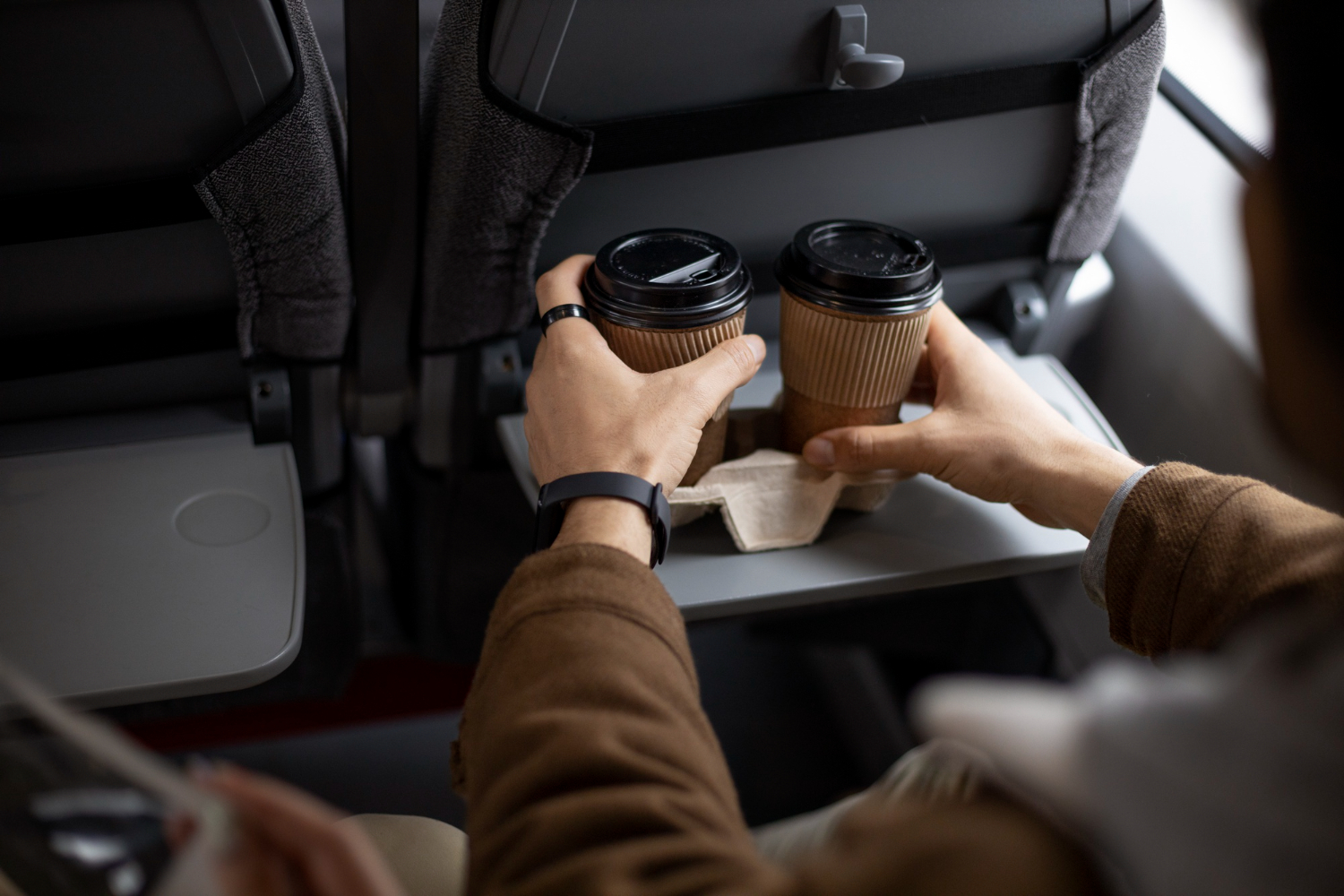
Airline coffee tastes substantially different from coffee at coffee shops, restaurants, or homes — even when the same beans and brewing equipment are used. The differences trace to specific factors involving cabin pressure, water source, brewing equipment limitations, and various other elements that affect coffee quality in flight contexts. Most travelers describe airline coffee as substandard despite airlines’ substantial investment in coffee programs. Understanding the actual reasons reveals specific aspects of how cabin environment affects food and beverage perception — and why “good airline coffee” remains essentially impossible despite ongoing improvement attempts.
The airline coffee phenomenon represents specific intersection of environmental conditions, equipment limitations, water quality concerns, and various other factors that combine to produce substantially different beverage than the same coffee would taste at ground level. Airlines have invested substantially in coffee programs across recent decades — major chains have partnered with specialty coffee brands, upgraded brewing equipment, and modified service procedures. Despite these investments, airline coffee continues underperforming compared to ground-based equivalents. Understanding why provides specific insight into how cabin environment affects food and beverage experience.
The Cabin Pressure Effect
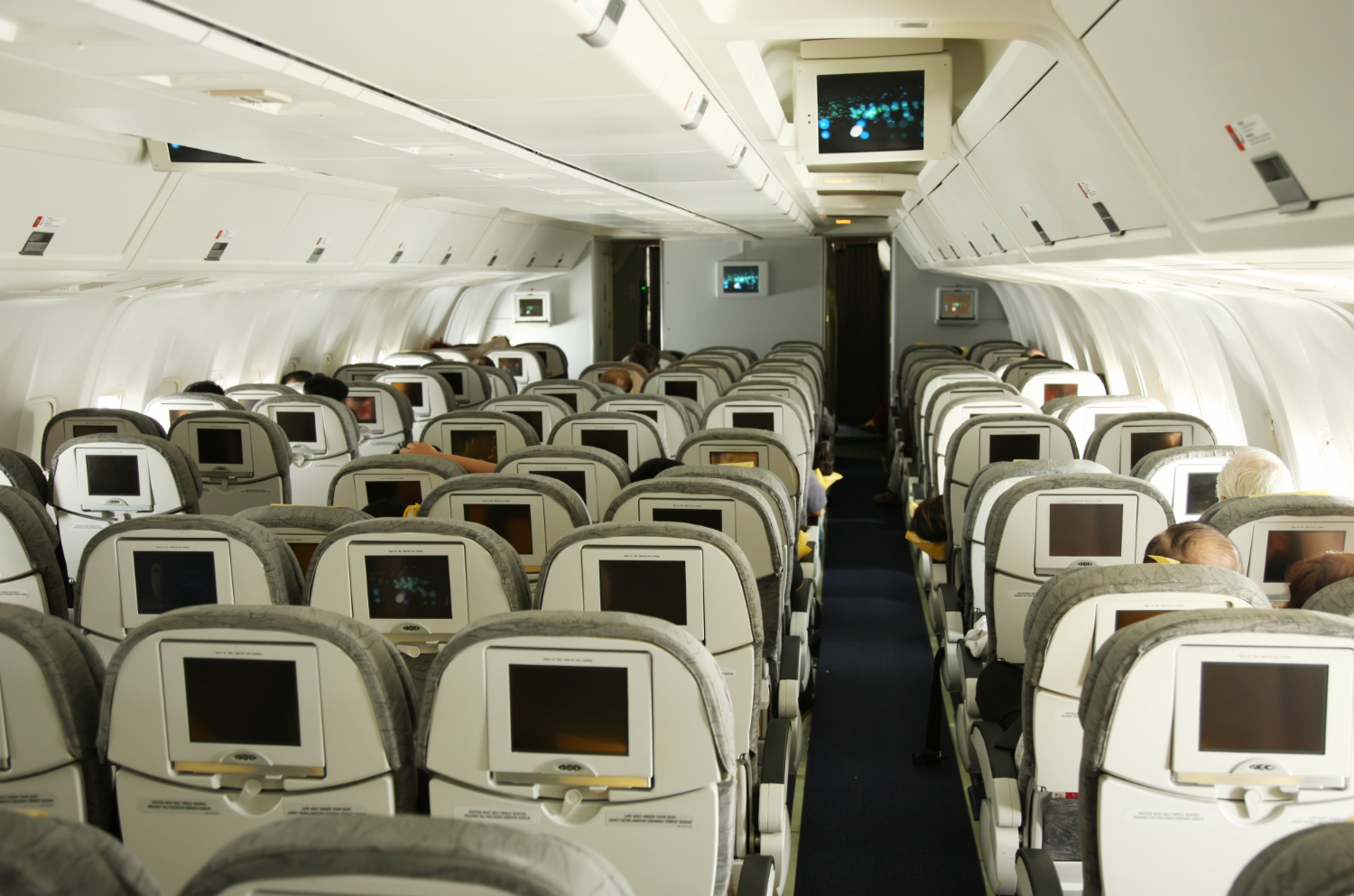
Aircraft cabins are pressurized to approximately 6,000-8,000 feet equivalent altitude rather than ground-level pressure. The specific pressure substantially affects taste perception. Lower pressure reduces taste bud sensitivity to specific flavors — particularly sweet and salty tastes, which are detected approximately 30% less effectively at cruising altitude than at ground level. Various other taste perceptions are affected to varying degrees.
The cumulative pressure effect substantially impacts coffee perception. Coffee’s complex flavor profile depends on detection of various subtle elements that pressure-reduced taste sensitivity substantially diminishes. The cumulative result: coffee tastes blander, less complex, and substantially less appealing at cruising altitude than at ground level. Various people describe airline coffee as tasting “watery” or “weak” specifically because reduced taste sensitivity makes coffee flavor harder to perceive even when actual coffee is properly prepared.
The Cabin Air Dryness
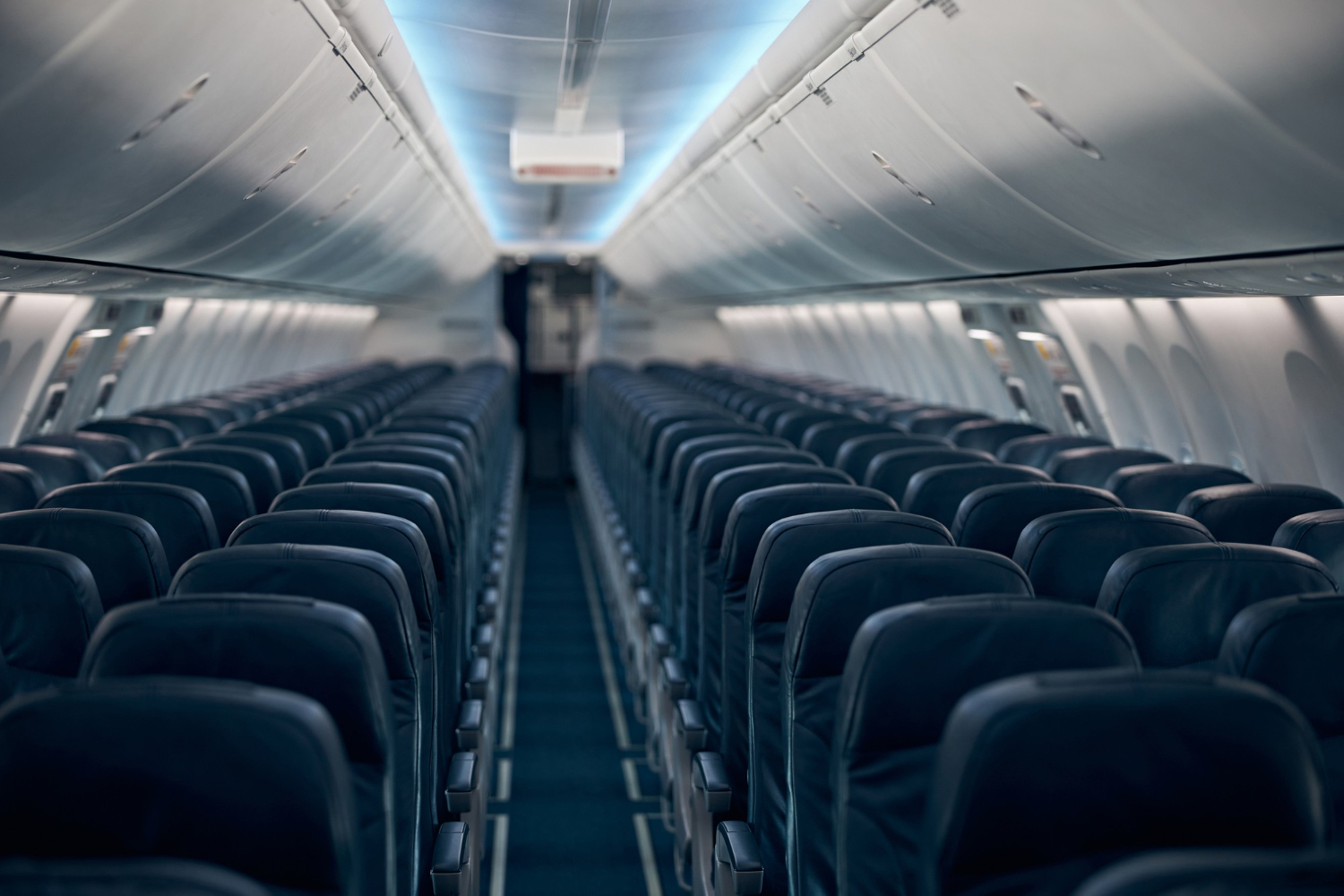
Aircraft cabins maintain humidity at approximately 10-20% relative humidity — substantially below typical ground-level humidity (40-60%) and below what most people consider comfortable. The dry cabin air affects several elements relevant to coffee perception. Mucous membranes that affect taste become substantially less effective at detecting subtle flavors when dehydrated. Smell perception (which substantially affects taste perception) similarly degrades in dry conditions.
The cumulative dryness effect compounds the pressure-related perception issues. Coffee aroma — which substantially contributes to overall coffee experience — is essentially eliminated in dry cabin conditions. The volatile compounds that create coffee aroma evaporate rapidly without appropriate humidity to suspend them in air around the coffee cup. The cumulative result: coffee not only tastes diminished but loses substantial aromatic experience that ground-based coffee provides. Specific aspects of coffee enjoyment essentially cannot occur in cabin conditions regardless of coffee quality.
The Water Source Reality
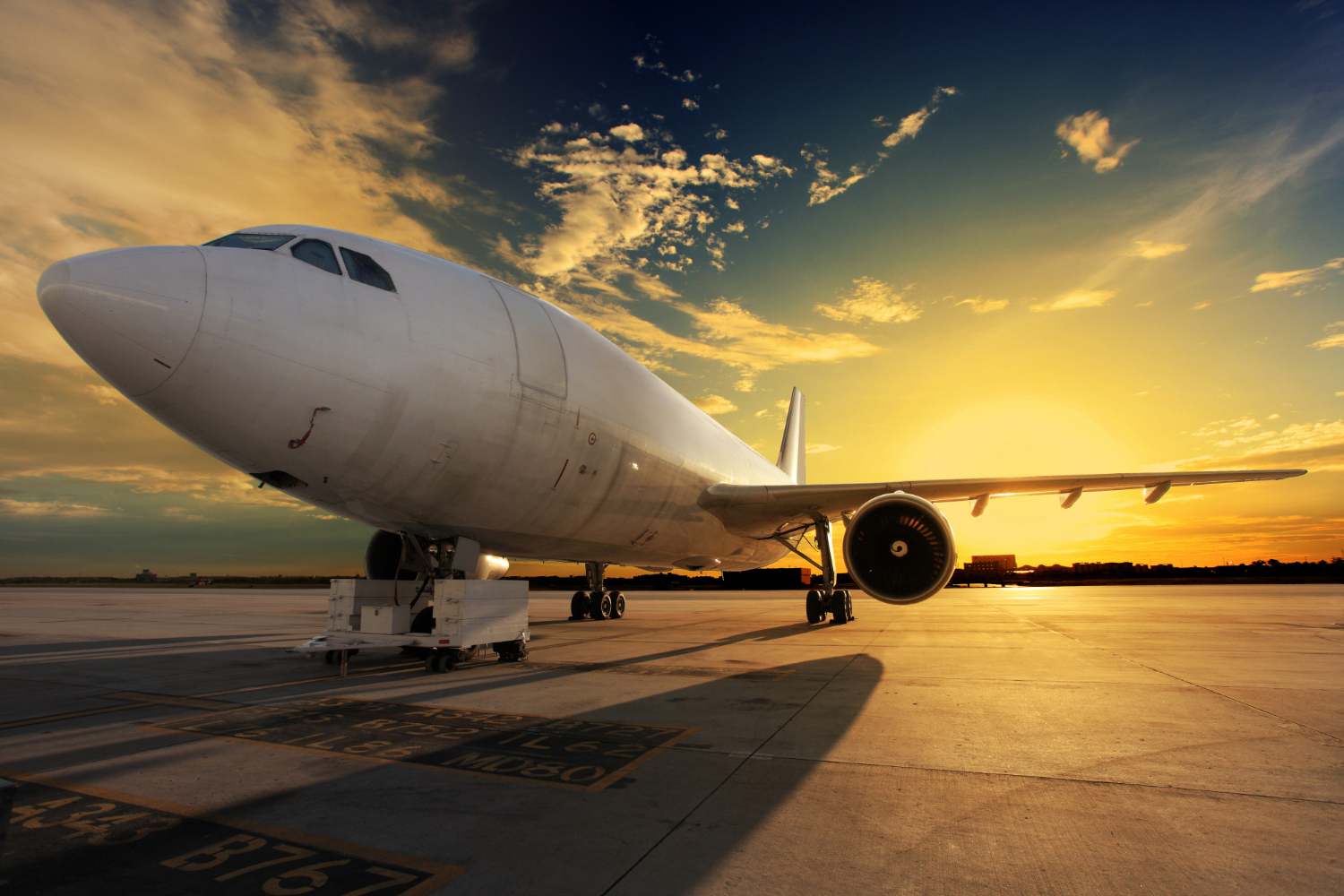
A specific factor in airline coffee involves water sources. Aircraft water tanks are filled at various airports and may store water for substantial periods. The cumulative water quality varies substantially between airports and between specific aircraft. Various airports have different water quality. Aircraft water tanks themselves can develop substantial bacterial contamination if not properly maintained. The cumulative water quality is substantially worse than typical home or coffee shop water.
Specific FDA studies have documented bacterial contamination in airline water systems. Various aircraft water tanks have shown E. coli, coliform bacteria, and various other contaminants. The cumulative contamination has produced specific FAA and international regulatory attention. While airlines have substantially improved water system maintenance in recent decades, the underlying water quality issues persist. The cumulative effect: airline coffee is brewed with water that’s substantially worse than ground-level coffee water, contributing to the perception differences that travelers observe.
The Brewing Equipment Limitations
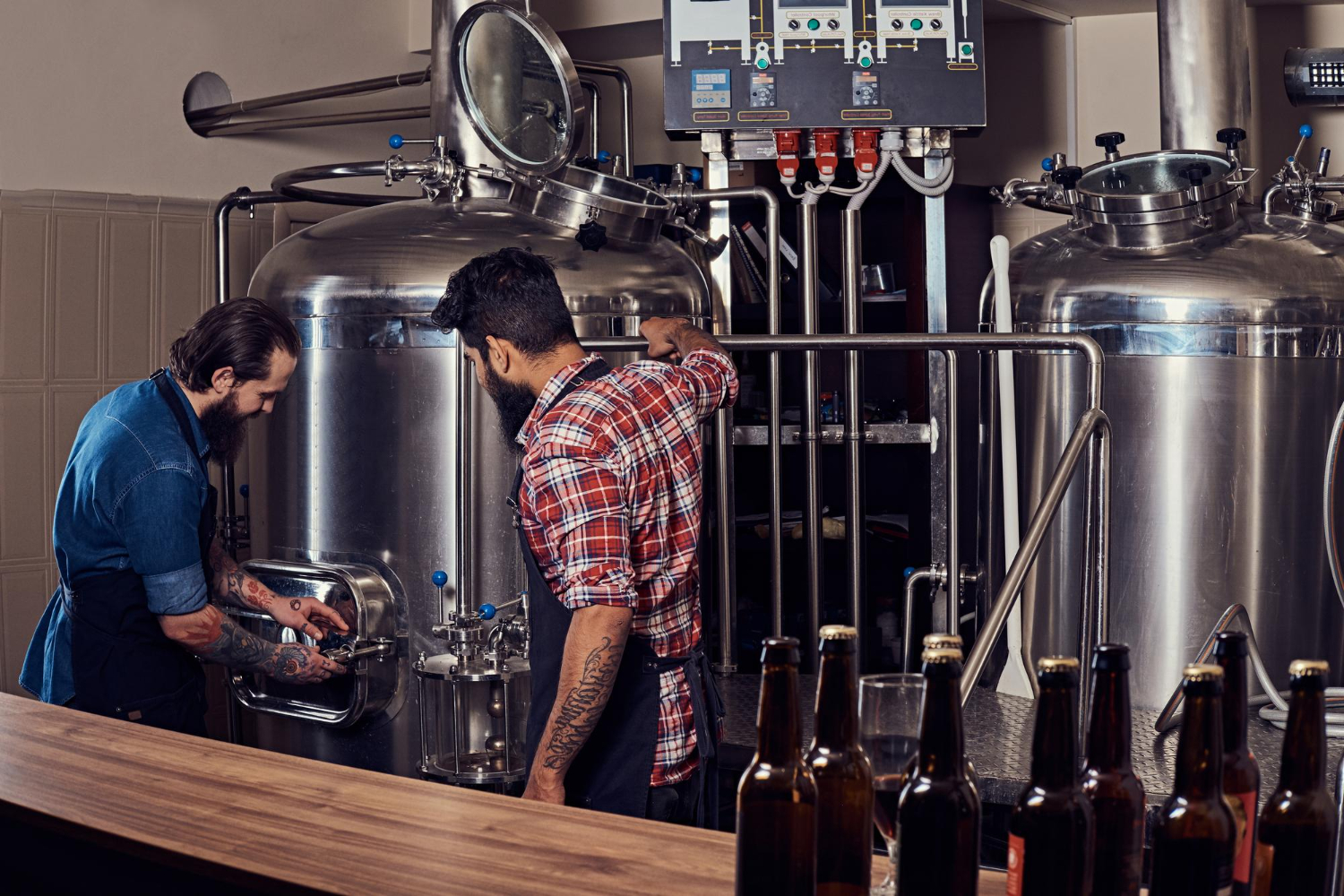
Aircraft galley brewing equipment differs substantially from ground-based coffee equipment. Specific limitations include: smaller brewing capacity (typical galley coffeemakers brew much smaller quantities than ground equipment), different temperature management (cabin pressure affects boiling temperatures), space constraints affecting equipment design, and various other factors that limit equipment options.
The cumulative equipment limitations substantially affect coffee quality. Specific brewing techniques that produce optimal results at ground level may produce inferior results in aircraft galleys. The cumulative engineering challenges have prevented airlines from achieving ground-level coffee quality despite substantial equipment investments. Various airlines have attempted specialized aircraft coffee equipment with mixed results — some improvements have occurred but fundamental limitations persist regardless of equipment investment.
The Coffee Storage Reality

Coffee aboard aircraft is typically stored for substantial periods between airport restocking. Pre-ground coffee in sealed containers maintains reasonable quality for several days but degrades substantially across longer storage periods. Various long-haul flights may use coffee that has been aboard the aircraft for substantial time periods. The cumulative storage degradation affects flavor regardless of original coffee quality.
Specific aircraft maintenance schedules affect coffee quality. Aircraft on substantial international routing may not return to maintenance bases that fully restock supplies for substantial periods. The cumulative supply chain affects coffee quality differently from ground-based operations where coffee is typically used quickly after arrival. Various airlines have specifically addressed coffee storage through improved packaging and shorter storage cycles, but fundamental constraints related to flight operations limit improvement potential.
The Specific Brand Realities
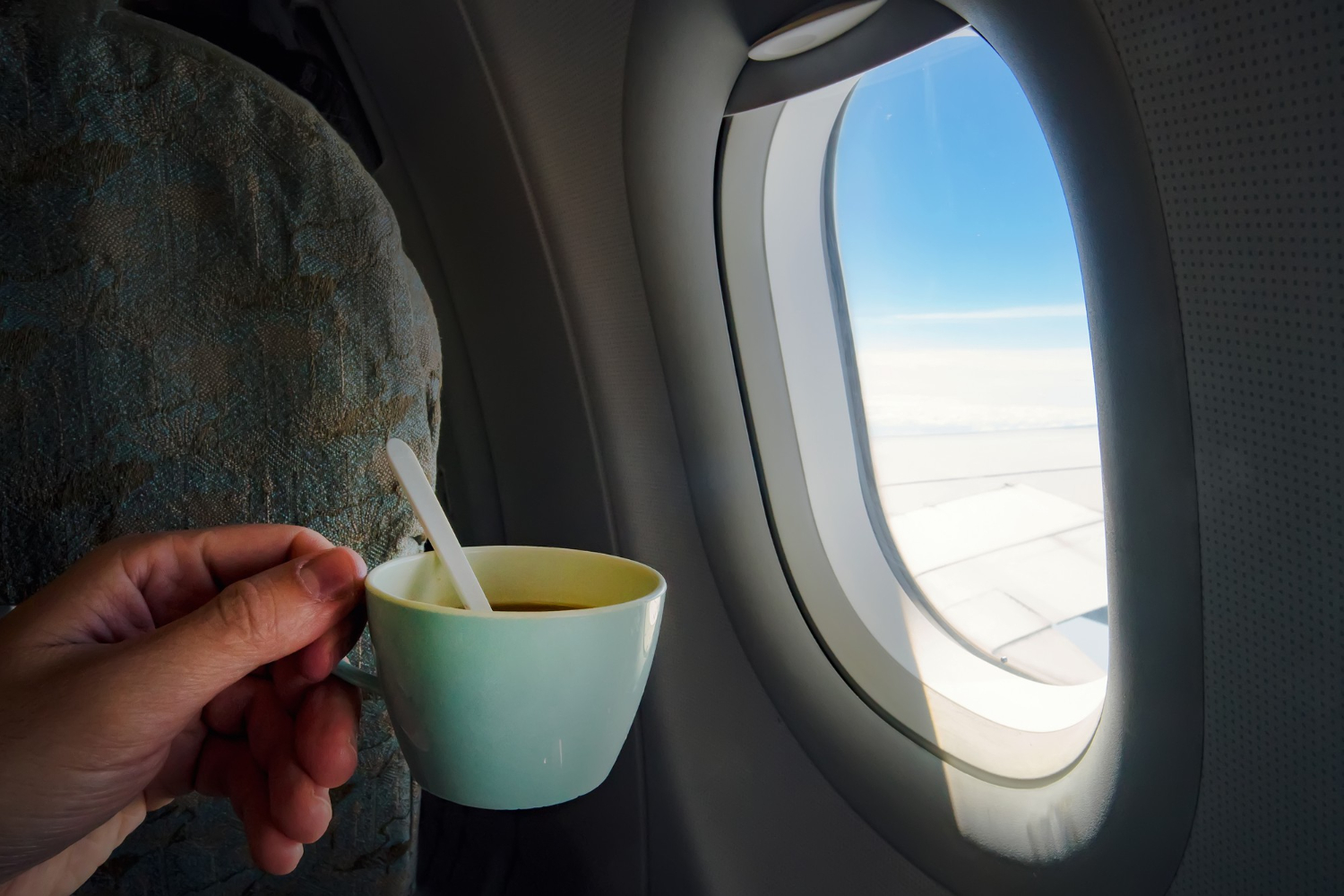
Various airlines have invested substantially in coffee brand partnerships. American Airlines partnered with various specialty brands across years. Delta operates with Lavazza partnership. United has various partnerships. JetBlue partners with Dunkin’. Southwest has substantial coffee program investments. Various international airlines partner with various premium coffee brands. The cumulative brand investments represent substantial airline commitments to coffee quality.
The brand partnerships produce some specific improvements. Better coffee bean selection. Improved equipment specifications. Various staff training programs. Various other operational improvements. But the underlying environmental and operational constraints prevent dramatic quality improvements. The cumulative result: airline coffee with major brand names remains substantially worse than the same brands’ ground-based coffee. Various brand investments have improved baseline quality but haven’t eliminated the fundamental disadvantages.
What Specifically Tastes Different
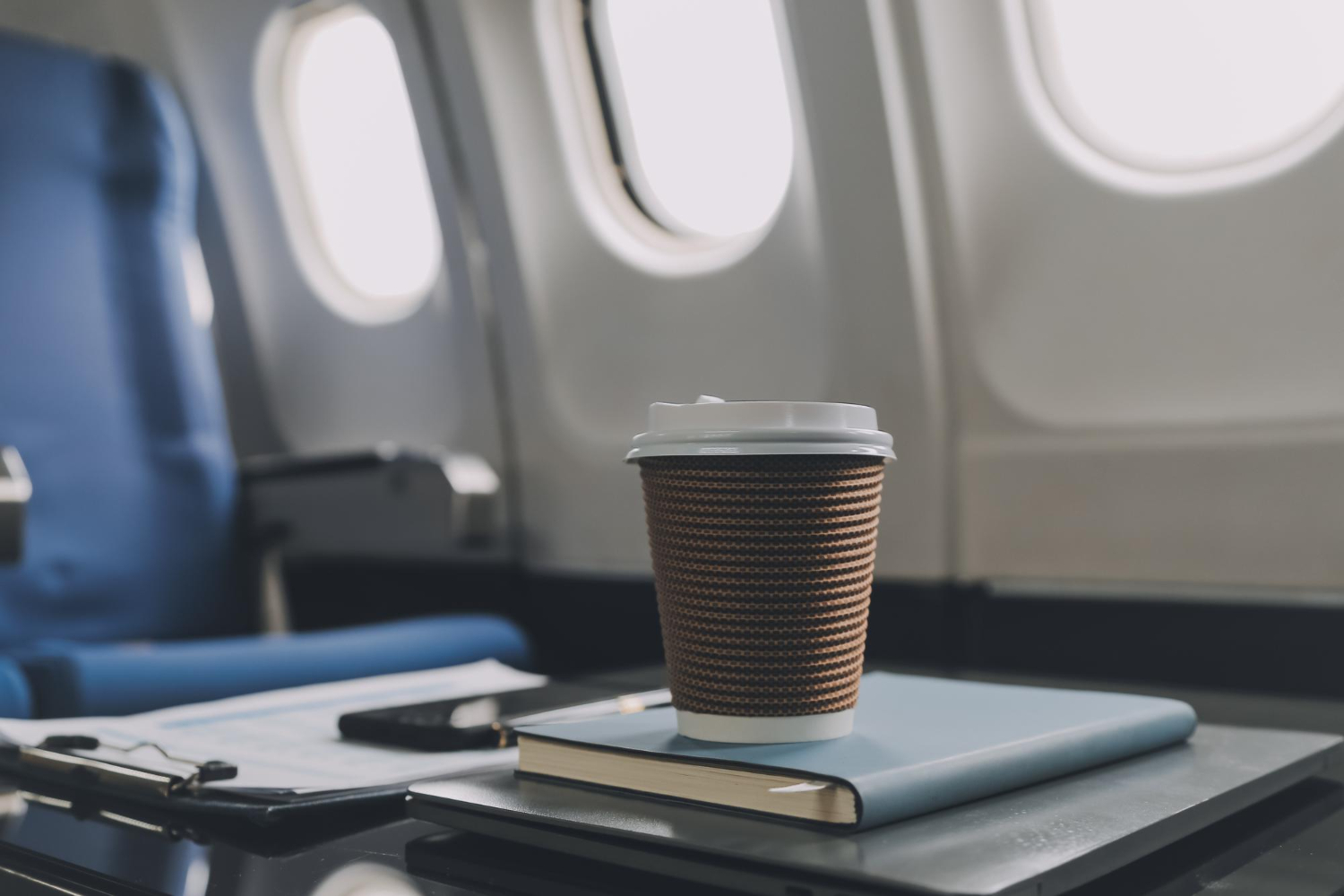
Specific elements that travelers notice about airline coffee compared to ground-based equivalents. Reduced flavor intensity (substantial pressure and dryness effect on taste perception). Watery texture (despite same coffee strength). Bitter taste emphasis (bitterness perception is less affected by pressure than other taste characteristics, making coffee taste relatively more bitter). Lack of aroma (essentially eliminated by cabin dryness). Various other specific differences that combine to produce overall perception of substandard coffee.
The cumulative differences are genuinely substantial. The same coffee that would taste good at ground level produces substantially inferior experience in aircraft cabin conditions. Various people who specifically prefer simpler coffees (with minimal complexity) sometimes find airline coffee acceptable because the complexity that pressure/dryness eliminates wasn’t important to them anyway. Various people who specifically appreciate coffee complexity find airline coffee genuinely unpleasant precisely because the elements they value are eliminated by cabin conditions.
What Travelers Should Actually Do

Practical guidance for managing coffee during flights. Don’t expect airline coffee to match ground-level quality regardless of airline reputation or specific brand partnerships. If coffee quality matters during specific flights, consider purchasing coffee at airport gates before boarding (better than airline coffee in most cases). Various airline lounges offer better coffee than economy/coach service. Premium class coffee service is typically modestly better than economy but still substantially below ground-level quality.
For most travelers, accepting airline coffee as functional caffeine delivery rather than enjoyable beverage produces better outcomes. The combination of pressure effects, dryness, water quality, equipment limitations, and storage issues prevents airline coffee from matching ground-level quality regardless of various improvement efforts. Travelers who specifically prioritize coffee quality should plan around airline coffee rather than depending on it. The cumulative reality is genuinely difficult to change despite substantial industry effort across decades.
What This All Reveals

The airline coffee phenomenon reveals specific aspects of how environmental conditions substantially affect food and beverage experience. Beverages that work well at ground level don’t necessarily work well in altered atmospheric conditions. Various other airline food products face similar challenges — wine tasting differs at altitude (one reason airlines specifically select wines that work in cabin conditions), various other foods perform differently than expected. The cumulative effect is specific aviation industry challenge that affects various meal and beverage decisions.
For travelers, the specific reality affects various trip planning decisions. Coffee enthusiasts may prefer to handle their caffeine needs through alternative methods. Travelers who specifically enjoy quality beverages may prefer to pre-purchase at airports rather than relying on airline service. Various travelers may accept the limitations and use airline coffee for functional caffeine delivery without expecting taste enjoyment. The cumulative reality represents specific aspect of air travel that mainstream marketing rarely emphasizes despite substantial impact on actual passenger experience. Airline coffee will likely continue underperforming ground-level coffee for as long as commercial aviation operates with current cabin pressure and humidity standards — fundamental engineering constraints that aren’t easily changed.