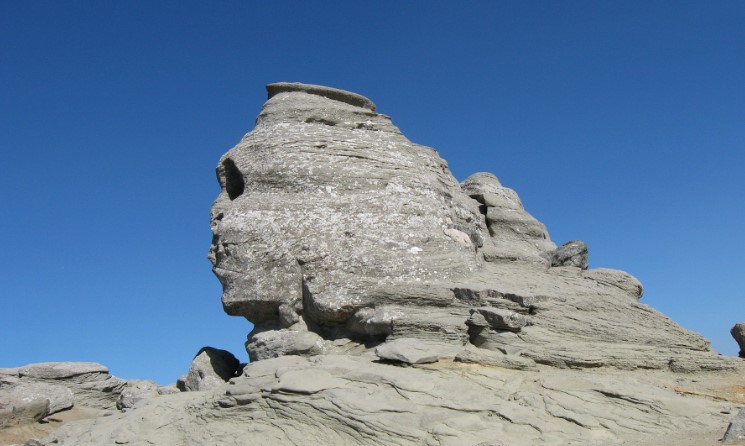
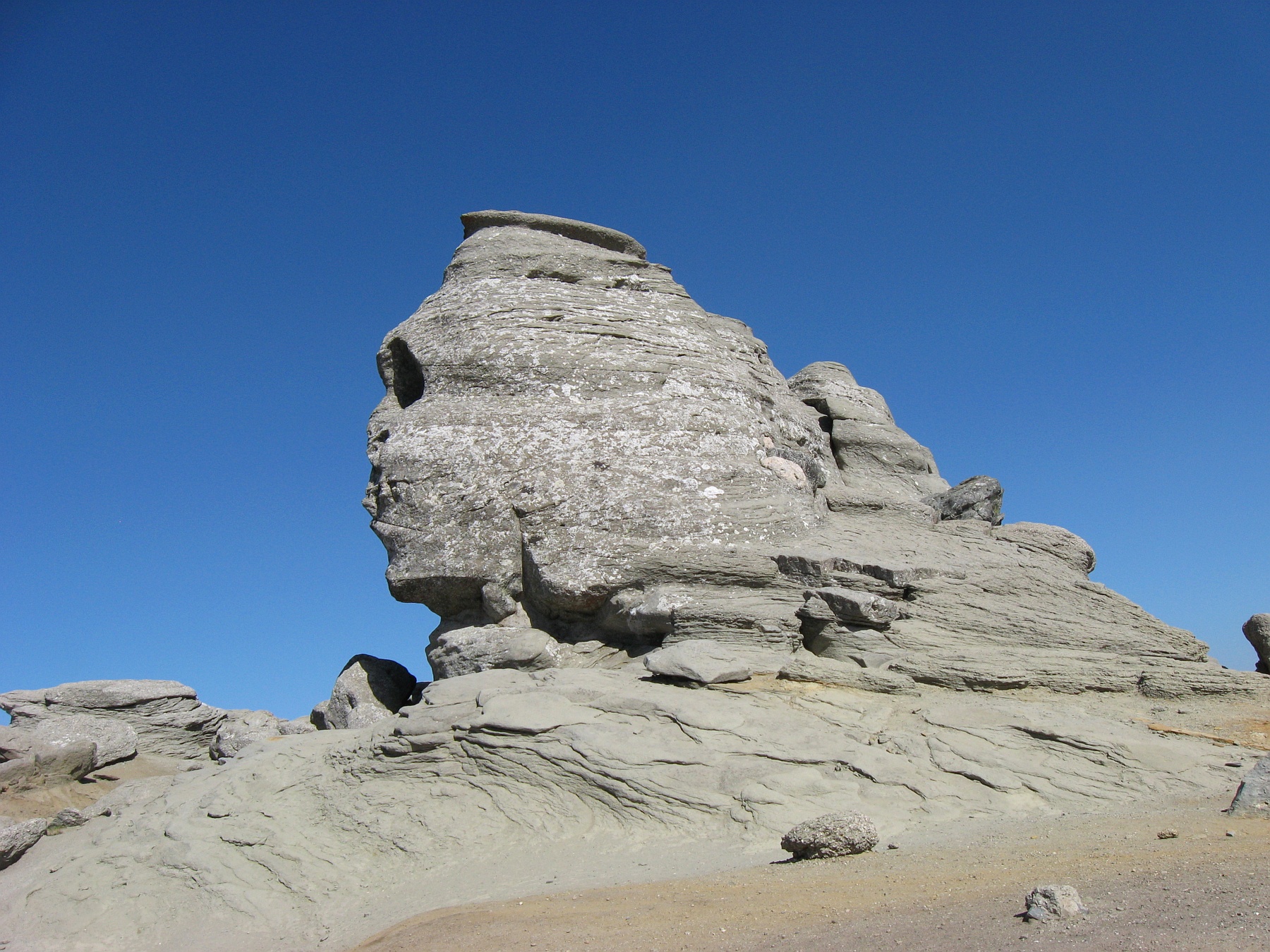
High in Romania’s Bucegi Mountains, at 2,216 meters elevation, sits an 8-meter-tall sandstone formation that — viewed from a specific angle — resembles a human face. Romanians named it “the Sphinx” (Sfinxul) in 1936, comparing it to the Egyptian original. Every year on November 28, hundreds of people climb the snow-covered plateau at sunset to witness what they call the “energy pyramid” — sun rays that supposedly form a pyramid of light around the Sphinx’s face. The phenomenon has produced one of Romania’s most distinctive pilgrimage traditions despite scientific explanation involving simple wind erosion of sedimentary rock. Here’s the actual story.
1: A Rock at the Top of Romania
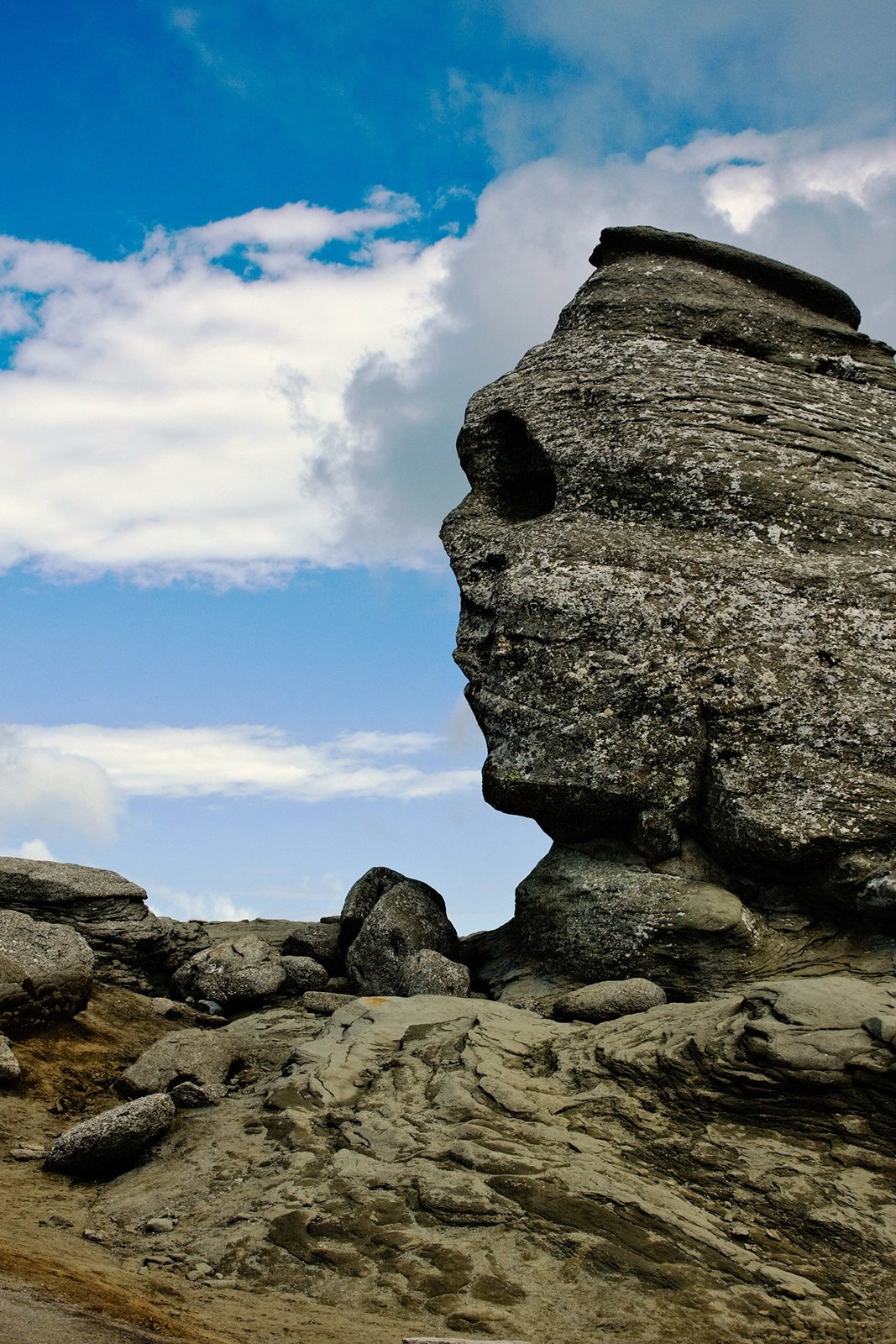
The Bucegi Sphinx sits on the Bucegi Plateau in the Bucegi Natural Park, part of the Southern Carpathian Mountains in central Romania. The location is approximately 130 km north of Bucharest (Romania’s capital) and approximately 35 km south of Brașov (substantial city in the region). The plateau itself sits at approximately 2,200+ meters elevation, providing dramatic alpine scenery that draws substantial Romanian and international tourism.
The Sphinx formation specifically sits at 2,216 meters (7,270 feet) elevation within the Babele rock formation complex. Total dimensions: approximately 8 meters tall, 12 meters wide. The formation is part of one of Romania’s “Seven Wonders” lists — designation that reflects substantial cultural significance within Romania. The cumulative location combines genuine natural beauty with specific cultural mythology that has substantially developed across modern decades.
2: The 1900 First Photograph
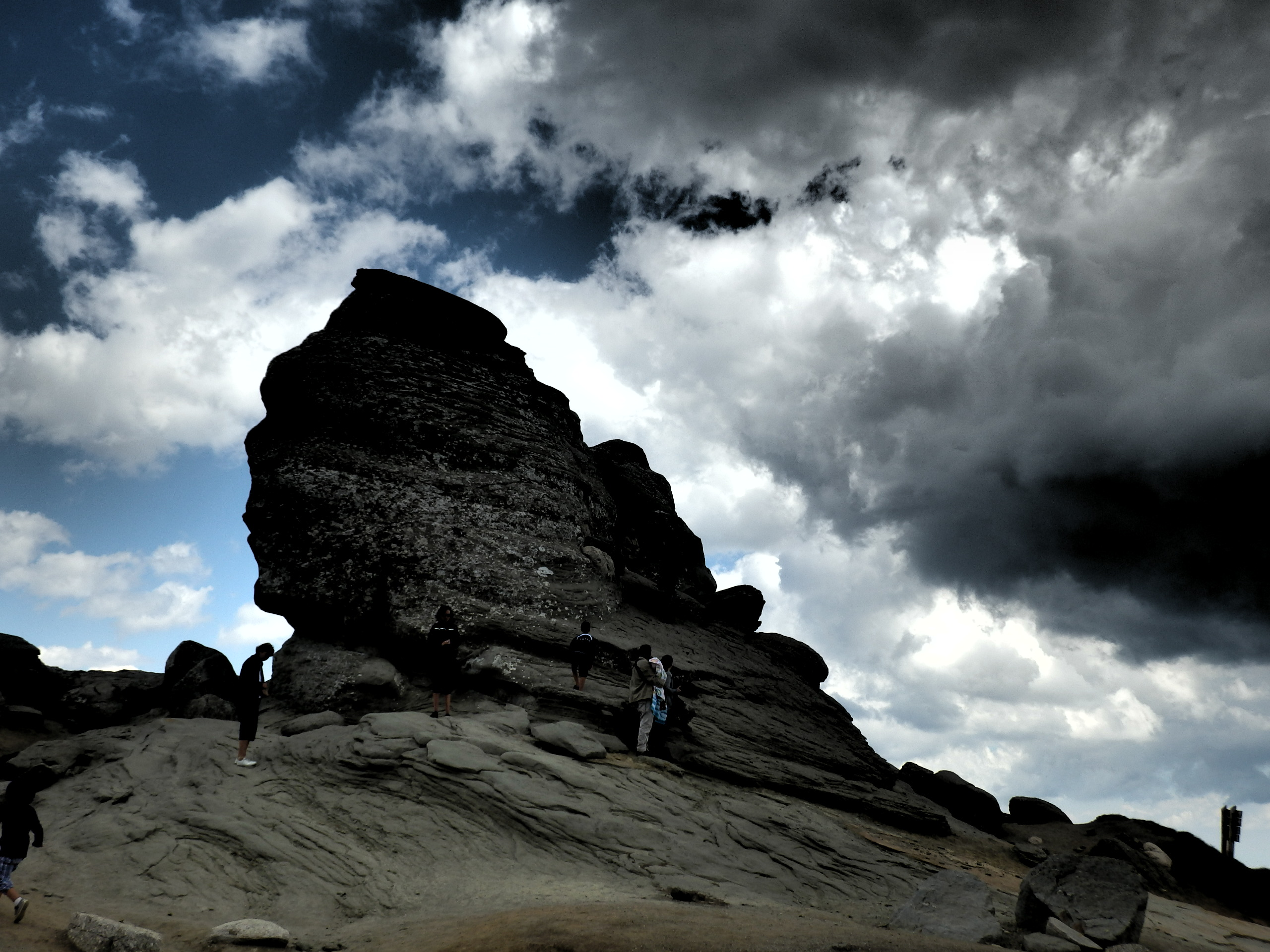
The Bucegi Sphinx was first photographed in approximately 1900 — relatively recent in historical terms. The early photograph was taken from a front position rather than the lateral angle that produces the famous “Sphinx” appearance. The cumulative result: the formation existed for thousands of years as just another distinctive rock formation in the Bucegi Mountains, recognized by local shepherds and hikers but not specifically named or associated with the Sphinx imagery.
The name “Sphinx” wasn’t applied until 1935 (some sources say 1936), when an article in the Romanian publication “Buletin Alpin” specifically compared the rock formation to the Great Sphinx of Giza. The cumulative name caught Romanian cultural imagination and spread through Romanian tourism promotion. Subsequent publications further popularized the Romanian Sphinx association. The cumulative result: a relatively recent cultural construction rather than ancient tradition, despite various claims to the contrary.
3: The Geological Reality
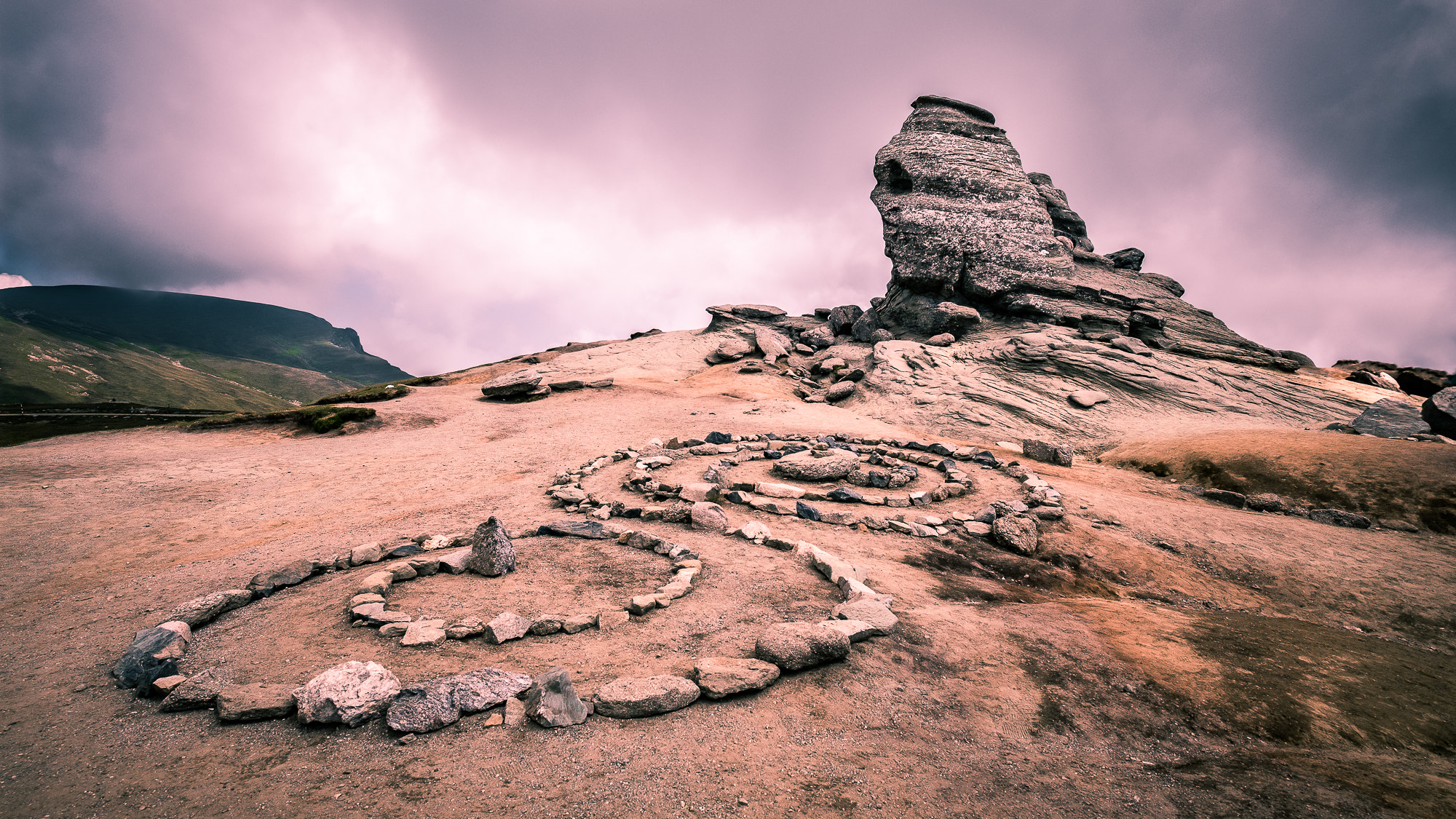
The Bucegi Sphinx formed through standard geological processes over hundreds of thousands of years. The underlying rock is sedimentary — alternating layers of conglomerate and sandstone that originally covered the entire Bucegi Plateau. Successive glacial and interglacial periods during the Pleistocene exposed the rock to substantial wind erosion, water erosion, freeze-thaw cycles, and various other weathering processes.
The cumulative weathering created specific patterns. Water exploited natural bedding planes in the rock, carving narrow grooves and hollows. Freeze-thaw cycles split fragments apart. Wind abrasion smoothed remaining surfaces. The cumulative process isolated specific resistant cores (like the Sphinx) from less resistant surrounding material. The cumulative geological story is substantially well-documented and matches standard geological understanding of similar formations elsewhere globally. Various other rock formations on the Bucegi Plateau (including the famous Babele rocks resembling old women) formed through similar processes.
4: The Babele Complex Around the Sphinx
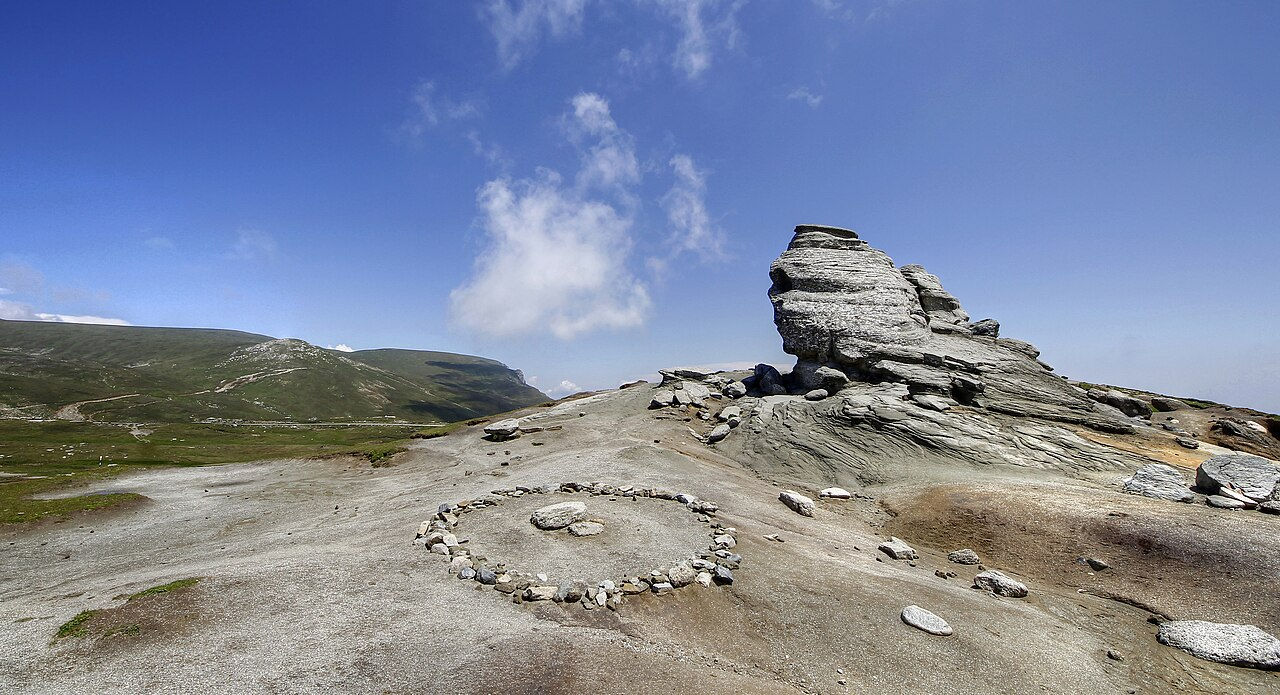
The Sphinx isn’t alone on the Bucegi Plateau. The “Babele” (the Old Women) complex includes various other rock formations that have been substantially anthropomorphized through Romanian folklore. Babele rocks resemble hunchbacked old women or “stone mushrooms” — products of the same wind erosion that created the Sphinx. The cumulative complex extends across substantial plateau area at approximately 2,206-2,292 meters elevation.
Romanian folklore associates Babele with specific cultural meaning. The figures are sometimes said to represent women turned to stone by mountain magic, frozen in time as stone figures. Other legends connect them to specific Romanian folklore traditions around the “Babele” days in early March (specific folk tradition involving weather prediction). The cumulative mythological associations have made the Babele complex substantial cultural site beyond just geological interest. Modern visitors typically visit both the Sphinx and Babele as combined attraction.
5: The November 28 Tradition
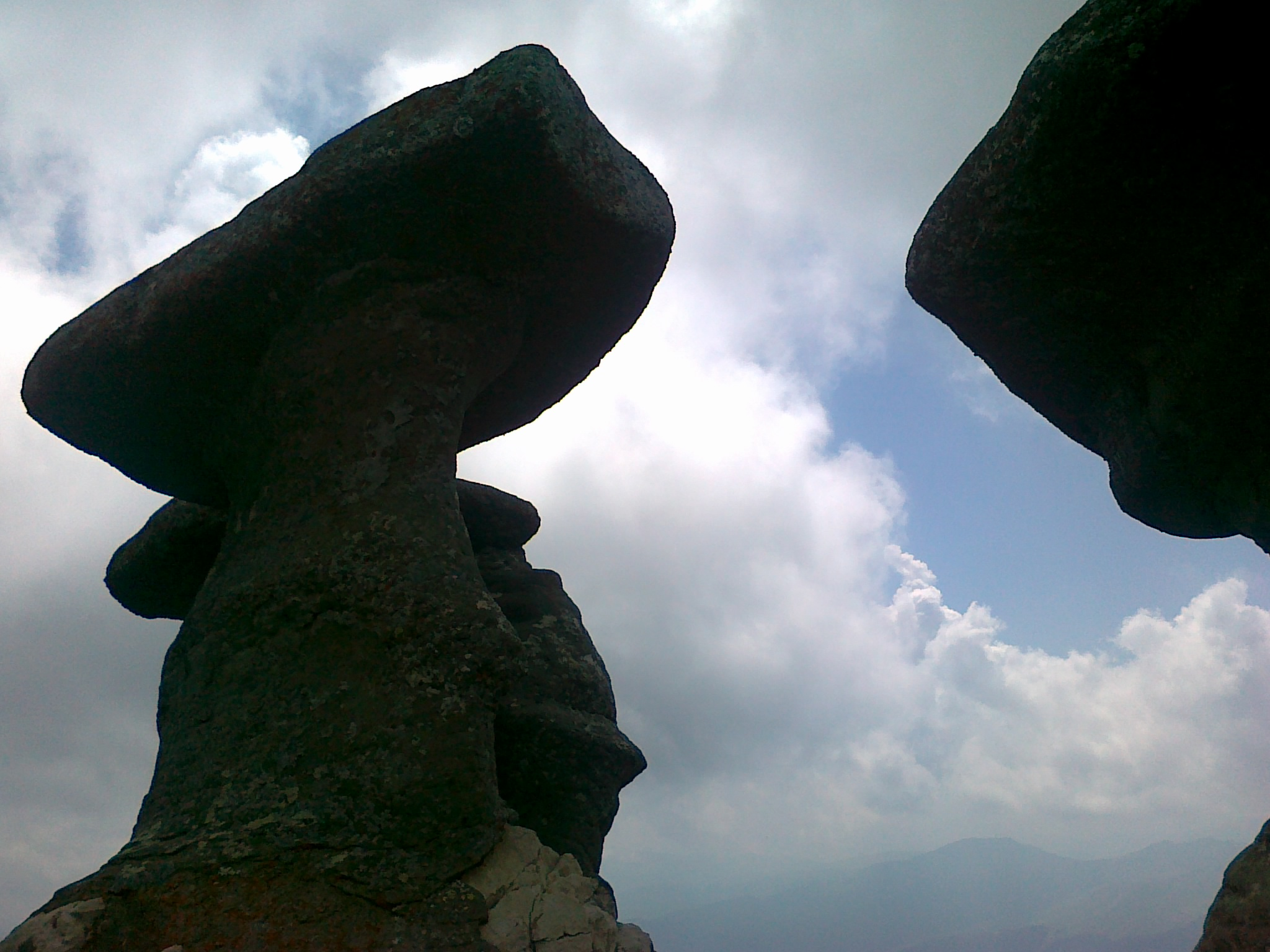
The most distinctive cultural element associated with the Bucegi Sphinx is the November 28 annual visit. Each year on that specific date, hundreds of Romanian and international visitors climb to the Bucegi Plateau at sunset to witness what’s called the “Rapa Pyramid” or “energy pyramid” — a phenomenon supposedly involving sun rays forming a pyramid of light around the Sphinx’s face.
The tradition has specific origins. The November 28 date became associated with the Sphinx through Romanian publications during specific modern decades. The cumulative tradition has substantially grown despite lack of historical or scientific verification of any specific “energy” phenomenon. Some visitors report perceiving the energy pyramid; others report seeing only normal sunset conditions. The cumulative experience varies substantially by individual perception, weather conditions, and various other factors. The tradition continues despite scientific skepticism because it provides specific cultural and spiritual meaning for participants.
6: The Alternative Geological Sunset Date
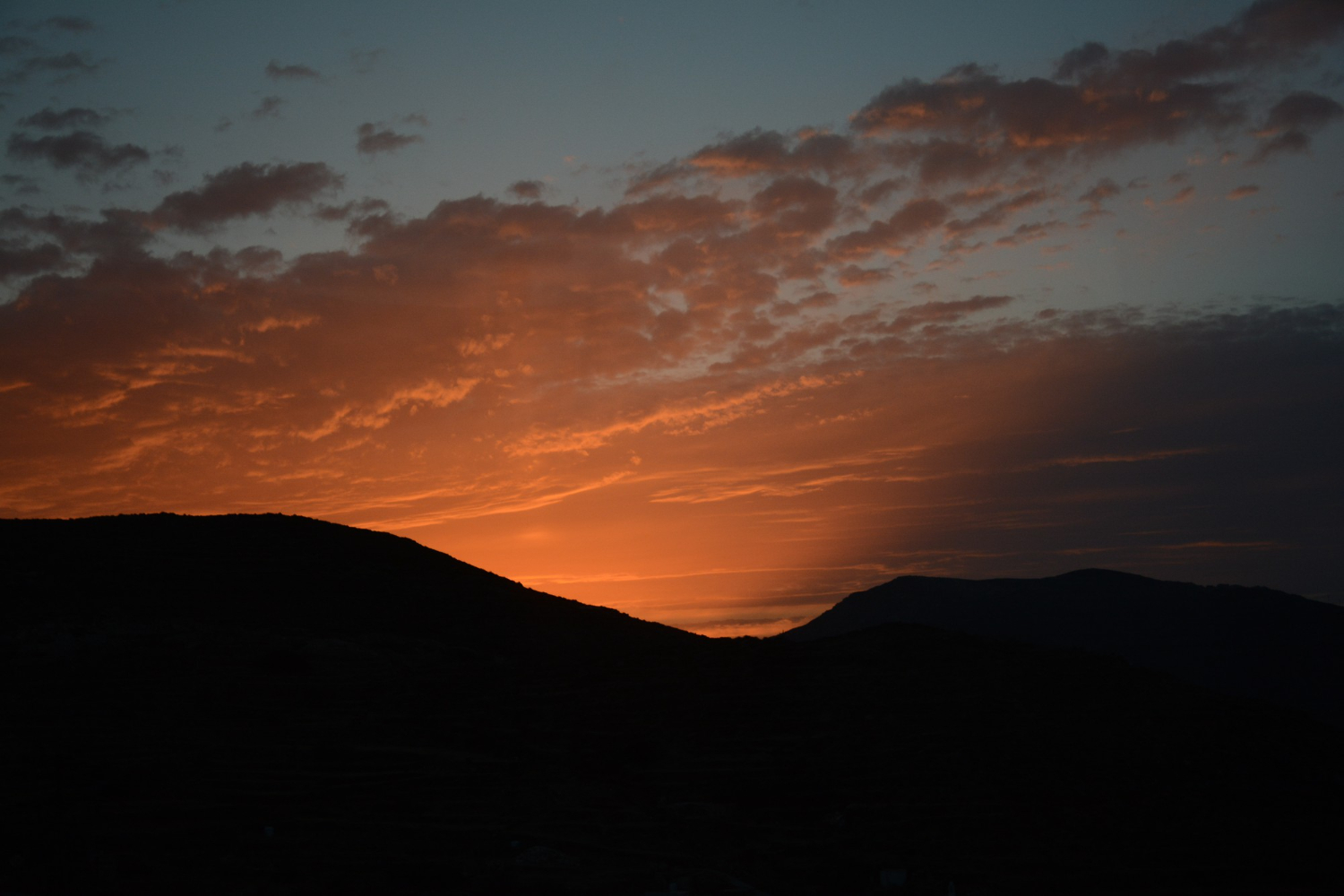
Scientific research suggests that November 21 actually produces the clearest Sphinx outline when viewed at sunset — not November 28. The November 21 sunset specifically aligns with the geological angles that produce the most distinct face appearance. The seven-day difference between the scientifically optimal viewing date and the culturally adopted tradition date illustrates how cultural traditions can develop independently of underlying scientific reality.
The cumulative discrepancy hasn’t substantially affected the November 28 tradition. Most Romanian visitors specifically attend on November 28 regardless of scientific timing arguments. Various people argue that the energy phenomenon transcends specific angular measurements and operates through different mechanisms than simple sunset geometry. Others acknowledge the discrepancy but continue participating in the established November 28 tradition for cultural rather than scientifically optimal reasons. The cumulative tradition maintains specific cultural date despite scientific clarification.
7: The Conspiracy Theories
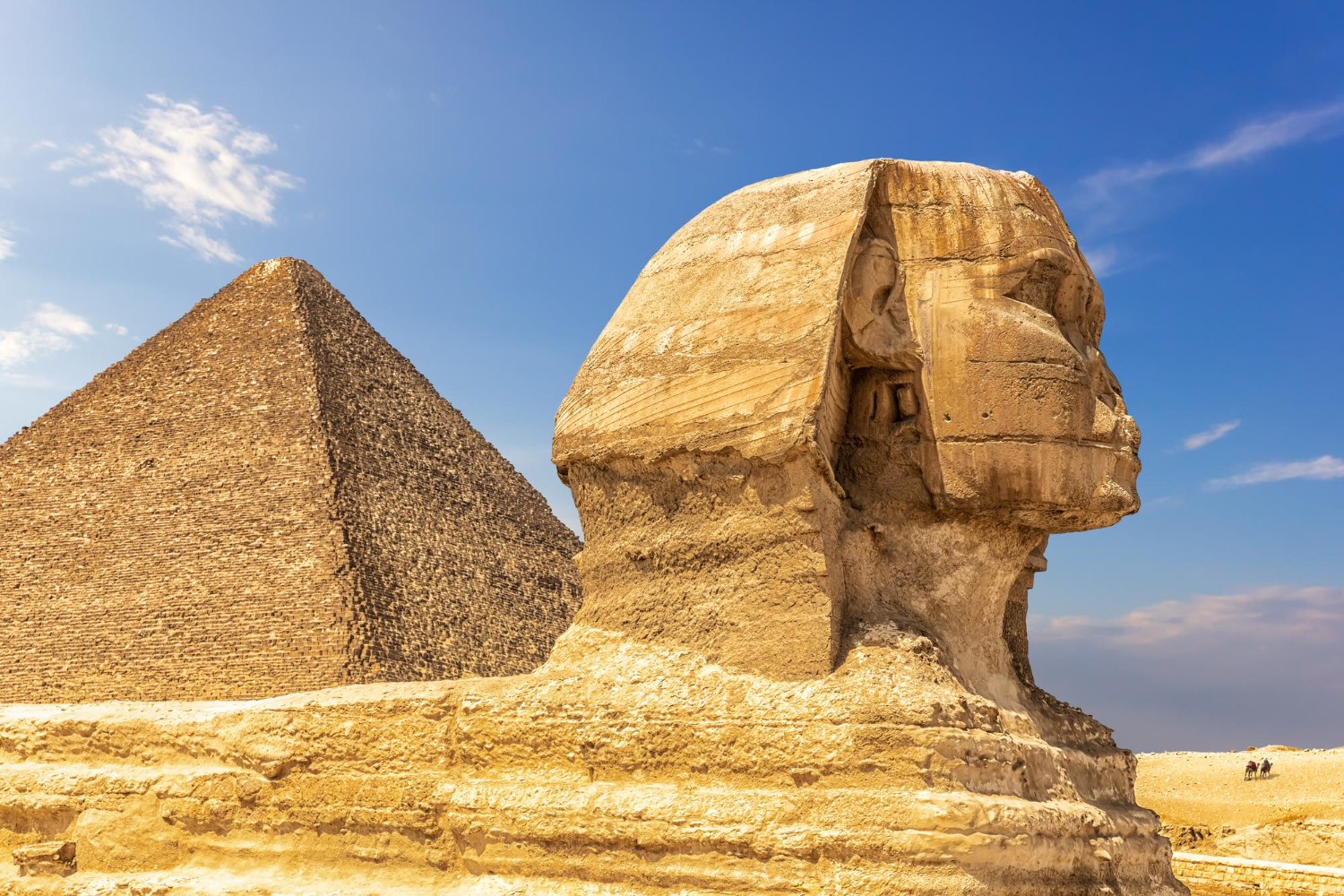
The Bucegi Sphinx has become substantial focal point for various conspiracy theories beyond just the energy pyramid tradition. Specific claims include: an alleged “time tunnel” connecting the Bucegi Sphinx to the Egyptian Great Sphinx of Giza. Claims that the rock formation was created by ancient alien civilizations rather than natural processes. Theories about hidden underground chambers beneath the Sphinx containing ancient knowledge, advanced technology, or sacred artifacts. Various other specific claims about supernatural properties.
Romanian author Radu Cinamar (likely pseudonym) published series of books beginning in 2009 claiming detailed information about alleged underground chambers, alien technology, and various other extraordinary phenomena supposedly associated with the Bucegi area. The cumulative conspiracy literature has substantially affected international perceptions of the site, with various international visitors specifically arriving with conspiracy-related expectations. The cumulative cultural phenomenon represents substantial intersection of natural geological formation with modern conspiracy culture rather than ancient mystery traditions.
8: The Dacian Heritage Connection
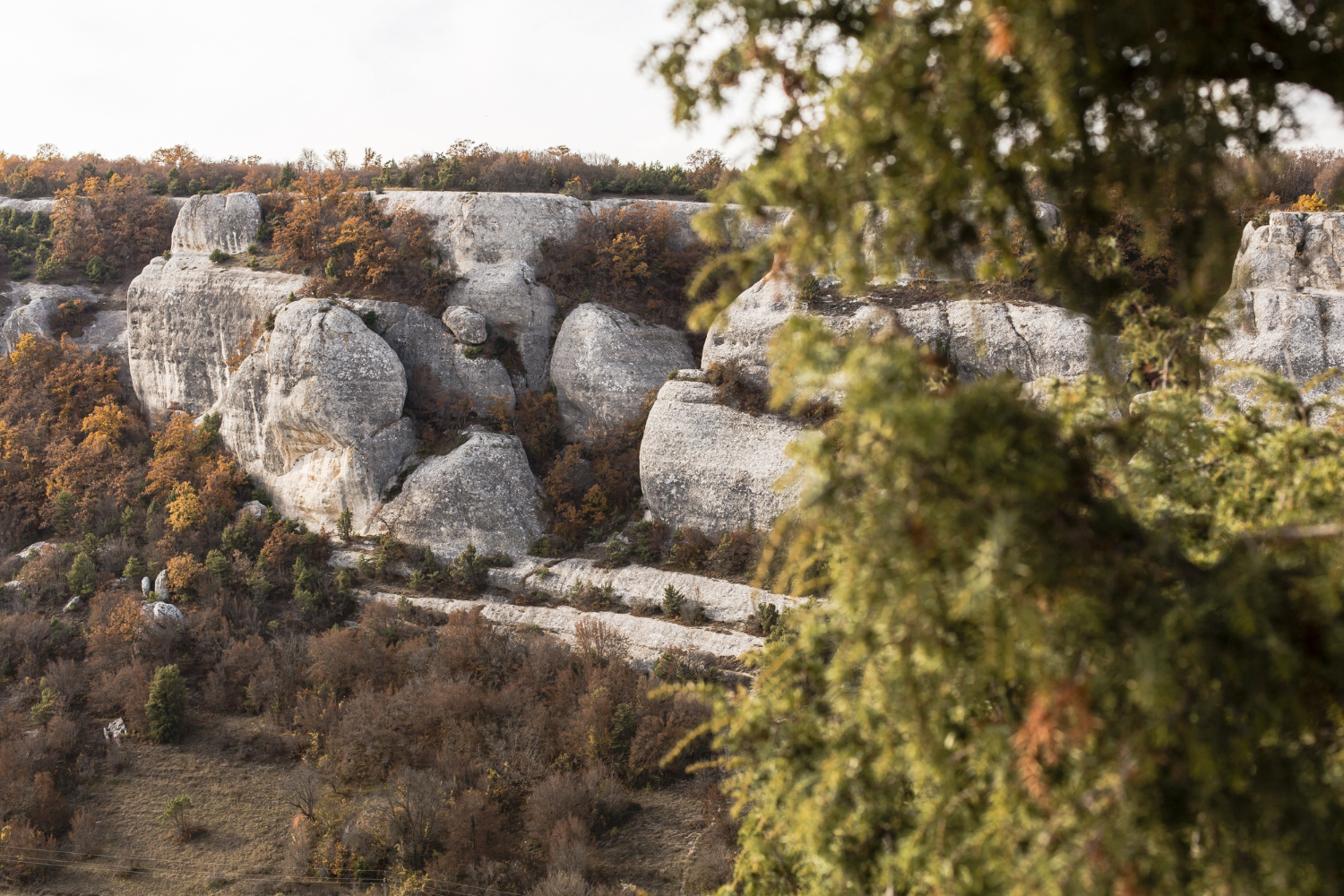
Beyond modern conspiracy theories, the Bucegi Sphinx has been associated with ancient Dacian civilization heritage. The Dacians were the ancient people who inhabited the region of modern Romania before Roman conquest in approximately 106 CE. Various theories suggest the Dacians may have considered the Bucegi Plateau sacred site, possibly using it for religious ceremonies honoring the Dacian deity Zalmoxis.
The Dacian connection has limited direct archaeological support. No specific Dacian artifacts or evidence of religious use have been verified at the Sphinx location. Various Romanian films featuring the Sphinx (including 1967’s “The Dacians” and 1980’s “Burebista”) have substantially popularized the Dacian association in Romanian cultural imagination. The cumulative association reflects specific Romanian nationalist identification with ancient Dacian heritage rather than verified archaeological reality. Many Romanian visitors specifically interpret the site through Dacian heritage framework regardless of archaeological evidence.
9: How to Actually Reach the Sphinx

Practical guidance for travelers planning Bucegi Sphinx visits. Three main routes provide access. Cable car from Bușteni (substantial mountain town on Prahova Valley) provides easiest access — the cable car operates approximately 9 AM to 5 PM with reduced winter schedules. The cable car ride takes approximately 12-15 minutes from Bușteni to the Bucegi Plateau area. From the upper cable car station, additional 15-30 minute walk reaches the Sphinx.
Alternative routes include hiking from Sinaia (substantial mountain resort city) via specific marked trails — typical hiking time 4-6 hours each way. Driving to Cabana Piatra Arsă followed by approximately 30-minute hike provides another option. Various other specific trails serve more experienced hikers. Winter access requires substantial equipment and experience due to severe Bucegi Mountains weather conditions. Most international visitors use cable car access for safety and convenience reasons.
10: The November 28 Experience Reality

For visitors specifically planning November 28 visits, several practical considerations apply. Weather is typically substantial — November in Bucegi Mountains involves substantial snow, cold temperatures (often well below freezing), and various other winter conditions. Sunset on November 28 typically occurs around 17:00 local time. The last cable car typically departs the upper station at 16:30 — meaning visitors who stay until sunset must hike down to lower locations in darkness.
The cumulative experience requires substantial preparation. Appropriate winter clothing essential. Headlamps and flashlights for descent. Knowledge of trails or accompanying guides for safe return. Various accommodation options at Cabana Piatra Arsă or in Bușteni/Sinaia for visitors planning multi-day visits. The cumulative effort substantially exceeds typical tourist visits but provides specific experience that summer visits cannot replicate. Various Romanians specifically plan November 28 visits as substantial personal pilgrimage rather than just casual tourism.
11: The Heroes’ Cross and Other Bucegi Attractions
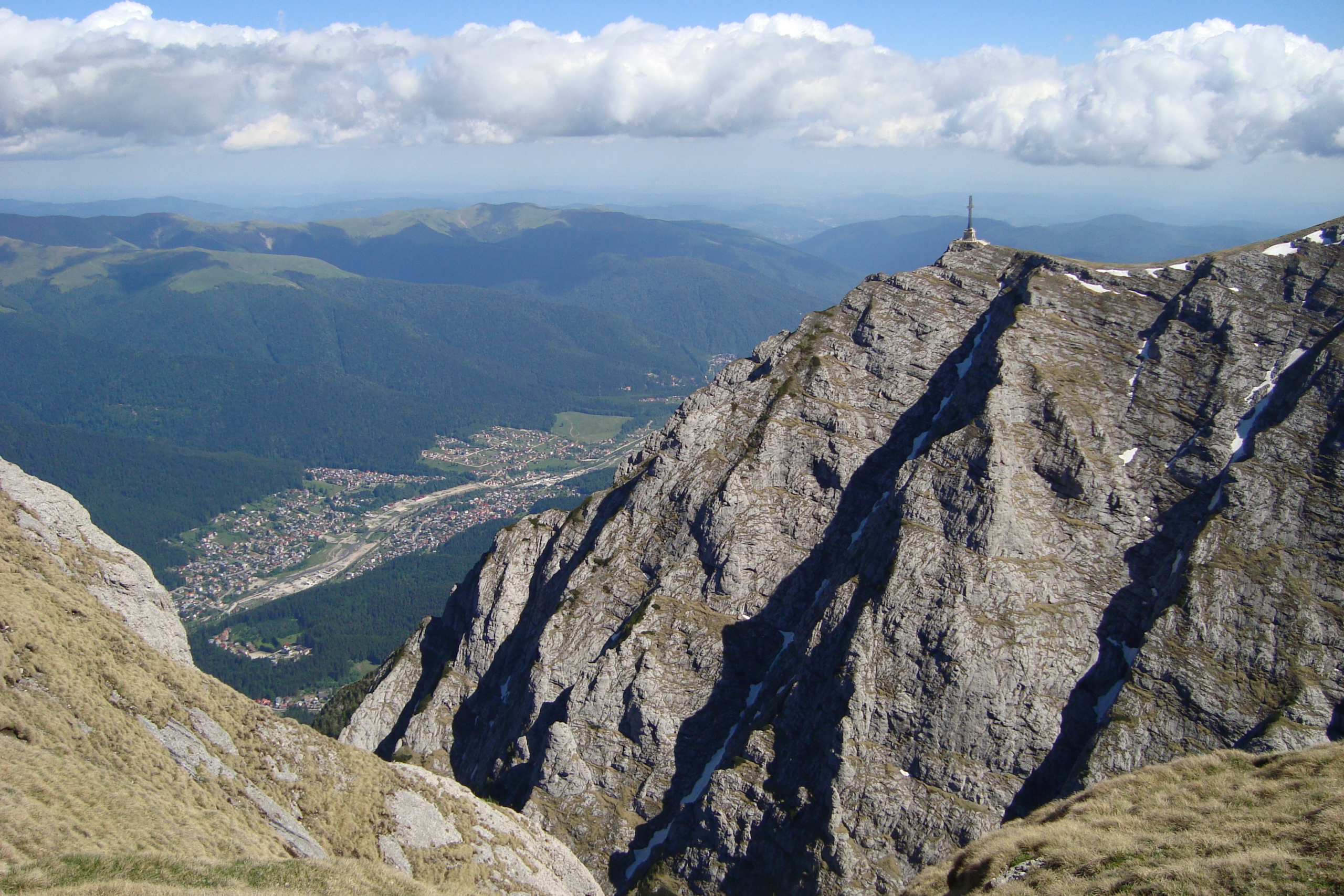
Beyond the Sphinx itself, the Bucegi Plateau offers various other substantial attractions. The Heroes’ Cross (Crucea Eroilor) sits on Caraiman Peak — substantial 28-meter-tall steel cross built between 1926-1928 to commemorate Romanian soldiers killed during World War I. The cumulative structure is reportedly the world’s tallest summit cross at its specific elevation. Visitors can see the cross from various Bucegi viewpoints, though direct access requires substantial additional hiking.
Other regional attractions include the Ialomița waterfall, Vârful Omu (Bucegi’s highest peak at 2,505 meters), various other peaks and ridges, substantial hiking opportunities throughout the plateau, the Bucegi Nature Reserve protecting various flora and fauna. The cumulative regional attractions substantially exceed just the Sphinx visit. Most international visitors plan 2-4 day stays in the Bucegi region to experience the broader attractions beyond just specific Sphinx pilgrimage.
12: The Broader Romania Travel Context
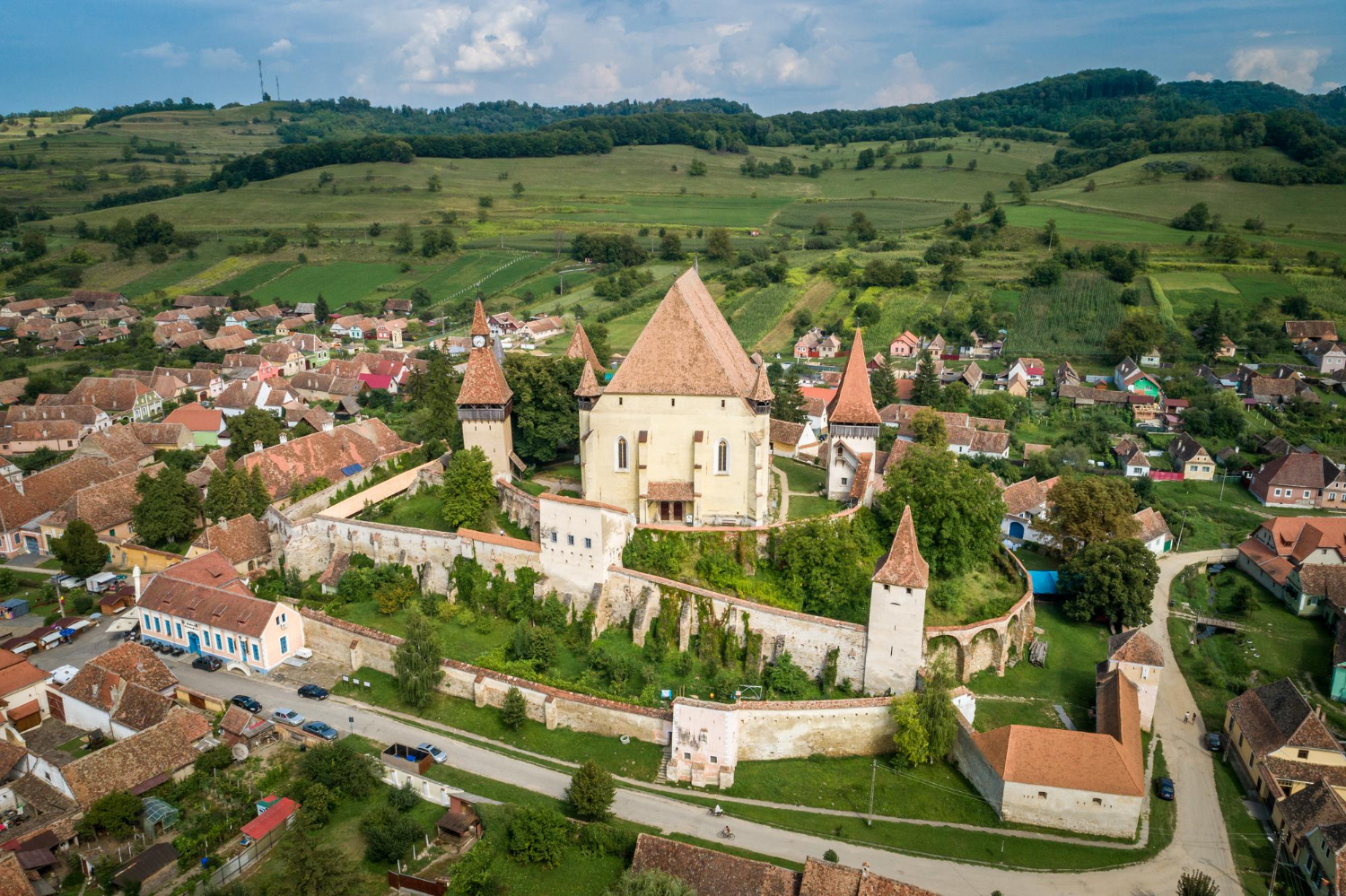
For international visitors, Bucegi Sphinx visits typically fit within broader Romanian travel programs. Bucharest provides typical arrival point and substantial cultural attractions. Brașov serves as substantial mountain city base for Bucegi region exploration. Bran Castle (popularly associated with Dracula despite limited actual Vlad the Impaler connection) sits approximately 30 km from the Bucegi region. Sighișoara medieval citadel and other Transylvanian destinations provide additional substantial attractions.
Romania remains substantially less expensive than Western European destinations. Total daily costs for typical international visitors run €80-200 per person depending on accommodation, food, and activity choices. Romanian wine, traditional cuisine, and various other cultural elements provide substantial value beyond just mountain tourism. The cumulative Romanian travel experience offers substantial value for international visitors willing to explore destinations less mainstream than Western European alternatives. The Bucegi Sphinx represents one specific aspect of broader Romanian cultural and natural heritage that mainstream tourism rarely emphasizes.
What the Bucegi Sphinx Actually Represents
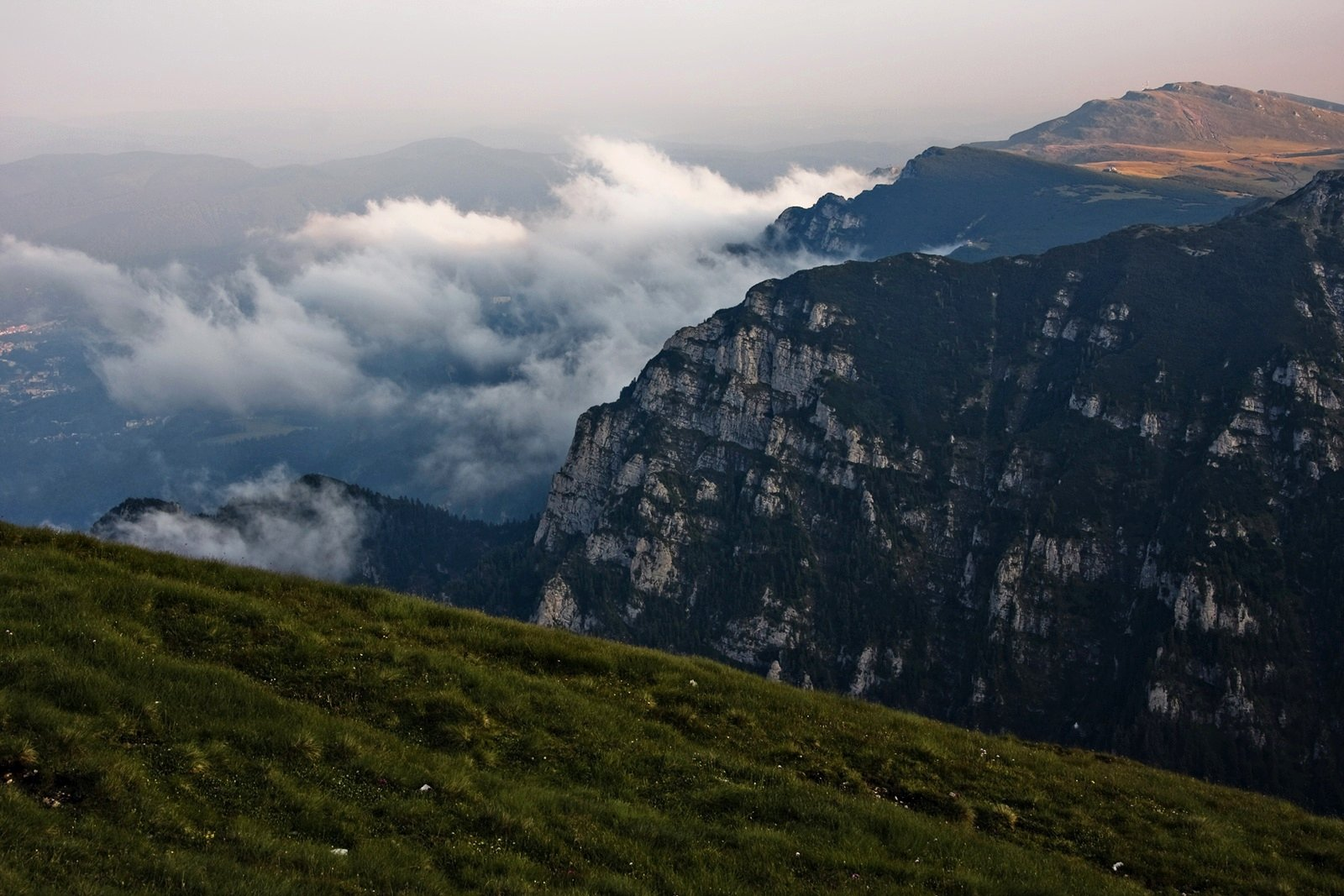
The Bucegi Sphinx represents specific intersection of natural geological phenomenon, modern cultural mythology, and substantial conspiracy culture. The underlying rock formation is genuine — a substantial geological feature shaped by hundreds of thousands of years of weathering processes. The cultural associations are substantially recent — the name dates to 1935, the November 28 tradition is essentially modern, and most associated mythology developed during the 20th century rather than reflecting ancient traditions. The conspiracy theories represent late 20th and early 21st century cultural phenomena rather than longstanding folklore. For travelers interested in seeing the actual rock formation, the Bucegi Sphinx provides substantial natural beauty within dramatic Carpathian Mountains setting. For travelers interested in cultural experiences, the November 28 tradition provides specific opportunity to participate in modern Romanian cultural phenomenon. For travelers interested in conspiracy culture, the various theories provide substantial entertainment value if not historical verification. The cumulative attraction works for different visitor categories through different specific elements. The basic geological reality combined with various cultural overlays produces destination that exceeds simple natural attraction through specific Romanian cultural development.