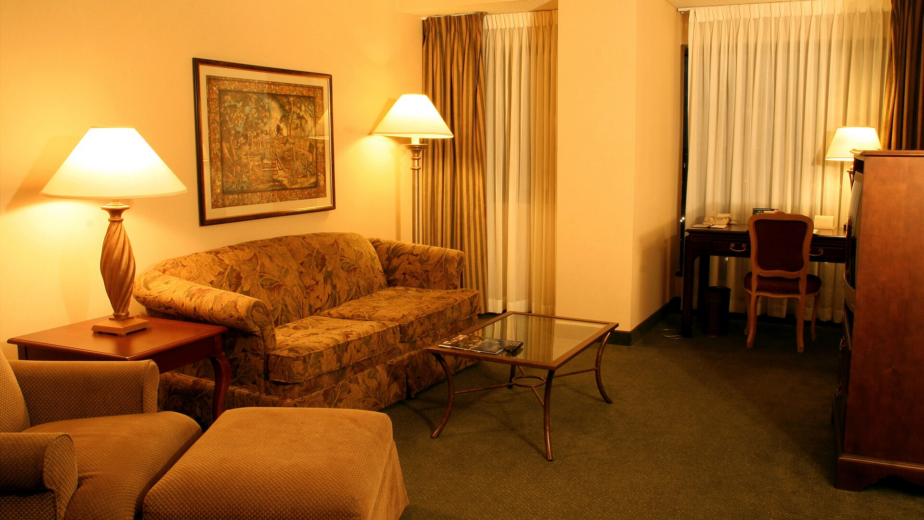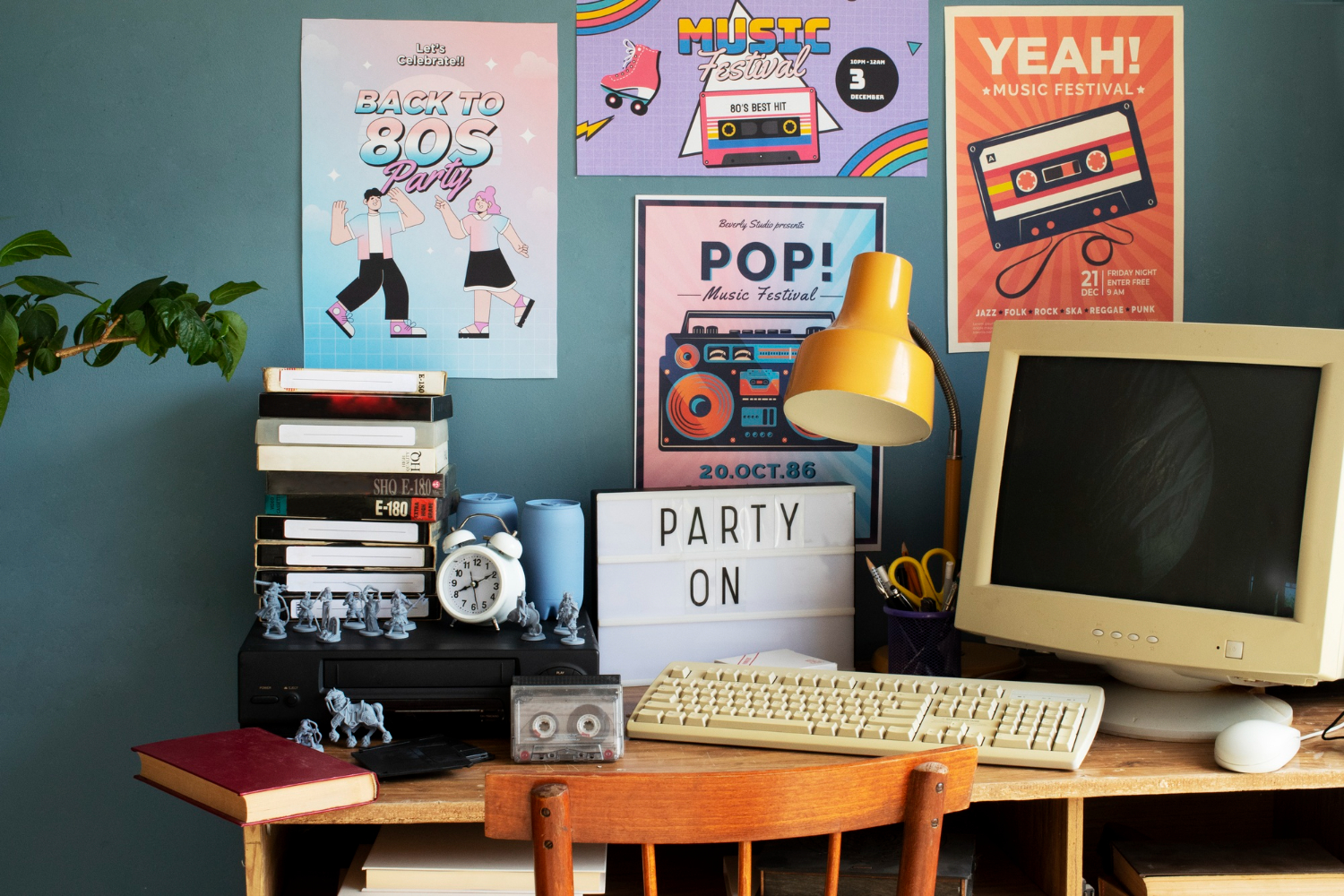
The 1990 American family room contained specific furniture, electronics, and decorative items that defined the central social space of suburban American homes. The substantial entertainment center cabinet. The video tape collection. The framed family photos in specific arrangements. The phone book on the side table. Various other specific items. Most have substantially disappeared from current American family rooms — replaced by digital alternatives, smart home technology, and various other specific changes that have transformed American home social spaces across one generation.
The 1990 American family room represented specific social space organized around specific entertainment patterns, communication infrastructure, and decorative conventions that have substantially disappeared within one generation. Walking through what was actually in that family room reveals substantial transformation in American home social culture. Various adults who remember 1990 family rooms can readily identify the specific items that defined their childhood homes; current young adults often find descriptions of these items genuinely incomprehensible.
The Entertainment Center Cabinet
The 1990 American family room typically featured substantial wooden entertainment center cabinet — large furniture piece designed to house television, VCR, stereo components, and various media storage. Specific entertainment centers measured 6-8 feet wide and 5-7 feet tall, with various compartments for different equipment categories. The cumulative furniture investment was substantial — entertainment centers cost $500-2,500+ in 1990 dollars depending on size and quality.
Modern American family rooms essentially never contain entertainment center cabinets in 1990 form. Wall-mounted flat-screen televisions have eliminated the substantial cabinet requirements that 1990 televisions imposed. Various media storage has been replaced by streaming services that require no physical media. Various stereo components have been replaced by smart speakers and various other compact audio solutions. The cumulative entertainment center disappearance represents one of the more dramatic changes in American family room furniture across one generation.
The VHS Video Tape Collection
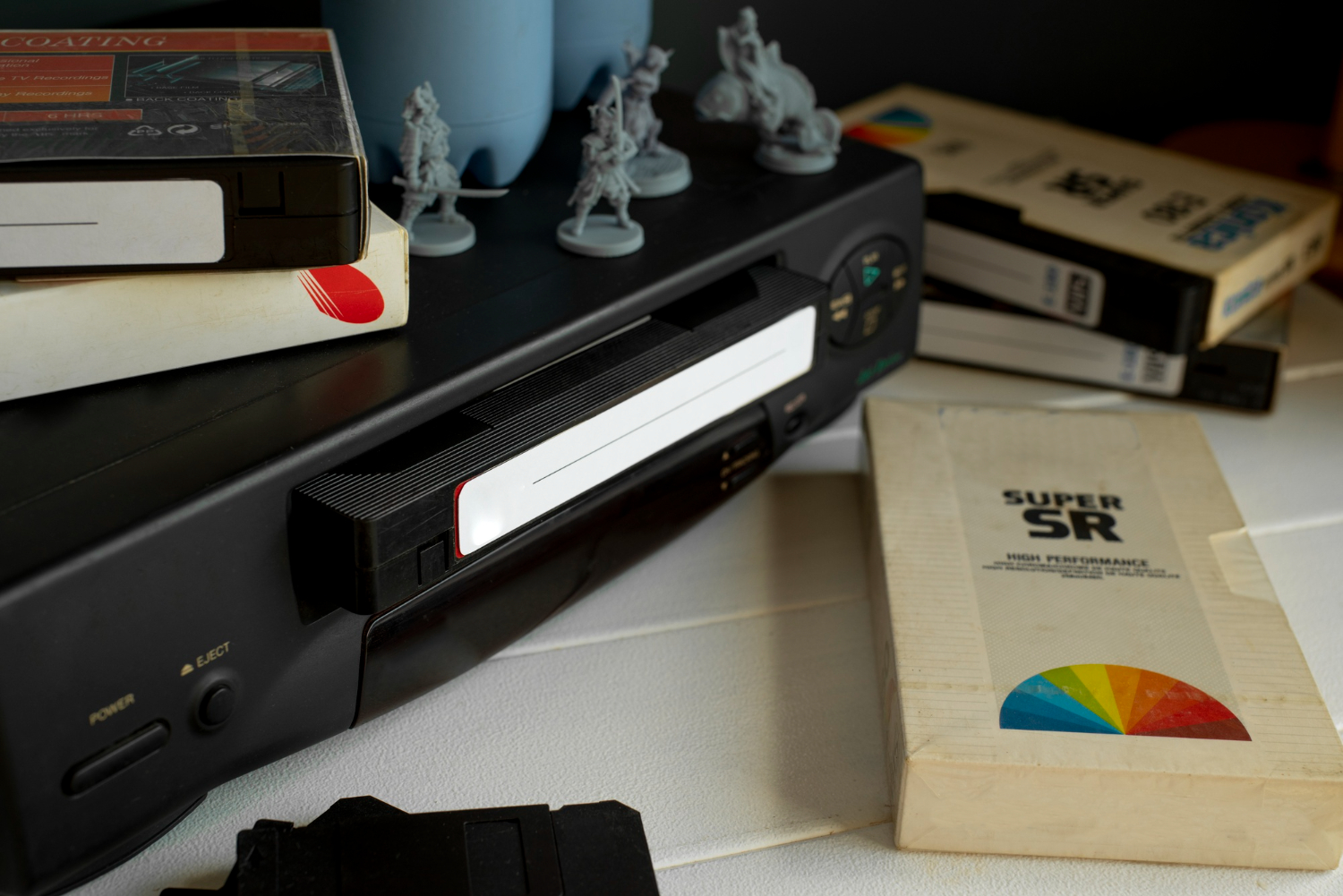
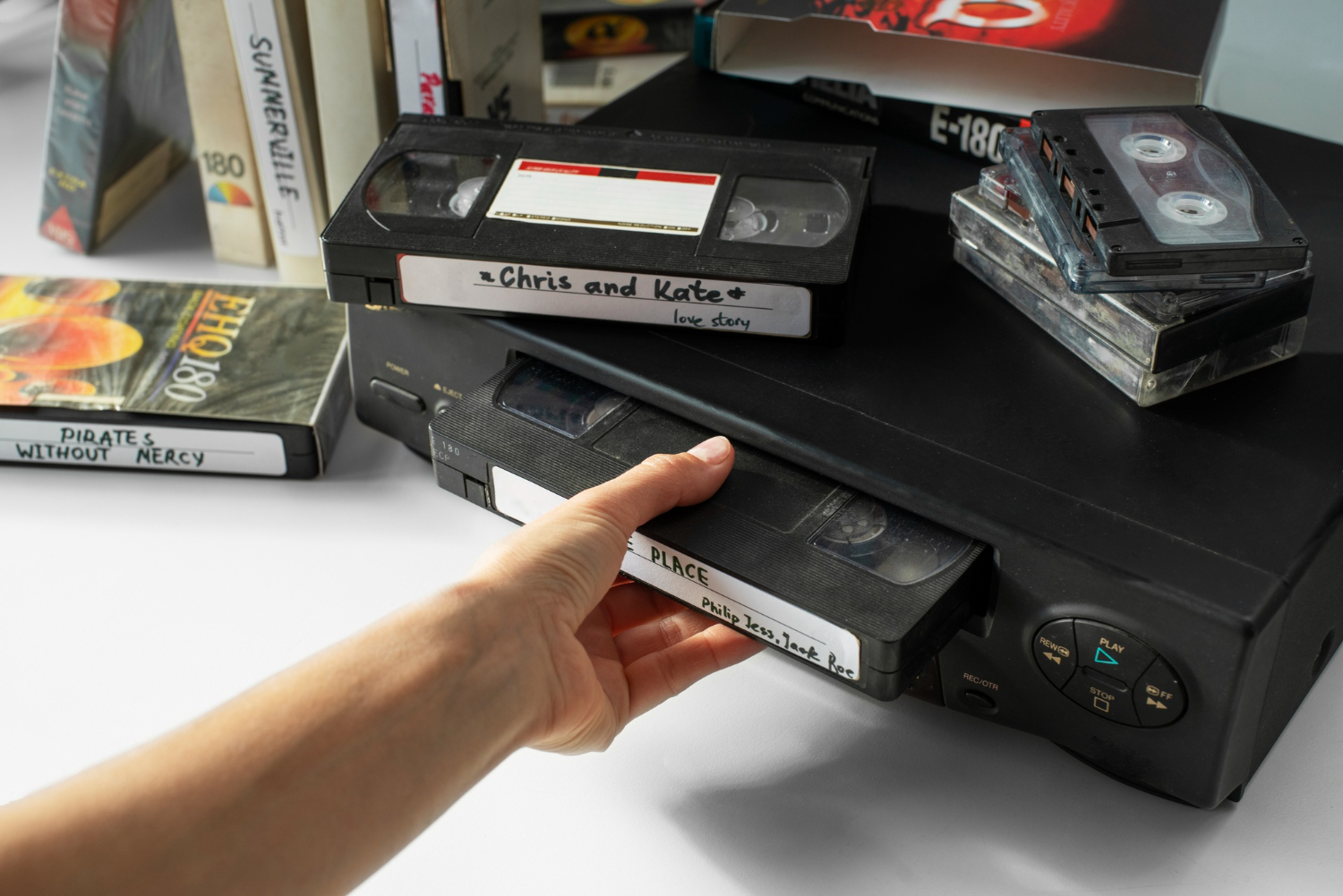
The 1990 American family room typically featured substantial VHS video tape collection — typically 50-200 tapes including movies, home videos, recorded TV programs, children’s videos, and various other content. The collection was typically displayed in entertainment center compartments or specific tape storage furniture. Specific famous movies (Disney animated classics, popular 80s films, various others) became substantial cultural artifacts in family contexts.
Modern American family rooms essentially never contain VHS video tape collections. VCR equipment has been substantially extinct since approximately 2010. The cumulative VHS culture has been replaced by streaming services that provide essentially unlimited content access without physical media. Various specific 1990 family room rituals (selecting movies for family viewing, rewinding tapes, troubleshooting playback issues, etc.) have substantially disappeared from American home culture. The cumulative loss represents specific cultural pattern that defined 1990 family entertainment.
The Specific Phone Setup

The 1990 American family room typically featured specific phone setup including: cordless phone (substantially common by 1990 after introduction in 1980s), substantial answering machine (separate device or built into phone), phone book and address book on side table, often a Rolodex with frequently-called numbers. The cumulative communication infrastructure occupied substantial space and required specific maintenance routines.
Modern American family rooms essentially never contain dedicated phone equipment. Mobile phones carried by individual family members have eliminated the shared family phone function. Answering machines have been replaced by voicemail services. Phone books have been replaced by mobile contact lists. Rolodex equipment has been completely extinct for decades. The cumulative communication infrastructure has been substantially compressed into individual mobile devices, eliminating dedicated family room communication space entirely.
The Photo Frame Arrangements
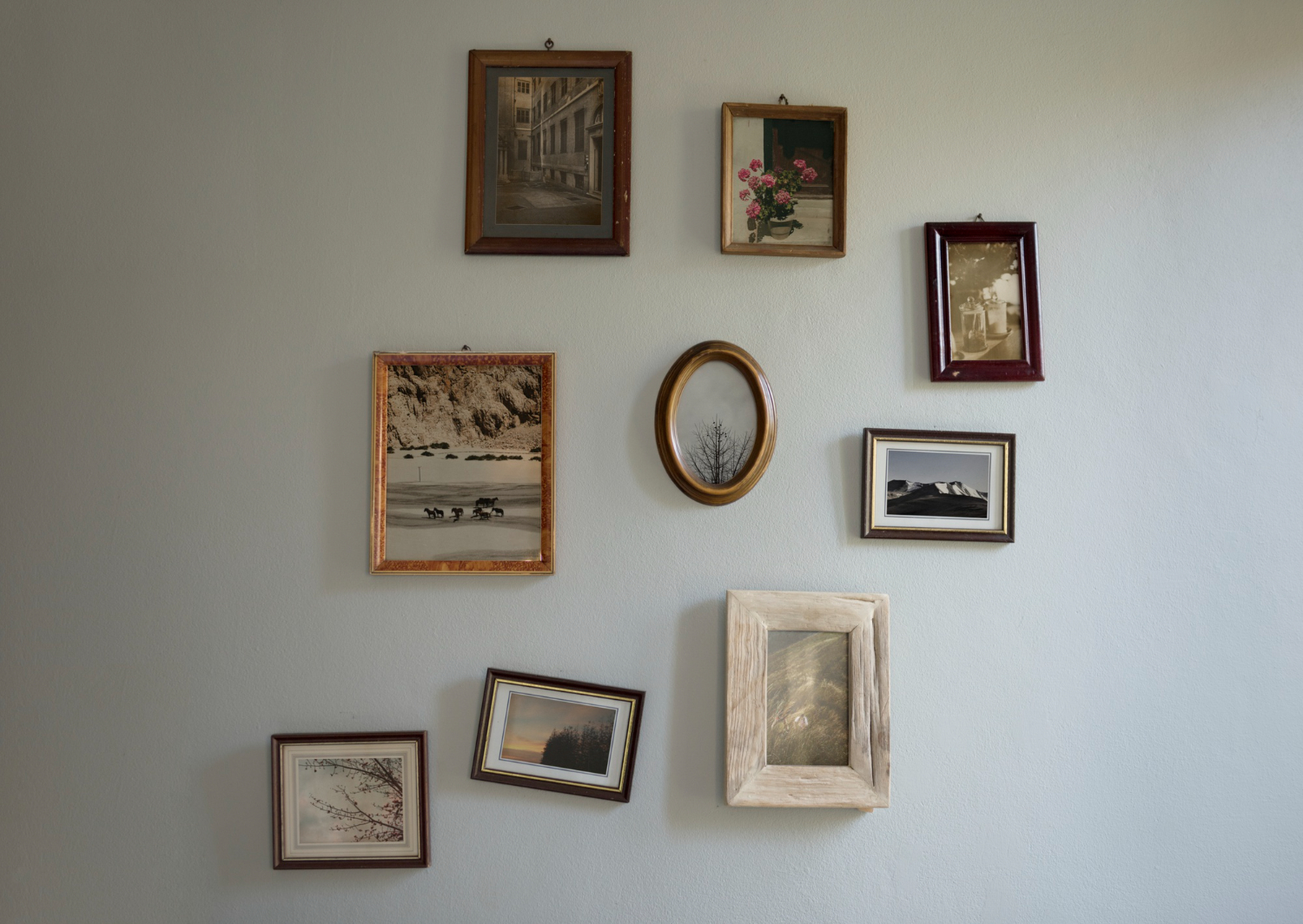
The 1990 American family room typically featured substantial framed photo arrangements — typically formal portraits of immediate family, wedding photos, school portraits, vacation photos, and various other curated family images. Photos were typically displayed in specific arrangements on tables, mantels, walls, and various other specific locations. The cumulative photo display represented substantial family identity statement.
Modern American family rooms typically feature substantially fewer framed photos. Digital photo frames have replaced some traditional photo display. Mobile phones provide essentially unlimited photo access without dedicated display infrastructure. Various social media platforms provide alternative photo sharing that doesn’t require physical display. The cumulative photo display function has substantially shifted from family room walls to digital platforms. Some families maintain traditional photo display, but the universal 1990 standard has substantially declined.
The Specific Magazine Rack

The 1990 American family room typically featured magazine rack containing recent issues of various publications. Standard family magazines included: TV Guide (essentially universal in American homes through the 1990s), Reader’s Digest, People, Sports Illustrated, National Geographic, various women’s magazines, various other publications based on family interests. The cumulative magazine collection represented substantial recurring subscription investment.
Modern American family rooms essentially never contain magazine racks with current publications. Various magazines have substantially declined or completely ceased publication. TV Guide ceased weekly print publication in 2005, eliminating one of the most ubiquitous American magazines. Various other formerly-substantial publications have similarly declined or shifted to online-only operations. The cumulative magazine consumption has shifted to various digital alternatives that don’t require physical storage in family rooms.
The Furniture Arrangement Logic
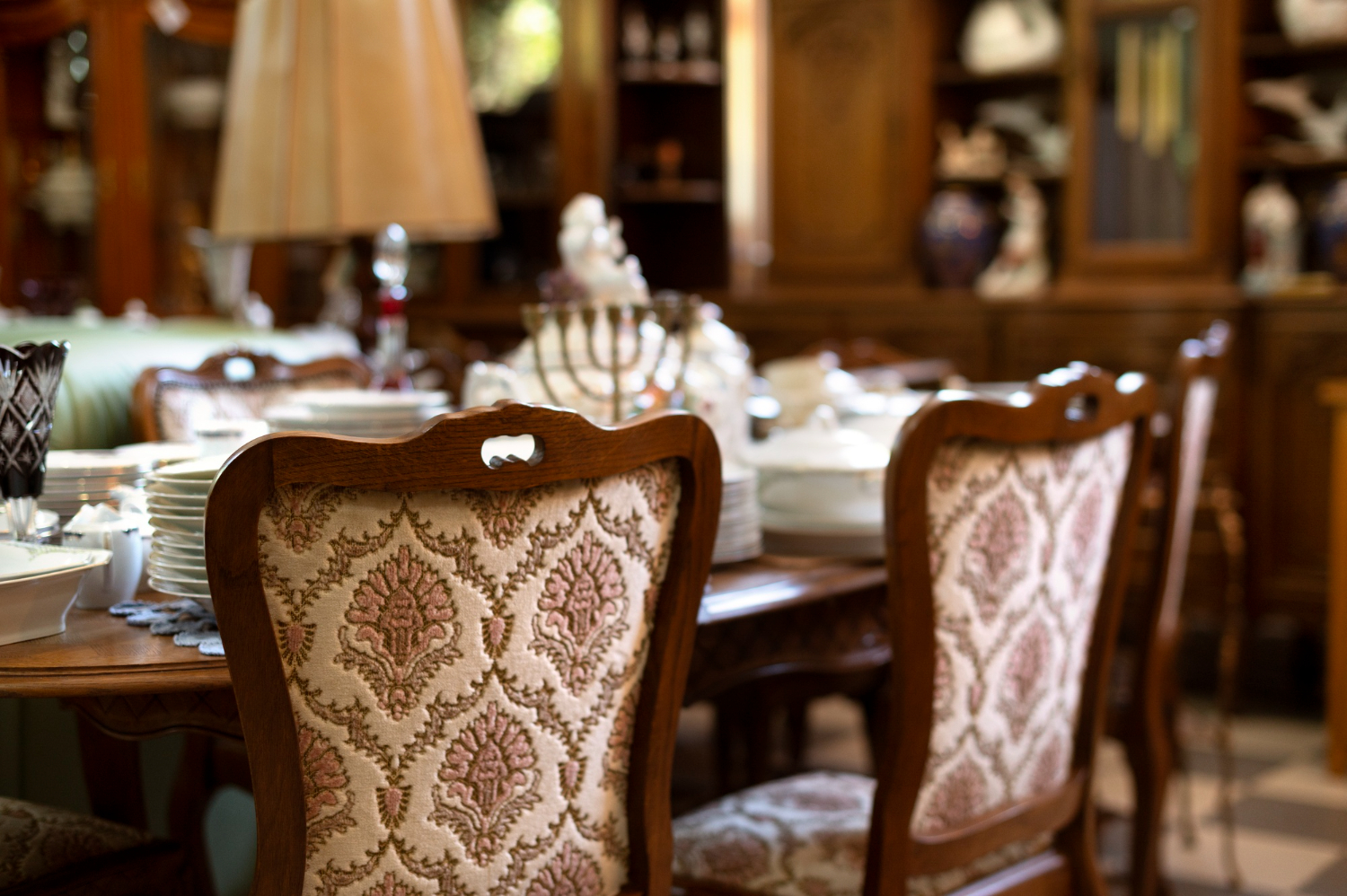
1990 American family rooms typically featured specific furniture arrangements organized around television viewing. Sofas and chairs faced the entertainment center. Coffee tables provided central focal points. Side tables held lamps and various small items. The cumulative arrangement was substantially standardized — most American family rooms had essentially similar furniture layouts despite various specific design preferences.
Modern American family rooms feature substantially varied arrangements. Wall-mounted televisions have changed viewing geometry. Various specific furniture items (sectional sofas, modular furniture, various other categories) have substantially different functional requirements than 1990 furniture. The cumulative arrangements have substantially diversified rather than maintaining 1990 standardization. Various design influences (open floor plans, multi-function spaces, various other elements) have changed how family rooms relate to broader home design.
The Carpet Reality
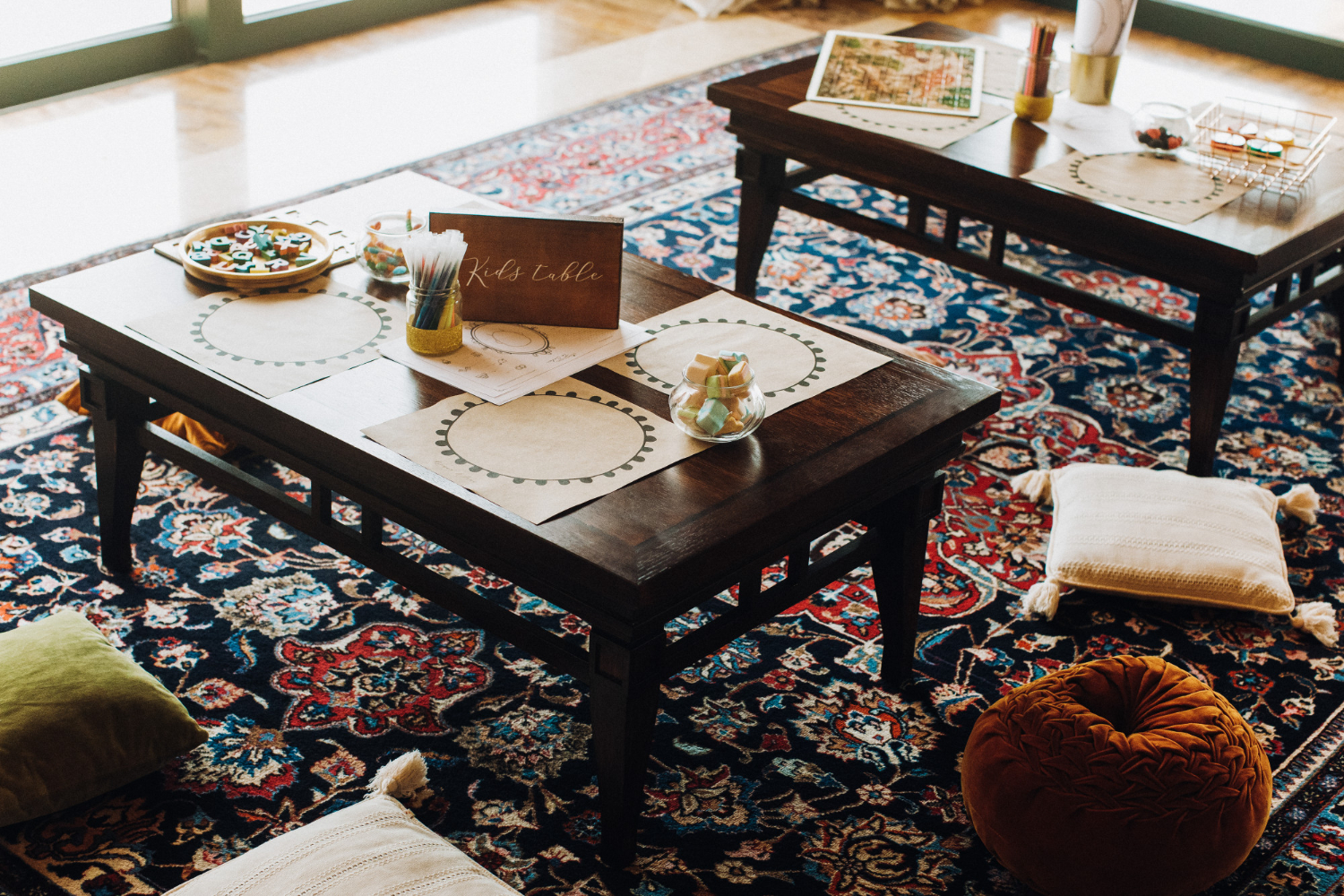
1990 American family rooms typically featured wall-to-wall carpeting in specific colors that reflected the era — often beige, cream, mauve, or various other neutral tones. Specific carpet types (Berber, plush, various other styles) had specific characteristic appearance and feel. The cumulative carpeting required substantial maintenance — vacuuming, periodic cleaning, occasional replacement.
Modern American family rooms have substantially shifted away from wall-to-wall carpeting toward hardwood, laminate, tile, or area rugs over hard surfaces. Various specific design preferences have driven this shift — easier cleaning, perceived modern appearance, various health considerations including allergies and various other factors. The cumulative carpet decline represents specific change in American home design that has occurred across the past 25 years. Some specific 1990-era homes still feature original carpeting, but new construction and major renovations typically eliminate wall-to-wall carpeting.
The Specific Wall Decorations

1990 American family rooms featured specific wall decoration patterns. Mass-produced framed prints (often featuring landscapes, generic scenic images, or various other inoffensive subjects) were substantially common. Specific decorative items (clocks, decorative shelving, plants, various other items) occupied specific positions. Various religious imagery appeared in some family contexts. Various sports memorabilia appeared in others. The cumulative wall decoration represented substantial accumulated decisions about home aesthetics.
Modern American family rooms feature substantially varied wall decoration approaches. Large-scale digital art displays have replaced some traditional framed prints. Various specific decorative trends (gallery walls, minimalist approaches, various others) have substantially diversified family room walls. The cumulative 1990 standardization around mass-produced framed prints and specific decorative items has been replaced by substantial individual variation. Modern family rooms reflect specific household preferences more than 1990 family rooms typically did.
The Specific Plants

1990 American family rooms often contained specific houseplants — typically philodendrons, ficus trees, ferns, various other low-maintenance varieties. The cumulative plant arrangements occupied specific positions and required specific care routines. Various specific plant containers (often macramé hangers from earlier decades, decorative pots, various other items) supported the plants.
Modern American family rooms feature substantially varied plant approaches. Some current homes contain extensive plant collections (substantial post-2010 trend toward houseplant interest among younger adults). Other homes contain essentially no plants. The cumulative 1990 standardization around moderate houseplant presence has been replaced by substantial variation between essentially plant-free homes and substantially plant-heavy homes. Few current homes feature the specific moderate plant presence that defined 1990 standard.
What This Transformation Reveals
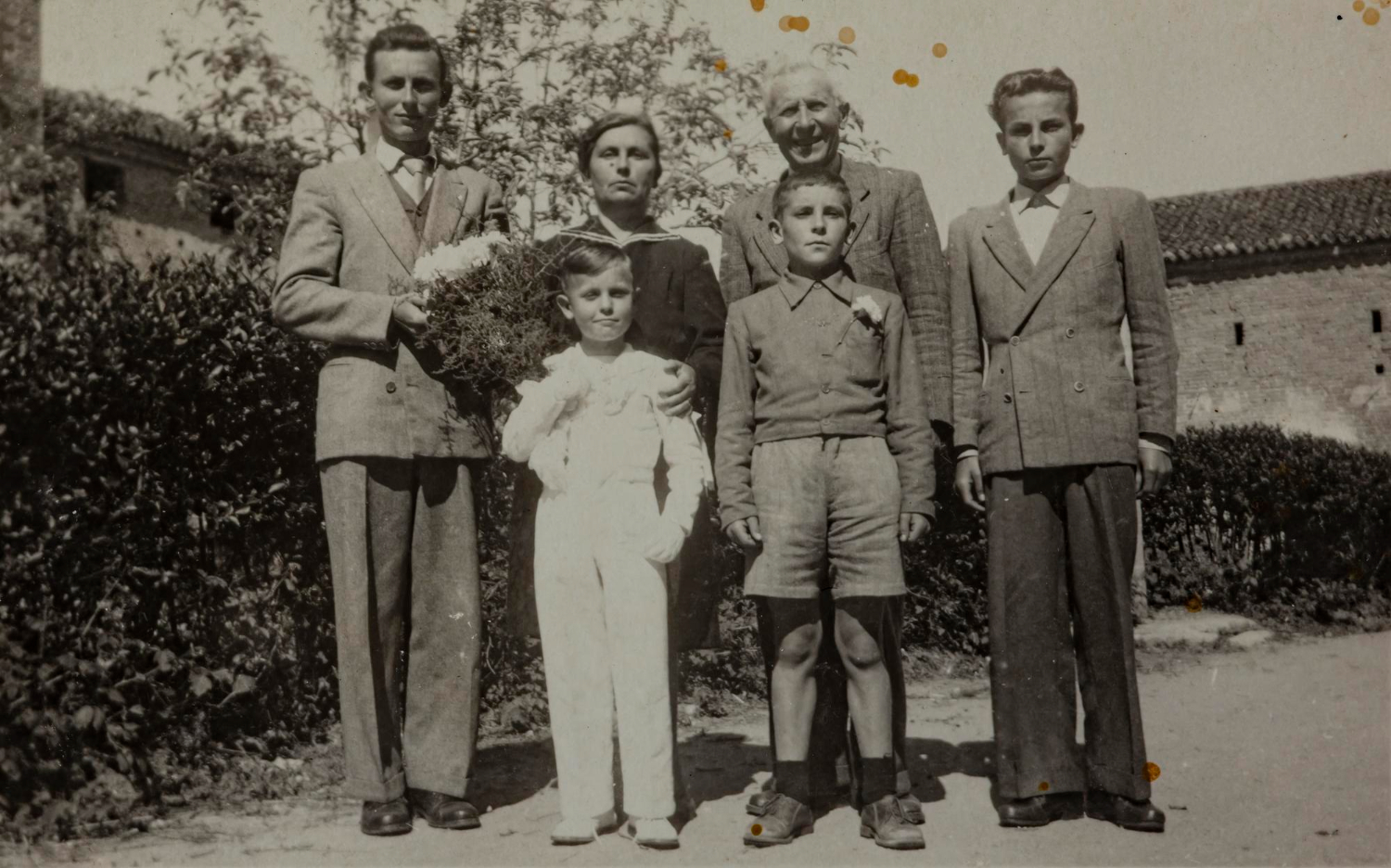
The 1990 American family room represents specific cultural moment when various specific items, arrangements, and rituals defined American home social space. The cumulative transformation across approximately 35 years has substantially eliminated most of the specific items that characterized 1990 family rooms. Wall-mounted televisions, streaming services, mobile phones, digital photography, and various other technological changes have substantially compressed the equipment and infrastructure that 1990 family rooms required. The cumulative result is family rooms that look and function substantially differently from 1990 versions despite serving same basic social function. Whether the change represents progress or loss depends on specific values about what family social spaces should provide. What’s clear: the 1990 American family room has substantially disappeared, replaced by alternatives that look and function differently in essentially every aspect from furniture to electronics to decorative items. American children growing up with current family rooms experience substantially different home environments than American children who grew up with 1990 family rooms. The cumulative transformation continues — current family rooms will likely look substantially different in another 25 years from how they currently appear, just as current rooms differ substantially from their 1990 ancestors. The basic family room function persists across these transformations, but specific implementations continue evolving substantially.