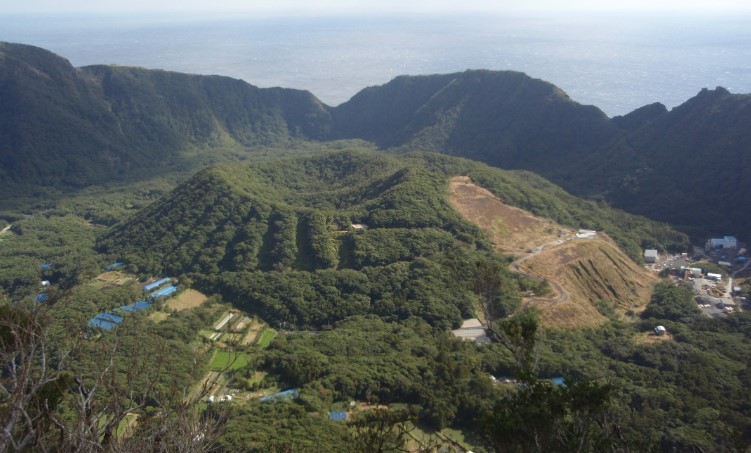
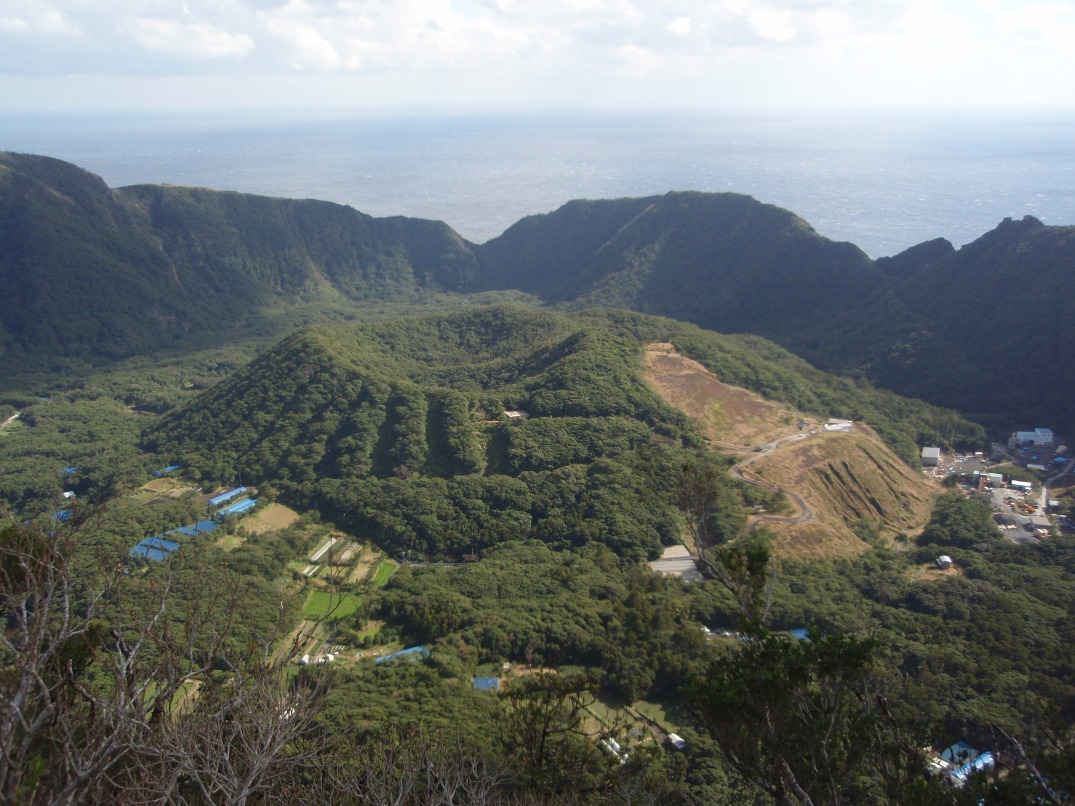
Aogashima is one of the most remote inhabited locations in Japan — a small volcanic island in the Philippine Sea, 358 km south of Tokyo, that’s administered as a Tokyo Metropolis municipality despite being substantially distant from the urban capital. The cumulative island measures only 3.5 km long and 2.5 km wide. The current population is approximately 170 residents — making Aogashima the least populated village in all of Japan. The cumulative village is built substantially inside an active volcano caldera. The last eruption killed approximately 130-140 of the island’s 327 residents in 1785. Here’s the actual story of this remarkable community.
1: An Island in the Philippine Sea
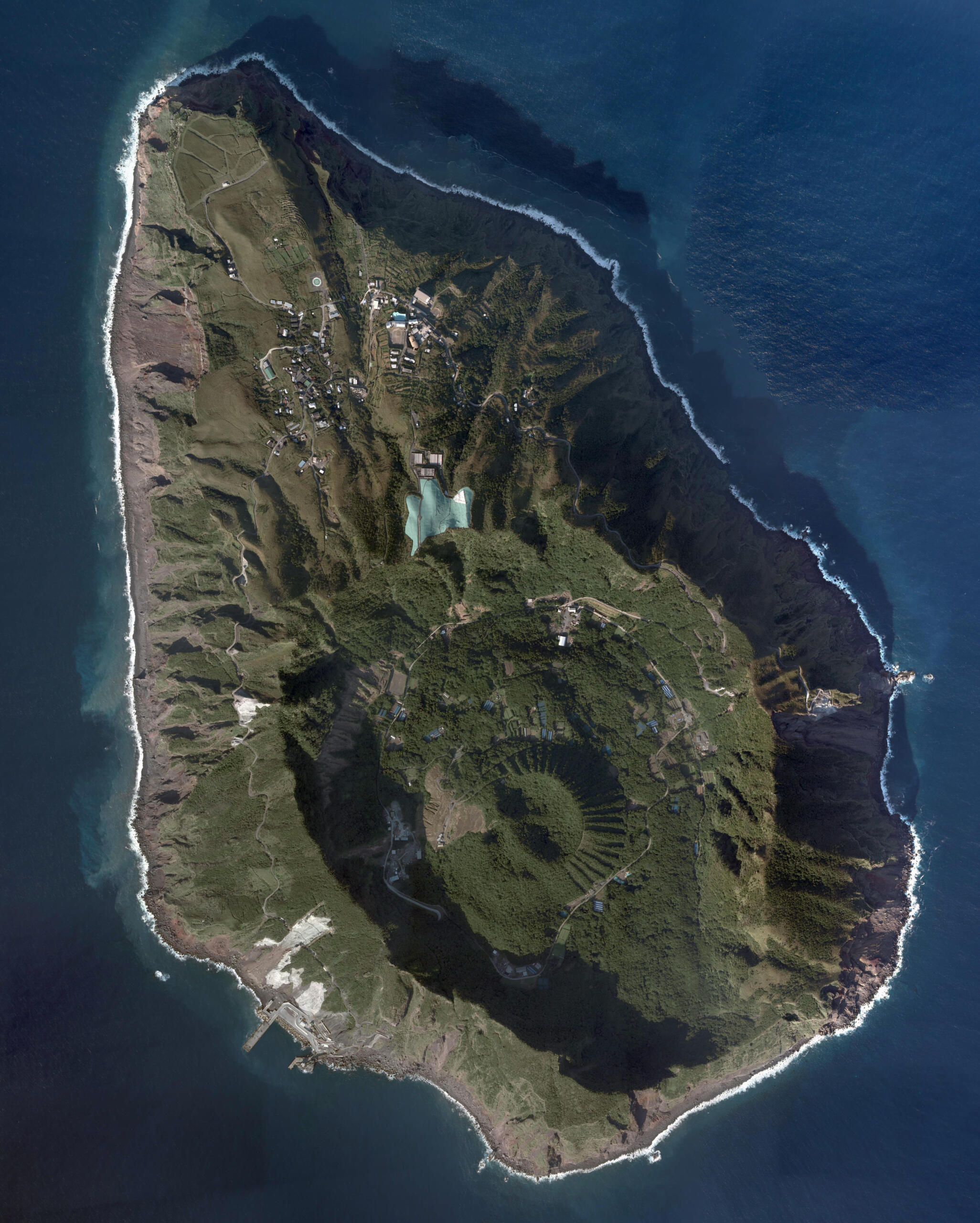
Aogashima sits at coordinates 32°27′N 139°46′E in the Philippine Sea, approximately 358 km (222 miles) south of mainland Tokyo and 64 km south of Hachijō-jima (the larger neighboring island that provides the only access to Aogashima). The cumulative geographic position makes Aogashima the southernmost and most isolated inhabited island of the Izu Islands archipelago. The island lies north of the Ogasawara Islands and borders the northeast Philippine Sea.
The cumulative island measures 3.5 km in length and 2.5 km maximum width with total area 8.75 km² (3.38 sq mi). The highest point is Otonbu at 423 meters (1,388 ft) elevation on the southern ridge. The cumulative coastline extends 9 km around the dramatically vertical cliffs that define the island’s perimeter. Despite the substantial geographic isolation, Aogashima is administratively part of Tokyo Metropolis — providing one of the more unusual administrative arrangements in modern Japan.
2: The Double Caldera Geology
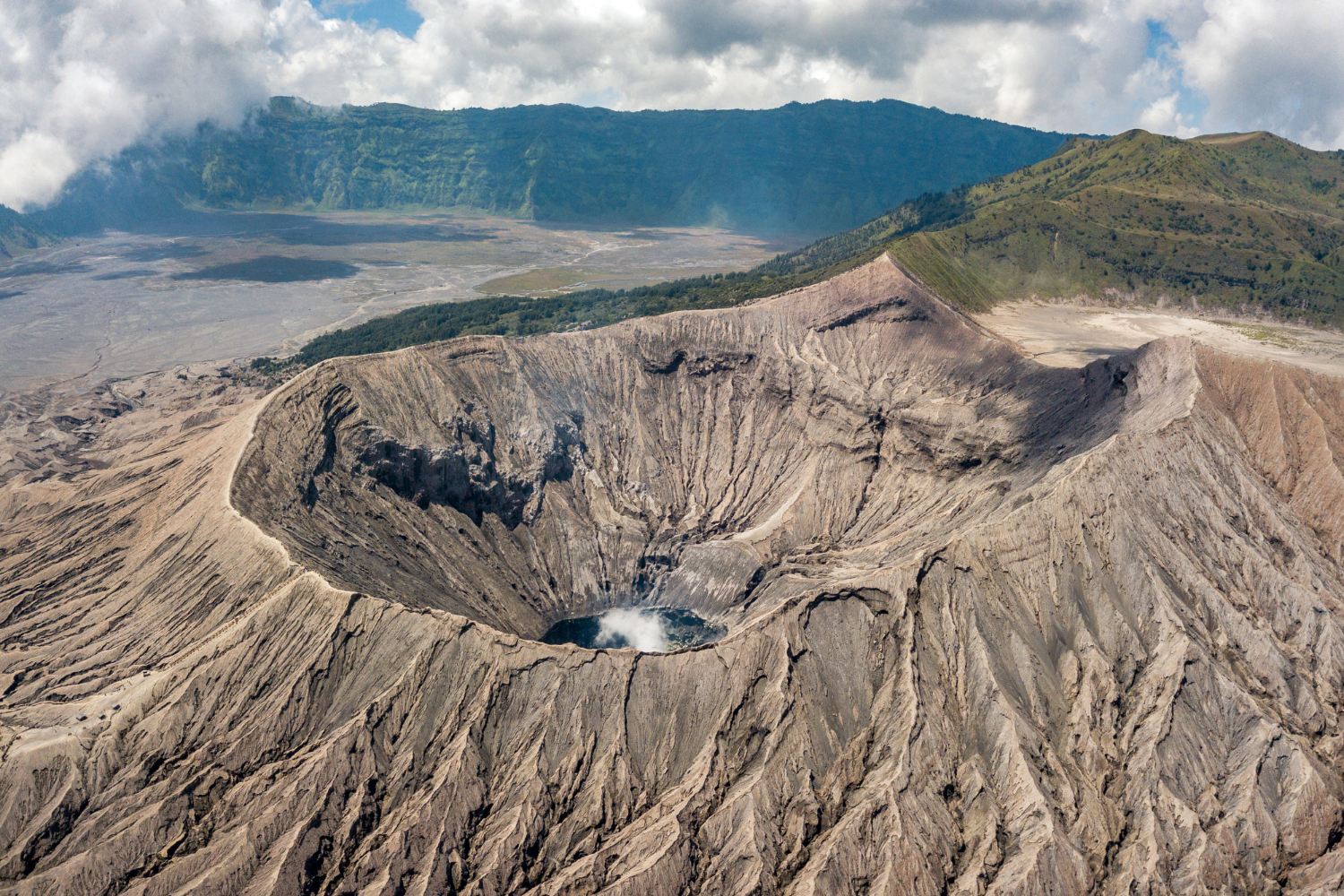
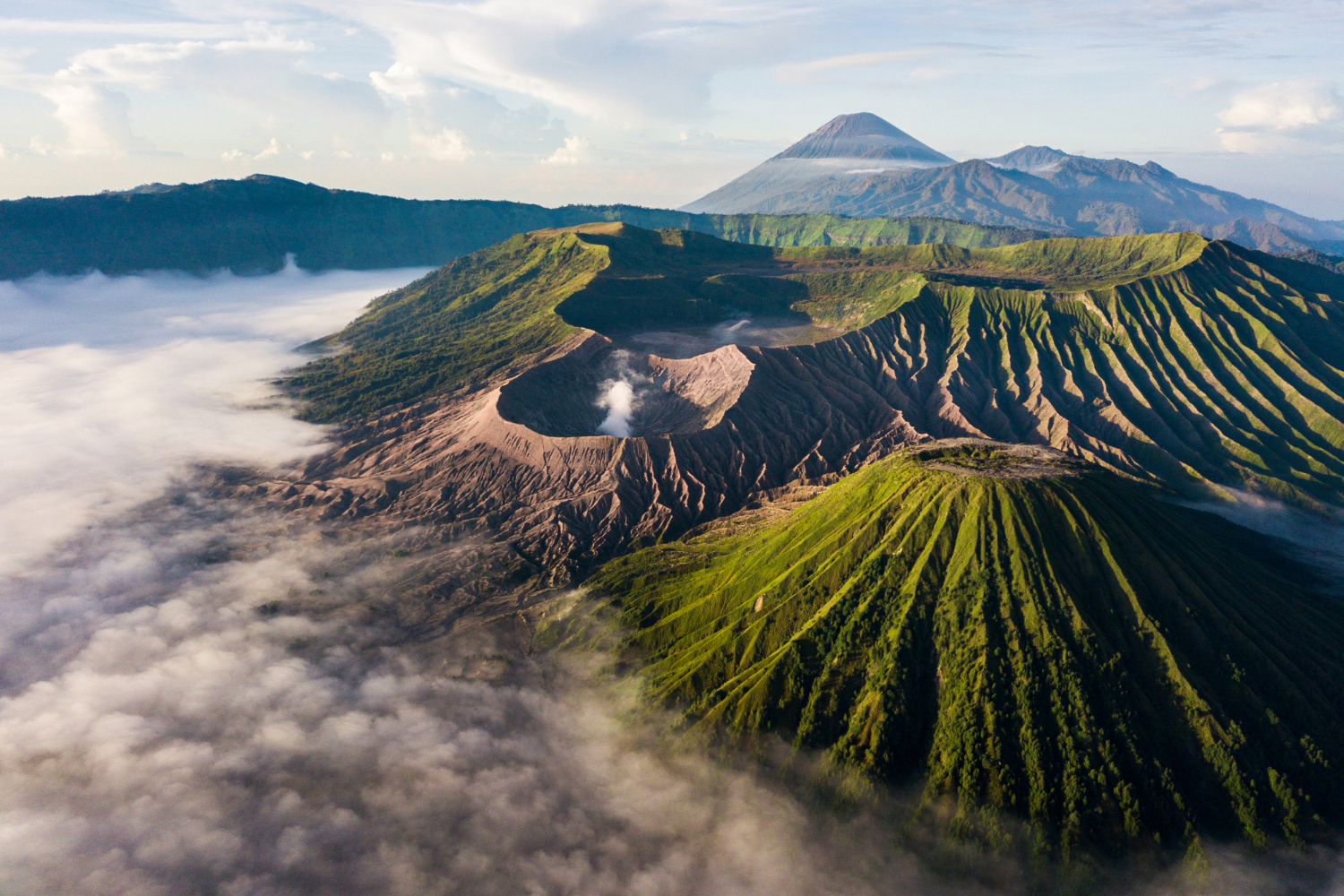
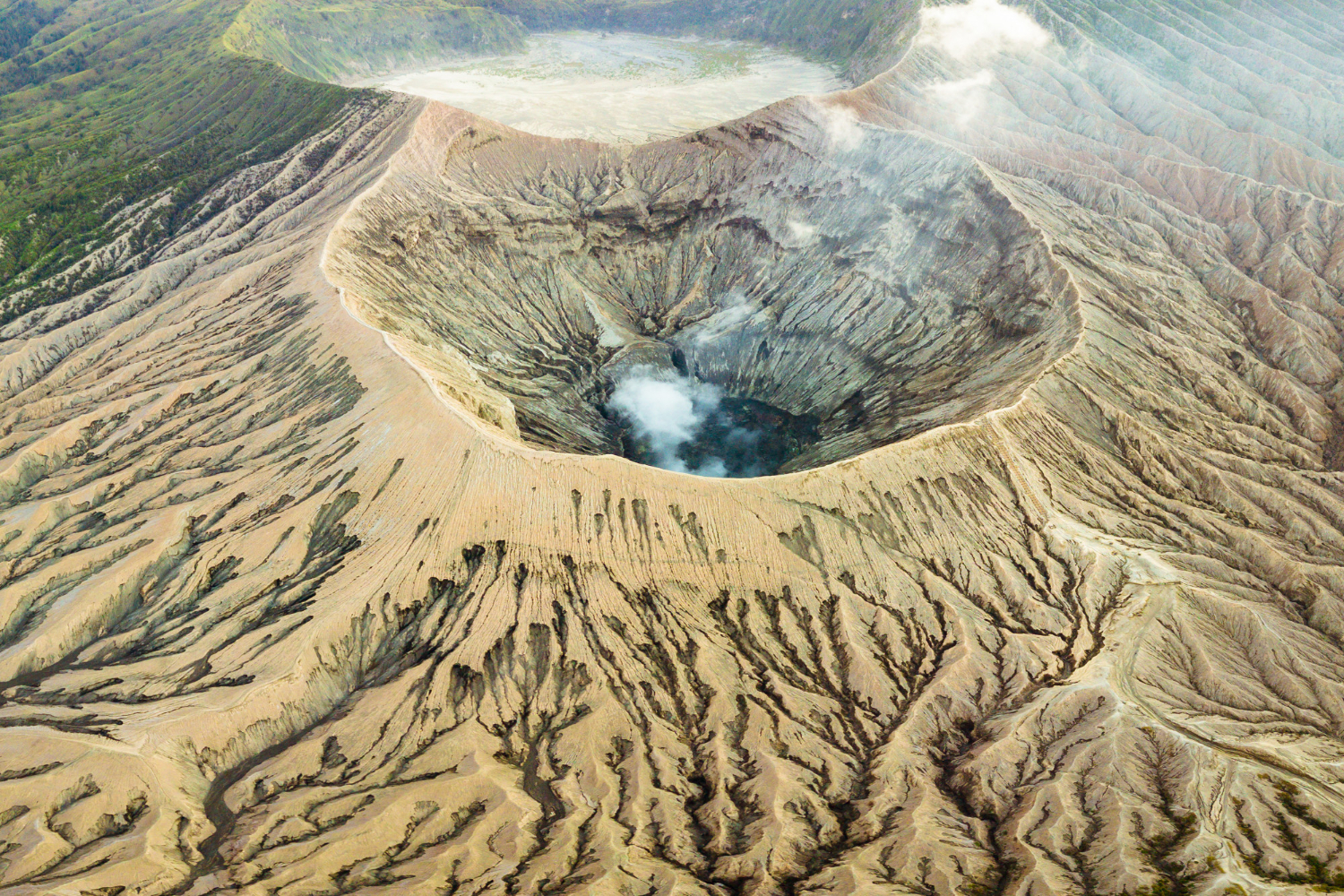
Aogashima is geologically classified as a “complex Quaternary volcanic island” formed by the overlapping remnants of at least four submarine calderas. The cumulative result is one of the most geologically distinctive small islands globally — essentially a volcano-inside-a-volcano configuration that produces dramatic dual-rim geometry visible especially from aerial views. The cumulative shape resembles an island where everything outside the steep cliffs drops away while the center forms a substantial caldera bowl.
The southern coast specifically rises to a sharp ridge forming the edge of the Ikenosawa caldera with diameter approximately 1.5 km. The cumulative caldera substantially dominates the island geometry. A secondary cone called Maruyama occupies the central caldera area. The cumulative geological configuration creates the dramatic “village inside a volcano” appearance that has made Aogashima substantially photographed in international geological and travel publications. The cumulative volcanic activity remains classified as active by Japanese authorities despite the substantial period since the last eruption.
3: The 1785 Eruption Catastrophe
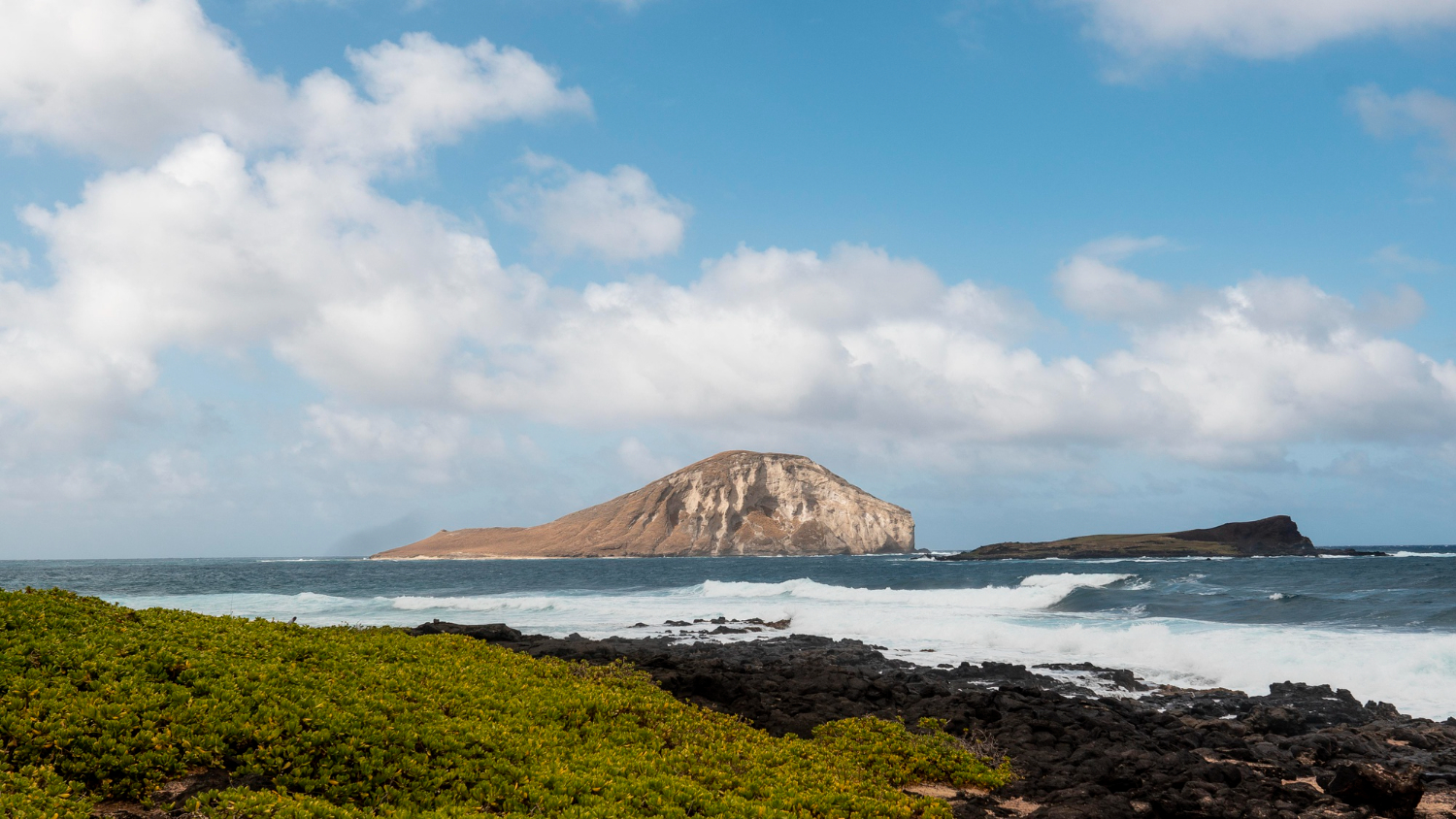
The defining historical event in Aogashima’s modern history was the 1781-1785 volcanic eruption sequence. The cumulative four-year volcanic activity culminated in a substantial 1785 eruption that killed approximately 130-140 of the island’s 327 residents at the time — nearly half of the entire population. The cumulative event was substantial demographic catastrophe that essentially eliminated traditional island life.
After the cumulative 1785 disaster, the surviving residents were evacuated to Hachijō-jima where they remained for approximately 50 years. The cumulative island was essentially abandoned across multiple decades while survivors and descendants rebuilt their lives elsewhere. Various survivors and descendants returned to Aogashima starting approximately the mid-1830s, gradually re-establishing the cumulative community that has persisted into 2026. The cumulative resilience represents specific aspect of Japanese cultural pattern — communities frequently rebuilding after various natural disasters despite substantial difficulty and risk.
4: The Population Decline
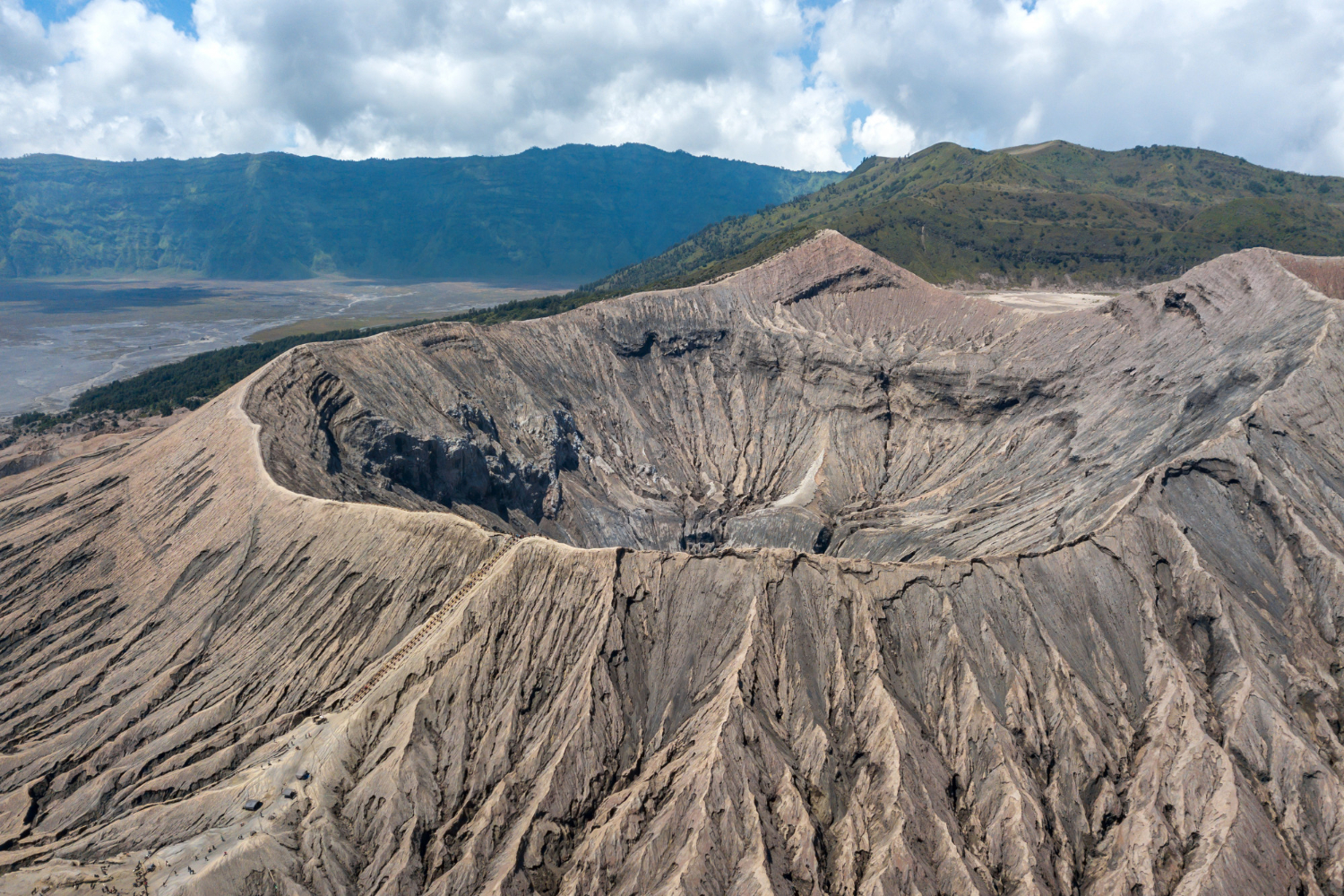
After resettlement, Aogashima’s population grew substantially through the 19th and early 20th centuries. By the early 1900s, the cumulative population peaked at approximately 750 residents. The cumulative growth reflected substantial Japanese rural development patterns plus specific Aogashima economic opportunities including fishing, agriculture, salt production, and various other traditional activities. The cumulative peak population represented genuine community vitality despite the geographic isolation.
Subsequent decades brought substantial population decline. By 2014, the cumulative population had decreased to 170 residents. Various factors contributed: substantial Japanese rural depopulation affecting essentially all small rural communities, specific Aogashima limitations including transportation difficulties and economic opportunities, generational migration to mainland Japanese cities for education and employment, and various other specific factors. The cumulative decline continues — current population estimates suggest similar 170-200 range for 2026, making Aogashima the least populated village in all of Japan.
5: How Residents Actually Live
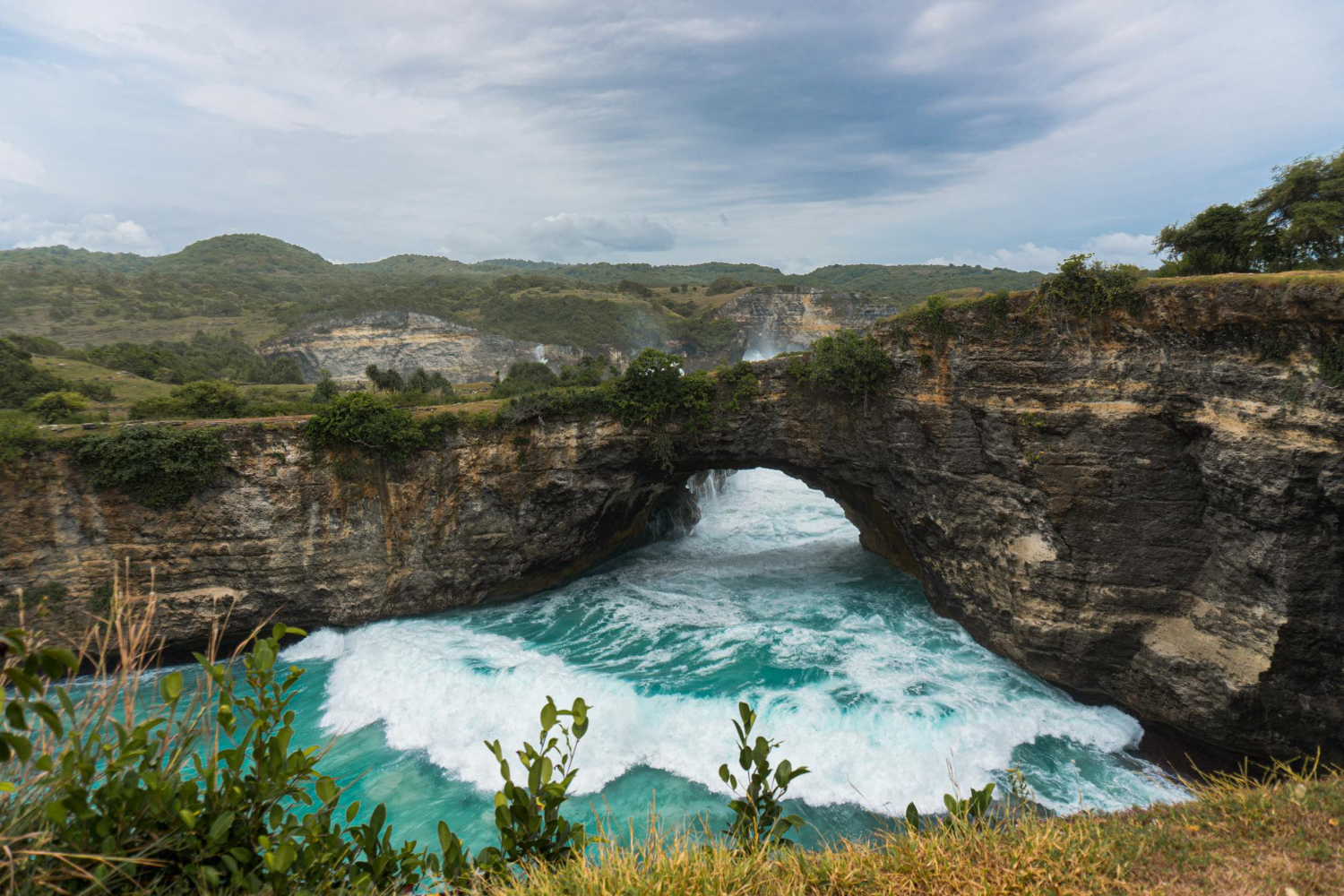
Modern Aogashima residents organize their lives around specific accommodations to the geographic isolation. The cumulative island has only one school — Aogashima Elementary, Junior High, and High School operating under single roof with substantially small class sizes (frequently just a few students per grade, sometimes one-on-one instruction). The cumulative educational arrangement provides necessary services despite tiny student population.
Approximately 70 of the cumulative 170 residents are government workers — teachers, police officers, administrative staff, and various others transferred in from elsewhere for short-term posts (typically 2-3 year assignments). The remaining ~100 residents are permanent locals who’ve chosen Aogashima as their cumulative home despite various challenges. The cumulative population structure produces specific community dynamics — substantial portion of workers cycling through while smaller permanent population maintains cumulative continuity. Various aspects of cumulative community life depend on this specific demographic pattern.
6: The Specific Economy
Aogashima’s modern economy combines several specific activities. Substantial government subsidies support cumulative public services and various other functions that the small population cannot fully fund independently. Tourism provides modest seasonal income — approximately several thousand annual visitors arrive when weather and transportation permit. Traditional salt production represents distinctive specialty industry — Aogashima salt has substantial premium reputation in Japanese culinary markets. Shochu distilling provides specific local alcohol production.
The cumulative economic activities produce modest income that supports cumulative community persistence rather than substantial growth. Various aspects of cumulative life require specific economic adaptation. Most goods must be imported via the cumulative limited transportation, producing substantial price premiums compared to mainland Japanese prices. Various basic services require specific arrangement. The cumulative economy works but operates substantially differently from mainland Japanese economic patterns. Various residents specifically choose Aogashima for the cumulative lifestyle despite substantial economic limitations.
7: The Access Difficulty
Reaching Aogashima requires substantial logistical planning that mainstream Japanese tourism rarely accommodates. The cumulative only access points are: ferry from Hachijō-jima (2 hours 30 minutes when sea conditions permit operation) or helicopter from Hachijō-jima (20-minute flight requiring advance reservations). Hachijō-jima itself requires either substantial flight from Tokyo or substantial ferry connection.
The cumulative access creates substantial uncertainty. Ferry service routinely cancels due to weather — substantial portions of any planned visit may face cancellation. Helicopter capacity is genuinely limited and substantially books up during peak periods. The cumulative result: visitors planning Aogashima trips must allow substantial buffer time for potential cancellations and rebooking. Many international visitors who specifically attempt Aogashima visits experience substantial transportation complications that affect cumulative trip planning. The cumulative access difficulty essentially limits Aogashima tourism to dedicated travelers willing to accept substantial logistical complications.
8: The Geothermal Sauna

A specific Aogashima attraction involves the cumulative geothermal sauna (“Fureai Sauna”) operated by tapping volcanic heat for free public bathing facility. The cumulative facility provides substantial relaxation experience using natural volcanic heat — specifically distinctive use of the cumulative active volcanism. The sauna operates as community facility for residents plus visitors, with cumulative free access representing specific community amenity that mainstream Japanese hot springs typically charge for.
The cumulative geothermal vents extend beyond just the sauna. Various specific cooking holes (“jigokumushi”) near the cumulative facility allow visitors to cook eggs and sweet potatoes using volcanic steam — specific cooking method requiring approximately 30-40 minutes for substantial cooking results. The cumulative cooking experience provides distinctive culinary opportunity unavailable elsewhere. Various visitors specifically purchase items at the cumulative island store for cumulative volcanic cooking experiences. The cumulative combination of sauna plus cooking represents substantially distinctive geothermal tourism experience.
9: The Practical Visit Reality
Practical guidance for travelers planning Aogashima visits. Accommodation is genuinely limited — only a few small B&Bs operate on the island, plus the cumulative free island campsite that provides minimal facilities. Advance booking is essential for B&B accommodations during peak periods. The cumulative campsite offers basic infrastructure including access to the cumulative sauna facility for showers and relaxation.
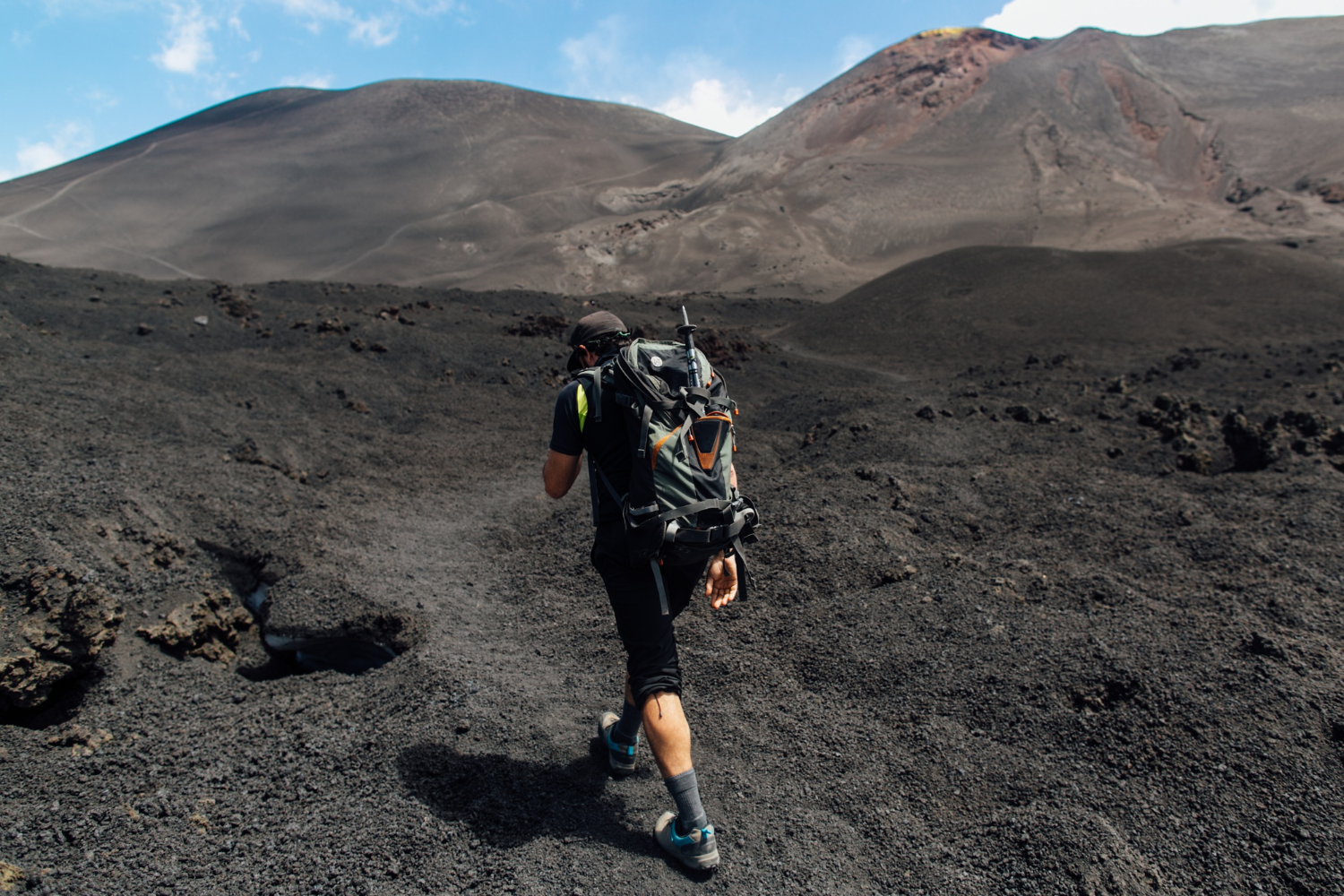
Daily food shopping operates through one main island store. Various dining options are limited — most visitors prepare own food at accommodations rather than relying on restaurant service. Outdoor activity options include substantial hiking trails throughout the cumulative caldera areas, swimming at the cumulative beaches when accessible, stargazing during clear nights (the cumulative limited light pollution produces exceptional astronomical viewing), and various other activities. Most visitors plan 2-4 day stays despite the substantial transportation effort required to reach the cumulative island.
10: The Stargazing Reality
Aogashima has gained substantial reputation as exceptional stargazing destination. The cumulative remote location combined with minimal light pollution produces astronomical viewing conditions that mainland Japanese locations cannot replicate. Various visitors specifically plan Aogashima trips for substantial stargazing opportunities — particularly during new moon periods when ambient light is minimal.
The cumulative night sky from Aogashima reveals substantially more visible stars than typical urban observers ever experience. Various specific stargazing locations including the cumulative Oyama Observation Park provide substantial sky views. The cumulative experience represents specific opportunity that essentially disappeared from most developed countries through cumulative light pollution. Various international visitors describe Aogashima stargazing as among the most memorable aspects of cumulative Japanese visits. The cumulative experience provides substantial alternative to mainstream Tokyo-area tourism activities.
11: The Ongoing Volcanic Reality
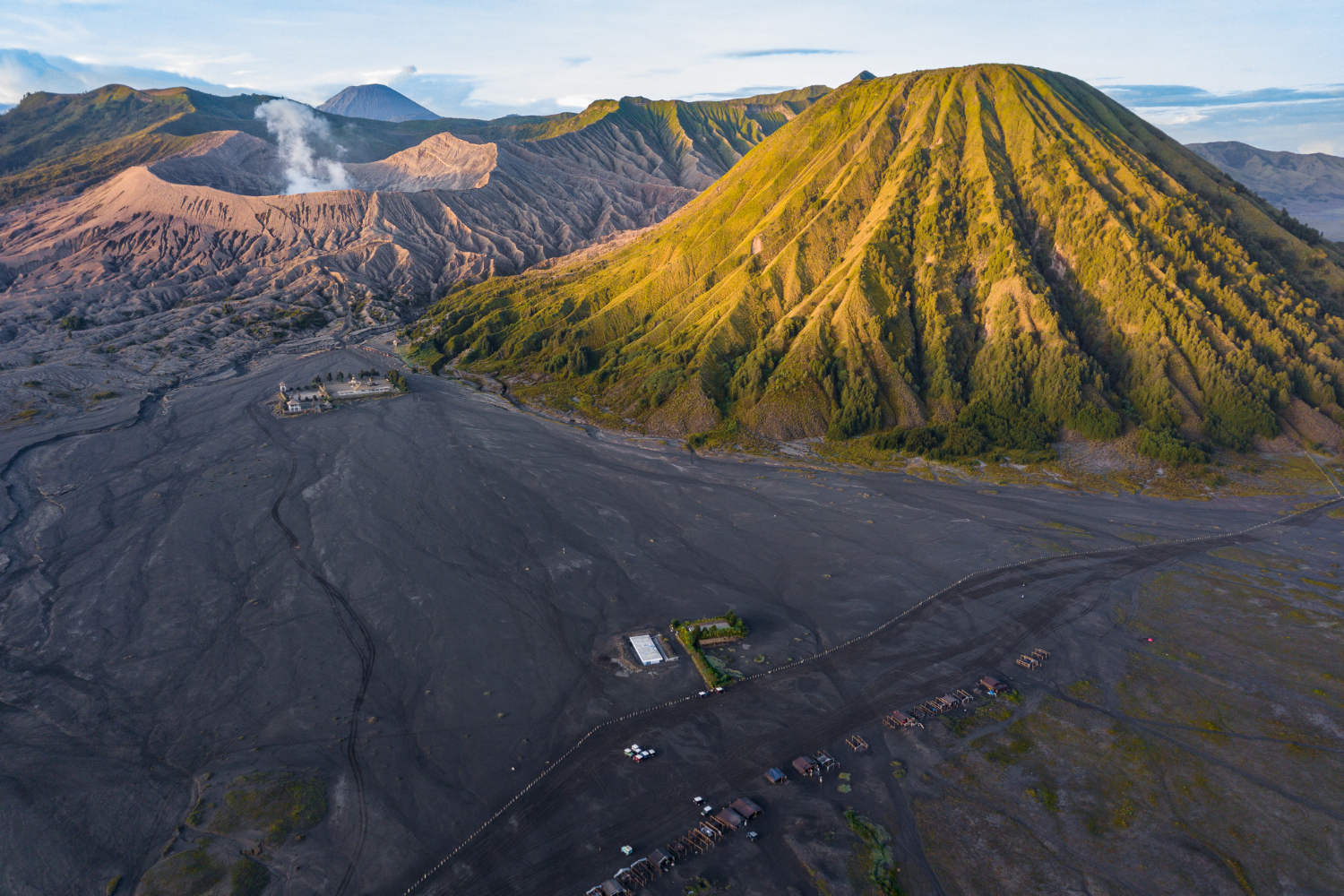
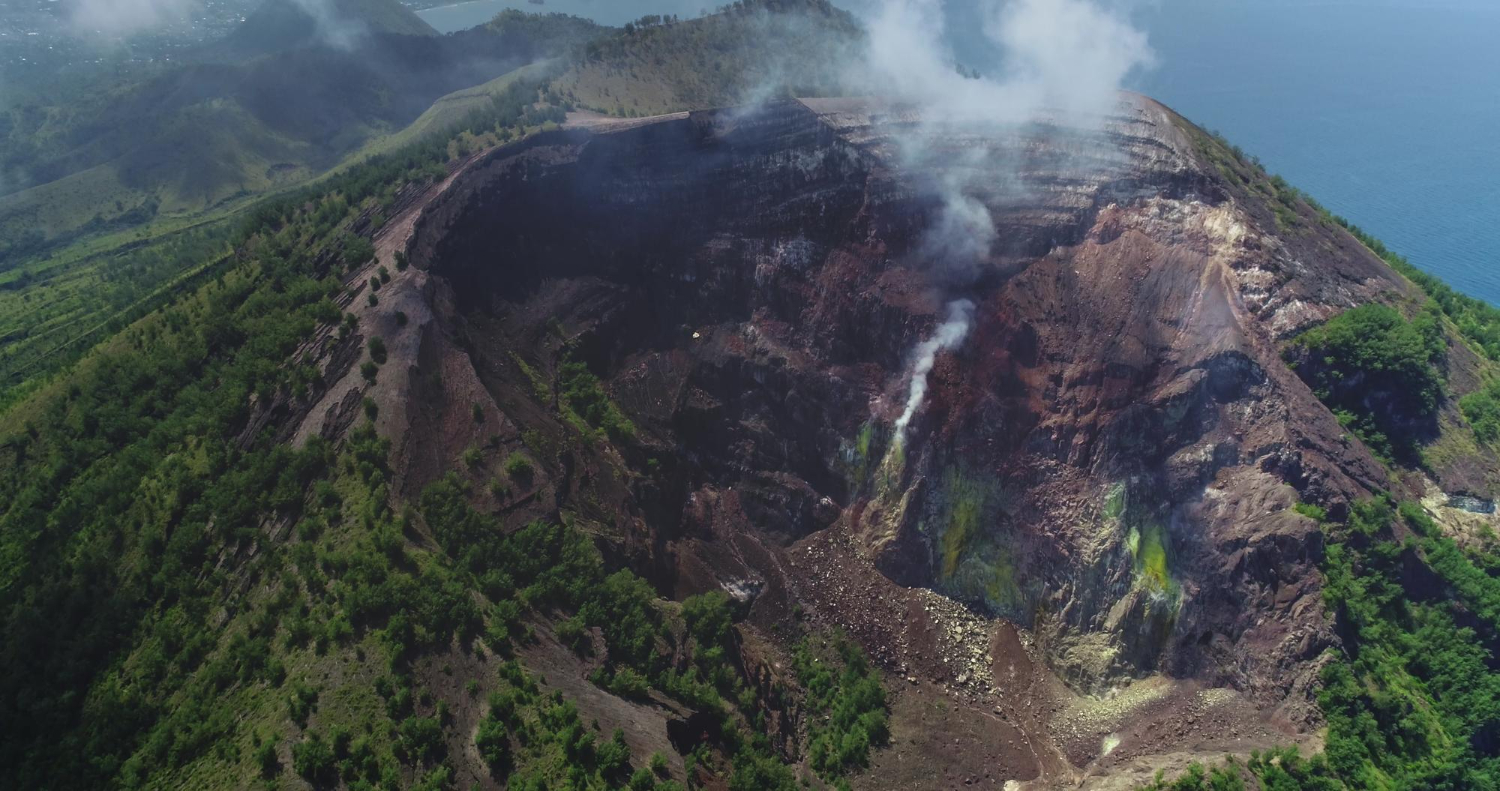
Aogashima remains classified as Class-C active volcano by the Japan Meteorological Agency. The cumulative agency monitors approximately 110 active Japanese volcanoes; Aogashima represents one specific monitored cumulative location. The cumulative classification reflects geological reality — the volcano hasn’t gone extinct, and another eruption remains possible across geological timescales.
The cumulative volcanic risk affects various aspects of resident life and tourism planning. Residents accept the cumulative risk as condition of choosing the lifestyle. Visitors should understand they’re visiting active volcano area, though the cumulative immediate risk is genuinely low (no major activity since 1785). Various specific monitoring systems detect any volcanic precursors that would warrant evacuation. The cumulative arrangement balances substantial geological risk against substantial cumulative benefits — community persistence, distinctive landscape, specific cultural heritage, and various other elements that residents value despite the cumulative volcanic reality.
12: The Uncertain Future
Aogashima faces substantial uncertain future like much of rural Japan. The cumulative aging population, declining birth rates, and limited economic opportunities affect community sustainability. Various students who leave for university rarely return. Healthcare remains minimal — substantial medical emergencies require helicopter evacuation to Hachijō-jima or further to mainland Japan. The cumulative challenges substantially affect long-term community persistence.
Beyond volcanic risk, the cumulative island lies in the tsunami risk zone of the Nankai Trough — one of Japan’s most active earthquake areas. The cumulative geological vulnerability extends beyond just direct volcanic risk to broader regional seismic activity. Various specific tsunami warning systems and evacuation protocols exist but substantial events could substantially affect the cumulative community. The cumulative future depends on various factors that residents and Japanese government continue managing — population decline, infrastructure investment, geological monitoring, economic support, and various other cumulative elements.
What Aogashima Actually Represents
Aogashima represents specific extreme example of human community persistence despite substantial geological, geographic, and economic challenges. The cumulative 170 residents have chosen this island life despite various alternatives that would provide substantially more convenience and substantially less risk. The cumulative community will likely continue persisting through coming decades as long as cumulative resident commitment plus government support maintain the specific arrangements that have allowed Aogashima to function. For travelers willing to invest substantial effort in reaching the cumulative island, Aogashima provides experience that essentially no other accessible destination can match — combination of dramatic geological landscape, traditional Japanese community life, exceptional natural environment, and substantial isolation from modern urban patterns. The cumulative experience represents specific opportunity that mainstream Japanese tourism rarely emphasizes despite substantial cultural and geological significance. The cumulative future of Aogashima depends on various factors that may substantially change across coming decades — but currently the community persists as substantial example of what’s possible when small groups of people choose to maintain traditional life patterns in genuinely extreme circumstances. The cumulative arrangement won’t last forever in any specific form, but the basic pattern of human persistence on this volcanic island will likely continue in some form as long as cumulative Japanese resources support the specific cumulative community structure.