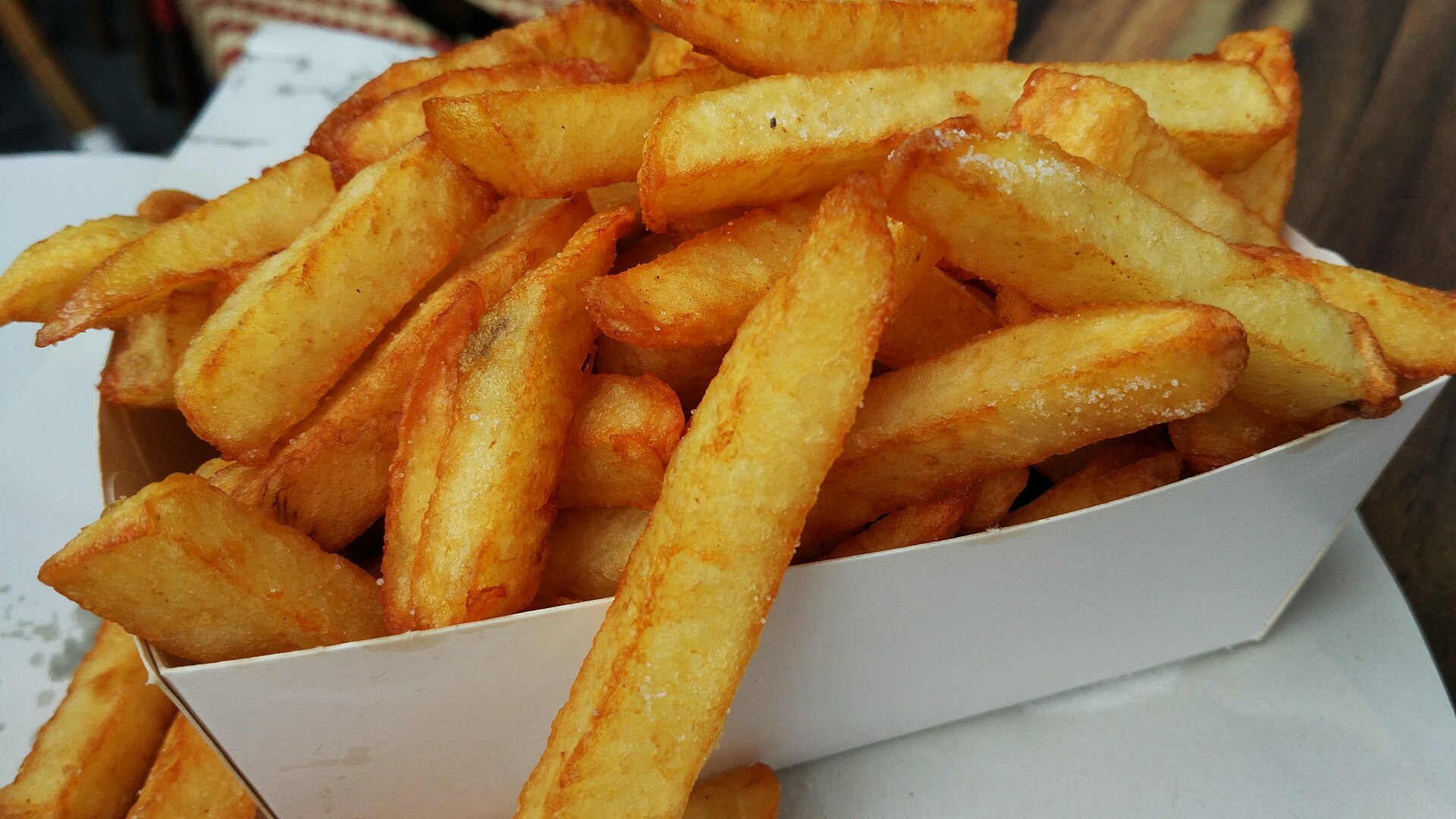
Belgian fries (frites) are substantially distinct from American “French fries” or even what most other countries call fries. The cumulative Belgian preparation involves specific potato varieties, double-frying technique using specific oils, particular cutting dimensions, and various other elements that mainstream international fry preparation substantially abbreviates. Belgians consider their fries genuine national cultural heritage — including specific UNESCO nomination attempts. Walking through what makes Belgian fries actually different reveals substantial culinary complexity that mainstream “fries” comparisons rarely emphasize.
The Belgian frites tradition represents one of the most documented and culturally significant fried potato preparations globally. The cumulative Belgian approach substantially differs from mainstream international fry preparation through specific technical elements that affect cumulative quality outcomes. Most international visitors who specifically try authentic Belgian frites describe substantial differences from American or other international alternatives — differences that mainstream tourism marketing emphasizes but that genuine technical preparation produces through specific cumulative elements.
The Specific Potato Variety
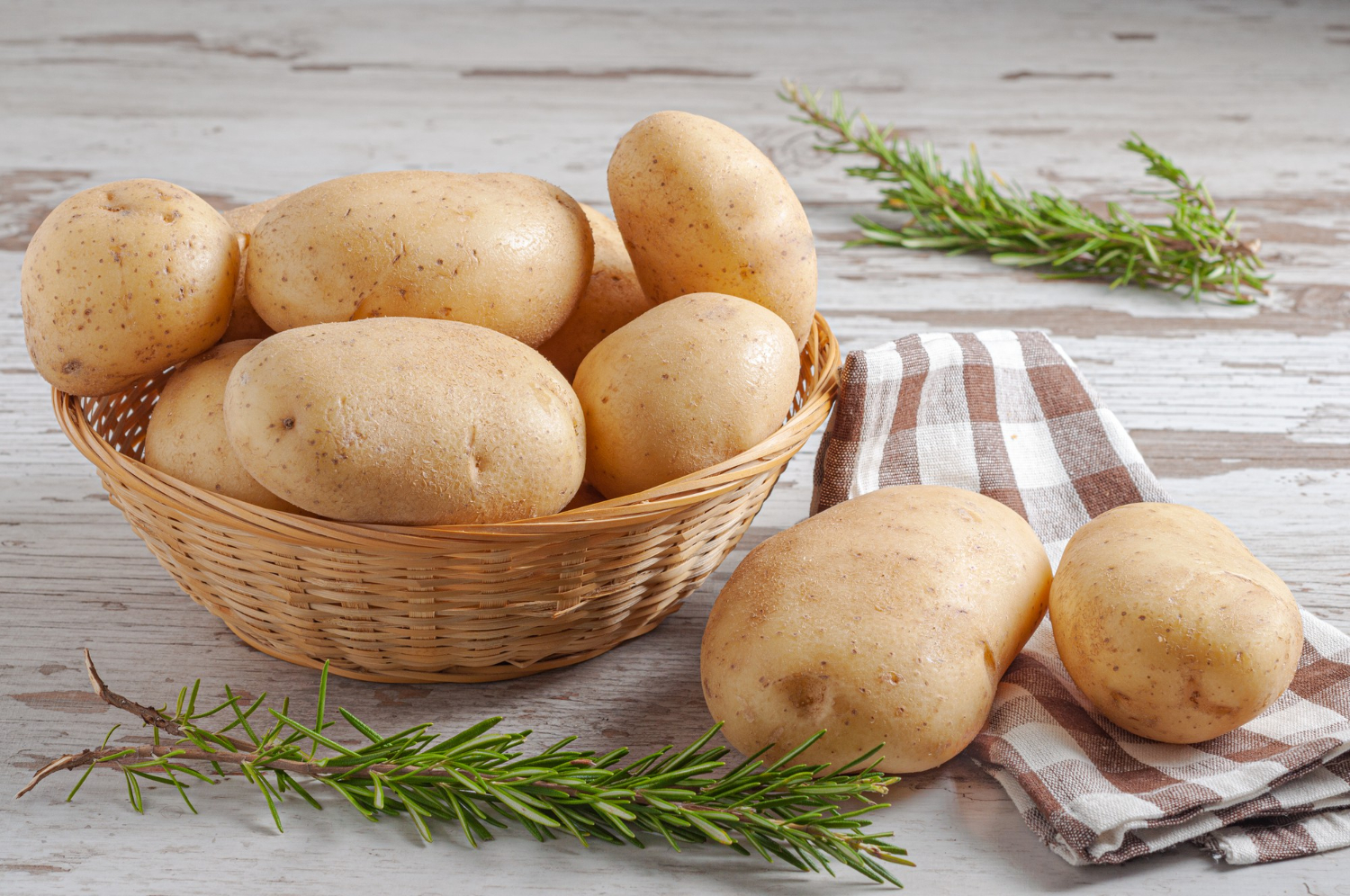
Authentic Belgian frites use specific potato varieties optimized for the cumulative preparation method. Bintje potatoes are the traditional Belgian fry potato — yellow-fleshed variety with substantial starch content and specific texture characteristics that work substantially well with double-frying technique. Various other potato varieties produce inferior results despite identical preparation methods. The cumulative potato selection isn’t accidental — Belgian frites tradition has developed specifically around Bintje characteristics.
Modern Belgian frituur operations substantially continue using Bintje or substantially similar varieties. Various imitations elsewhere use whatever potatoes happen to be available, producing substantially different results regardless of identical preparation technique. The cumulative potato matters substantially for authentic results. Various international visitors trying to replicate Belgian frites at home often fail specifically due to inadequate potato variety selection rather than technique problems. The cumulative ingredient sourcing represents substantial portion of cumulative Belgian frites success.
The Double-Frying Technique
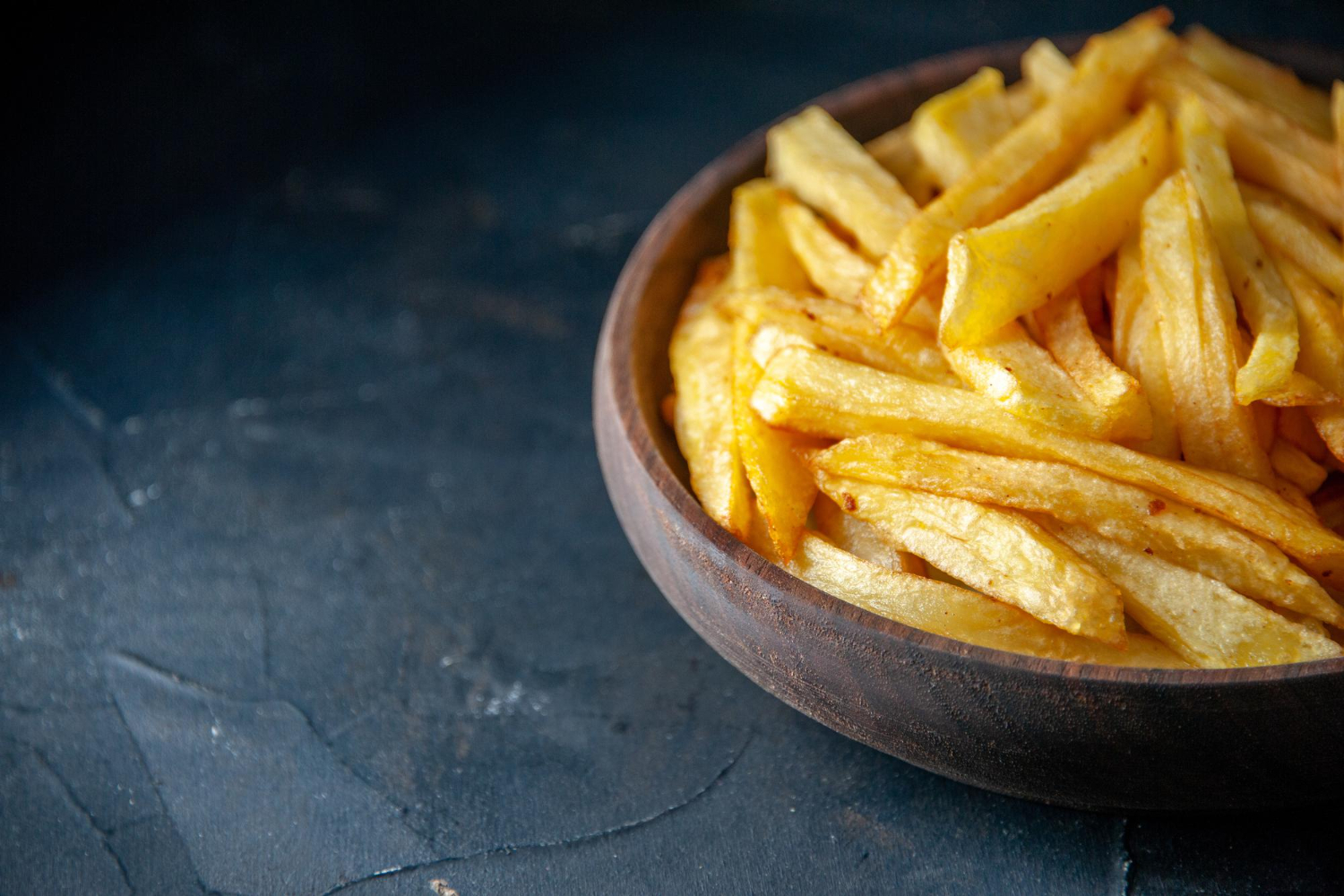
The defining technical element of Belgian frites is double-frying. The cumulative process involves first frying at lower temperature (approximately 150°C / 300°F) for several minutes to cook the potato interior, removing potatoes from oil, allowing brief rest period, then second frying at higher temperature (approximately 175-190°C / 350-375°F) for shorter period to produce substantial crispy exterior. The cumulative two-stage approach produces specific texture combination — crispy exterior plus fluffy interior — that single-frying cannot achieve.
Various international fry preparations skip the cumulative double-frying step due to operational complexity. Single-fried alternatives produce either undercooked interior or burned exterior depending on temperature/time selection. The cumulative compromise affects taste substantially. Belgian frituur operations specifically maintain cumulative double-frying despite the substantial operational requirement. The cumulative technique isn’t secret — it’s substantially documented in essentially every Belgian fry preparation guide — but mainstream international operations substantially fail to implement it consistently.
The Specific Frying Fat
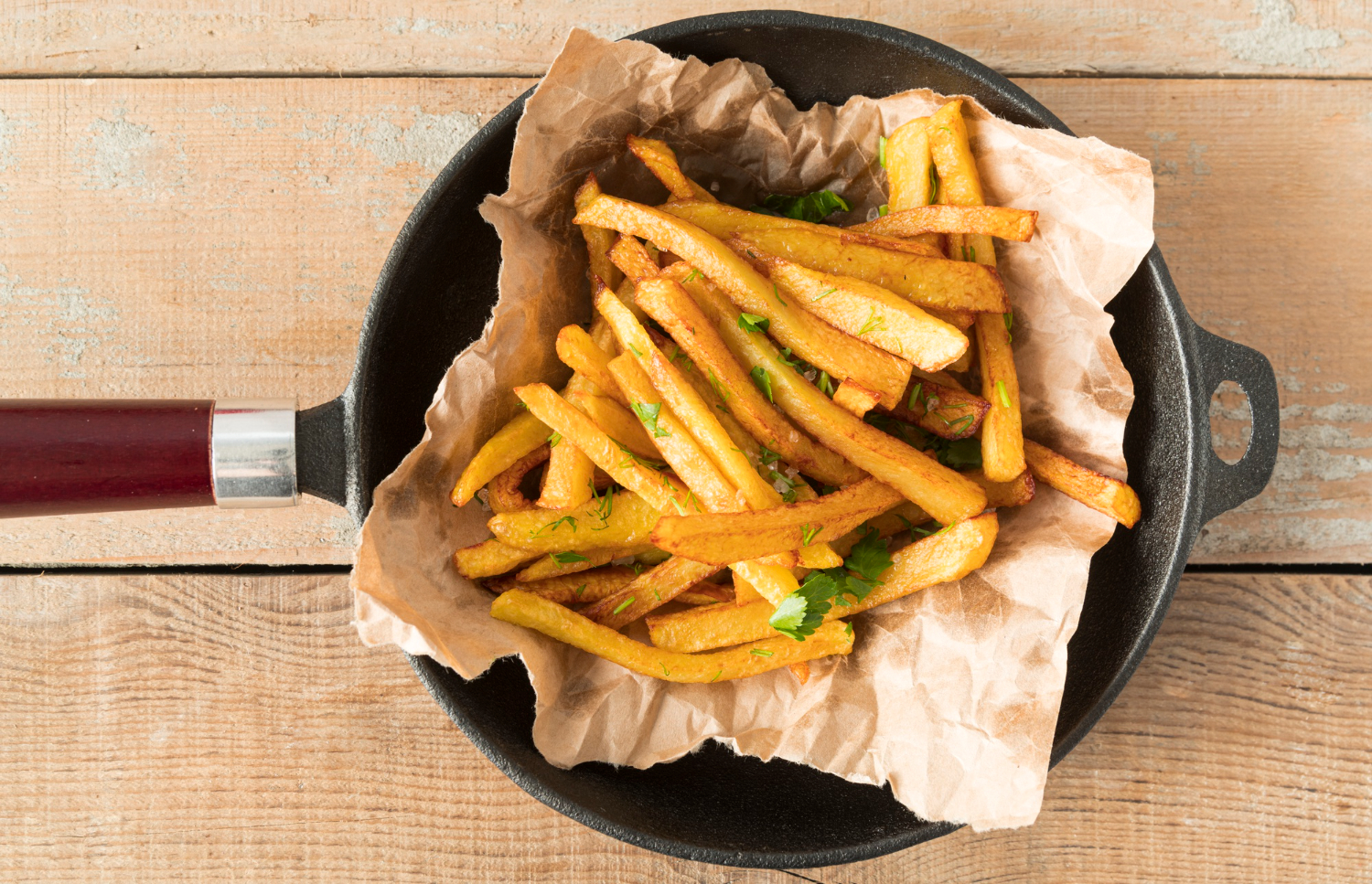
A specific cumulative Belgian frites element involves the frying fat. Traditional Belgian frites are fried in beef tallow (rendered beef fat) — specific fat producing substantially distinctive flavor that vegetable oil alternatives cannot replicate. The cumulative beef tallow flavor represents specific aspect of authentic Belgian frites that mainstream alternatives substantially eliminate through cheaper vegetable oil substitution. Various Belgian frituur operations specifically advertise beef tallow frying as authentic cumulative preparation.
Modern dietary preferences have substantially affected cumulative tallow usage. Various Belgian frituur operations have shifted to vegetable oils for cumulative health concerns, religious considerations, or various other factors. The cumulative shift substantially affects authentic taste characteristics. Various traditional purists specifically seek beef-tallow-fried frites for substantially authentic experience. The cumulative trade-off (traditional flavor vs. modern dietary preferences) reflects ongoing tension in Belgian frites tradition. International visitors specifically seeking authentic experience should look for cumulative beef tallow usage at specific traditional operations.
The Cutting Dimensions
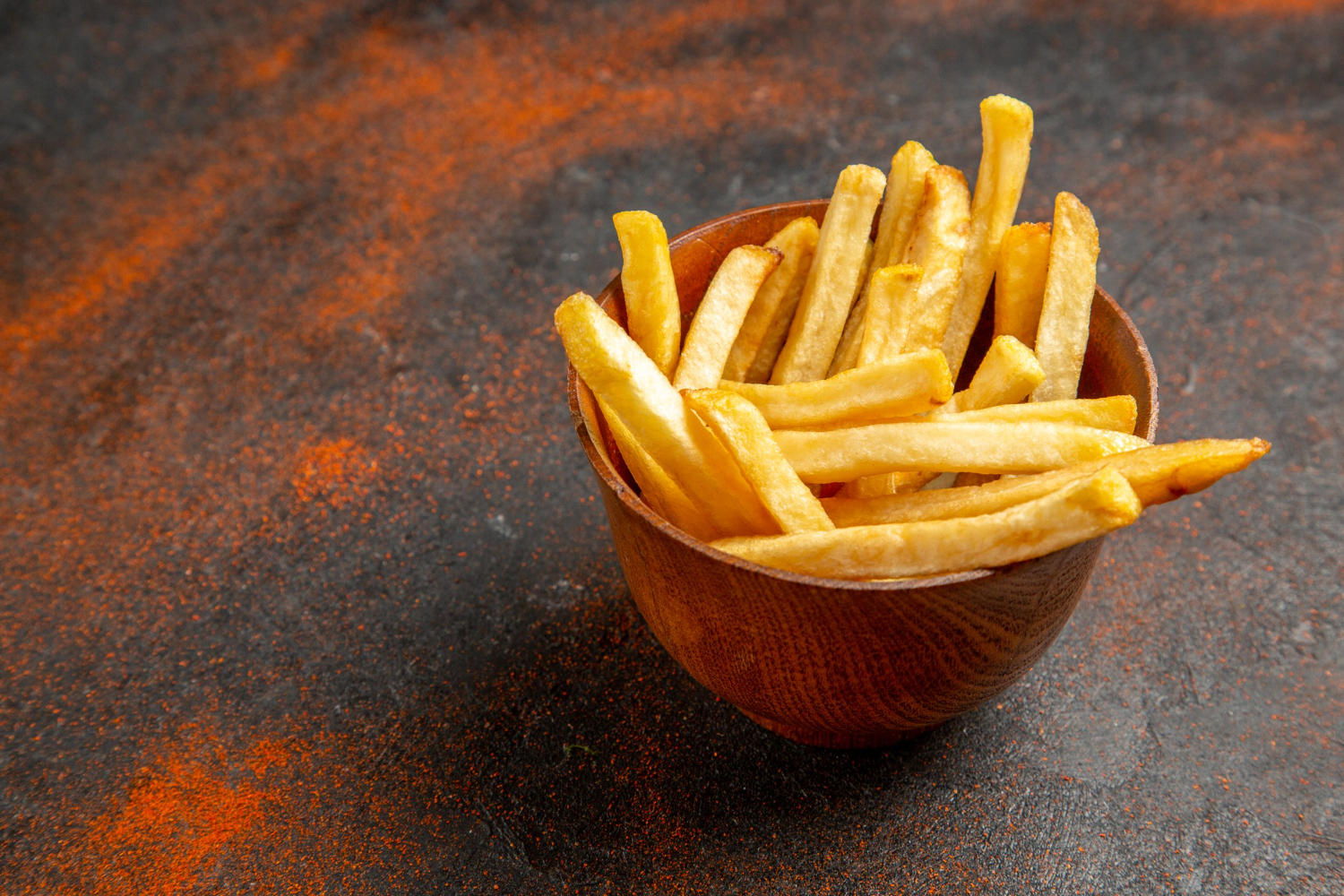
Authentic Belgian frites use specific cumulative cutting dimensions. Traditional cut measures approximately 10mm (3/8 inch) thickness — substantially thicker than typical American McDonald’s-style fries but thinner than steakhouse-style thick fries. The cumulative thickness produces specific texture/heat balance that works substantially well with cumulative double-frying. Various other thicknesses produce inferior cumulative results regardless of technique correctness.
The cumulative cutting matters substantially for cooking results. Too-thin cuts overcook during cumulative double-frying. Too-thick cuts undercook interior despite substantial frying time. The cumulative 10mm standard represents accumulated Belgian culinary knowledge about optimal frying dimensions. Various Belgian frituur operations use specific commercial cutting equipment that produces consistent cumulative cuts. Home preparation requires substantial knife skill or specific equipment to replicate cumulative cutting precision. The cumulative consistency affects cumulative cooking results substantially.
The Frituur Institution
A specific cumulative cultural element involves the Belgian frituur (fry shop) institution. The cumulative establishments represent substantial Belgian cultural institution — typically family-operated small operations specializing exclusively in fried potatoes and related items (various sauces, occasional sausages or burgers). The cumulative frituur tradition extends substantially across Belgium with approximately 5,000+ operations serving cumulative Belgian population. Frituur operations are essentially universal in Belgian neighborhoods, comparable to substantial American fast-food presence.
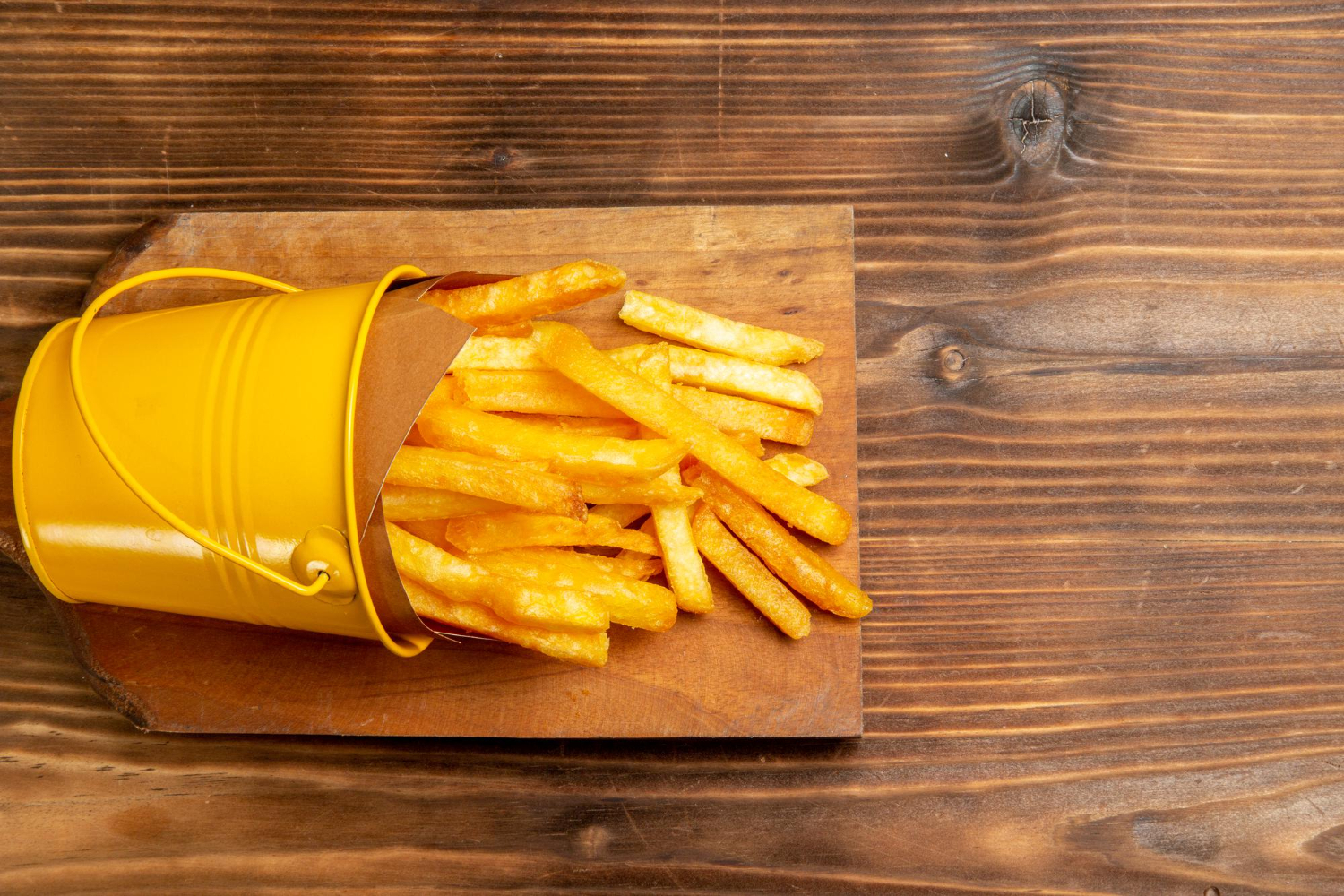
The cumulative frituur experience represents specific aspect of authentic Belgian frites consumption. Various international visitors substantially fail to find authentic experience by visiting tourist-oriented restaurants rather than traditional frituur operations. The cumulative tradition involves specific elements: counter service, paper cone packaging (rather than plates), substantial sauce selection, casual standing or simple outdoor seating consumption, and various other distinctive elements. Visitors specifically seeking authentic experience should specifically choose frituur operations rather than mainstream restaurant alternatives.
The Sauce Selection Reality
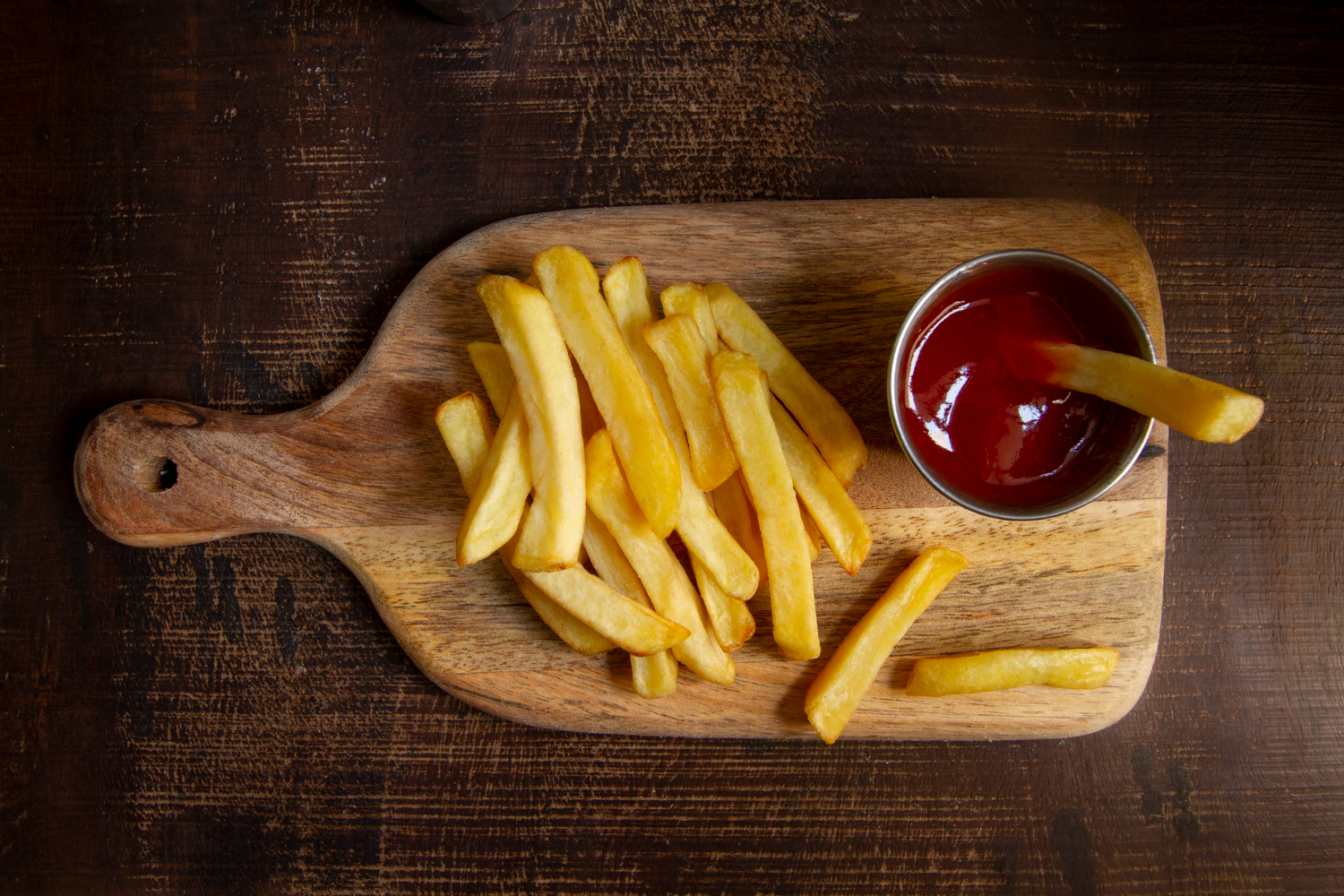
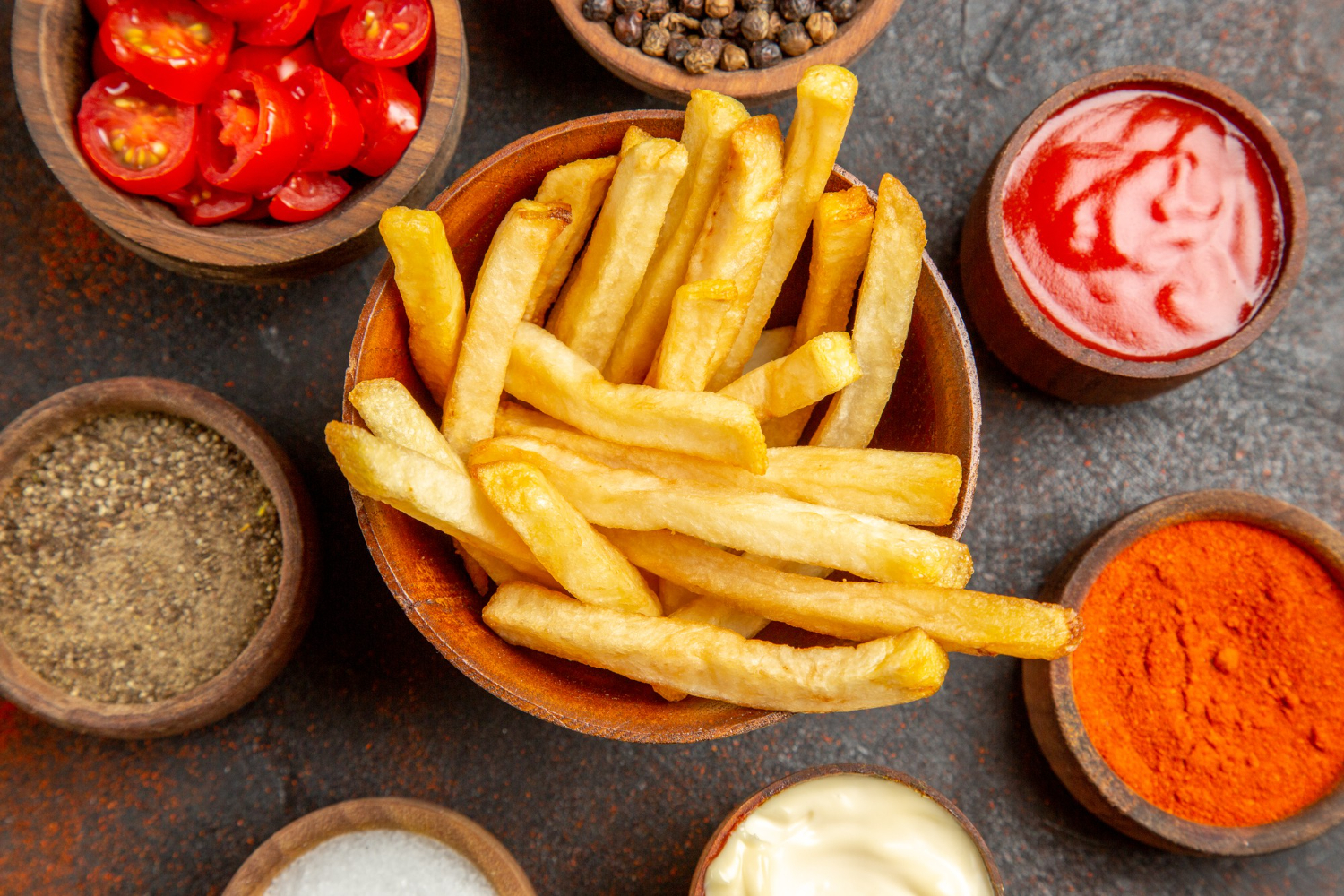
Belgian frites typically come with substantial sauce options that international visitors often substantially underutilize. Standard Belgian frituur offerings include: mayonnaise (the cumulative classic accompaniment, substantially different from American mayonnaise — heavier and richer), andalouse sauce (mayonnaise plus peppers and various other elements), samurai sauce (mayonnaise plus harissa), ketchup, curry ketchup, various other specific cumulative options. The cumulative sauce selection substantially exceeds what mainstream international fries operations provide.
The cumulative sauce tradition reflects substantial accumulated Belgian culinary innovation. Various specific sauces have been developed over decades for cumulative cumulative frites accompaniment. The cumulative tradition involves selecting specific sauce for specific cumulative mood or meal context rather than universal default choice. International visitors substantially benefit from trying multiple cumulative sauce options rather than defaulting to ketchup. Various specific sauces produce substantially different overall flavor experiences with identical cumulative frites preparation.
The Origin Dispute
A specific cumulative cultural element involves the longstanding Belgium-France dispute about which country actually originated “French fries.” Belgian sources substantially claim cumulative origination — typically tracing the cumulative invention to the Meuse Valley region in the late 17th century, when fishermen who couldn’t fish during frozen winters allegedly began frying potatoes cut into fish-like shapes. The cumulative Belgian narrative has substantial documentation though specific historical accuracy remains debated.
French sources substantially dispute the cumulative Belgian claim, attributing cumulative origins to Paris street vendors during similar historical period. The cumulative debate continues without definitive resolution. What’s clear: the cumulative dish has substantial dual heritage from both countries, with cumulative specific preparation traditions developing somewhat differently across cumulative national boundaries. American “French fries” terminology reflects specific cumulative American adoption that doesn’t necessarily reflect actual cumulative national origins. The cumulative debate represents specific aspect of national culinary identity that both countries take substantially seriously.
The UNESCO Heritage Effort

Belgium has periodically pursued UNESCO Intangible Cultural Heritage recognition for cumulative Belgian frites tradition. The cumulative efforts haven’t yet succeeded but represent substantial Belgian commitment to cumulative culinary heritage preservation. Various Belgian cultural authorities argue that cumulative frites tradition meets UNESCO criteria for cultural heritage status — substantial accumulated knowledge, ongoing traditional practice, cultural community significance, and various other specific elements.
The cumulative UNESCO efforts substantially reflect broader Belgian cultural identity questions. Belgian national identity has substantial complexity through linguistic divisions (Dutch-speaking Flanders, French-speaking Wallonia, German-speaking small minority), various political tensions, and various other factors. The cumulative frites tradition represents specific cultural element that essentially unites Belgians across linguistic and political divisions — substantial shared cultural heritage that essentially all Belgians can support equally. The cumulative UNESCO effort reflects this specific unifying cumulative aspect of cumulative Belgian frites identity.
What This All Reveals About Frites
The Belgian frites tradition represents substantial example of how specific cultural commitment to traditional food preparation methods can produce substantially distinctive results despite the apparent simplicity of the cumulative basic concept (fried potatoes). Various other countries produce fried potatoes but substantially fail to achieve cumulative Belgian quality through specific technical and cultural shortcuts that mainstream operations make for cumulative economic efficiency. The cumulative Belgian commitment to specific potato varieties, double-frying technique, traditional frying fats, specific cutting dimensions, and various other cumulative elements produces cumulative results that mainstream alternatives essentially cannot replicate. For travelers visiting Belgium, the cumulative frites experience provides specific opportunity to experience genuinely traditional food preparation that mainstream international tourism rarely emphasizes despite the apparently simple cumulative dish. Visiting traditional frituur operations rather than tourist-oriented restaurants provides substantially better cumulative experience. The cumulative tradition will likely continue persisting as long as Belgian frituur operations maintain specific cumulative commitments despite various commercial pressures that have substantially affected similar food traditions in other countries. The cumulative simplicity (fried potatoes) combined with cumulative technical depth represents specific aspect of how culinary tradition operates — accumulated knowledge across generations produces results that mainstream alternatives cannot easily replicate regardless of equipment sophistication or recipe access. The cumulative Belgian frites experience genuinely justifies the substantial international attention it receives despite the apparent simplicity of the cumulative basic concept.