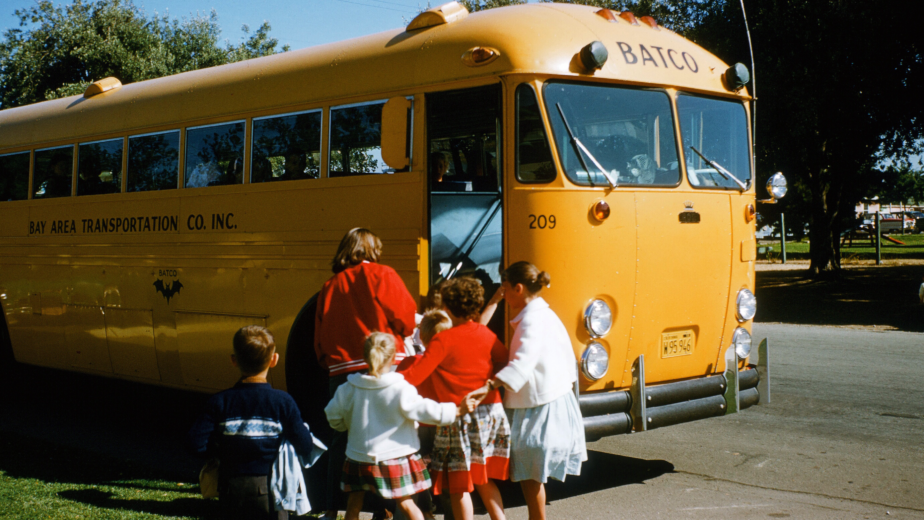
The 1996 American minivan was substantially defining family vehicle of the era — typically Chrysler Town & Country, Dodge Caravan, Plymouth Voyager, Ford Windstar, or various other specific models that dominated American family transportation. The cumulative vehicles featured specific equipment, accommodations, and characteristics that defined American family road trip experience during peak minivan era (approximately 1984-2005). Most specific elements have disappeared from current American family vehicles — replaced by SUVs, crossovers, or substantially evolved minivan alternatives. Here’s what was actually in that 1996 minivan that has substantially vanished.
The 1996 American minivan represented specific cultural moment when minivans dominated American family transportation. Walking through what was actually in that 1996 minivan reveals substantial transformation in American family vehicle culture across approximately 30 years. Adults who experienced 1996 minivans can readily identify specific items that defined their childhood family vehicles; current young adults often find descriptions genuinely incomprehensible despite the basic family vehicle function continuing through current alternatives.
The Captain’s Chairs Reality
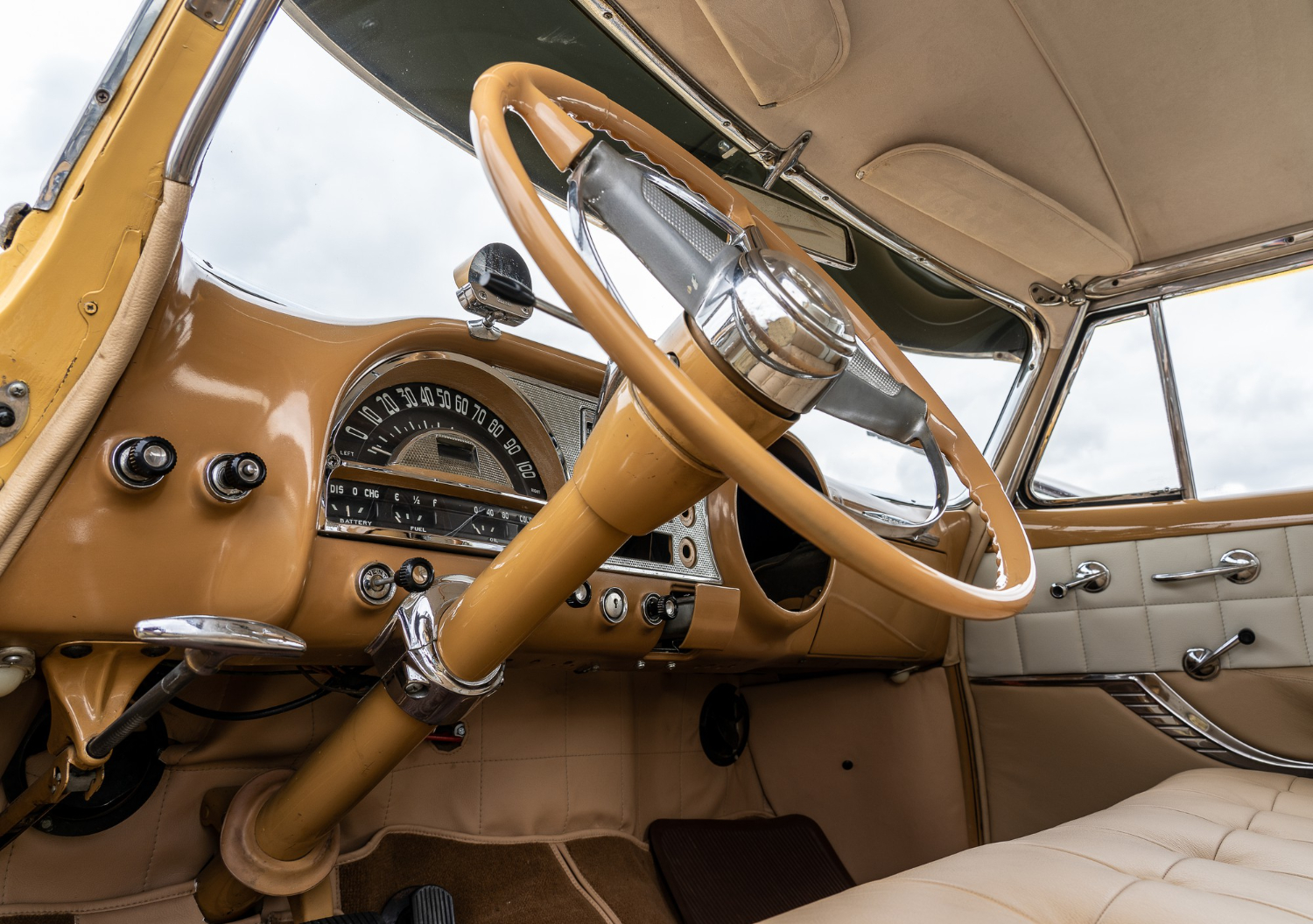
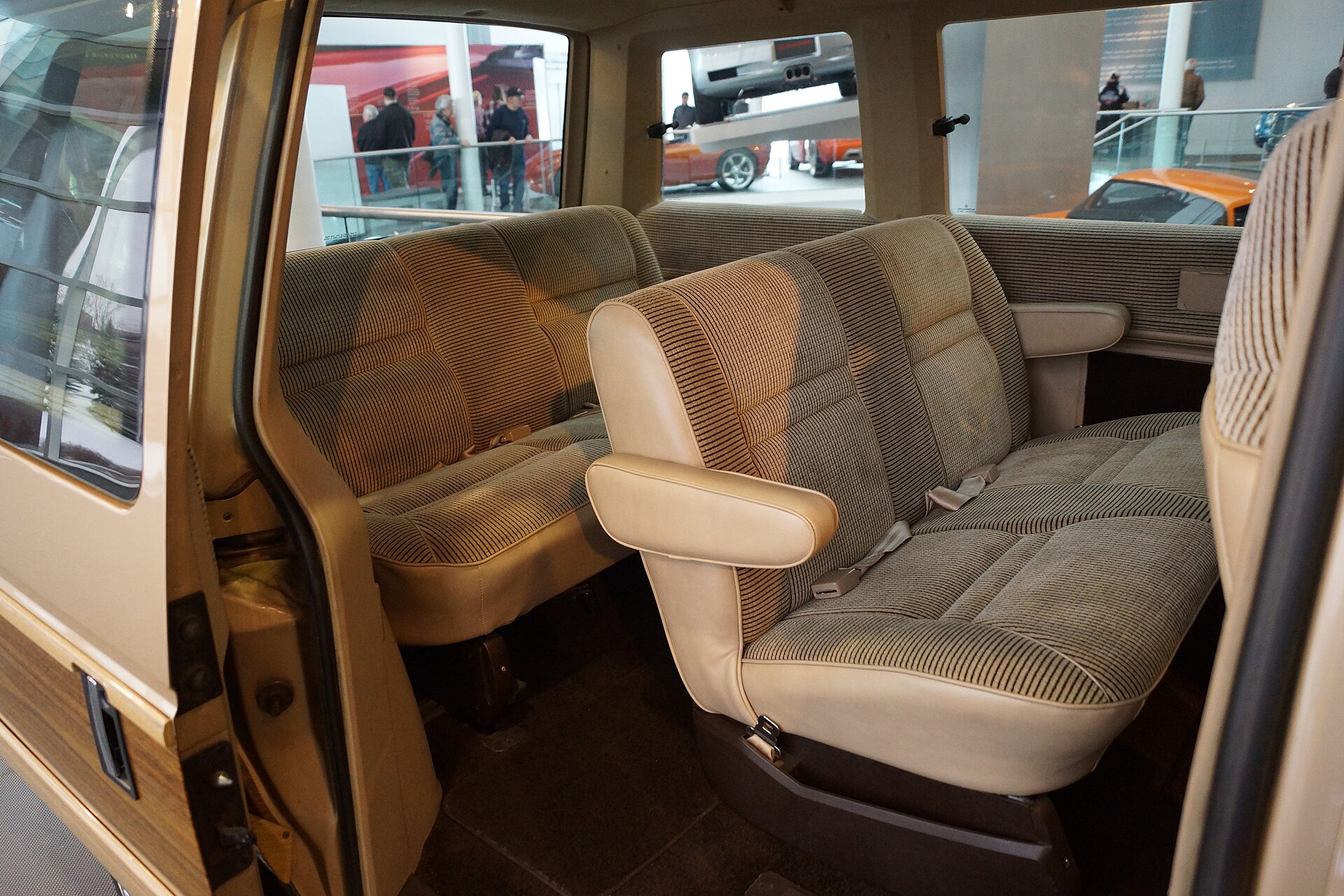
1996 American minivans typically featured “captain’s chairs” — substantial individual middle-row seating that replaced traditional bench seating common in older family vehicles. The cumulative captain’s chairs provided substantial individual comfort for middle passengers but eliminated some specific bench-seat advantages including substantial three-person seating capacity. Various 1996 minivans offered both captain’s chair and bench-seat configurations.
Modern American family vehicles vary substantially in middle-row seating approaches. Various SUVs continue offering captain’s chair configurations. Various crossovers provide alternative arrangements. The cumulative 1996 minivan captain’s chair configuration produced specific child travel experience patterns — substantial individual seats with armrests, cup holders, and various other personal accommodations that bench-seat alternatives didn’t provide. Various adults remember substantial childhood time spent in cumulative captain’s chairs during substantial family road trips.
The Specific Cup Holder Proliferation
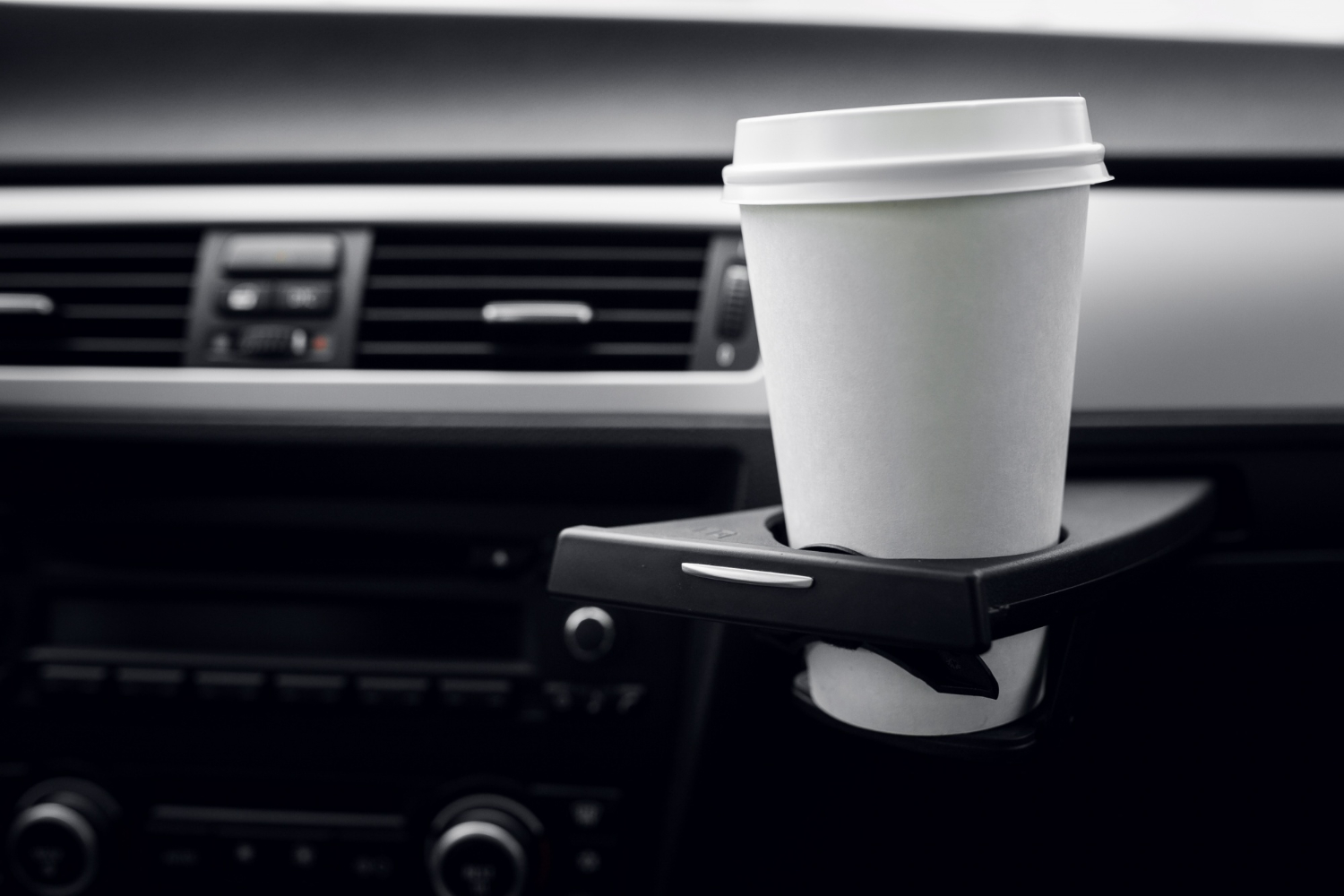
A specific cumulative 1996 minivan feature involved substantial cup holder proliferation. The cumulative vehicles featured cup holders at essentially every seating position — front passengers, captain’s chairs, third-row bench, and various other specific locations. The cumulative cup holder count substantially exceeded what previous generation family vehicles had provided. Various marketing materials specifically emphasized cumulative cup holder availability as competitive feature.
The cumulative cup holder culture has substantially continued in modern American family vehicles. Various modern SUVs and crossovers continue substantial cup holder provision. But specific 1996 minivan cup holders had certain cumulative characteristics — typically open-design without specific bottle stabilization features, particular sizing that worked with cumulative drink containers of the era, various decorative elements. The cumulative items have substantially evolved with subsequent vehicle generations while maintaining basic function across approximately 30 years.
The Sliding Doors Reality

1996 minivans typically featured one substantial sliding side door — typically on passenger side only, with substantial manual operation rather than electric assistance. The cumulative sliding door provided substantial advantages for child loading/unloading in cumulative parking situations where adjacent vehicles substantially limited cumulative door opening space. Various 1996 minivans had substantial weight requirements for cumulative manual sliding operation that smaller children couldn’t easily perform.
Modern American family vehicles vary substantially in sliding door availability. Various modern minivans (which continue limited market presence) feature dual electric sliding doors as standard. Various SUVs and crossovers typically don’t have sliding doors. The cumulative shift from minivan dominance to SUV dominance has substantially reduced sliding door availability in American family vehicles. Various parents specifically prefer cumulative sliding door functionality but have substantially adapted to alternatives as cumulative vehicle market evolved.
The Specific VCR or DVD Player Era
Various 1996 American minivans featured optional or specific aftermarket entertainment systems. The cumulative most common was VCR (typically displayed via ceiling-mounted flip-down screen) playing VHS videos during cumulative road trips. By later 1996 model years and substantially expanding through 1997-1999, DVD players began replacing cumulative VCR systems. The cumulative entertainment infrastructure substantially transformed children’s road trip experience.
The cumulative VCR/DVD systems required substantial physical infrastructure — substantial ceiling-mounted screen, substantial player equipment, video storage capacity, and various other elements. Various families maintained substantial VHS or DVD libraries specifically for cumulative road trip entertainment. The cumulative tradition substantially transformed road trip patterns — children could watch substantial video content during cumulative long drives rather than relying on traditional road trip activities. Modern smartphones and tablets have substantially replaced cumulative built-in vehicle entertainment systems, providing more flexible alternatives but eliminating the cumulative shared family viewing experience.
The Substantial Cargo Space

1996 American minivans provided substantial cargo space — typically 140-160+ cubic feet with cumulative seats folded or removed. The cumulative cargo capacity exceeded essentially all alternative family vehicles of the era and supported substantial family activities including cumulative road trips, sports equipment transportation, various household projects, and various other cumulative uses.
Modern American SUVs vary substantially in cargo space. Various large SUVs (Suburban, Expedition, etc.) provide comparable or substantially greater cargo space than 1996 minivans. Various mid-size and compact SUVs provide substantially less. The cumulative cargo capacity shifts reflect substantial American family vehicle evolution. Various families specifically choose vehicles based on cumulative cargo space requirements that 1996 minivans substantially set as expectation. Modern alternatives must compete with cumulative 1996 minivan cargo capacity benchmarks despite substantially different vehicle types.
The Specific Seat Removal System
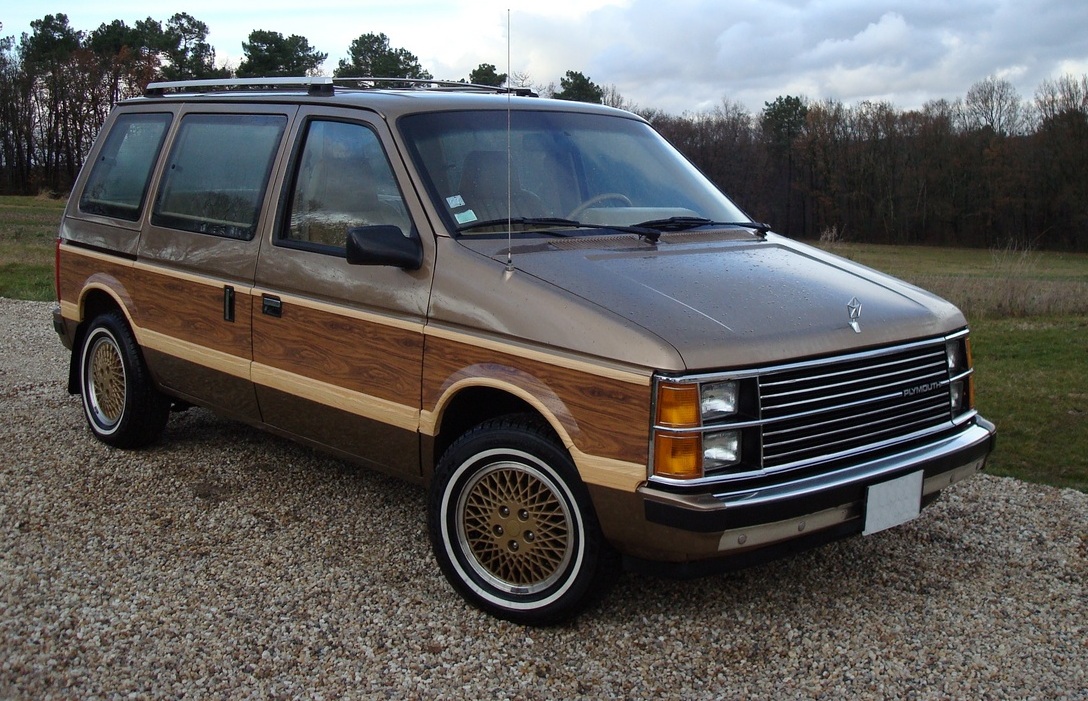
A specific 1996 minivan characteristic involved substantial seat removal capability. The cumulative middle-row captain’s chairs and third-row bench could be removed from the vehicle to provide maximum cargo space. The cumulative removal required substantial physical effort — substantial seat weight (50-100+ pounds per seat depending on model), various release mechanisms, and substantial space for cumulative storage outside the vehicle.
Modern American family vehicles vary substantially in seat removal capability. Various modern minivans feature “Stow ‘n Go” or similar systems that fold seats into floor compartments rather than requiring complete removal. Various SUVs typically don’t permit cumulative seat removal at all — seats fold but don’t remove. The cumulative 1996 capability provided substantial flexibility despite cumulative physical effort requirements. Various families specifically appreciated cumulative removal capability for specific cumulative substantial cargo needs (moving, sports equipment, various other uses).
The Cassette Tape Player
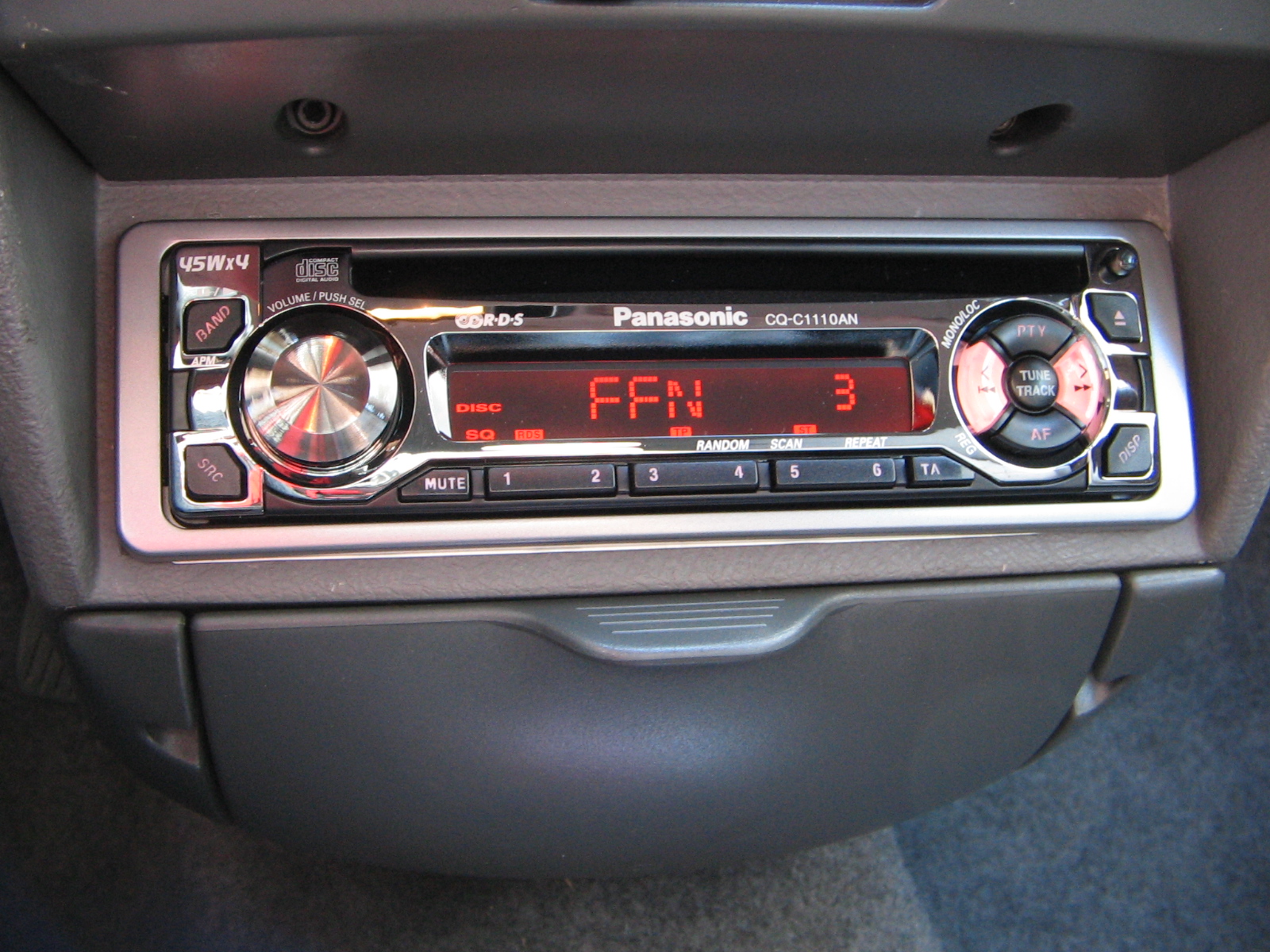
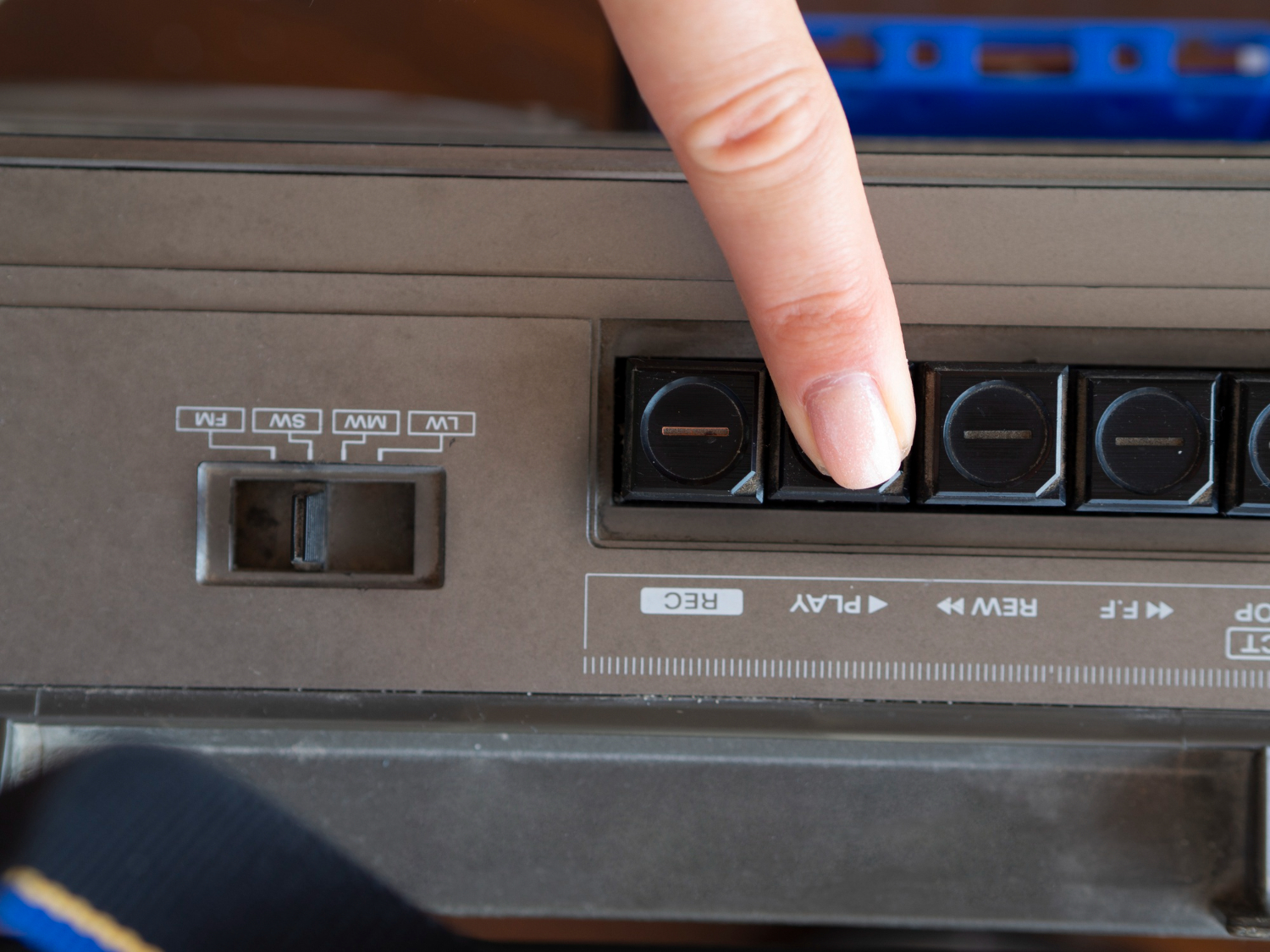
1996 American minivans typically featured cassette tape players in cumulative audio systems. Various models also included CD players as upgrade options, but cumulative cassette decks were standard or near-standard equipment. The cumulative audio configuration reflected specific 1996 cumulative music consumption patterns — substantial portion of family music collections existed on cumulative cassette tapes.
Modern American family vehicles essentially never include cassette tape players. Various modern audio systems feature USB ports, Bluetooth connectivity, smartphone integration, various streaming service compatibility, and various other contemporary elements. The cumulative shift from cassette dominance to digital alternatives has substantially affected family vehicle audio experience across approximately 30 years. Various adults who experienced 1996 minivans specifically remember cumulative cassette tape culture as substantial childhood travel element.
The Specific Body-Side Cladding
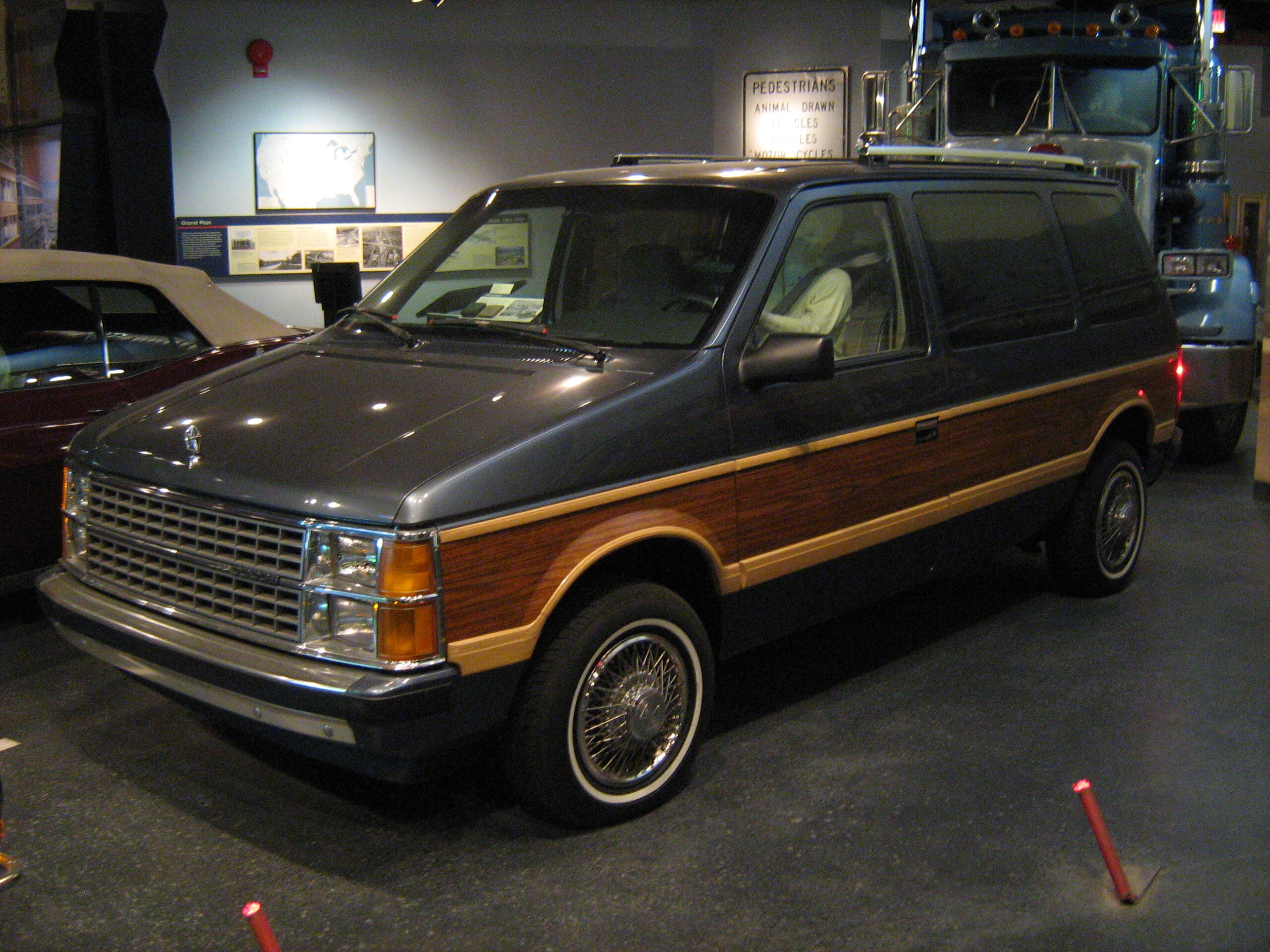
A specific cumulative 1996 minivan aesthetic involved substantial body-side cladding — plastic protective panels mounted on lower portions of vehicle exterior. The cumulative cladding served specific functions: substantial paint protection against rocks and parking damage, distinctive aesthetic appearance, various marketing differentiation. The cumulative cladding was substantially standard across various 1996 minivan models.
Modern American family vehicles have substantially moved away from cumulative body-side cladding. Various contemporary aesthetics favor cleaner body lines without substantial cladding. The cumulative shift reflects general automotive design evolution toward cleaner appearance rather than specific function-focused cumulative elements. Various modern SUVs feature subtle protective elements that achieve similar function with less aesthetic impact. The cumulative 1996 cladding represents specific dated aesthetic that mainstream contemporary design has substantially eliminated.
The Specific Side-Door Storage
Various 1996 minivans featured substantial side-door storage compartments accessible from outside the vehicle. The cumulative compartments provided storage for various items — owner’s manual, emergency supplies, small tools, various family travel items. The cumulative compartments typically had specific keyed locks providing security for stored items.
Modern American family vehicles typically don’t feature equivalent cumulative external door compartments. Various interior storage alternatives have replaced cumulative external compartment function. The cumulative shift reflects various factors — improved interior storage capacity, security concerns about external accessible storage, various aesthetic considerations. Various adults who experienced 1996 minivans specifically remember cumulative external storage compartments as distinctive cumulative vehicle feature that has substantially disappeared from modern alternatives.
What This Transformation Actually Reveals
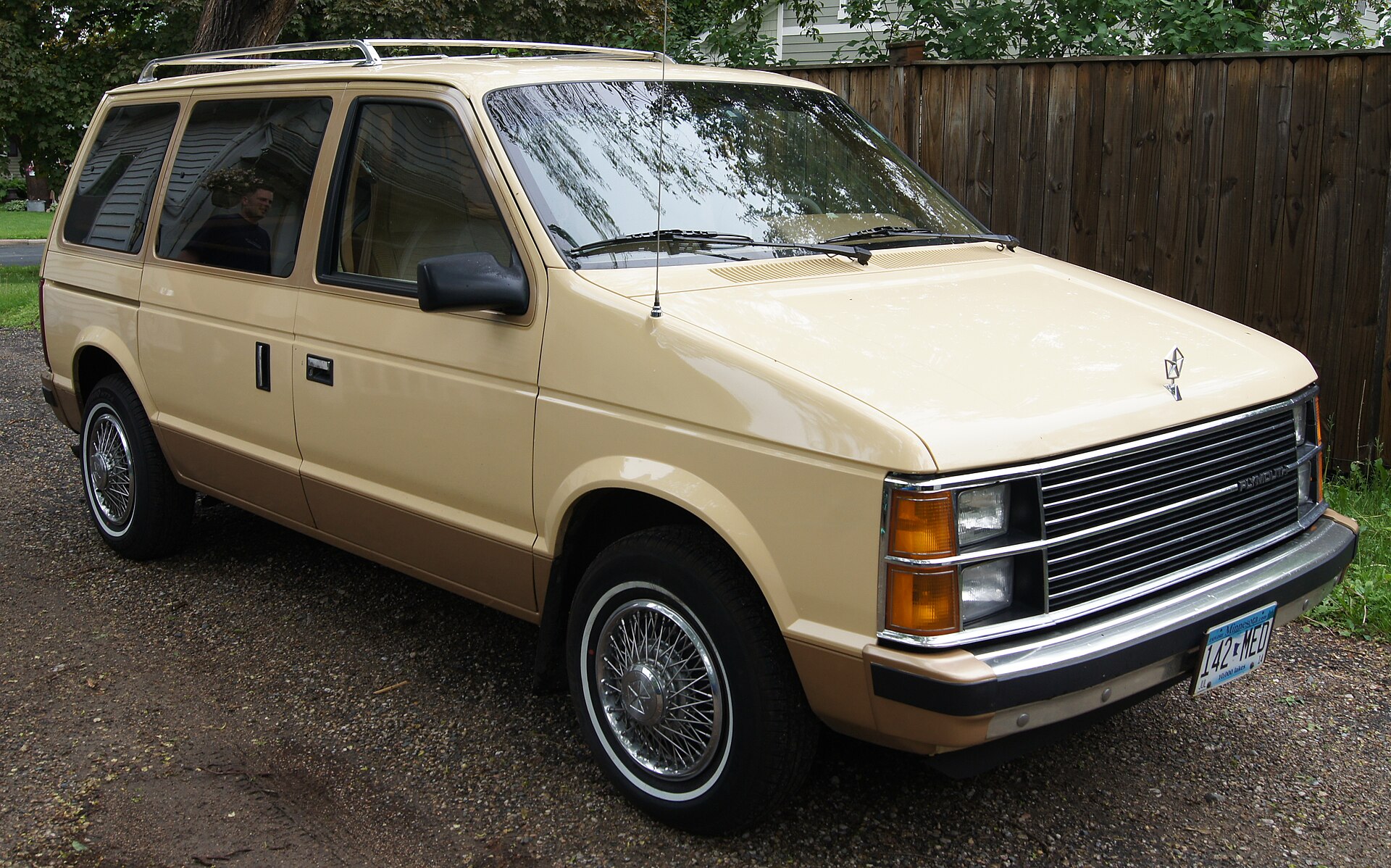
The 1996 American minivan represents specific cultural moment when minivans substantially dominated American family transportation. The cumulative dominance lasted approximately 1984-2005 before substantially declining as SUVs became dominant American family vehicle category. The cumulative shift has substantially transformed American family vehicle experience across approximately 30 years. Various specific 1996 elements (captain’s chairs, sliding doors, VCR/DVD entertainment, removable seating, cassette tape players, body cladding, external storage) have substantially disappeared or significantly evolved in current alternatives. Whether the cumulative changes represent progress or loss depends on specific values about what family vehicles should provide. Various modern alternatives provide substantial advantages in some dimensions (technology, safety features, fuel economy) while losing cumulative advantages in others (sliding door access, cumulative cargo flexibility, dedicated entertainment systems). The cumulative net effect substantially varies based on specific family needs and preferences. American children growing up with current family vehicles experience substantially different transportation than American children who grew up with 1996 minivans. The cumulative differences continue evolving as cumulative vehicle technology and family preferences continue changing. The basic family vehicle function (transporting families plus substantial cargo for various family activities) persists across these cumulative transformations, but specific implementations have substantially evolved in ways that 1996 minivan owners would find genuinely surprising.