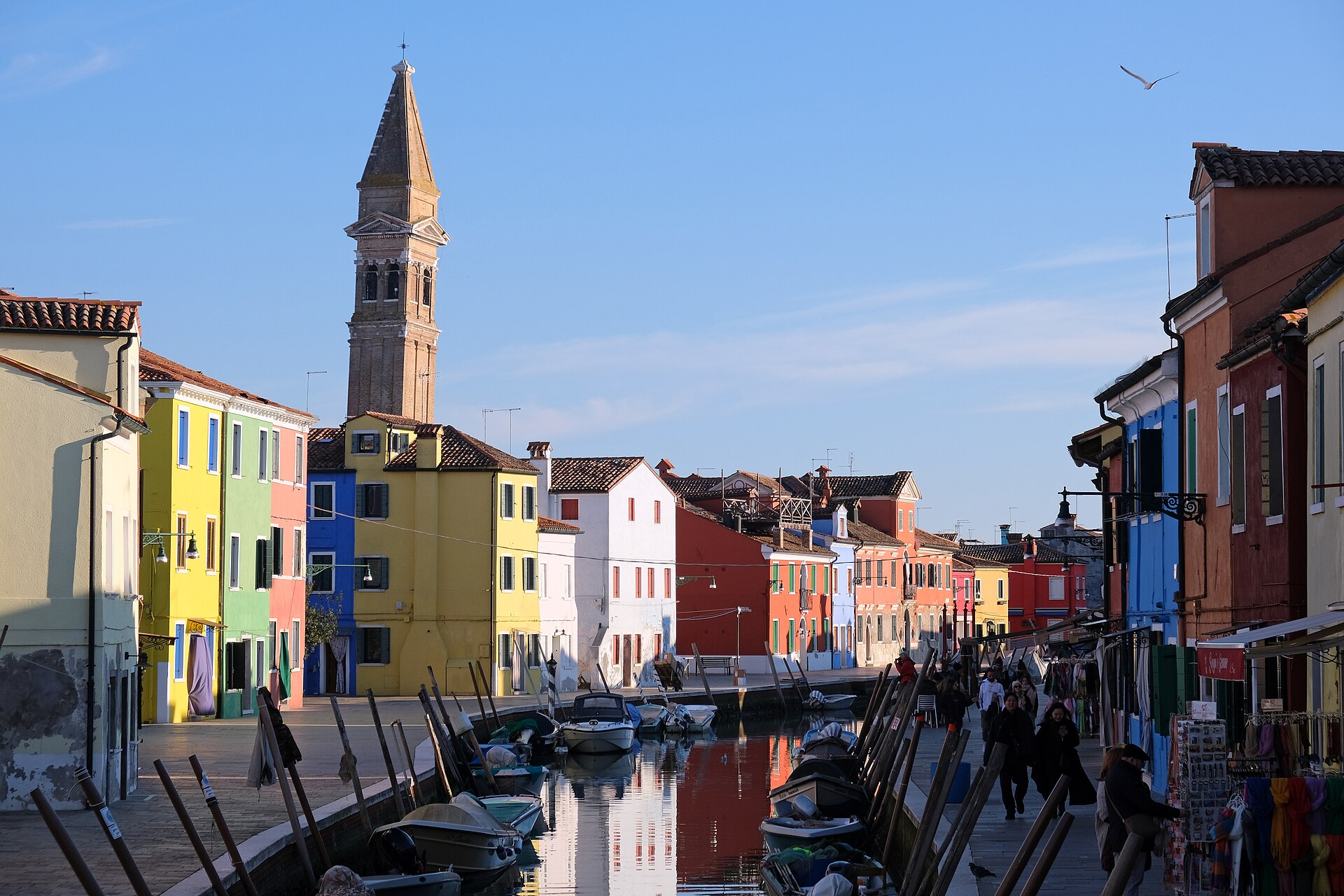
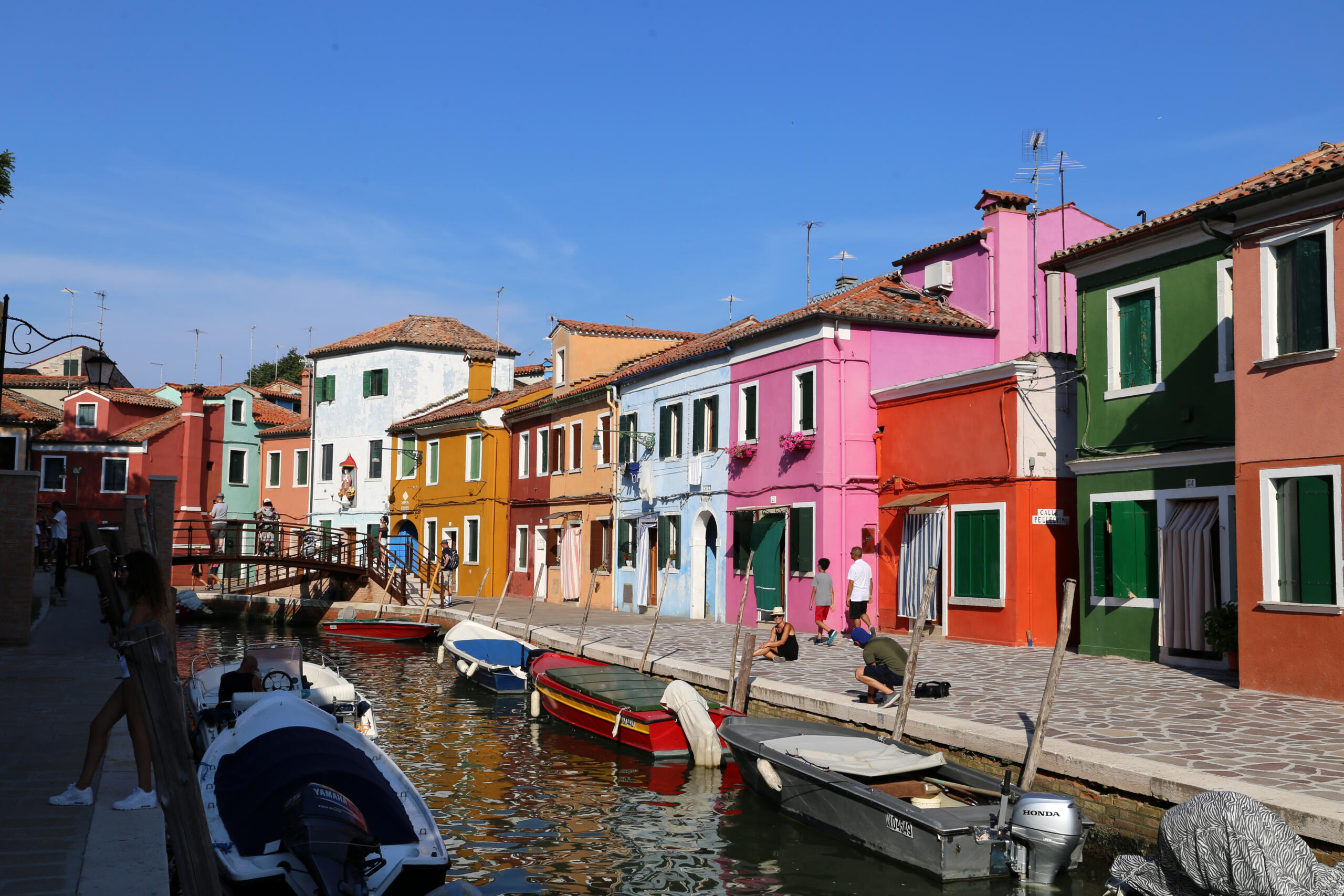
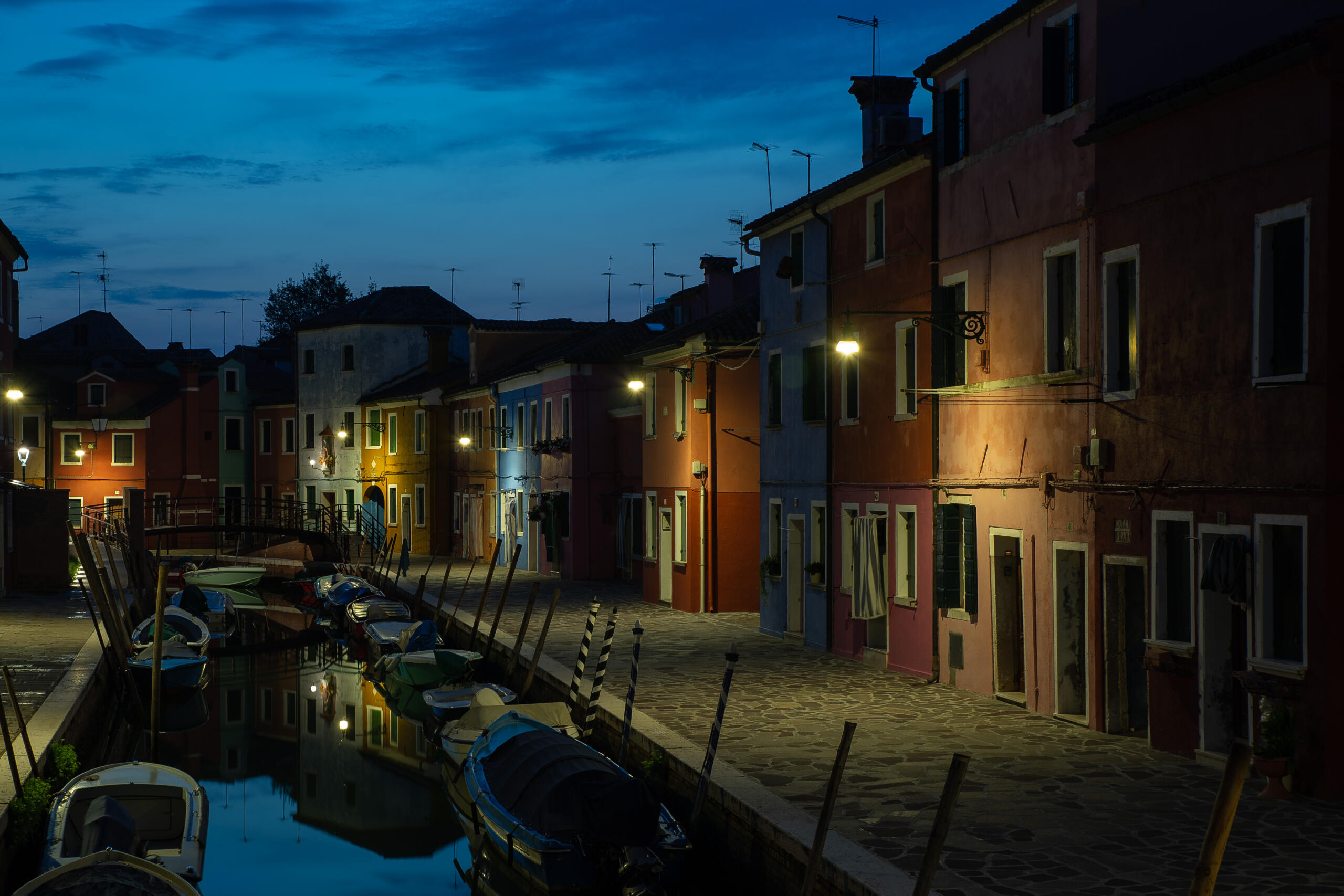
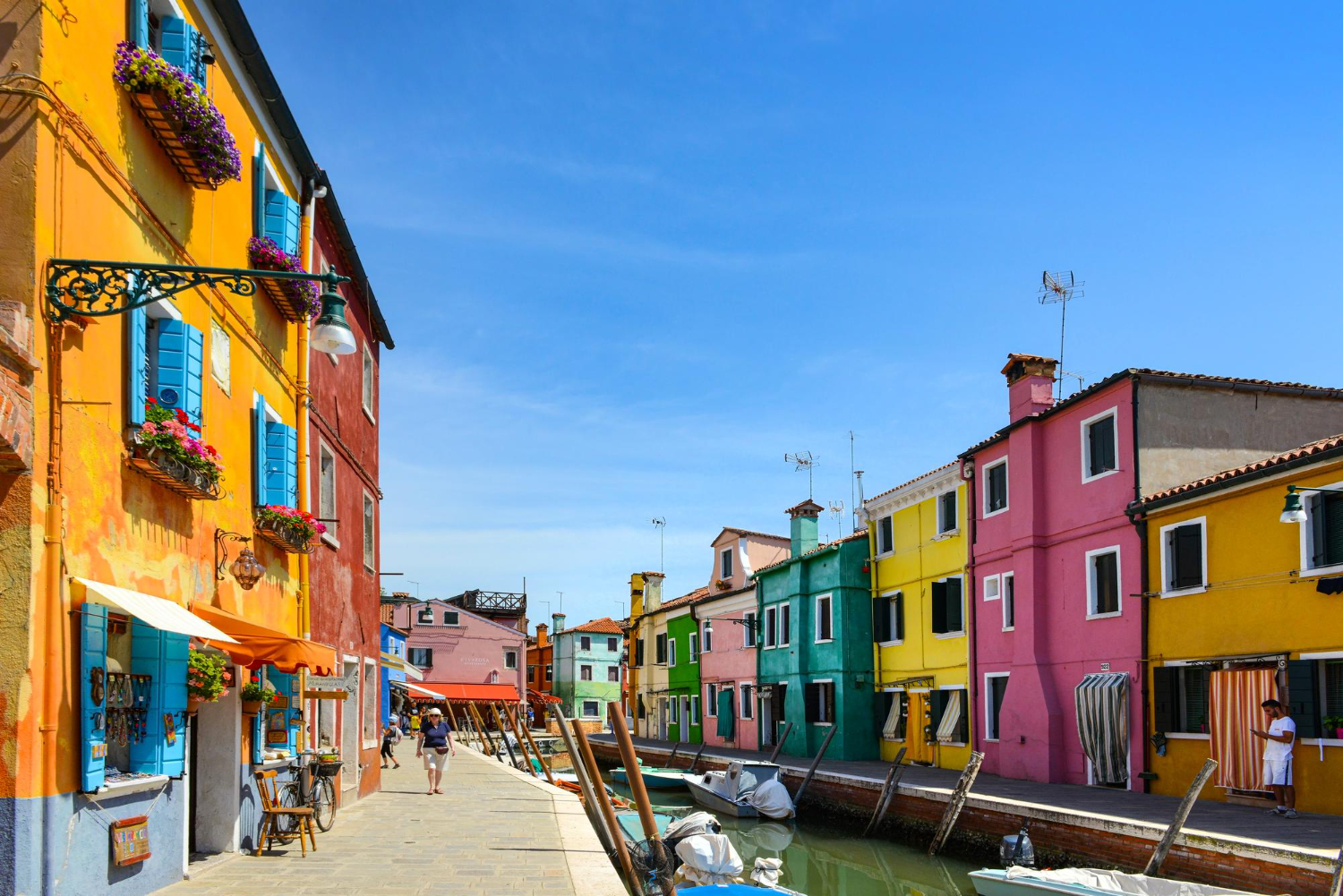
Burano is a small island in the Venetian Lagoon — approximately 7 km northeast of Venice. The cumulative island is substantially famous for its dramatically painted houses in specific bright colors: vivid yellows, blues, pinks, oranges, greens, and reds covering essentially every building façade. The colors aren’t decorative tourism marketing — they trace to specific functional historical reasons involving cumulative fishing boats, lagoon fog, and traditional residence identification systems. The cumulative tradition substantially predates modern tourism by centuries. Plus the cumulative island has approximately 2,500 residents who continue maintaining traditional lace-making craft that has existed since the 15th century.
The Burano colorful village tradition represents specific intersection of historical function, accumulated cultural practice, and modern tourism economics that has produced one of Italy’s most photographed destinations. The cumulative bright colors aren’t aesthetic choice for tourism — they reflect substantial accumulated tradition that has persisted across centuries despite various modernization pressures. Understanding what’s actually behind the cumulative colors reveals substantial historical depth that mainstream Venice tourism rarely emphasizes despite Burano’s substantial visual prominence.
The Geographic Reality
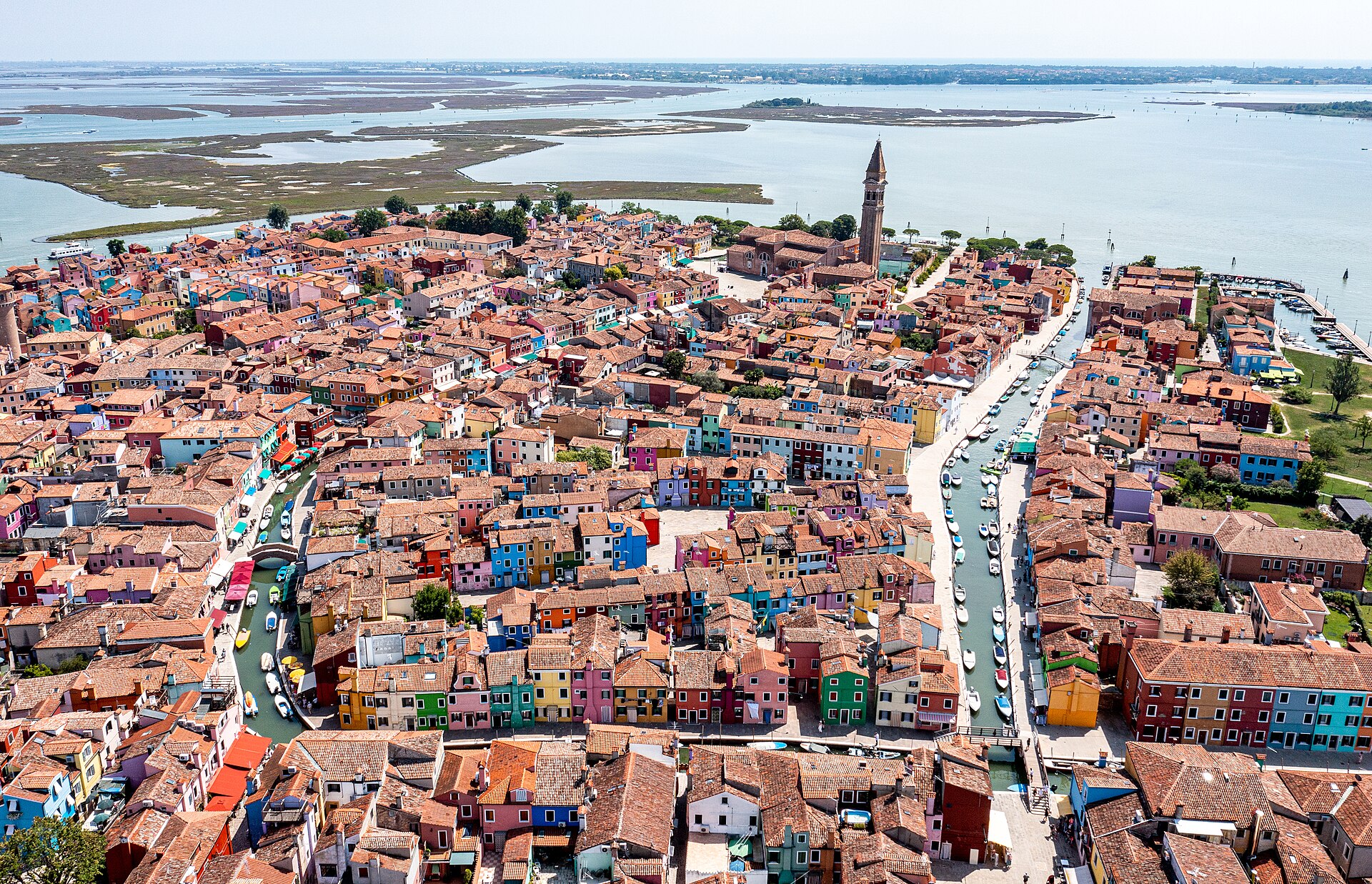
Burano sits in the Venetian Lagoon approximately 7 km (4.3 miles) northeast of Venice’s central San Marco area. The cumulative island measures approximately 1 km in length with substantial canal divisions creating four interconnected sections. Total area: approximately 0.21 km² (52 acres). Current population: approximately 2,500 residents — substantially smaller than peak historical populations but maintaining substantial community vitality.
The cumulative location places Burano within the substantial cluster of Venetian Lagoon islands including Murano (famous for glass-making), Torcello (substantially historic with ancient cathedral), San Francesco del Deserto (monastery island), and various other specific islands. Various ferry routes connect cumulative Burano with central Venice and other lagoon destinations. Access via ACTV vaporetto (Venetian water bus) takes approximately 45 minutes from central Venice — substantially longer than typical international tourism schedules accommodate but substantially within Venice day-trip range.
The Specific Color Origins
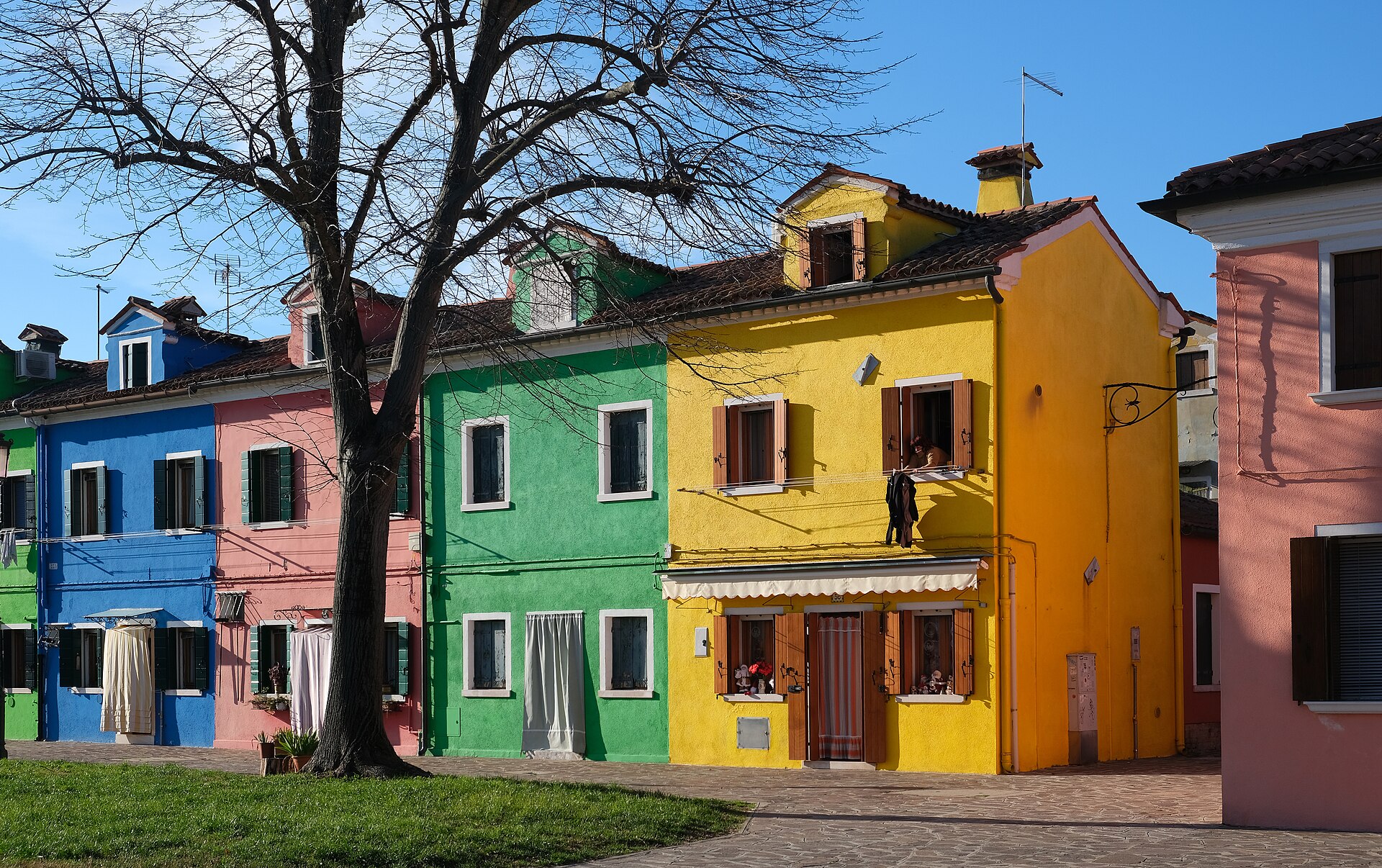
The cumulative Burano color tradition traces to specific functional historical purposes that mainstream tourism marketing rarely emphasizes. The substantially documented explanation involves cumulative Burano fishermen who needed to identify their specific houses from substantial distance during cumulative return trips through dense lagoon fog. Various traditional Venetian lagoon weather produces substantial fog that essentially eliminates visibility of architectural details — but bright distinctive colors remain visible despite substantial fog conditions.
The cumulative color tradition allowed fishermen to identify cumulative individual houses from boats approaching through fog — substantial practical function despite the modern appearance of decorative purpose. The cumulative tradition specifically required different colors for adjacent houses — neighboring buildings couldn’t share colors or the cumulative identification system wouldn’t work. The cumulative practical origin substantially explains why the cumulative colors are so vibrant and distinctive rather than subtle pastels that would provide less effective cumulative identification.
The Specific Color Permission System
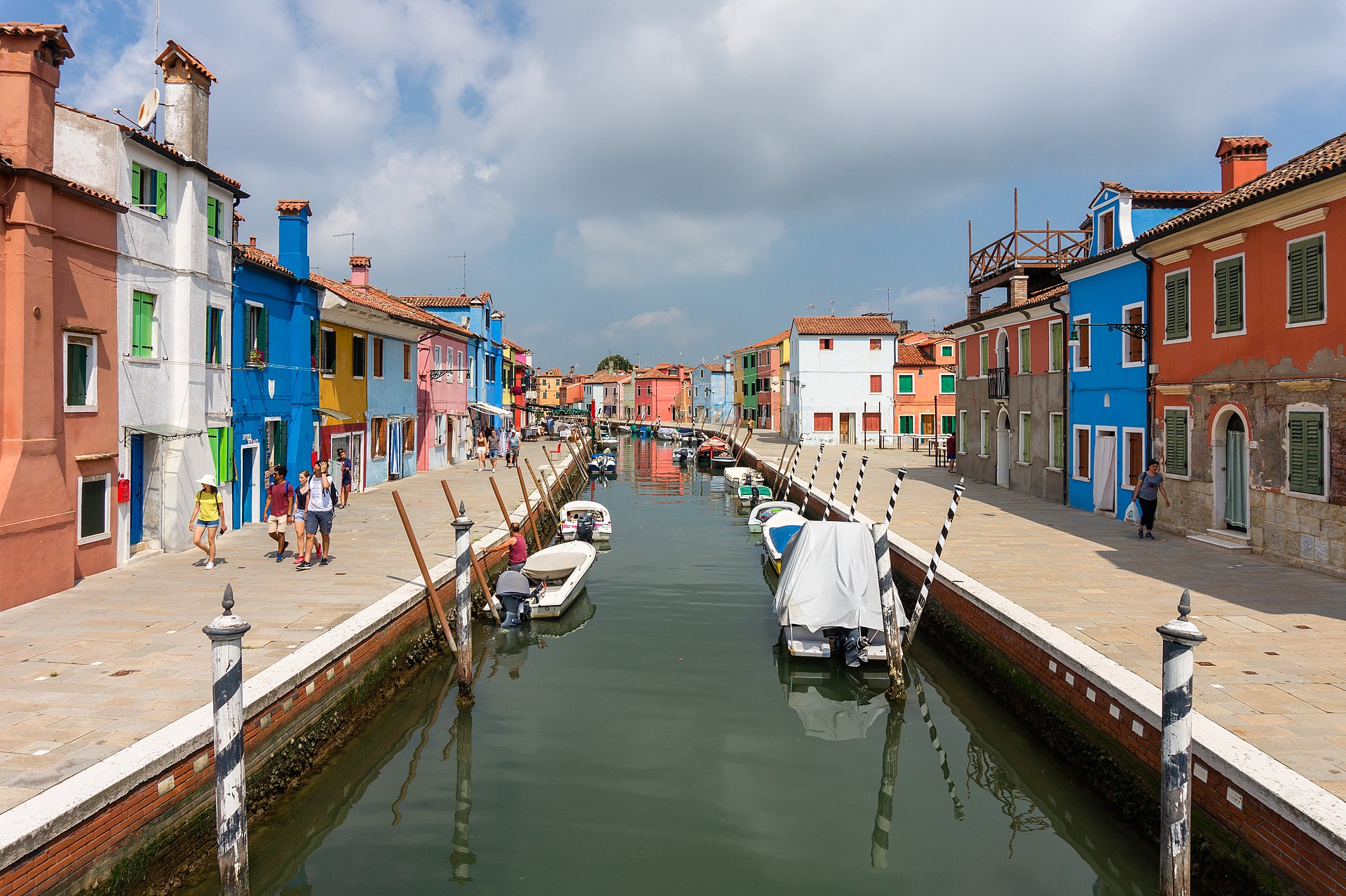
A cumulative Burano cultural element involves specific color permission system that has persisted across centuries. Burano residents wanting to paint their houses must first request permission from the cumulative local government, which sends back specific color options approved for that specific cumulative location. The cumulative system ensures that adjacent houses maintain substantially different colors — preserving cumulative traditional functional identification system despite modern fishing practice changes.
The cumulative permission system represents substantial preservation of traditional cultural practice despite modern relevance reduction. Modern Burano residents don’t typically depend on cumulative house identification for fishing purposes — modern navigation technology eliminates the cumulative practical need. But the cumulative tradition substantially continues for cumulative cultural reasons. Various residents specifically maintain cumulative traditional colors despite available alternatives. The cumulative result preserves cumulative visual character that mainstream international tourism specifically values.
The Lace-Making Heritage
Beyond the cumulative colors, Burano has substantial heritage as center of traditional Venetian lace-making — substantially specialized craft that has existed since the 15th century. The cumulative Burano lace tradition involves specific needle-point techniques substantially different from various other European lace traditions. Various 16th and 17th century European nobility specifically purchased cumulative Burano lace for substantial luxury garments and decorations.
The cumulative Burano lace industry peaked during cumulative 16th-18th centuries before substantially declining through subsequent industrial competition. Modern Burano lace-making continues as substantial heritage craft practiced by relatively small number of skilled practitioners. The cumulative craft requires substantial skill development — traditional Burano lace can take cumulative weeks or months to produce single substantial item. Various lace items remain commercially available but at substantial prices reflecting cumulative production time investment. The Museo del Merletto (Lace Museum) provides substantial documentation of cumulative tradition with various historical items and demonstrations.
The Cumulative Tourism Reality
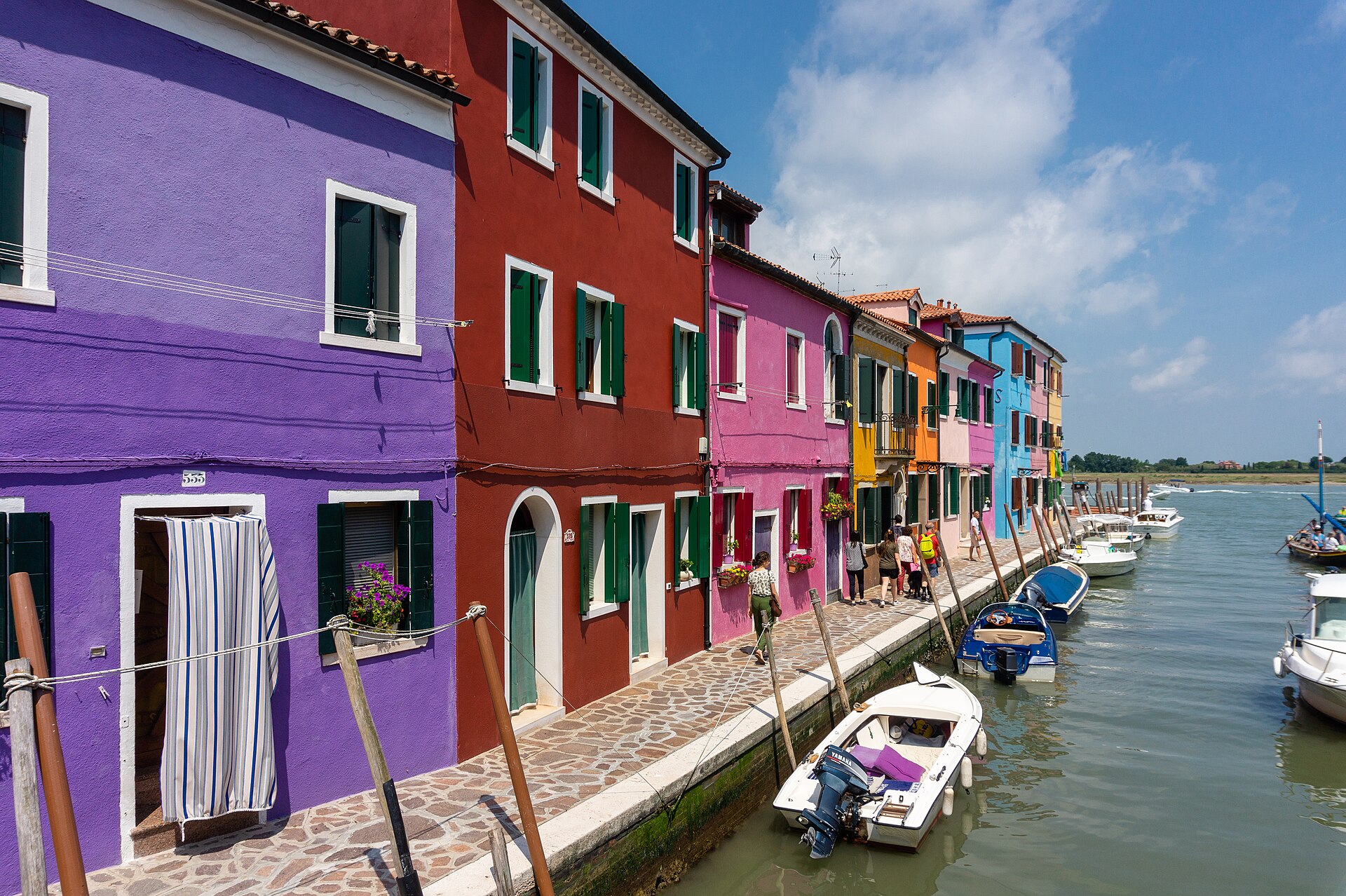
Modern Burano receives substantial daily tourism flow from cumulative Venice-based visitors. Various ACTV vaporetto routes provide cumulative daily access for thousands of visitors during peak tourism periods. The cumulative tourism substantially affects island daily life — restaurants, shops, and various other businesses substantially focus on cumulative tourist trade rather than primarily serving local residents.
The cumulative tourism produces specific mixed effects for cumulative residents. Various economic opportunities substantially exist through cumulative tourism activity. Various cultural traditions receive cumulative international attention that supports preservation. But substantial daily tourism flow also produces substantial disruptions to cumulative traditional community life. Various residents specifically navigate cumulative tension between tourism economic benefits and traditional community character. The cumulative balance substantially affects modern Burano daily experience for both visitors and residents.
The Photography Opportunities
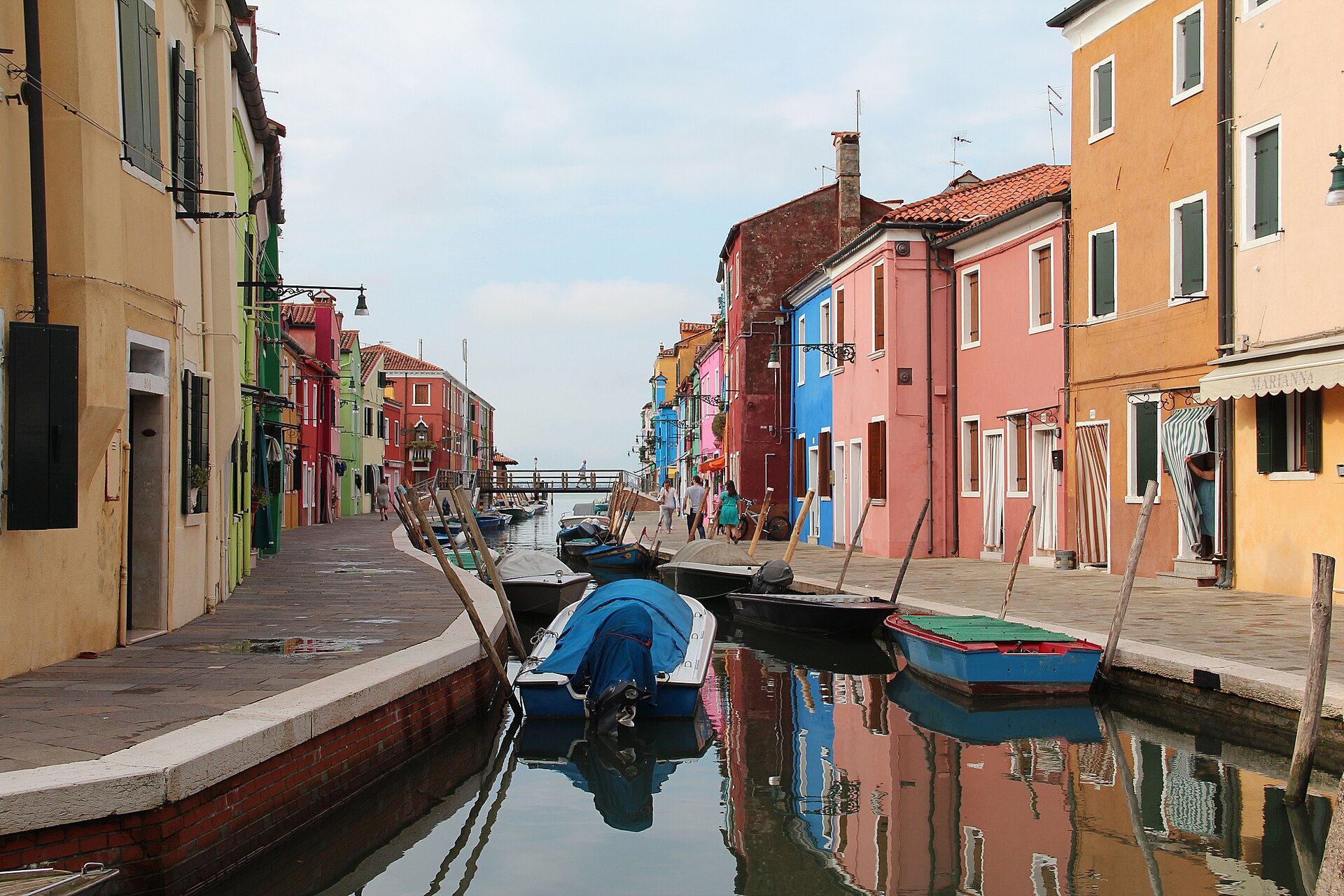
Burano provides substantial photography opportunities that have made the cumulative island substantially photographed across various international media. Various specific photography locations include the central canal areas with substantial colorful building reflections, traditional doorways and architectural details, the iconic leaning campanile (church bell tower with substantial visible tilt), various small bridges connecting cumulative island sections, and various other distinctive cumulative elements.
The cumulative photography popularity has substantially affected Burano tourism patterns. Various photographers specifically time visits for optimal cumulative lighting conditions — typically early morning before substantial tourist crowds arrive, or late afternoon when cumulative golden hour lighting enhances the cumulative colors. Professional photography requires substantial respect for residential privacy — Burano is genuinely working residential community rather than purely tourist attraction. Various specific cumulative photography ethics matter for maintaining cumulative positive relationships between visitors and residents.
The Specific Cuisine Tradition
Burano has cumulative distinctive culinary tradition reflecting substantial Venetian lagoon fishing heritage. The cumulative local specialty is “risotto de gò” — substantial risotto preparation using gò fish (small bottom-dwelling lagoon fish) that produces distinctive flavor essentially unavailable elsewhere. Various other cumulative Burano specialties include traditional bussolà cookies (substantial buttery sweet pastries originally made for cumulative fishermen during long sea voyages) and various seafood preparations.
The cumulative culinary tradition continues at several substantial Burano restaurants. Various cumulative establishments specifically maintain traditional preparations using substantial local ingredients. The cumulative dining experience can substantially exceed mainstream Venice tourist restaurant alternatives despite the cumulative shorter list of options. Visitors specifically seeking authentic experience should specifically prioritize cumulative traditional Burano cuisine rather than generic Italian preparations that essentially every Italian tourist destination provides.
The Leaning Campanile
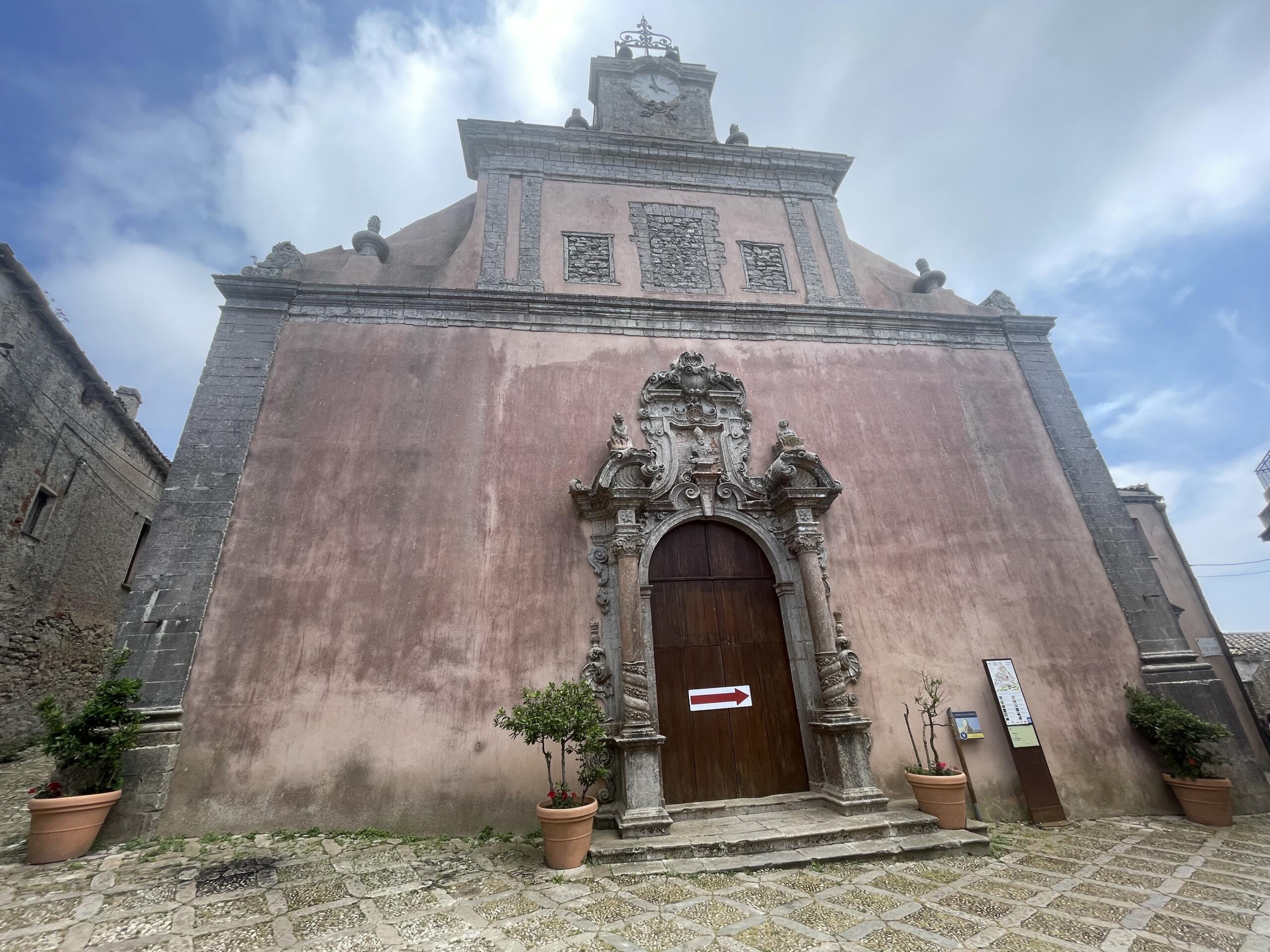
A specific Burano architectural feature is the leaning campanile of San Martino Church — substantial bell tower with substantial visible tilt. The cumulative tilt reflects specific structural issues with cumulative lagoon foundation conditions. The cumulative tower has tilted across substantial centuries despite various preservation efforts. The cumulative tilt provides specific photographic opportunity that mainstream international tourism rarely encounters at smaller scale than the famous Pisa equivalent.
The cumulative campanile sits at the substantial center of the village and provides cumulative visual landmark visible from various points throughout cumulative Burano. Various photography compositions specifically include cumulative leaning tower as element creating substantial dramatic visual interest. The cumulative tower interior is generally not accessible to visitors but external photography opportunities are substantial. The cumulative church itself contains some interesting cumulative artistic elements but the substantial exterior features represent primary cumulative visitor interest.
How to Actually Visit Burano
Practical guidance for travelers planning Burano visits. Access via ACTV vaporetto line 12 from Venice’s Fondamente Nove stop — typical journey approximately 45 minutes with stops at Murano and Torcello. The cumulative journey can be combined into substantial multi-island day trip visiting cumulative Murano (glass-making island), Torcello (substantially historic island with ancient cathedral), and Burano. The cumulative combination provides substantial cumulative lagoon experience beyond cumulative Burano alone.
Best timing for Burano visits: early morning arrival (before 10 AM) provides cumulative substantially less crowded experience and better cumulative lighting conditions. Late afternoon (after 4 PM) provides similar cumulative advantages. Midday periods feature substantial tourist crowds that affect cumulative photography and general experience. Most visitors plan 2-4 hour cumulative Burano visits as part of cumulative multi-island lagoon exploration. The cumulative experience substantially exceeds typical Venice tourism activities through cumulative distinctive visual character and traditional community life.
What Burano Actually Represents
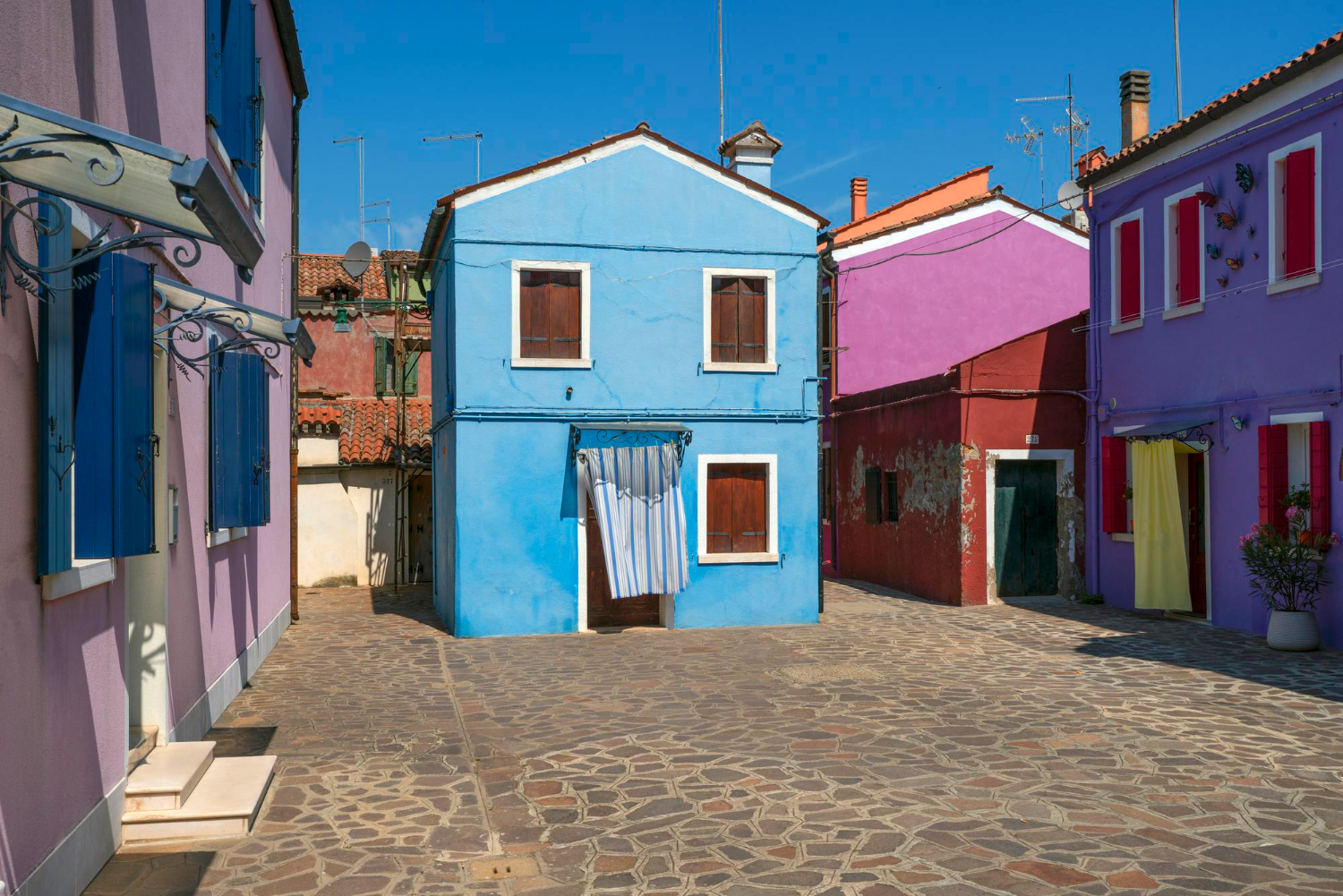
Burano represents specific successful preservation of traditional functional cultural practice despite substantial modernization pressures. The cumulative colored houses serve essentially no modern practical purpose — modern navigation technology eliminates the cumulative original fog-identification function. But cumulative residents and local government substantially maintain the cumulative tradition for specific cumulative cultural reasons. The cumulative result preserves substantial visual character that exists nowhere else in quite the same way. For travelers visiting Venice, Burano provides specific opportunity to experience traditional Venetian lagoon community life that mainstream Venice tourism rarely emphasizes despite cumulative Burano’s substantial distinctiveness. The cumulative combination of dramatic visual character, traditional craft heritage, distinctive cuisine, and ongoing community life produces cumulative experience that complements rather than just duplicates cumulative Venice central tourism. The cumulative future will likely continue similar patterns as long as Burano residents and local government maintain cumulative commitments to traditional cultural preservation. Various pressures (mass tourism, economic changes, demographic shifts, various others) may substantially affect cumulative patterns across coming decades — but currently Burano persists as substantial example of how traditional cultural practices can maintain cultural relevance even after losing original practical functions.