Japanese rice and American rice are genuinely different varieties — substantially distinct genetics, growing conditions, processing methods, and cooking techniques produce results that mainstream international comparisons rarely fully explain. Japanese rice is japonica subspecies (short-grain, sticky, slightly sweet) versus the indica subspecies dominant in American rice production (long-grain, separate, less sweet). The cumulative differences extend beyond just variety into specific cultural commitments to rice quality that Western food culture rarely matches.
Japanese rice tradition represents one of the most documented food cultures globally, with specific cultivation, processing, and cooking practices that mainstream international rice consumption substantially abbreviates. Understanding what makes Japanese rice actually different reveals substantial agricultural and cultural depth that mainstream Western food discussions rarely emphasize despite the substantial significance for understanding Japanese cuisine.
The Subspecies Reality
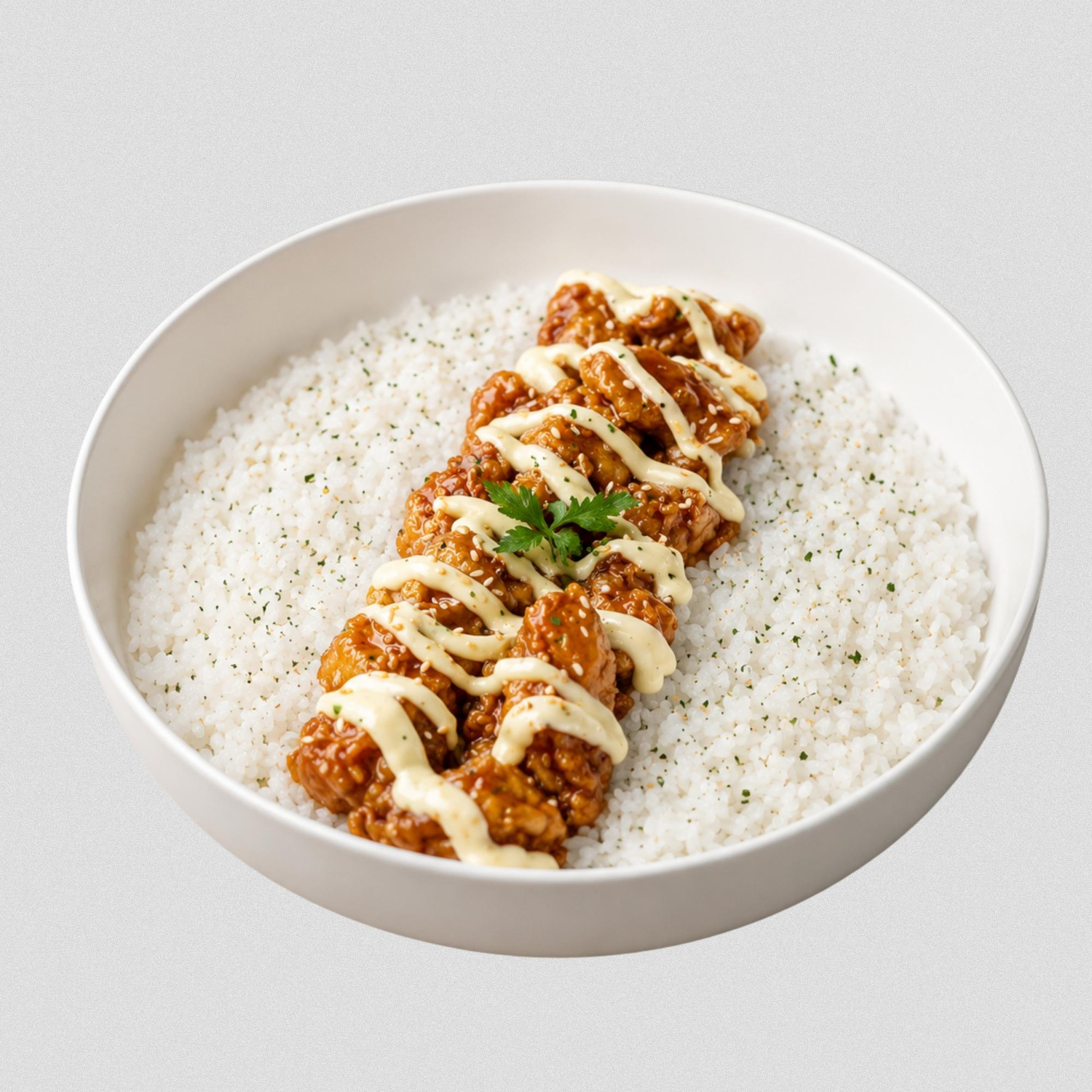
Rice (Oryza sativa) divides into two main subspecies: japonica and indica. Japonica rice (which dominates Japanese, Korean, and Northern Chinese cultivation) produces short, round grains that become substantially sticky when cooked. Indica rice (which dominates American, Indian, and Southeast Asian production) produces long, slender grains that remain substantially separate when cooked. The cumulative subspecies difference is genetic — not just cultivation method or processing.
The subspecies divergence dates back thousands of years to specific regional adaptations. Japonica developed in cooler northern East Asian climates where shorter growing seasons favored specific genetic adaptations. Indica developed in warmer southern regions where different conditions favored different traits. The cumulative result: today’s Japanese and American rice represent substantially different genetic lineages despite sharing the same species classification.
The Specific Japanese Varieties
Japanese rice cultivation focuses on specific premium varieties. Koshihikari (substantially dominant variety since approximately 1956, accounting for approximately 30% of Japanese rice production) produces distinctive sweet, glossy, sticky grains. Akitakomachi (substantial variety from Akita Prefecture) provides similar characteristics with slight regional variations. Hitomebore, Sasanishiki, and various other regional varieties provide additional substantial cultivation options.
Each variety produces somewhat different flavor, texture, and cooking characteristics. Various Japanese consumers maintain specific preferences for particular varieties — substantial Japanese rice culture includes substantial varietal awareness that mainstream international rice consumption essentially lacks. The cumulative varietal diversity provides substantial choice within Japanese rice tradition that international markets rarely include despite substantial quality differences between varieties.
The Sushi Rice Distinction
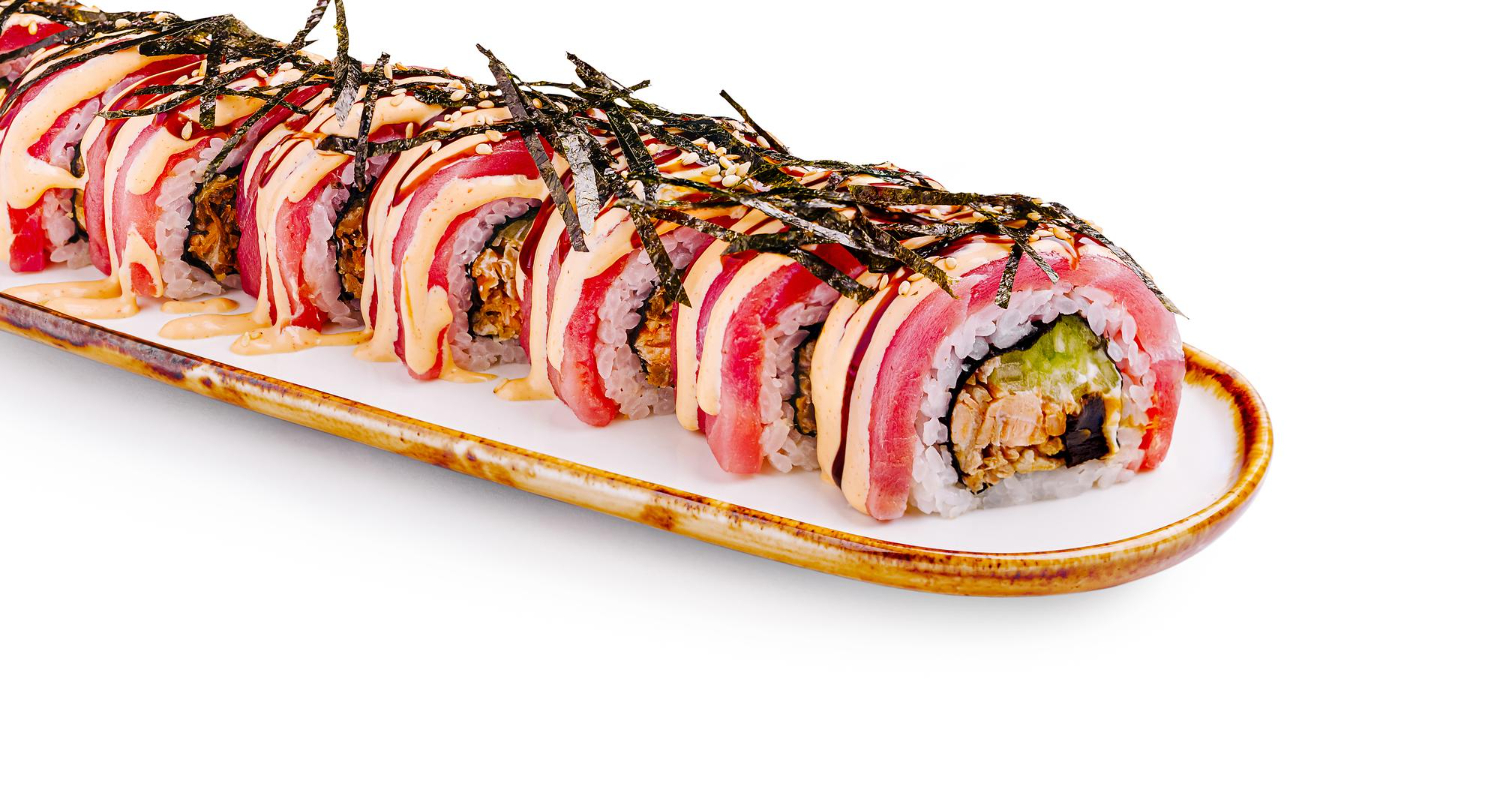
Sushi rice (“shari” in Japanese) represents specific preparation of Japanese rice optimized for sushi application. The cumulative preparation involves: specific rice variety selection (typically Koshihikari or similar premium varieties), specific cooking method, immediate seasoning with rice vinegar plus sugar plus salt, specific cooling technique using traditional wooden hangiri bowls, and various other elements. The cumulative sushi rice differs substantially from regular Japanese steamed rice despite using same basic varieties.
The cumulative sushi rice preparation has specific technical complexity that mainstream Western restaurants substantially fail to replicate. Various Japanese sushi restaurants specifically emphasize cumulative sushi rice quality as primary competitive differentiator. The cumulative result: authentic sushi rice represents substantial culinary craftsmanship that mainstream international sushi rarely matches despite using same basic preparation techniques.
The Water Quality Factor
Japanese rice cultivation depends substantially on specific water quality. Various Japanese rice-growing regions feature substantial natural water sources from mountain runoff with specific mineral content. The cumulative water quality affects rice taste characteristics in measurable ways. Various premium Japanese rice producers specifically advertise cumulative water source as substantial quality element.
American rice production typically operates with substantially different water sources. Various American rice regions (California, Louisiana, Arkansas, various others) feature different water quality that affects cumulative cultivation results. The cumulative water differences contribute to specific taste characteristics that mainstream comparisons of just rice varieties cannot fully explain. Authentic Japanese rice cultivated in Japan produces substantially different results than the same varieties cultivated in American conditions.
The Polishing Reality
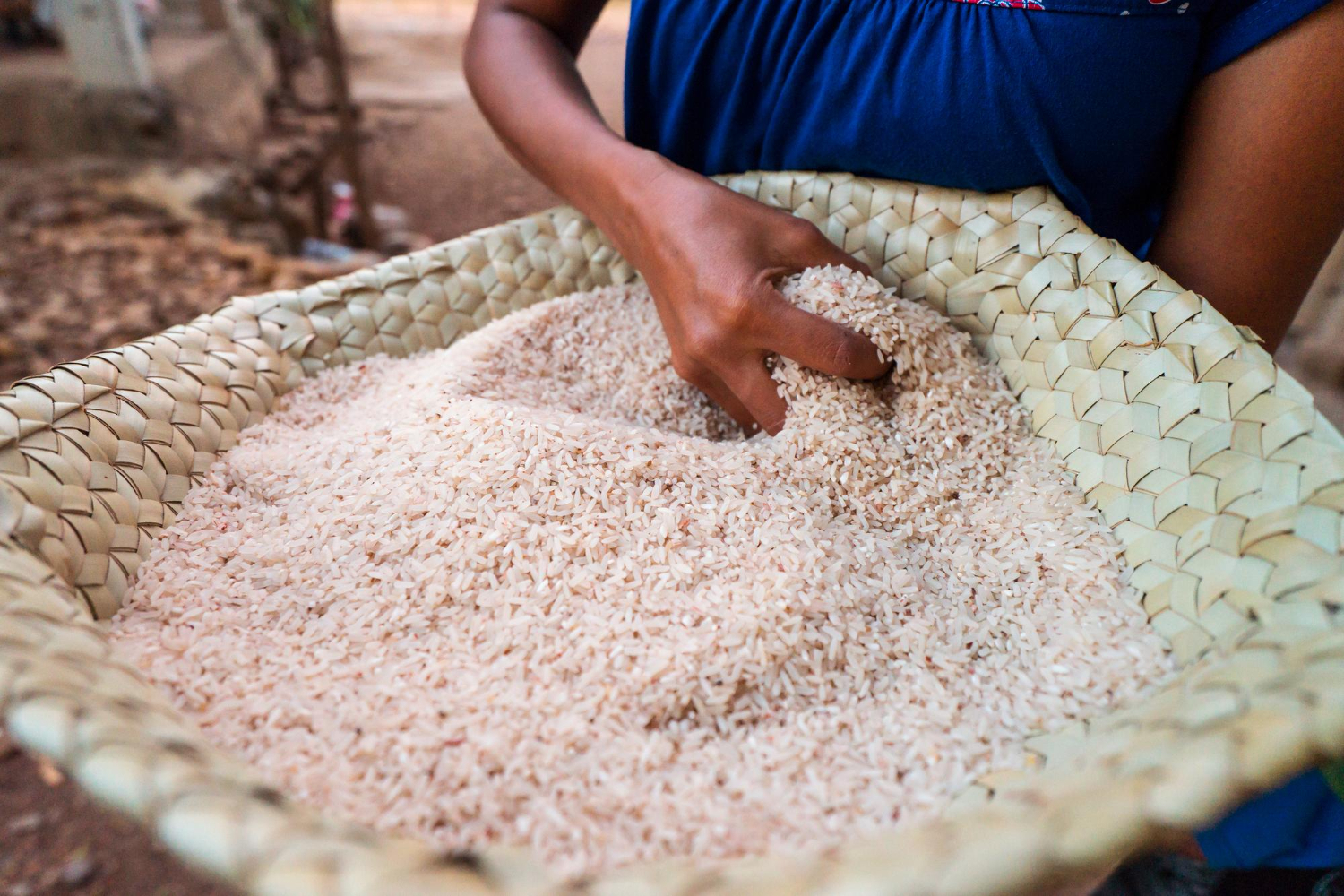
Japanese rice processing involves substantial polishing that removes outer bran layers to produce white rice. The polishing ratio is specifically measured — “seimaibuai” indicates what percentage of original grain weight remains after polishing. Premium Japanese rice typically polishes to specific seimaibuai percentages: 90% (standard white rice), 70% (premium grade), 50% (super-premium sake-grade), and various other specific levels.
The cumulative polishing affects taste, texture, and nutritional characteristics substantially. Various consumers specifically prefer different polishing levels for different uses. Brown rice (genmai) maintains substantial nutritional content but produces substantially different cooking results. Mainstream American rice typically receives less specific polishing attention — most American rice operates as either “white” or “brown” without the substantial cumulative variation that Japanese rice culture maintains.
The Cooking Method Differences
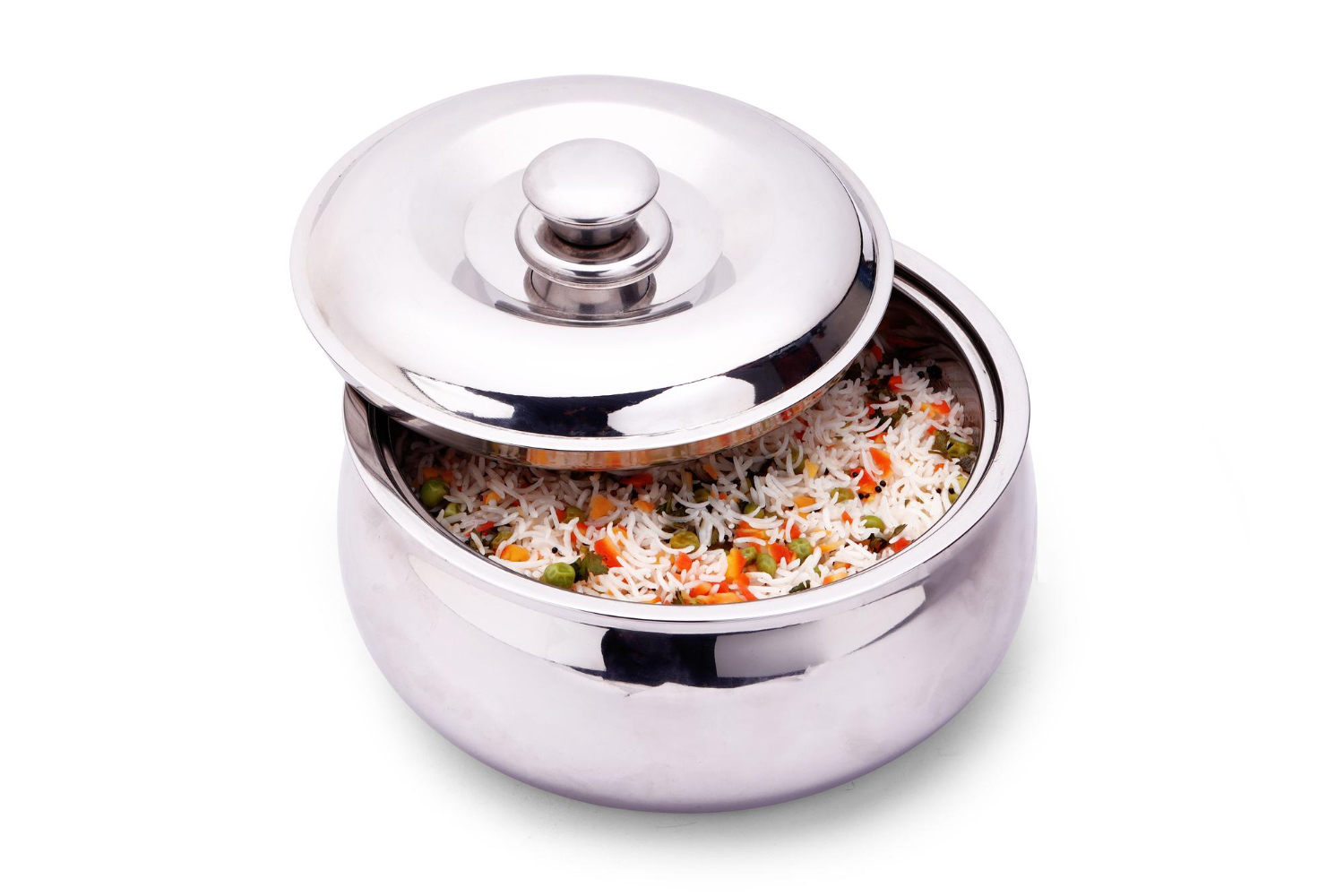
Japanese rice cooking traditionally uses specific techniques that mainstream American rice cooking substantially abbreviates. Rinsing rice multiple times before cooking removes surface starch that affects final texture. Soaking rice for 30+ minutes before cooking enables substantial water absorption. Specific cooking water ratios (typically 1:1.2 rice to water for Japanese rice versus 1:2 for American rice) produce substantially different texture results.
Specific rice cookers (“suihanki”) have become substantially common in Japanese households across recent decades. Various advanced rice cookers feature multiple cooking modes for different rice types, specific water sensors, various other technological elements. The cumulative cookers produce substantially consistent results despite varying individual skill. Various American households increasingly own rice cookers but typically lack the substantial varietal awareness and specific cooking technique that Japanese rice culture maintains.
The Cultural Significance
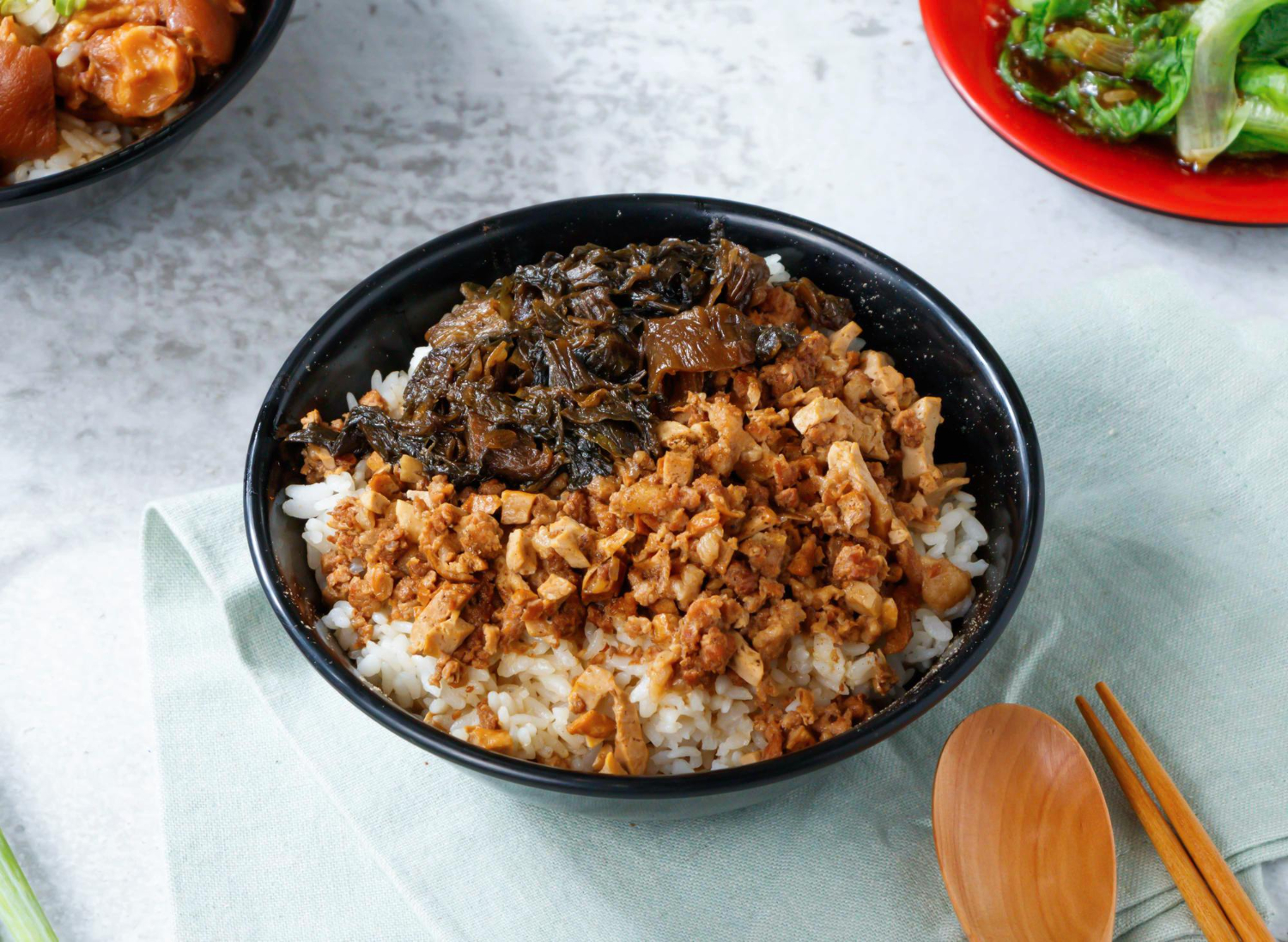
Rice occupies substantially central position in Japanese culture beyond just dietary importance. The Japanese word “gohan” means both “cooked rice” and “meal” generally — substantial linguistic indication of rice’s cultural centrality. Rice features in various religious ceremonies, traditional festivals, and substantial cultural rituals. The cumulative cultural significance substantially exceeds what mainstream Western food culture accords any specific food.
The cumulative significance affects production economics. Various Japanese rice producers receive substantial government support to maintain domestic cultivation despite cumulative economic pressures from cheaper imports. The cumulative protection reflects substantial cultural commitment to maintaining domestic rice production that international economists often criticize but Japanese society substantially supports. Various political debates regarding agricultural trade specifically address cumulative Japanese rice protectionism.
The Specific American Rice Reality
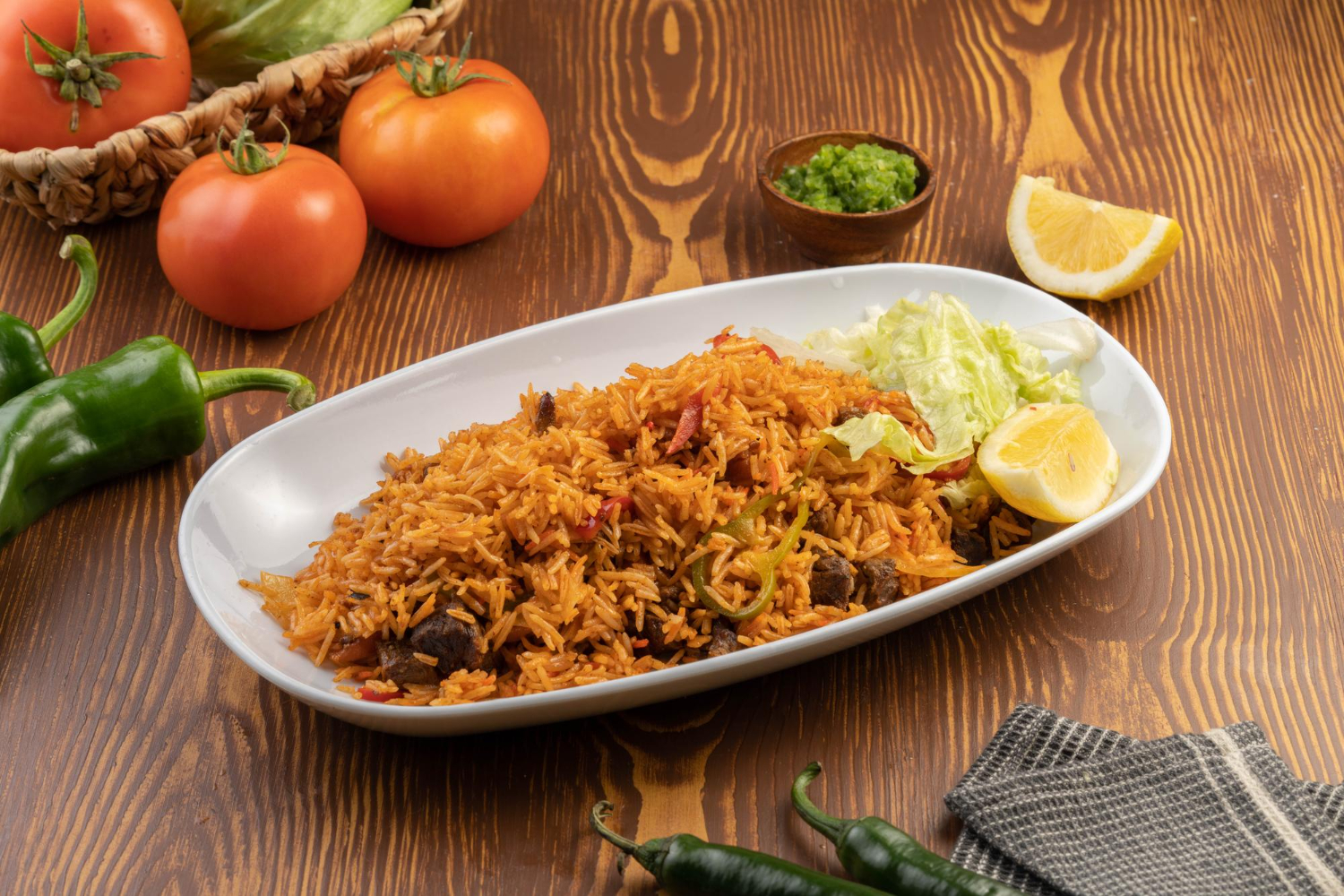
American rice production focuses on substantially different varieties optimized for different uses. American long-grain rice (substantial portion of production) targets various culinary applications where separate grains are preferred — pilaf, fried rice, side dishes, various others. Specific American varieties (Calrose, various others) actually originated in California with substantial Japanese cultivation heritage but have substantially diverged from Japanese varieties through subsequent breeding.
Various American specialty rice producers cultivate Japanese-style short-grain rice for specific markets. Various California-grown varieties approach but typically don’t fully match cumulative Japanese-cultivated equivalents. The cumulative difference reflects substantial cumulative factors beyond just genetics — water, soil, climate, cultivation practices, and various other elements affect final rice characteristics.
What This All Reveals
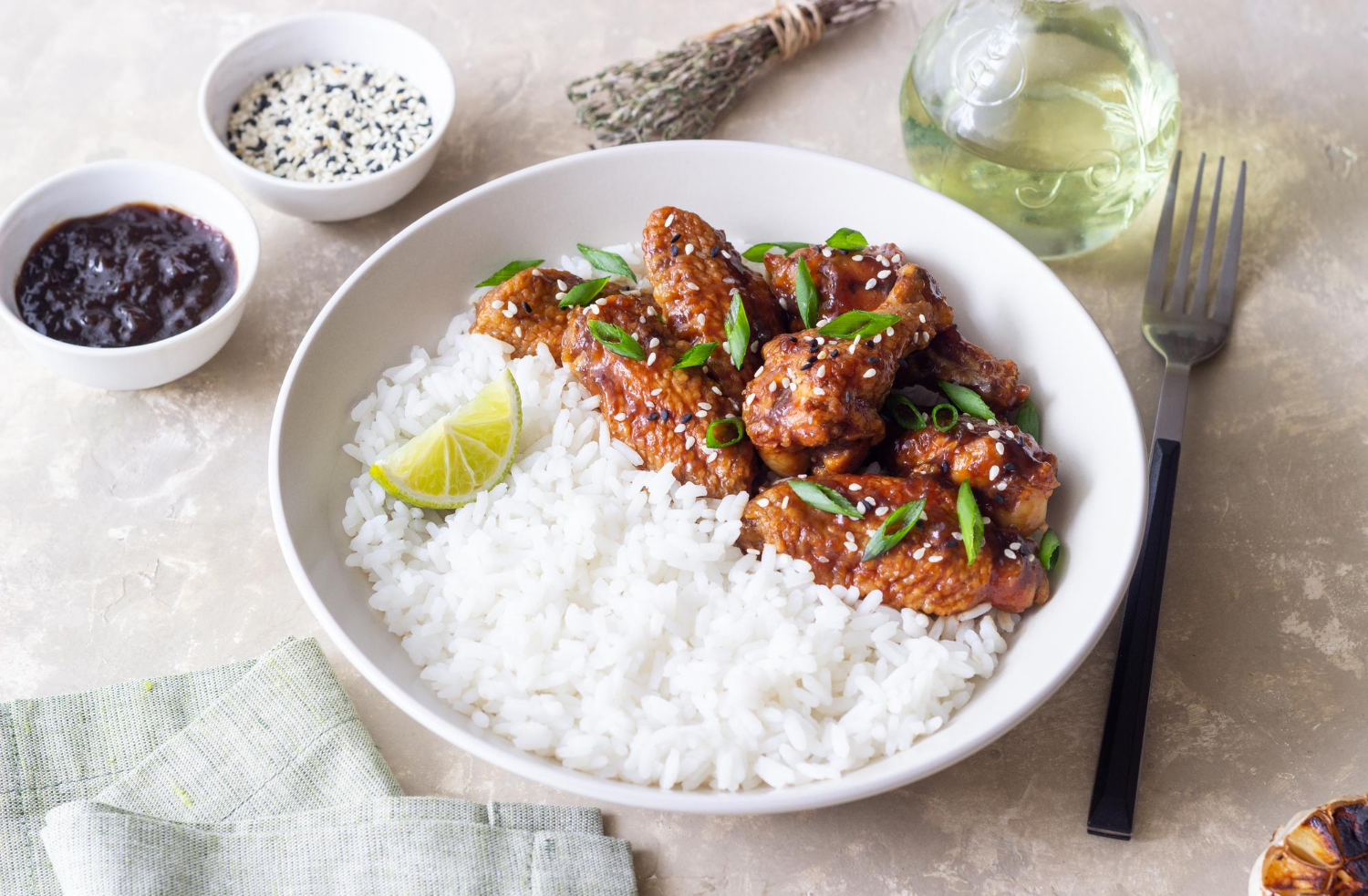
The Japanese rice tradition represents specific example of how food culture extends substantially beyond just preparation methods into agricultural, cultural, and technical depths that mainstream international consumption rarely encounters. The cumulative Japanese commitment to rice quality has produced one of the world’s most documented food traditions despite operating with what appears to be substantially simple ingredient (rice). For travelers visiting Japan, the cumulative rice experience provides specific opportunity to experience genuinely traditional food culture that mainstream international travel rarely emphasizes despite substantial significance. Various authentic Japanese rice preparations differ substantially from what mainstream international Japanese restaurants typically provide. The cumulative depth represents substantial accumulated cultural knowledge across generations that has substantially preserved traditional approaches despite substantial modernization pressures. The cumulative tradition will likely continue persisting as long as Japanese consumers maintain substantial commitment to traditional rice quality despite cumulative economic alternatives. The cumulative result represents specific example of how strong cultural commitments can preserve traditional food culture even within substantial modern economic and technological changes that have substantially homogenized other food traditions internationally.