
Vietnamese coffee operates substantially differently from other major coffee traditions through specific bean variety, preparation method, sweetener, and serving style that mainstream international coffee culture rarely encounters. Vietnam is the world’s second-largest coffee producer (after Brazil) and the world’s largest producer of Robusta beans specifically — substantially different from the Arabica beans dominating mainstream specialty coffee. The cumulative Vietnamese preparation with phin filter plus sweetened condensed milk produces beverage substantially different from American or European coffee traditions.
The Vietnamese coffee tradition represents one of the most distinctive coffee cultures globally despite being substantially less internationally famous than Italian espresso or American specialty coffee movements. The cumulative tradition has substantially preserved specific techniques, bean varieties, and serving styles that mainstream international coffee culture essentially doesn’t replicate. Understanding what makes Vietnamese coffee actually different reveals substantial Southeast Asian coffee depth.
The Robusta Bean Reality
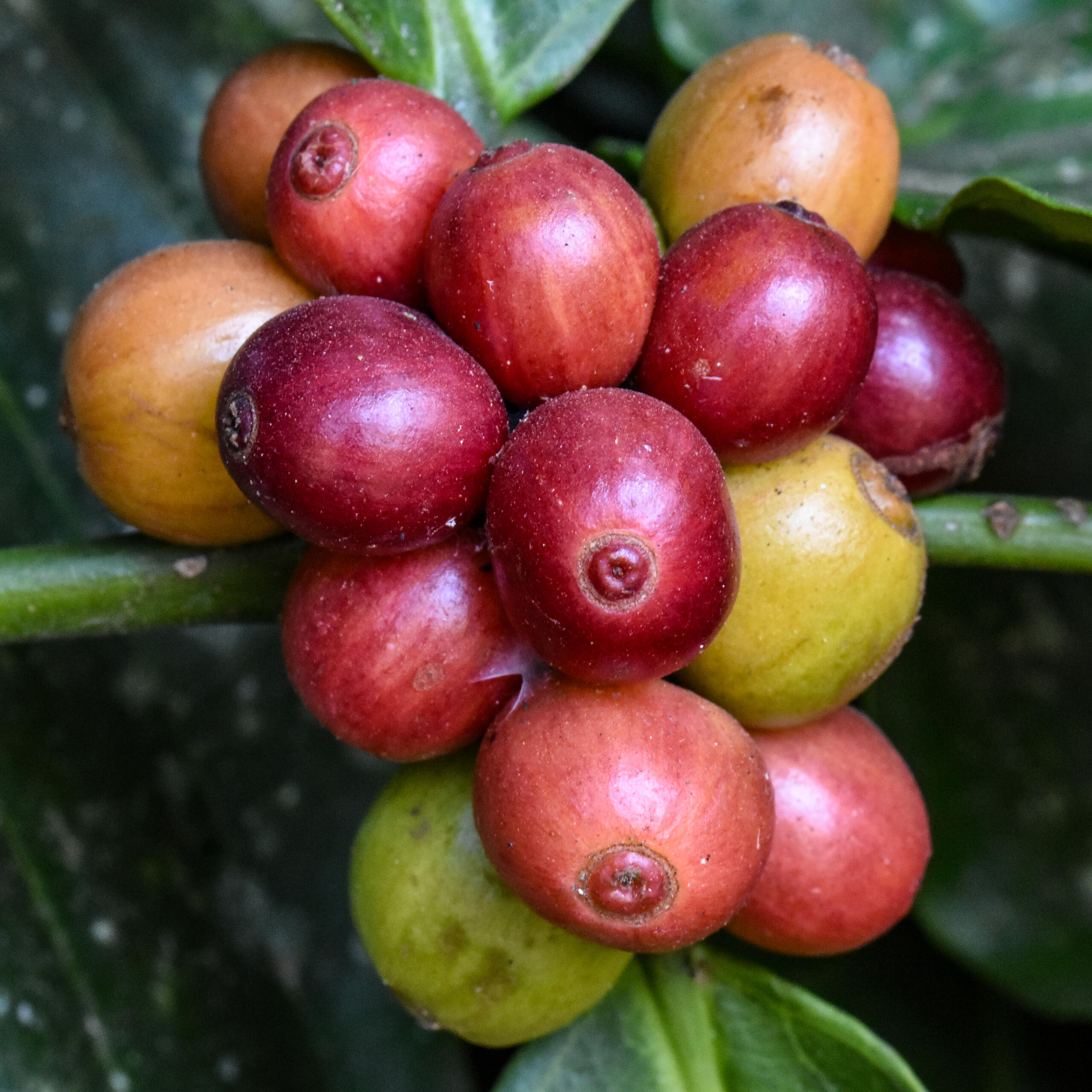
Vietnamese coffee primarily uses Robusta beans (Coffea canephora) — substantially different species from the Arabica beans (Coffea arabica) that dominate mainstream specialty coffee. Vietnam produces approximately 95% of the world’s Robusta beans, making cumulative Vietnam the substantially dominant Robusta source globally. The cumulative Robusta has substantially different characteristics from Arabica: substantially higher caffeine content (approximately 2x more caffeine per bean), substantially stronger flavor with substantial bitter notes, substantial chocolate undertones, less acidity.
The cumulative Robusta dominance reflects substantial agricultural reality. Vietnamese coffee-growing regions (substantial Central Highlands area) feature substantial climate and soil conditions optimized for Robusta cultivation. The cumulative beans grow substantially better at lower elevations than Arabica. Various Vietnamese specialty producers also grow Arabica beans for premium markets, but cumulative mainstream Vietnamese coffee culture substantially uses Robusta as foundation.
The French Colonial Origins

Vietnamese coffee tradition traces back to French colonial period (1858-1954). French colonizers introduced coffee cultivation to Vietnam substantially in the 1850s. The cumulative French introduction included specific brewing equipment including the famous “phin” filter — small stainless steel drip filter that has become substantial Vietnamese coffee tradition foundation. The cumulative French heritage substantially influenced Vietnamese coffee culture despite Vietnamese independence ending colonial period.
The cumulative French influence appears beyond just equipment. Various French café culture elements transferred to Vietnam including substantial sidewalk café tradition, substantial morning coffee rituals, and various other cultural elements. The cumulative French baguette tradition similarly transferred to Vietnamese cuisine alongside coffee. The cumulative result represents specific Vietnamese adaptation of French colonial influences rather than direct duplication.
The Phin Filter Method
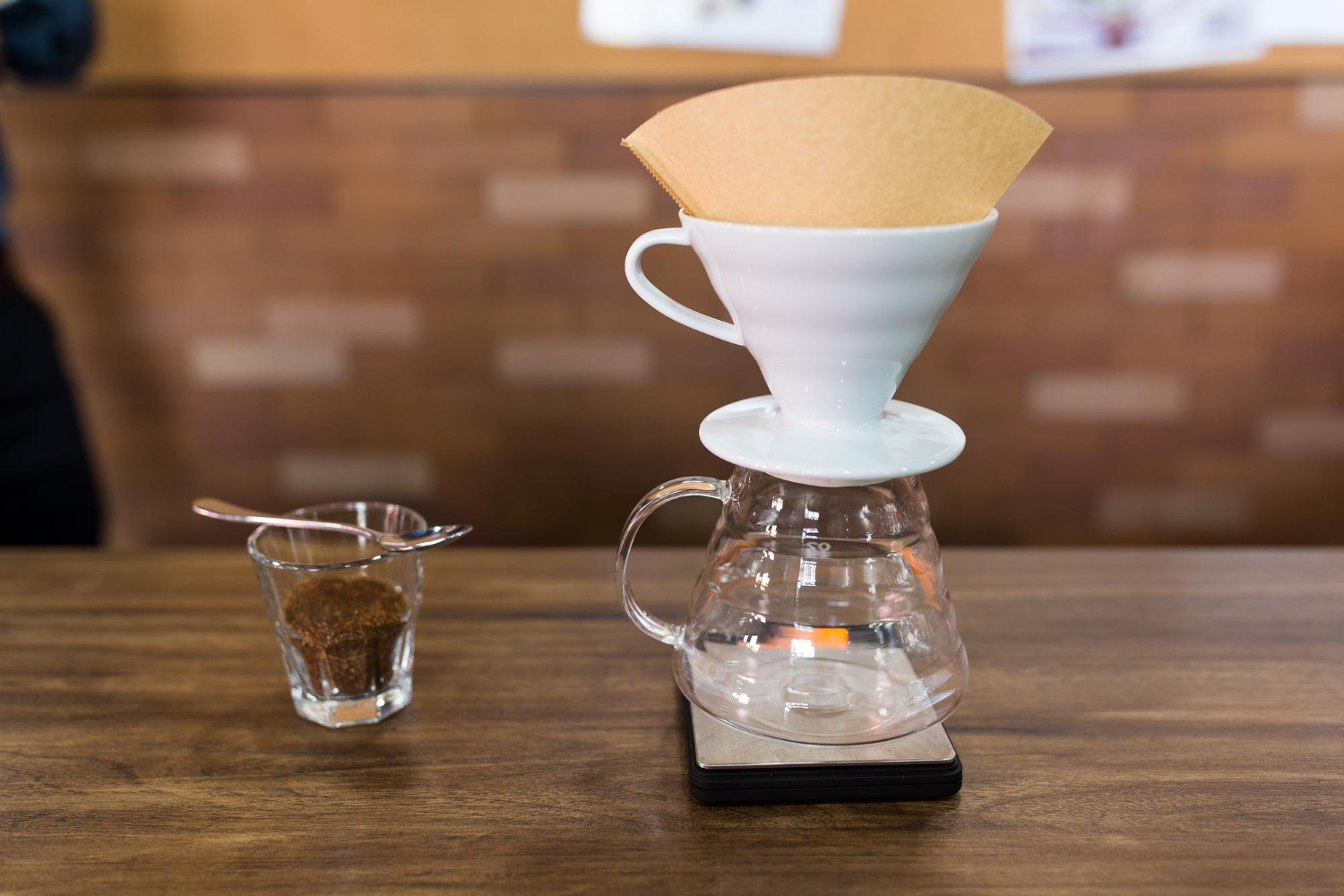
The traditional Vietnamese phin filter represents substantially distinctive brewing equipment. The cumulative device consists of: small cylindrical metal cup placed atop drinking glass, perforated metal disc that compresses ground coffee, screw or weighted top that maintains pressure during brewing. Hot water added to the cumulative phin slowly drips through ground coffee into the cumulative drinking glass below. Total brewing time: approximately 4-6 minutes.
The cumulative phin method produces specifically concentrated coffee through slow gravity drip. The cumulative coffee character substantially differs from espresso machines or pour-over alternatives. Various Vietnamese coffee enthusiasts specifically value the cumulative phin tradition over modern alternatives. The cumulative method requires substantially less equipment investment than espresso machines while producing distinctive results that mainstream alternatives essentially cannot replicate.
The Sweetened Condensed Milk

Traditional Vietnamese coffee includes substantial sweetened condensed milk — substantial sweet thick dairy product that defines the cumulative coffee character. Sweetened condensed milk is poured into the drinking glass before coffee dripping begins. The cumulative coffee mixes with the cumulative milk during dripping plus subsequent stirring. The cumulative combination produces substantial sweet, rich coffee beverage substantially different from mainstream coffee with regular milk.
The cumulative sweetened condensed milk tradition reflects substantial historical context. Fresh dairy was substantially unavailable in colonial Vietnam due to climate and limited cattle farming. The cumulative sweetened condensed milk provided substantial milk alternative that didn’t require refrigeration. The cumulative tradition has persisted into 2026 despite substantial modern dairy availability — Vietnamese consumers substantially prefer the cumulative traditional sweetened condensed milk character.
The Cà Phê Sữa Đá
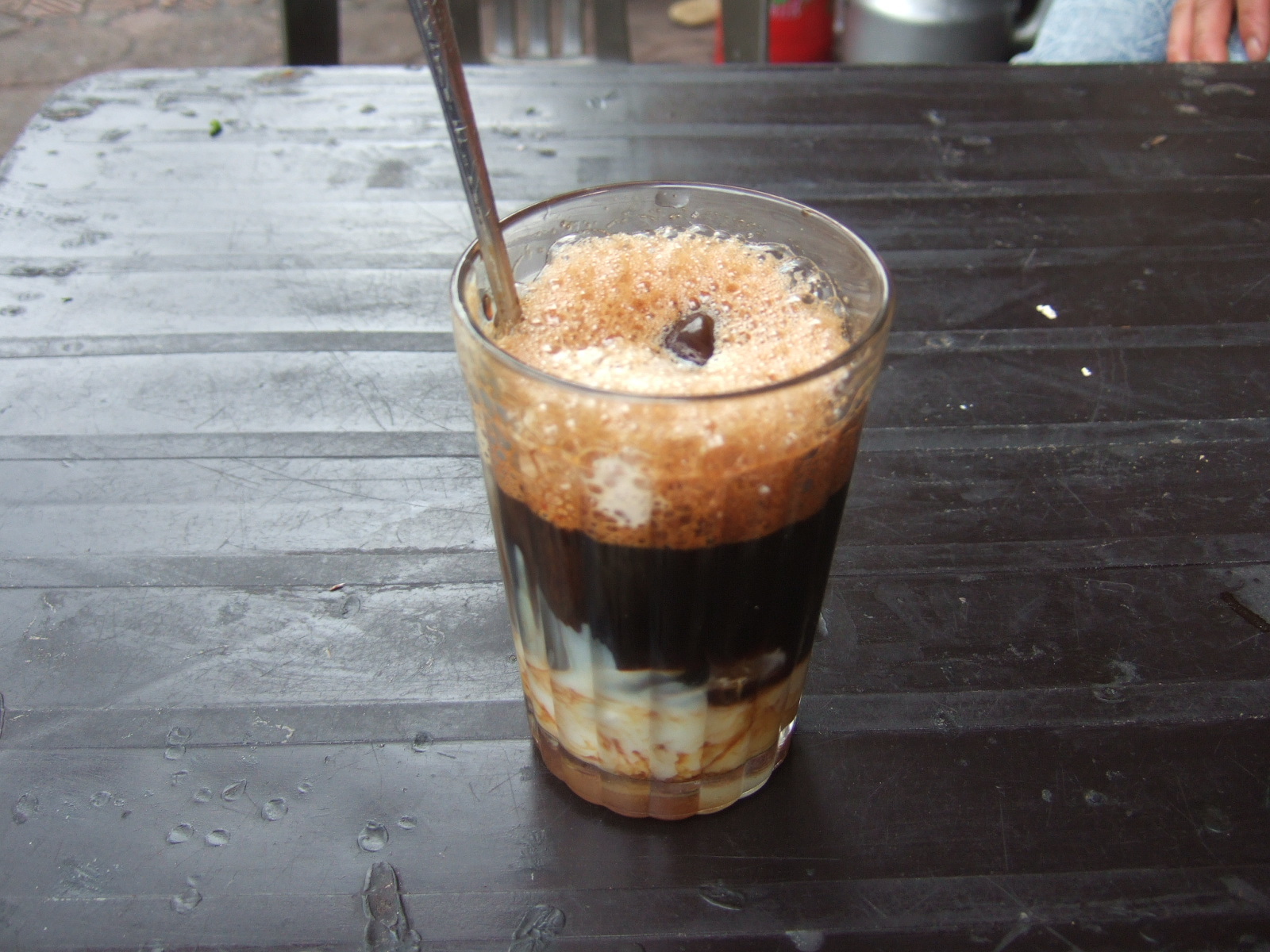
The substantial signature Vietnamese coffee preparation is “cà phê sữa đá” — Vietnamese iced coffee with sweetened condensed milk. The cumulative preparation involves: sweetened condensed milk added to glass, hot phin-brewed coffee dripped onto the cumulative milk, mixture stirred together, substantial ice cubes added. The cumulative result is substantial sweet iced coffee that substantially refreshes during Vietnamese tropical climate.
The cumulative cà phê sữa đá has become substantial international recognition through Vietnamese diaspora and various international coffee chains adopting cumulative preparation. Various American coffee chains now offer Vietnamese-style coffee preparations. The cumulative international adoption represents substantial cultural diffusion. But cumulative authentic Vietnamese cà phê sữa đá in Vietnam itself substantially differs from international adaptations — substantial Vietnamese Robusta beans plus traditional preparation produces cumulative character that mainstream international versions essentially cannot match.
The Egg Coffee Phenomenon
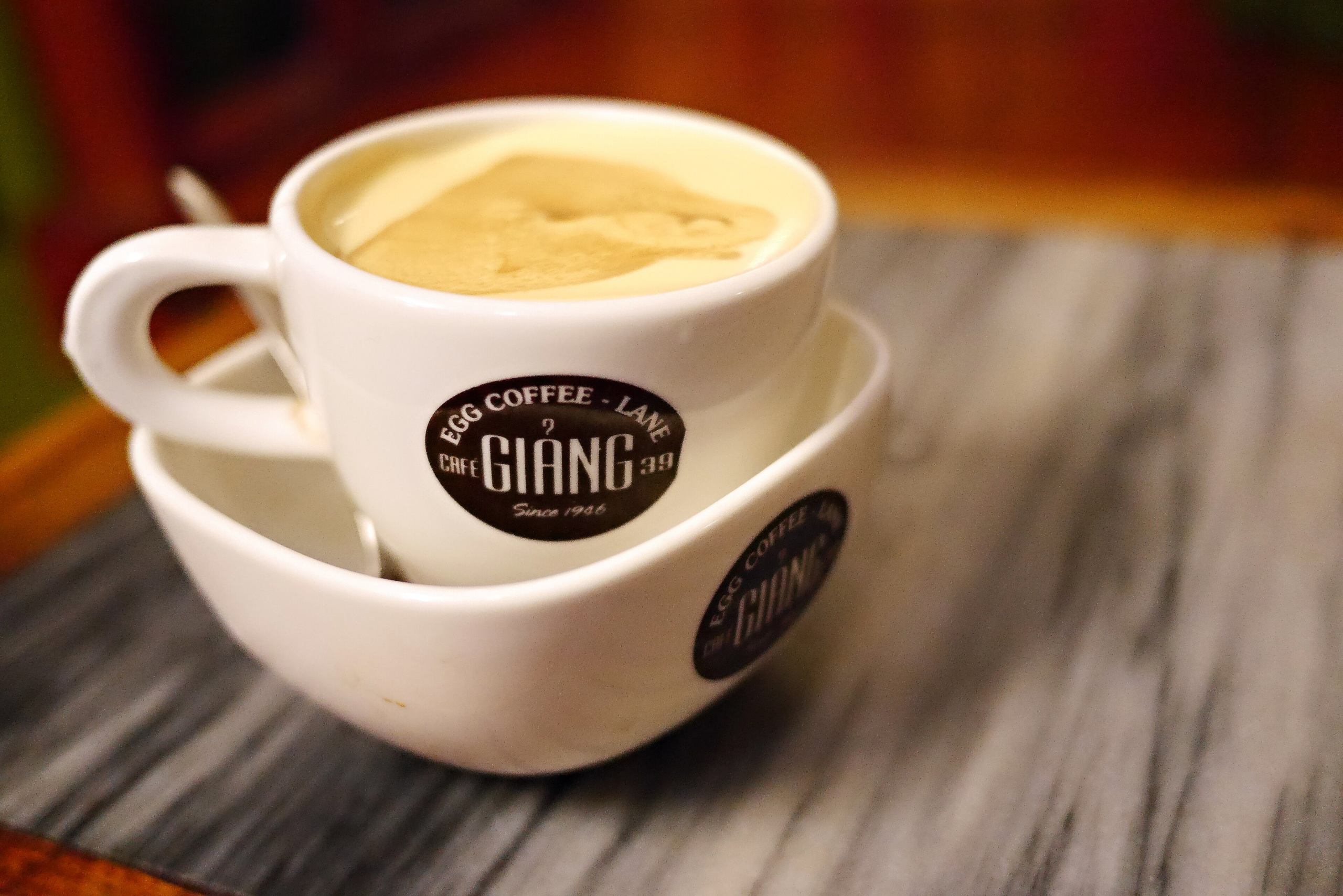
A specific Vietnamese coffee specialty involves cà phê trứng (egg coffee). The cumulative preparation includes: egg yolks beaten with sweetened condensed milk until thick foam, layered over hot phin-brewed Vietnamese coffee. The cumulative preparation produces substantial creamy coffee with substantial richness that mainstream coffee preparations don’t replicate. The cumulative tradition originated in Hanoi during 1940s milk shortages.
The cumulative egg coffee has substantially become Hanoi cultural specialty. Various famous establishments (Giảng Cafe, various others) have served the cumulative beverage for substantial decades. International visitors specifically seek cumulative egg coffee experiences during Vietnam visits. The cumulative beverage represents specific Vietnamese coffee innovation that substantially complements rather than replaces traditional cà phê sữa đá. Various other Vietnamese coffee specialties (coconut coffee, yogurt coffee, various others) follow similar pattern of substantial Vietnamese coffee culture creativity.
The Specific Coffee Region
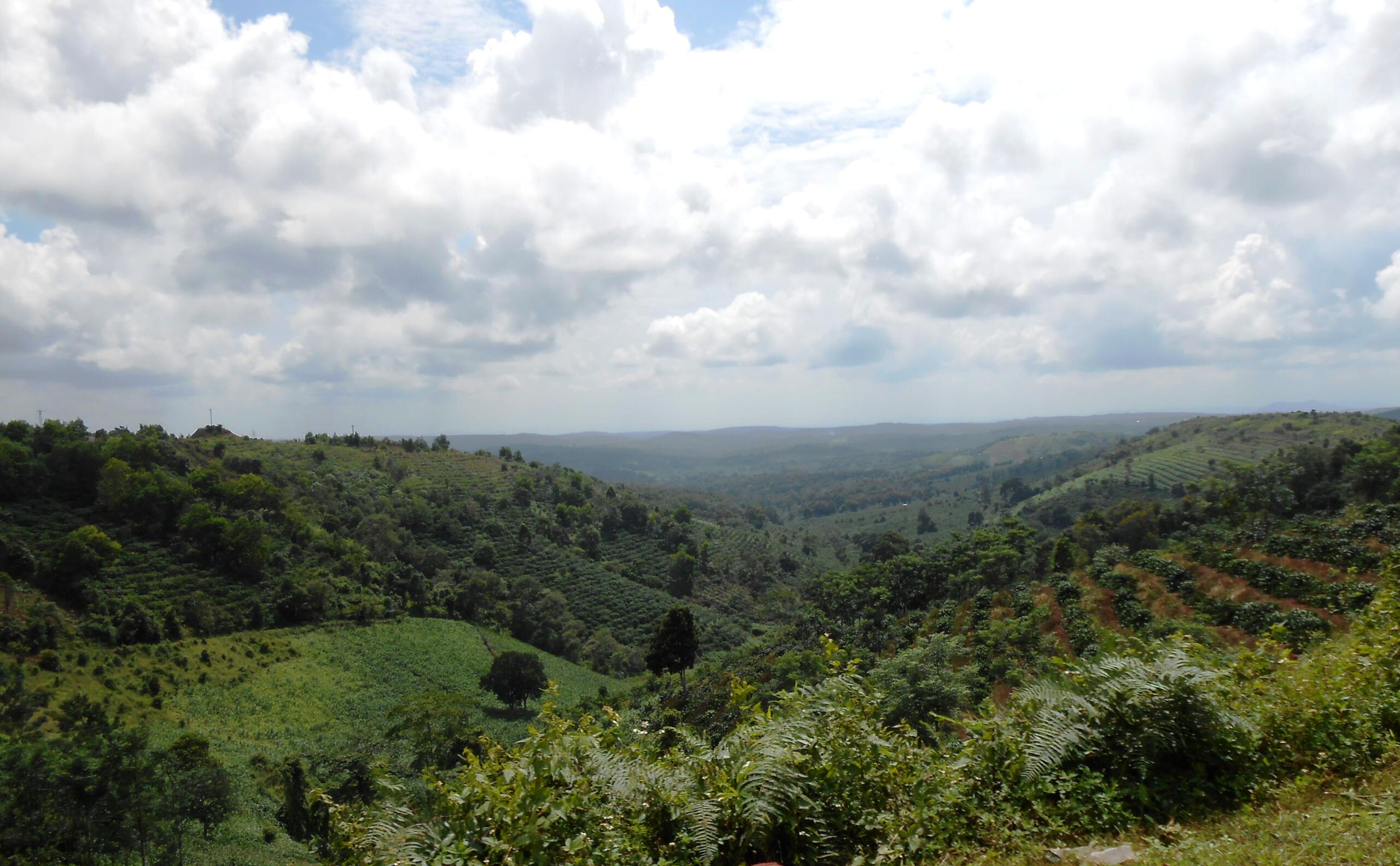
The Central Highlands region (provinces of Đắk Lắk, Lâm Đồng, Đắk Nông, Gia Lai, Kon Tum) produces substantial majority of Vietnamese coffee. The cumulative region features substantial volcanic soil, appropriate elevation (typically 400-800 meters), and substantial rainfall patterns optimized for Robusta cultivation. The cumulative Đắk Lắk province alone produces approximately 30% of Vietnam’s total coffee output.
Various Vietnamese coffee tourism has developed around the cumulative Central Highlands region. Specific coffee farm visits, factory tours, and various other coffee-related tourism activities provide substantial alternative experiences beyond typical Vietnamese tourism focused on Halong Bay, Hanoi, Ho Chi Minh City, and various coastal destinations. The cumulative coffee tourism remains substantially developed primarily for domestic Vietnamese visitors with limited international tourism integration.
The Modern Vietnamese Coffee Industry
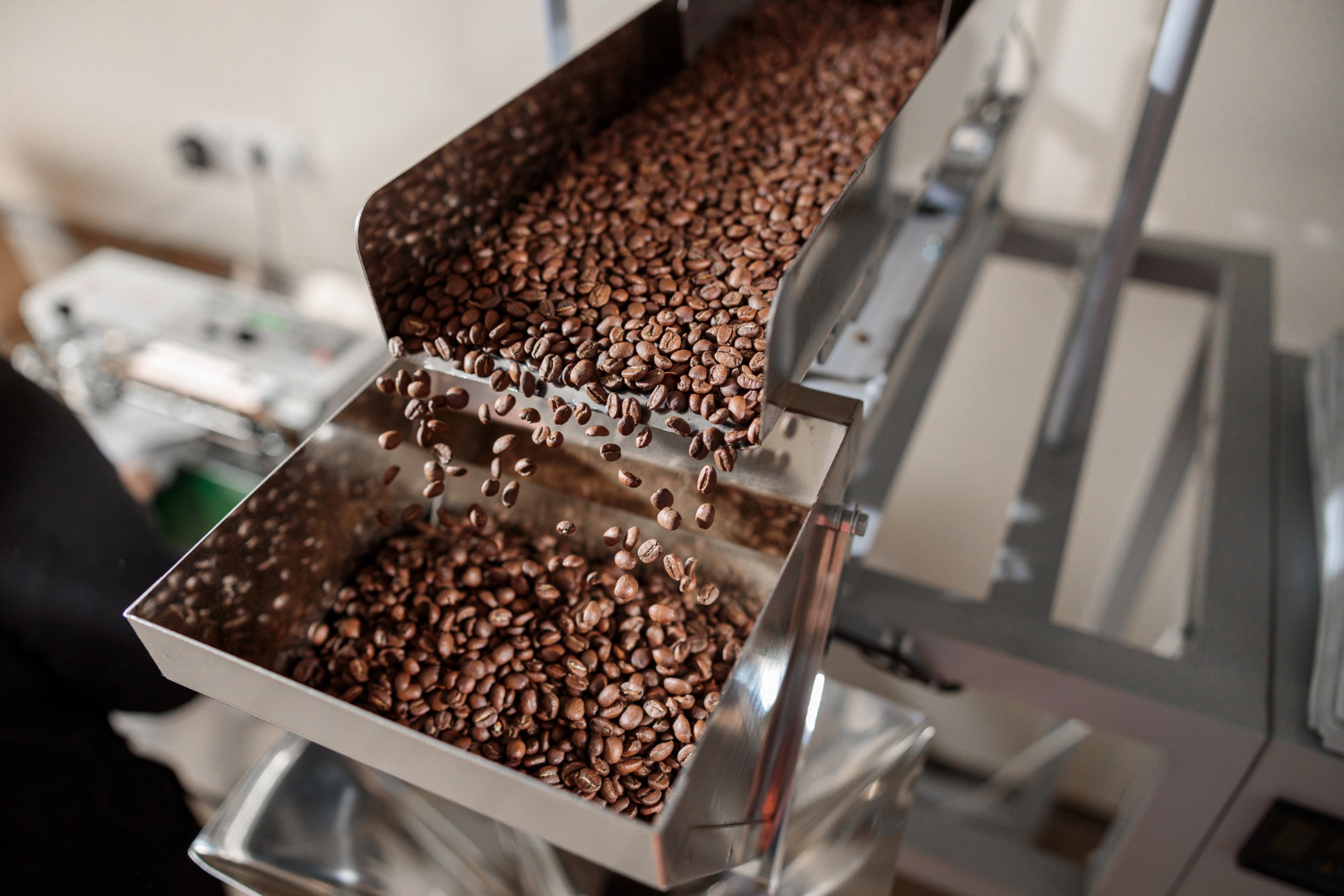
Vietnam’s coffee industry has substantially evolved across recent decades. The cumulative country has become substantial coffee exporter, with approximately $4+ billion annual coffee export revenue. Major Vietnamese coffee brands (Trung Nguyên, Vinacafé, various others) have substantially developed both domestic and international markets. The cumulative Trung Nguyên Coffee Resort in Buon Ma Thuot provides substantial tourist destination dedicated specifically to Vietnamese coffee heritage.
The cumulative Vietnamese coffee industry continues evolving with various specialty coffee movements developing alongside traditional Robusta dominance. Various Vietnamese specialty Arabica producers target premium international markets. Various third-wave Vietnamese coffee shops operate in Ho Chi Minh City, Hanoi, and other major Vietnamese cities. The cumulative industry maintains substantial traditional character while developing specialty alternatives for substantial diverse coffee consumer preferences.
What This All Reveals
The Vietnamese coffee tradition represents specific example of how colonial influences combined with local adaptation and substantial cultural commitment produces distinctive cultural practice that has substantially preserved character despite various international pressures. The cumulative tradition will likely continue persisting as long as Vietnamese consumers maintain substantial preference for traditional preparation methods. For travelers visiting Vietnam, the cumulative coffee experience provides specific opportunity to experience genuinely authentic Vietnamese cultural element that mainstream international tourism rarely emphasizes despite substantial cultural significance. International visitors who specifically prioritize authentic cumulative experience over Western coffee chain alternatives typically describe Vietnamese coffee discoveries as substantial trip highlights. The cumulative Vietnamese coffee culture substantially differs from mainstream specialty coffee culture while providing substantial alternative coffee experience that exists nowhere else in quite the same way. Various international coffee enthusiasts increasingly recognize cumulative Vietnamese coffee tradition as substantial alternative to substantial Arabica-dominant specialty coffee culture that has dominated international coffee discussions across recent decades.