

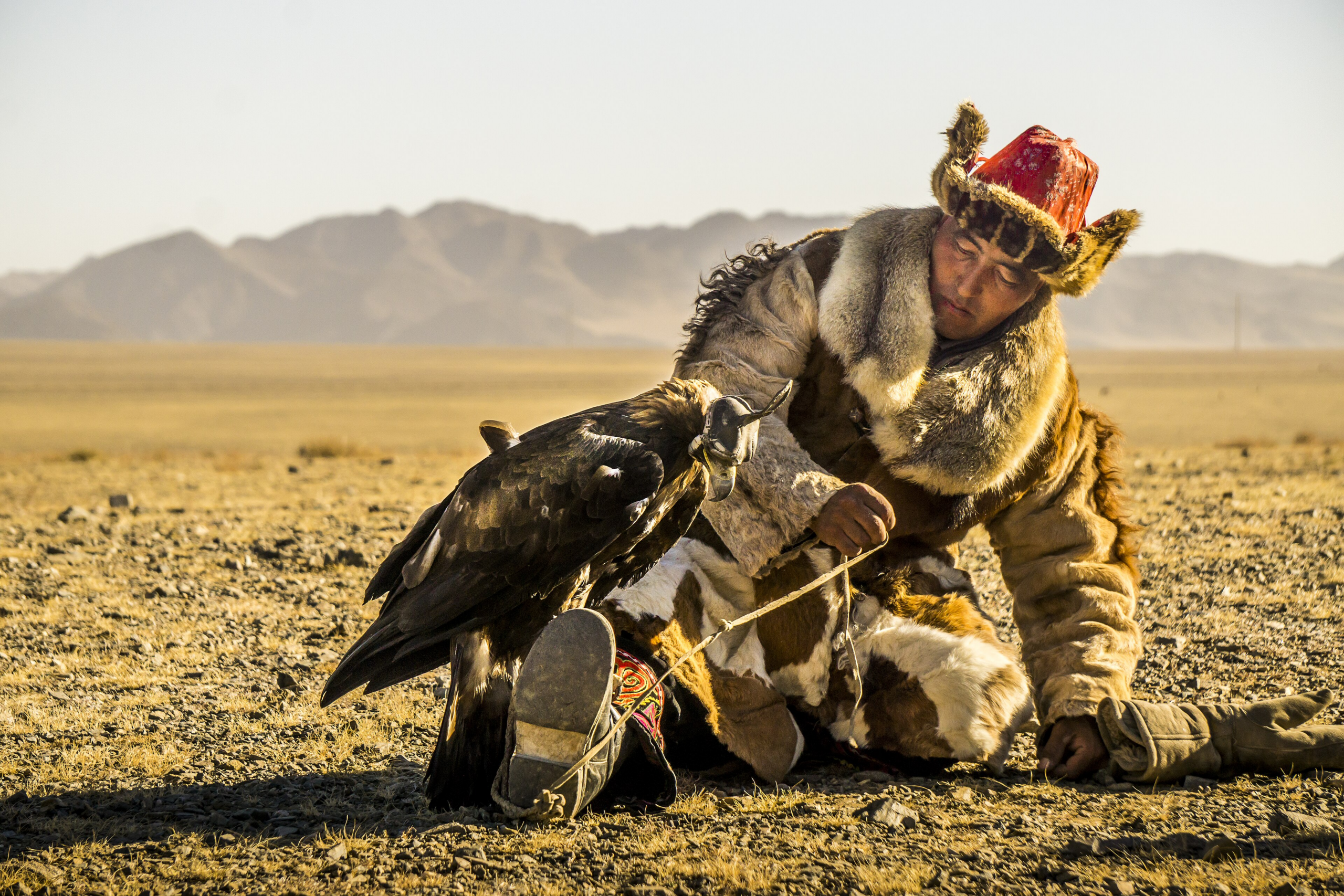
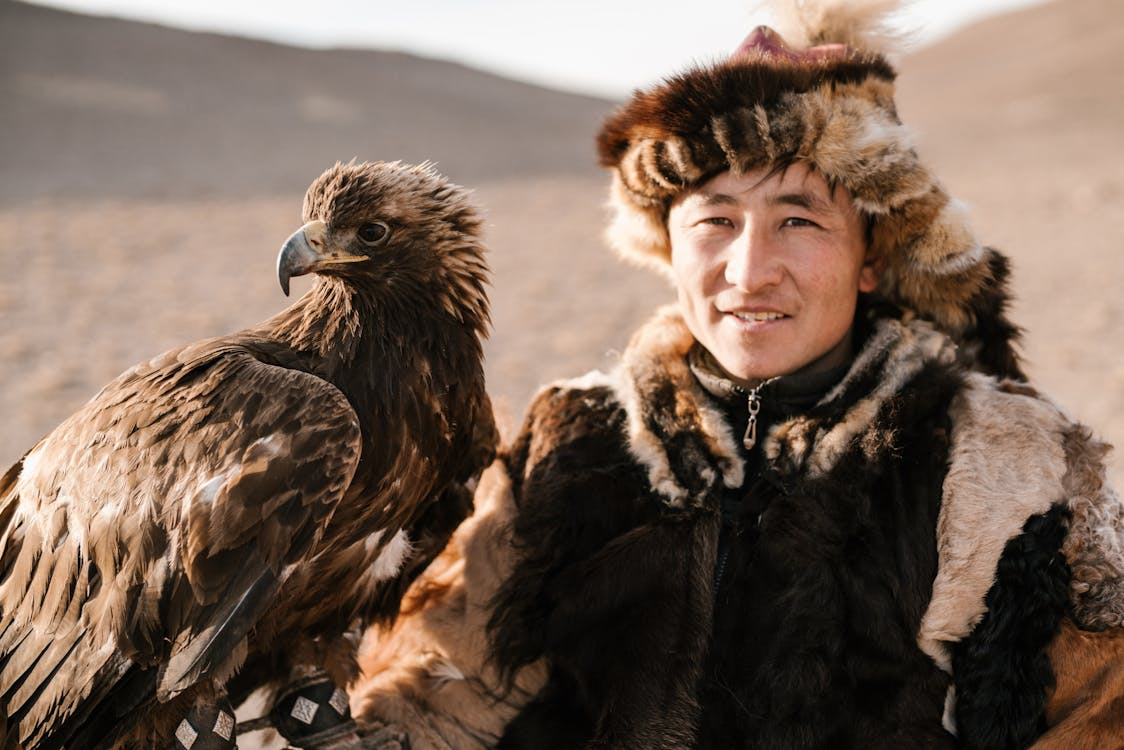
Western Mongolia’s Bayan-Ölgii Province features substantial Kazakh nomadic minority population that continues traditional eagle hunting tradition spanning approximately 6,000+ years. Various Kazakh eagle hunters (berkutchi) train female golden eagles to hunt foxes, rabbits, marmots, and various other animals across substantial cold Mongolian winters. Approximately 250-400 active eagle hunters remain in cumulative Mongolia. The annual Golden Eagle Festival in October provides substantial cultural celebration. International visitors can actually join multi-day hunting expeditions with cumulative authentic eagle hunters — substantial cultural exchange that mainstream international tourism rarely matches.
The Mongolian eagle hunting tradition represents specific example of substantial ancient cultural practice that has persisted across thousands of years despite various political and economic changes affecting cumulative surrounding regions. The cumulative tradition continues actively in 2026 among the substantial Kazakh ethnic minority in western Mongolia. Understanding what cumulative eagle hunting actually involves reveals substantial nomadic culture depth that mainstream international tourism essentially cannot encounter through brief visits to typical Mongolian destinations.
The Specific Geographic Reality
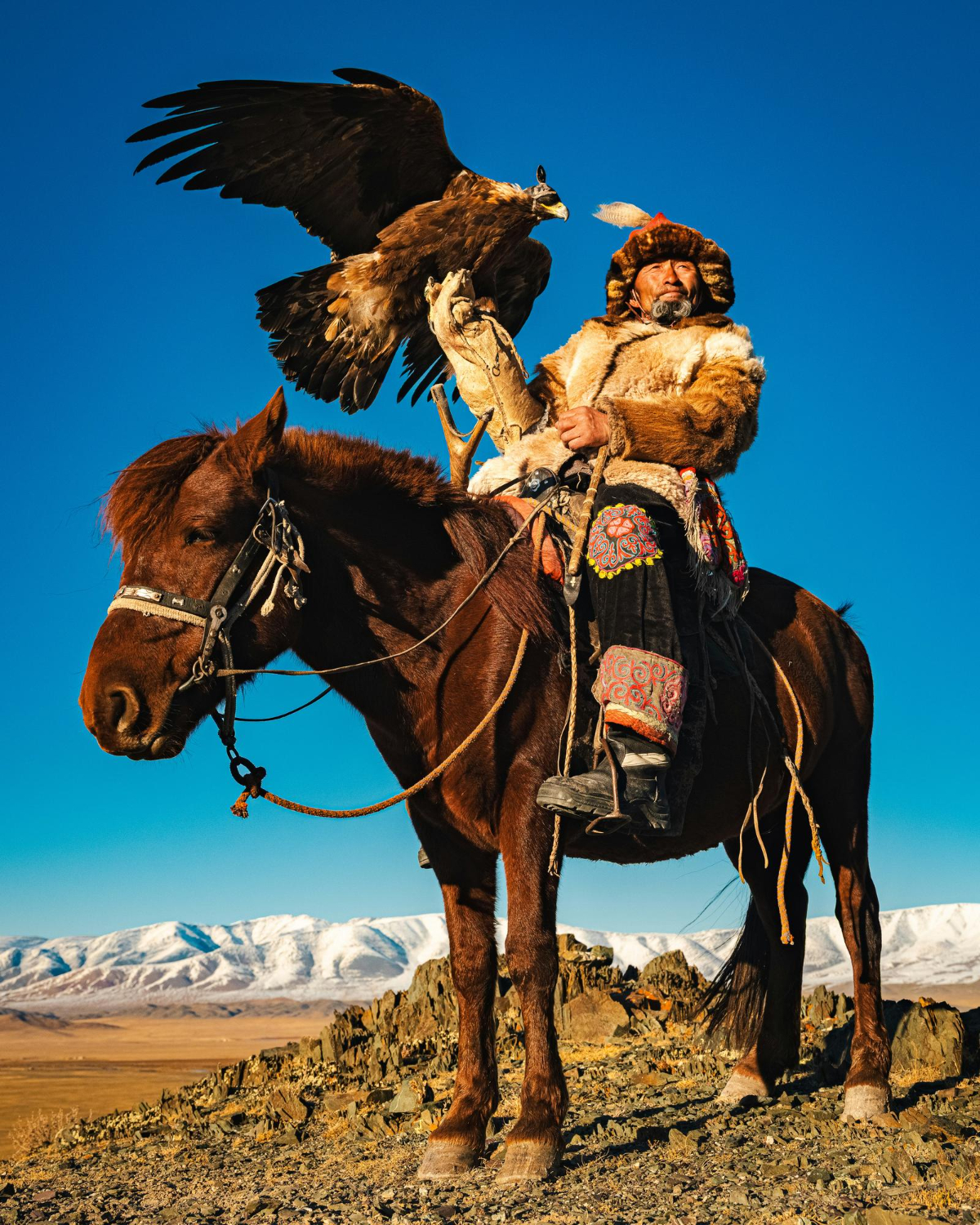
Eagle hunting tradition primarily persists in Bayan-Ölgii Province — substantial western Mongolian region bordering Russia, Kazakhstan, and China. The cumulative province features substantial Altai Mountains terrain with substantial elevation (typical 1,500-4,000+ meters), substantial cold winters (reaching -40°C or lower), and substantial nomadic Kazakh population. Approximately 90,000 ethnic Kazakhs live in cumulative Bayan-Ölgii (~80% of provincial population), maintaining substantial language and cultural distinctiveness from majority Mongolian population.
The cumulative Kazakh community substantially preserved traditional culture despite various Soviet-era cultural suppression. The cumulative remote location substantially protected traditional practices from cumulative cultural homogenization pressures. Various Kazakh language, music, food, religion (Sunni Islam), and various other elements substantially differ from majority Mongolian Buddhist culture. The cumulative cultural distinctiveness creates substantial tourism interest for visitors seeking authentic ethnic cultural experiences.
The 6,000+ Year Tradition
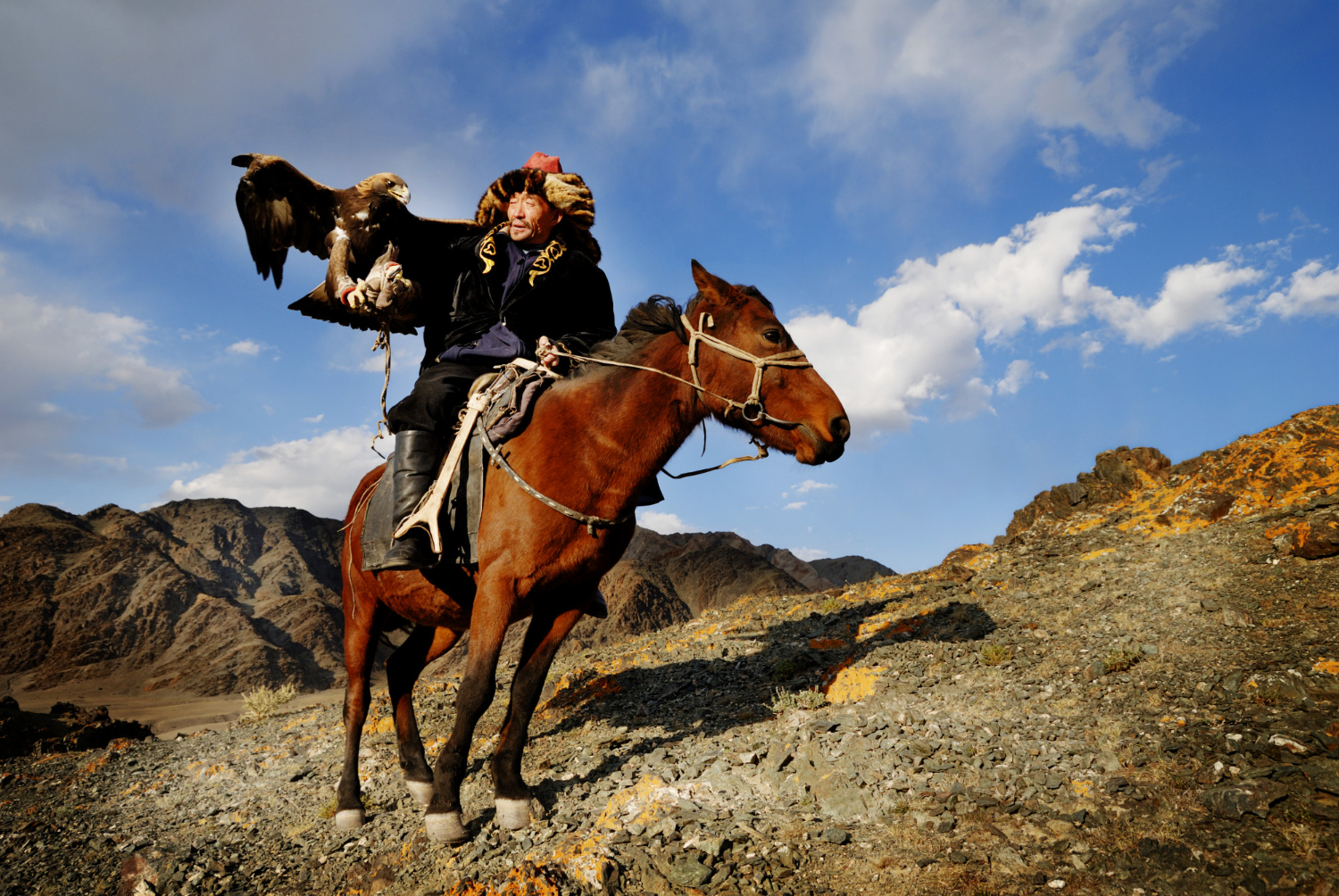
Eagle hunting tradition traces back approximately 6,000+ years across substantial Central Asian region. Various archaeological evidence indicates substantial early eagle hunting practices in cumulative regions including modern Kazakhstan, Mongolia, and various other Central Asian areas. The cumulative practice substantially preceded various other hunting techniques and represents some of humanity’s oldest documented hunting collaboration with animals.
The cumulative tradition substantially survived various political transitions. The cumulative Soviet era (1924-1991) substantially affected various traditional Kazakh practices including eagle hunting but didn’t eliminate the cumulative tradition entirely. Post-Soviet revival has substantially restored cumulative eagle hunting prominence. Various younger Kazakh men have substantially adopted traditional practice across recent decades, ensuring cumulative tradition continuation across generations despite various modernization pressures.
The Specific Eagle Training Reality
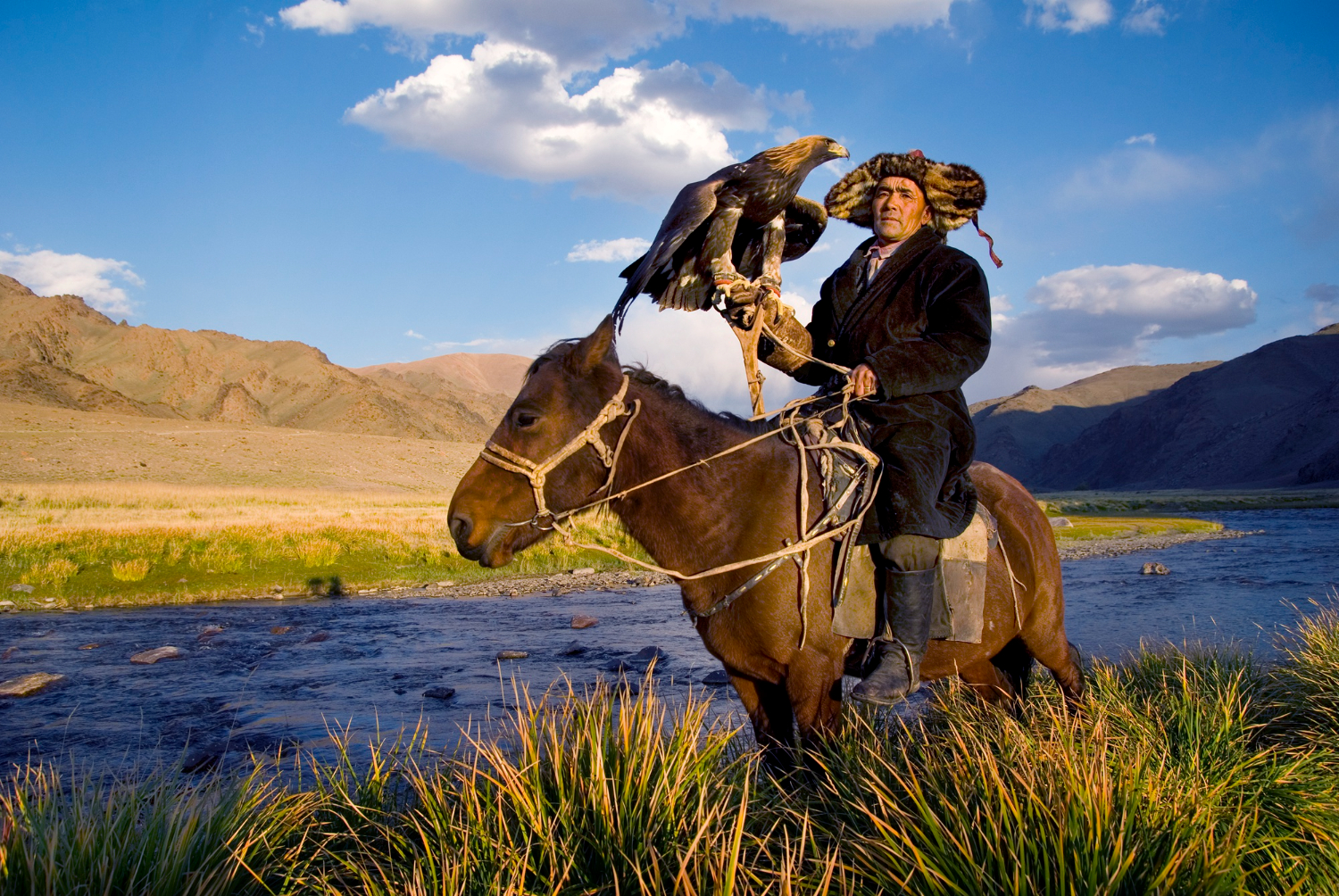
Eagle hunters traditionally use female golden eagles specifically — substantially larger than male eagles and substantially better hunters. The cumulative females weigh 6-7 kg (13-15 lbs) with substantial 2+ meter wingspans. Eagles are typically captured as young birds (eaglets) from nests in substantial mountain cliffs. The cumulative capture and training process substantially exceeds modern animal management standards but represents traditional practice with cumulative substantial historical precedent.
Training periods typically extend 1-2 years before eagles become hunting-effective. The cumulative training involves substantial daily interaction, specific feeding patterns, hunting practice, and various other elements. Each eagle typically hunts with cumulative same hunter for 5-7 years before being substantially released back to wild. The cumulative release represents substantial Kazakh cultural tradition — eagles substantially aren’t kept until natural death but returned to cumulative wild to reproduce. The cumulative release tradition substantially preserves wild eagle populations.
The Hunting Reality
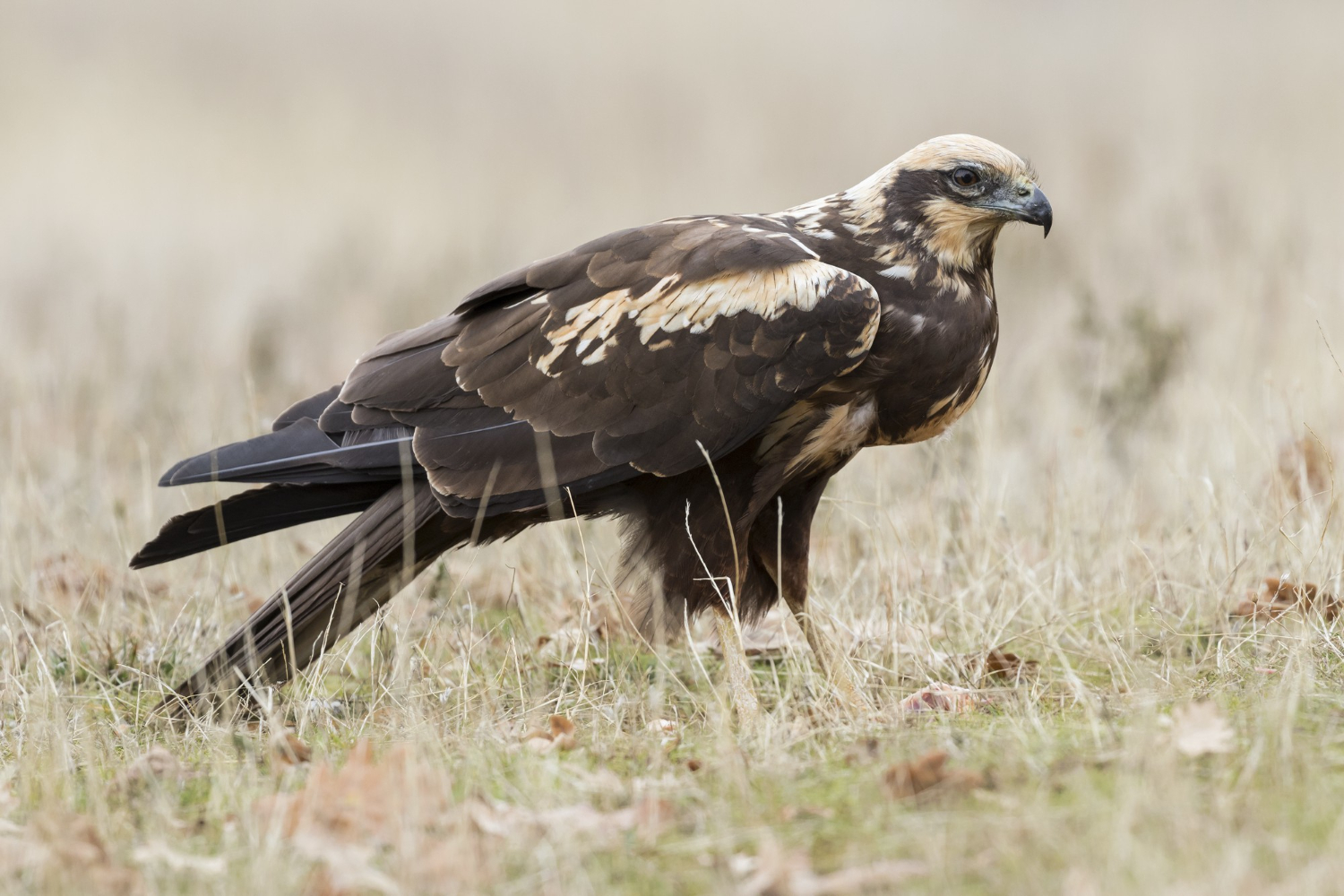
Traditional eagle hunting occurs during winter months (typically November-March) when foxes and various other prey have valuable thick fur and snow makes tracking easier. The cumulative hunters travel through Altai Mountains on horseback with cumulative eagles on substantial leather gauntlets. Eagles are released when prey is sighted. The cumulative eagles can dive at speeds exceeding 300 km/h (185 mph) to capture prey through substantial talons.
The cumulative hunting reality involves substantial physical demands. Hunters spend substantial daily hours outdoors in cumulative extreme cold. The cumulative horses must be substantially trained to accept eagles. The cumulative coordination between hunter, eagle, and horse represents substantial accumulated skill that requires substantial years to develop. Various traditional hunters substantially provide for families through cumulative fur sales, meat consumption, and various other hunting outputs alongside ceremonial cultural significance.
The Golden Eagle Festival
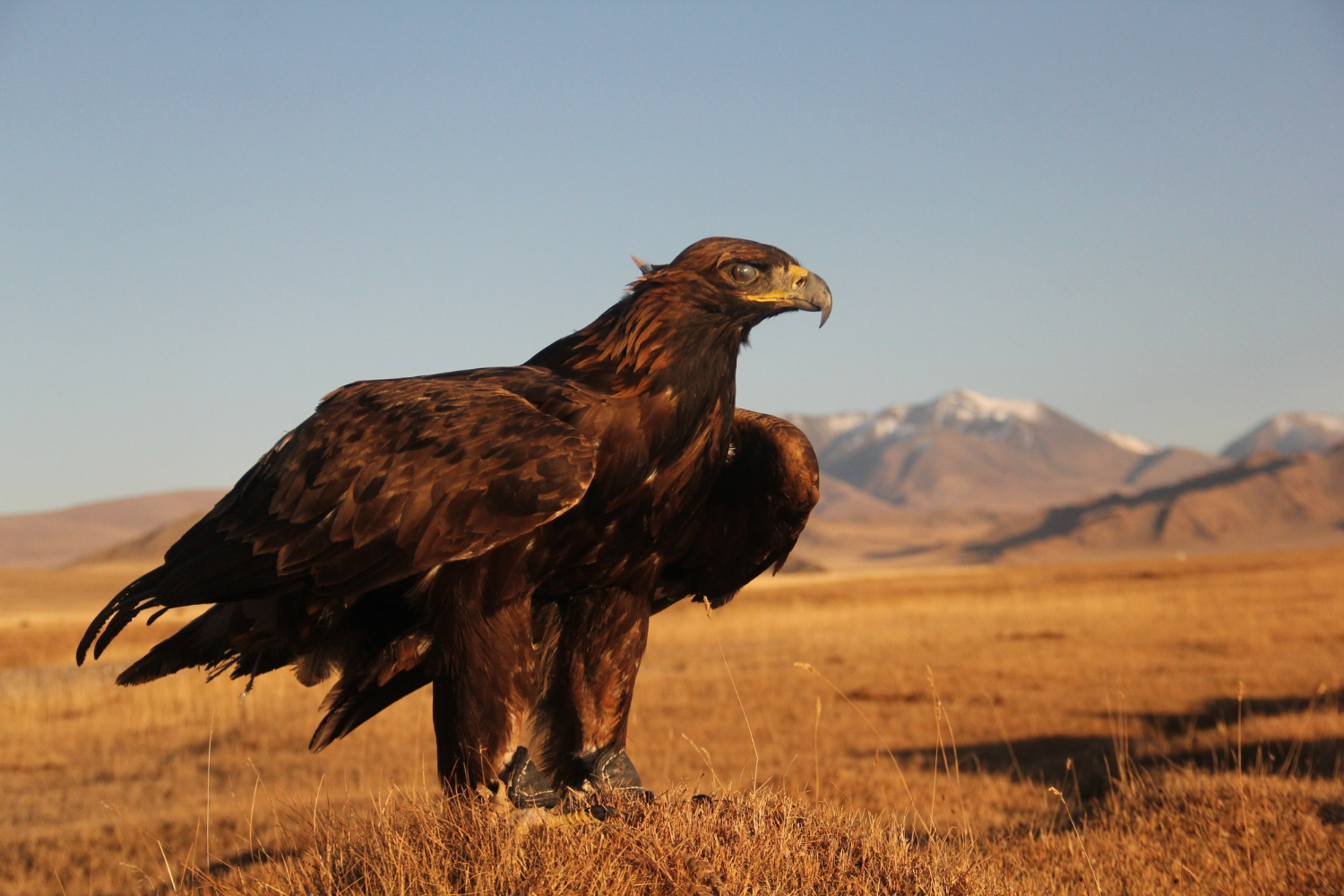
The annual Golden Eagle Festival occurs in October in cumulative Bayan-Ölgii Province — substantial cultural celebration that has become major tourism event. The cumulative festival features various competitive events including: eagle skill demonstrations, hunting accuracy contests, traditional sports (substantial Kazakh horseback games), traditional music and dance performances, traditional food consumption, and various other elements.
The cumulative festival attracts substantial international visitors. Various photographers, anthropologists, journalists, and tourists substantially travel to cumulative Bayan-Ölgii specifically for cumulative festival experience. The cumulative event substantially supports cumulative tradition continuation through tourism revenue and substantial international attention. Various organizers have substantially expanded festival programs across recent decades to accommodate cumulative substantial international interest while maintaining cumulative authentic cultural character.
The Tourist Hunting Experience
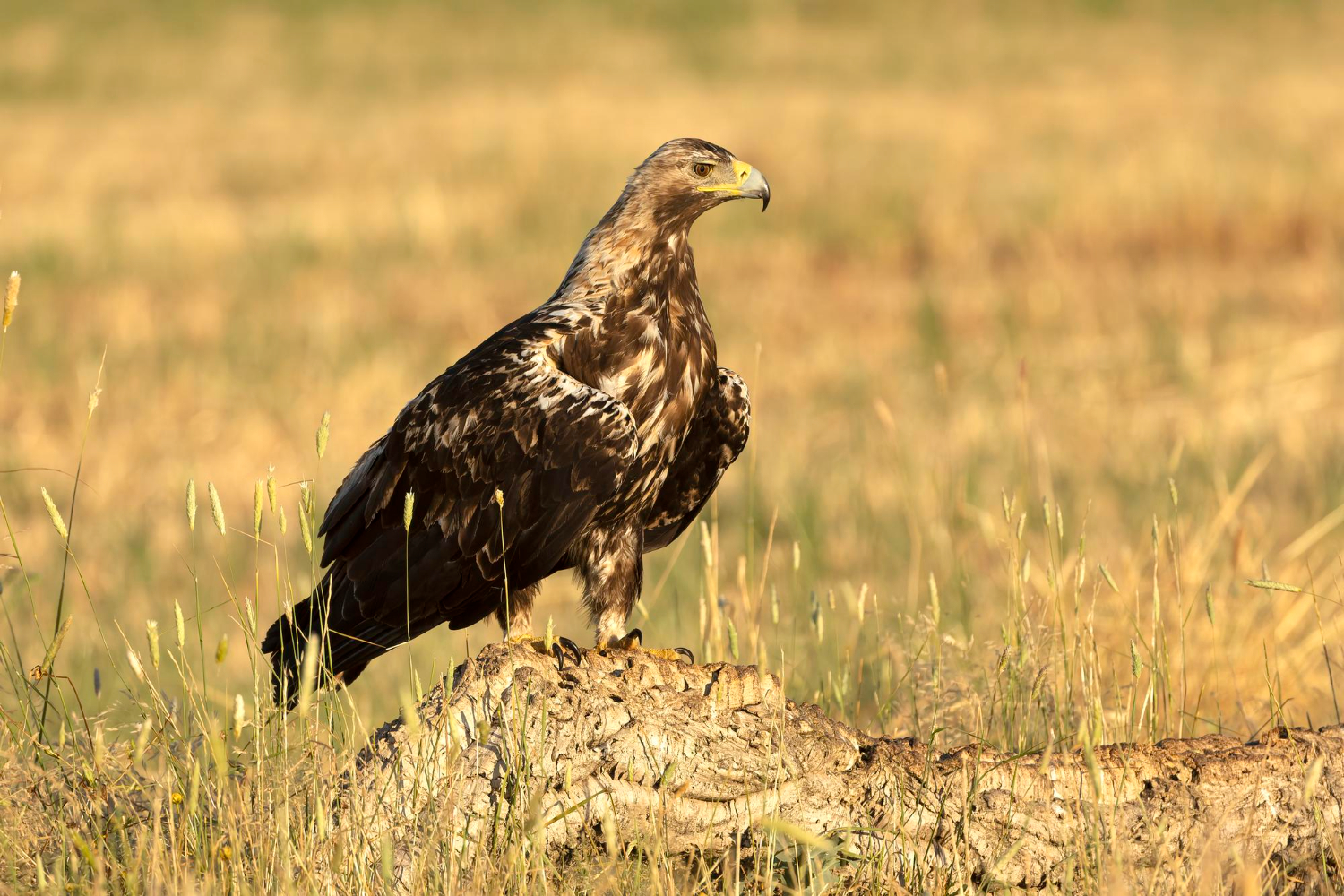
Various Kazakh eagle hunting families offer substantial multi-day hunting experiences for international visitors. The cumulative experiences typically include: substantial home stays with traditional ger (yurt) accommodation, traditional Kazakh meals (substantial mutton and dairy-based cuisine), horseback riding through cumulative Altai Mountains, cumulative actual eagle hunting demonstrations, traditional cultural exchange, and various other elements.
The cumulative experiences typically cost $100-300+ per person per day depending on cumulative arrangements. Various tour operators substantially organize cumulative experiences for visitors who don’t directly contact cumulative individual hunter families. The cumulative trips typically last 4-10 days depending on cumulative arrangements. Best timing: winter (December-February) provides cumulative actual hunting conditions. October provides cumulative festival timing with various demonstrations.
The Aisholpan Story
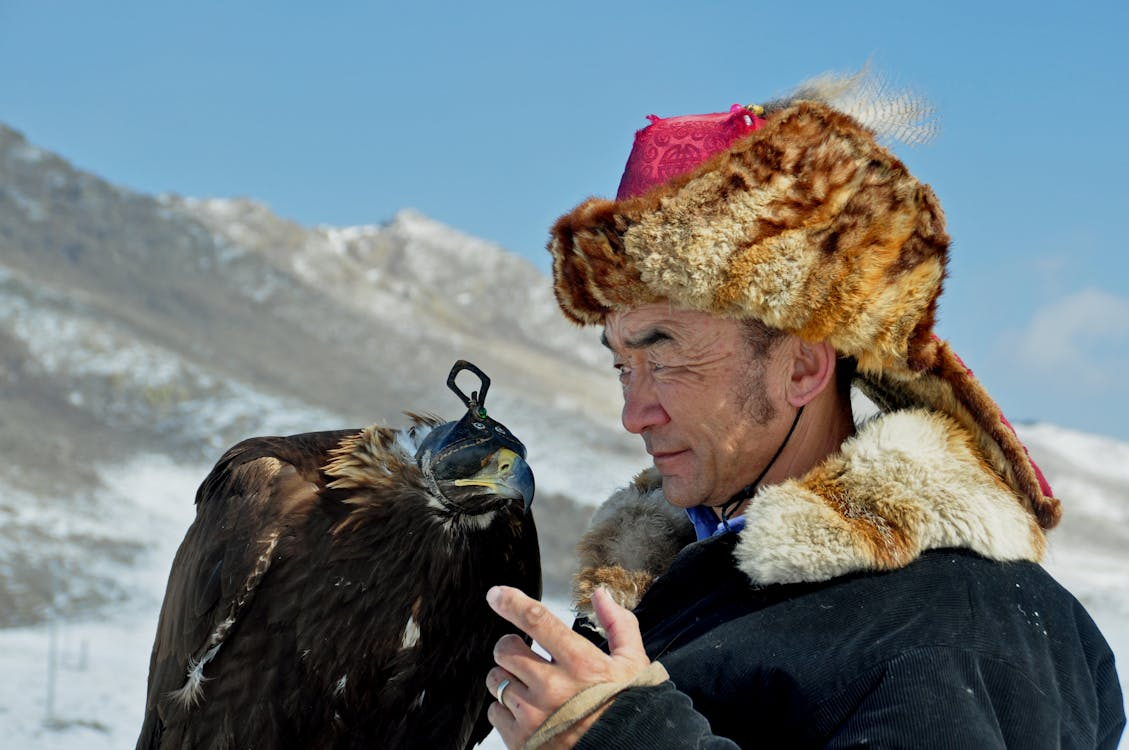
The 2016 documentary “The Eagle Huntress” substantially brought international attention to cumulative tradition through cumulative story of Aisholpan Nurgaiv — young Kazakh girl who became cumulative first female recognized eagle hunter in Bayan-Ölgii cumulative region. The cumulative film documented Aisholpan’s substantial training and her victory at cumulative 2014 Golden Eagle Festival as cumulative first female competitor.
The cumulative film substantially affected international perception of cumulative tradition. Various subsequent female eagle hunters have substantially gained recognition since cumulative film release. The cumulative tradition has substantially evolved beyond cumulative purely male-dominated historical pattern. Various Kazakh families now substantially train daughters alongside sons. The cumulative gender expansion represents specific aspect of cumulative tradition modernization while maintaining substantial cultural authenticity. The cumulative international attention has substantially supported cumulative tradition continuation through increased tourism interest.
How to Actually Visit
Practical guidance for visiting cumulative Bayan-Ölgii eagle hunting region. Access typically through flights from Ulaanbaatar (Mongolia’s capital) to Ölgii — substantial provincial capital. Flight time: approximately 2.5 hours. Various flight schedules substantially vary by season — winter flights are substantially less frequent than summer alternatives. From Ölgii: substantial vehicle transportation to cumulative individual hunter families across Bayan-Ölgii countryside.
Best timing varies by interest. October Golden Eagle Festival attracts substantial international visitors. December-February provides cumulative actual hunting conditions despite cumulative extreme cold (regularly -30°C to -40°C). Summer (June-August) provides easier travel conditions but limited cumulative hunting activities. Most international visitors plan 5-10 day Bayan-Ölgii trips combining cumulative eagle hunting experiences with various other regional attractions. Specific tour operators substantially handle cumulative logistics for visitors unfamiliar with cumulative Mongolian travel.
What This All Represents
The Mongolian Kazakh eagle hunting tradition represents specific example of substantial ancient cultural practice that has persisted across thousands of years through specific cumulative cultural commitment and substantial geographic isolation from cumulative homogenization pressures. The cumulative tradition will likely continue persisting as long as cumulative Kazakh families maintain substantial cultural commitments and cumulative tourism economics support cumulative tradition continuation. For travelers seeking substantial authentic cultural experience beyond typical international tourism, cumulative eagle hunting provides specific cumulative opportunity that exists nowhere else in quite the same way. The cumulative combination of substantial physical activity, substantial cultural depth, dramatic landscape, traditional craftsmanship, and substantial historical heritage produces cumulative experience that mainstream Mongolian tourism (focused on Ulaanbaatar and Gobi Desert) rarely emphasizes. Various international visitors who specifically experience cumulative authentic eagle hunting describe cumulative trips as substantially transformative beyond typical international tourism experiences.
