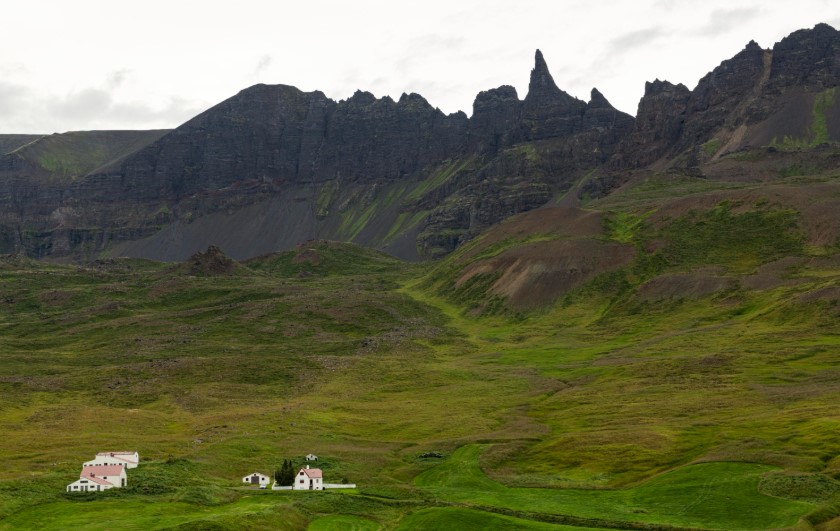
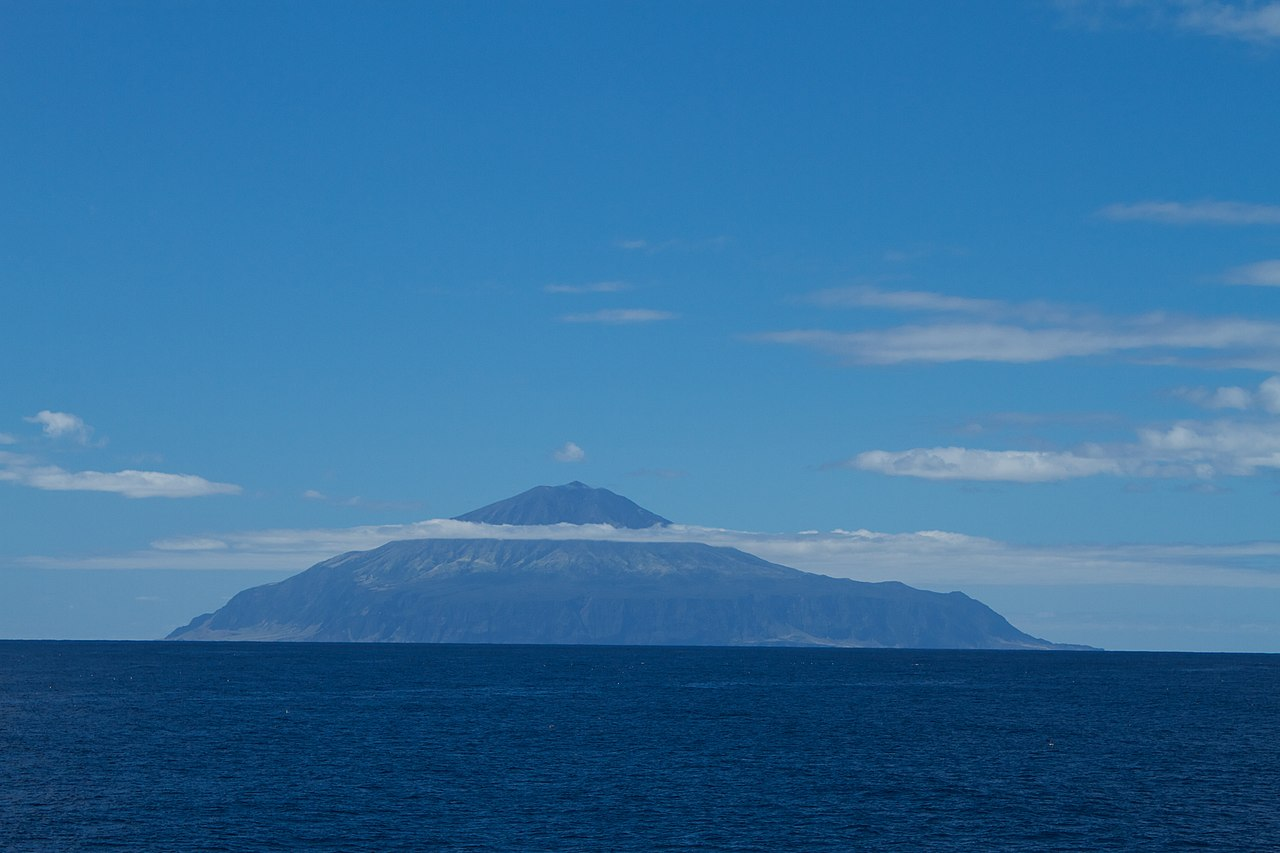
Tristan da Cunha is the most isolated inhabited archipelago on Earth. The nearest land is Saint Helena, 1,287 miles away. The nearest continent is South Africa, 1,743 miles away. Approximately 250 people live on the main island (not 40 as some posts claim, but the specific number fluctuates). There are no flights to the island. The only access is by ship from South Africa, a voyage that takes 5-6 days and only happens roughly every 3-4 weeks depending on weather and cargo schedules.
1: Why Anyone Lives There at All
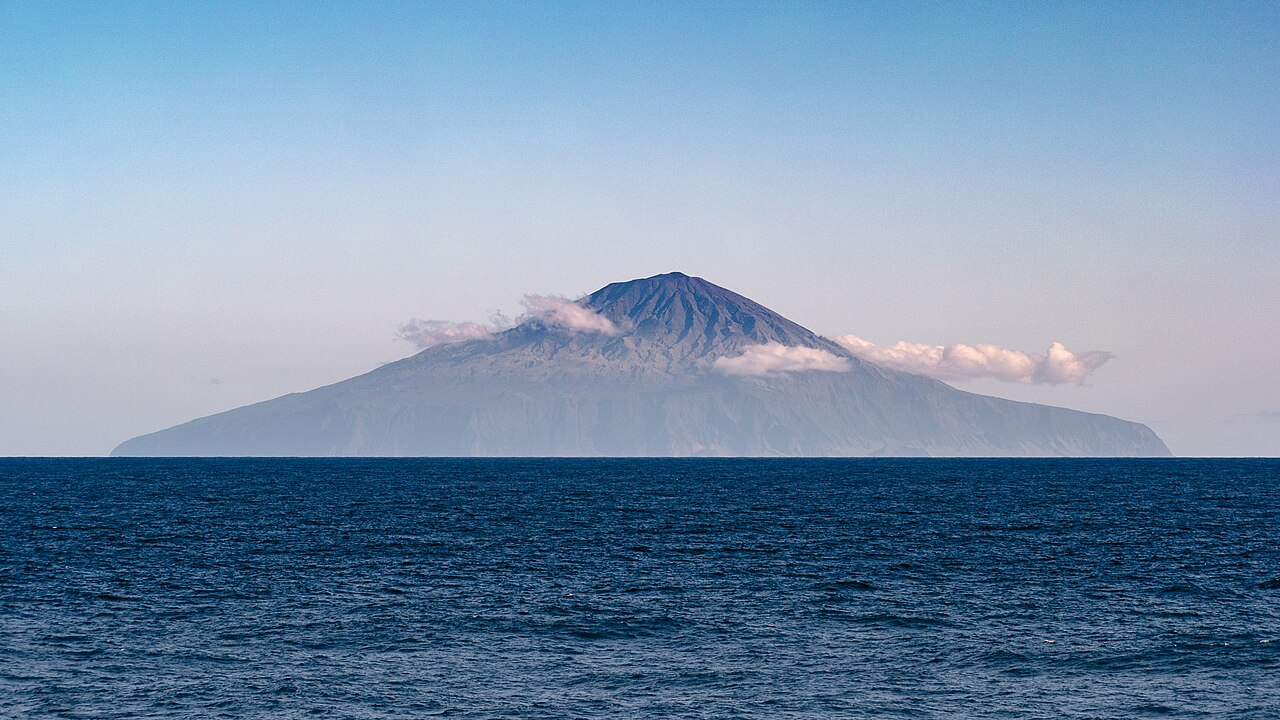
Tristan da Cunha was settled in 1810 by a small group that included British sailors, American sailors, and at least one Italian immigrant. The settlement succeeded partly because of geographic accident (shipwrecks provided rare resupply), partly because of intentional choice (people seeking isolation, escaping authorities, looking for new starts), and partly because the island actually provides basic subsistence. The volcanic soil grows potatoes and other crops. The ocean provides fish. The remoteness itself became a feature — a place where you could genuinely start over, where authorities couldn’t easily reach you.
2: The Gene Pool Problem
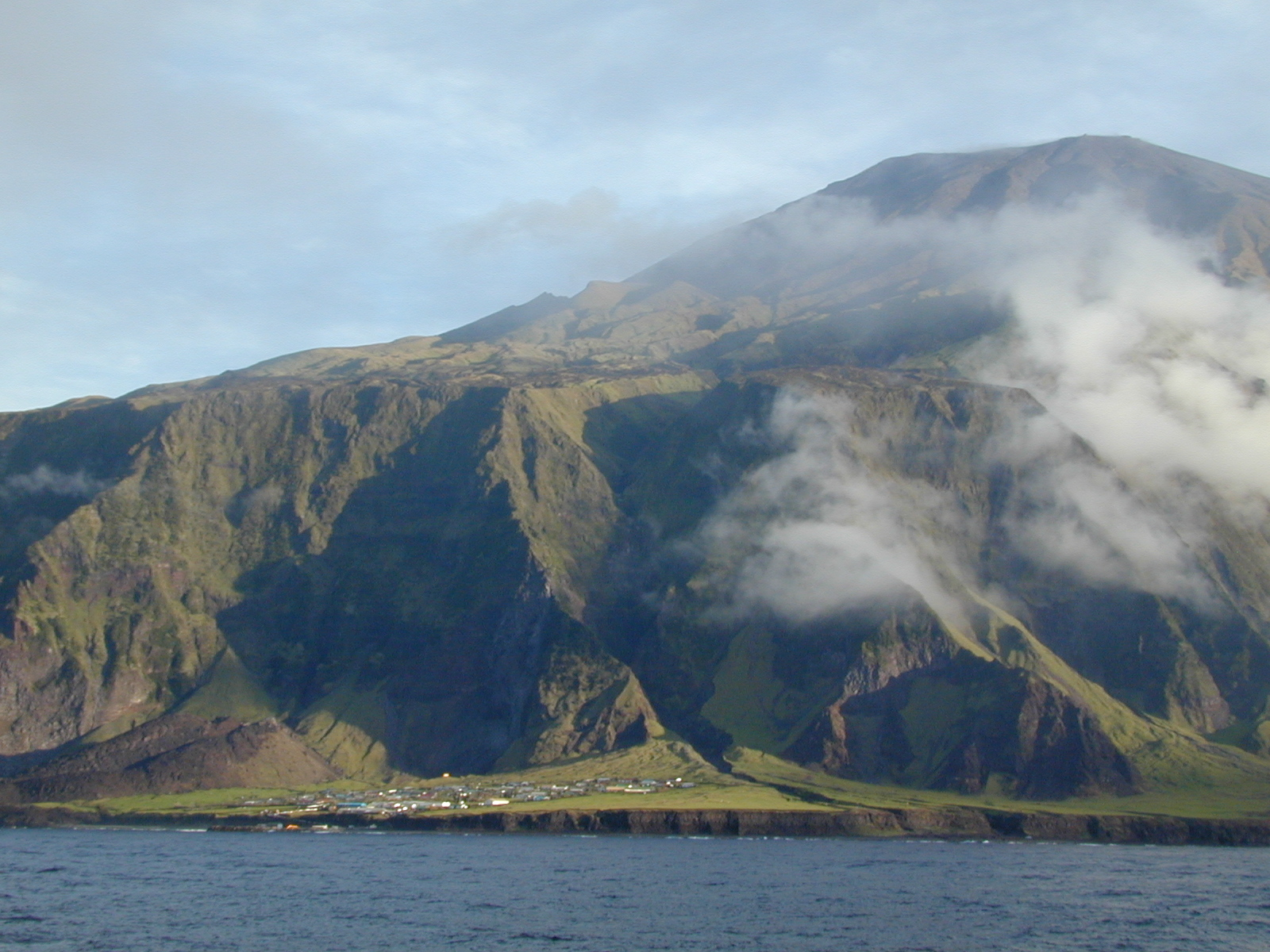
The original settlement was small — roughly 50 people. The population has never grown substantially larger. This created a genetic bottleneck: modern residents of Tristan da Cunha are essentially all descended from that original 50. This produces measurable genetic consequences. Certain genetic disorders appear at higher rates than in the general population. Researchers have studied the island’s genetics extensively, treating it as a naturally-occurring research population. The island’s isolation is scientifically valuable for understanding genetic drift and adaptation.
3: The Boat Dependency
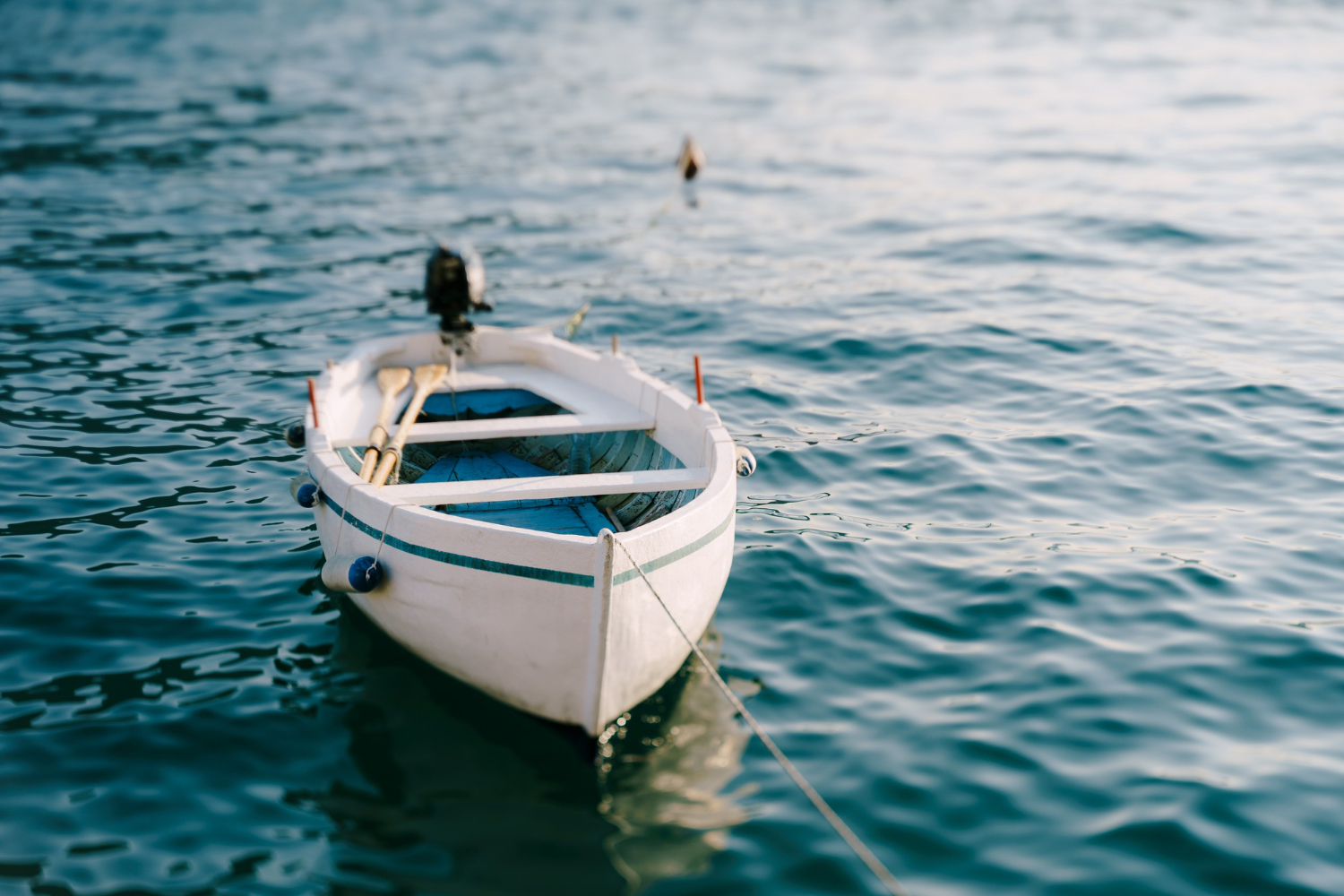
The supply ship is literally the only connection to the outside world. It arrives roughly every 3-4 weeks, though weather can cause delays of weeks or even months. Everything consumed on the island either grows there or comes on that boat. If the boat doesn’t arrive for months, people ration imported goods. This creates a cultural relationship to supply chains that is fundamentally different from mainland life. There is no option to “run out for groceries.” Resources must be planned months in advance.
4: The Potato Economy
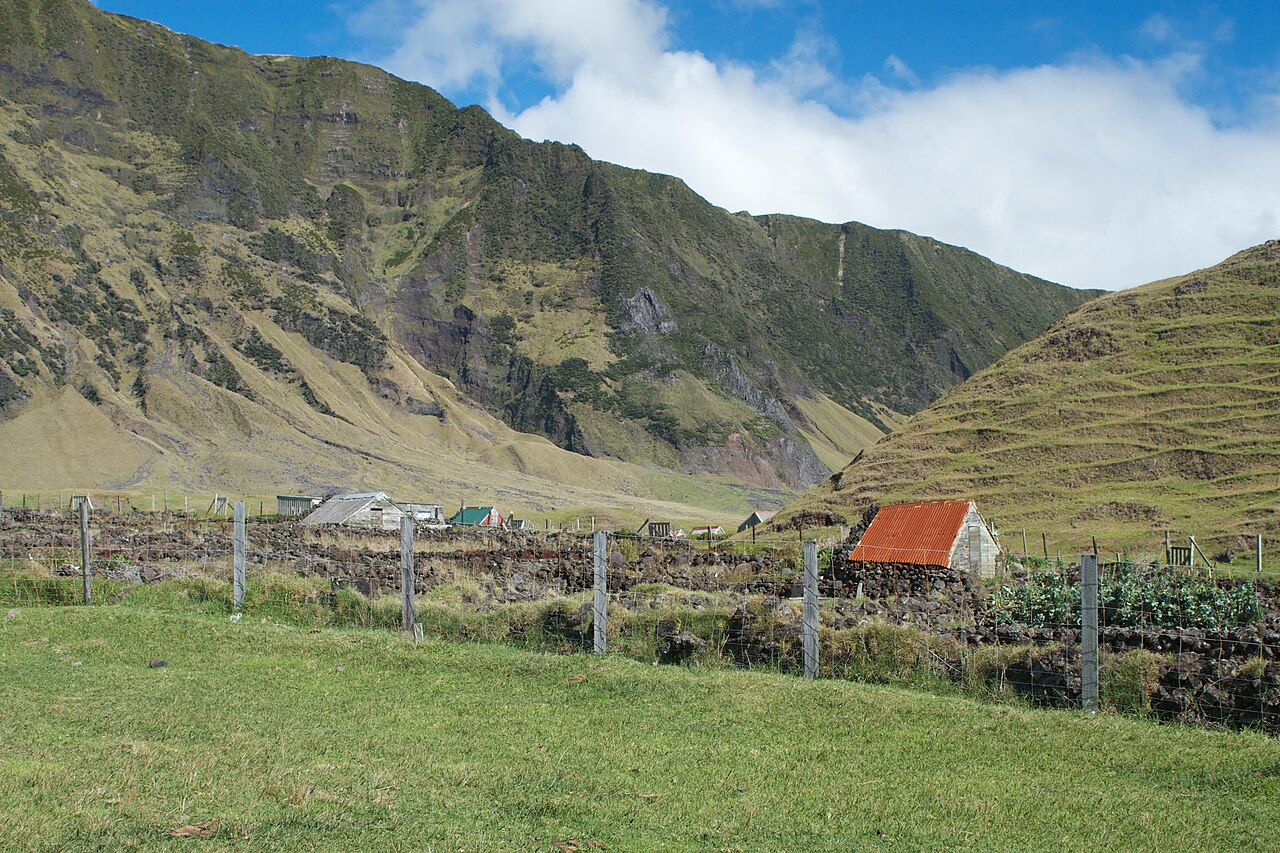
The island was historically called the “Potato Island” because potatoes were the primary crop and export. Islanders still grow potatoes extensively, but they now also fish commercially (crawfish/lobster are exported to South Africa and the UK). The economy is genuinely subsistence-based plus small cash crops. Unemployment doesn’t really exist — people fish, grow food, or do government work (the island is a British Overseas Territory). The economy is small enough that there are no real economic disparities between residents.
5: The No-Exit Clause
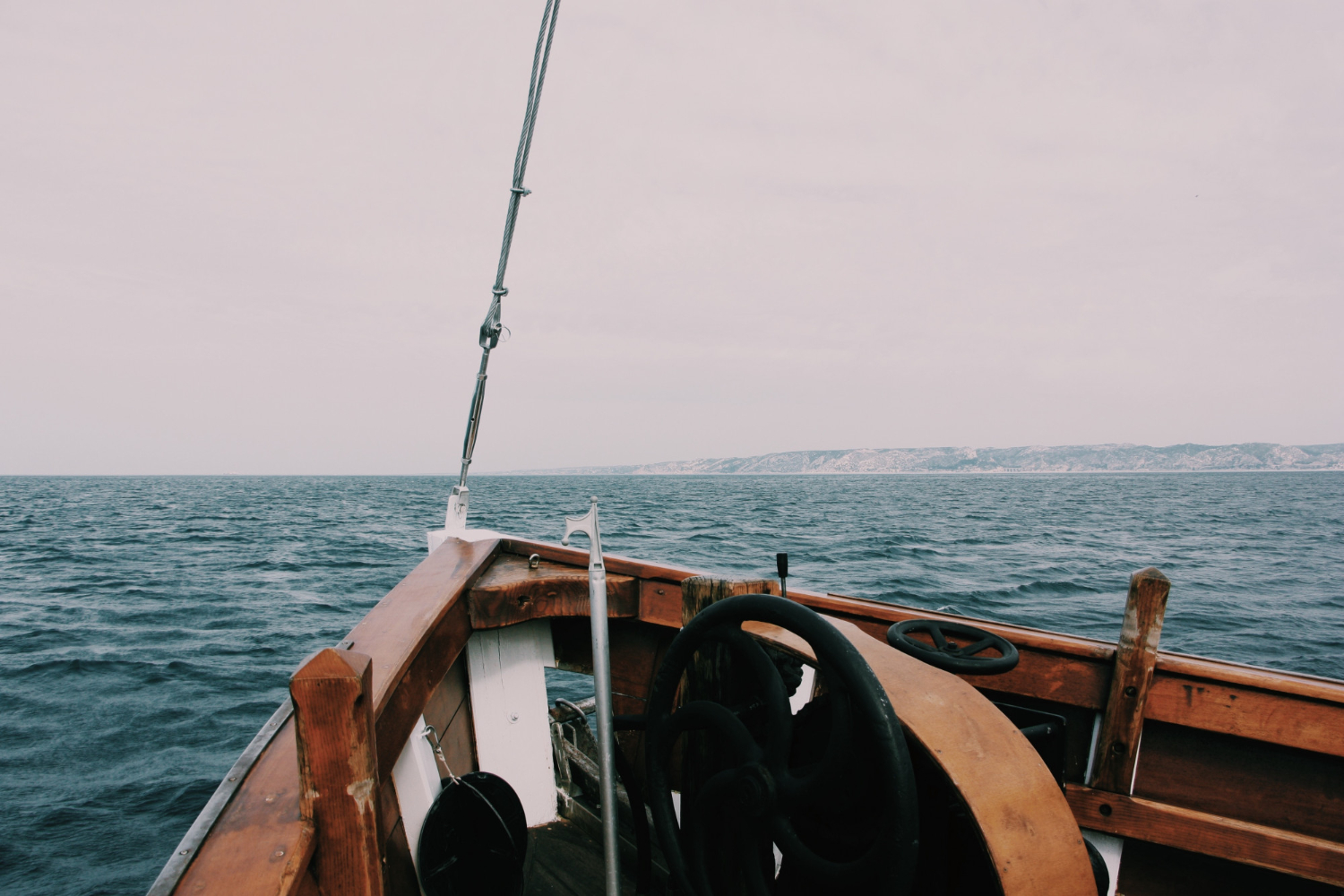
Once you move to Tristan da Cunha, you can’t just leave if you change your mind. You must wait for a boat, which comes every few weeks at best. There is no hospital — medical emergencies require evacuation by boat to South Africa, which takes 5-6 days. No one with serious pre-existing conditions moves there. The commitment is genuine. This creates a self-selection effect: people who move there have genuinely decided they want isolation. They’re not looking for a better job or cooler city — they’re looking for a fundamentally different way of life.
6: The Language Isolation
The islanders speak English, but their accent and dialect are distinctive — a preservation of 19th-century South African English mixed with influences from the original settlers. The vocabulary includes unique terms for local objects and practices. The relative isolation has meant linguistic evolution independent of mainland English. Researchers study the Tristan accent as a naturally-occurring example of linguistic drift. Children who leave the island for education often return with altered accents — reintegration into the speech community requires readjusting to local speech patterns.
7: The Volcanic Reality
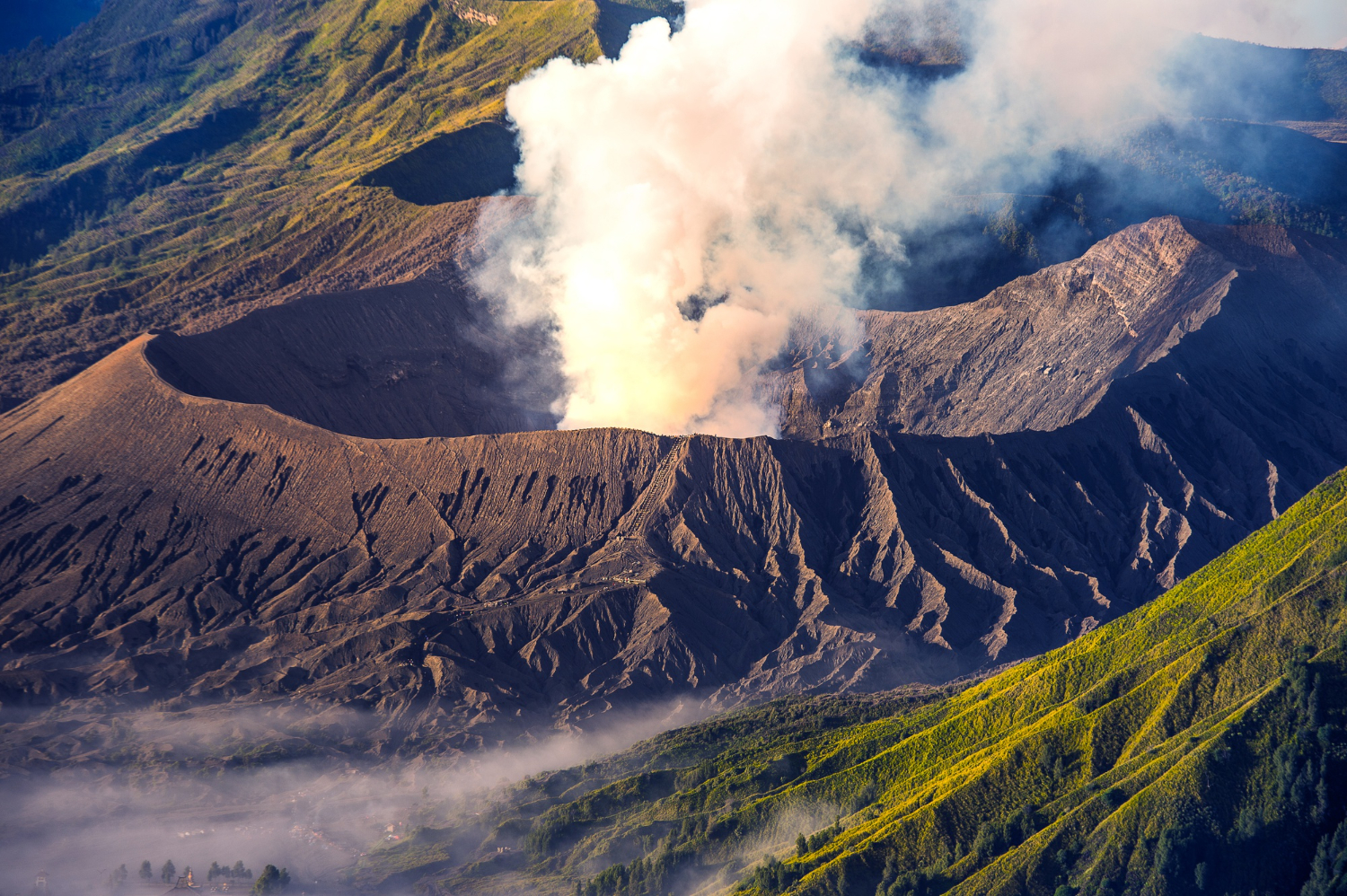
Tristan da Cunha is a volcanic island that experienced a significant eruption in 1961. The eruption forced temporary evacuation of the entire population — about 2,600 people at the time. The evacuation to South Africa and briefly to England was intended to be temporary but lasted 2 years. When the volcano quieted, the islanders were offered permanent resettlement in Britain. Instead, most chose to return to the volcano. The decision reveals the strength of attachment to the place — people preferred living next to an active volcano over comfortable resettlement in London.
8: The Tourism Constraint
Tourism to Tristan da Cunha exists but is extremely limited because there are no flights. Visitors must arrive by ship, which means they must time their visit around the supply ship schedule. There are no hotels — visitors stay in homestays with islanders. There are no restaurants — food is provided by homeowners. Tourism is kept intentionally small to preserve the island’s character. The number of visitors per year is roughly 100-500 (depending on the season and ship schedules). This is perhaps 1% of what a place like Saint Helena (the nearest inhabited island with an airport) receives.
9: The Submarine Cable Moment
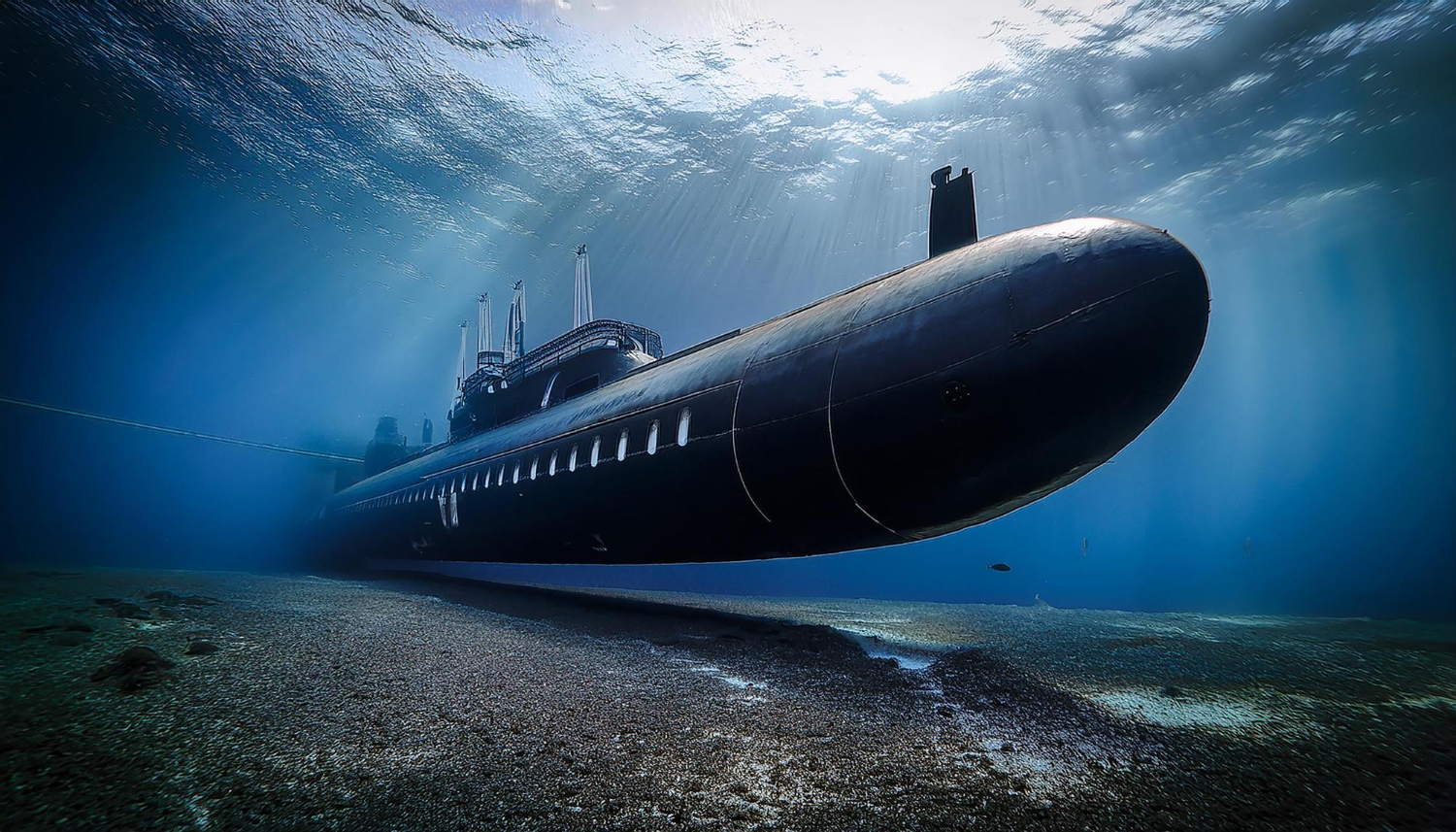
In 2002, a submarine fiber optic cable was laid connecting Tristan to the rest of the world. This was genuinely transformative. Before 2002, phone calls were rare, expensive, and had to be scheduled in advance. Mail took weeks. News was days old when it arrived. After 2002, internet access became available (though expensive and limited by bandwidth). This single technological change altered island life more significantly than any policy decision. Young people could now access information, education, and job opportunities remotely. Yet the island population remains stable — suggesting that despite modern communication, the place itself remains the primary draw.
10: The Democracy of Small Numbers
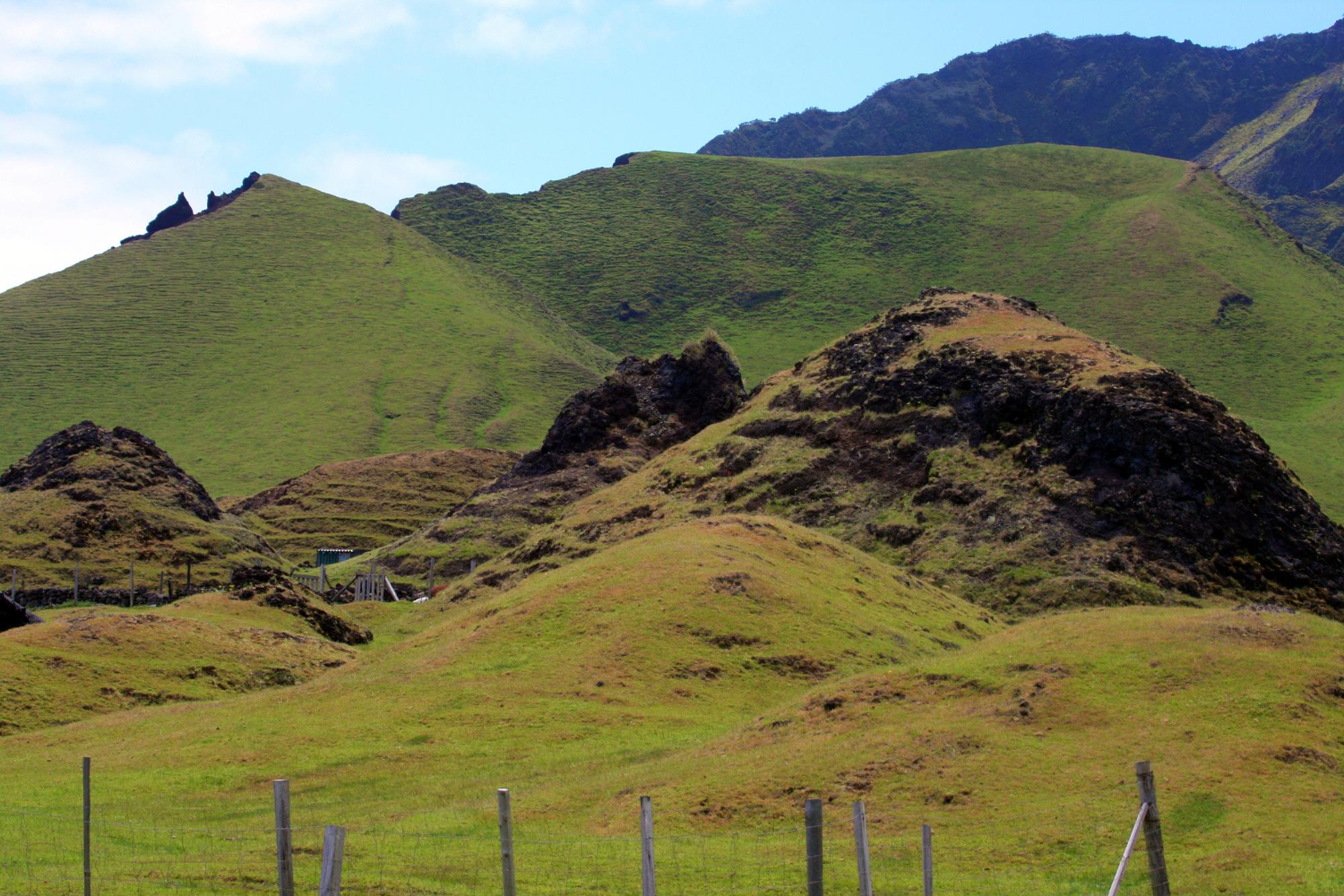
With 250 people, politics is genuinely personal. The island has a governor (appointed by Britain), a council (elected), and a working population small enough that everyone knows everyone else’s business. Conflicts can’t be avoided. Community decisions affect everyone visibly. This creates a unique political culture where consensus matters more than in larger societies. There is no anonymity on Tristan da Cunha — your actions have visible social consequences that are immediate and permanent.
11: The Education Evacuation Pattern

Teenagers on Tristan da Cunha typically leave for high school education. They attend school in South Africa or Britain, returning only for holidays initially, then permanently as adults if they choose. This creates a generational pattern: teens leave, some return as adults to work and raise families, others stay abroad. The decision to return or not is genuinely voluntary — there is no economic necessity to return (the island’s economy is stable without them). People who return do so because they value the life and place. People who stay abroad do so because they’ve developed different priorities.
12: The COVID Isolation Paradox

The COVID-19 pandemic created an unexpected situation for Tristan da Cunha. The island had never had COVID because supply boats stopped coming. The isolation that is usually constraining became protective. For the first time in modern memory, the island was safer than the outside world. This paradox revealed something about the place: isolation has real costs, but it also provides protection. The pandemic eventually reached the island (through occasional boat arrivals) but later than most places. The experience was surreal for a place that had historically seen isolation as a burden.
13: Why People Actually Choose This
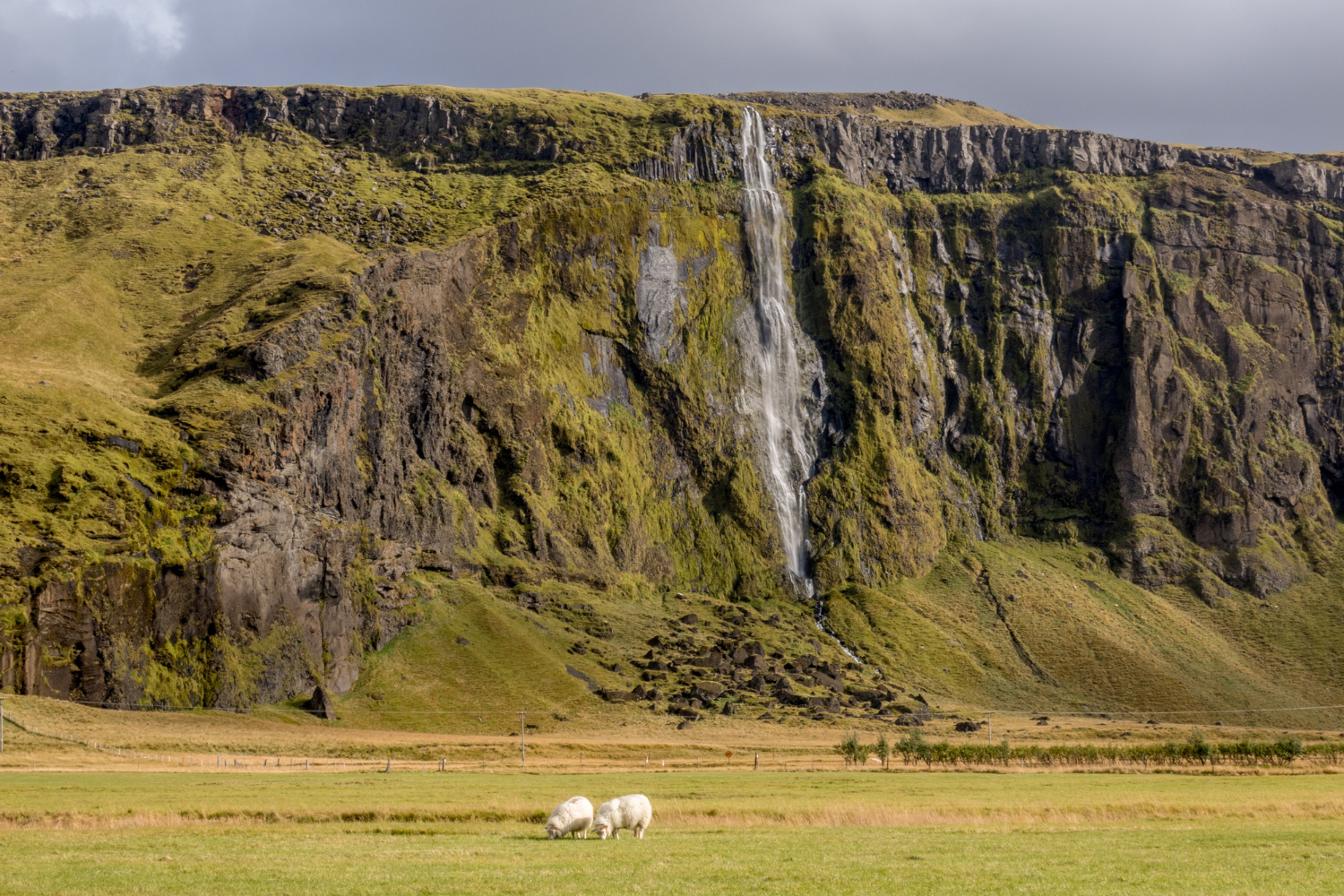
The real question about Tristan da Cunha is not “how can people live there” but “why would people choose to move there.” The answer reveals something about human motivation. Some people are seeking escape from modern society — from high-pressure careers, from urban anonymity, from complexity. Some are seeking community — genuine community where you know everyone and everyone depends on each other. Some are seeking adventure or uniqueness. Some have family connections to the island. The diversity of reasons shows that isolation isn’t universally experienced as deprivation — for some people, it’s genuinely desirable.