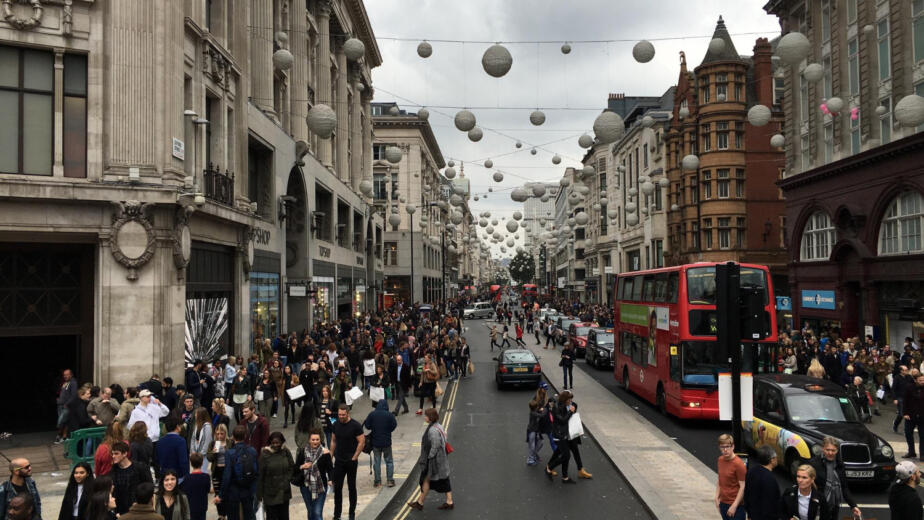
Several American cities have developed negative reputations that persist long after the conditions that created them have actually improved. These cities are frequently cited in “worst cities” lists based on data points (crime rates, poverty rates, unemployment rates) that are often outdated or misleading. Meanwhile, these same cities have often experienced significant revitalization that contradicts their popular reputation.
Why Reputations Stick
City reputations develop slowly and change even more slowly. A city can experience substantial improvement in living conditions, safety, and economic vitality, yet maintain a negative reputation among people who haven’t visited recently. The reputation persists because: (1) media narratives tend toward conflict and negativity, (2) people rely on word-of-mouth from others who haven’t visited recently, (3) major TV/film depictions set cultural impression, (4) negative news gets more attention than positive development.
A city that experienced genuine problems in the 1980s-1990s (crime, abandonment, economic decline) can improve substantially in the 2000s-2010s and still be perceived as unsafe and declined by people whose knowledge is based on outdated stereotypes.
Detroit: The Myth and the Reality
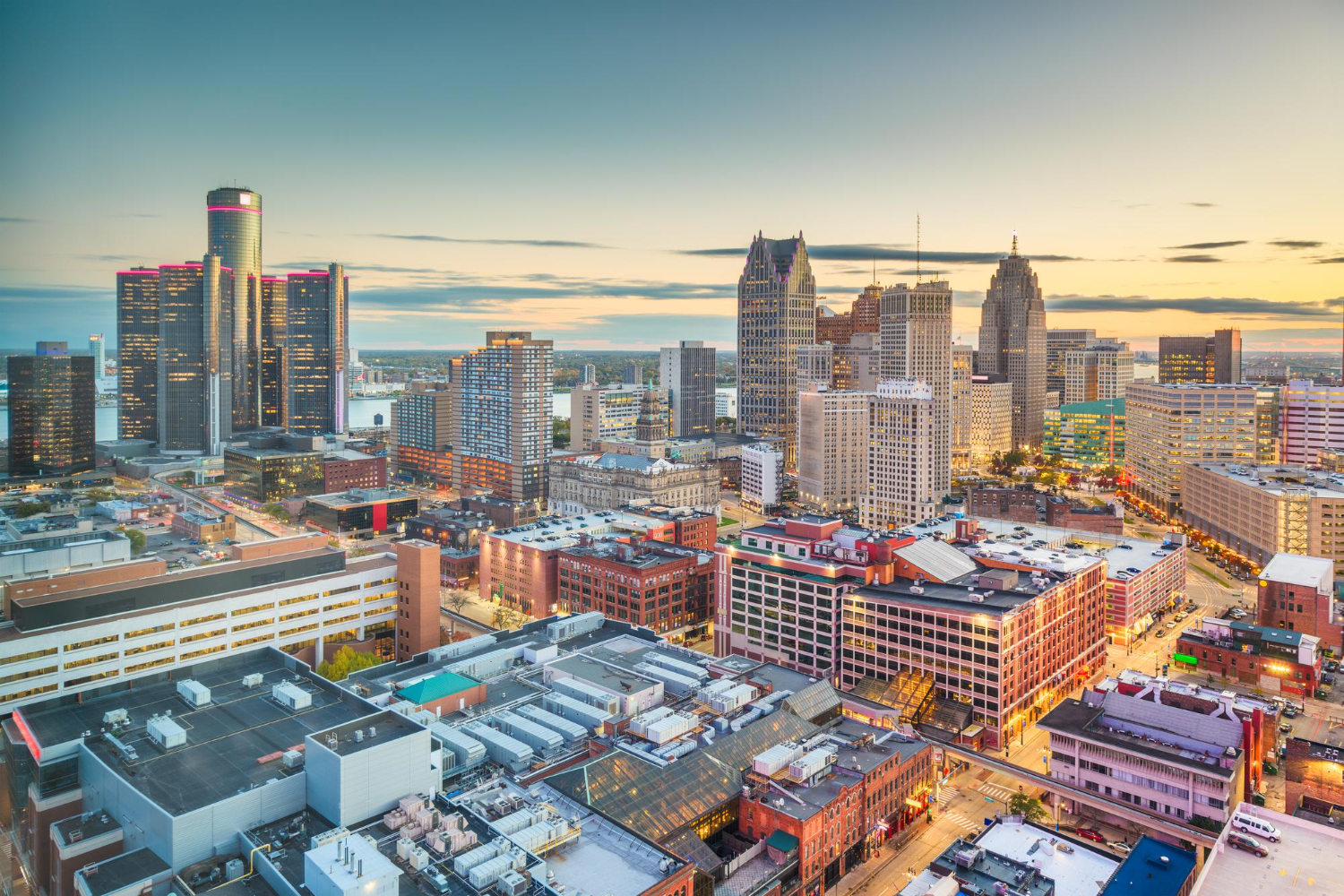
Detroit has become the poster child for American urban decline. The narrative is well-known: auto industry collapse, population flight, abandonment, corruption. The narrative is not entirely false — Detroit did experience genuine decline. However, the narrative is substantially outdated.
Detroit’s population stabilized around 2010-2015 (it had been declining for decades). Downtown and midtown have experienced genuine revitalization with investment in neighborhoods, restaurants, galleries, and entertainment venues. Major institutions (Detroit Institute of Arts, University of Michigan campus, cultural institutions) are thriving. Young people are moving into the city attracted by affordable housing and cultural opportunities. The Detroit of 2024 is not the Detroit of 2004.
Yet Detroit’s reputation remains that of a devastated, dangerous city. People who haven’t visited recently cite statistics and narratives from a decade past. The reputation persists despite actual improvement.
Baltimore: The Homicide Narrative
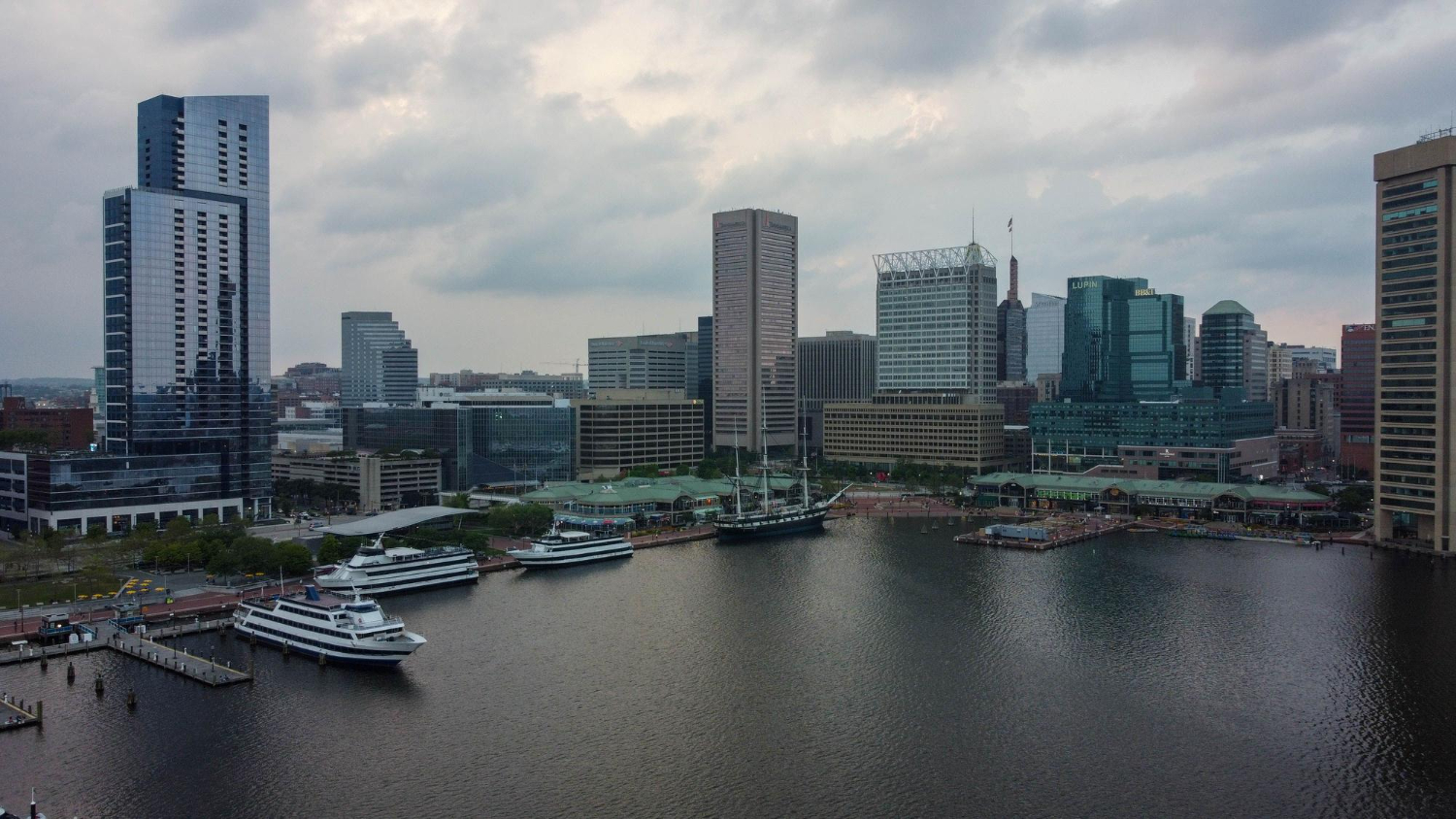
Baltimore’s reputation is defined by its homicide rate, which is genuinely high. However, homicides are concentrated in specific neighborhoods, not citywide. Neighborhoods like Federal Hill, Canton, and Fells Point have crime rates below the national average. Meanwhile, these same neighborhoods have vibrant restaurant scenes, galleries, bars, and communities that are actively being gentrified.
Baltimore’s reputation problem is structural inequality and neighborhood segregation creating a situation where violence is highly concentrated. But the generalized reputation of “Baltimore is dangerous” is misleading — it’s accurate for some neighborhoods and inaccurate for others. Many visitors never encounter the neighborhood violence because tourism and revitalization are concentrated in specific safe areas.
The reputation also persists because of media narratives — “The Wire” TV series (set in 2000s Baltimore) and news coverage of homicides create permanent negative association even as conditions in tourism and downtown areas have improved.
Newark: The Stereotyping Problem
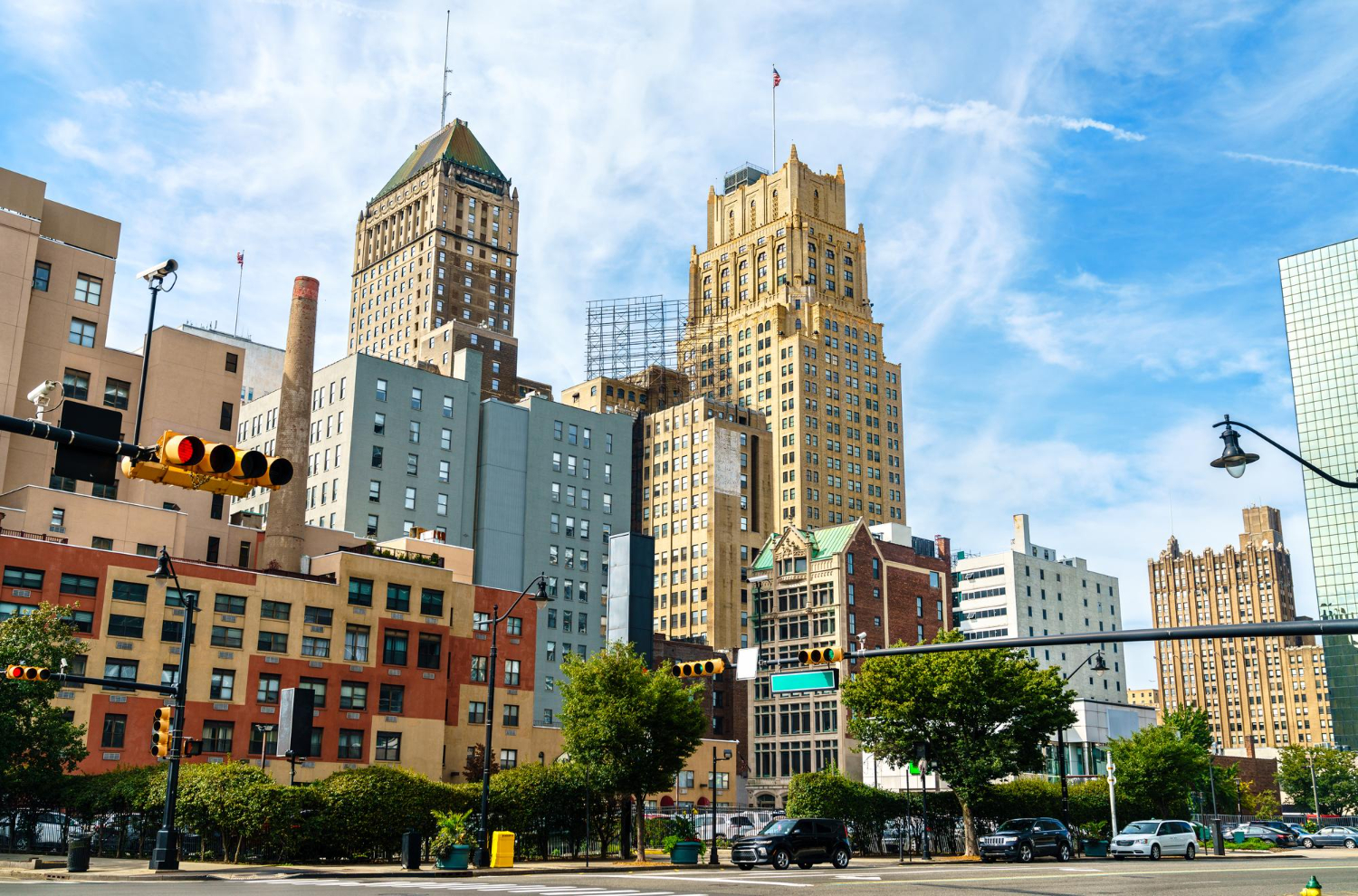
Newark has historically been stereotyped as a dangerous urban wasteland. The stereotype persists despite measurable improvement. Downtown Newark has experienced genuine revitalization with new restaurants, arts spaces, and cultural institutions. The city is becoming increasingly attractive to young professionals. Crime rates have declined from 1990s peaks.
However, Newark remains associated with negative stereotypes (partly geographic — it’s next to New York City, which makes proximity comparisons), partly racial (Newark has a predominantly Black population and was site of 1967 riots that define its cultural memory), and partly outdated information.
Visitors who go to Newark (for museums, restaurants, cultural events) often report surprise at how different it is from its reputation. The reputation problem is real but the reputation is outdated.
Flint, Michigan: The Water Crisis Narrative
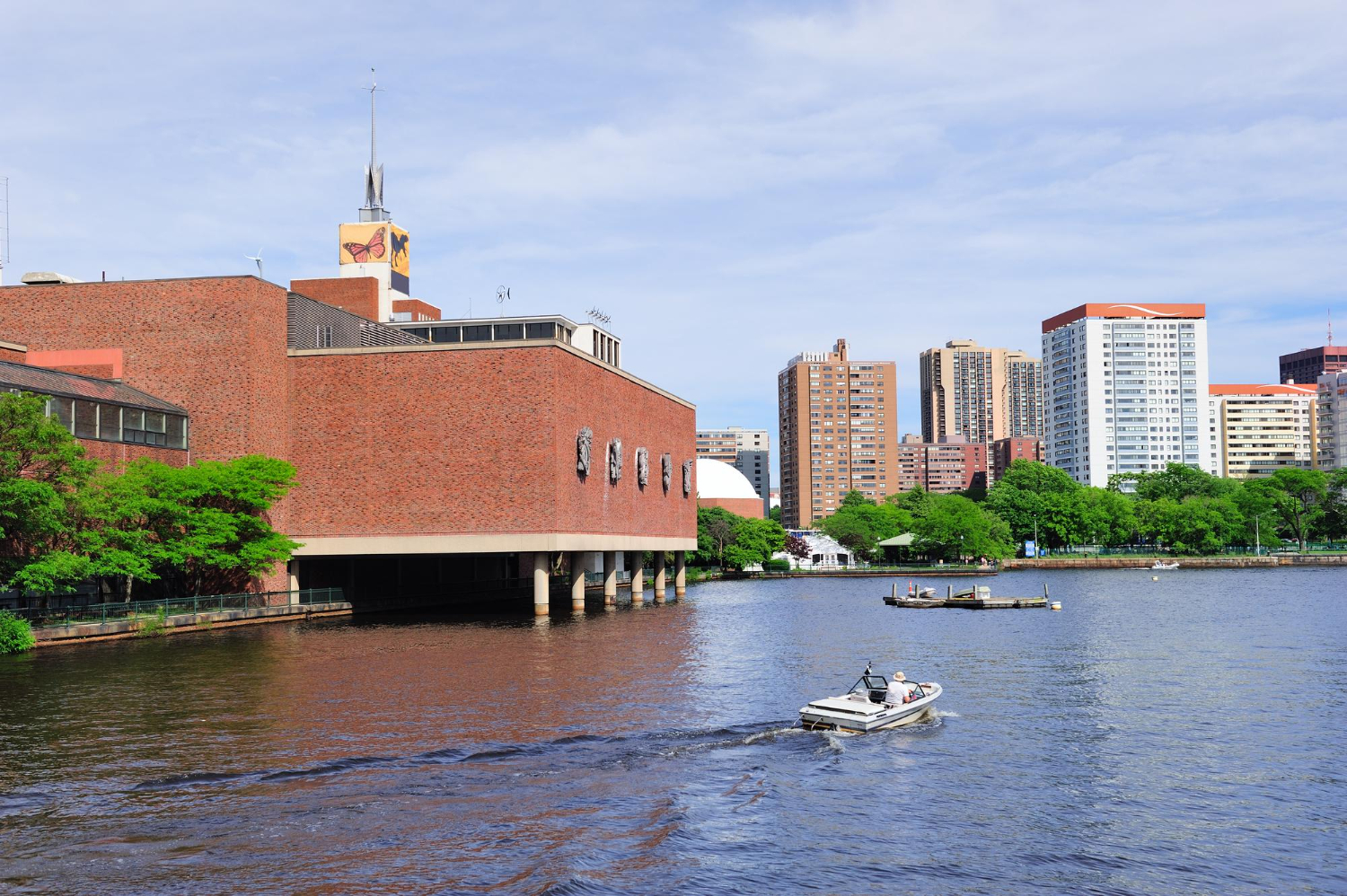
Flint’s reputation was devastated by the 2014 water contamination crisis. The narrative — “the city’s water is poisoned and the government is negligent” — was based on factual conditions. The water crisis was real and caused genuine health and community damage. However, the crisis has been substantially addressed (though not entirely resolved).
Water quality has improved. Testing shows lead levels have declined significantly. Infrastructure improvements have been substantial. Yet Flint’s reputation remains “city with poisoned water.” The narrative persists because: (1) it’s memorable and dramatic, (2) full resolution is incomplete (some contamination remains), (3) media coverage happened years ago so reputation is based on past coverage, (4) the crisis is used as symbol of government failure more broadly.
Flint’s challenge is not current conditions but the persistent reputation based on past crisis.
Providence: The Hidden Gem
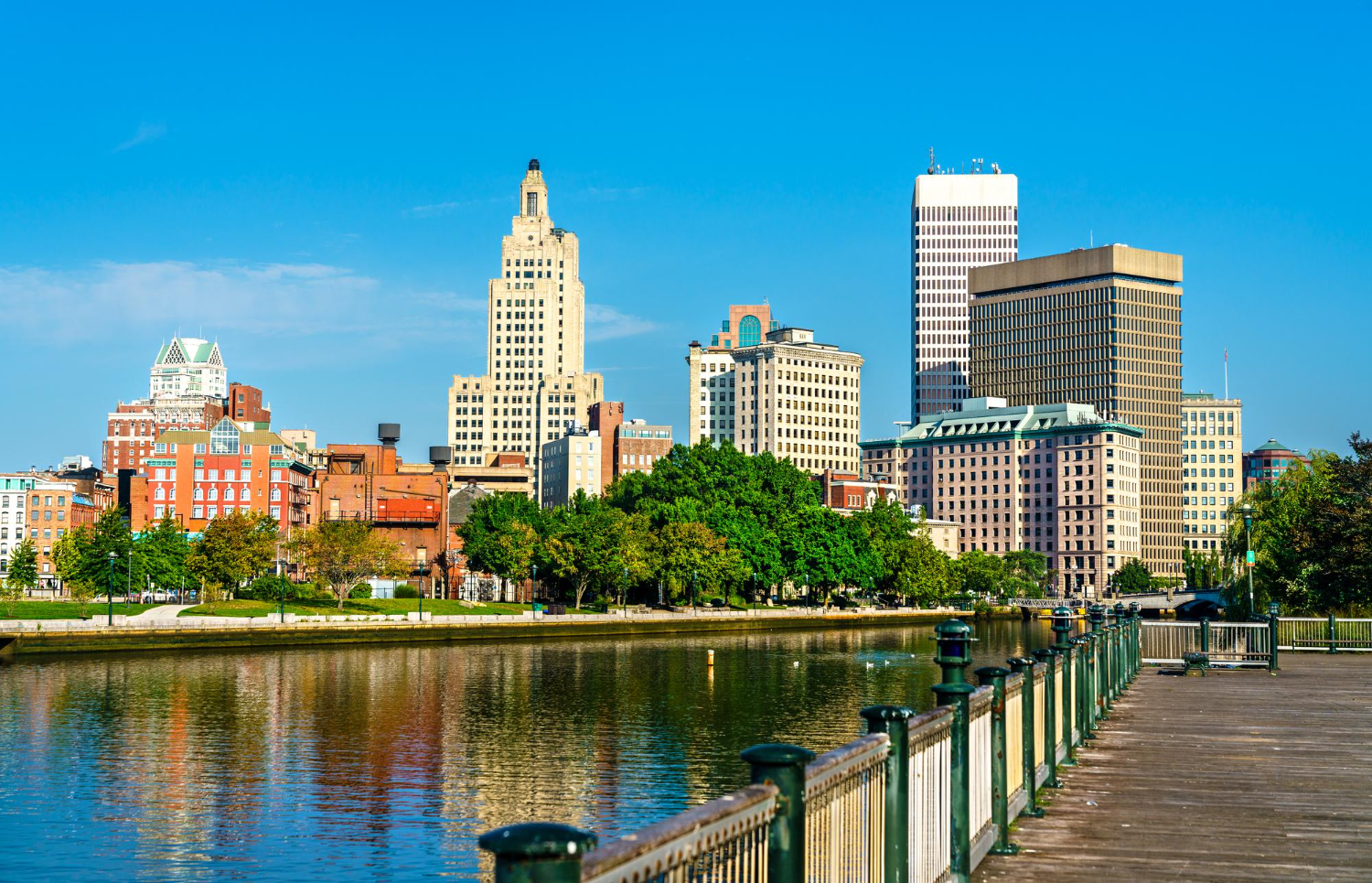
Providence, Rhode Island, is often overlooked or dismissed as a smaller city without much to offer. The reputation problem is simple: it’s not Boston or New York, so it’s assumed to be less interesting. However, Providence has experienced genuine revitalization with strong arts scenes, excellent restaurants, educated young population (multiple universities), and cultural institutions.
Providence’s reputation problem is visibility — it doesn’t have the scale or cultural presence to dominate national conversation. Young people and cultural workers have discovered it’s a city with lower cost of living and genuine cultural activity. The reputation will likely improve as visibility increases, but currently, Providence is “better than people think” because people don’t think about it much at all.
Cleveland: The “Most Miserable” Label
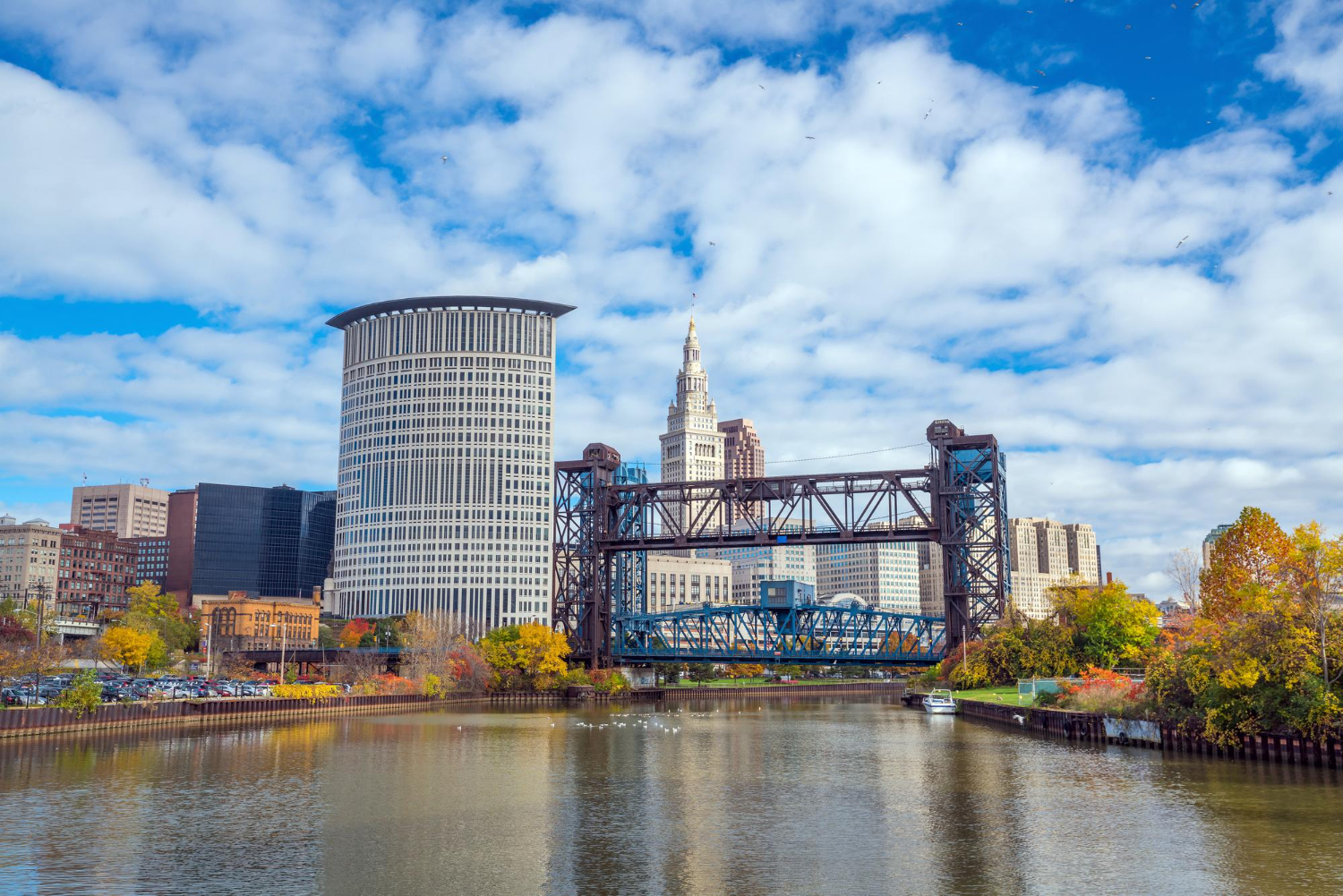
Cleveland has been ranked among “most miserable” and “worst” cities in various lists based on economic and demographic data. However, these rankings often use proxy metrics that don’t capture actual quality of life. Cleveland has world-class cultural institutions (Rock and Roll Hall of Fame, Cleveland Museum of Art), excellent universities, revitalized neighborhoods, and a genuine restaurant and arts scene.
The misery ranking seems to reflect economic data (unemployment, median income) rather than livability. A city can have lower economic metrics but higher actual livability than a wealthier city that’s merely a commuting hub for a larger metro. Cleveland’s reputation problem is partly that it doesn’t fit comfortable urban narratives (it’s neither a “great city” like New York nor a “hidden gem” like Austin) and partly that economic metrics dominate reputation despite being imperfect proxies for quality of life.
The Media Amplification Problem

National media outlets concentrate on negative stories because negativity is more interesting than incremental improvement. When a city experiences slow, steady improvement, that doesn’t generate compelling narratives. When a city has a crisis or decline, that does. The result is that media coverage creates and reinforces negative reputations even as underlying conditions improve.
Additionally, entertainment media (TV, film) can embed city reputations for decades. “The Wire” was set in Baltimore but used 2000s Baltimore as its foundation. Decades later, people still associate Baltimore with that depiction despite changed conditions.
The Gentrification Paradox

Revitalization in many cities follows a pattern: declining neighborhoods become affordable, artists and young people move in, restaurants and cultural venues open, the neighborhood becomes desirable, property values increase, original residents are displaced, the neighborhood becomes expensive. This is gentrification, and it creates a situation where neighborhoods do improve (safer, more vibrant, better services) while also experiencing displacement and community loss.
Many “improved” cities are experiencing gentrification-driven revitalization. This is genuinely positive for new residents and genuinely negative for displaced residents. The narrative of “the city is better now” is true in some metrics and false in others.
Visiting a “Hated” City

Many people discover that visiting a city with a bad reputation is surprisingly pleasant. They visit a downtown area that’s been revitalized, eat well, encounter friendly people, and feel safe. They return home surprised that the city was so different from its reputation. This pattern reveals that reputation and reality are genuinely disconnected in many cases.
The gap between reputation and reality creates opportunity for visitors: cities with bad reputations often have lower tourism, cheaper accommodations, and less crowding than cities with good reputations, while offering comparable experiences and culture.