The National Park Service recorded more than 323 million total recreation visits across its system in 2025, but that traffic is wildly uneven. While a handful of famous parks absorb the overwhelming majority of crowds, several genuine national parks, the same official designation as Yellowstone or Yosemite, saw only a fraction of that attention. Here is a countdown of the ten least-visited national parks in America, counted down one by one. (Figures reflect National Park Service 2025 visitation data, released in March 2026, and can shift somewhat from year to year.)
1. Kobuk Valley National Park, Alaska
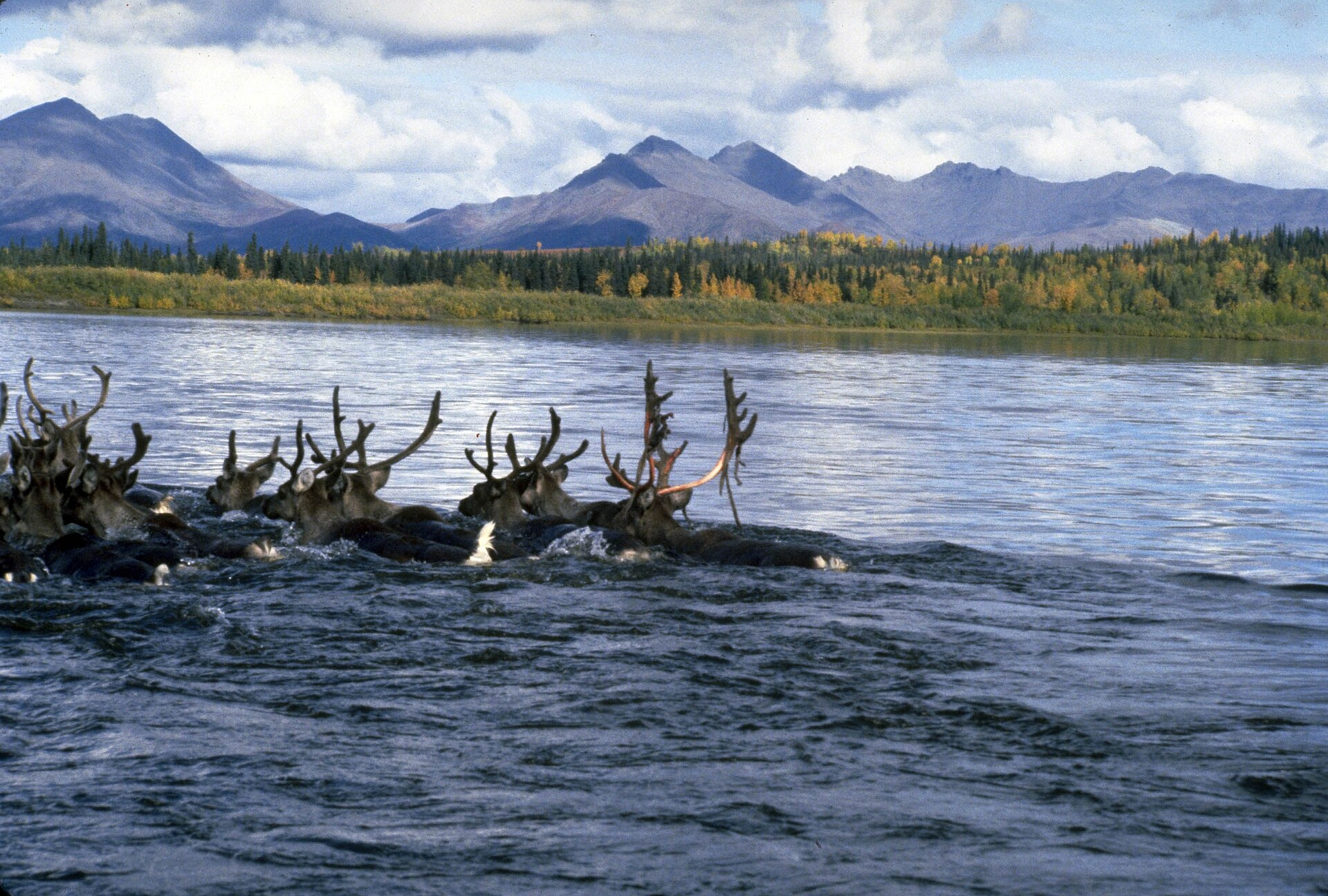
Kobuk Valley sits north of the Arctic Circle. It recorded just 7,786 visits in 2025.
Kobuk Valley National Park, located about 25 miles north of the Arctic Circle in remote northwestern Alaska, recorded just 7,786 recreation visits in 2025, making it the least-visited national park in the entire country. The park has no roads or maintained trails, and reaching it typically requires a bush plane. Kobuk Valley’s near-total inaccessibility explains its position at the very bottom of the visitation list, a genuinely wild landscape of massive sand dunes and caribou migration routes that remains one of the least-seen places in the American park system.
Like our content? Follow us for more.
2. Gates of the Arctic National Park and Preserve, Alaska
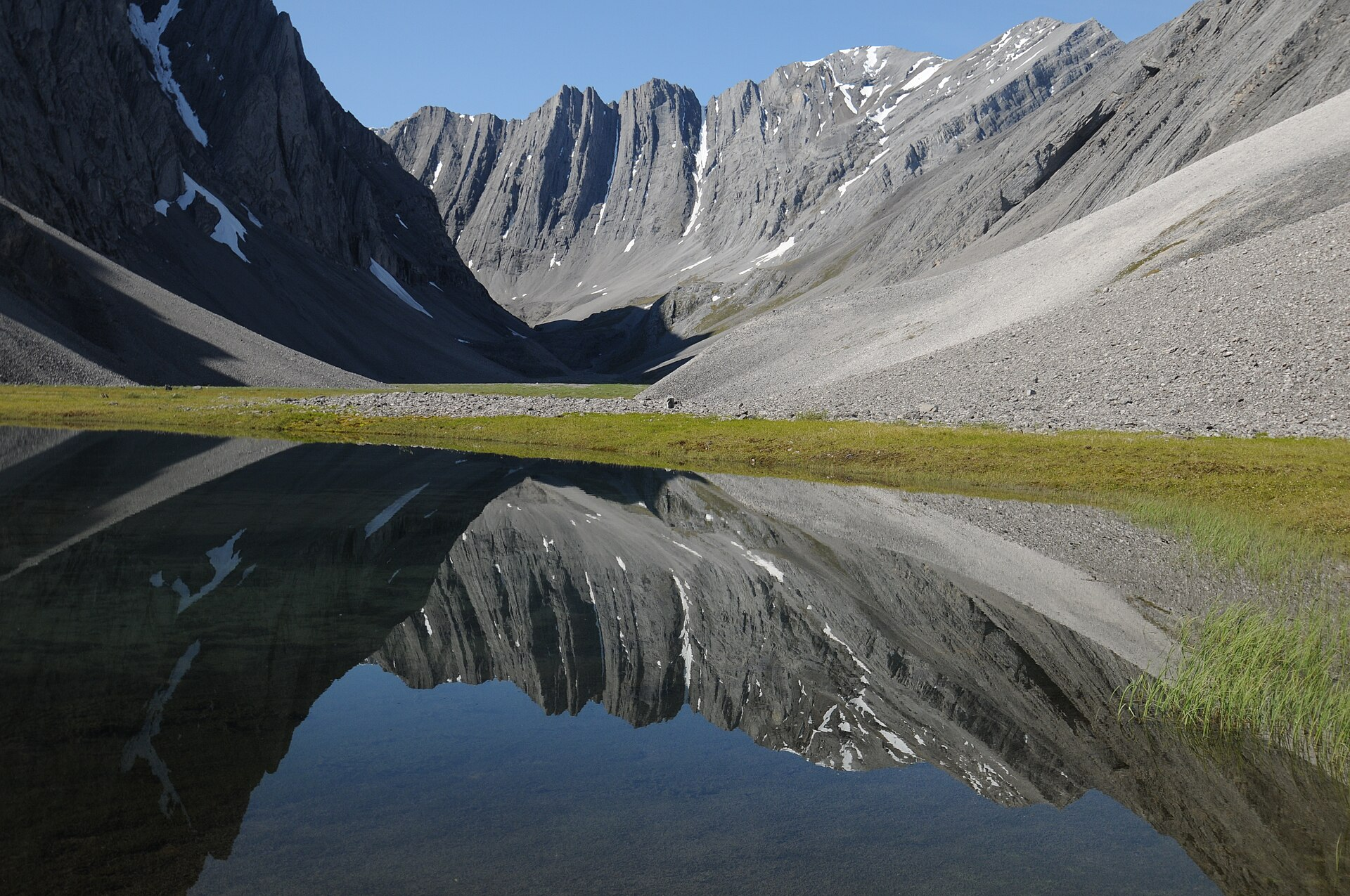
This Arctic park has no roads or trails at all. It welcomed just 14,923 visitors in 2025.
Gates of the Arctic National Park and Preserve, spanning rugged wilderness entirely above the Arctic Circle, recorded 14,923 visits in 2025, reflecting its status as one of the most remote and undeveloped parks in the entire system, with no roads, trails, or campgrounds anywhere within its boundaries. Gates of the Arctic’s complete lack of infrastructure keeps visitation extraordinarily low, appealing only to the most experienced backcountry travelers willing to navigate genuine, trackless Arctic wilderness entirely on their own.
3. Lake Clark National Park and Preserve, Alaska
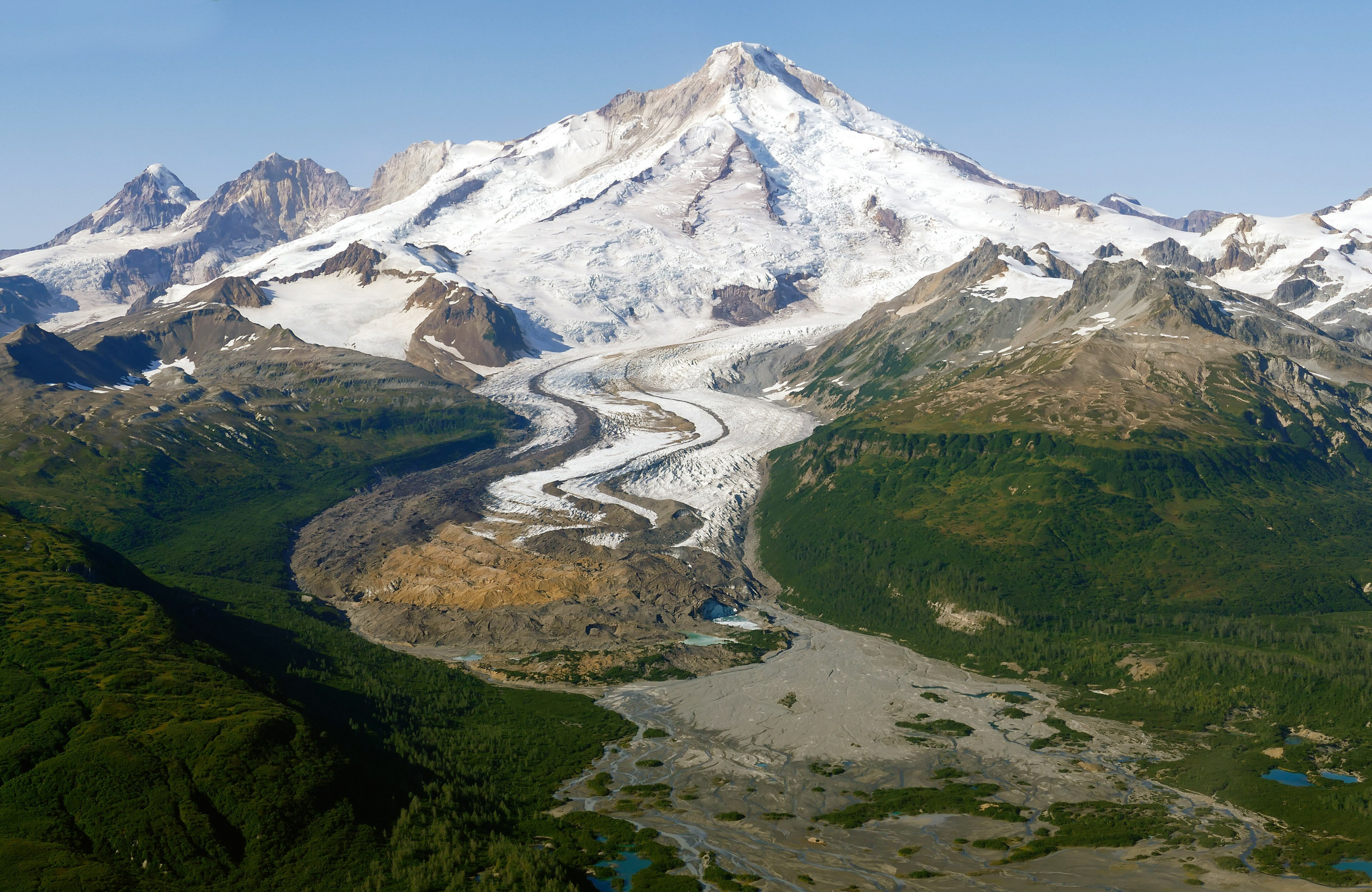
Lake Clark protects a remote stretch of Alaskan coastline. It drew 19,778 visitors in 2025.
Lake Clark National Park and Preserve, home to dramatic volcanic peaks, pristine lakes, and a healthy population of brown bears, recorded 19,778 visits in 2025, accessible only by small plane or boat from Anchorage or nearby communities. Lake Clark’s isolated coastal-and-mountain setting keeps it firmly among the least-visited parks, a stunning but genuinely difficult-to-reach landscape that rewards the relatively few visitors who make the journey.
4. Isle Royale National Park, Michigan
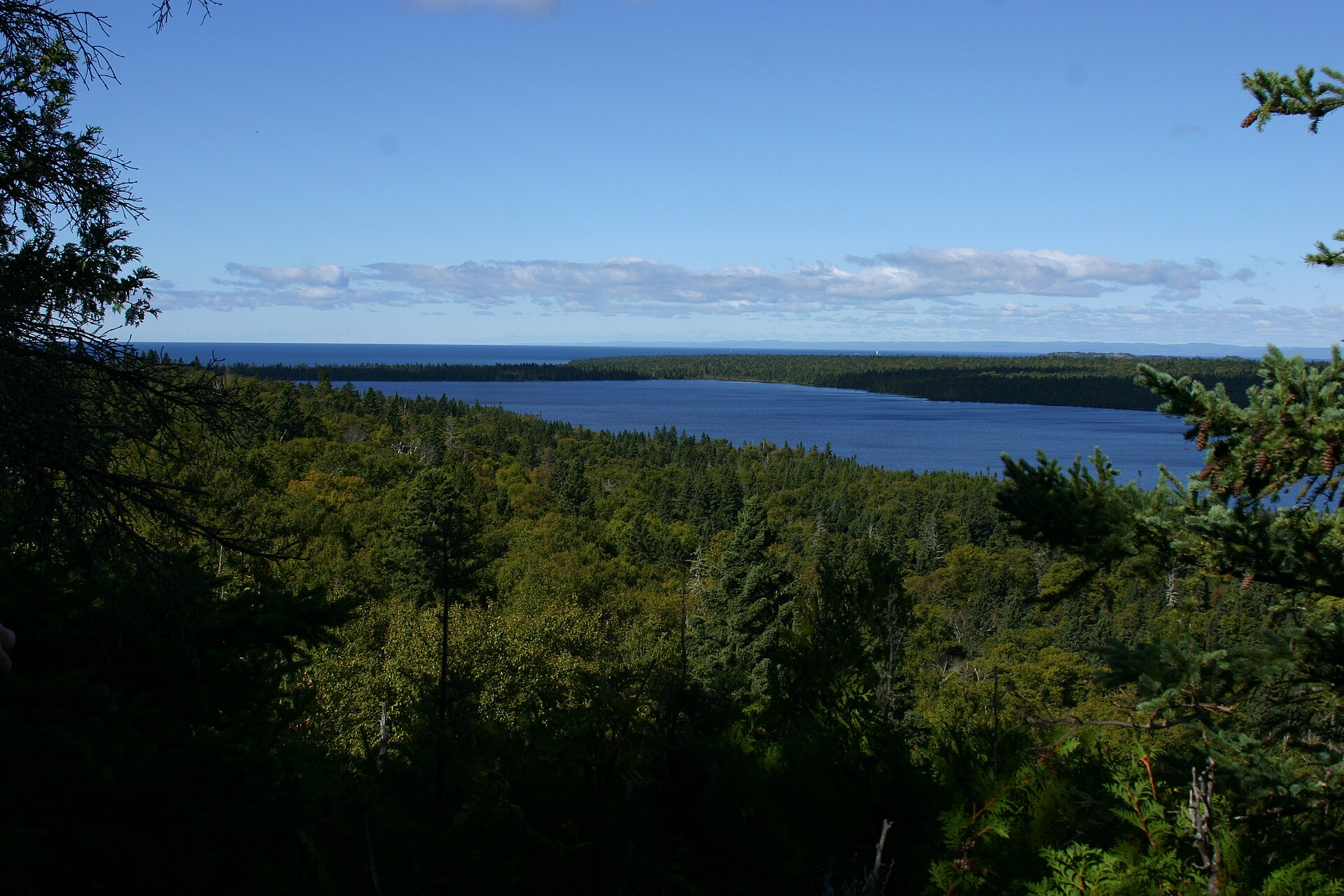
Isle Royale is the least-visited park outside Alaska. It logged 29,091 visits in 2025.
Isle Royale National Park, a remote island cluster in Lake Superior near the Canadian border, recorded 29,091 visits in 2025, making it the least-visited national park in the contiguous United States. Accessible only by ferry or seaplane, the island is home to wolves and moose whose predator-prey relationship has been studied continuously since the 1950s. Isle Royale’s ferry-only access and genuinely remote island setting make it a wilderness-lover’s park, drawing far fewer visitors than any other national park outside Alaska.
5. Katmai National Park and Preserve, Alaska
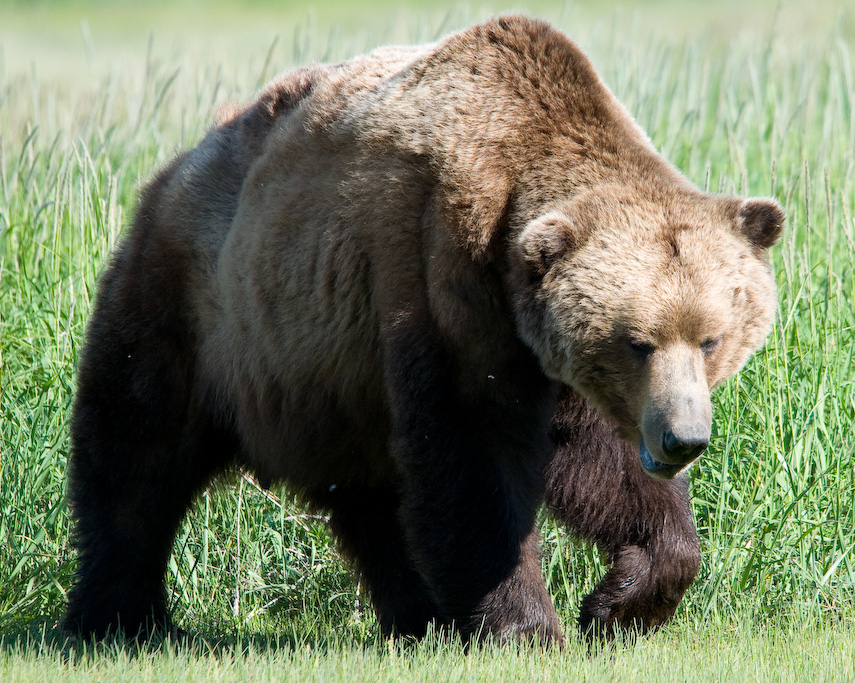
Katmai is famous for its brown bears. It welcomed 34,479 visitors in 2025.
Katmai National Park and Preserve, renowned worldwide for its massive brown bears fishing for salmon at Brooks Falls, recorded 34,479 visits in 2025, a relatively modest figure given the park’s growing fame from wildlife webcams and documentaries. Reaching Katmai still requires a float plane, keeping numbers well below what its online popularity might suggest. Katmai’s fly-in-only access limits actual visitation considerably, even as its bears have become some of the most recognizable wildlife stars in the entire national park system.
6. North Cascades National Park, Washington
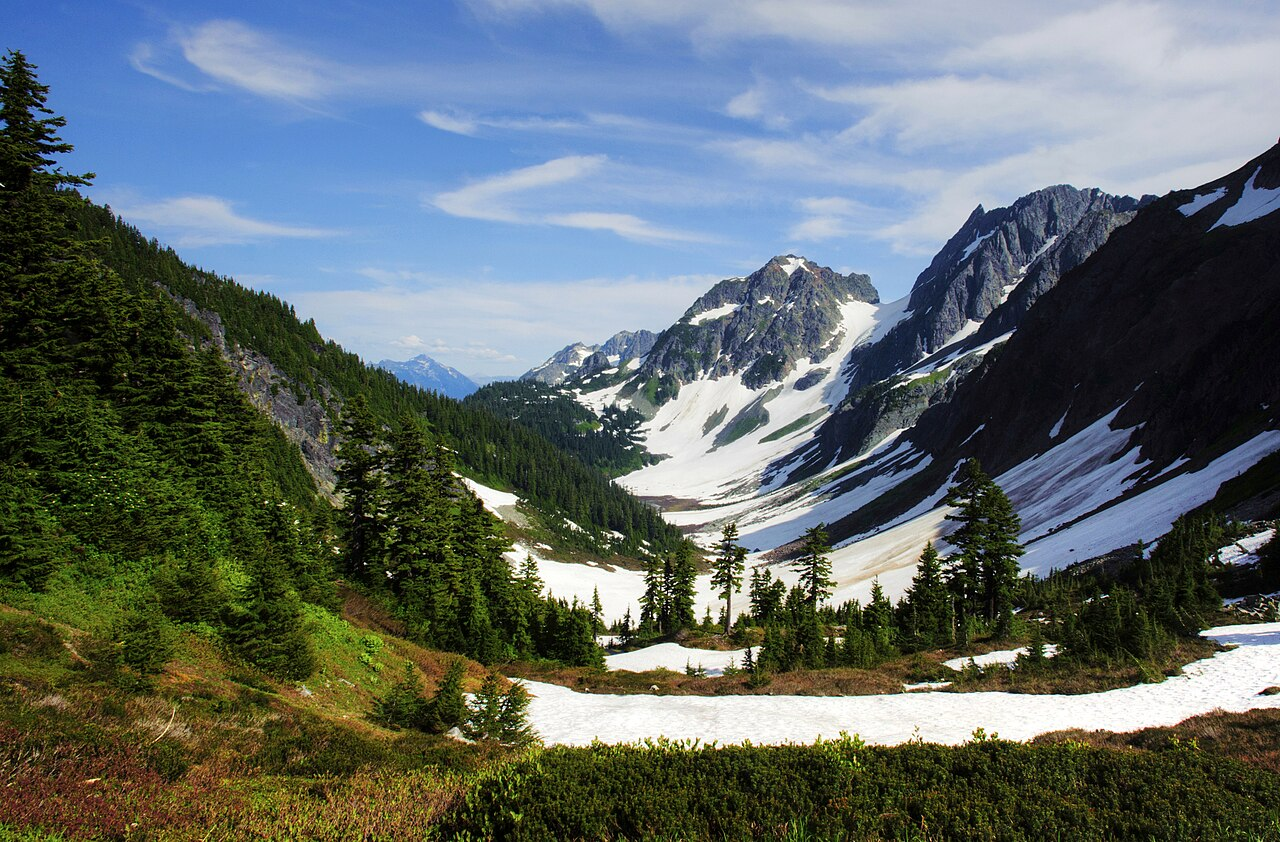
North Cascades sits close to Seattle. It saw a rebound to about 46,000 visitors in 2025.
North Cascades National Park, less than three hours from Seattle and home to dramatic, glacier-carved peaks, recorded roughly 46,000 visits in 2025, a significant rebound from a wildfire-suppressed 2024 but still among the lowest totals in the Lower 48. Most visitors never leave the highway corridor to enter the park’s true wilderness interior. North Cascades’ low visitation despite its accessible location reflects how few travelers venture beyond the scenic drive into the park’s genuinely rugged and demanding backcountry.
7. Congaree National Park, South Carolina
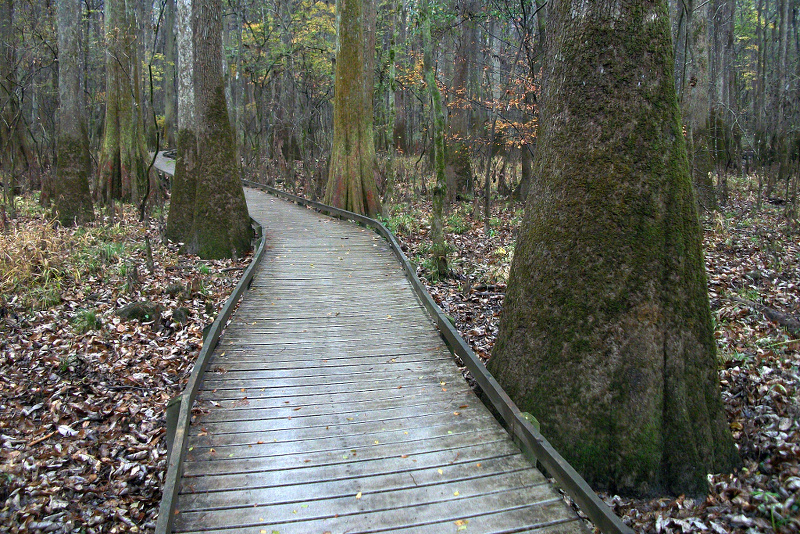
Congaree protects an old-growth floodplain forest. It’s one of the most biodiverse and least-visited parks in the East.
Congaree National Park, protecting one of the largest intact old-growth bottomland hardwood forests remaining in the country, sits just outside South Carolina’s capital yet remains one of the least-visited parks in the eastern United States, set a record for visitation in 2025. Congaree’s flooded cypress boardwalks and rich biodiversity, including alligators and river otters, make it a genuinely underrated destination that most East Coast travelers overlook entirely in favor of more famous parks.
8. Dry Tortugas National Park, Florida
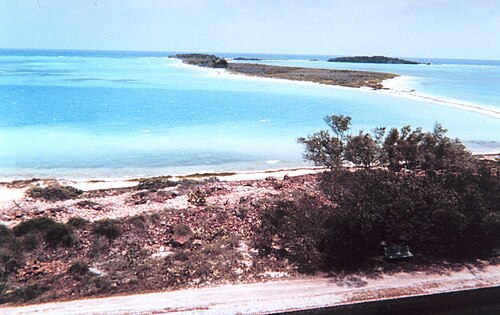
Dry Tortugas sits 70 miles off Key West. Boat or seaplane access keeps visitor numbers modest.
Dry Tortugas National Park, a cluster of small islands roughly 70 miles off Key West featuring a massive 19th-century coastal fortress and thriving coral reefs, remains accessible only by boat or seaplane, naturally limiting its annual visitor count despite genuine popularity among snorkelers and history enthusiasts. Dry Tortugas’ offshore isolation keeps a fundamentally appealing destination among the least-visited parks, rewarding travelers willing to make the boat trip with turquoise water and a dramatic historic fort largely to themselves.
9. Pinnacles National Park, California
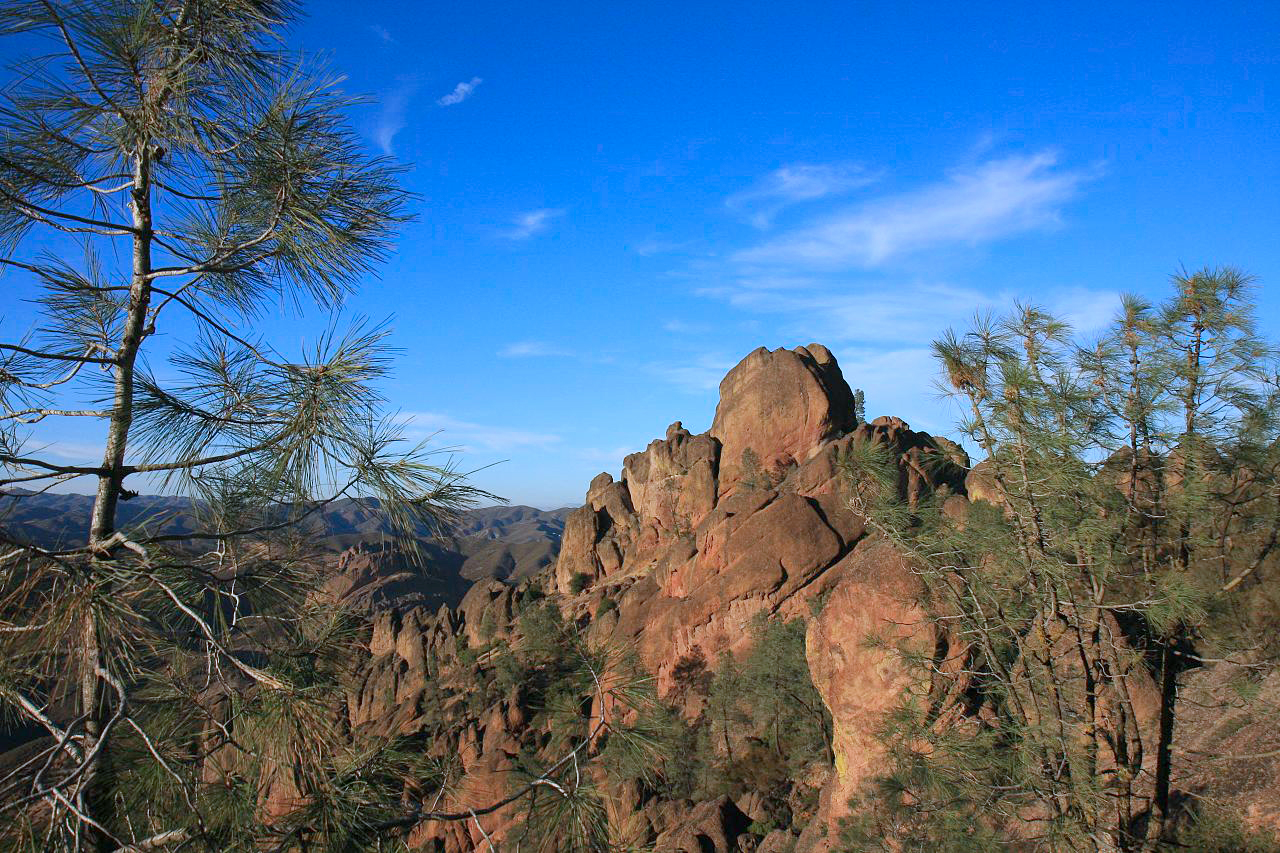
Pinnacles is California’s newest national park. Volcanic rock formations draw a modest but devoted following.
Pinnacles National Park, one of the newest additions to the park system, protects dramatic volcanic rock spires and talus caves outside California’s wine country near Hollister, drawing a modest but devoted following of hikers and cavers who value its relative lack of crowds. Pinnacles’ newer designation and less prominent branding keep visitation comparatively low, even as travelers who do make the trip consistently praise its unique caves and striking rock formations.
10. Guadalupe Mountains National Park, Texas
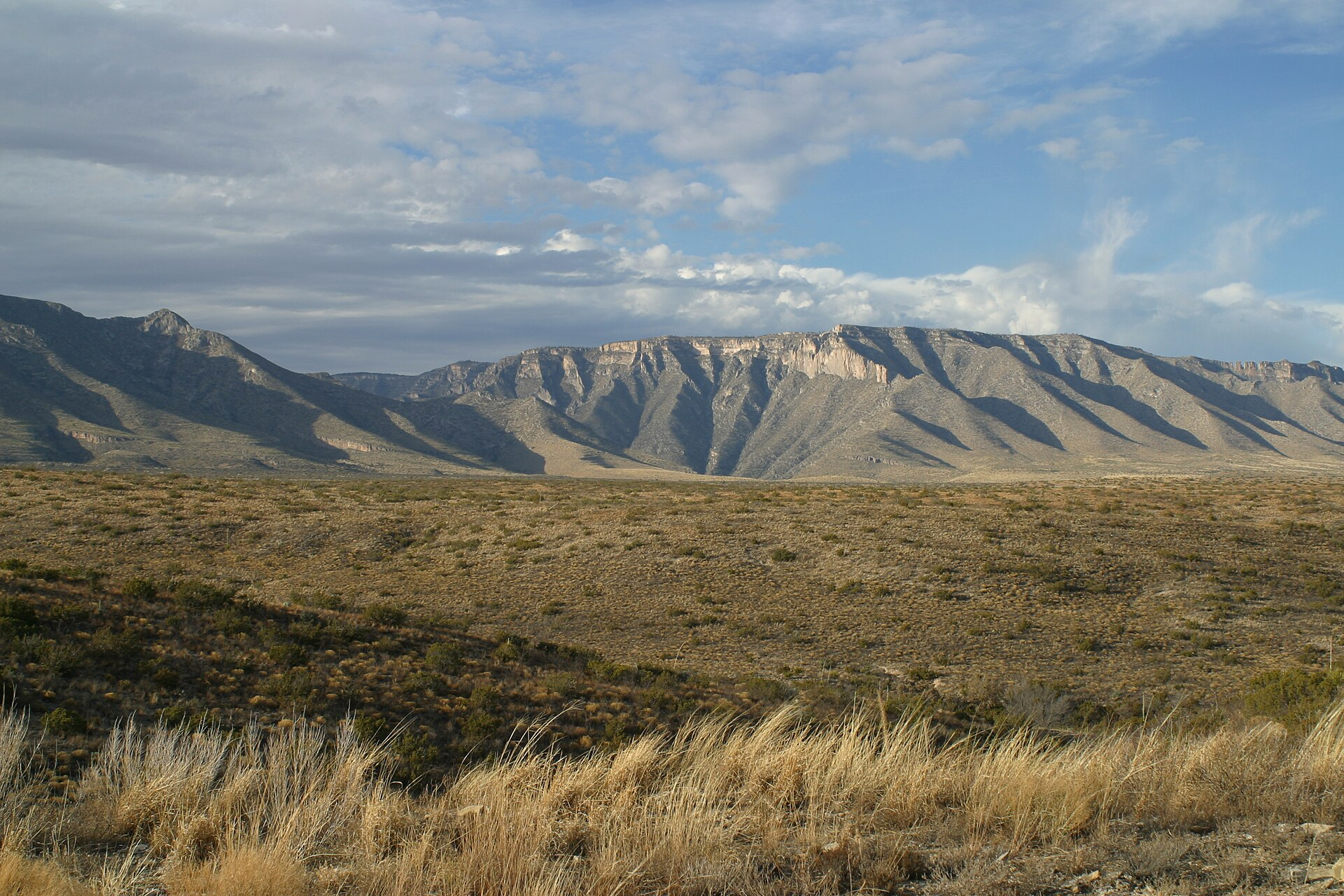
This West Texas park protects the state’s highest peak. Its remote desert location keeps crowds thin.
Guadalupe Mountains National Park, home to Texas’s highest point and a dramatic desert mountain landscape, sits in a remote stretch of West Texas far from any major city, resulting in consistently modest annual visitation despite genuinely rewarding hiking and stargazing opportunities. Guadalupe Mountains’ sheer remoteness from major population centers keeps it among the least-crowded parks in the Lower 48, offering solitude-seeking travelers a genuinely dramatic desert landscape without the lines found at more famous Southwestern parks.
Solitude Is Still Out There
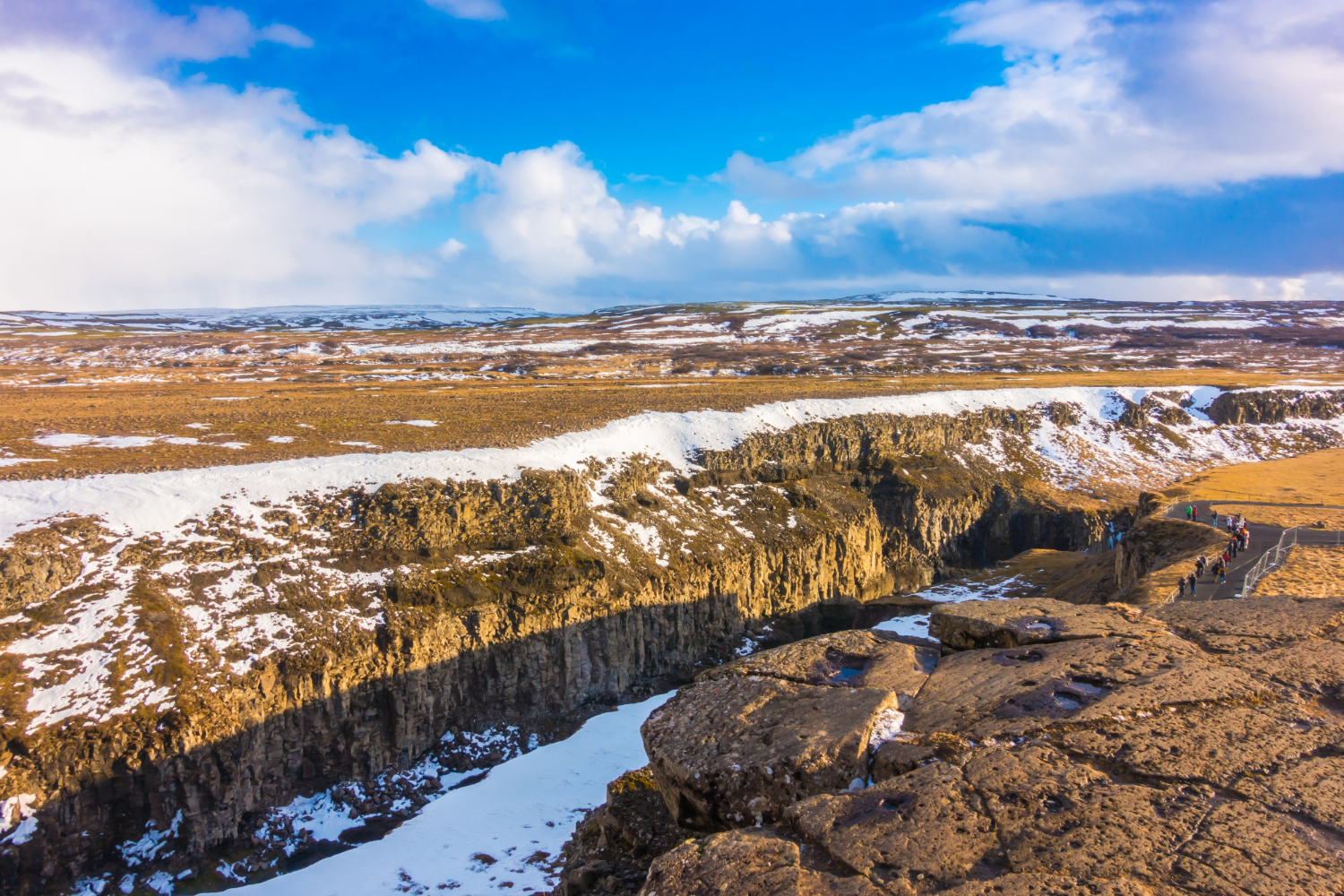
Taken together, these ten parks show that genuine solitude remains entirely possible within the National Park System, even as headline-grabbing crowds overwhelm the most famous destinations. From Arctic wilderness accessible only by bush plane to an old-growth forest a short drive from a state capital, each offers a dramatically different kind of quiet escape.
It’s worth noting that low visitation numbers often reflect genuine logistical challenges, remoteness, limited infrastructure, boat- or plane-only access, rather than any lack of natural beauty or things to do. For travelers with the flexibility and planning patience to reach them, these parks offer some of the system’s most rewarding, uncrowded experiences. Given that visitation data shifts from year to year based on weather, wildfires, and access changes, checking current conditions directly with the National Park Service before planning a trip to any of these more remote destinations is always worthwhile.
Like our content? Follow us for more.