

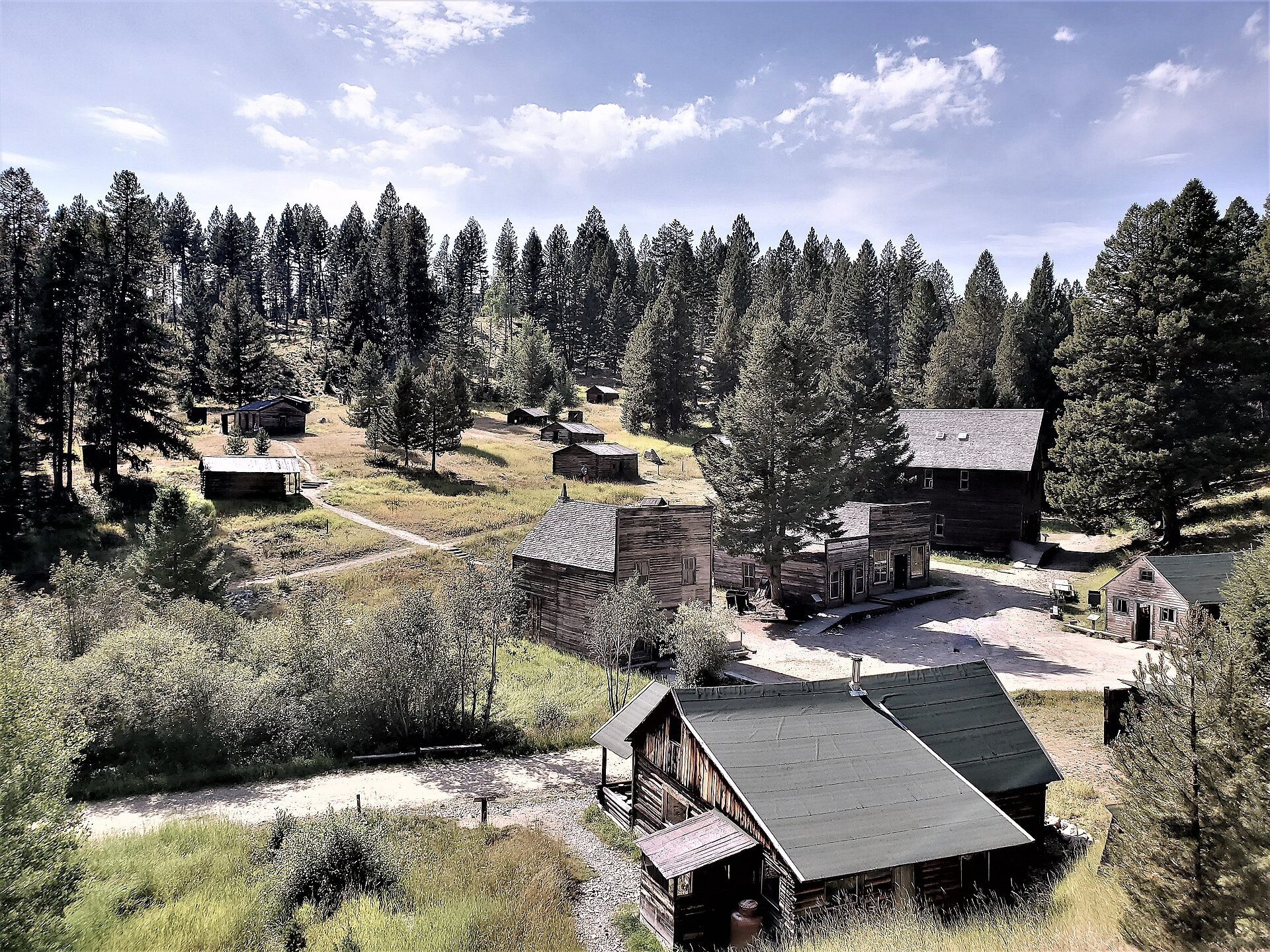
High in the Garnet Mountains east of Missoula, Montana, at an elevation of roughly 6,000 feet, sits Garnet, a gold rush boomtown whose weathered wooden buildings remain standing decades after the last miners left. Unlike many restored tourist attractions, Garnet has been deliberately preserved rather than rebuilt, offering visitors a rare, unvarnished look at exactly how a Western mining town actually looked when the gold ran out.
A Second Gold Rush Born From Silver’s Collapse
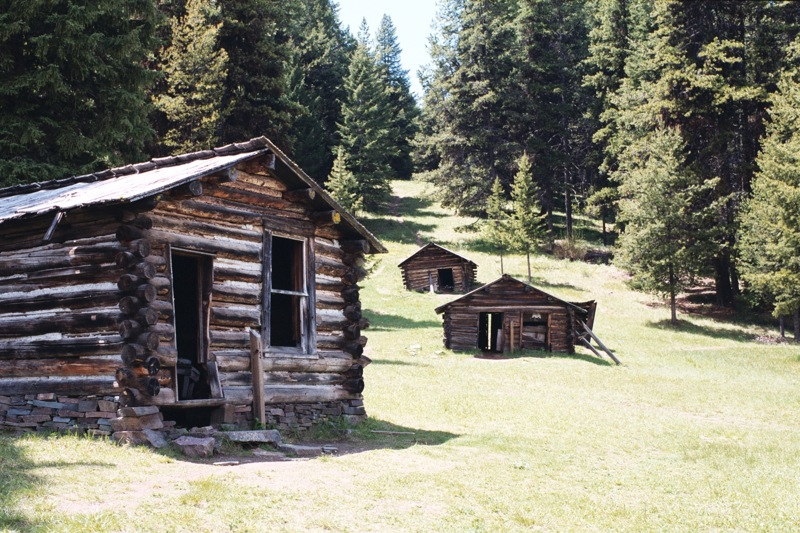
Garnet’s story begins with a twist of economic fate. Gold had been found in the surrounding hills as early as the 1860s, but it was the collapse of silver prices following the 1893 repeal of the Sherman Silver Purchase Act that truly launched the town, as thousands of suddenly unemployed silver miners flooded back into the Garnet Mountains seeking new fortune in gold. A stamp mill built by a local doctor at the head of First Chance Gulch in 1895 anchored the growing settlement, first named Mitchell after the mill’s manager, before eventually being renamed Garnet for the semi-precious stone found throughout the area.
Like our content? Follow us for more.
A Boomtown Complete With Every Amenity
By 1898, Garnet’s population had swelled to nearly 1,000 residents, an astonishing number for such a remote mountain location, supporting four stores, seven hotels, three livery stables, two barber shops, a butcher shop, a candy shop, a drugstore, a doctor’s office, and 13 saloons. Notably, the town also featured a proper schoolhouse, reflecting a significant number of families among the largely male mining population, a detail that set Garnet apart from many rougher, more transient mining camps of the era. The richest single mine, the Nancy Hanks, produced an estimated $690,000 in its peak year of 1896 alone.
A Boom That Faded, Then Briefly Returned
As is typical of gold rush towns, Garnet’s fortunes declined as the easily accessible ore ran out. By 1905, only around 150 miners remained, and a devastating fire in 1912 destroyed a significant portion of the town’s buildings. By 1917, Garnet had been largely abandoned. Remarkably, the story wasn’t quite over: when President Franklin Roosevelt doubled the price of gold from $16 to $32 an ounce in 1934, a fresh wave of miners moved back into the town’s abandoned cabins, reworking old claims until World War II drew the population away once again, this time for good.
A Town Left to Time, Then Stripped by Souvenir Hunters
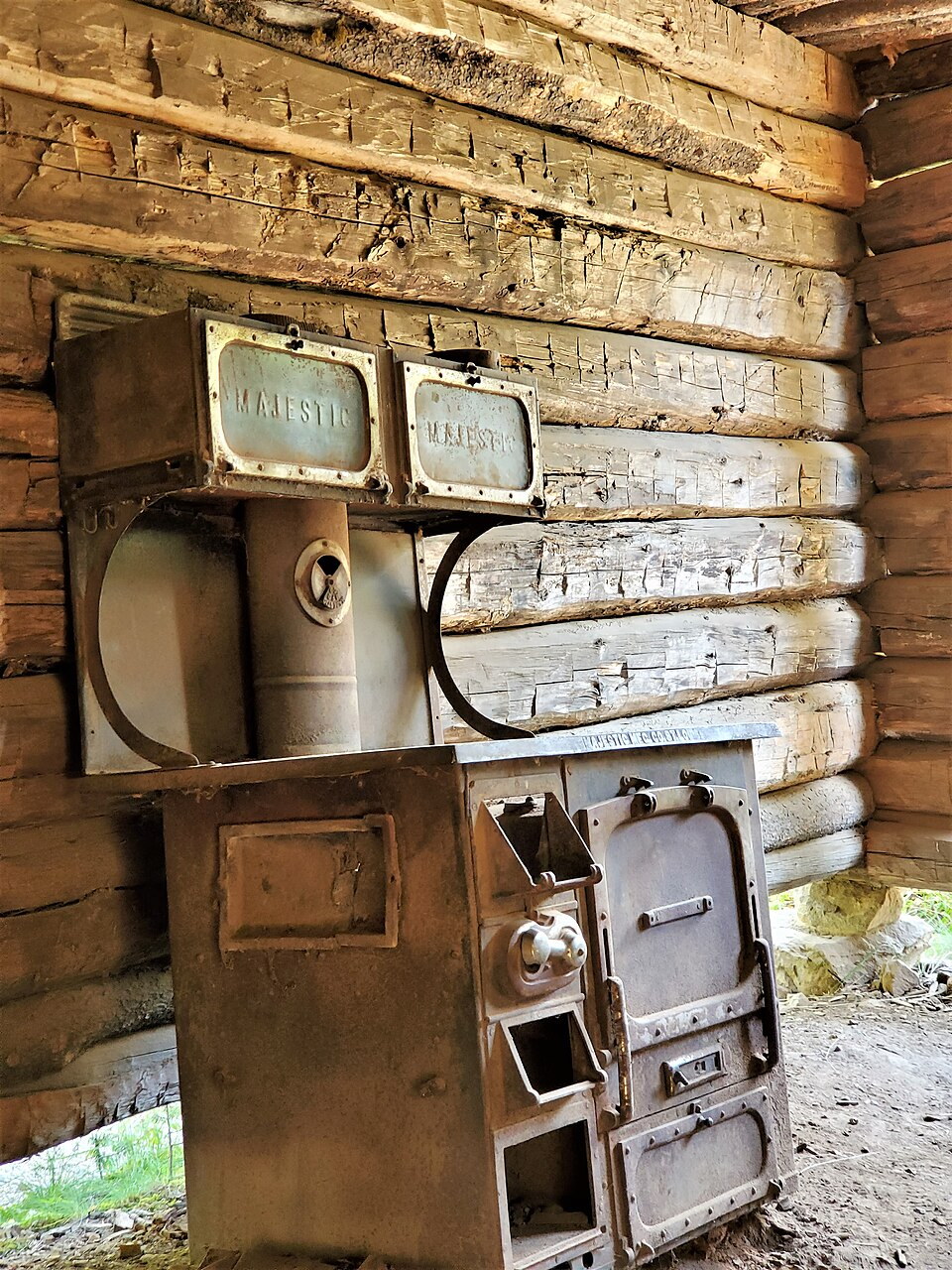
Following the war, only a handful of residents remained, including a shopkeeper named Frank Davey, whose general store contents were auctioned off after his death in 1947. In the years that followed, souvenir hunters descended on the largely empty town, stripping not just loose artifacts but doors, stained glass windows, and even the ornately carved oak banister from the Wells Hotel’s staircase, threatening to reduce Garnet to bare, unrecognizable frames.
Preservation, Not Restoration
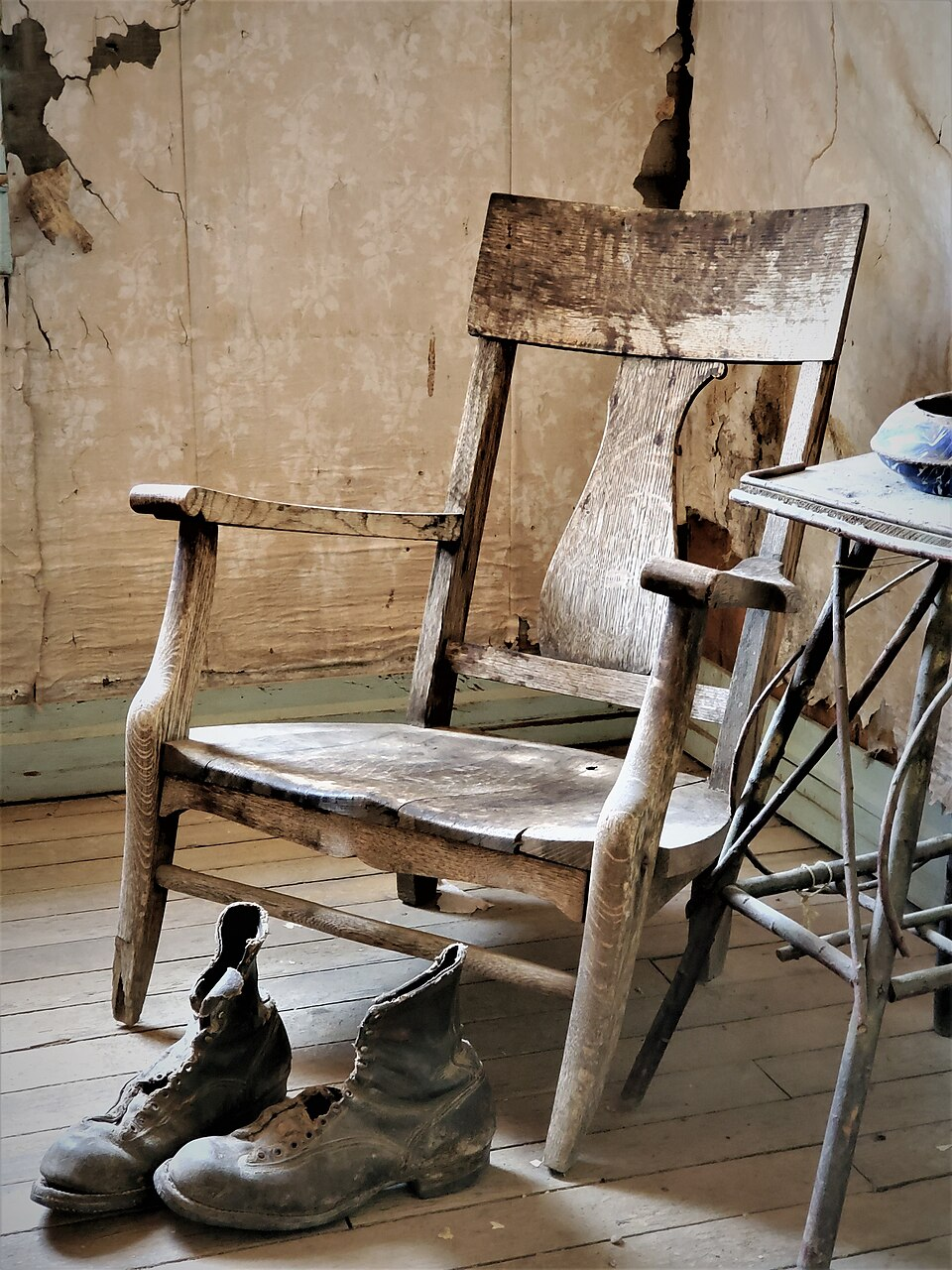
Concerned about this ongoing deterioration, the Bureau of Land Management and the nonprofit Garnet Preservation Association intervened, working to secure the remaining buildings and halt further loss. Crucially, the approach taken was preservation rather than restoration, buildings were structurally stabilized and protected from further decay, but deliberately not rebuilt to look new. The result is a town that looks genuinely, authentically aged, weathered wood, sagging porches, and all, rather than a polished recreation. In 2010, Garnet was formally listed on the National Register of Historic Places.
Visiting Garnet Today
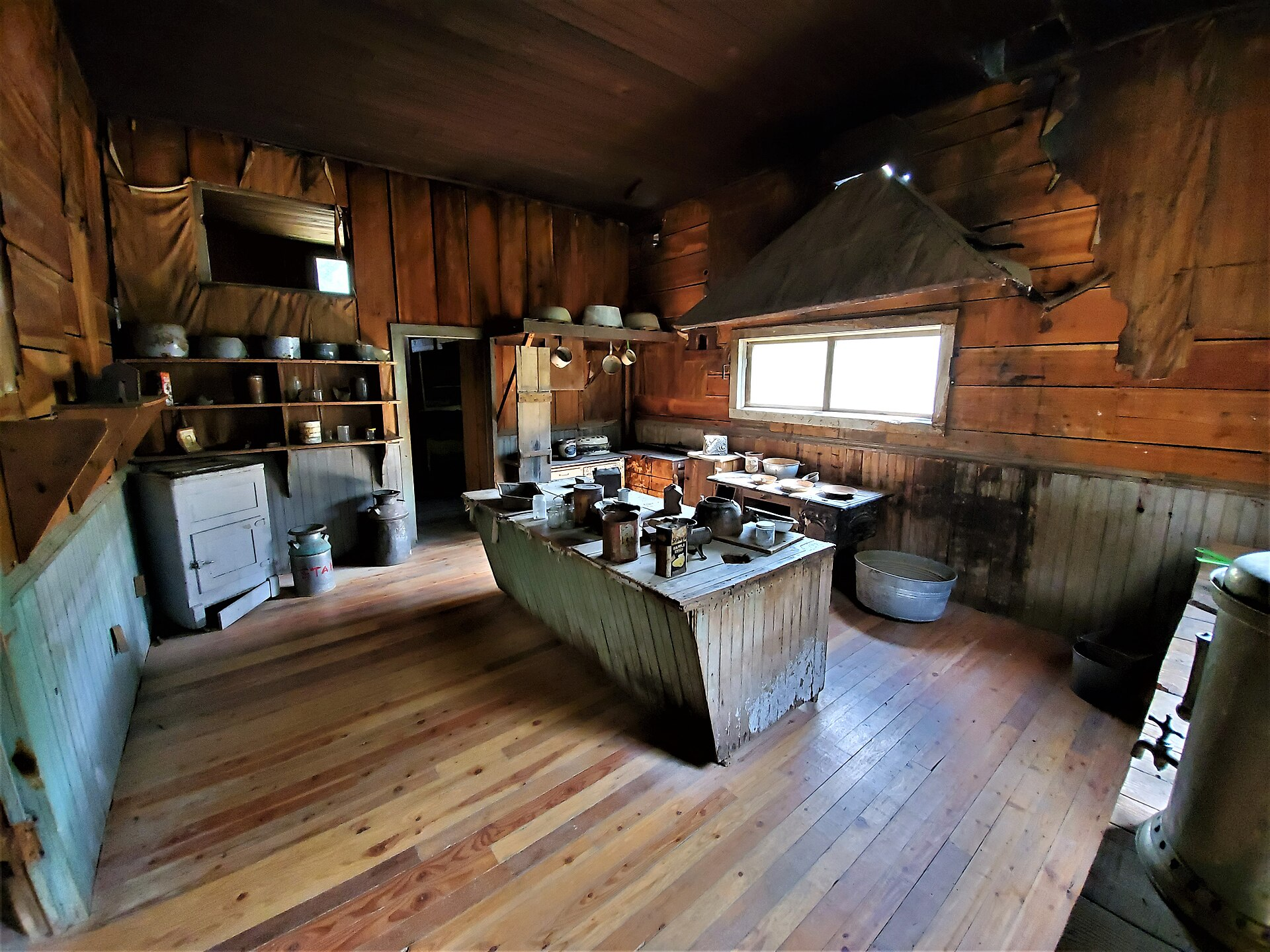
More than 30 of Garnet’s original buildings remain, many stable enough to walk through, including cabins, hotels, saloons, and a blacksmith shop, alongside a visitor center offering historical context and a small gift shop. The town is managed jointly by the Bureau of Land Management and the Garnet Preservation Association, with guided tours available during the summer season. Reaching Garnet requires driving roughly 30 miles east of Missoula along a well-maintained access road, though visitors should note that RVs and trailers are discouraged on the final stretch.
A Ghost Town That Comes Alive in Winter
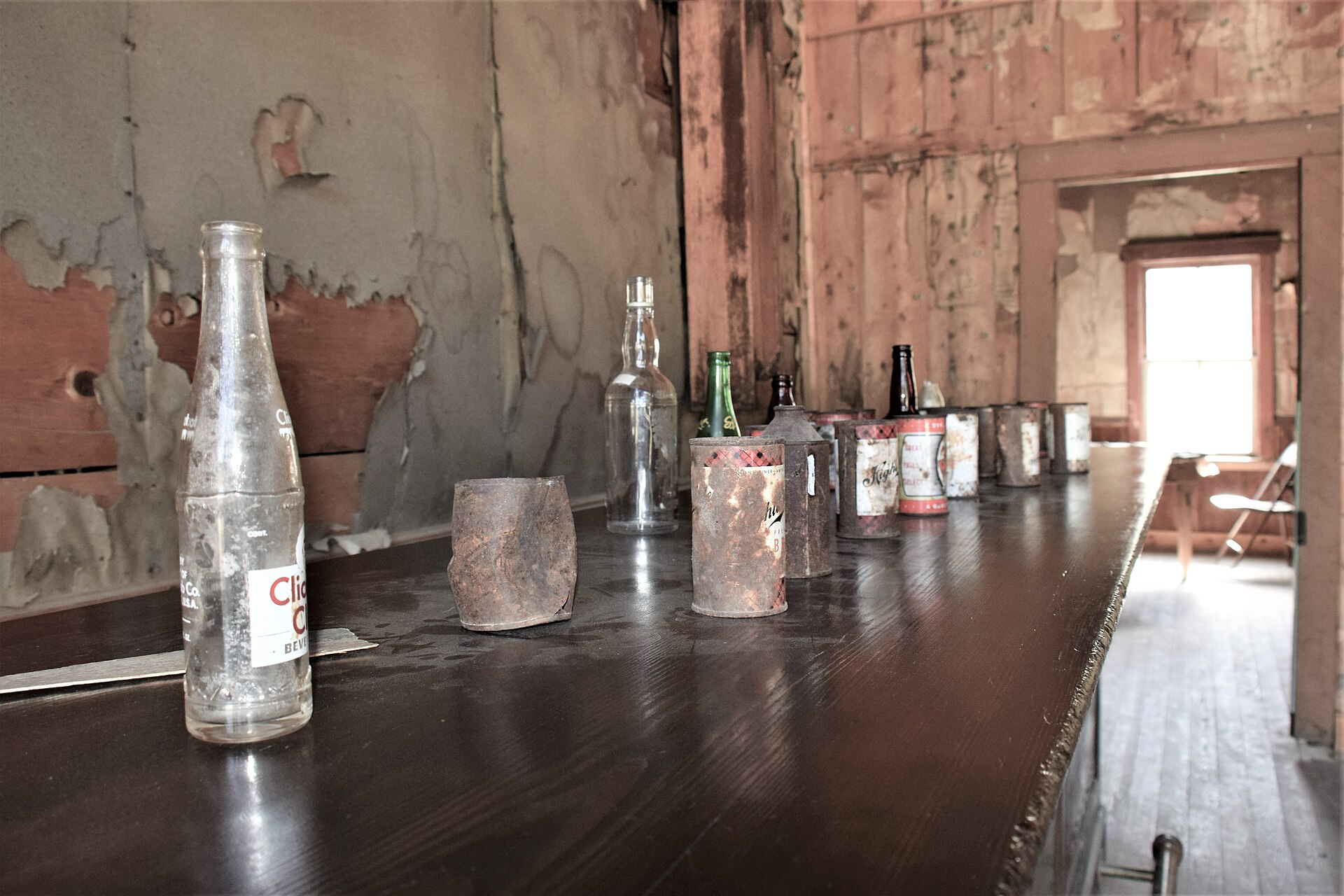
Unusually among ghost towns, Garnet remains a genuine winter destination. When wheeled vehicles can no longer reach the site, from roughly December through April, visitors can access the town by snowmobile, cross-country skis, or snowshoes, and the Bureau of Land Management offers two rustic, wood-stove-heated cabins for overnight winter rental. Local folklore holds that on quiet winter nights, music and laughter can occasionally be heard drifting from Kelley’s Saloon, one of the town’s best-preserved buildings, adding a touch of ghost-story intrigue to an already atmospheric destination.
A Genuine Window Into the Gold Rush West
Garnet endures as one of the most authentic and complete surviving examples of a Western gold rush town, a place where visitors can walk through weathered, genuinely original buildings rather than a polished reconstruction. Its remote mountain setting, layered boom-and-bust history, and unusual year-round accessibility make it a rewarding stop for anyone drawn to the real, unvarnished story of America’s mining frontier.
Like our content? Follow us for more.
