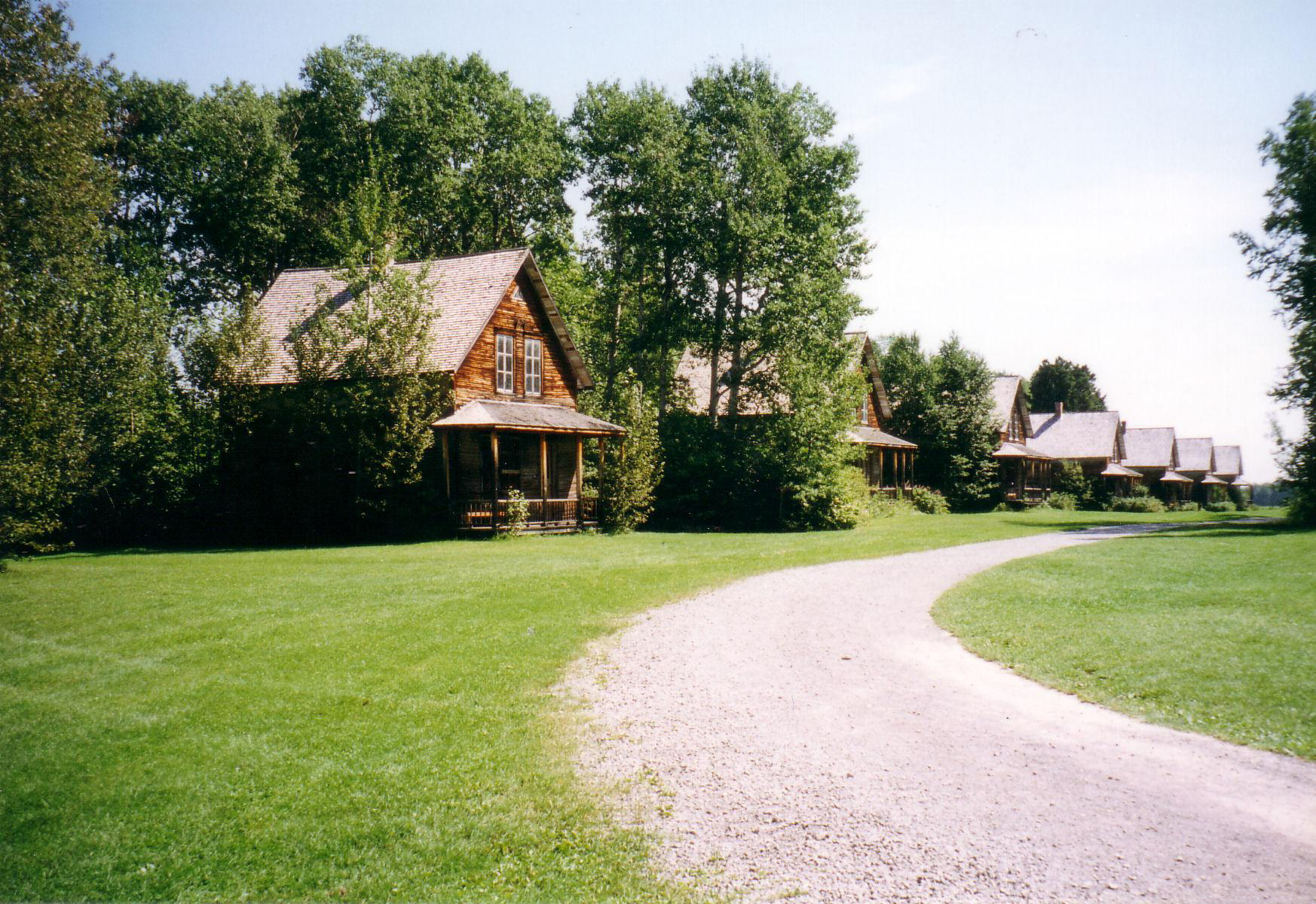
In Quebec’s Saguenay-Lac-Saint-Jean region, roughly five miles from the town of Chambord, sits Val-Jalbert, a remarkably intact company town that offers visitors something few other ghost towns can: the chance to actually walk through, and even sleep inside, a village frozen in the exact moment it was abandoned nearly a century ago.
A Town Built Around a Single Mill
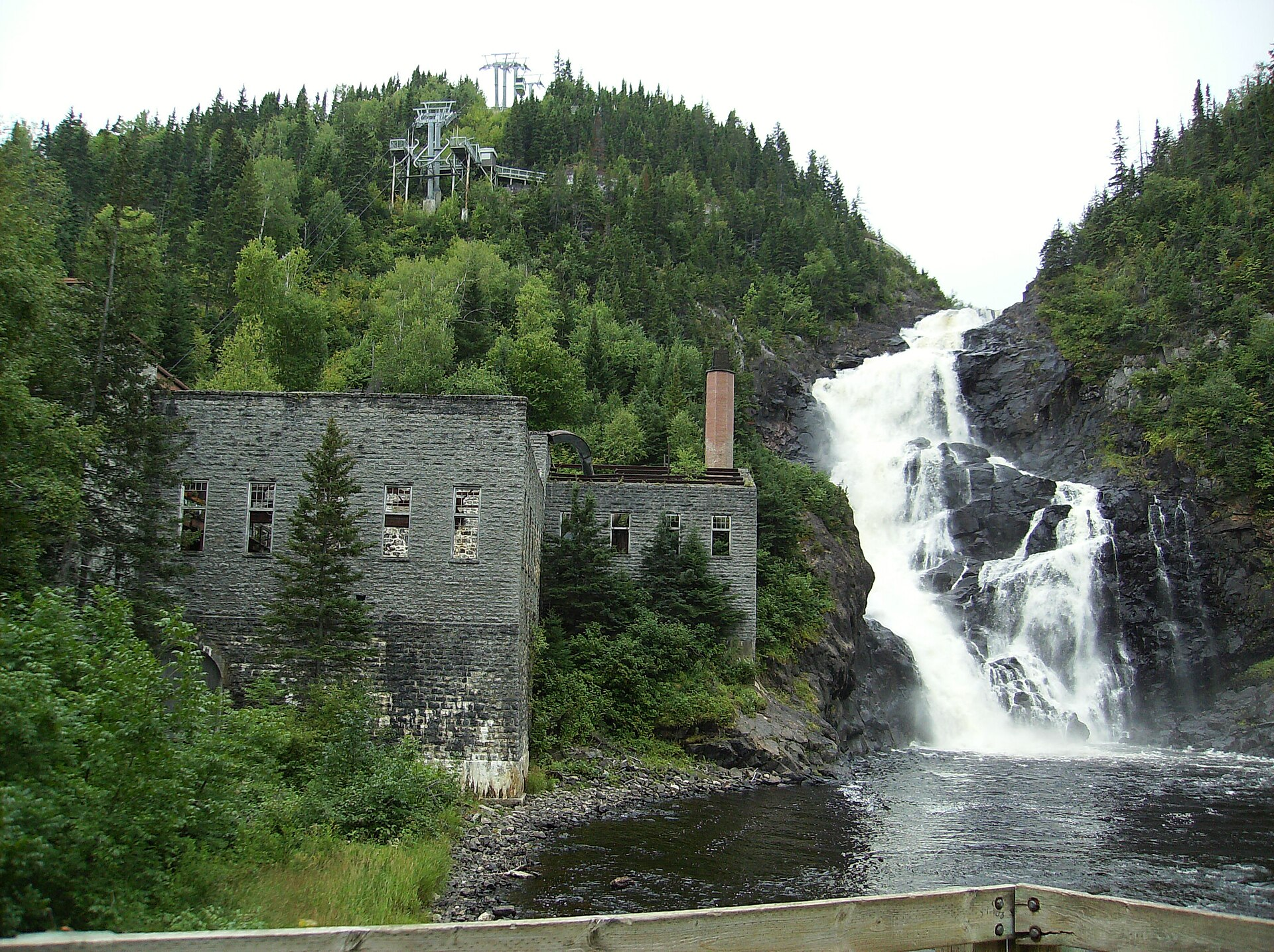
Val-Jalbert’s origin traces to 1898, when forestry entrepreneur Damase Jalbert began developing a pulp mill at the base of the dramatic Ouiatchouan Falls, a waterfall that, at 72 meters, actually stands taller than Niagara. The mill, inaugurated in 1902, powered the entire settlement’s existence, and a carefully planned company village grew up around it, complete with distinct upper and lower town districts, four different styles of workers’ housing, a general store, a school, and a convent. By the mid-1920s, Val-Jalbert had grown into a thriving, modern community of nearly 1,000 residents.
Like our content? Follow us for more.
A Model Company Town for Its Era
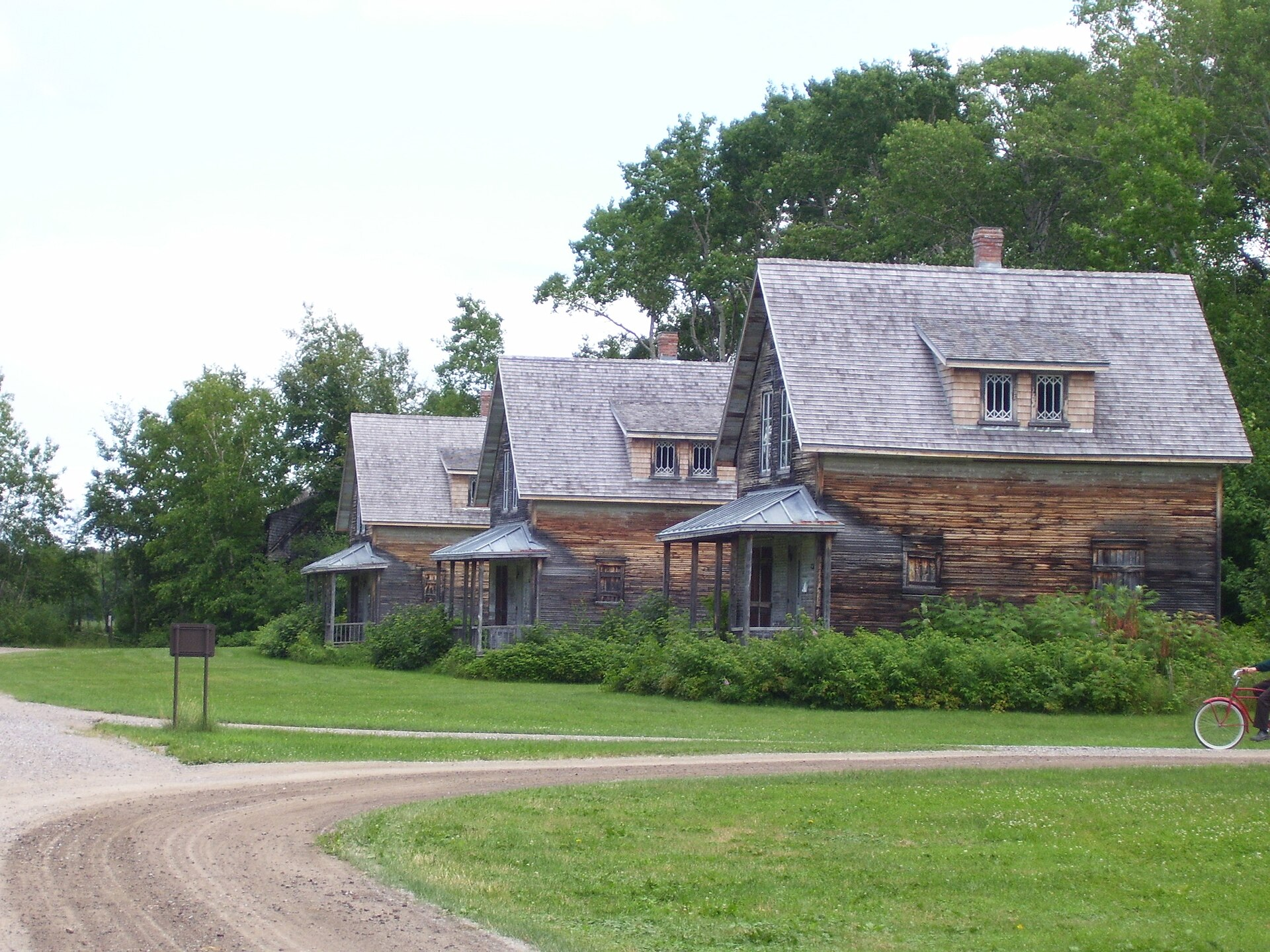
What set Val-Jalbert apart from many similar industrial settlements was the genuine quality of life it offered. Workers at the mill earned some of the highest wages in the region, and the village itself was thoughtfully planned, with an impressive array of institutional and commercial buildings for a settlement of its size. It represented a particularly notable achievement for its time, since it was rare in that era for French Canadian entrepreneurs to own and operate large-scale industrial enterprises of this kind.
A Mill That Couldn’t Keep Up
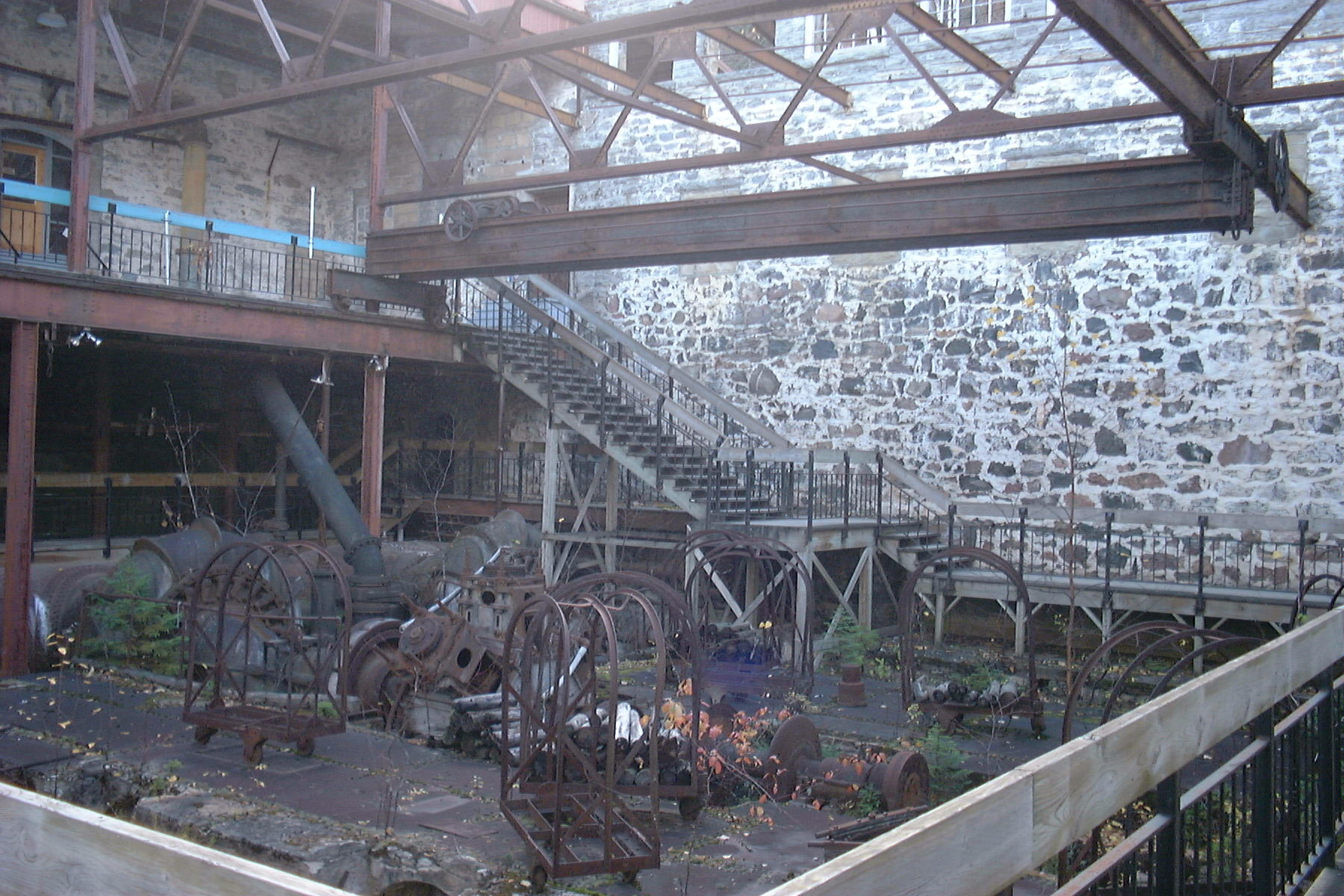
Val-Jalbert’s fortunes were tied entirely to its single industry, and that industry’s decline proved swift and unforgiving. Financial difficulties hit in the mid-1920s, with widespread layoffs occurring between 1924 and 1925 before a brief recovery in 1926. But the mill produced only unprocessed mechanical pulp, not finished paper, and as market demand shifted toward paper production, a technology the mill’s owners hadn’t invested in, the operation became increasingly unviable. On August 13, 1927, the pulp mill ceased production permanently.
A Village Boarded Up Within Two Years
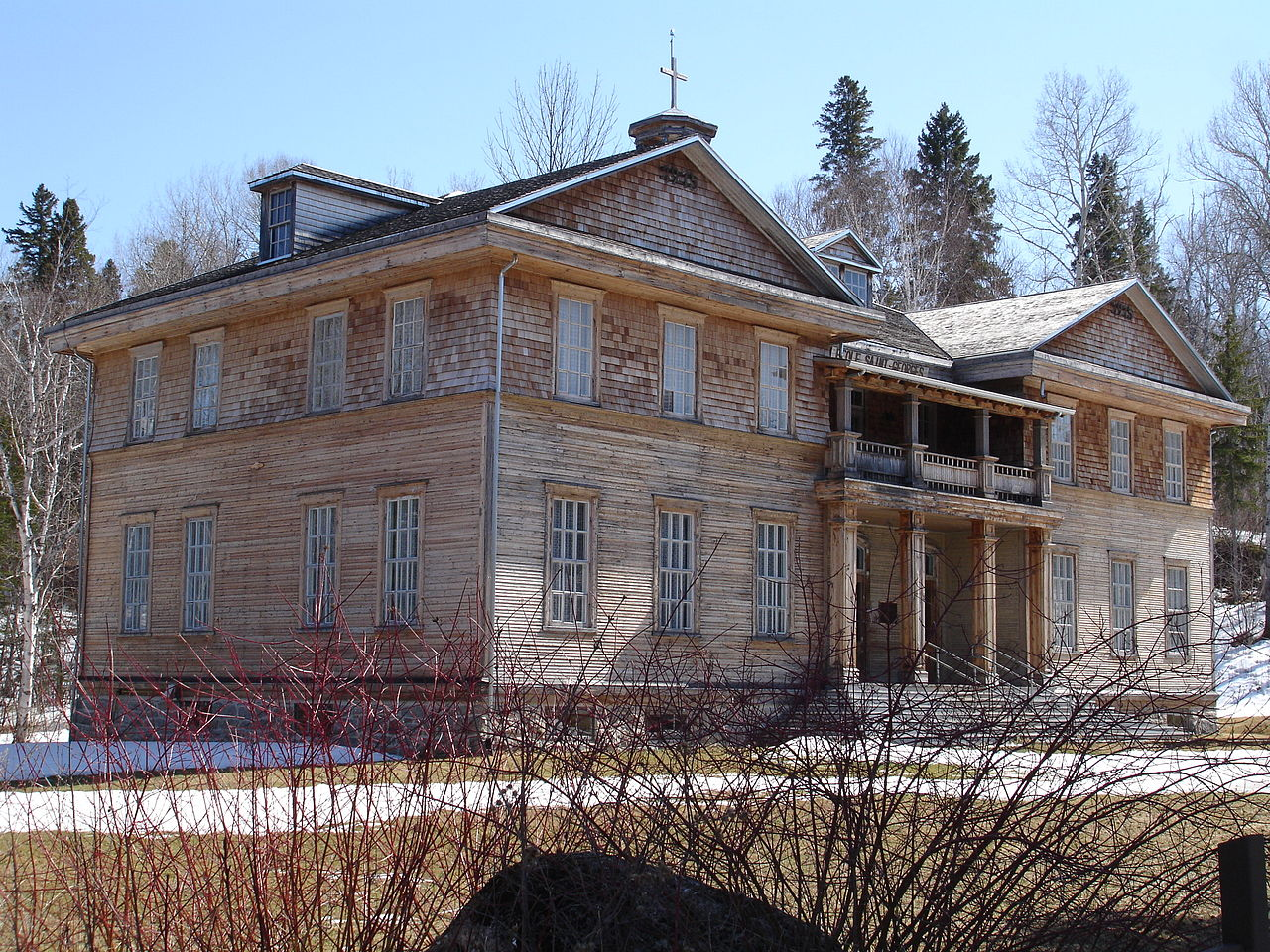
Many unemployed workers initially remained in Val-Jalbert, hoping for a market reversal that never came. By 1929, that hope had faded entirely: the company ordered all remaining homes boarded up, and the local priest and the teaching nuns who had served the community’s school departed for good that September. The company itself went bankrupt in 1949, and the Quebec government took ownership of the land, buildings, and water rights after unpaid taxes went uncollected.
Rediscovered as a Heritage Treasure
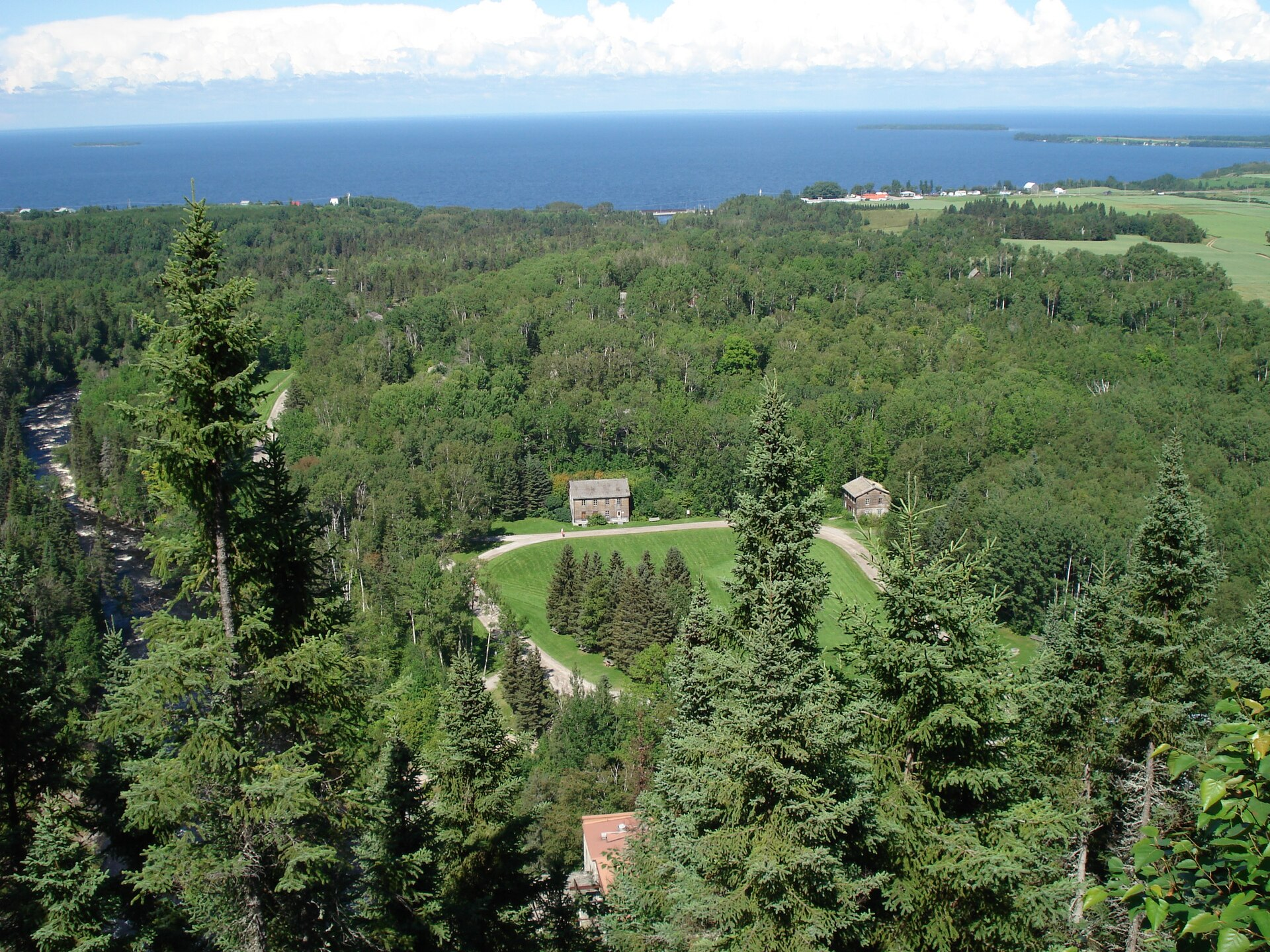
Rather than being demolished or left to complete ruin, Val-Jalbert found a second purpose. The site opened to tourists in 1960, and over the following decades the Quebec government and later regional authorities gradually restored many of its 94 surviving buildings while deliberately leaving a dozen others in a state of preserved decay, offering visitors a genuine contrast between restored heritage and untouched ruin. In 1996, the village was formally designated a heritage site, and in 2019 it received recognition as a National Historic Site of Canada, cementing its status as one of the country’s most significant preserved industrial heritage locations.
Walking Through a Frozen Company Town
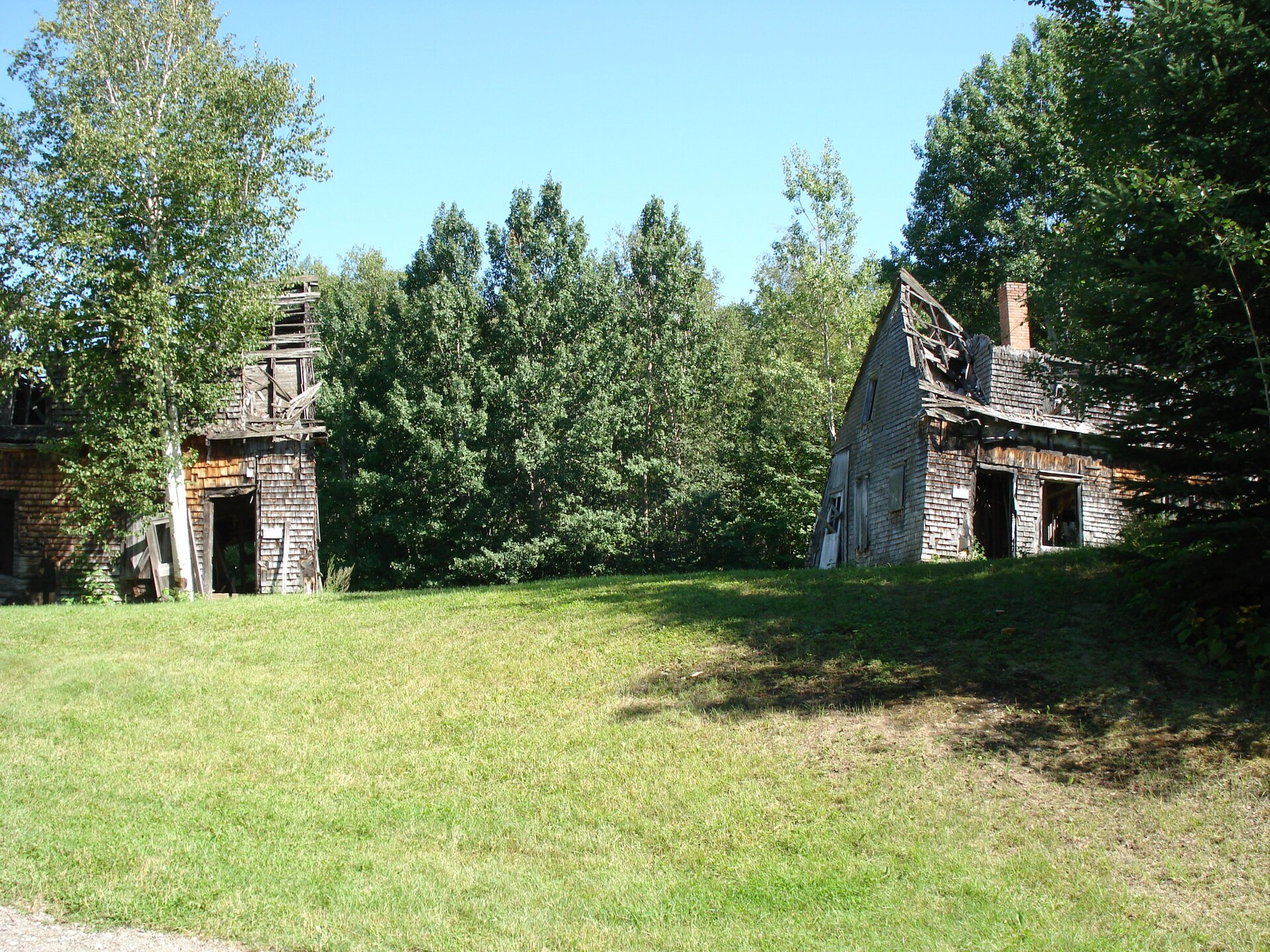
Today, visitors can explore Val-Jalbert’s roughly 40 fully restored original buildings on foot, ride a vintage trolleybus for a guided overview, and wander streets lined with a mix of beautifully renovated homes and other structures left crumbling exactly as time found them. The old mill itself now houses a restaurant and an immersive multimedia show recounting the village’s rise and fall through mist, light, and film. A cable car carries visitors up alongside the thundering Ouiatchouan Falls to a glass viewing platform overlooking Lac Saint-Jean, while hiking trails lead to a smaller secondary waterfall nearby.
Spending the Night Among the Ruins
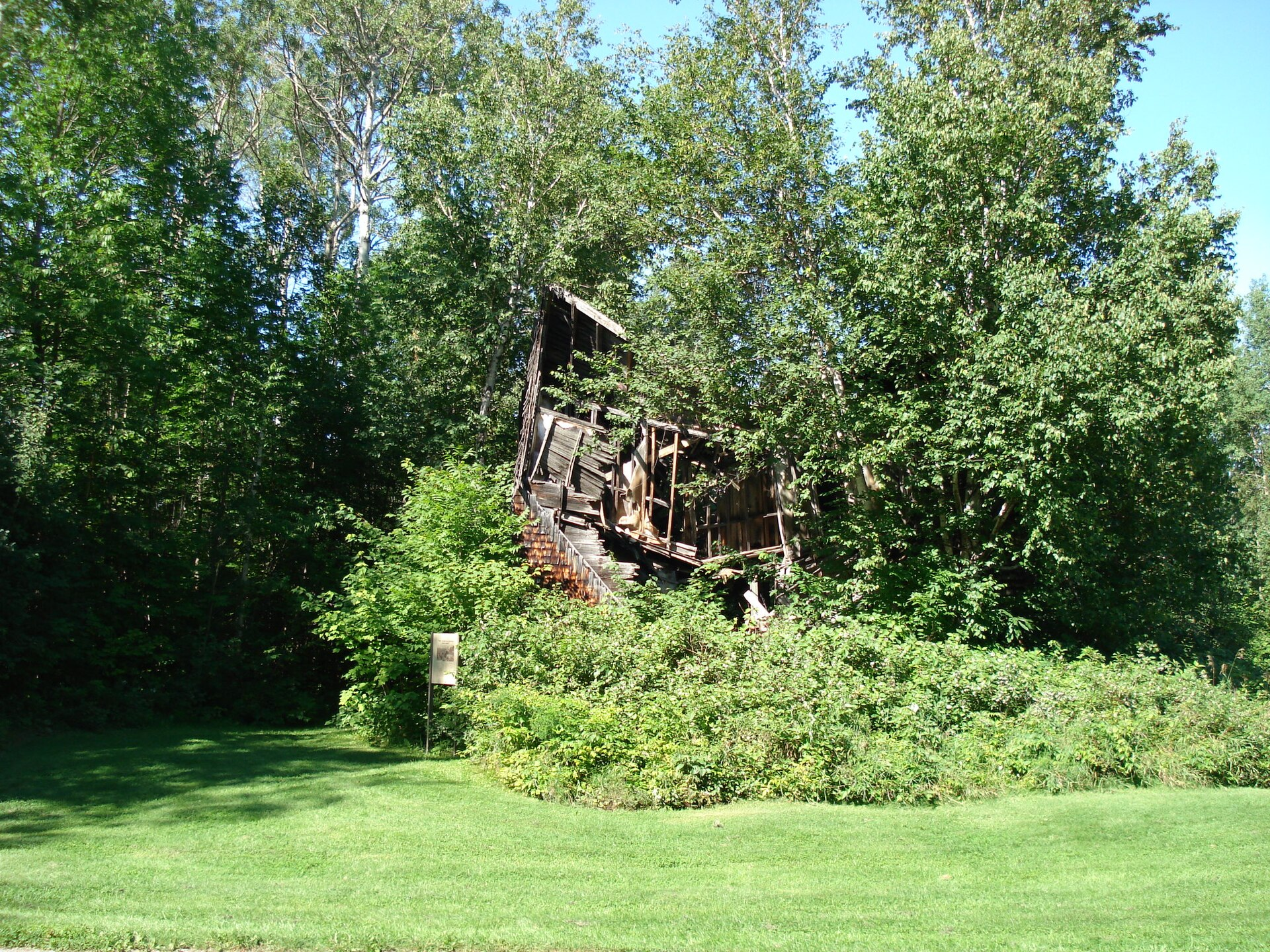
One of Val-Jalbert’s most distinctive features is the option to actually stay overnight in the historic village itself, with several of the original homes converted into boutique guest accommodations blending period exteriors with modern comfort. Visitors who stay past closing time often describe having the entire preserved village largely to themselves after the day’s tourists depart, walking silent streets illuminated at night by lights on the falls, a genuinely atmospheric experience that day-trippers alone rarely get to enjoy.
One of North America’s Great Preserved Ghost Towns
Val-Jalbert endures as a rare and remarkably complete window into early 20th-century industrial life in Quebec, a company town whose entire existence, boom and bust alike, played out within less than three decades. Its careful preservation, paired with genuinely dramatic natural scenery at the falls, makes it a standout destination for travelers interested in industrial history, architecture, or simply the eerie, evocative experience of walking through a town abandoned almost overnight nearly a century ago.
Like our content? Follow us for more.