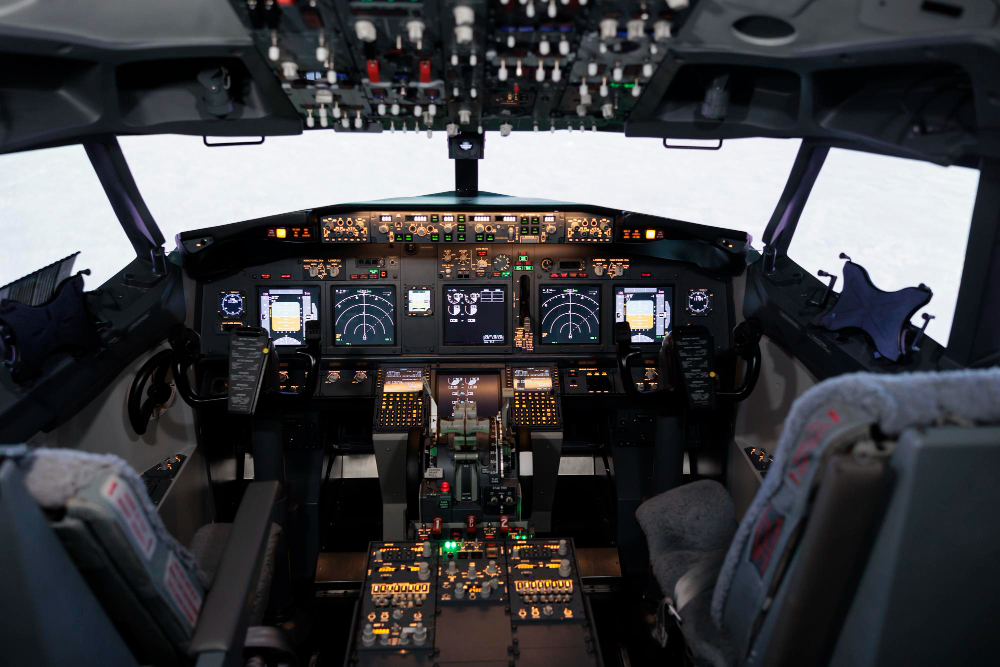
The cabin lights go down just before takeoff and just before landing, and most passengers read it as a signal to settle, or a courtesy to people who want to sleep.
It is neither. It is a safety procedure, and it exists because of how long the human eye takes to adapt to darkness – which is minutes, not seconds, and far longer than anybody would have in an emergency.
Takeoff and Landing Are When Things Go Wrong
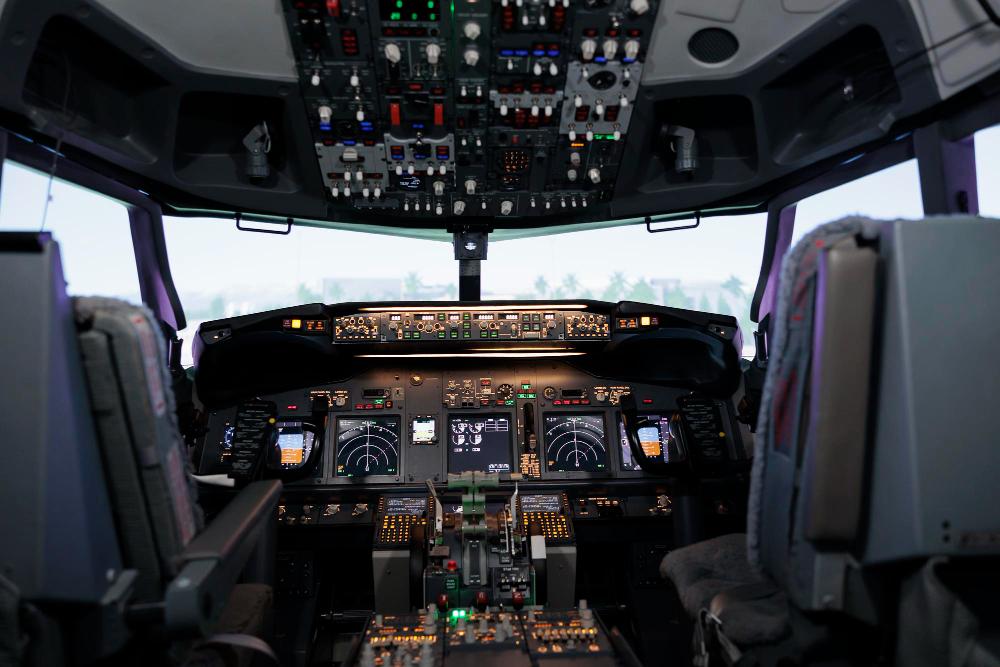
Aviation divides a flight into phases, and the statistics are not evenly spread across them. A large majority of accidents happen during takeoff, initial climb, final approach and landing, even though those phases occupy a small fraction of the flight time.
The reason is mechanical rather than mysterious. The aircraft is close to the ground, close to its stalling speed, in a high-workload phase with configuration changes happening, and there is very little altitude available to recover from anything that goes wrong.
So the whole cabin is configured for those windows specifically. Everything that happens in the few minutes either side – the seat belt sign, the upright seat backs, the stowed tables, the cabin crew sitting down facing backwards and strapped in – is the aircraft being put into a state where an evacuation could start immediately.
Like our content? Follow us for more.
Why the Eye Needs Several Minutes
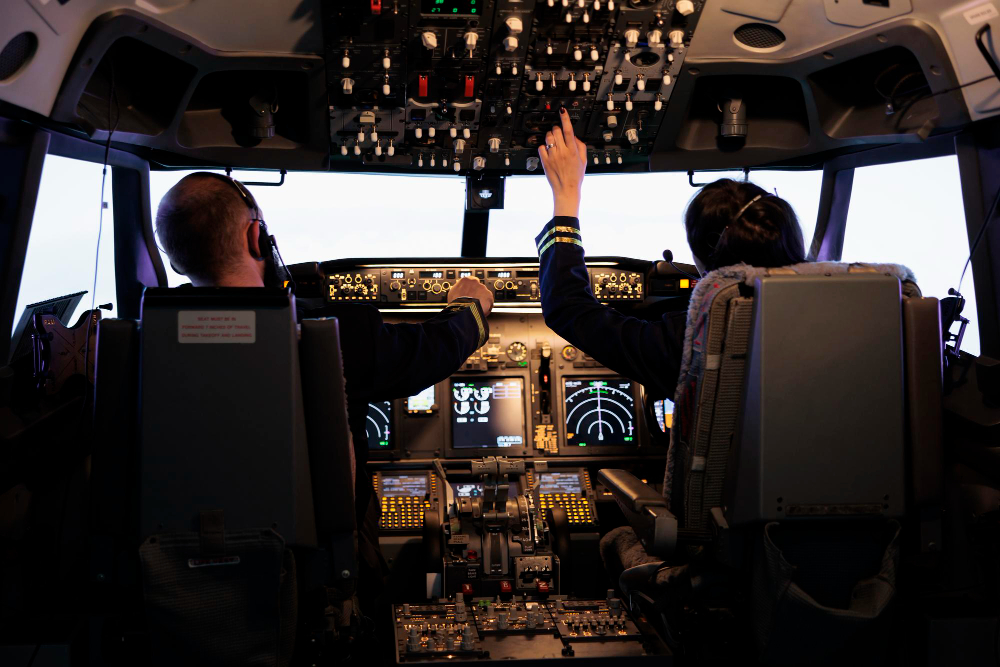
Human vision runs on two sets of receptors. The cone cells handle colour and detail in good light. The rod cells handle low light, and they are far more sensitive.
Moving from bright light to darkness means switching over to the rods, and that switch is chemical. The light-sensitive pigment in the rods has to regenerate, and it does so slowly – the bulk of the adaptation takes somewhere between five and twenty minutes depending on how bright it was to begin with, and full dark adaptation takes longer still.
Anybody who has walked into a cinema partway through a film knows the effect from the inside: for the first minute you can see essentially nothing, and then the room gradually assembles itself around you.
Now imagine that happening in a cabin full of smoke, with ninety seconds to get out.
The Ninety Seconds Is a Real Number
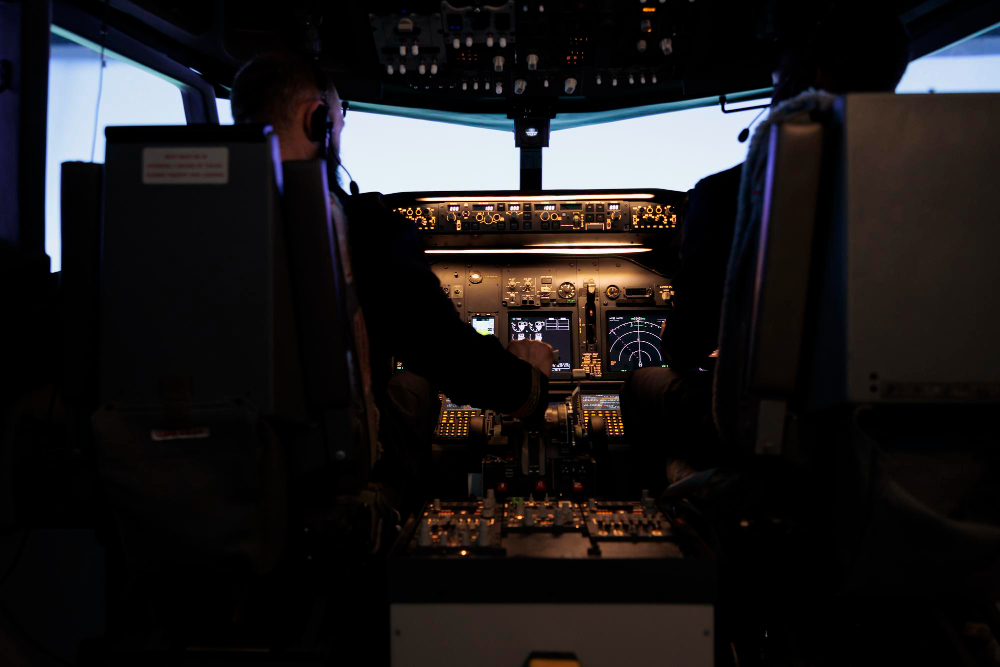
Certification requirements for large passenger aircraft include a demonstrated evacuation of a full load of passengers in ninety seconds, using only half the available exits, in darkness.
That figure is not arbitrary. It derives from research into how long a cabin remains survivable in a post-crash fire before conditions inside become unsurvivable, and the margin is slim. Everything about modern cabin safety design works backwards from it: the exit spacing, the seat pitch, the aisle width, the floor lighting, the door operation, the slide deployment time.
A passenger who needs two minutes for their eyes to work has already used more than the whole evacuation window. Dimming the cabin in advance removes that problem entirely, because the adaptation happens during the ordinary part of the flight while nothing is wrong.
The Window Shades Are the Same Logic, Reversed
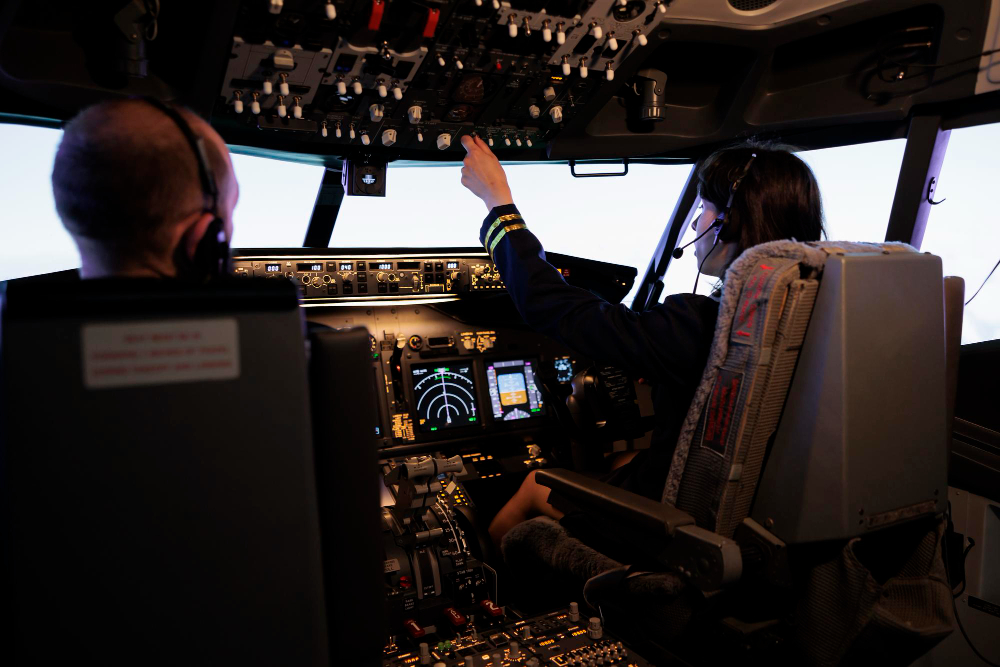
Cabin crew ask for window shades to be raised for takeoff and landing, and it catches people out because it seems to contradict the dimming.
It does not. The two instructions serve the same purpose from opposite directions.
With the shades up, the crew can see outside before they open a door – whether there is fire on that side, whether the wing is intact, whether the aircraft has come to rest at an angle, whether the ground is where it should be. Opening an exit into a fire is a specific and documented way to make an evacuation much worse, and the only way to avoid it is to look first.
Raised shades also let outside light into the cabin, which matters at night when the external emergency lighting may be the main source of illumination, and in daylight means passengers are already adjusted to conditions outside rather than stepping from a bright cabin into glare.
And they let people outside see in. A rescue crew arriving at an aircraft wants to know where the occupants are.
The Brace Position Is Not What People Think Either
Since the subject usually comes up together, the brace position deserves the same correction.
There is a persistent claim online that the brace position is designed to kill passengers quickly, or to preserve dental records. It is nonsense, and it is worth saying so plainly because it circulates widely.
The position does two things, both demonstrated in crash testing and in investigation of real survivable accidents. It reduces how far the body travels before it hits something, which cuts the force of the impact – the head is already against the surface it would otherwise be thrown into. And it reduces flailing of the limbs and the head, which is a significant cause of injury that then prevents somebody evacuating under their own power.
The whole of cabin safety design is organised around getting people out of the aircraft themselves. An unconscious passenger has to be carried, and in ninety seconds nobody is carrying anybody.
Everything Else in Those Few Minutes Is the Same Idea
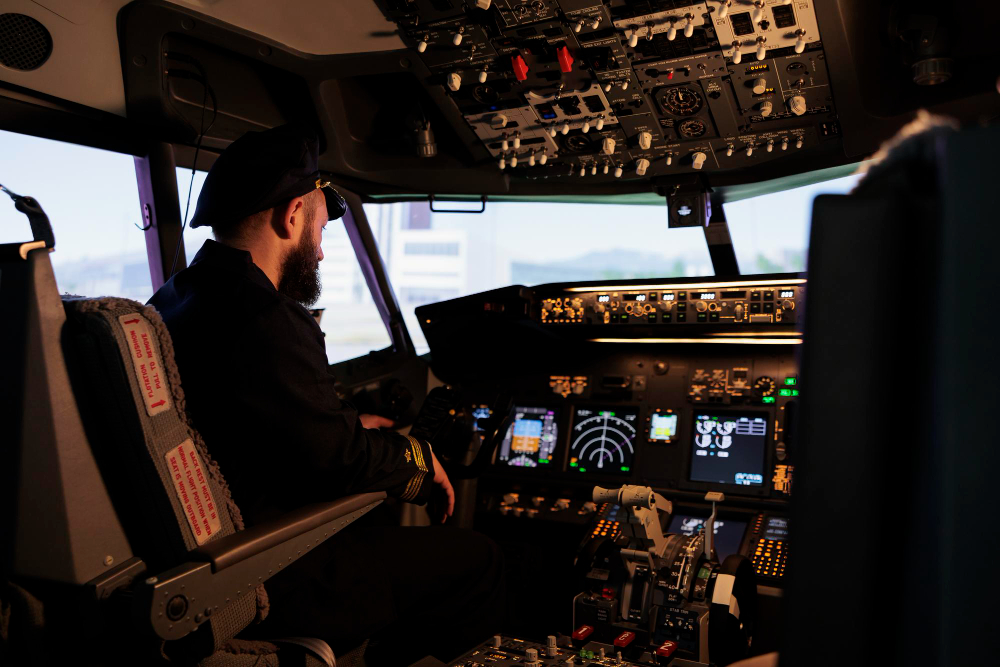
Once you know what the dimming is for, the rest of the pre-landing routine stops looking like tidying up.
The seat back goes upright because a reclined seat blocks the row behind it from getting out, and because the brace position does not work in a reclined seat.
The tray table is stowed because it sits directly across the abdomen of a seated passenger and because it blocks the path to the aisle.
The armrest comes down because an aisle with armrests up is narrower than it looks when forty people are trying to use it at once.
Hand baggage goes under the seat in front or in the locker because a loose bag in the footwell becomes a projectile and then an obstruction. The locker catches are designed to hold under impact loads, which is why they are stiffer than they need to be for ordinary use.
The cabin crew take their own seats facing backwards and strap in with a full harness, because the people who will be running the evacuation have to survive the impact first and a rear-facing seat is better at that – which is a well-known finding and the reason it is routinely asked why passenger seats do not face backwards too. The short answer is weight, cost, and passenger preference, and the people who design the cabin are entirely aware of the trade.
The Floor Lighting Came From a Specific Accident
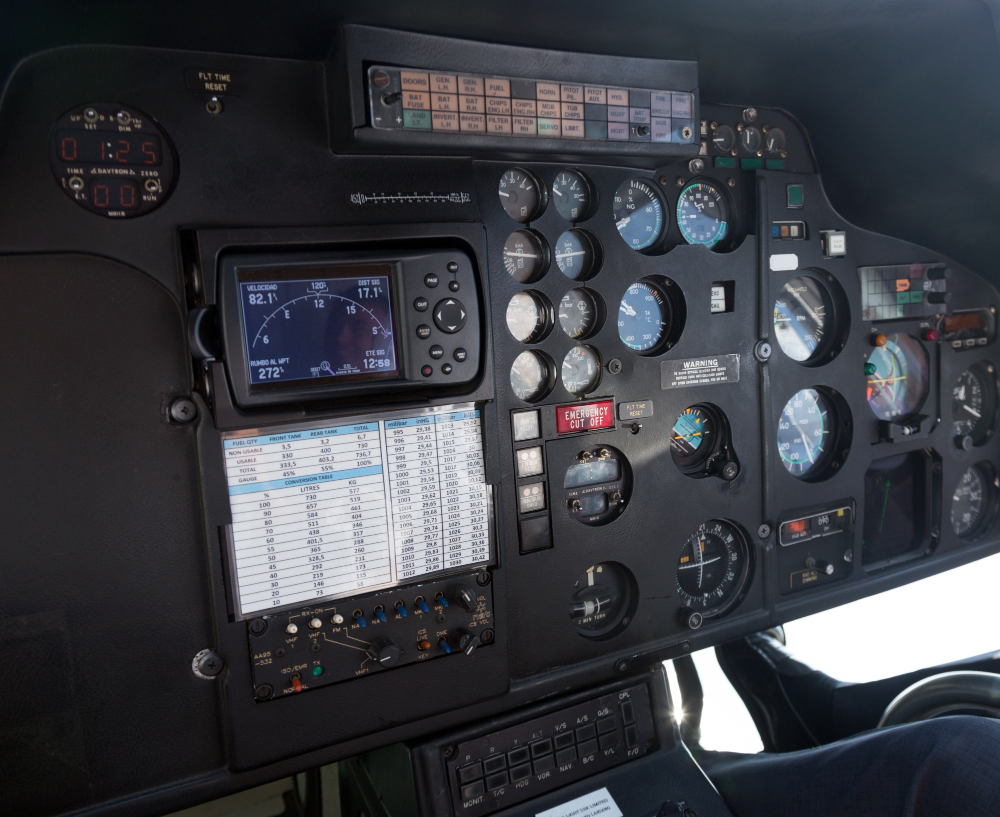
The illuminated strip along the aisle floor, with its track of small lights leading to the exits, is now standard on every airliner. It was not always there.
It became a requirement after investigation of accidents in which survivors could not find the exits in smoke, because smoke fills a cabin from the ceiling downward and the overhead signs are the first thing to disappear. Passengers who had been told where the exits were, who had counted the rows, and who were physically capable of reaching them, could not see anything above waist height.
Putting the lighting on the floor puts it in the last layer of clear air, and the lights lead in one direction. It is a small modification with a large effect, and like most things in aviation safety it exists because of a particular set of deaths and a report written afterwards.
What Any of This Asks of You
Nothing complicated, and very little that is not already asked over the public address.
Count the rows between your seat and the two nearest exits, including the one behind you, because in smoke you will be feeling along seat backs rather than looking. The card in the seat pocket shows the layout for that specific aircraft, which is why it is specific to that aircraft.
Keep your shoes on for takeoff and landing. A cabin floor after an impact has broken fittings and spilled fuel on it, and the slides are not kind to bare feet.
Leave the bag. Every evacuation that has gone badly in the last two decades has footage of somebody in the aisle with a roller case, and the delay is measured against the ninety seconds.
And when the lights go down, that is not the cabin crew being considerate about the people who want to sleep. It is a procedure, it was designed by people who read accident reports for a living, and the reason you have never needed it is the entire point of it.
There is one more thing worth holding onto, because it reframes the whole safety briefing that nobody watches.
Almost nothing in a modern cabin is there because somebody thought it would be a good idea. The ninety seconds, the floor lighting, the exit row briefing, the shade position, the harness on the crew seat, the material the seat cushions are made of, the distance between the doors – each of those is the published recommendation of an investigation into an accident that happened, written by people who went through the wreckage and worked out exactly why a particular person did not get out.
That is an uncomfortable way to describe an aircraft cabin and it is an accurate one. It is also why flying has become as safe as it has: the industry treats every accident as a design failure to be engineered out rather than as bad luck, and the result is a cabin in which almost every feature is a memorial to somebody.
So the lights going down is a small thing, costing nothing, inconveniencing nobody. It just quietly removes one of the ways an evacuation can go wrong before anybody knows whether one will be needed.
Like our content? Follow us for more.