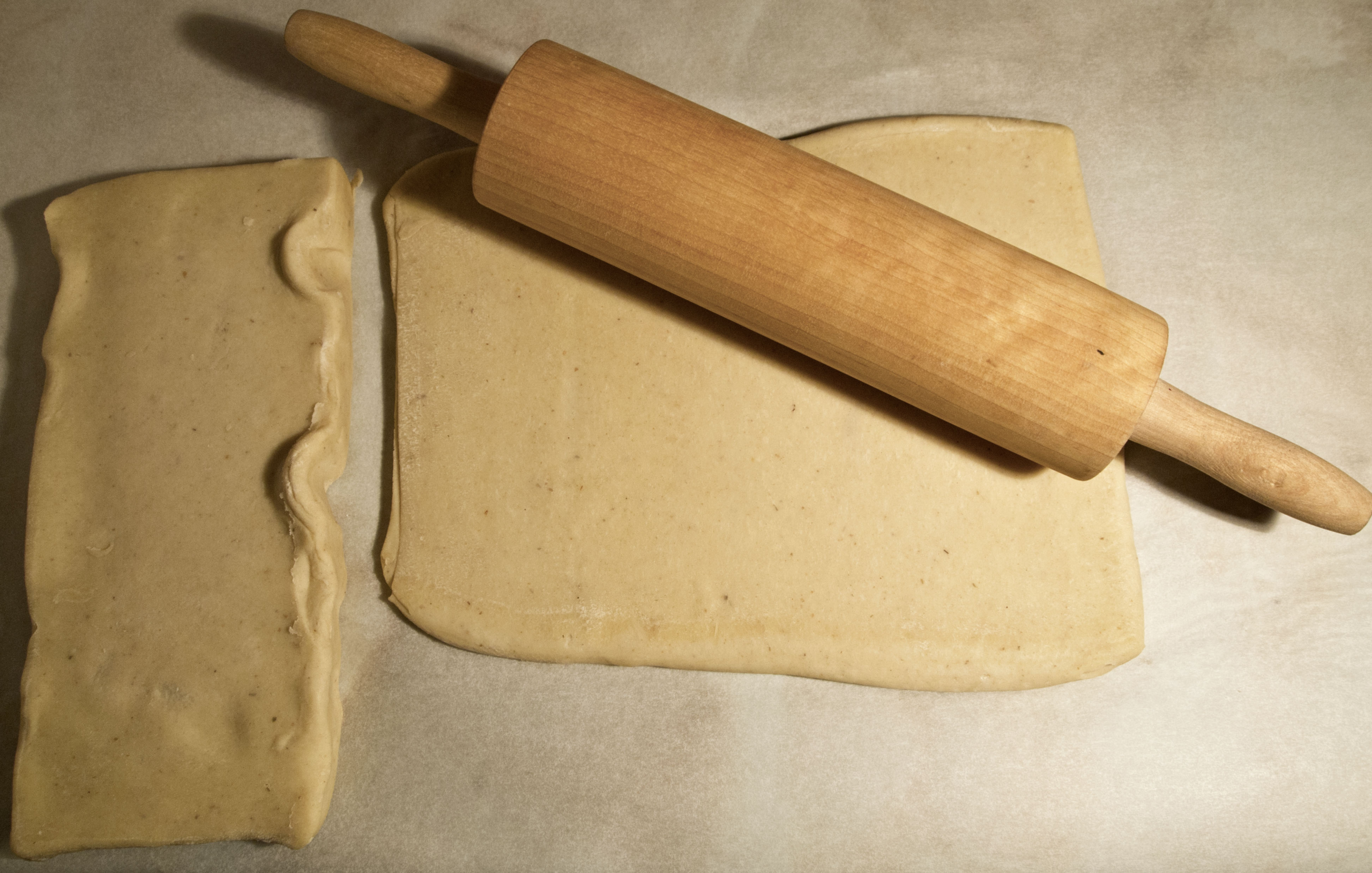
The rolling pin in my family is marble, which I thought was a strange affectation until I was told where it had been kept – on the cellar steps, in the coldest part of the house, year round. That is not how you store a wooden kitchen tool. It is how you store something you want cold, and once I understood why pastry needs cold equipment, the whole arrangement of that kitchen made sense in a way it had not before.
Pastry Is Fat in Pieces, Not Fat Mixed In
Start with what pastry actually is, because this is where most people’s understanding goes wrong.
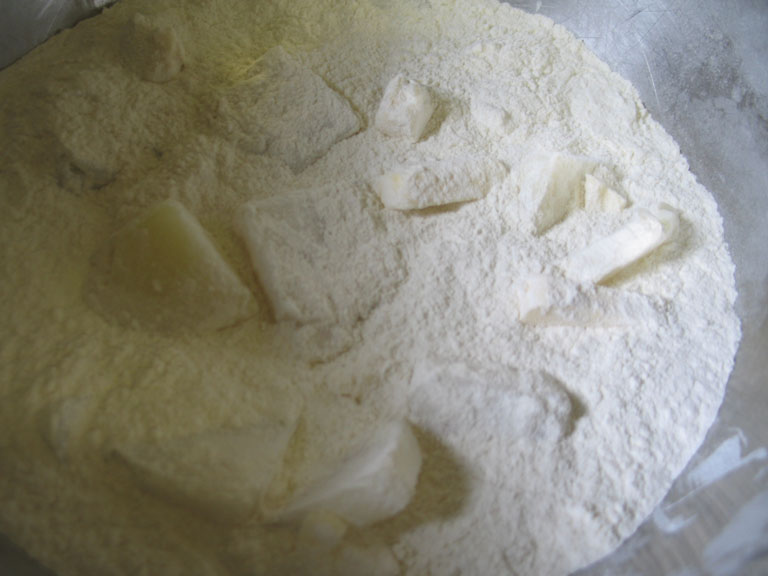
Good short pastry is flour with solid pieces of fat distributed through it – not fat blended smoothly into flour, but discrete flakes and lumps still separate from the flour around them. When it bakes, those pieces melt and the water in them turns to steam, which pushes the layers of flour apart and leaves the texture.
So the goal while working is to keep the fat in pieces. Everything that makes pastry bad is something that lets those pieces disappear into the flour before it goes into the oven.
Like our content? Follow us for more.
Warmth Is What Destroys It
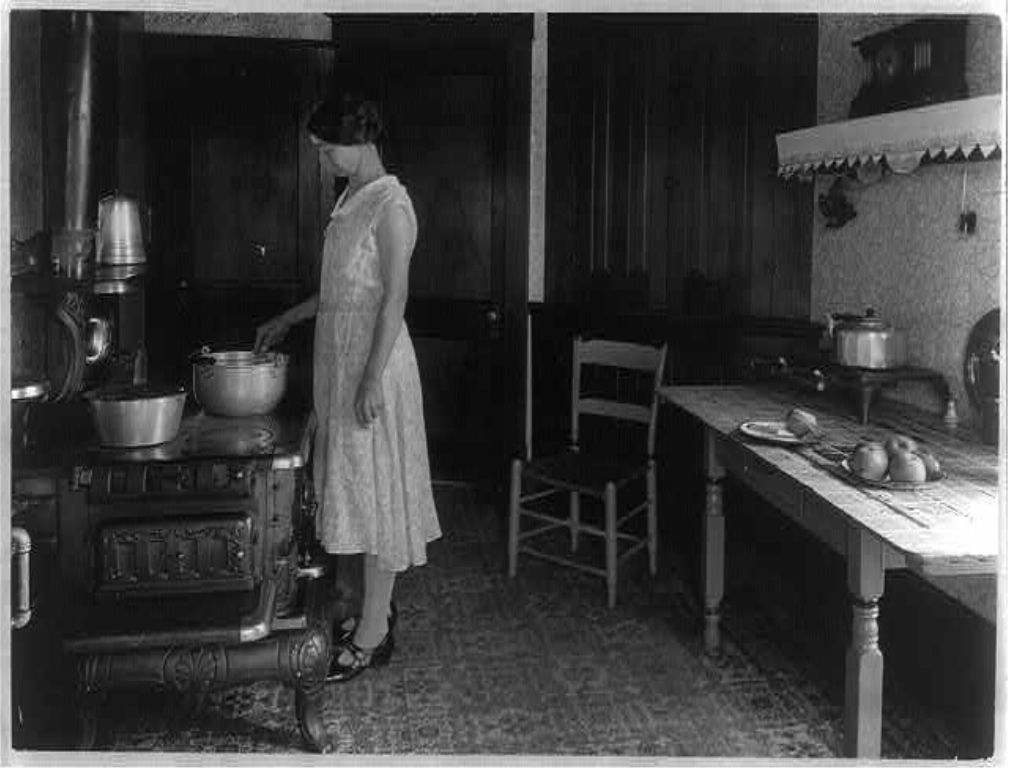
Which makes temperature the governing variable.
Cold fat is firm and brittle. Worked into flour, it breaks into flakes that stay as flakes. Warm fat is soft and greasy, and worked into flour it smears – coating the particles rather than sitting between them, which produces a dense, tough, heavy result instead of a light one.
And there is a second mechanism. Flour mixed with water develops gluten, which is what gives bread its structure and is precisely what pastry does not want. Warmth and working both accelerate that development, so a warm dough handled for a long time becomes elastic and tough.
Both problems point the same way: keep everything cold and handle it as little as possible.
So the Equipment Was Chosen to Be Cold
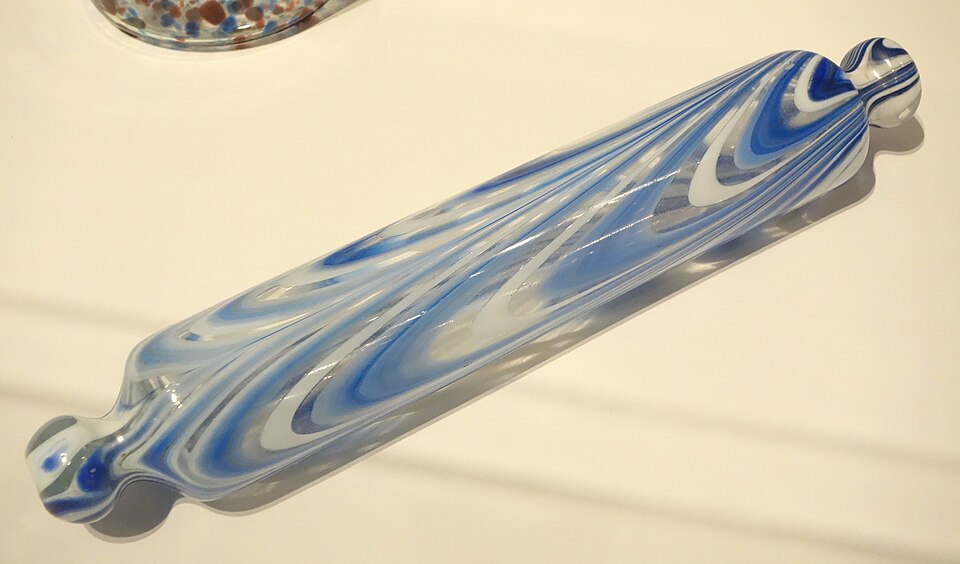
This is where the pin comes in.
A rolling pin is in contact with the dough for the entire time it is being worked, which makes it the largest heat source or heat sink in the operation. A warm pin softens the fat exactly where you are trying to keep it firm.
Marble and glass were used specifically because they are dense, they conduct heat well, and they hold a temperature – so a cold marble pin stays cold through a job and actively pulls heat out of the dough rather than putting it in. A glass pin could be filled with cold water or ice for the same reason.
Wood is the opposite: it insulates, so it takes on the temperature of the room and the hands. Which makes a wooden pin perfectly adequate in a cold kitchen and a liability in a warm one.
The Board Mattered as Much as the Pin
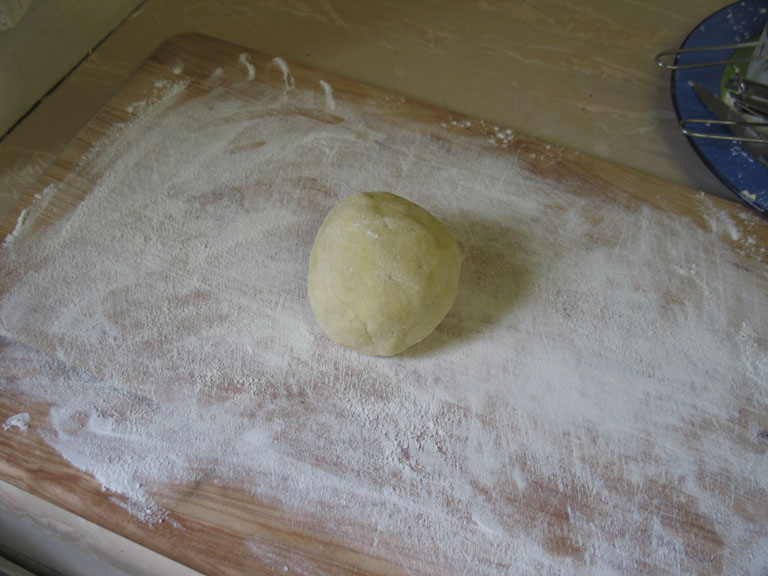
And the surface underneath is doing the same job from below.
Marble slabs were prized for pastry for exactly the same reason as marble pins, and a household that had one kept it for that. Wood is the common alternative, and a dedicated pastry board was a flat piece kept clean and smooth and used for nothing else.
The reason it was used for nothing else is practical rather than fussy. Wood absorbs fat and odours, a board that has had onions on it will put onions into a pie crust, and a board with cuts in it holds dough in the cuts. So the pastry board was a protected object, frequently thin enough to be carried to a cold room.
Working in the Morning Was a Temperature Decision
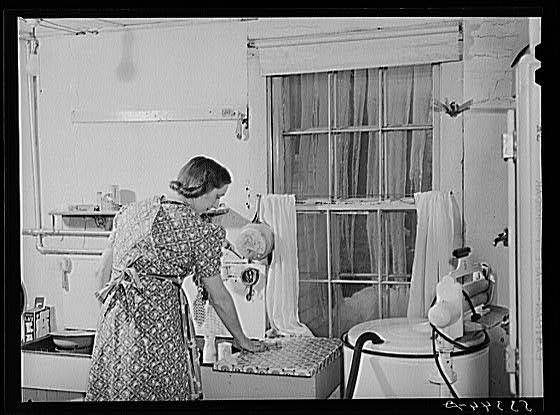
Which explains a scheduling habit that looks like mere routine.
A kitchen in a house heated by its own stove is coldest first thing, before the fire has been going long. By mid-afternoon the room is warm, and in summer it is hot enough that pastry becomes genuinely difficult.
So pastry was made early, and in hot weather it was made very early or not at all – and the cellar, the pantry, the north room or the back porch were used as working spaces specifically because they were colder. That is a household organising its day around a material property.
Flour on the Board Is a Lubricant and a Hazard
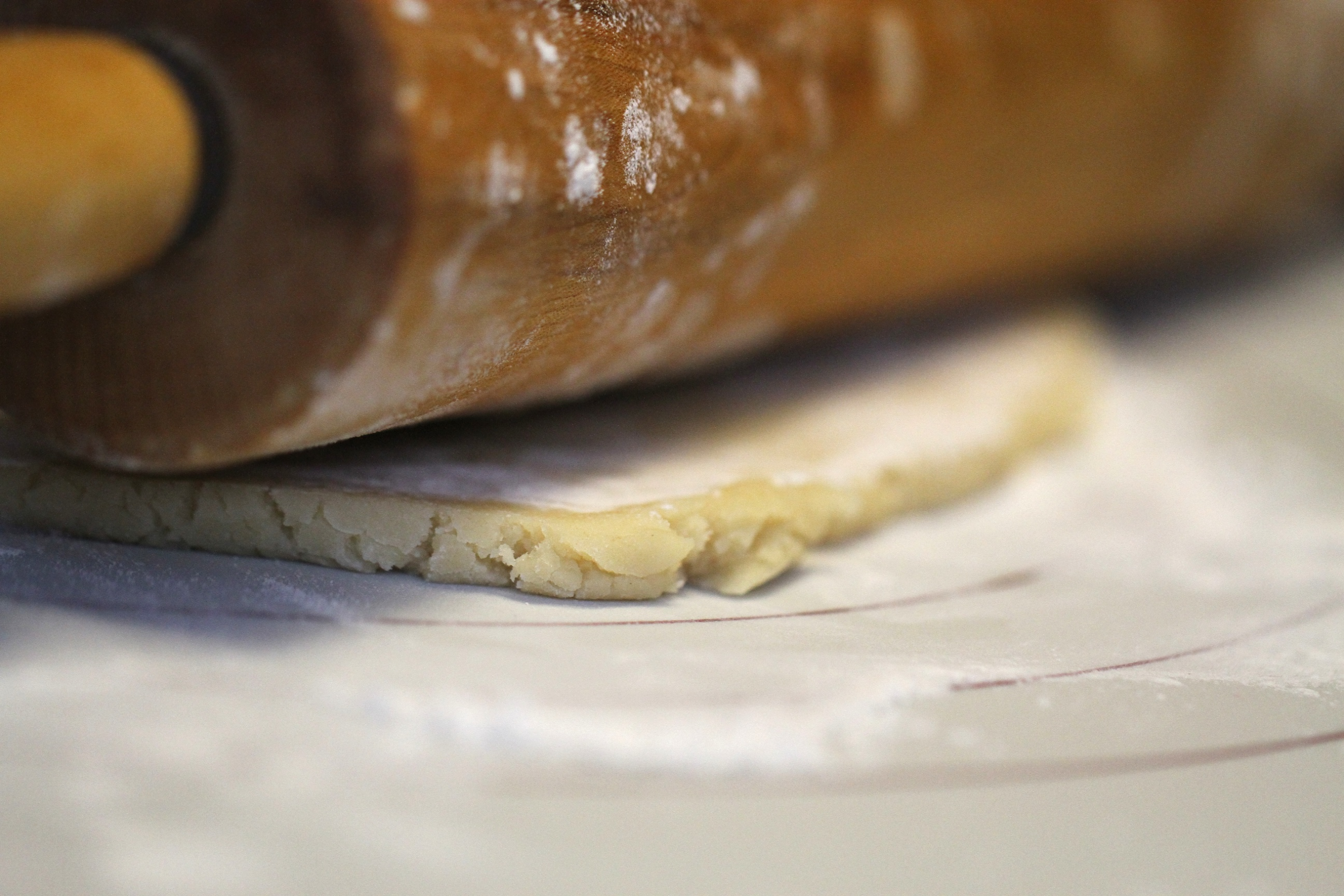
The dusting of flour has a job and a cost.
Dough sticks to a pin and a board, and a film of dry flour between them stops it – so flouring the surface is what makes the work possible at all.
But every bit of that flour gets rolled into the dough, which changes the proportion of flour to fat and to water. Too much flouring and the pastry becomes dry and tough because it is no longer the mixture it was made as.
Which is why experienced hands flour lightly and repeatedly rather than heavily once, and why a stockinette sleeve over a pin was used – a cloth cover holds a small amount of flour against the surface and releases it gradually, which is a neat solution to needing flour on the pin without adding much of it to the dough.
Rolling From the Centre Outward Was the Technique
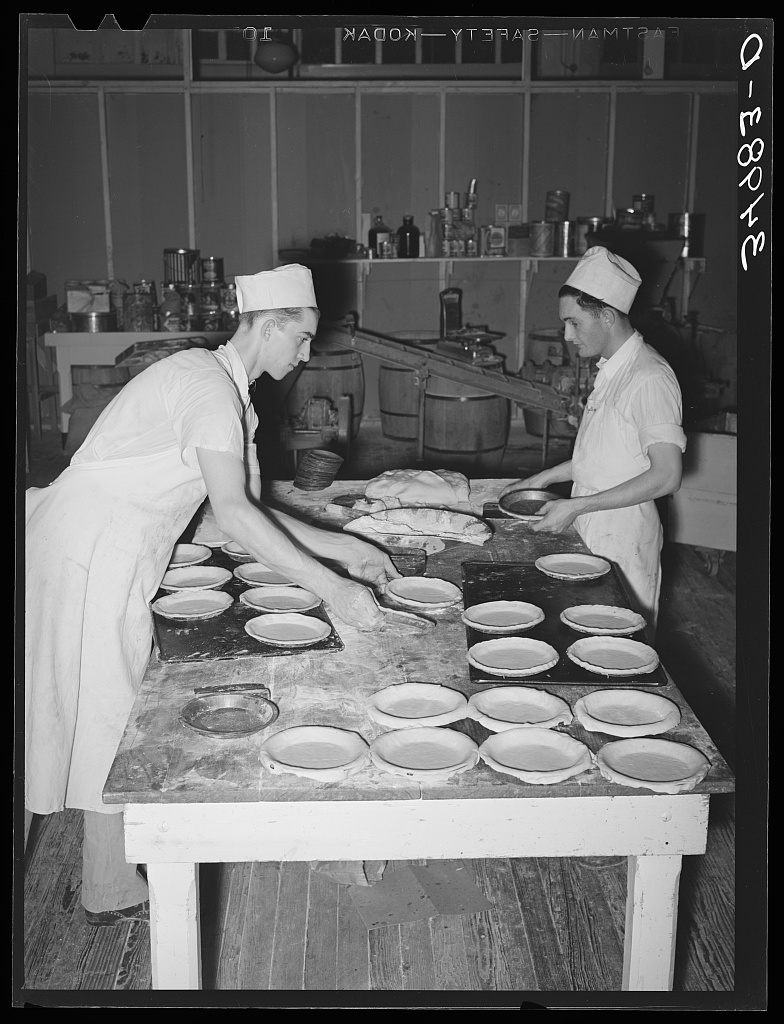
There is a method and the reason for it is mechanical.
Pressing down in one place and pushing forward stretches the dough unevenly and tears it. Starting at the centre and working outward in short strokes, turning the dough rather than reaching round it, moves material outward in all directions roughly equally.
And the pressure has to come off at the edges, because a pin bearing down at the rim makes the edge thinner than the middle – which in a pie means an edge that burns before the centre is cooked. So the stroke eases at the end, which is a thing done by feel and cannot be described usefully.
The Pin Told You When to Stop
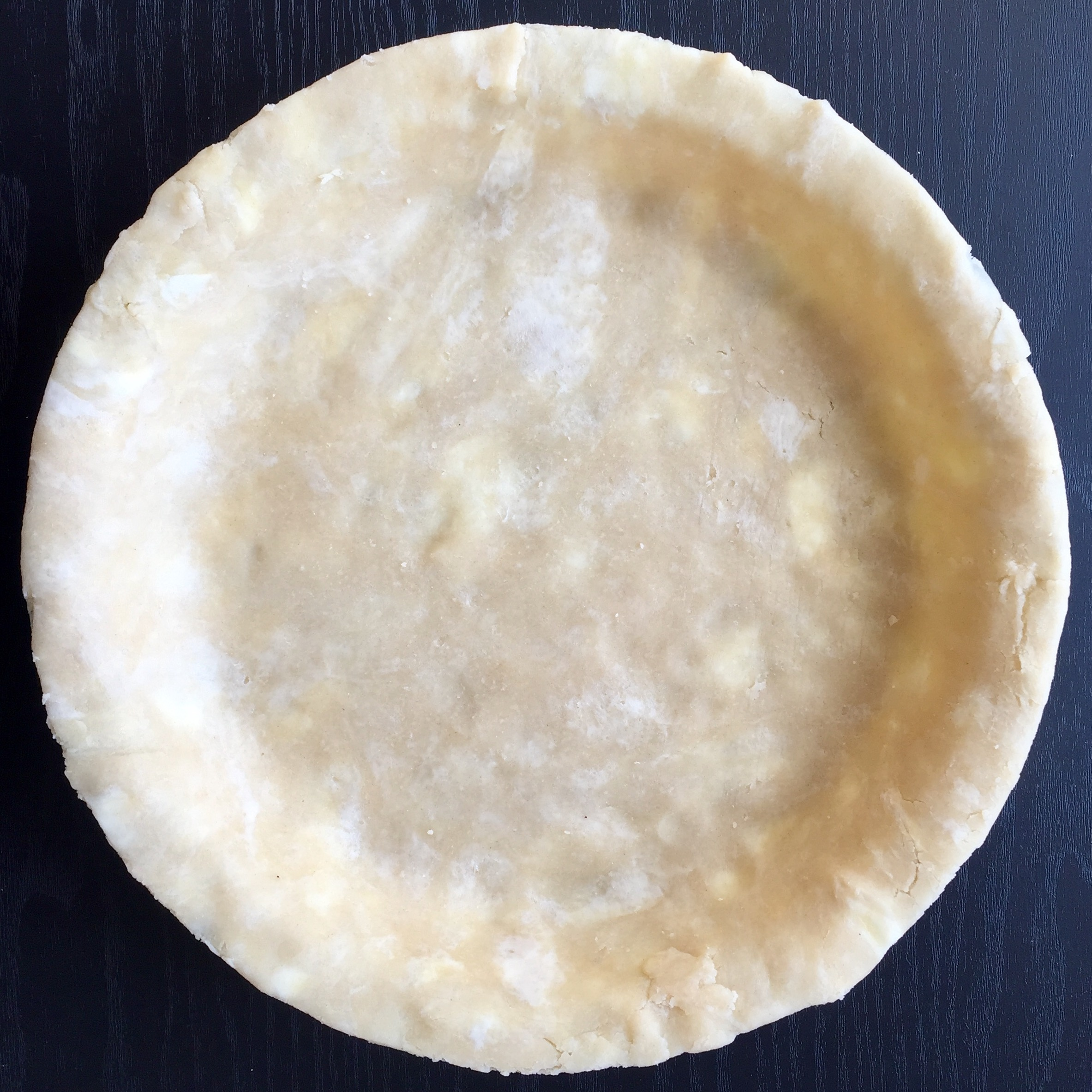
A detail that only people who have done it a great deal mention.
Dough that is still cold and still short feels soft and slightly resistant under the pin and releases cleanly from the surface. Dough that has been worked too long or got too warm feels different – it becomes elastic, it springs back, and it starts to stick.
So the tool is also an instrument. The information about whether the pastry is still good comes up through the pin into the hands, and the decision to stop is made on that rather than on any measurement.
Handles Were Separate From the Barrel on Purpose
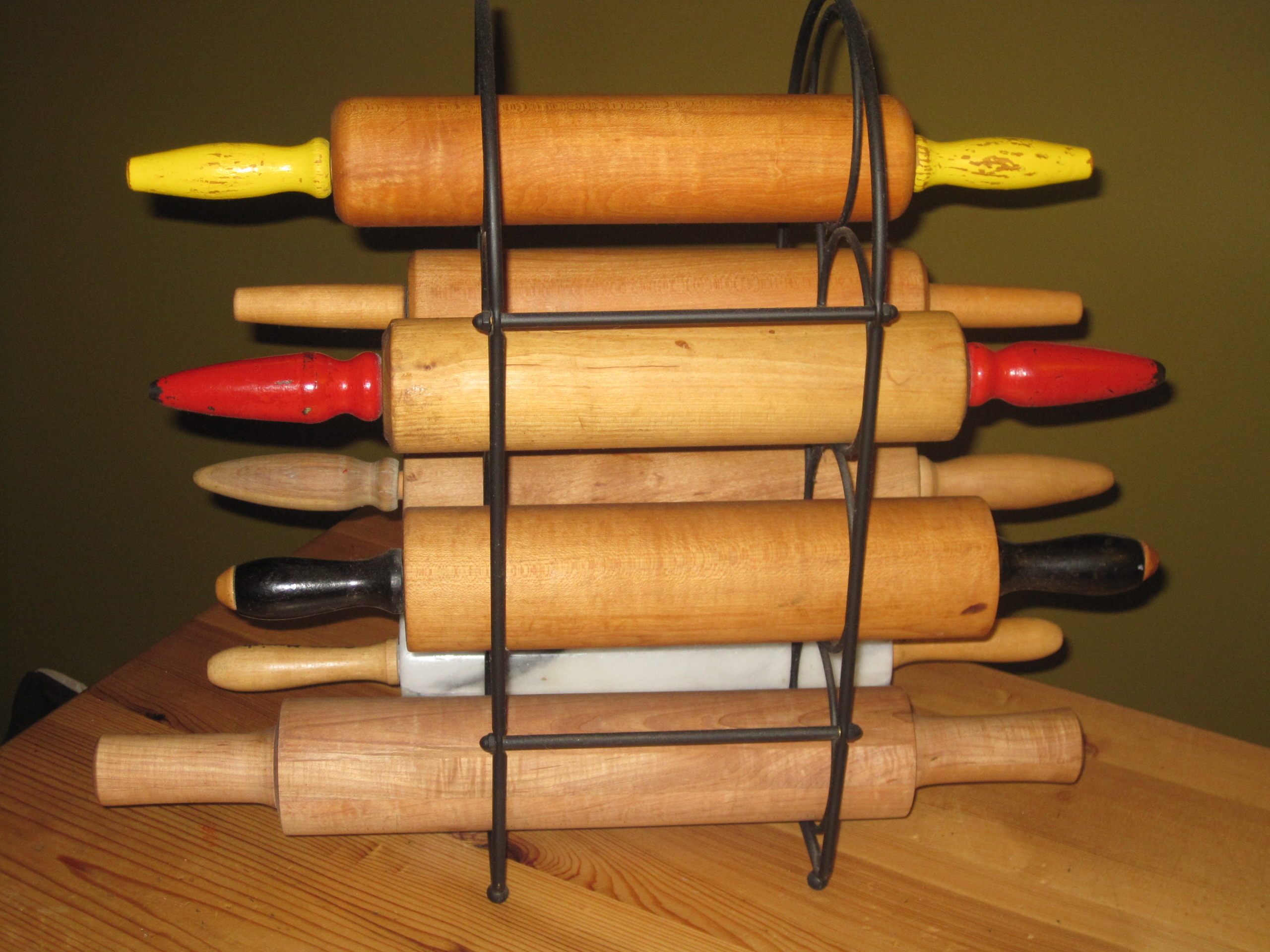
A piece of design worth noticing.
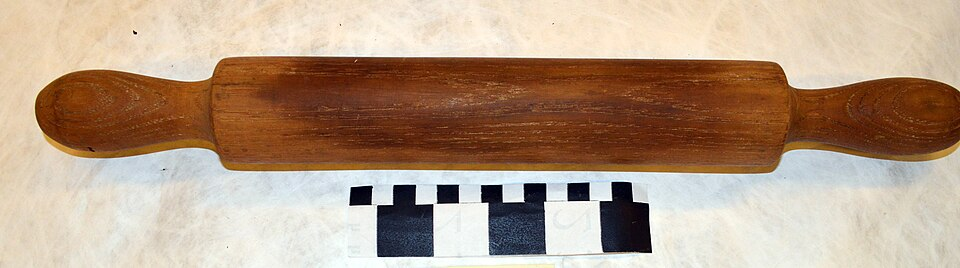
On the common pattern, the handles are fixed to a rod running through the barrel, and the barrel turns freely on that rod. Which means the hands stay in a constant position while the roller rotates underneath them.
That matters for two reasons. It lets the pressure be applied consistently without the hands travelling, and it keeps the warm hands at the ends rather than in contact with the rolling surface. A one-piece pin with no handles – a plain tapered cylinder – requires the palms on the barrel itself, which works and puts hands exactly where the cold is wanted.
It Was the Tool Everybody Owned and Nobody Replaced
Which is why they survive in such numbers.
A rolling pin has no mechanism, nothing to wear out and nothing to go wrong. A wooden one can be washed badly and ruined, and a marble one can be dropped, and otherwise it lasts indefinitely – so households kept the same one for generations and a great many are still in use.
That durability also means there was never any reason to buy a better one. A pin that works is a pin, and the only upgrade available is a change of material – which is precisely what the marble ones were.
Then the Kitchen Stopped Being Cold
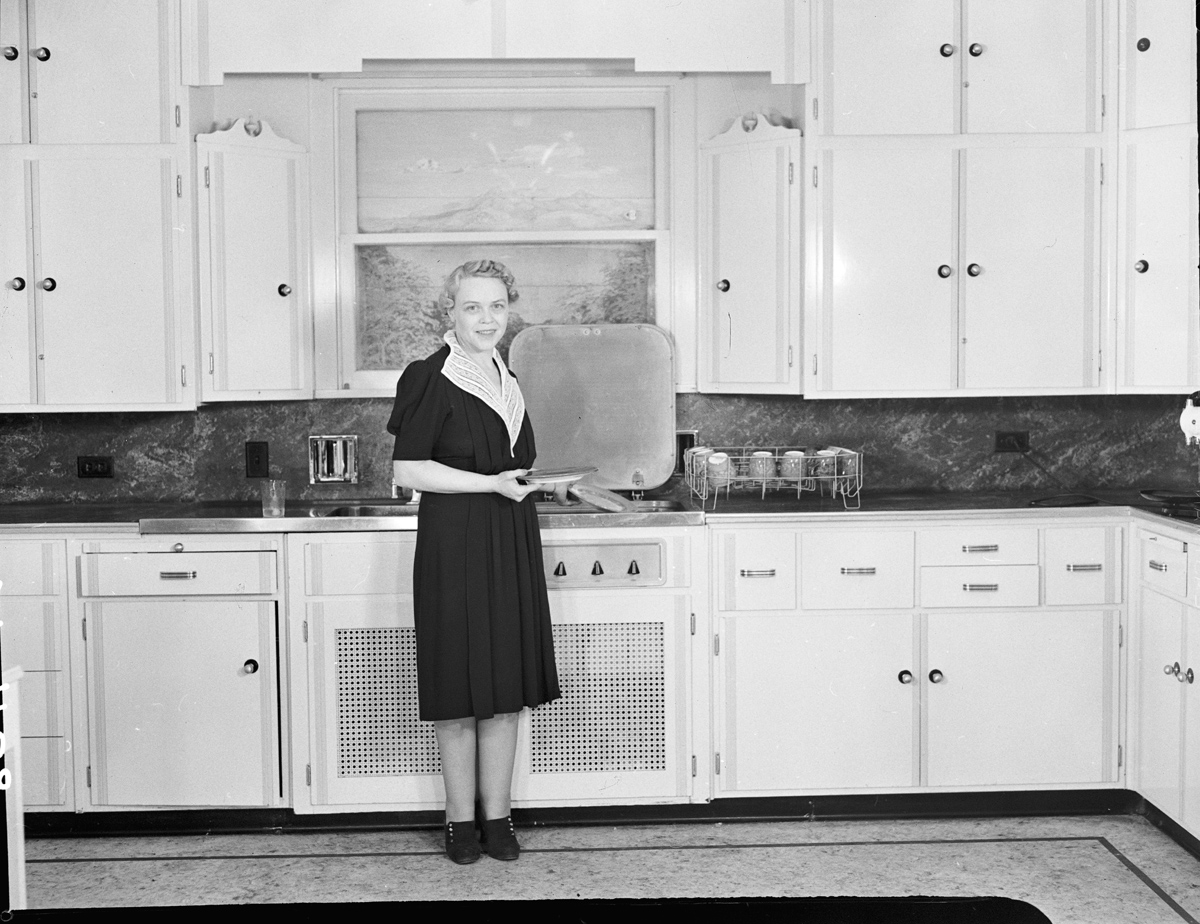
Central heating is the change that broke the system.
A uniformly warm house has no cold room. There is no cellar step at fifty degrees, no unheated pantry, no north room – which removes both the storage place for cold equipment and the working space for difficult jobs.
Refrigeration replaced it with something better: a cold box that holds a reliable temperature regardless of the season, in which fat, dough and equipment can all be chilled on demand. Which is why modern pastry instruction is full of instructions to refrigerate things, where the old method simply used the house.
Then Pastry Became Something You Bought
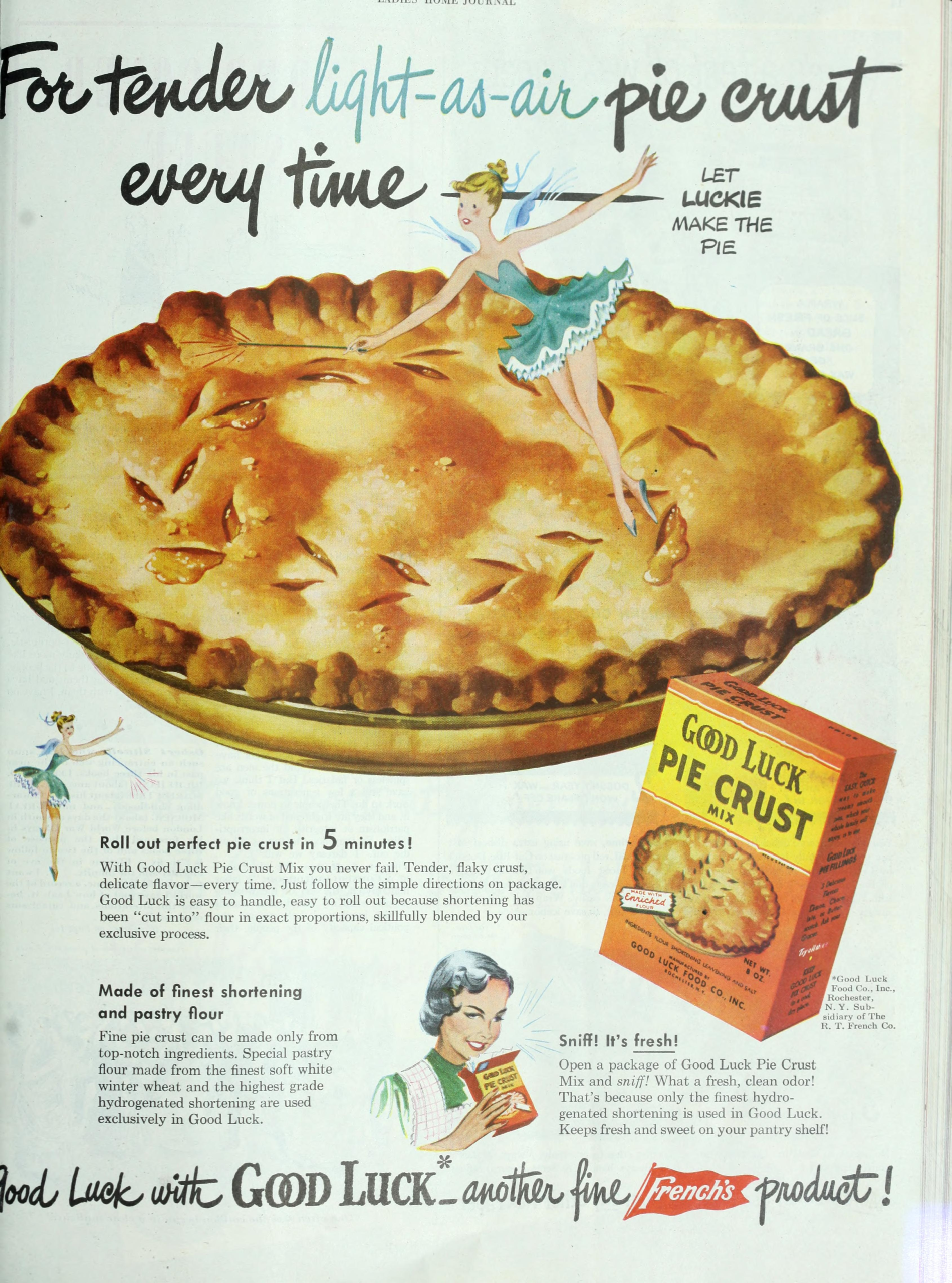
And that is the end of the whole business.
Ready-made crusts, frozen pastry and bought pies removed the need for the skill entirely, and the skill was substantial – a feel for temperature, a judgement about flouring, a technique for rolling and the ability to tell by hand when to stop.
None of that was written down in a form that transfers. It was taught by standing next to somebody, and what got passed down instead was the equipment: a marble pin, a wooden board, and in my family the information that the pin belonged on the cellar steps.
Why the Pin Was on the Steps
Which turns out to be the most useful thing anybody told me about cooking.
The pin was on the cellar steps because pastry is flour with solid pieces of fat in it, warm fat smears instead of flaking, a dense stone pin holds cold and pulls heat out of dough, and the coldest place in a house heated by one stove is the way down to the cellar.
That is four facts about physics and one fact about the building, arrived at by people who would not have put it that way, and the conclusion they reached – keep the pin where it is coldest – is exactly the conclusion a food scientist would reach now.
The pin is still in the family. Nobody keeps it on the steps, because the house is warm all through and there is a refrigerator. Which means the object survived and the reasoning behind it very nearly did not.
Like our content? Follow us for more.