For every city losing residents, there’s one gaining them, and the 2026 winners tell a clear story about what Americans now want from a place to live. Using roughly 78,000 searches made in its moving-cost calculator over the first three months of the year, the moving-data firm moveBuddha ranked U.S. cities by their in-to-out ratio: the number of people searching to move in for every one searching to move out. The cities at the top aren’t the big-name metros of a decade ago. They’re mid-sized, affordable, warm or outdoorsy, and built around a pace of life that feels manageable. Here are the cities Americans are moving to most in 2026, the two distinct groups they fall into, and the bigger shift behind the numbers.
A quick note on the data: these rankings track search interest, meaning where people are actively planning moves, rather than completed Census relocations. That makes them an early read on demand. Here’s where the momentum is heading.
How the Ranking Works
The in-to-out ratio divides searches for moves into a city by searches for moves out. Anything above 1.0 means more people want in than out. The top-ranked cities of 2026 all clear 2.0, which means at least twice as many people are looking to arrive as leave. A theme runs through nearly all of them: a 2026 moving survey found that 88 percent of respondents said they want to save money when they relocate this year, and the winning cities deliver on that, with lower housing costs and cheaper day-to-day living than the markets people are leaving.
The Retirement-and-Sunshine Cluster
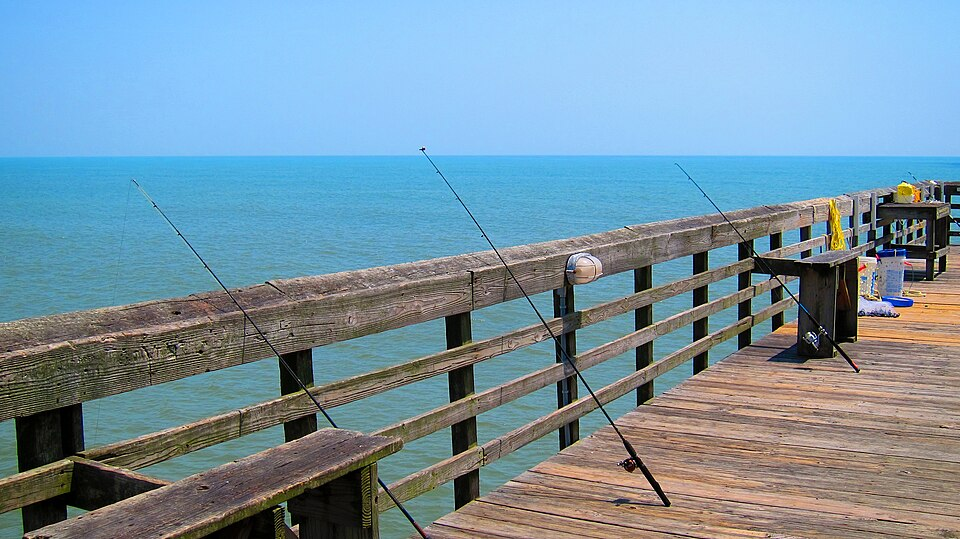
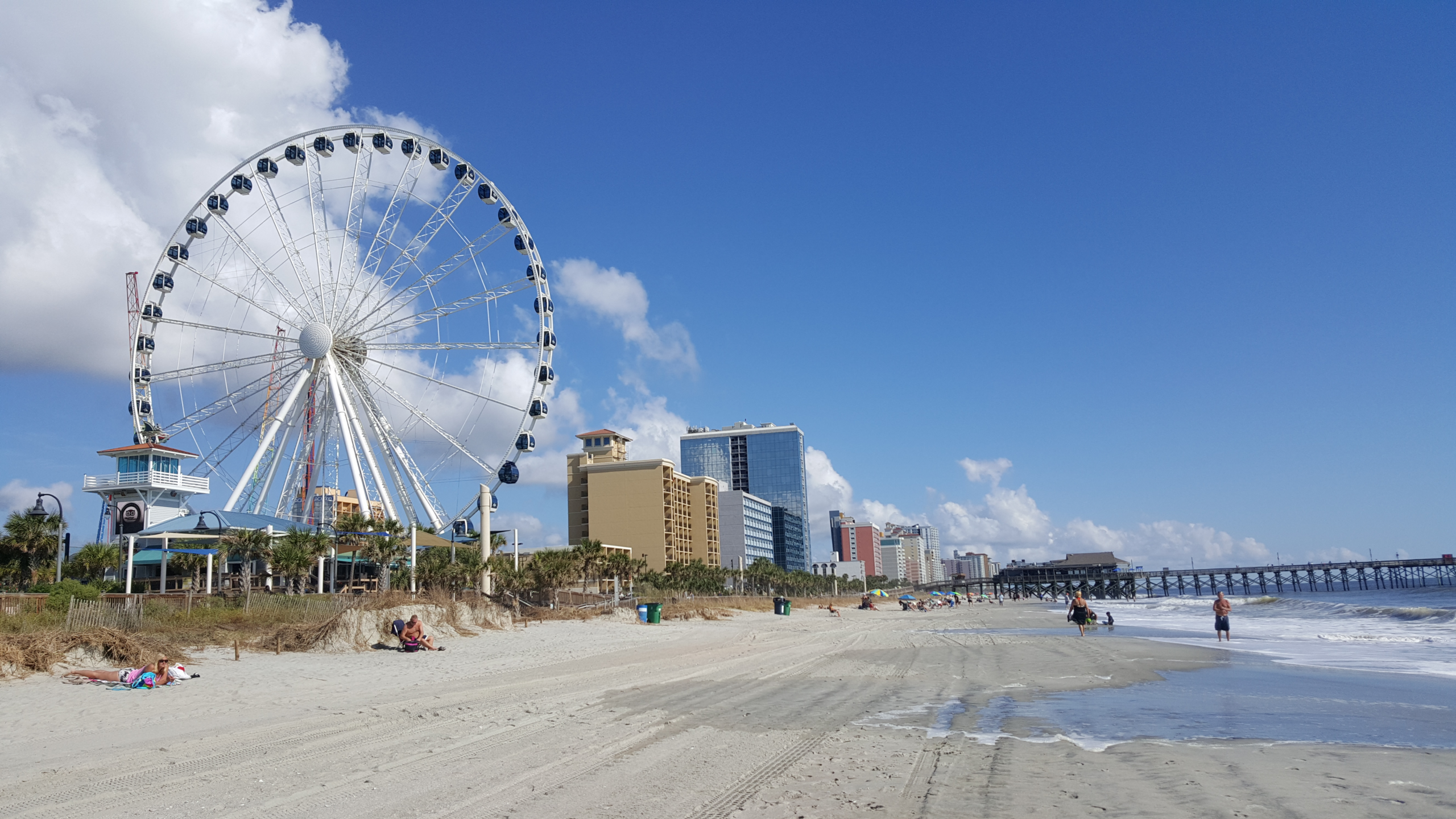
Most of the top ten are warm, coastal, and shaped by hospitality and accessible living. Myrtle Beach, South Carolina, leads the entire country with a 3.88 ratio, drawing close to four inbound searches for every one out. Florida fills much of the rest of the list: St. Augustine (2.77), Ocala (2.37), Kissimmee (2.25), and The Villages (2.22), the last a master-planned retirement community. Wilmington, North Carolina (2.14) rounds out the coastal group. These places win on a simple value equation for people on fixed incomes or winding down careers: warm weather, established hospitality infrastructure, and a cost of living that still leaves room to breathe.
The Culture-and-Outdoors Cluster
The other half of the top ten reflects a different motivation. Bellingham, Washington (2.52), Portland, Maine (2.48), Fort Collins, Colorado (2.34), and Boulder, Colorado (2.00) all share strong local culture, easy access to the outdoors, and a livable pace that feels more sustainable than a major metro. These aren’t retirement destinations so much as places people in the middle of their careers are choosing for quality of life, often while working remotely or in university-anchored economies. The common thread with the sunshine cluster is size: nearly every winner is a mid-sized city, not a coastal giant.
Idaho and the Mountain West Surge
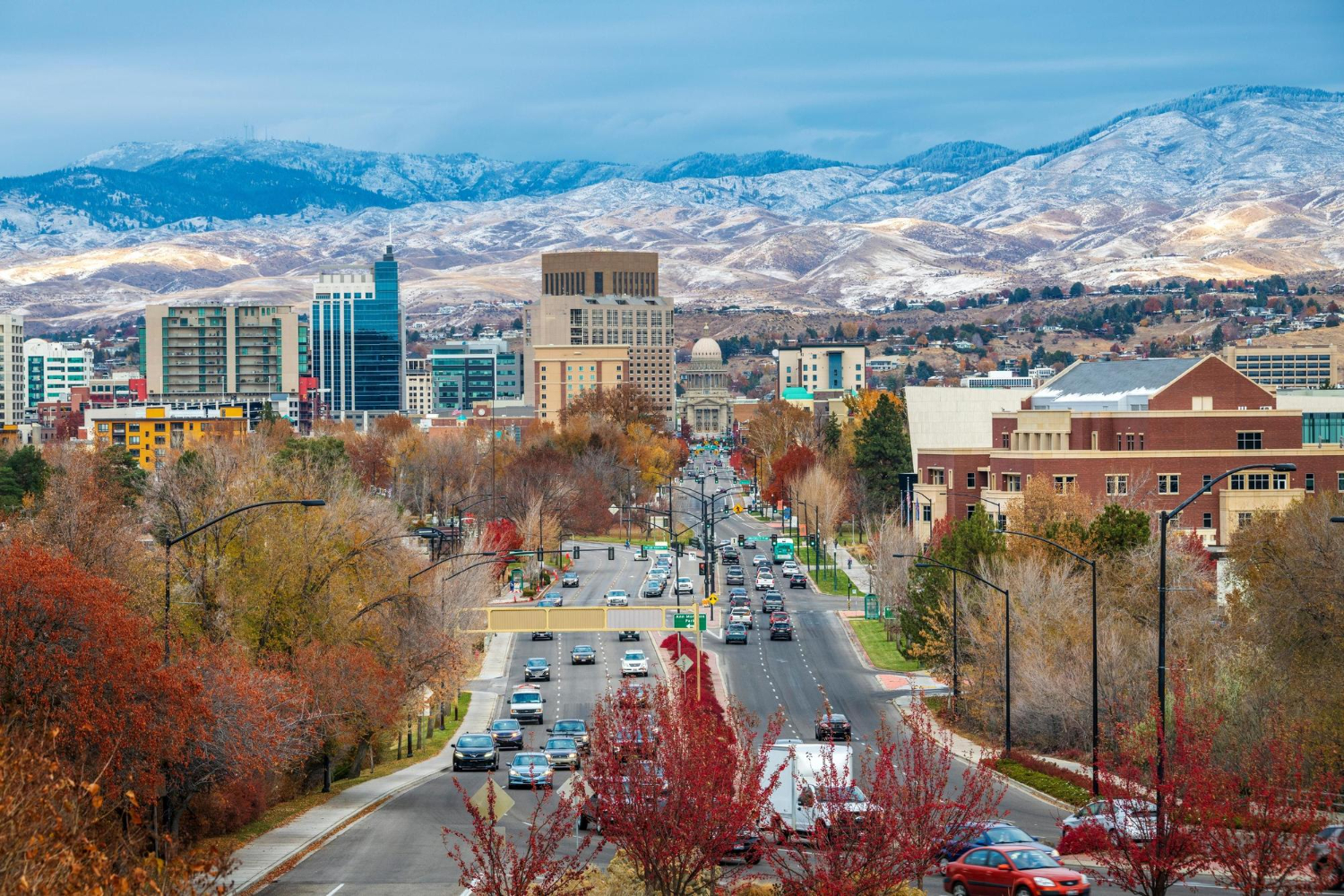
Zoom out to the state level and the story sharpens. Idaho is the most popular state in the country for 2026, with a 2.05 in-to-out ratio, the first time it has topped 2.0 since 2020. A large share of that demand comes straight from California; in early 2026, roughly a quarter of searches for moves to Idaho originated there. The broader Mountain West is the year’s real growth engine, with Montana posting the single largest jump in inbound interest (up 42 percentage points), followed by Idaho, Arizona, and New Mexico. The pull is the same combination the Sun Belt long sold, namely affordability plus the outdoors, but with less competition and lower price tags.
The Midwest’s Overlooked Comeback
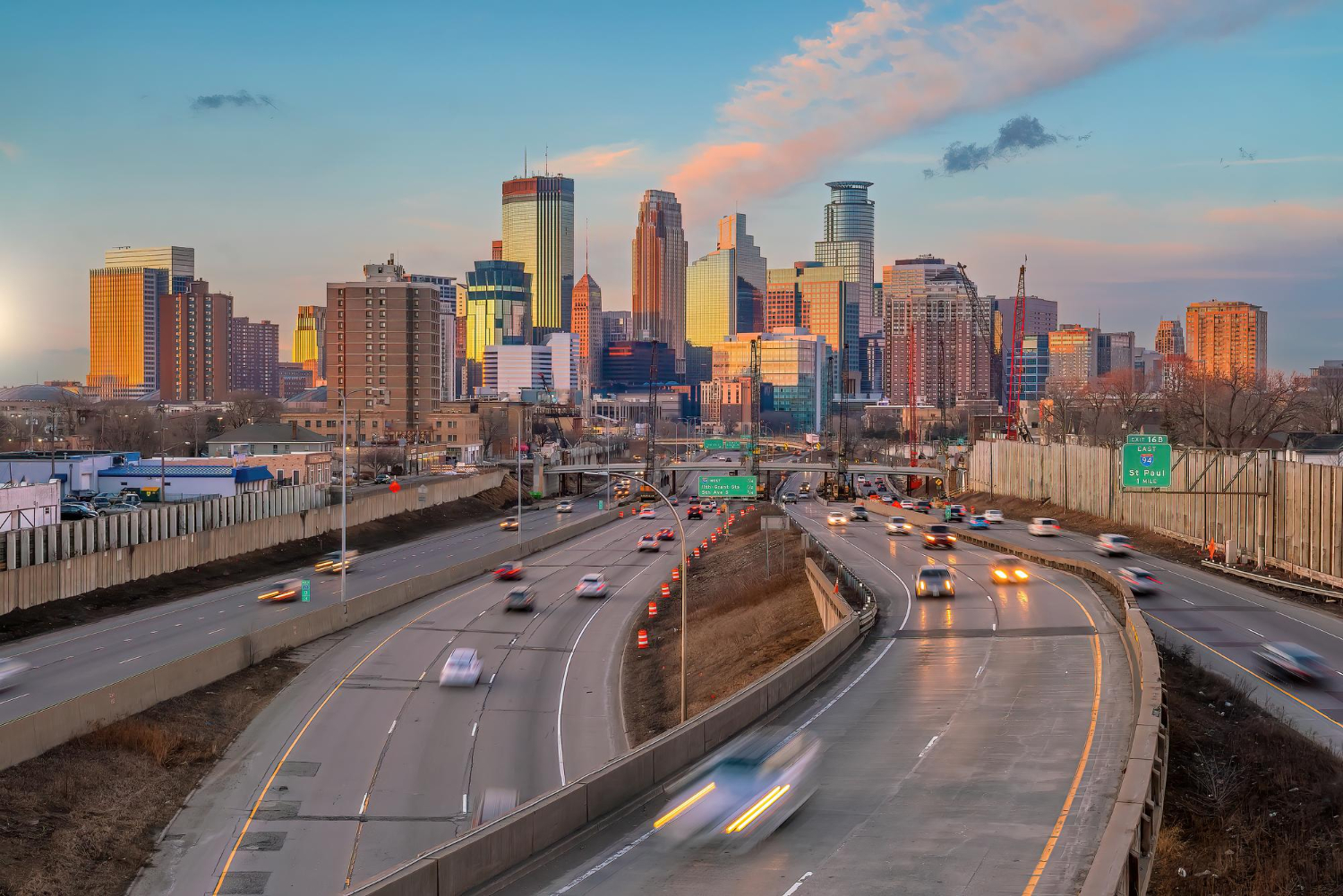
One of the most overlooked trends of 2026 is the Midwest’s shift from a place people left to a place people are choosing. Minneapolis and Indianapolis both flipped from net domestic outflow to net inflow in the most recent Census data, and Minnesota cracked United Van Lines’ top-ten inbound list for the first time. Chicago, long treated as an outbound city, has reversed its reputation and is now drawing more interest than it loses. Forecasters expect mid-sized, university-anchored cities like Knoxville, Tulsa, and Savannah to lead a fresh wave of moves, driven almost entirely by affordability.
What the Winners Have in Common
The 2026 map points away from the expensive coastal hubs that dominated past decades and toward smaller cities where a paycheck stretches further. Whether the draw is a beach, a mountain trail, or simply a manageable mortgage, the winning places offer the same core promise: a lower cost of living without giving up climate, culture, or community. Florida still pulls the highest total volume of inbound interest of any state, but the more telling signal is the spread of demand into the Mountain West and the Midwest. For 2026, the dream move isn’t to the biggest city you can reach. It’s to the most livable one you can afford.
Like our content? Follow us for more.