Four Materials Did Everything
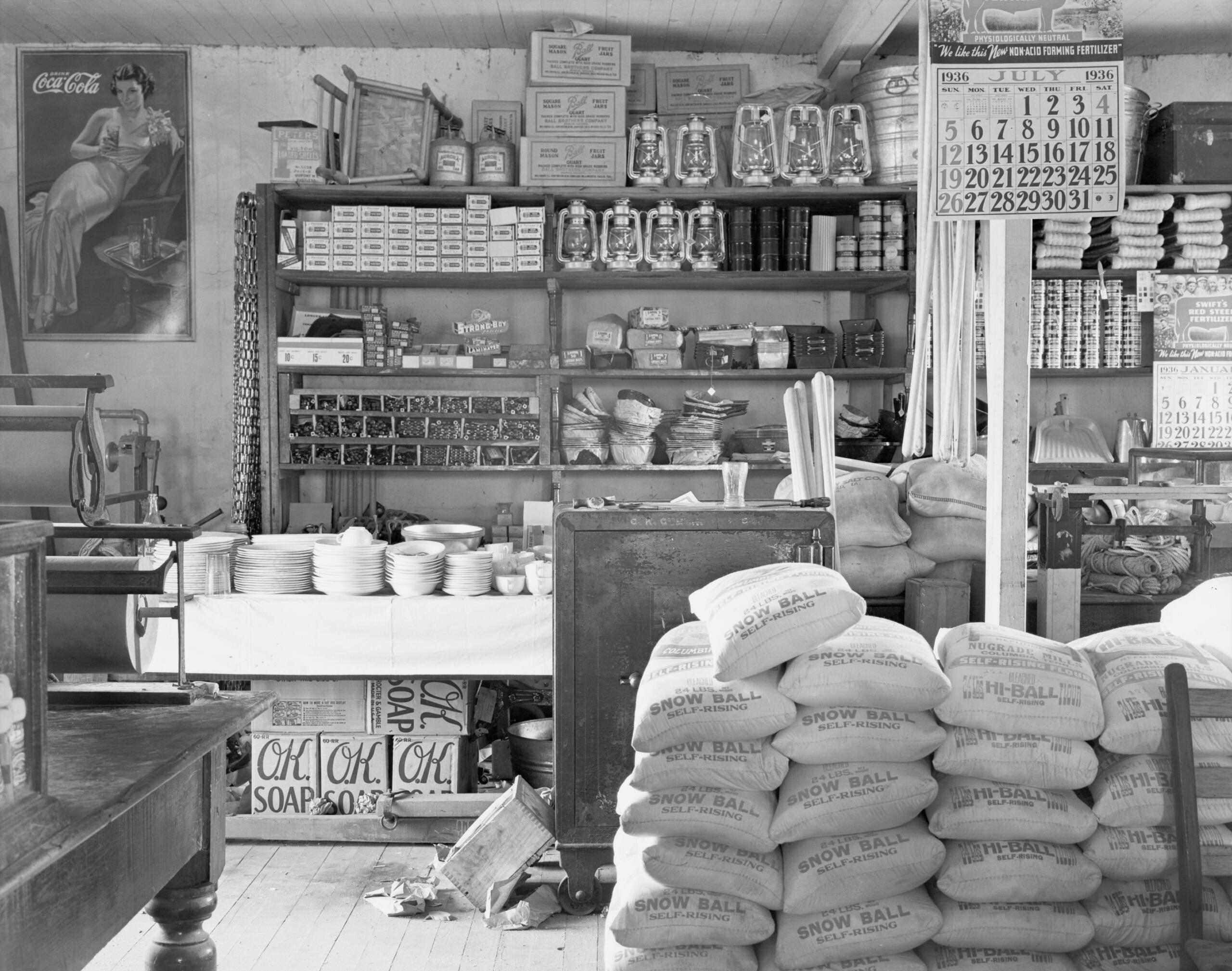
The kitchen of 1964 wrapped, lined, covered and separated its food with four things, and none of them was plastic.
A box of wax paper lived in a drawer. A folded stack of brown grocery bags lived between the refrigerator and the wall, or on top of a cupboard, or in a drawer of its own. A roll of butcher paper came home from the meat counter around whatever had been bought. And a roll of aluminium foil, used carefully, sat beside the wax paper.
There was also string. A ball of it, in a drawer or hanging from a nail, accumulated from everything that arrived tied up.
Like our content? Follow us for more.
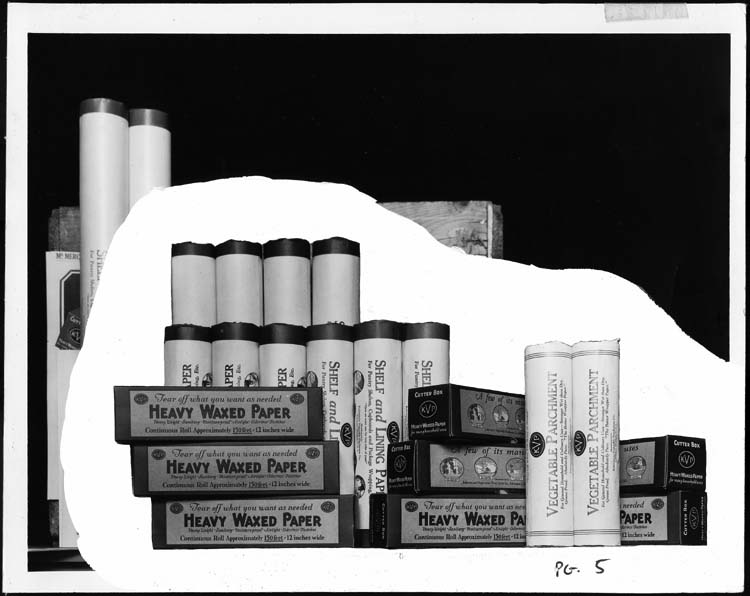
Wax Paper Is Paraffin and That Explains All of It
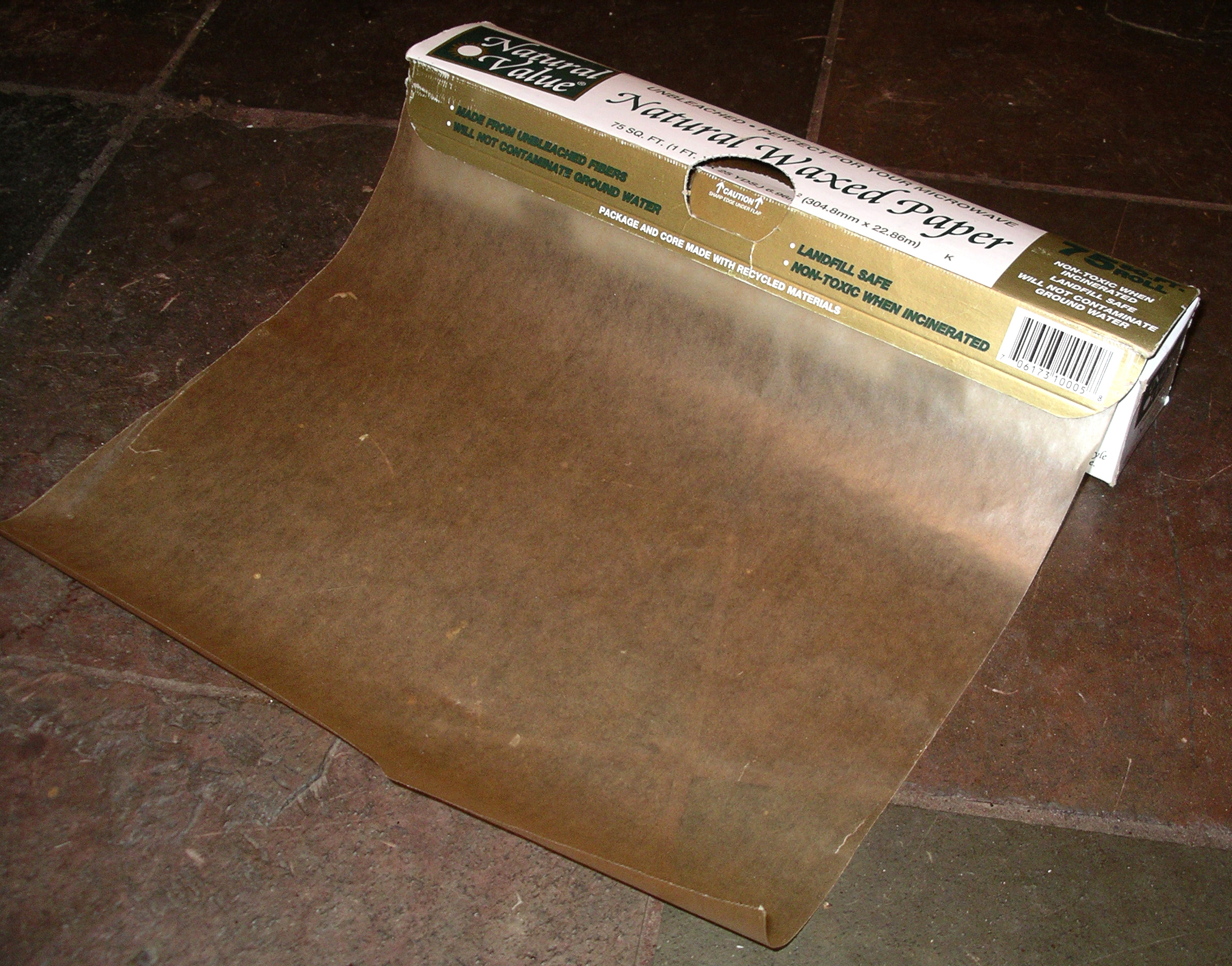
Wax paper is thin paper run through molten paraffin so that the wax saturates the fibres. That single fact determines everything the material can and cannot do, and it is worth having clearly.
It resists moisture, because wax does not absorb water. So it keeps a sandwich from drying out, keeps a damp thing from soaking through, and stops dough sticking to a board.
It is not airtight, because it is still paper with holes between its fibres and the wax only coats them. So it will not seal anything, will not stop air reaching food, and will not keep a smell in or out.
And it melts, at a temperature well below anything an oven does. So it can line a cake pan where the batter protects it, and it absolutely cannot be used uncovered in a hot oven, under a broiler, or – later – in a microwave in contact with hot fat.
Every traditional use of the stuff sits exactly inside those three limits, and households knew the limits precisely without ever having been told the reason.
What Wax Paper Was Actually For
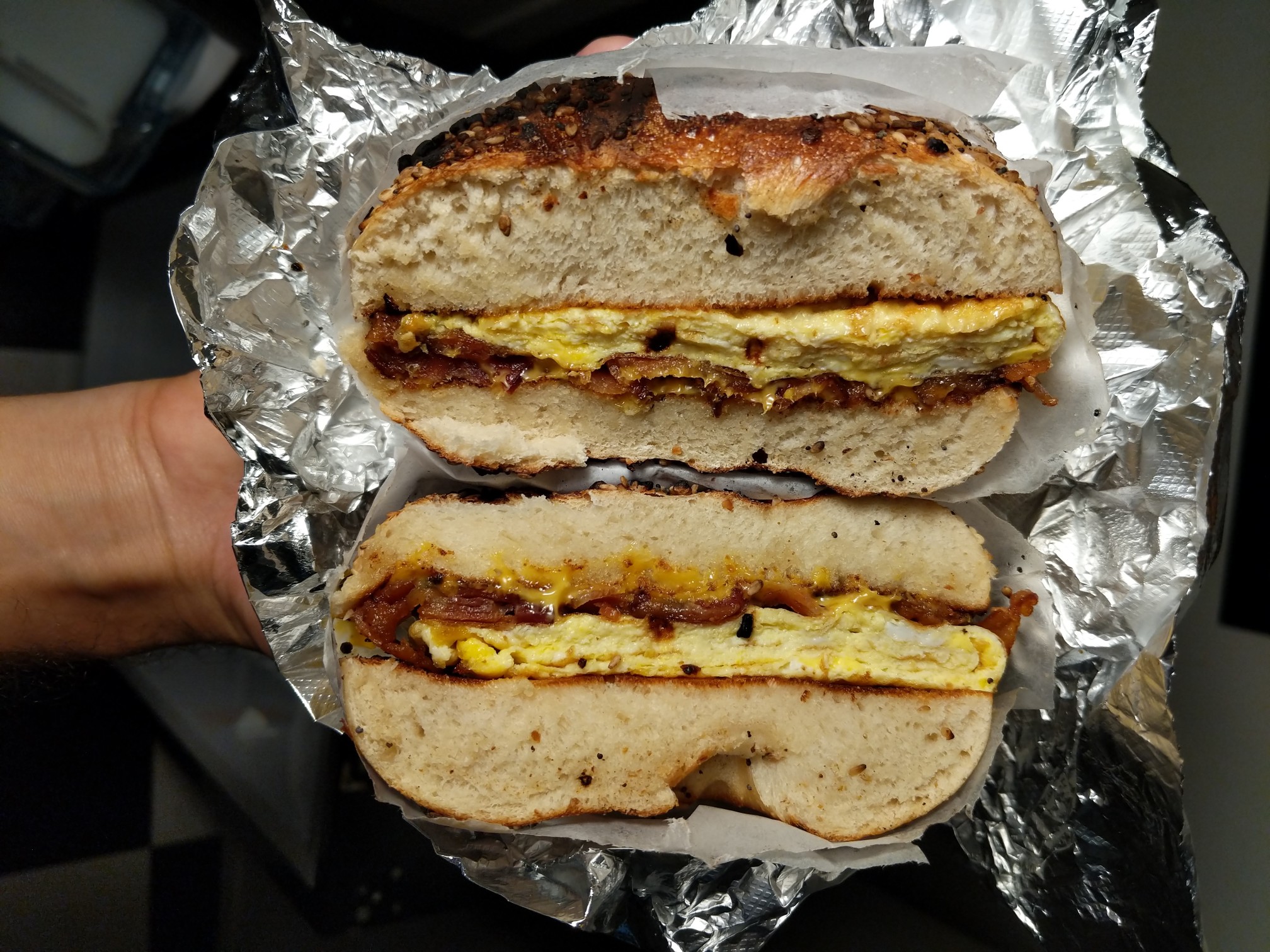
The uses were numerous and specific.
Wrapping the school sandwich, folded in the particular way everybody’s mother folded it – over once, ends tucked, a small flat parcel that stayed shut without tape.
Lining cake and loaf pans, cut to the base, so a cake came out whole. Separating things that would stick to each other – cookies in a tin, chops in the freezer, slices of anything. Rolling and cutting pastry on, which also meant you could lift the dough by lifting the paper. Covering a bowl of rising dough, where it has to breathe a little rather than seal. Keeping a cut onion. Wrapping a sandwich for a lunch pail or a picnic. Shining a flat iron. And waxing a sled runner or a slide, which is a use no manufacturer ever printed on a box.
The Grocery Bag Was Designed to Be Reused
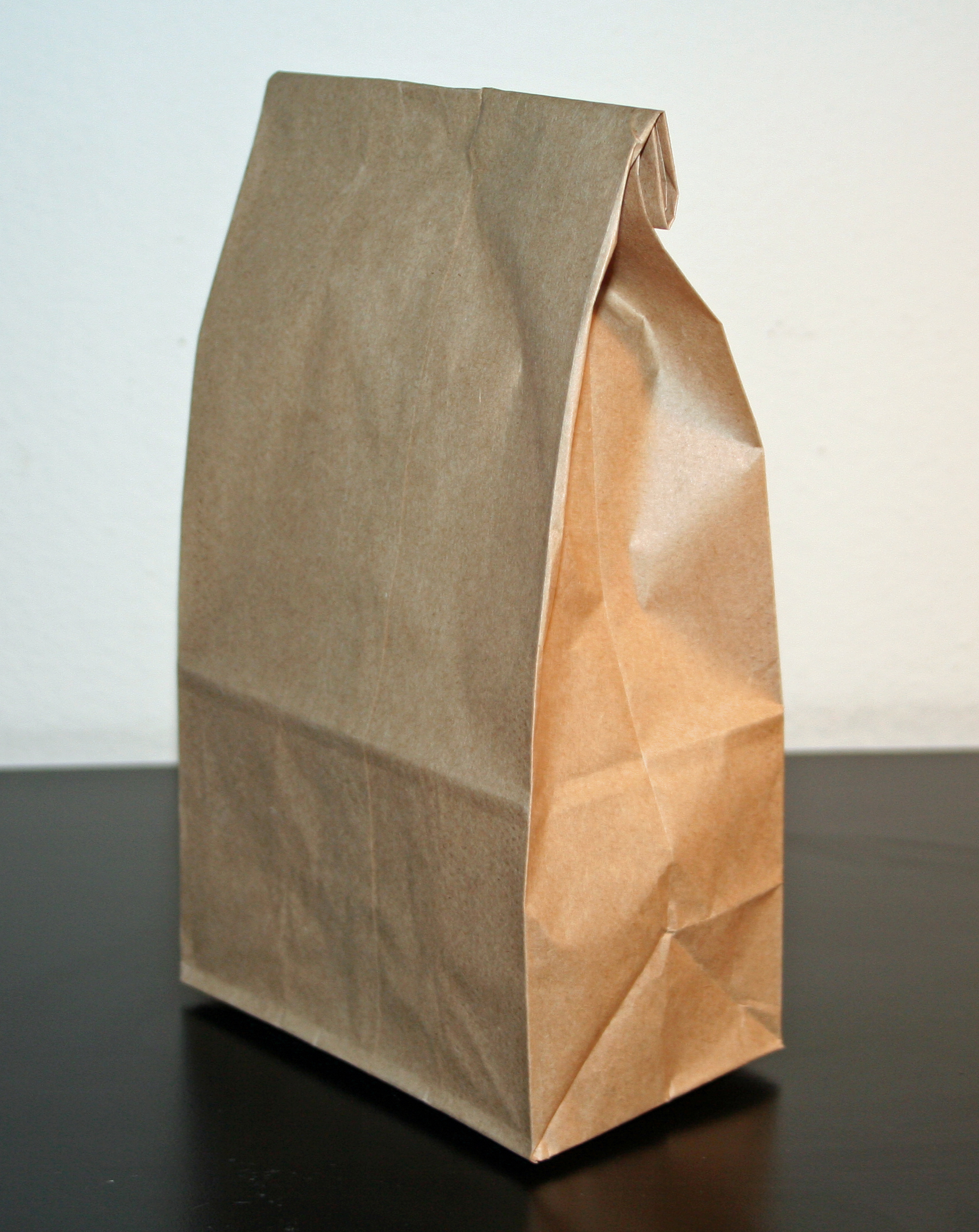
The brown paper grocery sack is one of the great pieces of American industrial design and it is almost never discussed as one.
It has a flat bottom, square gussets at the sides, a particular grain direction and a specific paper weight, and the combination means it stands up on its own when loaded, folds flat when empty, and survives being folded and unfolded many times. None of that is accidental.
Which is why every household saved them. They were pressed flat, stacked, and kept – and the stack was substantial, because groceries arrived in them weekly and nothing in the house threw one away.
The second lives were endless. Book covers for schoolbooks, cut and folded to fit, which was a standard autumn task. Wrapping parcels for the post. Drawing and painting on. Pressing leaves and flowers between. Draining fried food. Ripening fruit, folded over, because the bag holds the gas the fruit gives off. Lining shelves and drawers. Starting a fire. Holding kindling. Making a kite. Covering a schoolbook, a jar, a window pane being painted around, or a child’s head at Halloween.
Aluminium Foil Was Expensive and Therefore Washed
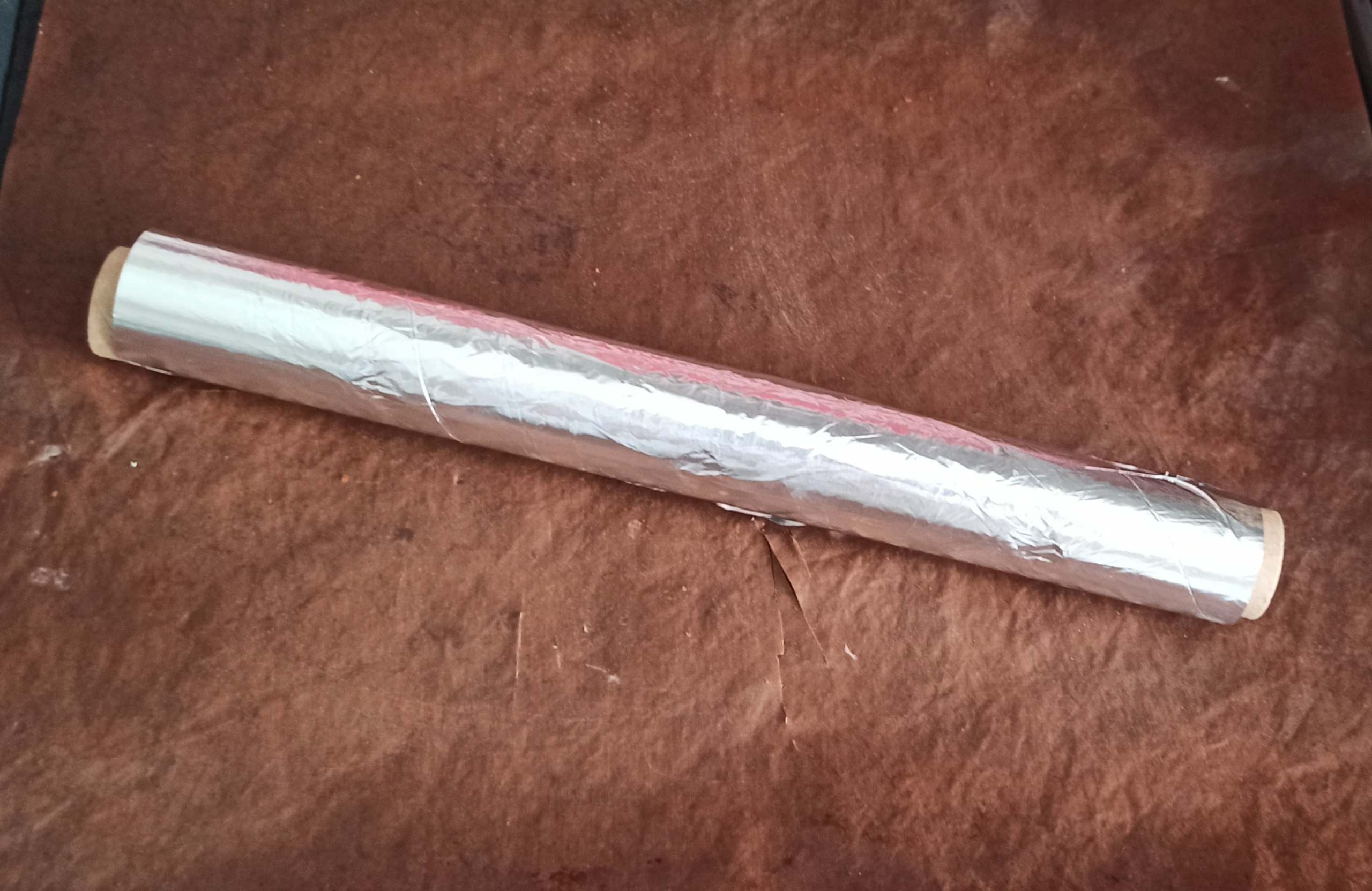
Foil arrived as a household product and was initially treated as an investment rather than a disposable.
It was heavier gauge than most modern foil, and households used it for the jobs that genuinely needed a metal barrier – covering a roasting pan, wrapping a potato for the oven, lining a grill pan, sealing something that actually had to be sealed against both air and moisture.
And then it was smoothed out, washed, dried, folded and used again. People of this generation describe their mothers washing foil as a standard kitchen practice, and the reason is simply that it cost real money and nothing else in the house would do the same job.
The String Ball Was a Household Institution
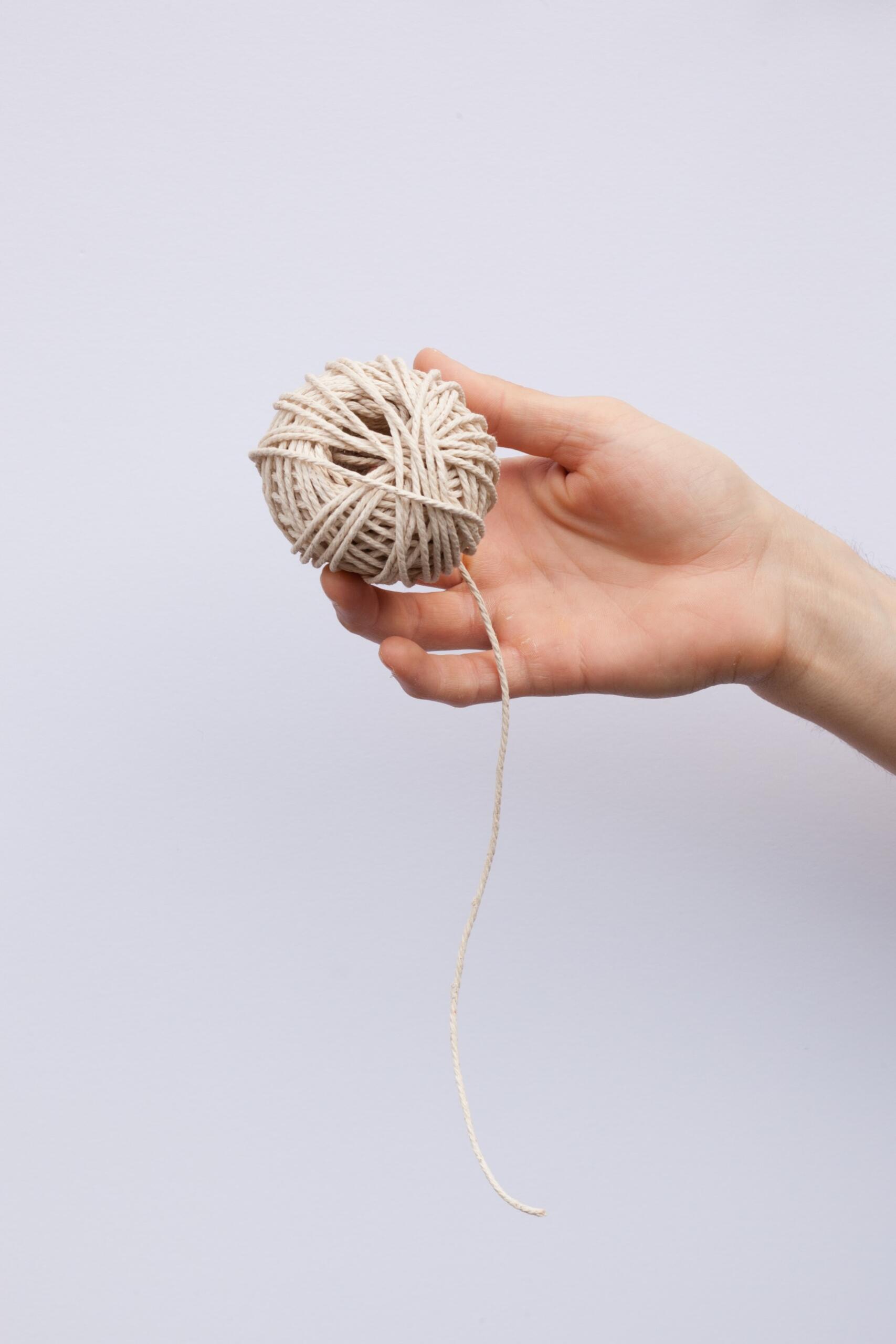
Everything arrived tied. Parcels from the post, meat from the counter, dry goods from a store, bundles of anything.
The string was not cut. It was untied, wound onto the existing ball, and the ball lived in a drawer or hung from a nail – growing continuously, in a dozen colours and weights, for years.
And it was used constantly: tying parcels, trussing a bird, staking a plant, mending a handle, flying a kite, hanging anything, replacing a shoelace in an emergency, and tying a loose tooth in the one period application nobody enjoys remembering.
It is the clearest single illustration of the principle running through all of this. Nothing that arrived in the house was a wrapper. It was material.
Three Things Replaced All of It
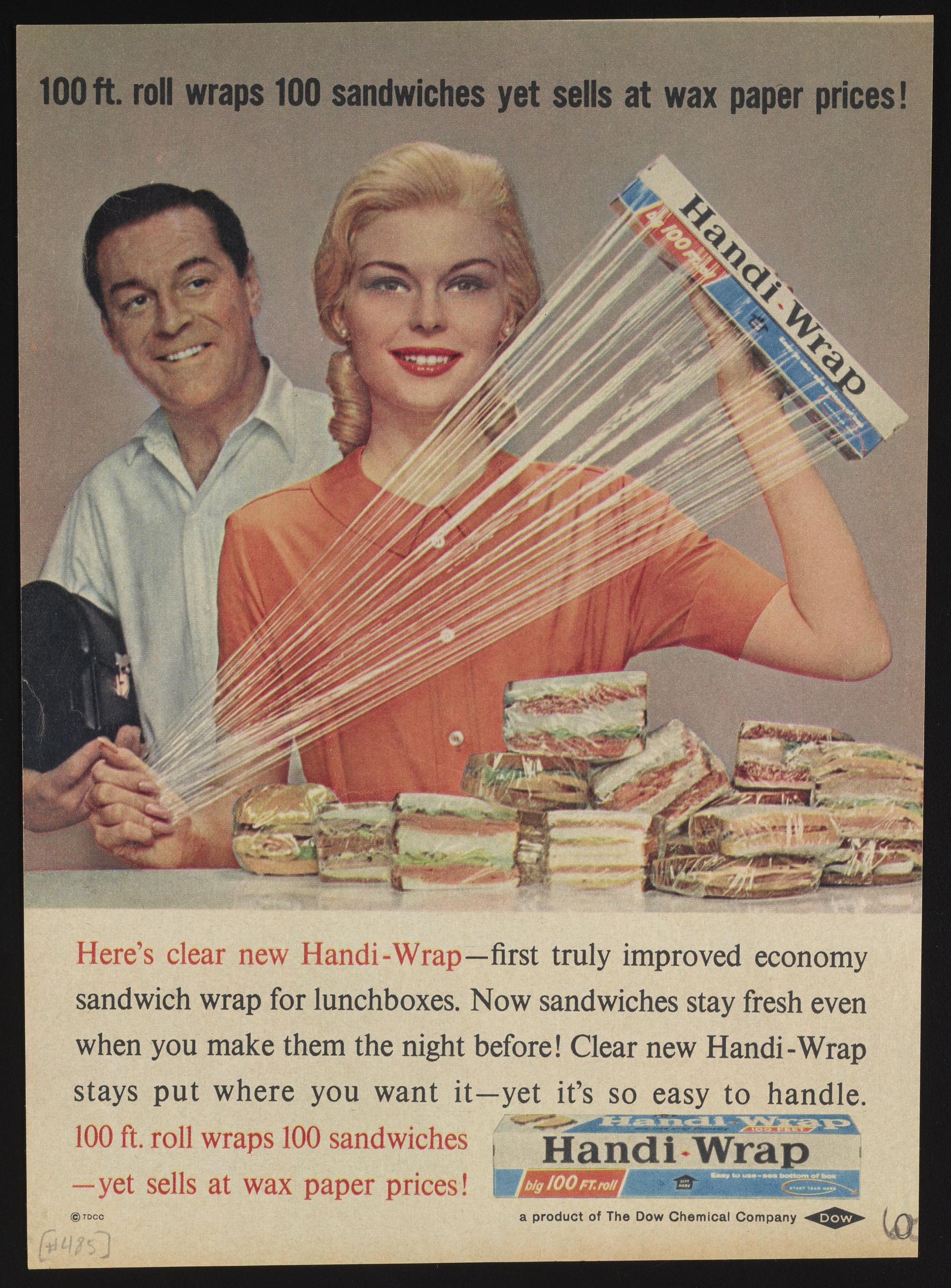
Plastic film came first, and it does one thing that none of the paper materials could do at all: it clings, and it seals. A bowl covered with film is genuinely airtight in a way that a sheet of wax paper over a bowl never was, which is a real and substantial improvement for keeping food.
The sealable plastic bag came second and took the rest. A bag that closes, is transparent, is airtight and can go in a freezer replaces wax paper for separating, brown paper for holding, and foil for sealing, all at once – and it does each of those jobs better.
And the microwave settled it. Wax paper cannot be used freely in one, foil absolutely cannot, and plastic film and containers can – so the material that suited the newest appliance in the kitchen won by default.
The Twist: One Material With One Use Replaced Four With Twenty
The honest position is that modern wrapping is better at wrapping. Plastic film seals, sealable bags are airtight and transparent, and both do the primary job more effectively than anything they replaced. Anybody who has covered a bowl with wax paper and come back to find it dried out knows this.
But look at the shape of what was lost, because it is not about performance.
Every one of the old materials had a designed second life, and the designs supported it. A grocery sack has a flat bottom, gussets and a paper weight chosen so that it stands up, folds flat and survives repeated reuse – so it became book covers, drawing paper, fire starters and fruit ripeners. Butcher paper comes off a roll in whatever length you need, coated one side and writable on the other – so it became the household’s drawing paper and workbench cover. Foil is a metal sheet heavy enough to wash – so it was washed. String arrives on everything and winds onto a ball – so it did a dozen jobs for years.
Four materials, twenty-odd uses, and in every case the secondary use was possible because of a physical property the manufacturer had put there for the primary one.
Plastic film has one use. It cannot be flattened and stacked, cannot be drawn on, cannot be written on with a pencil, cannot be folded into a parcel that stays shut, cannot be washed and reused in any practical way, and cannot be made into anything. It is superb at sealing a bowl and it is good for absolutely nothing else.
So the kitchen did not simply swap materials. It went from a small inventory of general-purpose stock – paper, heavier paper, metal sheet and string, all of which a household could improvise with – to a set of single-purpose products that arrive, perform one function and leave.
Which is why the stack of folded bags between the refrigerator and the wall is the detail people remember most clearly. It was not thrift, exactly, and it was not clutter. It was a household keeping a supply of material on hand because material was useful and you never knew.
Nobody keeps a stack of anything now, because nothing that comes into a kitchen is material any more. It is all packaging.
Like our content? Follow us for more.