Keeping rabbits and a few hens in a suburban yard was ordinary in 1966, and almost every part of the arrangement is now covered by guidance. Here are fourteen things families did.
1. THIS FILE IS ABOUT KEEPING THEM AND NOTHING ELSE
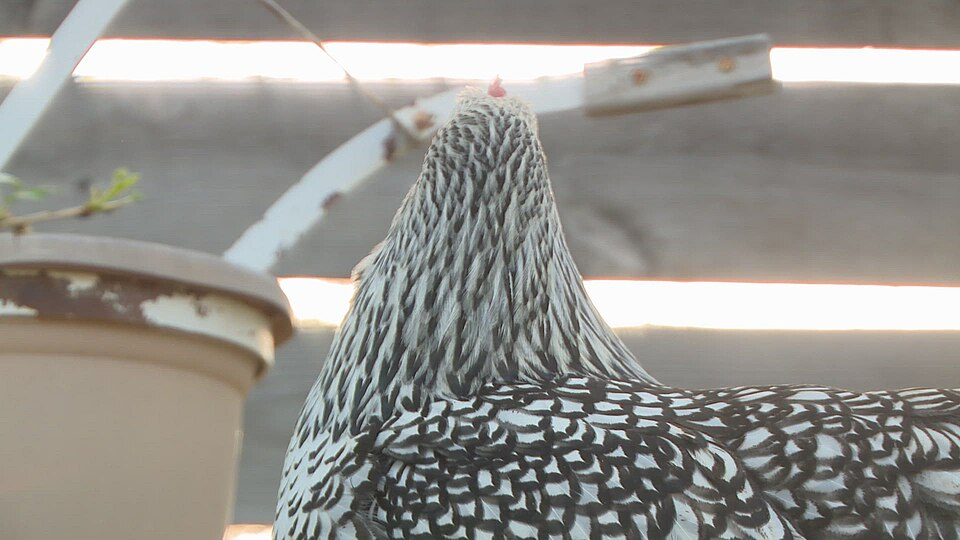
Rabbits and hens in a 1966 American yard were kept for several reasons, and in a proportion of households one of those reasons was food.
This file does not go there. It describes no killing, no processing, no butchering and no disposal of any animal, names no practice and recounts no instance, and that boundary is deliberate and absolute.
Everything below concerns housing, feeding, the daily routine, the children’s part in it, the local rules and what has changed in all of those. Readers who want the other half of the subject will need an agricultural or smallholding source, which is the right place for it.
Like our content? Follow us for more.
2. The hutch was built in the yard out of whatever was available
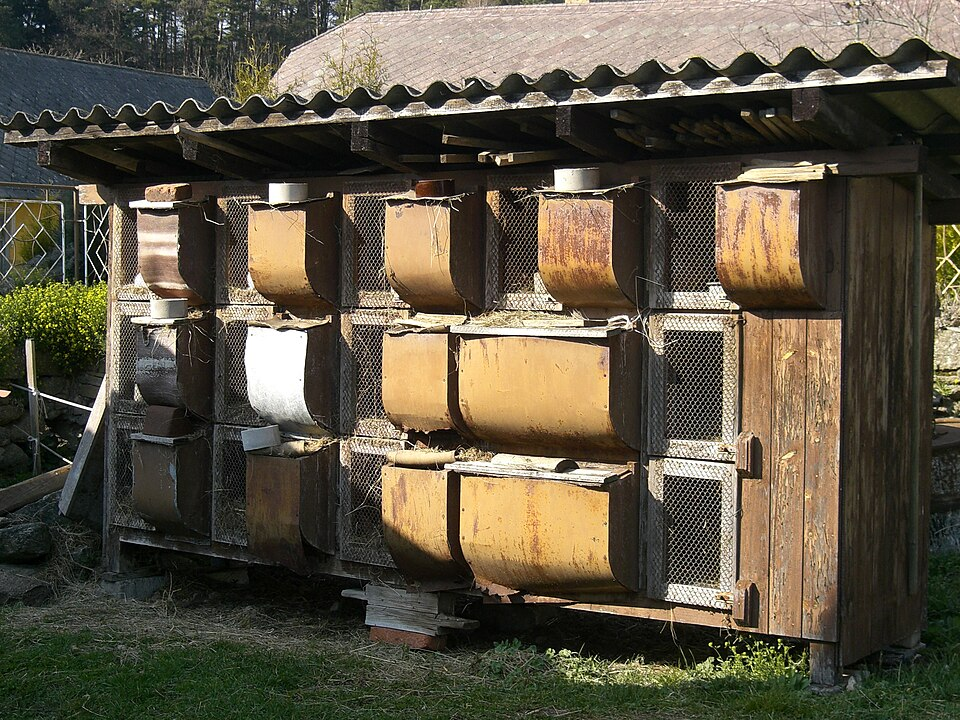
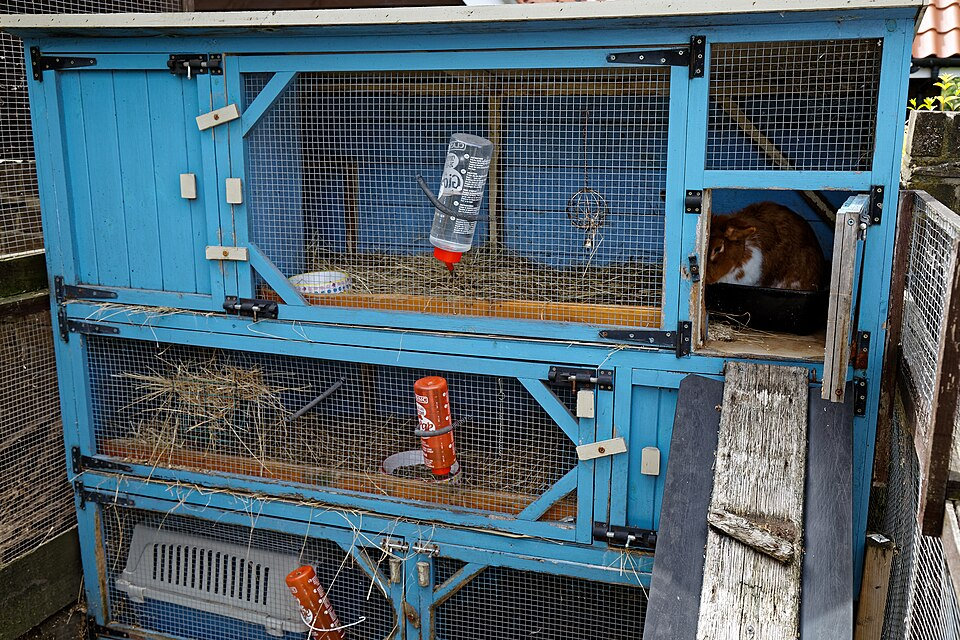
A rabbit hutch in 1966 was typically homemade: a timber box with a wire front, a sloping felted roof, a hinged door and legs to keep it off the ground, built by somebody in the family out of offcuts.
That is why no two were alike and why the quality varied enormously, from a well-made weatherproof structure to a packing case with chicken wire stapled across it.
Rabbit housing is now sold to published welfare guidance with minimum dimensions, exercise space requirements and shelter specifications, and the guidance is explicit that the traditional small hutch is inadequate on its own. The modern recommendation is a large enclosure with permanent access to a run, which is a substantially larger structure than anything in a 1966 yard.
3. The hen house and run went at the back behind something

Poultry were kept in a coop with a nest box, a perch and a pop-hole, inside a wired run, sited at the far end of the yard behind a garage, a shed or a hedge where the neighbours would notice them least.
That placement is informative. Keeping hens in a suburban yard was tolerated rather than celebrated, and households were conscious of it.
Modern backyard poultry keeping is considerably more visible and frequently a point of pride, and the housing is bought rather than built, designed for cleaning, predator resistance and ventilation, with guidance on space per bird and on run size. The siting is now driven by sunlight and drainage rather than by discretion. The siting is now driven by sunlight and drainage rather than by discretion. That is a reasonable measure of how far the practice has moved: the first question used to be who could see it, and the first question now is whether the ground drains.
4. Zoning ordinances governed it then and govern it now
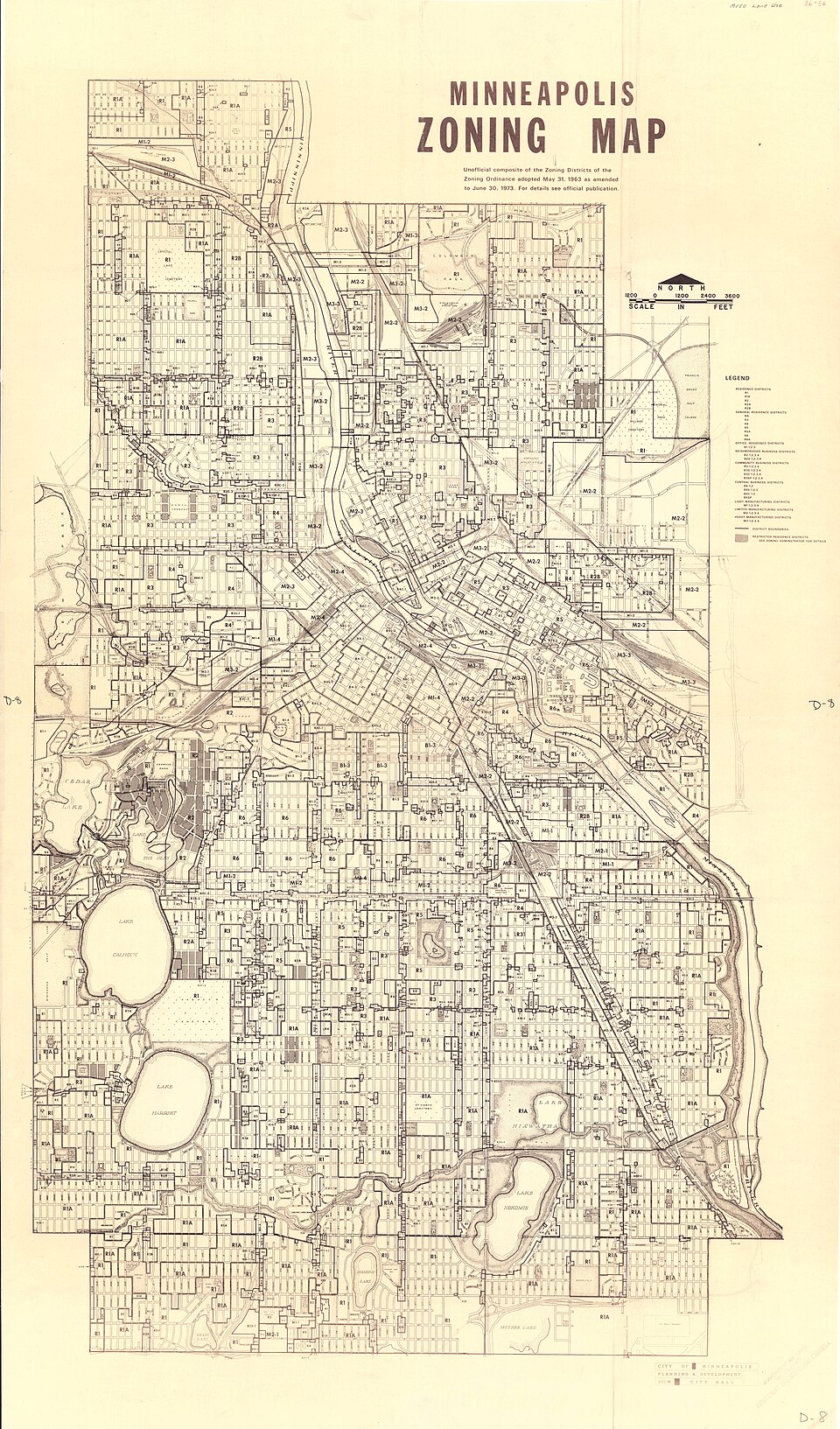
Whether a household could keep rabbits or poultry at all was a matter of local ordinance, and in 1966 the rules were already in place in a great many American municipalities, with limits on numbers, distances from dwellings and in many places an outright prohibition on roosters.
So this was never unregulated: it was regulated locally, variably, and in a way a household discovered by asking a neighbour or by receiving a complaint.
The position is the same in structure and considerably better documented now, with municipal codes published online, permit requirements in many cities, stated limits on numbers and species and specified setbacks. Anybody considering it should read their own municipality’s code, which is the only source that applies to them, and this file names no city, no limit and no rule.
5. Roosters were the problem and the rule everybody knows
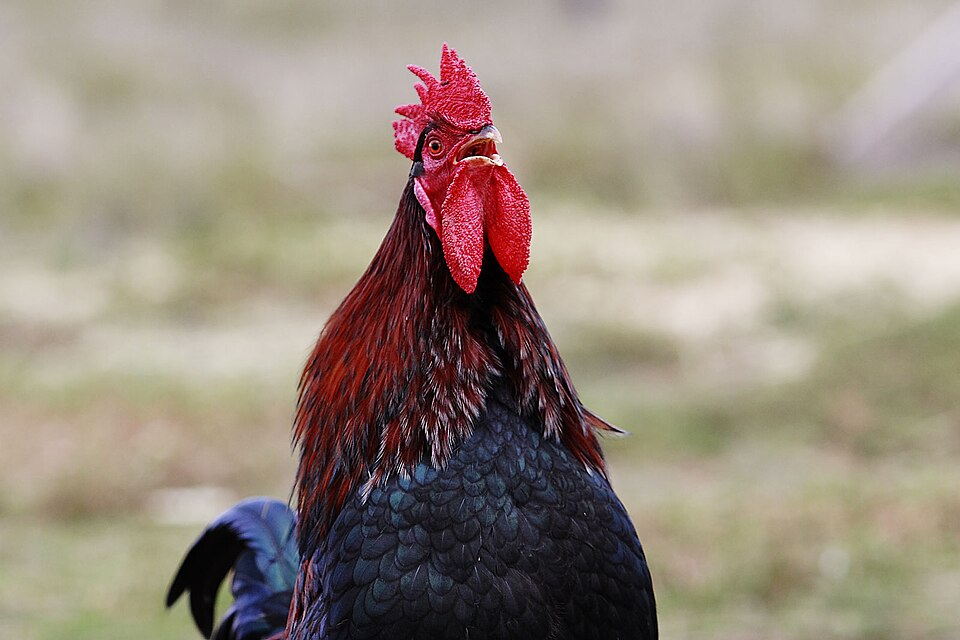
The prohibition that appears most consistently, then and now, concerns roosters, because the objection is noise and noise is what generates complaints.
Hens are relatively quiet and a rooster is not, and a very large number of ordinances permit laying hens and prohibit roosters for exactly that reason.
That is unchanged and is the single most reliable piece of information about backyard poultry law anywhere: if a household wants eggs it does not need a rooster, and the rule reflects that. The specific position is in the local code. The specific position is in the local code. It is also the one piece of this subject that neighbours tend to know accurately, because a rooster is the thing complaints get made about.
6. Feeding was scraps and whatever the feed store had
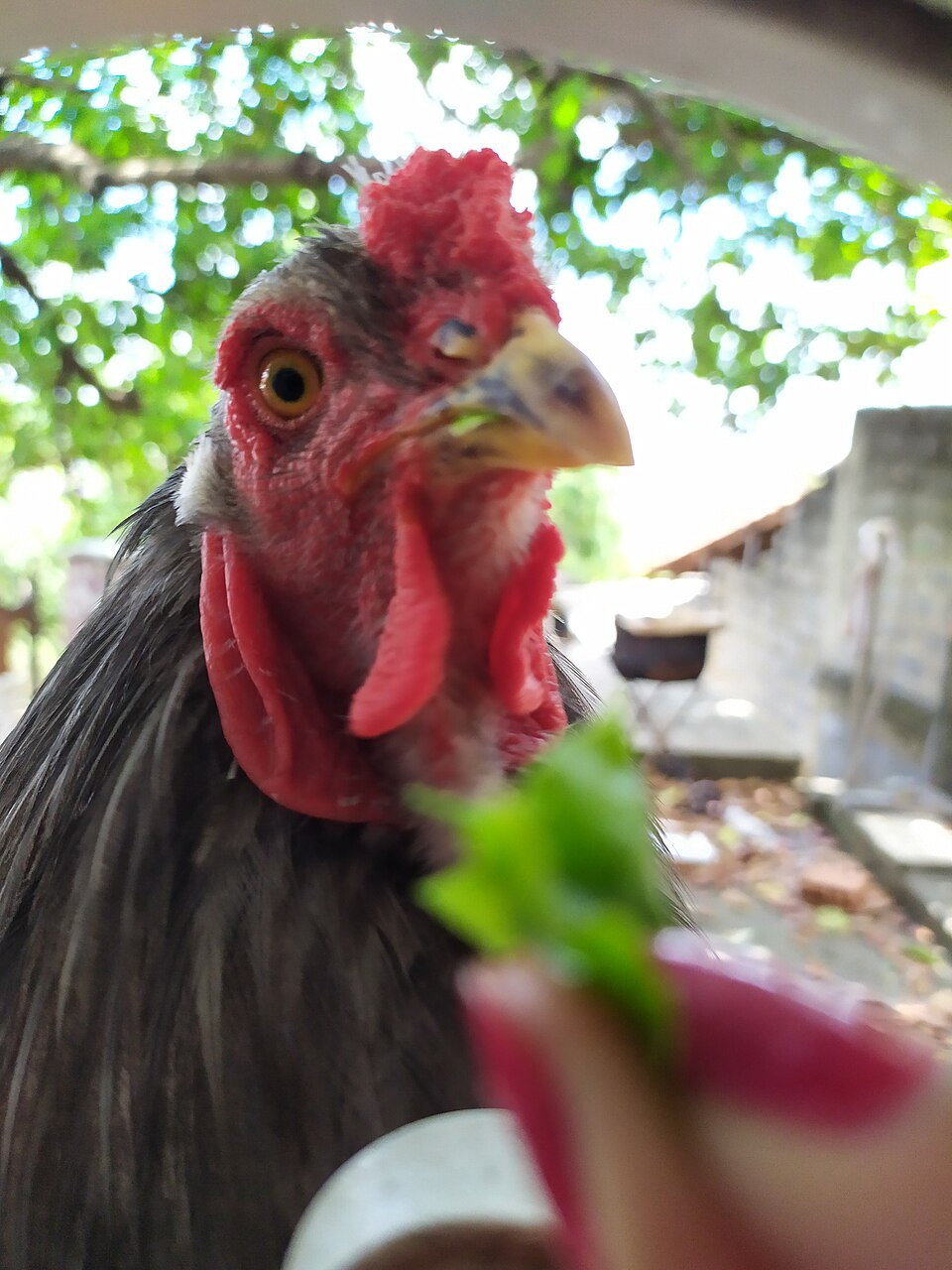
Rabbits and hens in 1966 were fed on a mixture of bought feed and household scraps, with greens, peelings, stale bread and garden surplus all going into the arrangement as a matter of course.
That was understood as thrift and as common sense, and the feeding of kitchen waste to animals was entirely normal.
The position on feeding food waste to animals has changed substantially and is now restricted or prohibited in many jurisdictions for animal health reasons, with specific rules about what may and may not be given. This file names no food, no restriction and no rule, and anybody keeping animals should follow their national or state animal health guidance, which is the authority on it.
7. The eggs were the point and they were counted
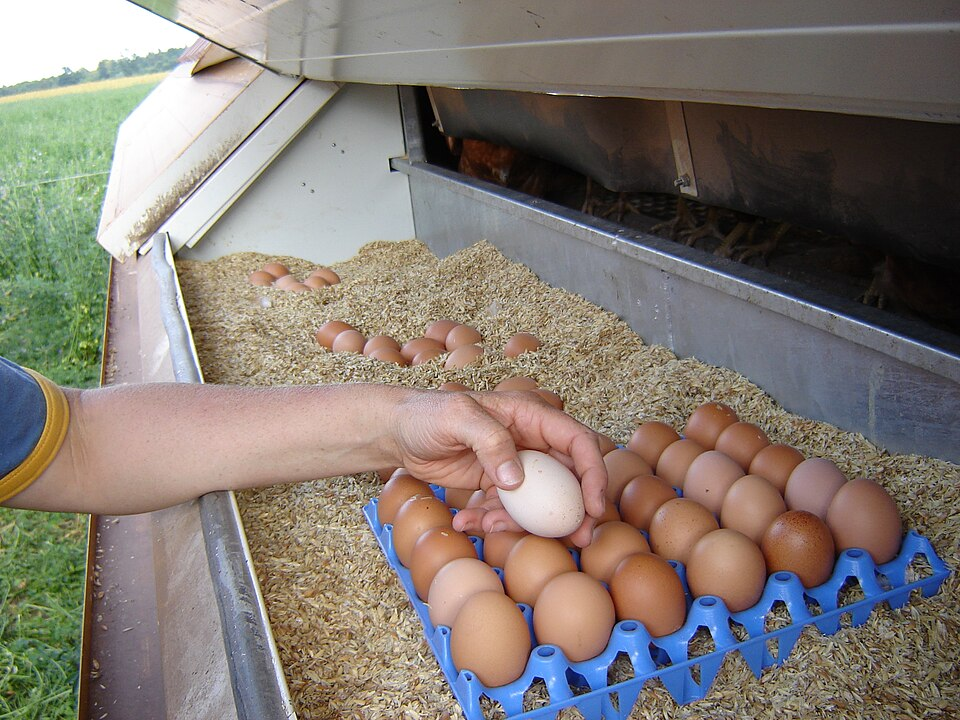
A household with a few hens collected eggs daily, and the collection was a child’s job, recorded in some families and simply eaten in others.
The arithmetic was straightforward and visible, which is why it worked as a chore: a child could see what the animals produced and what they cost, and the eggs appeared at breakfast.
That remains the main attraction of backyard hens and the reason the practice has revived, and modern guidance adds handling, storage and hygiene advice for home-produced eggs. That remains the main attraction of backyard hens and the reason the practice has revived, and modern guidance adds handling, storage and hygiene advice for home-produced eggs. Households that keep hens for long enough all report the same thing, which is that the eggs stop being the point and the birds become it. This file gives no food safety advice and routes that to the national food safety authority.
8. Children did the daily work and that was the arrangement
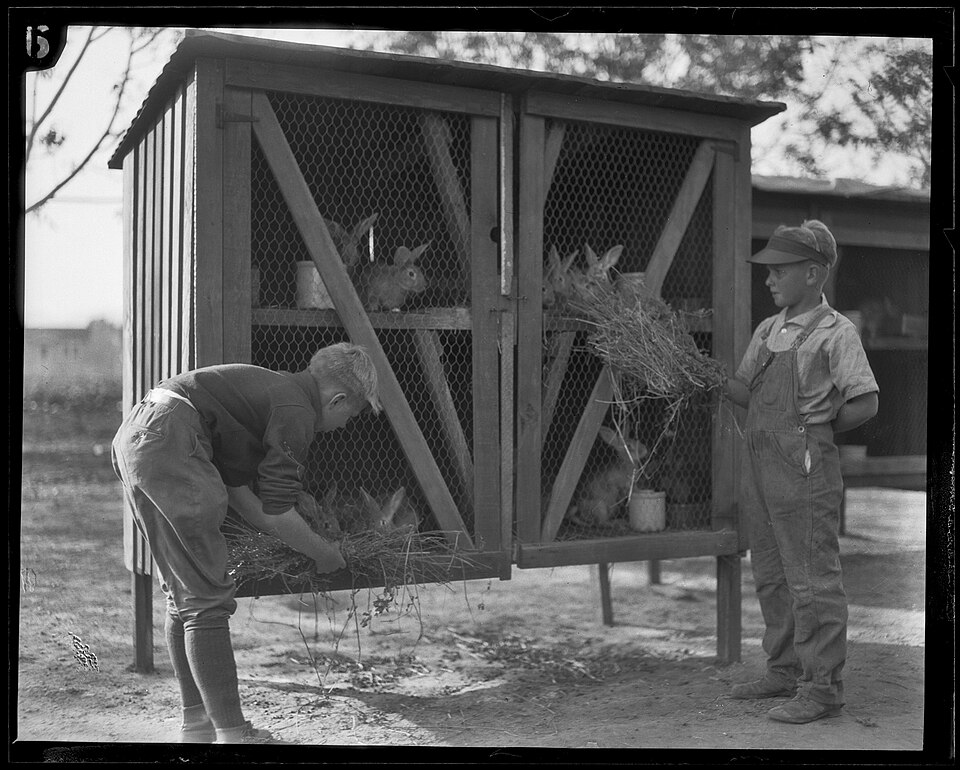
Feeding, watering, cleaning out, collecting eggs and checking the animals were children’s jobs in a very large proportion of households that kept them, done before school and after it, every day including in winter.
That is a real obligation of a kind families now find difficult to construct, and it is the reason parents of the period gave for keeping animals at all: it taught responsibility because the consequence of forgetting was visible.
The argument is identical today and is the main reason households take it up, now with the addition that animal welfare is understood as a duty rather than only as a lesson, and that an adult remains responsible whatever the rota says. The argument is identical today and is the main reason households take it up, now with the addition that animal welfare is understood as a duty rather than only as a lesson, and that an adult remains responsible whatever the rota says. That qualification matters, because a chore a child forgets is a lesson and an animal that goes unfed is not.
9. Hygiene was a tap and a rag

Children handled animals, bedding, feed and eggs and then came indoors, and the provision for washing was whatever the yard or the kitchen had.
Contact with poultry, rabbits and their environment is now covered by specific public health guidance on handwashing, keeping housing away from food preparation areas, supervision of young children and not bringing birds into the house.
This file names no organism and no illness, gives no hygiene instruction and makes no risk claim, and anybody keeping animals around children should follow their national public health guidance, which publishes it clearly. That boundary is deliberate.
10. Predators and escapes were a constant
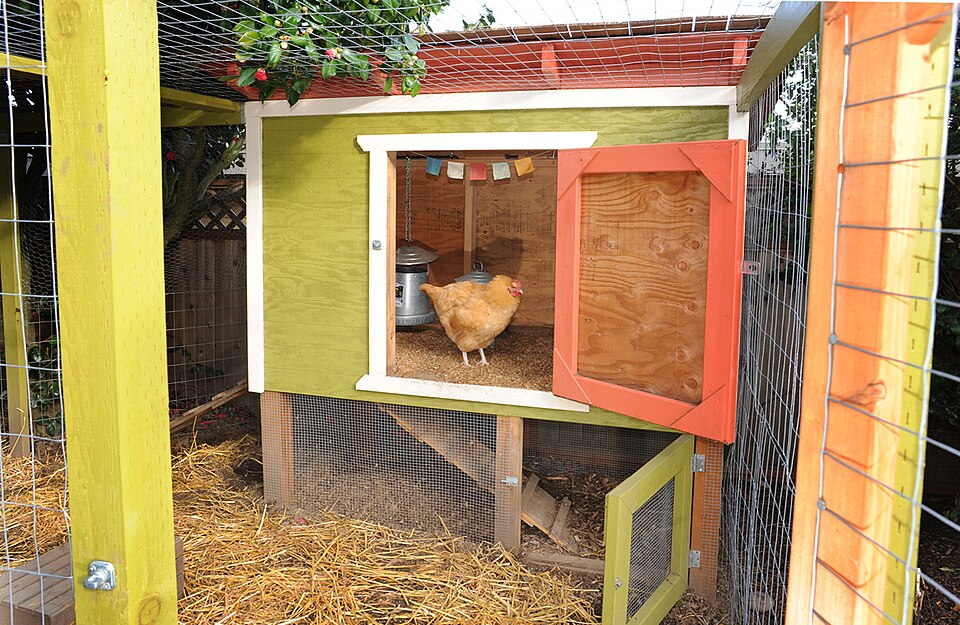
A hutch or a run in a suburban yard is a target for whatever lives locally, and households dealt with it by building strongly, closing up at dusk and repairing what had been got at.
Modern housing is designed for it, with buried or skirted wire, closable pop-holes, automatic door timers in some products and specific guidance on securing a run.
This file names no animal, describes no incident and gives no control method of any kind. The series does not produce content about killing or controlling animals, and the relevant guidance on protecting livestock comes from the national animal welfare and agriculture authorities.
11. Veterinary care was unusual and is now expected

A rabbit or a hen in 1966 rarely saw a veterinarian, because the economics did not support it and because the expectation of veterinary care for small livestock was not established.
That has changed completely for rabbits, which are now widely kept as companion animals with routine veterinary care, vaccination where appropriate and recognised welfare needs, and substantially for backyard poultry.
This file names no condition, no treatment and no vaccine, and anybody keeping an animal of any kind should establish veterinary provision before acquiring it, which is the single most commonly skipped step and is what the welfare guidance begins with.
12. A rabbit on its own was normal and is now understood not to be
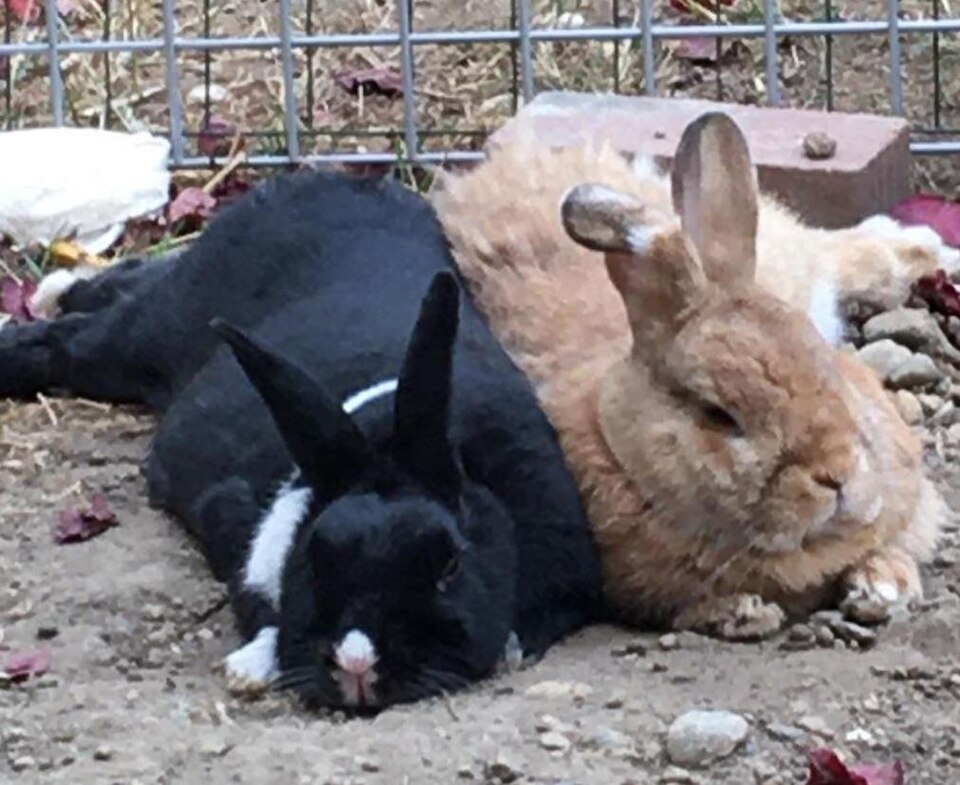
The standard 1966 arrangement was a single rabbit in a hutch, and that was not regarded as a problem by anybody.
It is now understood to be a welfare failure. Rabbits are social animals, published welfare guidance in a number of countries states that they should be kept with compatible company, and single-rabbit keeping is specifically advised against.
That is the clearest and most consequential change in this file. The hutch got bigger, the run became compulsory in guidance, and the single animal in a box became the thing the guidance exists to prevent.
13. It declined with the suburbs rather than by any decision
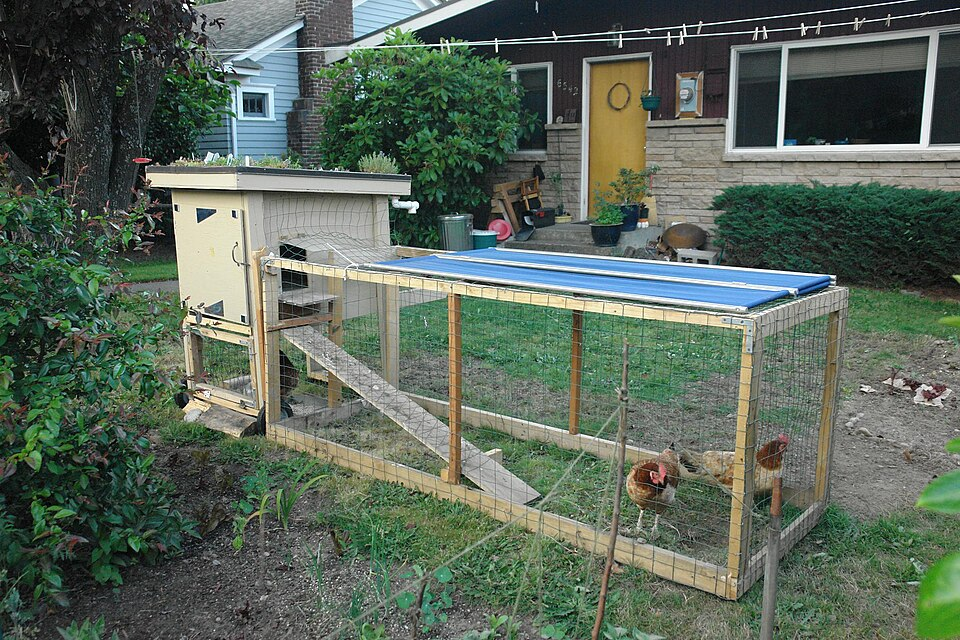
Backyard livestock in American households fell away through the 1970s and 1980s as suburban norms tightened, ordinances were enforced more consistently, supermarket eggs became cheap and uniform, and keeping animals came to read as rural rather than thrifty.
Nothing banned it nationally and no single decision ended it. It simply stopped being ordinary, and a practice that stops being ordinary in a suburb becomes conspicuous and then stops. It simply stopped being ordinary, and a practice that stops being ordinary in a suburb becomes conspicuous and then stops. The hutches stayed in the garages for another thirty years, which is how long it takes a household to throw away a box that might be useful.
The revival since the 2000s has come from the opposite direction — food provenance, self-sufficiency, teaching children, and the quality of a home-produced egg — and it arrives with permits, published codes, bought housing and welfare guidance attached.
14. The hutch and the coop outlasted the animals
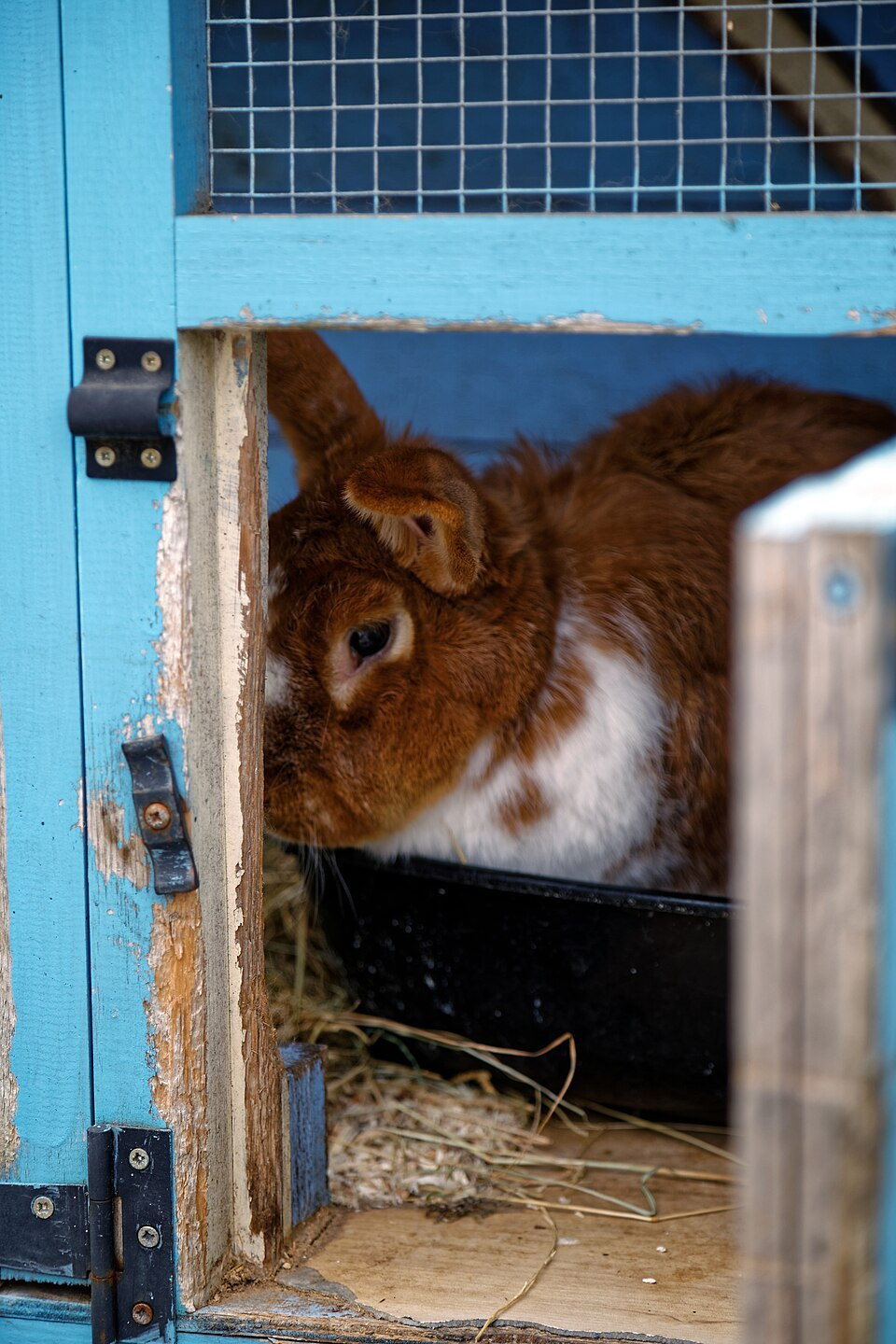
Homemade hutches and coops survive in sheds, garages and the backs of yards in very large numbers, because a timber box is useful and nobody dismantles one, and they are frequently the only physical evidence that a household ever kept anything.
That is how the practice is most often rediscovered: somebody clears a garage and finds a wire-fronted box that nobody in the family can account for.
The summary: rabbits and hens in a 1966 American yard lived in homemade housing sited where the neighbours would notice least, fed on bought feed and kitchen scraps, cared for daily by children before and after school, under local ordinances that already limited numbers and generally prohibited roosters; the practice declined with suburban norms rather than by any decision and has revived with permits, published municipal codes, bought housing designed for cleaning and predator resistance, restrictions on feeding food waste, veterinary provision as an expectation, and welfare guidance that specifically advises against the single rabbit in a hutch that was the normal arrangement.
The single rabbit in a hutch is the thing guidance now exists to prevent
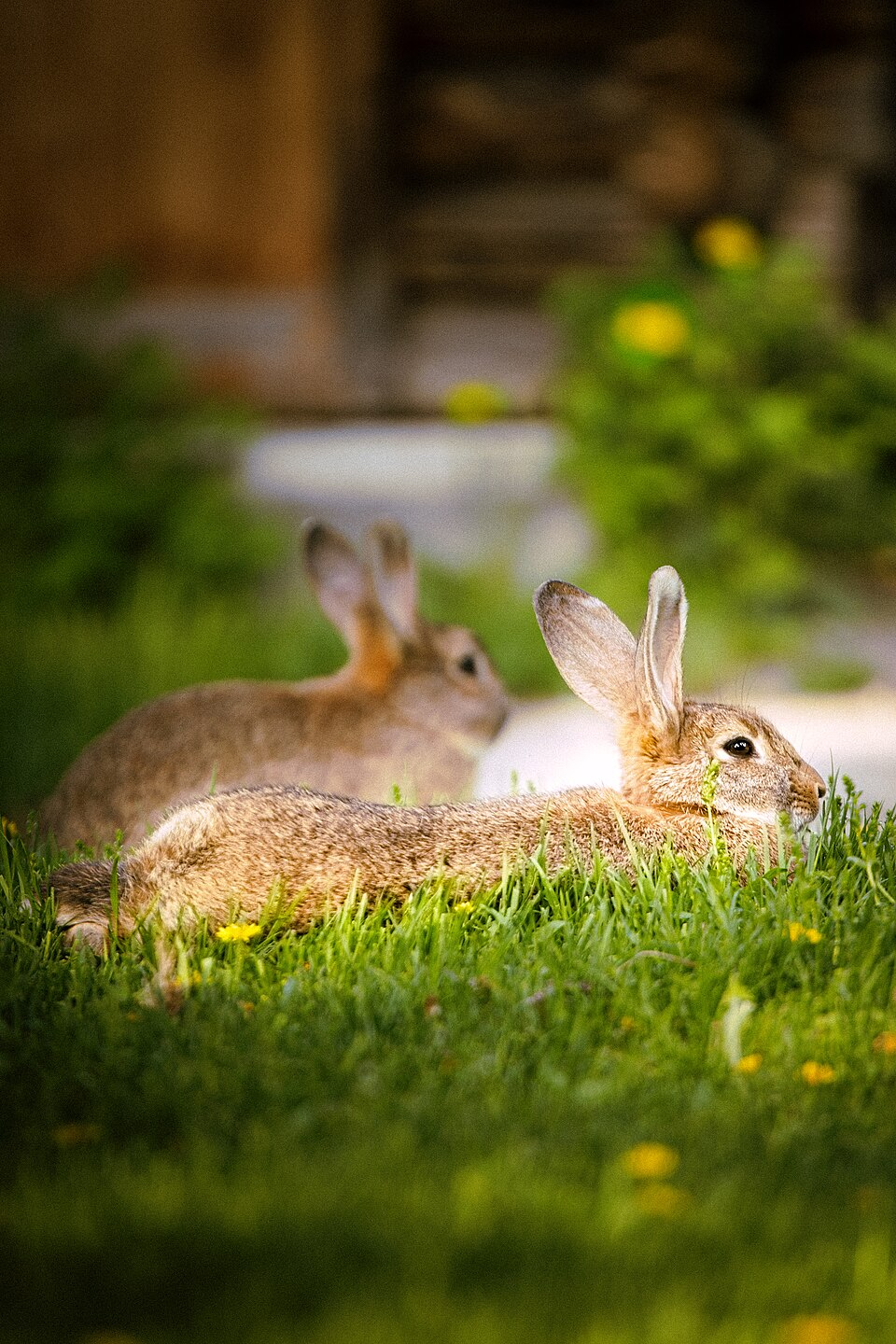
Most of this list is a story about regulation becoming visible: ordinances that already existed are now published online with permit requirements and stated limits, housing is bought to welfare specifications rather than built from offcuts, feeding kitchen scraps is restricted or prohibited on animal health grounds, hygiene around poultry has specific public health guidance attached, and veterinary provision is an expectation rather than an unusual expense. One change is different in kind. A single rabbit alone in a small hutch was the standard arrangement in 1966 and is now specifically advised against, because rabbits are social animals and published welfare guidance in a number of countries says they should be kept with compatible company.
If a household wants eggs it does not need a rooster, which is why a very large number of ordinances permit laying hens and prohibit roosters outright. The specific position is always in the local municipal code.
Like our content? Follow us for more.