A bleach works took grey cloth off the loom and turned it into a white base a dyer could rely on, using enormous quantities of soft water and sending most of it back into the river. Here are sixteen things about that trade, and what regulation did to it.
1. The whole point of the works was to make cloth white
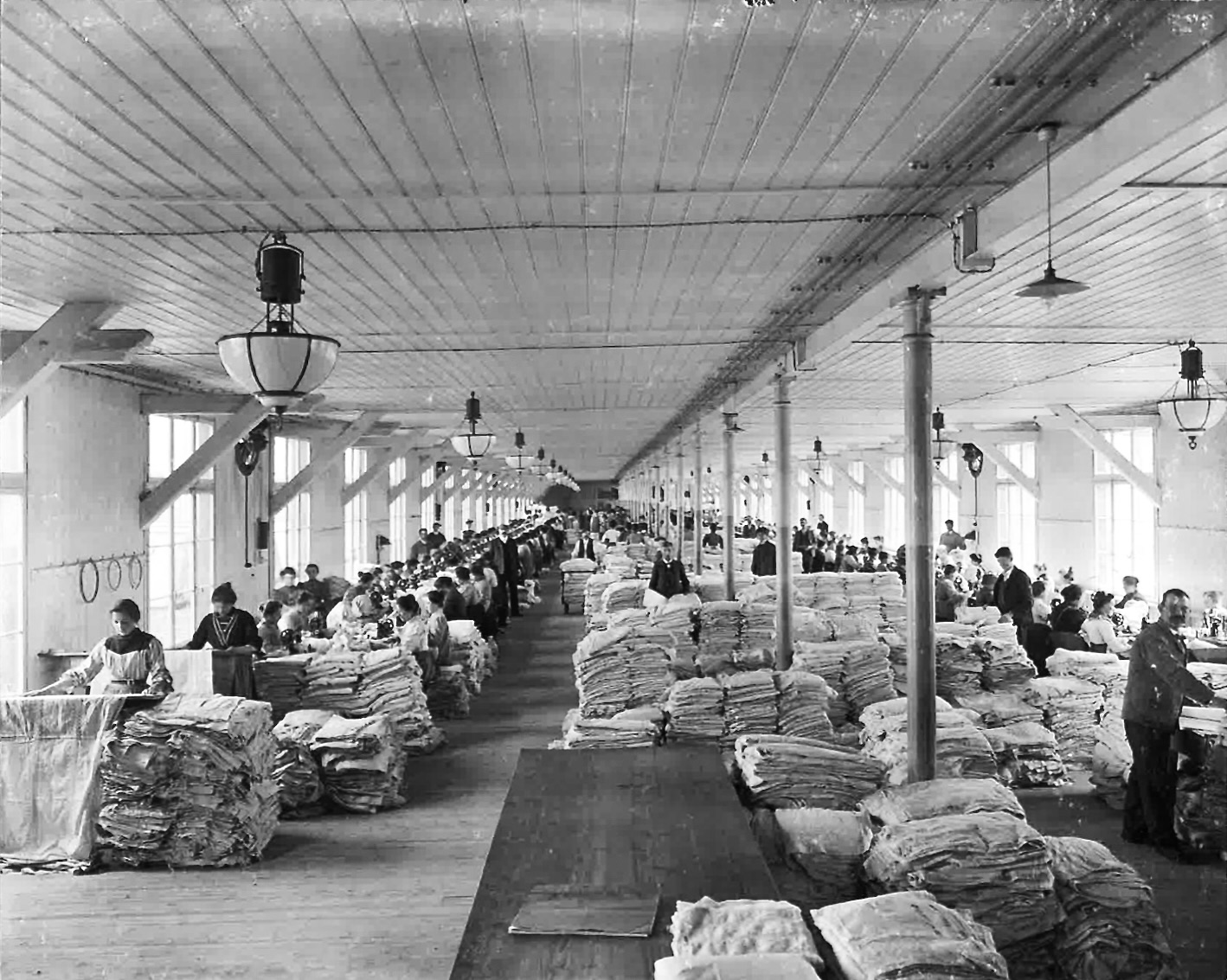
Cloth comes off a loom grey: it carries natural colour, seed and leaf fragments, the size applied to the warp to let it weave, and oil and dirt picked up in the mill. A bleach works existed to remove all of that and leave a fabric white enough to dye or print.
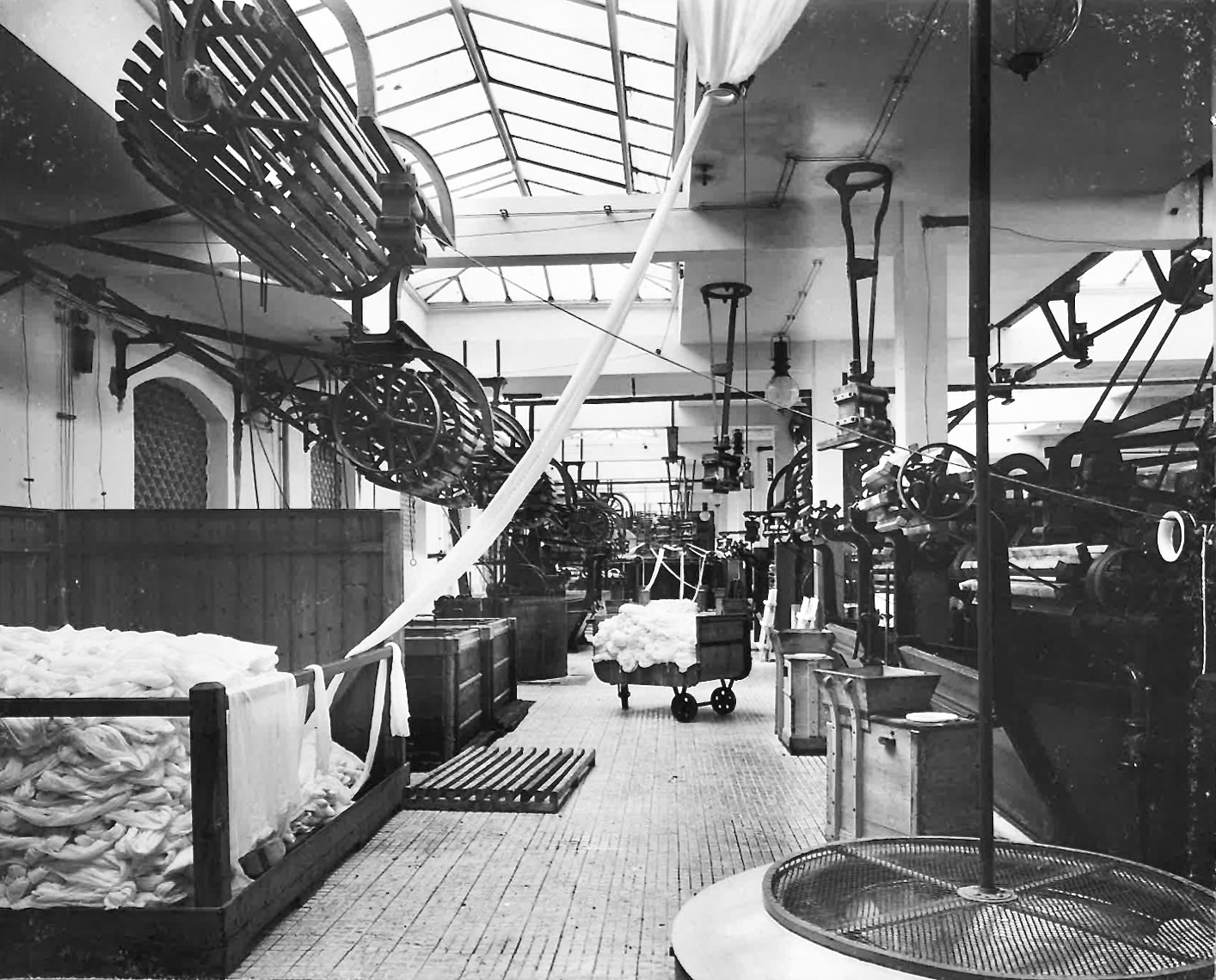
That was not one process but a long sequence of wet treatments, rinses and dryings, each with its own plant, running continuously through a very large building.
Modern bleaching and preparation happens on continuous ranges with automated dosing, measured residence times, controlled temperature and in-line monitoring. The sequence is recognisably the same and almost nothing about its operation is. It is also worth saying that bleaching is a preparation stage rather than an end in itself. Nobody sells white cloth as the point; the works exists so that the next person in the chain can put a colour on it and get the colour they expected.
Like our content? Follow us for more.
2. Bleaching used to mean leaving cloth in a field for weeks
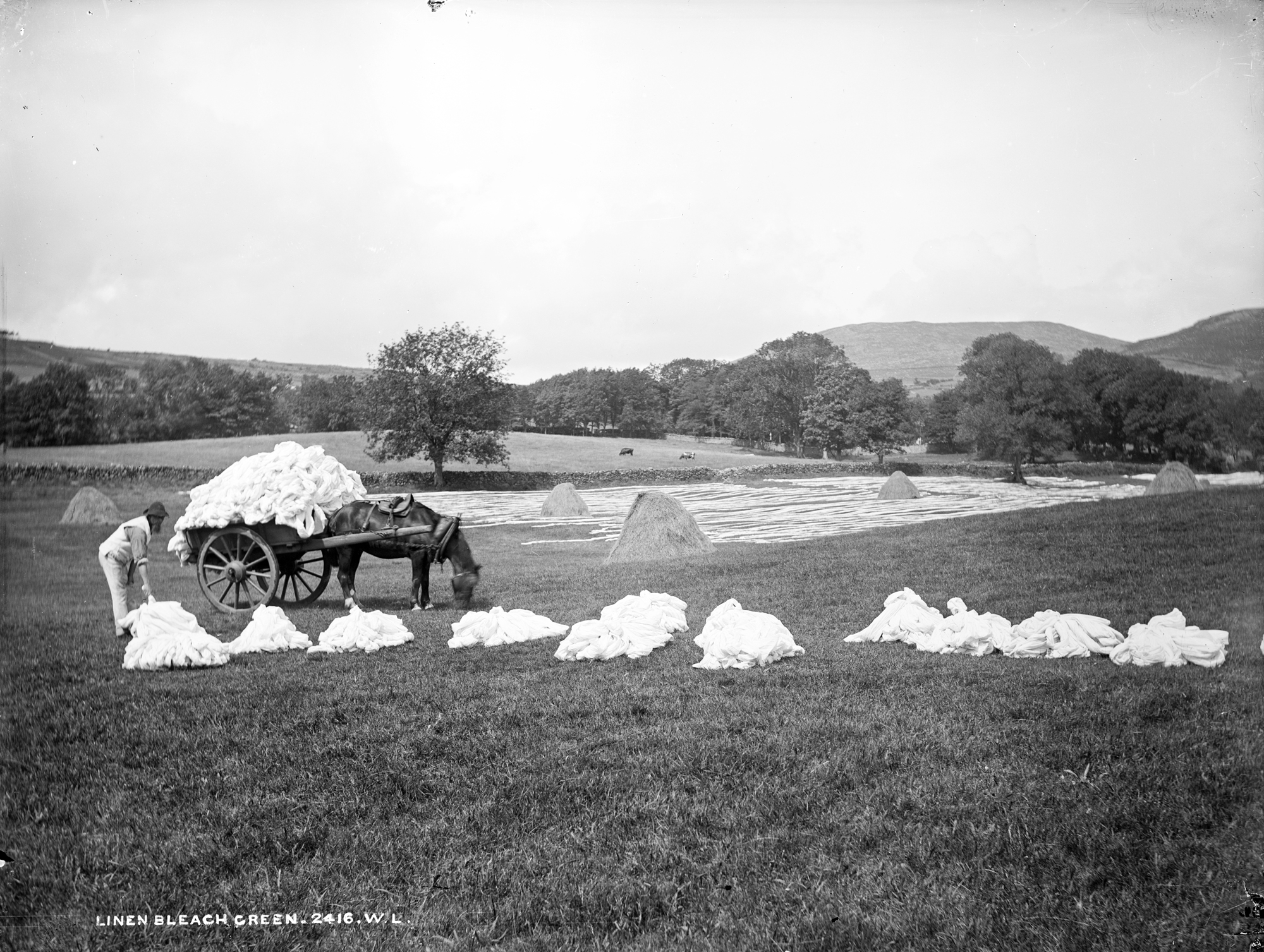
Before chemical bleaching, cloth was whitened by spreading it on grass in the open for weeks at a time, repeatedly wetted, using sunlight and the action of the grass.
That practice gave the trade its vocabulary — a bleachfield, a croft, a drying ground — and it was long obsolete by 1960, though the place names survived and in some cases the land was still owned by the works.
Nothing like it exists anywhere in commercial production now. It is worth knowing about because it explains why bleach works were sited where they were, on flat ground beside very large quantities of soft water. The land requirement was enormous, which is why so many of these sites later became parks: there was nothing else to do with a very large flat field beside a river.
3. Water was the single most important thing on the site
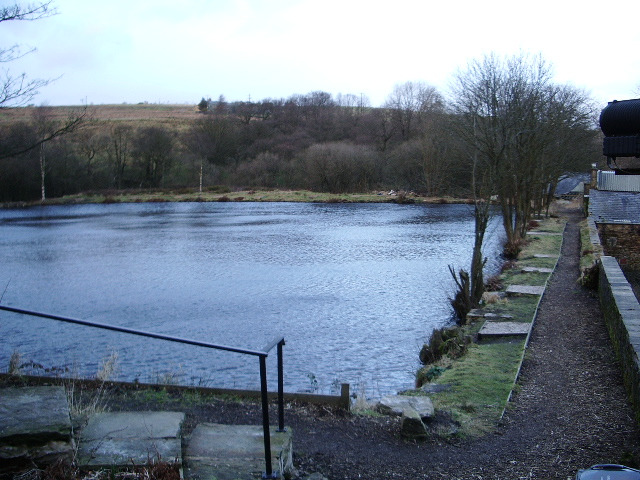
A bleach works consumed water on an enormous scale, and the quality of it mattered as much as the quantity because dissolved minerals and iron will mark cloth permanently.
Sites were therefore chosen for soft water, and a works effectively owned a river, a stream or a set of boreholes and treated them as plant.
Water consumption per unit of cloth has been reduced dramatically by counter-flow washing, recovery and recycling, and abstraction is now licensed and metered. What was a free input has become a regulated and expensive one. That single change did more to reduce water use in textiles than any piece of machinery, because once something is metered it starts being counted.
4. What came out of the works went straight into the river
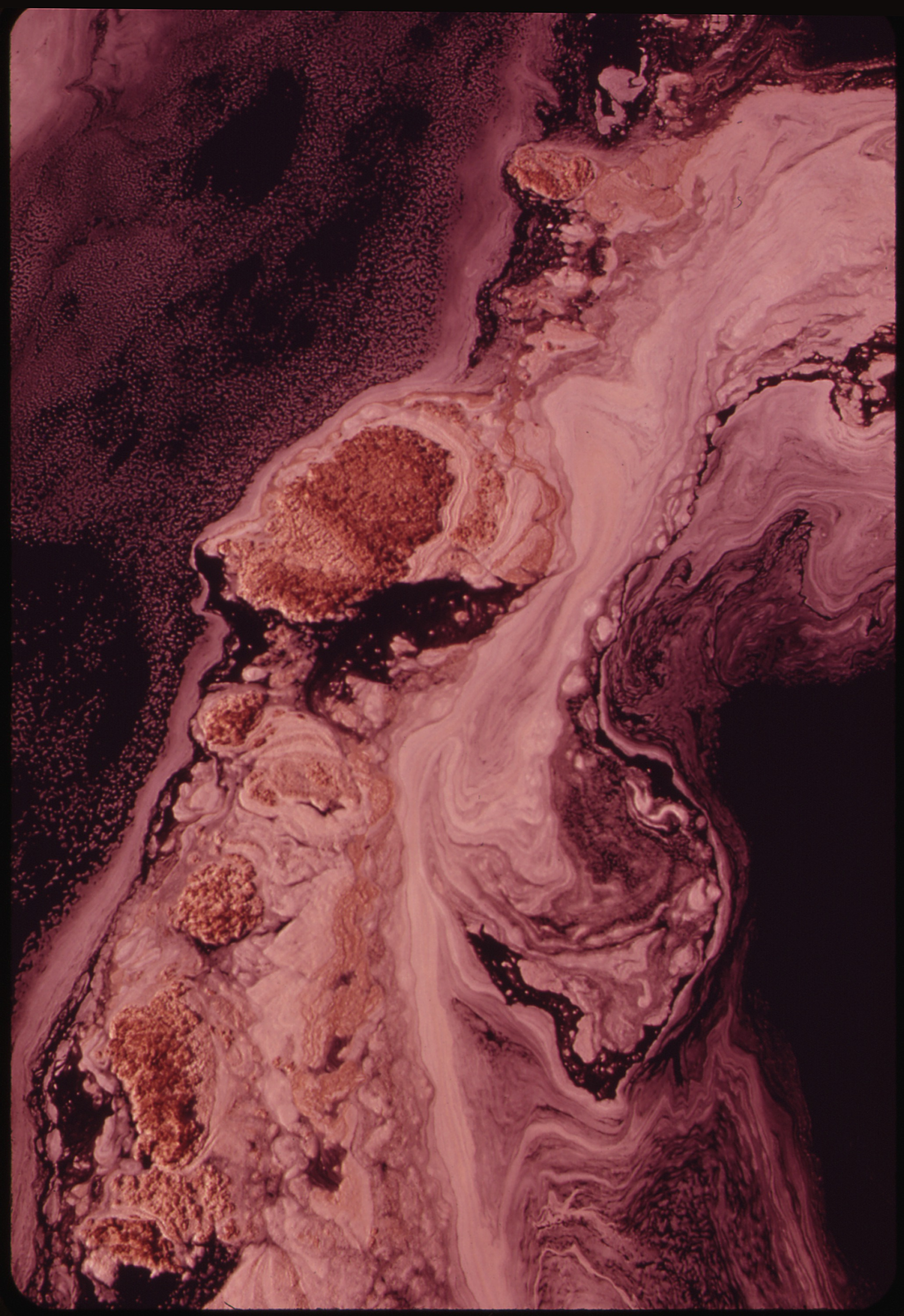
Process water from a 1960 bleach works carried residual chemicals, fibre, size and the dirt removed from the cloth, and in many places it went into a watercourse with minimal treatment.
The rivers of the textile districts were in consequence severely polluted, and the condition of them was accepted as the normal state of an industrial river.
Discharge to water is now licensed, with specified limits, continuous monitoring, on-site effluent treatment and substantial penalties. The recovery of those rivers over the past fifty years is one of the most visible environmental changes in any industrial region. People who grew up near them describe rivers that ran a different colour depending on the day of the week, and the same rivers now hold fish.
5. The chemistry was handled by people who knew it, and the file will leave it there
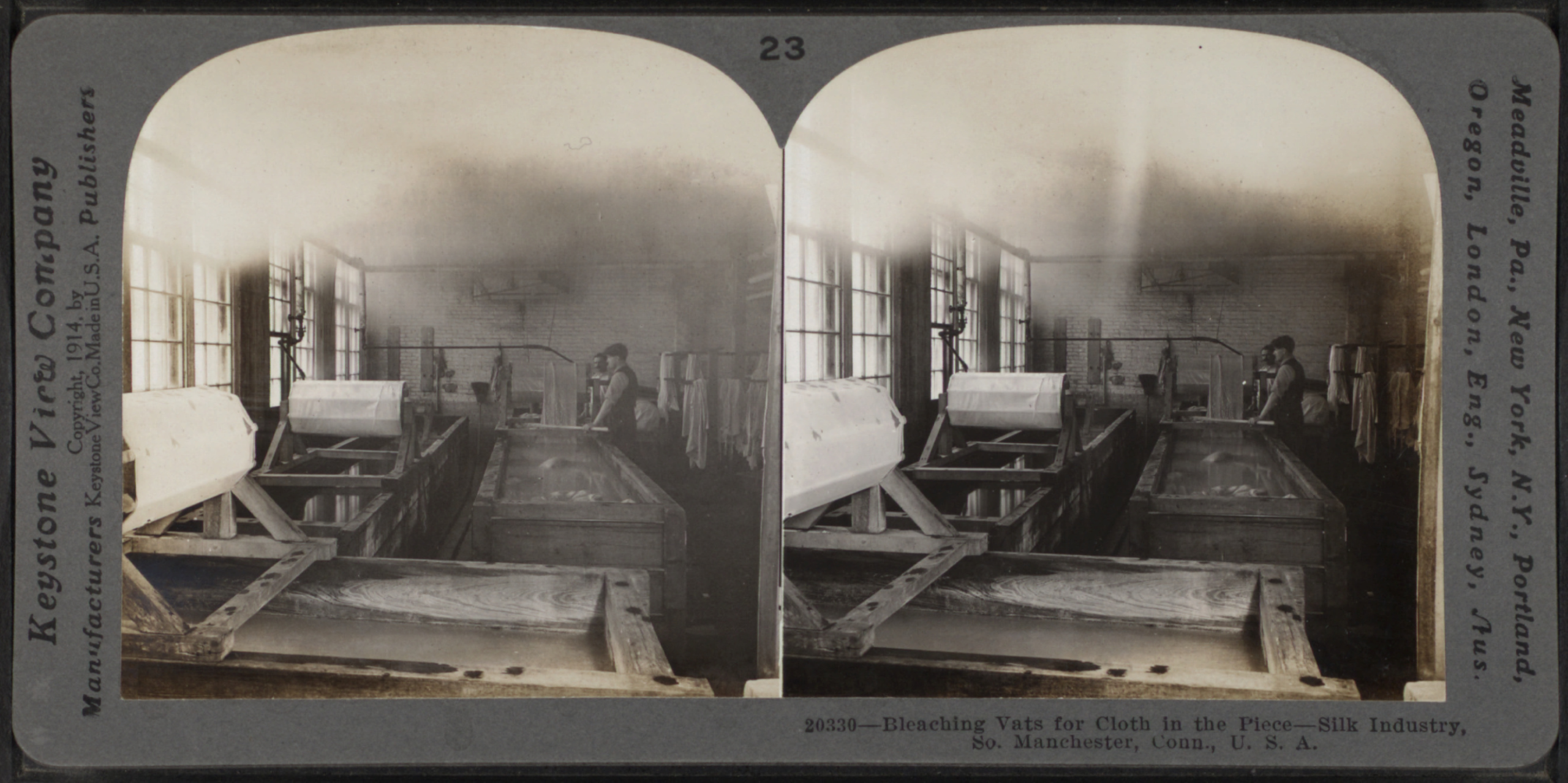
A 1960 bleach works used strong alkalis, acids and oxidising bleach agents at elevated temperatures, in open and semi-open plant, handled by men who had learned the work on the job.
The substances involved are hazardous, the combinations of them are more hazardous still, and nothing about any of that is appropriate material for an article about the past.
Industrial bleaching chemicals are now subject to detailed regulation covering storage, handling, labelling, incompatibility, ventilation, personal protection, emergency arrangements and worker health surveillance. Anybody with a professional interest should be working from current regulation and competent advice, not from history. That is the only sensible position for an article like this to take, and it is taken deliberately.
6. Kiers were pressure vessels and were treated with great respect
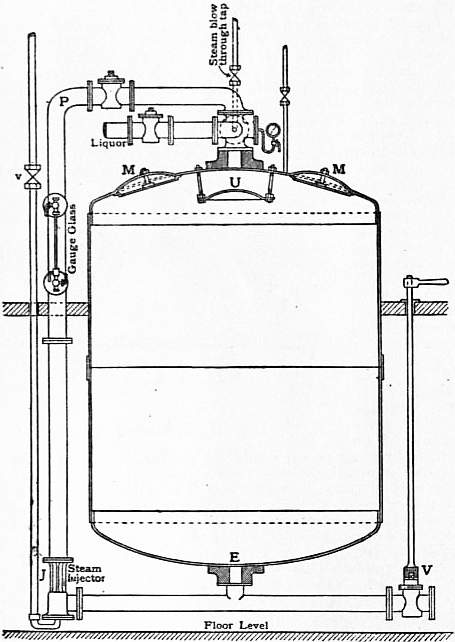
The boiling of cloth in alkali was done in a kier, a large closed vessel in which fabric was packed and liquor circulated hot and under pressure for hours.
A kier is a pressure vessel containing a hot caustic liquor, and the whole operational culture around it — the sequence of opening and closing, who was permitted to do what, the checks before and after — existed for reasons that need no spelling out.
Pressure vessels are now subject to statutory examination schemes, written operating procedures, interlocks that prevent opening under pressure, and formal competence requirements for operators. It is one of the areas where regulation is most prescriptive and least negotiable. Kiers also shaped the working day, since a kier cycle runs for hours and the whole croft was organised around when vessels would be ready.
7. The building was hot, wet and full of steam
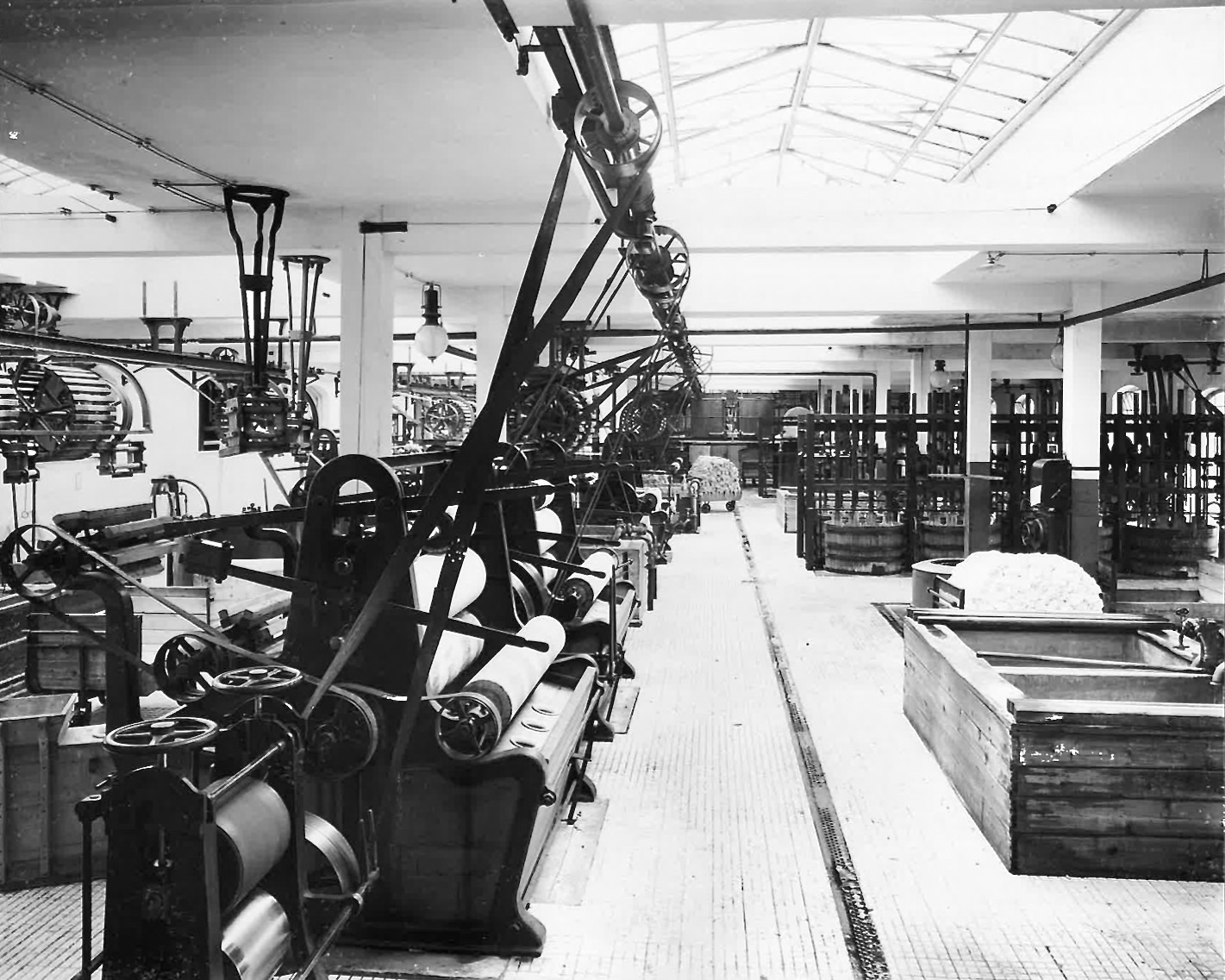
A working bleach croft was a hot, humid, steamy environment with wet floors, hot pipework, open vessels and cloth moving continuously overhead and underfoot.
Men worked in it in ordinary clothes and clogs, for whole shifts, and the atmosphere was simply the condition of the job.
Modern preparation plants are enclosed, extracted and largely automated, with far fewer people on the floor and those present working to defined access rules with specified protective equipment. The number of people needed in the wet area is a fraction of what it was. Clogs, incidentally, were a sensible choice rather than a quaint one: a wooden sole keeps a foot off a wet floor better than anything else then available.
8. Cloth moved through the plant in enormous continuous lengths
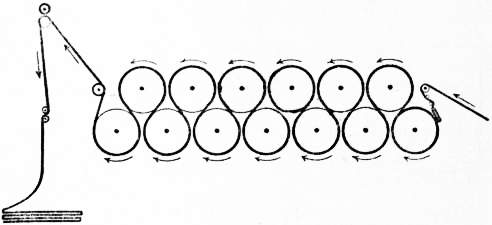
Pieces were stitched end to end into continuous batches thousands of yards long, which then travelled through washing, boiling, bleaching and rinsing as one length.
Getting that through the plant without creasing, tearing, tangling or losing track of which customer’s cloth was which was the operational skill of the trade.
Identification is now handled by barcodes or RFID and by production systems that track a batch through every stage. Losing cloth, which happened, is no longer a realistic possibility. Stitching pieces into a continuous batch also meant that a fault in handling damaged several customers’ cloth at once, which concentrated the mind.
9. Testing whiteness meant looking at it
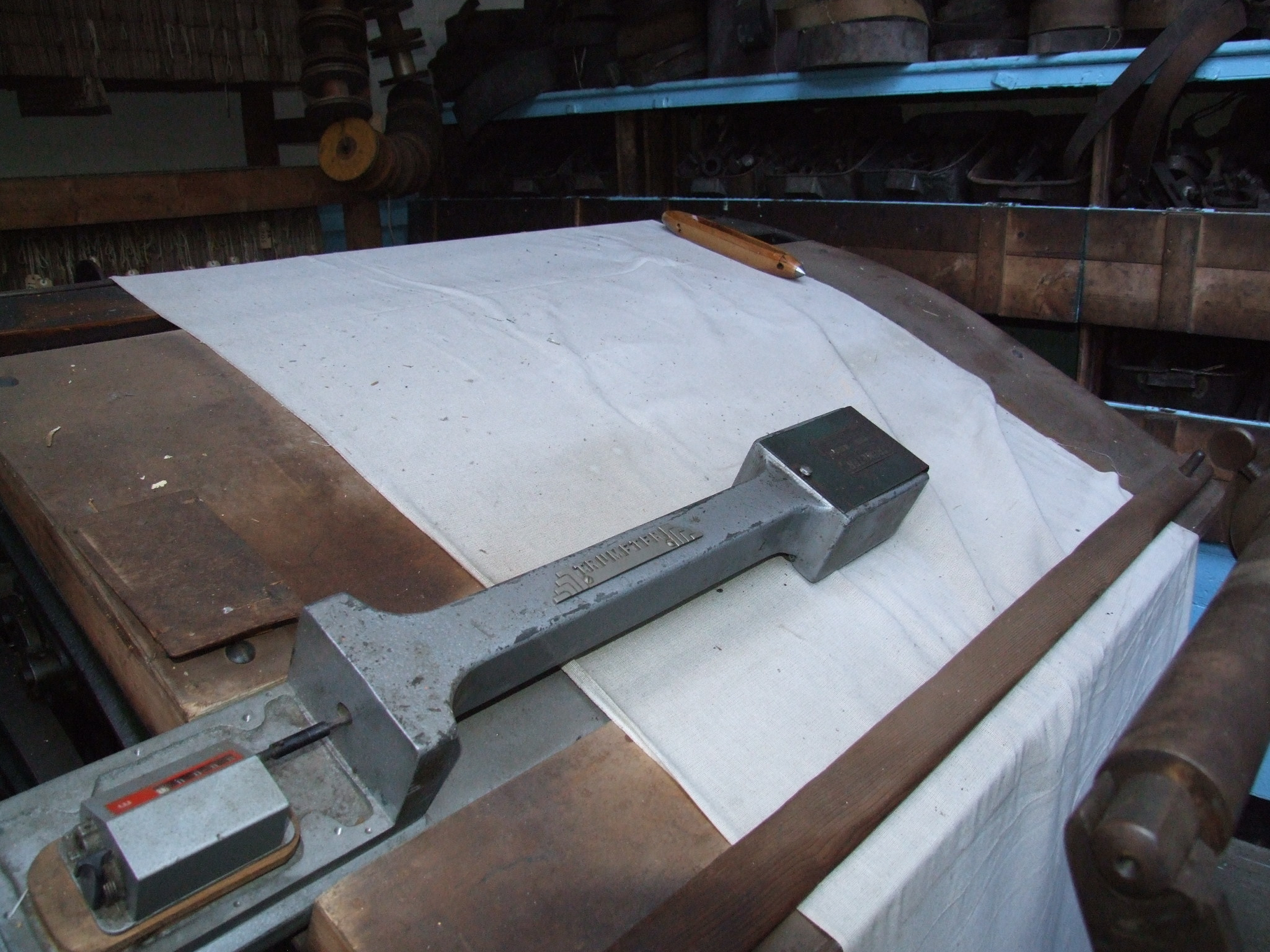
Whether a piece was white enough was decided by eye, against a retained sample, under whatever light was available, by an experienced man whose judgement was the specification.
That worked remarkably well and was completely untransferable: two works could not reliably agree on a white.
Whiteness is now a measured quantity with instrumental indices, standard illuminants and specified tolerances, and a customer can state a number. The eye is still used as a check and no longer as the standard. A white is also not a single thing, since cloth can be made whiter-looking by shifting it slightly blue, and judging that by eye is genuinely difficult.
10. Mercerising and finishing were separate skilled operations
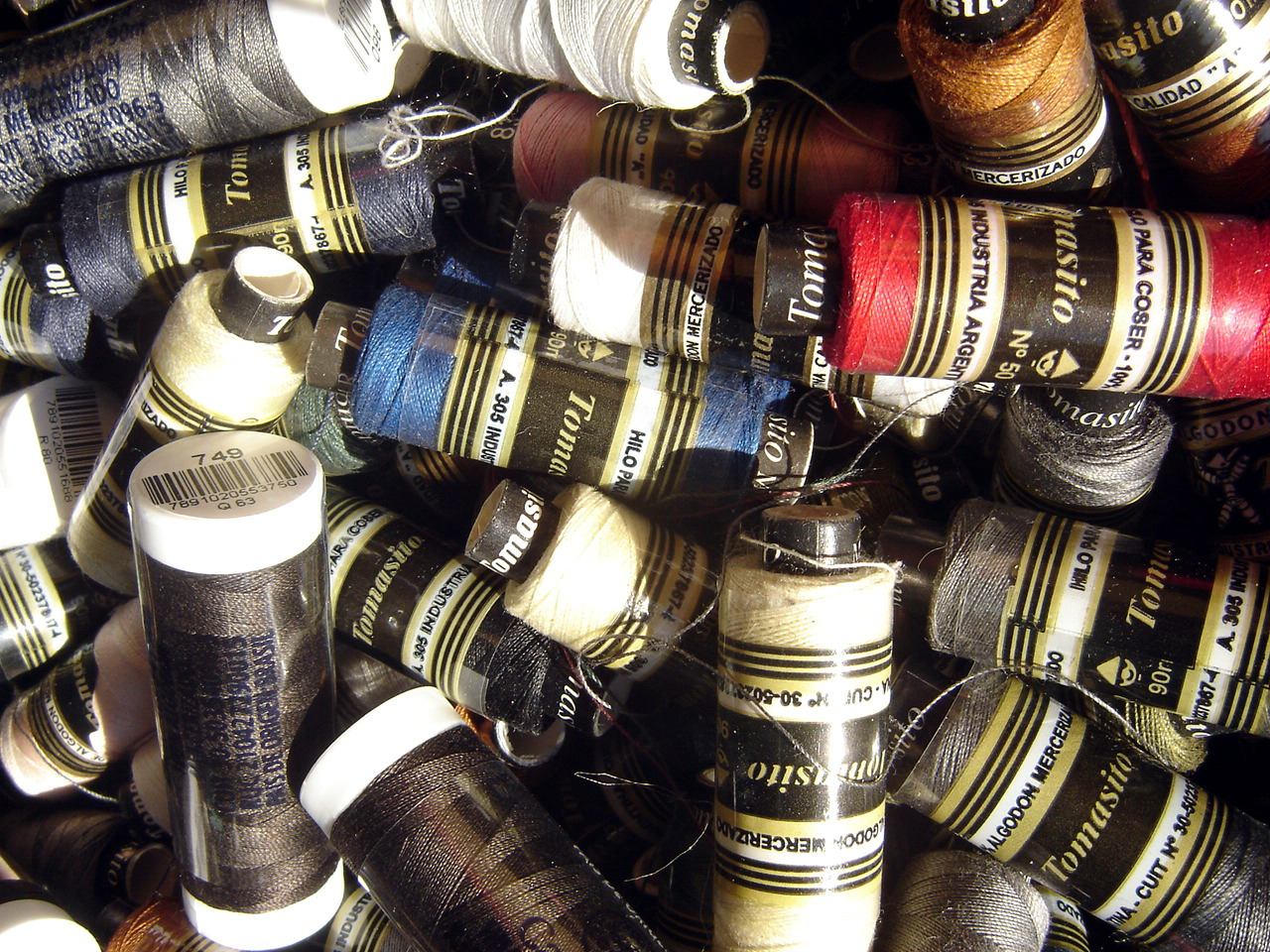
Beyond bleaching, a works carried out mercerising — treating cotton under tension with strong alkali to change its lustre, strength and dye uptake — along with calendering, raising and other mechanical finishes.
Each was a distinct department with its own plant, its own operators and its own body of practical knowledge about what a given cloth would tolerate.
Those operations continue in modern finishing plants with controlled chemistry, measured tension and recorded parameters. The knowledge has moved from the operator’s experience into a recipe held in a control system. Mercerised cotton is the one finish most people have handled without knowing it, because it is what gives good cotton thread its sheen.
11. Nothing was recorded in a way anybody could audit

A 1960 works ran on process books, shift notes and memory, and what had actually been done to a particular batch was reconstructable only approximately.
That made complaints difficult to investigate and made consistent reproduction of a result dependent on the same people doing the same job.
Every parameter of a modern finishing process is logged automatically against the batch, and a result can be reproduced from the record. It is the change that most improved the product’s consistency. It also changed the commercial relationship, because a customer can now be shown what was done rather than told.
12. The works employed an entire town
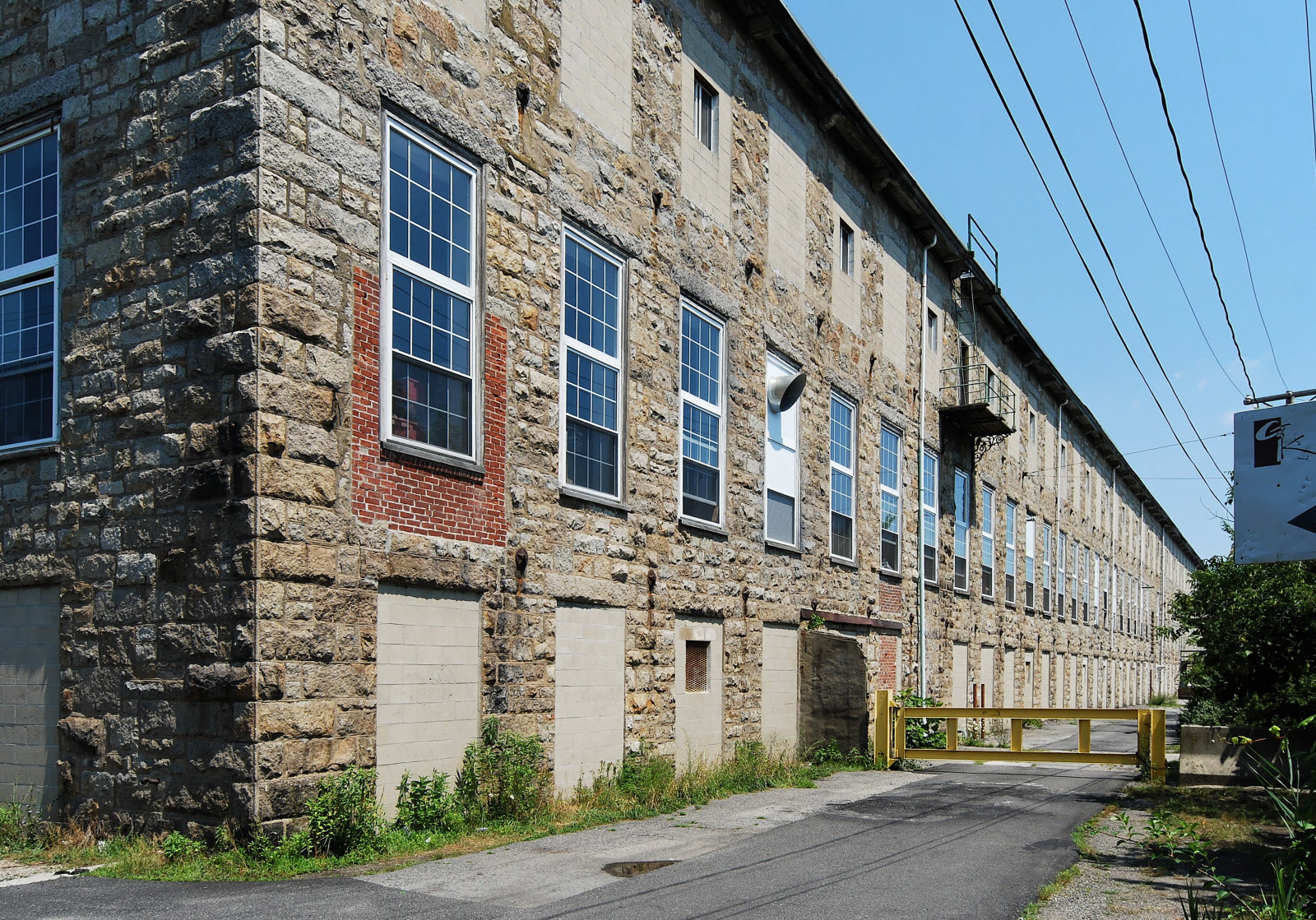
A large bleach works was one of the biggest employers in its district, with hundreds of people across the crofts, the chemical plant, the engineering shops, the boiler house and the offices.
It also generated an enormous amount of ancillary work, from carting to barrel-making to the maintenance trades, and its hours set the rhythm of a whole community.
Modern finishing plants employ a small fraction of that number for a greater output. The communities built around these works are the clearest surviving evidence of how large they were. Rows of housing built by the works, within walking distance of the gate, are still standing in a great many of these places.
13. Steam came from a coal-fired boiler house running day and night
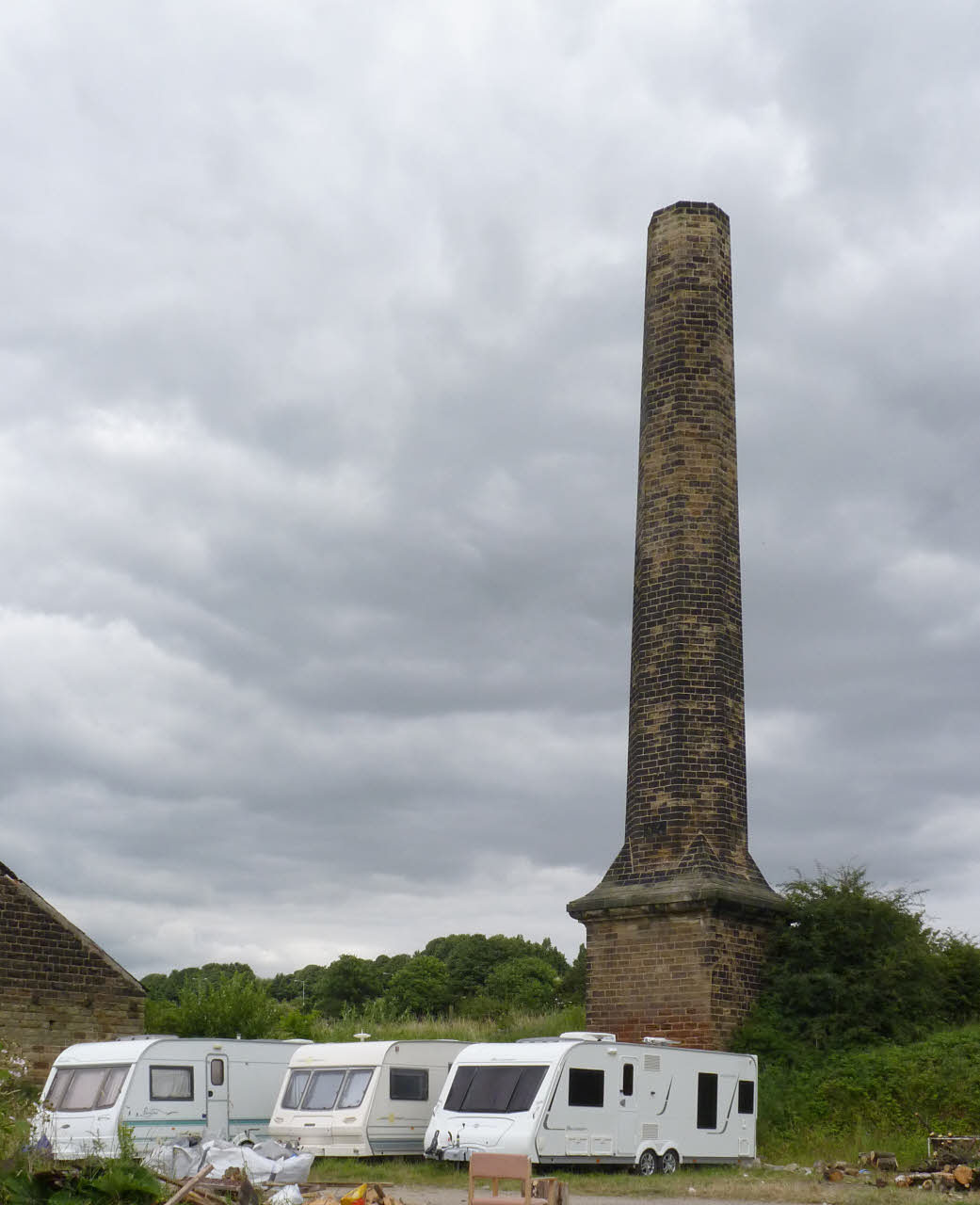
Everything in the works depended on steam — heating liquors, driving machinery, drying cloth — and that meant a coal-fired boiler house with its own staff, its own coal handling and its own chimney.
The smoke from those chimneys, multiplied across a district, is the reason the textile towns looked and smelled as they did.
Steam is now generated by gas or electrically, often with heat recovery from the process itself, and emissions are permitted and monitored. The chimneys are mostly gone, and where they stand they are kept as landmarks. Heat recovery is the genuinely clever part of the modern arrangement, since a process that heats and cools water repeatedly is an obvious candidate for it.
14. Protective equipment was whatever a man provided himself
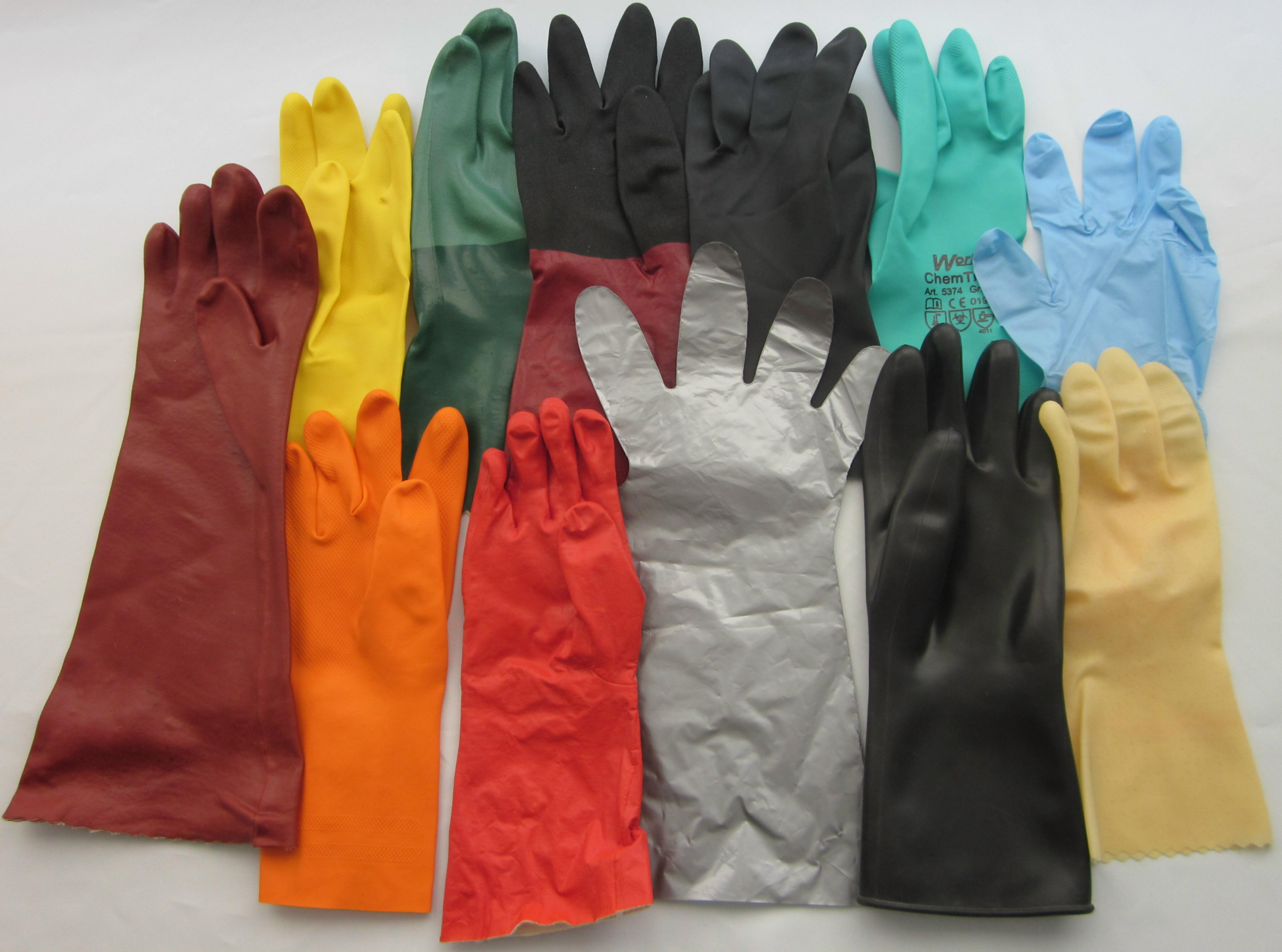
In 1960 a worker in a bleach croft might have clogs, an apron and perhaps rubber boots, usually his own, and the idea that the employer should supply and maintain protective equipment appropriate to a specific hazard was not established practice.
The result was that protection depended on a worker’s own assessment and his own money.
Personal protective equipment is now the employer’s legal responsibility, selected against assessed hazards, provided free, maintained, replaced and recorded. It is the single most consequential change for anybody who worked in a wet chemical process. It is also the change that cost employers the least and was resisted the longest, which is a pattern worth noticing.
15. Cotton bleaching moved abroad with the cotton industry
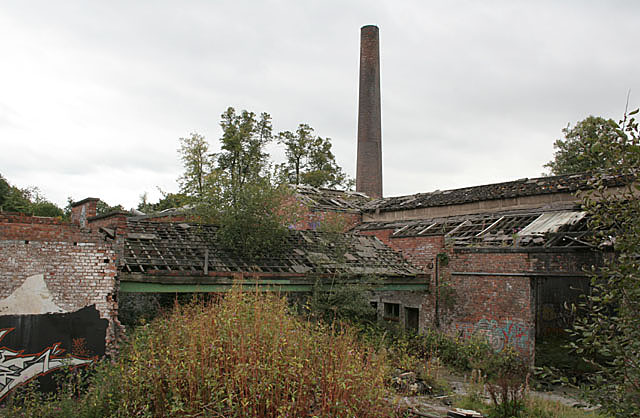
A bleach works exists next to the mills it serves, and when spinning and weaving moved to lower-cost countries through the 1960s and 1970s the finishing trade followed them.
That was not a failure of the works but a consequence of being one stage in a chain that relocated.
Textile finishing is now concentrated in the countries where cloth is made, with a specialist high-value finishing industry surviving in the old centres. The sites themselves are now housing, retail parks and country parks. The high-value survivors tend to be the ones that specialised early, usually in technical or performance finishing rather than commodity work.
16. The last thing the works did was make the cloth measurable
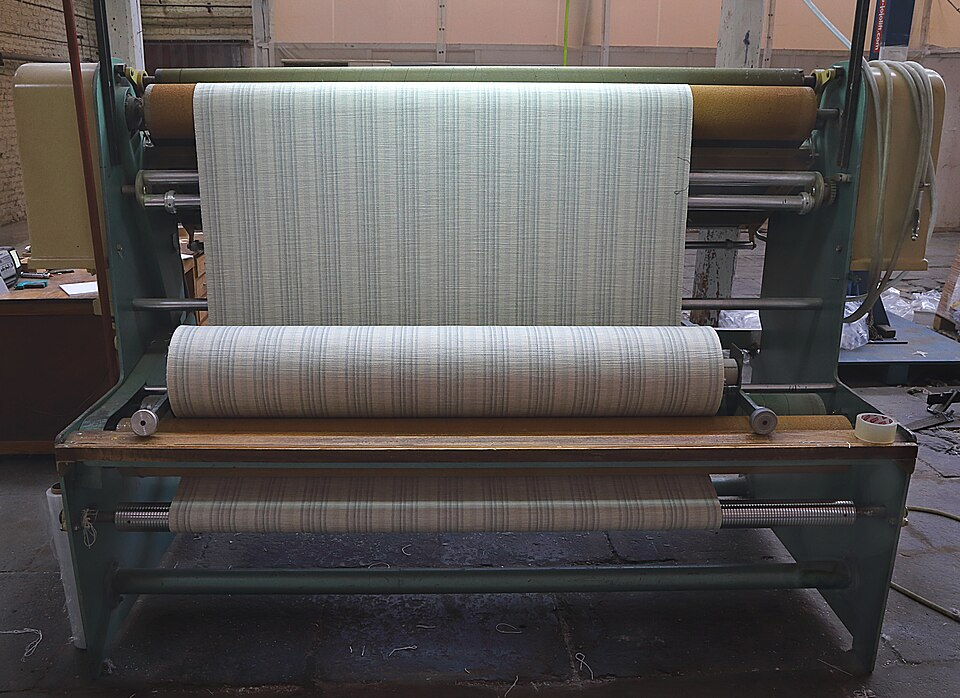
A bleach works turned a variable natural product into a consistent white base that a dyer or printer could rely on, and that reliability was the actual product it sold.
Everything else — the water, the chemistry, the kiers, the eye for a white — existed to deliver it.
That has not changed at all. A modern preparation range sells exactly the same thing, with instruments and records instead of experience, which is the honest summary of the whole industry’s development. Everything else on this list is a detail of how that reliability is now demonstrated rather than merely achieved.
What the works was actually selling
Consistency. A bleach works took a variable natural product and delivered a white base that a dyer or printer could depend on, and everything else existed to produce that. What changed is not the purpose but the evidence: the water is licensed and metered, the discharge is monitored, the chemicals are regulated end to end, the vessels are examined, the whiteness is a number and every parameter is logged against the batch. The works sold its reputation, and a modern plant sells its record.
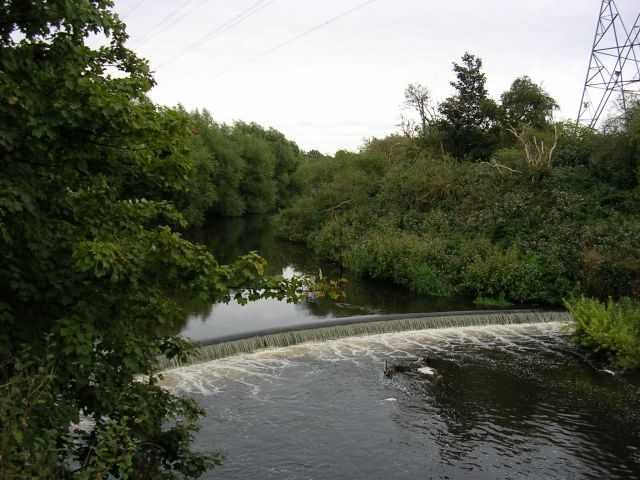
The rivers of the textile districts are the clearest evidence of what these works were. They are also the clearest evidence of what stopping has achieved.
Like our content? Follow us for more.