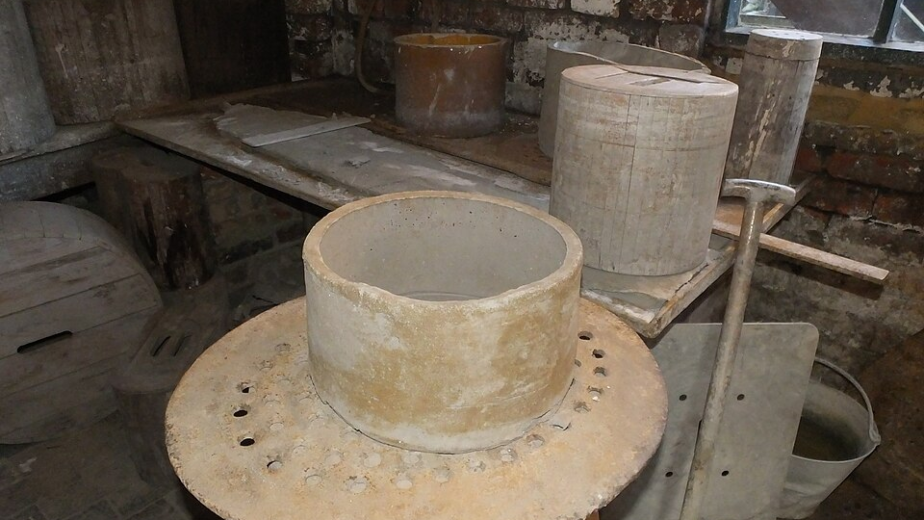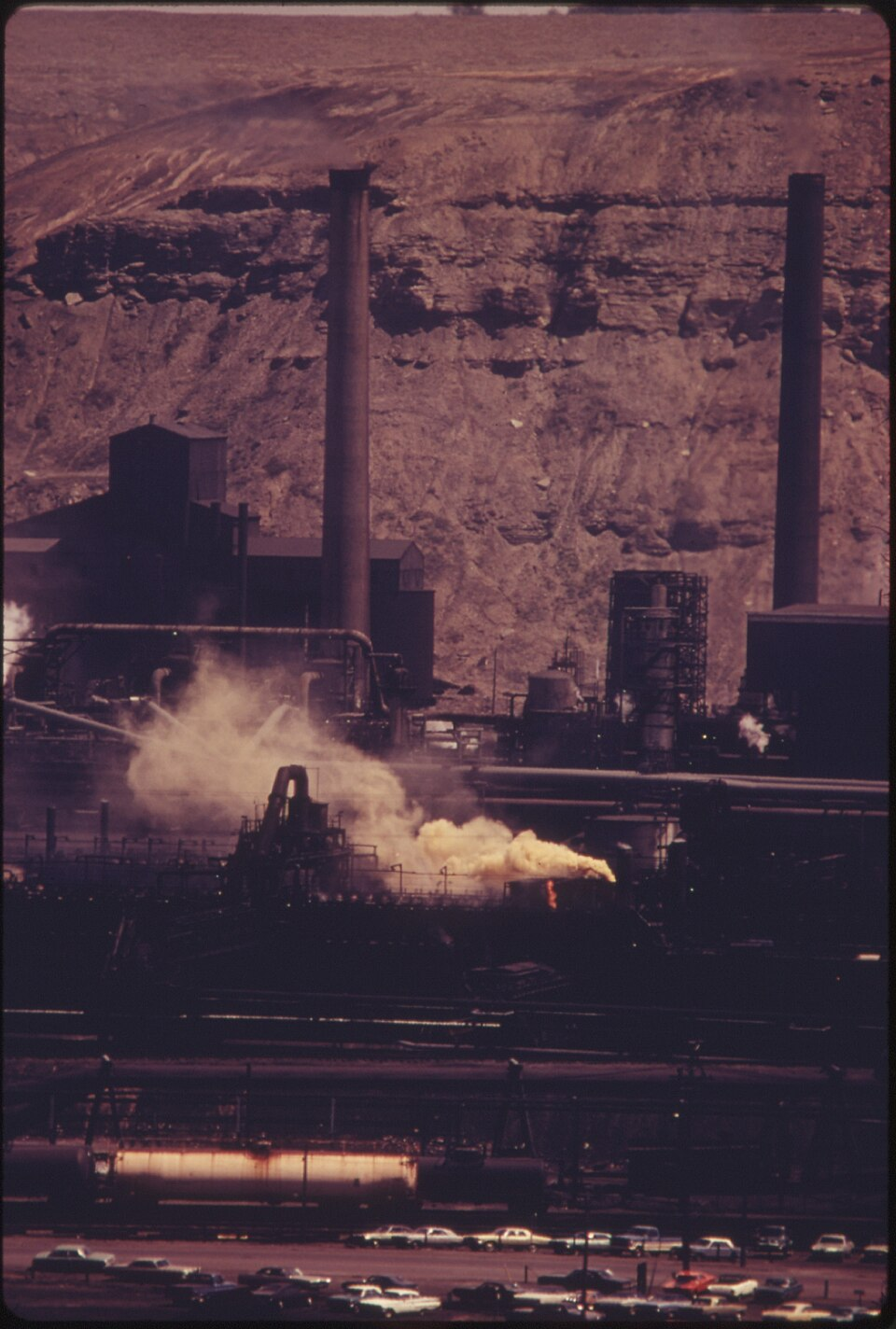
A coke oven battery is held hot continuously for years, pushed on a clock around the clock, and in 1960 it charged, quenched and leaked into the open air as a matter of routine. Here are sixteen things about it that emission and exposure rules have since changed.
1. The battery was never allowed to go cold
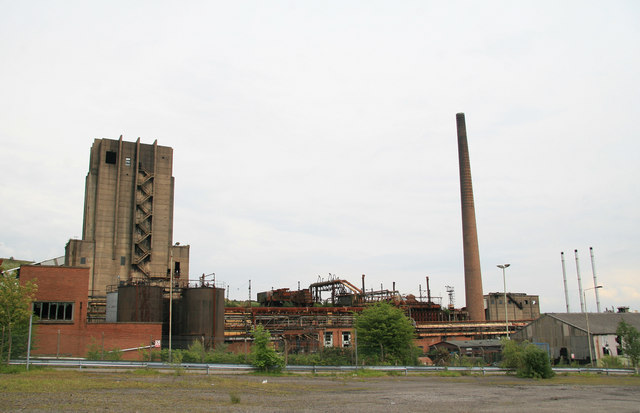
A coke oven battery is a long row of narrow brick ovens sharing heating flues between them, and it is held hot continuously for years at a time. An oven is charged, left to bake, emptied and charged again, and the brickwork never cools.
That is not an efficiency choice, it is a structural necessity: refractory brickwork that is heated and cooled repeatedly cracks and fails, so a battery that goes cold may be a battery that needs rebuilding.
Modern batteries work on exactly the same principle and the same constraint, which is why a planned shutdown is a major engineering project rather than a decision. The difference is that a modern battery’s temperature profile is measured continuously across its whole length rather than judged.
Like our content? Follow us for more.
2. Coke is coal with the volatile part driven off, not coal that has been burnt
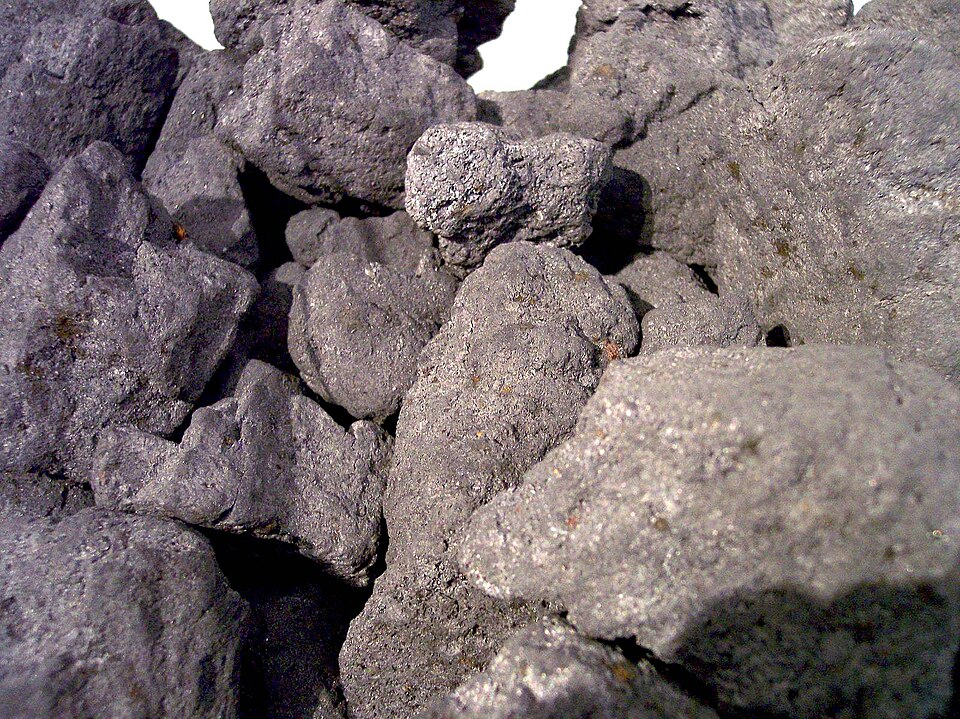
The process is baking rather than burning. Coal is sealed in an oven with no air and heated from outside, so the volatile matter is driven off as gas and tar while the carbon stays behind as a hard porous solid.
That is the whole point. Coke burns hotter and more cleanly than coal, holds its shape under the weight of a furnace charge rather than crumbling, and is permeable enough to let a blast pass through it.
The principle is unchanged. What has changed is the control: modern coking is managed to a specified heating rate and soak time with the product tested for strength and reactivity, where a 1960 battery ran to a practised schedule.
3. The ovens were pushed on a clock and the clock was the whole discipline
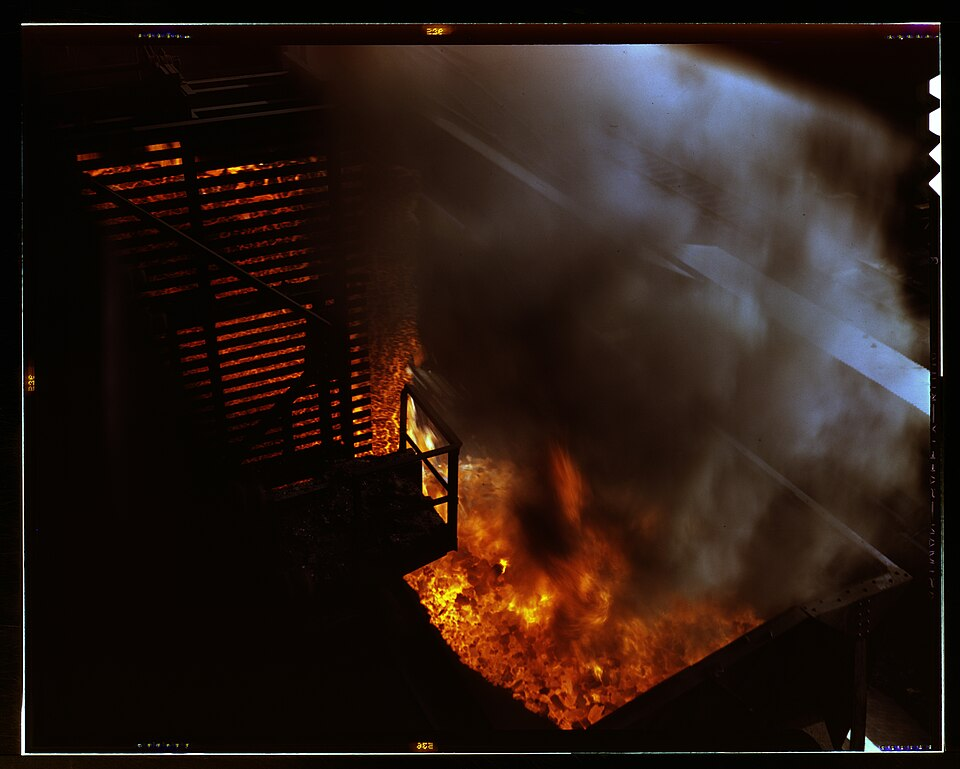
Each oven has a coking time, and when it is up the oven is opened at both ends and the charge is pushed out sideways by a ram into a waiting car.
A battery of ovens therefore runs on a rolling schedule, with ovens coming ready in sequence all day and all night, and the pushing machines travelling along the battery to meet them.
Falling behind is a real operational problem because an over-coked oven wastes heat and an under-coked one produces poor coke, so the clock governs everything, and that sequence is now computer-scheduled and the machines are largely automated, with position, timing and oven condition logged. The clock is the same clock and nobody has to remember where they are in it.
4. Charging from the top was the dirtiest two minutes of the cycle
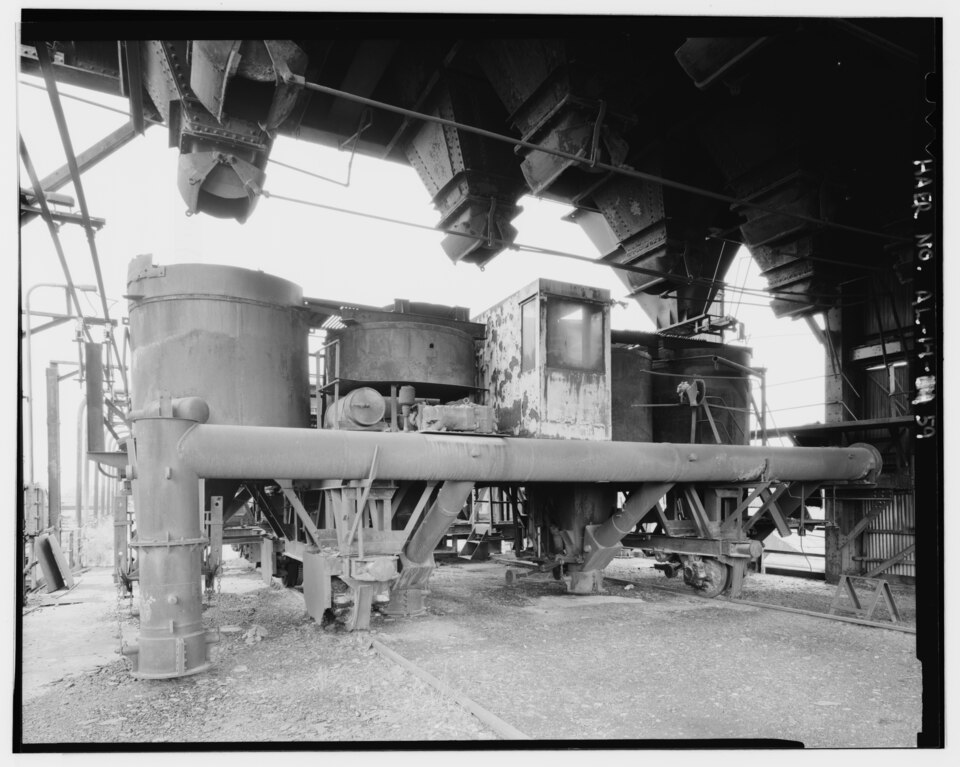
Coal was dropped into the oven through holes in the top from a charging car running along the battery roof, and the moment of charging releases a great deal of gas, smoke and dust into the air above the ovens.
In 1960 that was simply what happened. The men on the battery top worked in it, the plume was visible for a long distance, and the emission was regarded as a characteristic of the plant rather than as a problem.
Modern practice treats charging emissions as the central environmental and occupational issue of the whole process, controlled by sealed charging, gas collection during charging, extraction hoods and monitored emission limits. It is the single most comprehensively re-engineered operation in coke making.
5. Why American coke making set the pattern
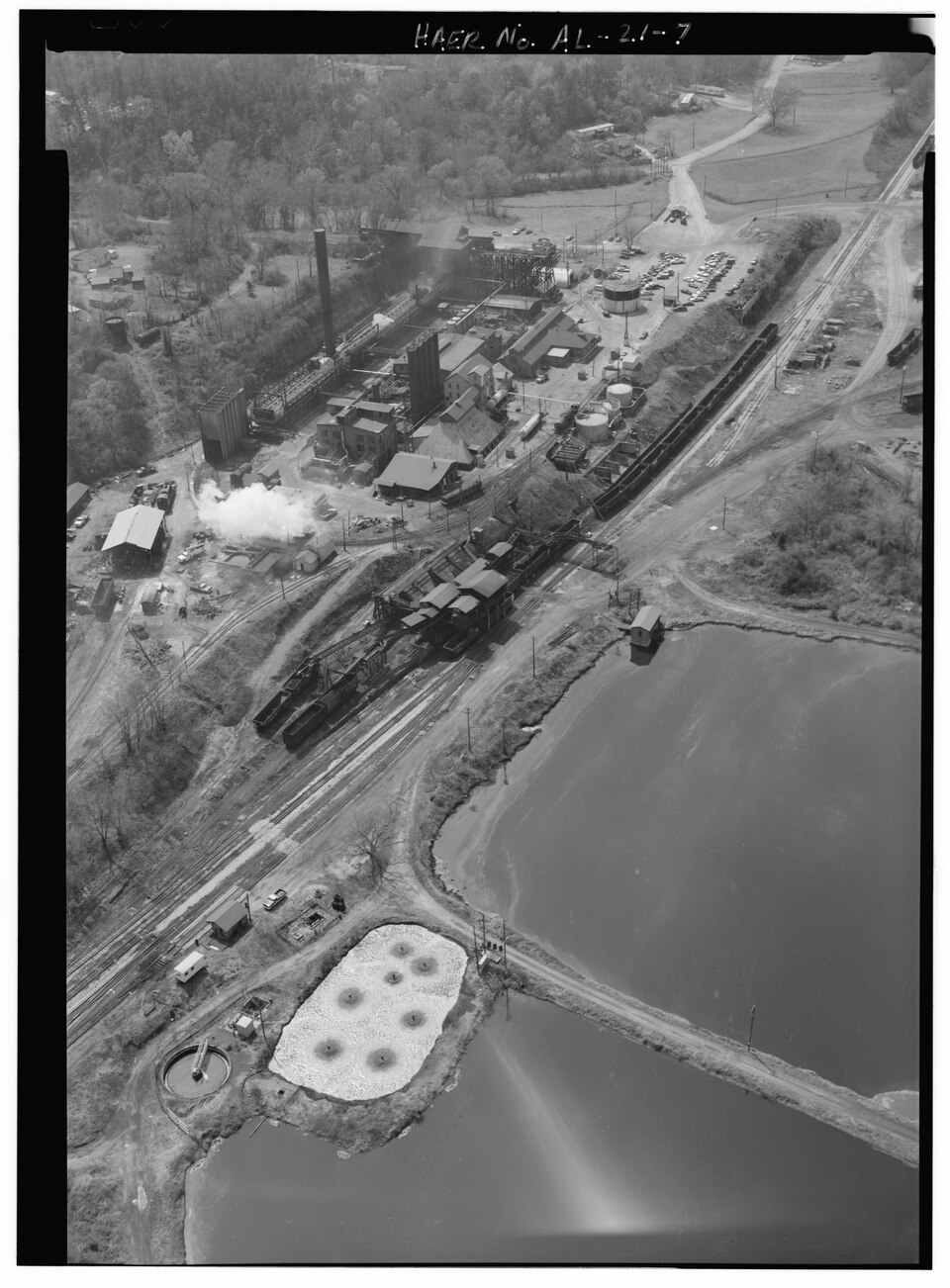
American steel grew around enormous integrated works, and coke making grew with it at a scale that forced early mechanisation of every part of the cycle: charging, pushing, quenching and handling.
That produced large by-product plants as well. Recovering the gas, tar, ammonia and light oils from the ovens turned a waste stream into a chemical industry, and American works led in building that side out.
It also produced the regulatory story. Coke oven emissions became one of the earliest occupational exposures in the United States to be regulated with a specific standard rather than under a general duty, and the engineering changes followed from that. So American coke making is simultaneously where the scale came from and where the controls came from, which is a pattern that repeats across heavy industry.
6. The quench tower made a cloud twice an hour
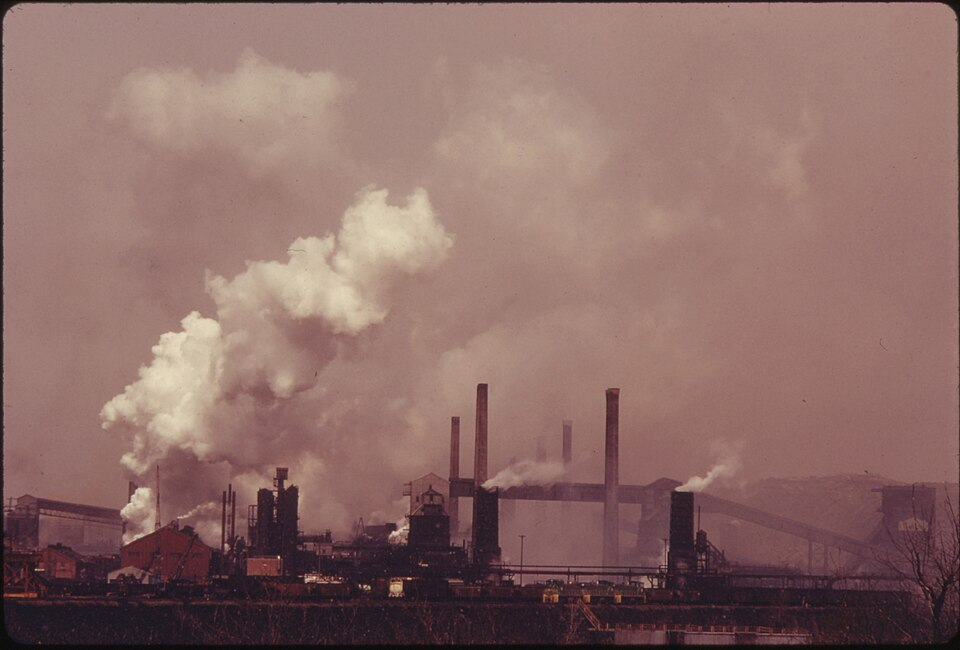
Red-hot coke pushed from an oven has to be cooled before it can be handled, and in 1960 that meant running the car under a tower and dousing it with water.
The result is an enormous and instantaneous cloud of steam carrying whatever the coke and the water contained with it, released into the open air, repeatedly, around the clock.
That plume is the image most people have of a coke works and it is the operation that has changed most. Dry quenching, which cools coke with an inert gas and recovers the heat, and closed wet quenching with emission controls have replaced open dousing at modern plants. The water matters too. Quench water is contaminated by the process and is now a managed and treated stream rather than something that simply ran away.
7. The by-products were worth more than people assume
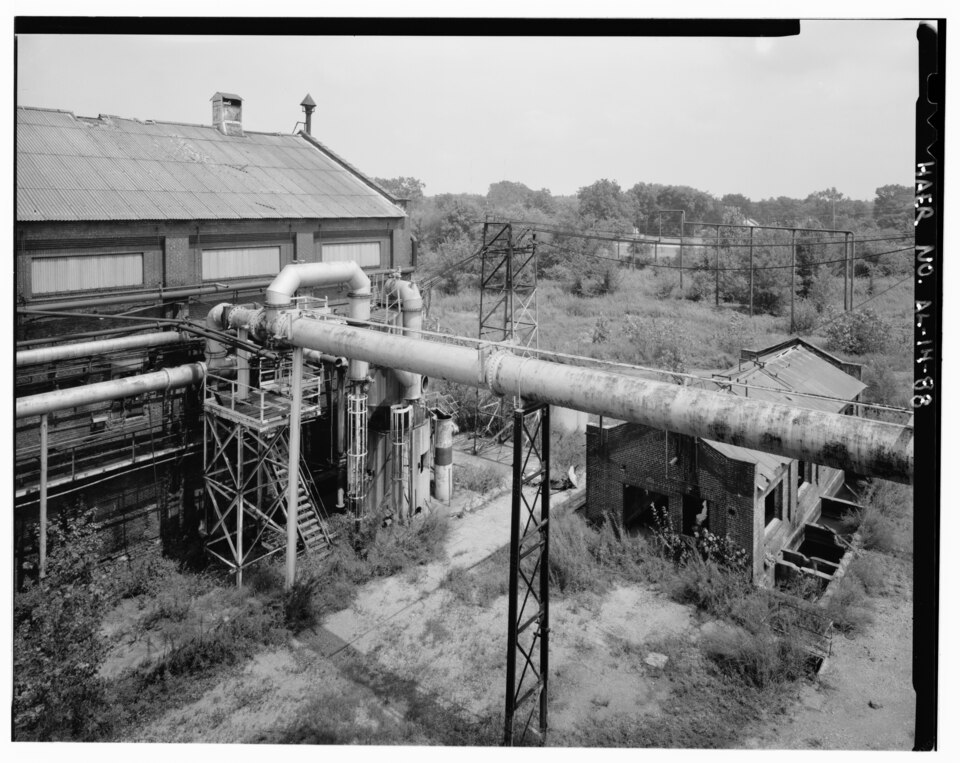
The gas coming off the ovens is a fuel, and it was used to heat the battery itself and supplied to the rest of the works and sometimes to the town.
The liquid fraction yielded coal tar, from which an entire chemical industry was built, along with ammonia for fertiliser and light oils for solvents and other products.
So a coke works was a chemical plant attached to a baking process, and the by-product side employed a different set of trades entirely. That remains true and is now operated to petrochemical standards of containment, measurement and emission control, which is a transformation in how the same materials are handled rather than a change in what they are.
8. Coal tar and its handling are now treated with great seriousness
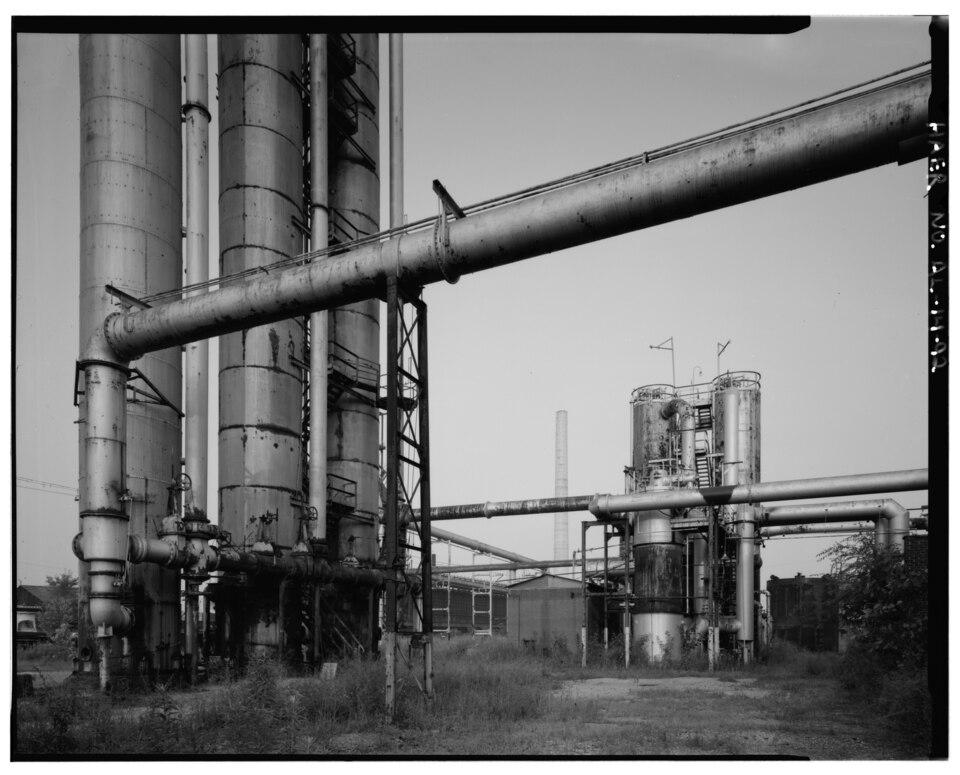
The materials recovered from coke ovens include coal tar and related substances, and exposure to coke oven emissions and to tar products is a comprehensively regulated occupational matter.
In 1960 it was not. Men handled these materials with limited protection, in open plant, with no monitoring and no health surveillance, and the smell of a by-product plant was a local landmark.
The modern position is a specific exposure regime: enclosure, extraction, monitored emission limits, mandatory protective equipment, washing facilities, restricted-access areas and health surveillance for the people who work there. This file names no substance beyond the material classes already named, describes no health effect and gives no exposure figure. Anybody working with any of it is governed by current regulation and their employer’s arrangements, which is the only correct source.
9. The battery top was a working floor on top of a furnace
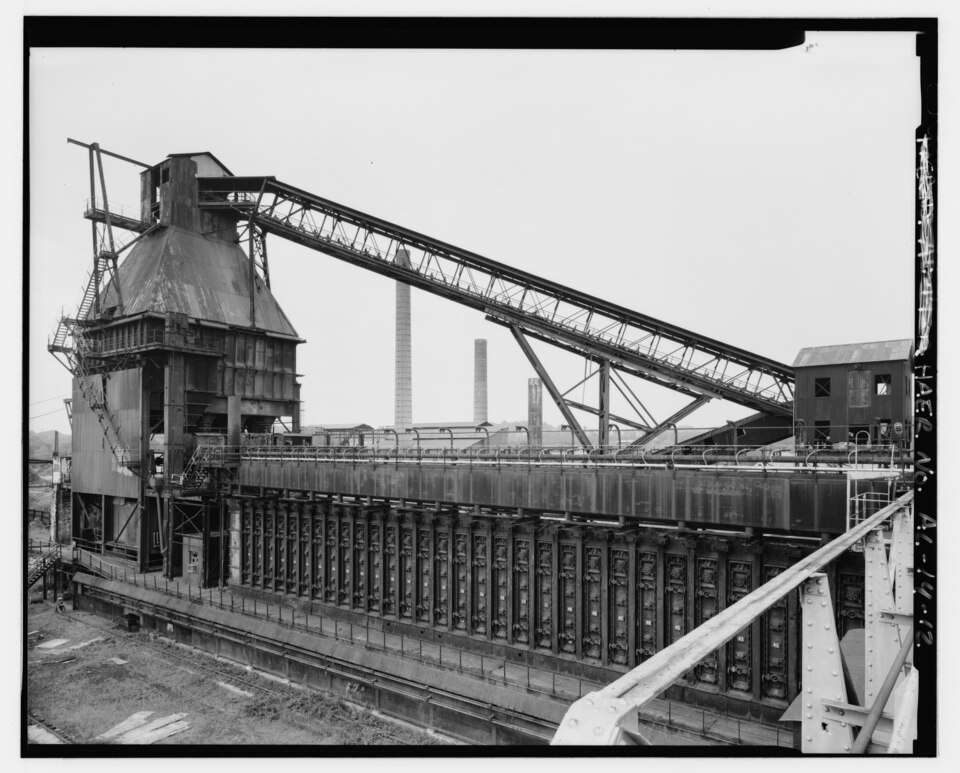
Men worked on the roof of the ovens, on brickwork that is hot underfoot, among charging holes, standpipes and the charging car, in the plume from whatever was being done.
Heat came from below as well as around, the surface was uneven and dusty, and the work involved lifting lids, cleaning holes and sealing them again.
The pattern of the work was dictated by heat tolerance: short periods in position, then withdrawal, which is the same pattern as every hot trade in this series. Modern batteries are worked from enclosed cabs where possible, with remote operation of the charging sequence, specified protective equipment, heat-exposure management and restricted access to the battery top. The number of people who need to be up there has fallen enormously.
10. Doors were sealed with luted clay and they leaked anyway
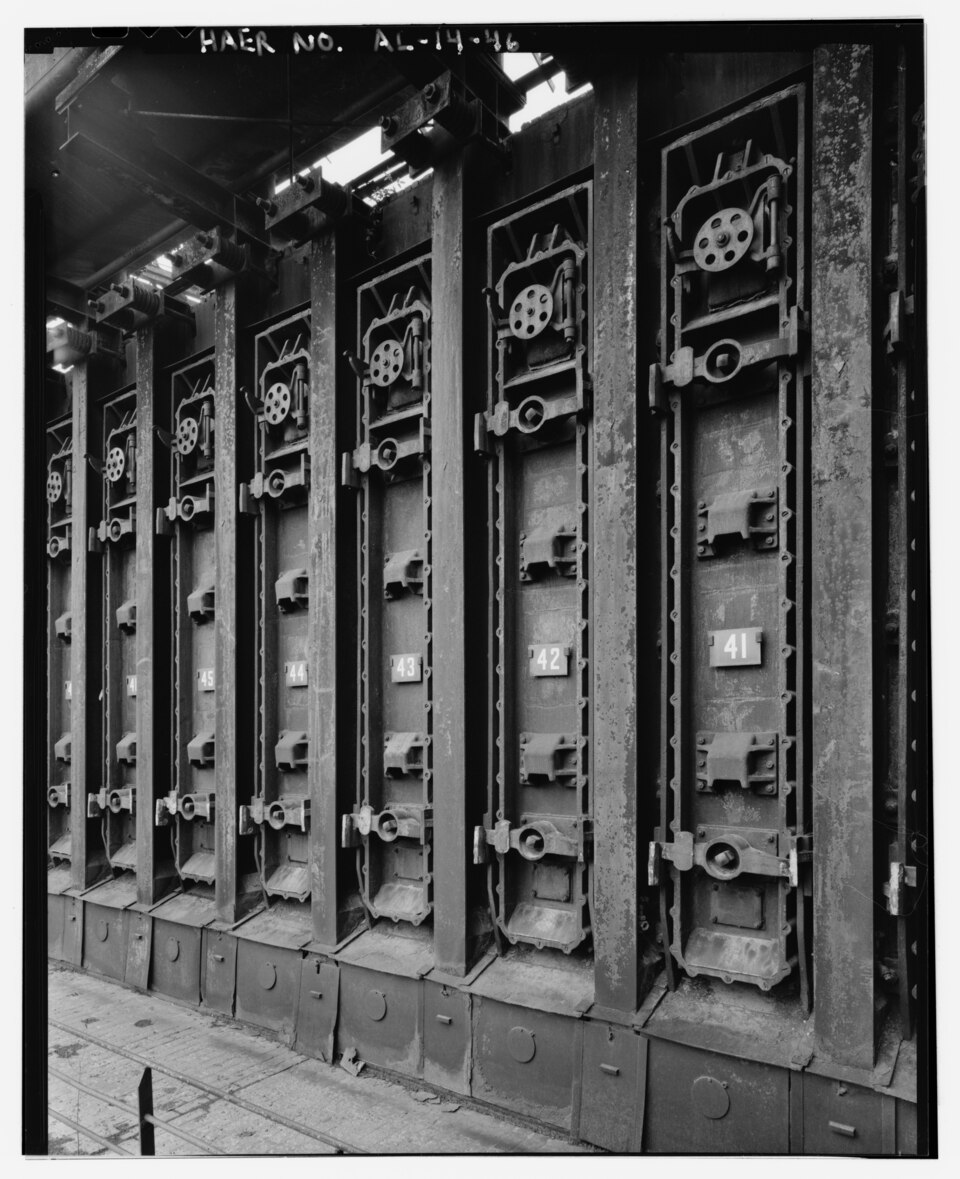
Each oven is closed at both ends by a heavy door, and the joint has to be gas-tight because the oven is full of flammable gas under slight pressure.
Sealing was done with a clay lute applied by hand around the door frame, and keeping doors tight was a continuous maintenance job because they are opened and closed every cycle, hot, and distort.
A leaking door emits gas continuously and quietly, which is why door condition was the thing an experienced man looked at first. Self-sealing doors with flexible metal seals, door-cleaning machines and leak monitoring have largely replaced hand luting, and door emissions are now measured as a performance indicator of the whole plant.
11. The heating flues were balanced by hand across the whole battery
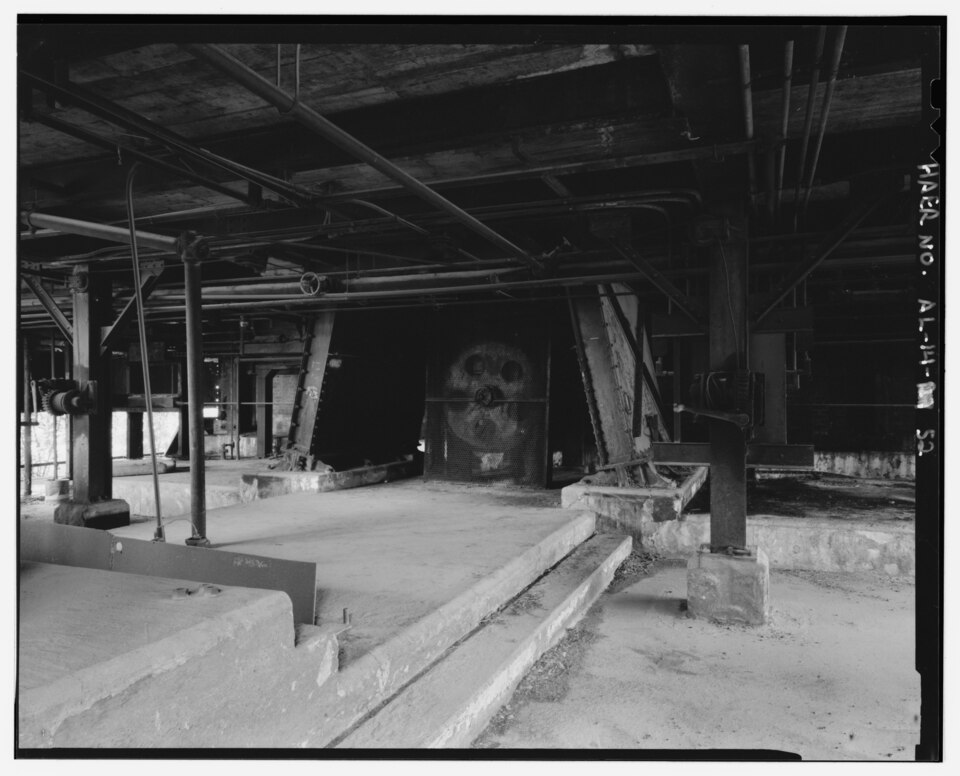
The ovens are heated by burning gas in flues between them, and the heat has to be distributed evenly along the length of each oven and across the whole battery, or some ovens will be ready while others are not.
Balancing that was done by adjusting the gas and air supply to individual flues, guided by temperature readings taken manually and by experience of how a particular battery behaved.
A battery that is out of balance produces inconsistent coke and wears unevenly, and the imbalance develops slowly enough to be missed. Continuous temperature monitoring and automatic combustion control now hold the profile without anybody adjusting anything, and a modern battery’s heating is logged across its whole length. It is one of the clearest gains from instrumentation in heavy industry.
12. The noise was continuous and nobody measured it
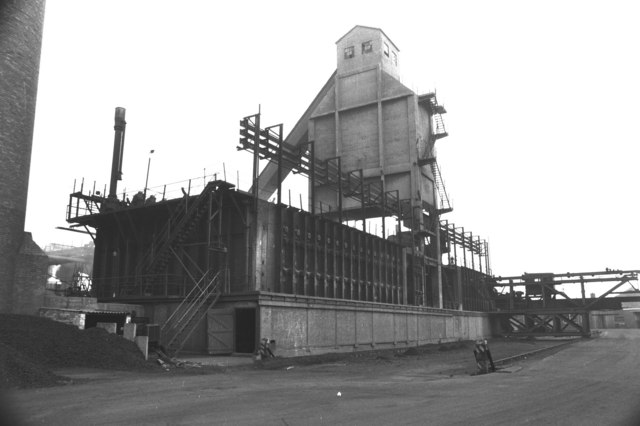
A coke works contains large machines travelling on rails, rams pushing charges, doors being opened and closed, and gas burning, all of it running continuously.
In 1960 that was an unmeasured background to the job, and hearing protection was neither provided nor expected on most plants.
Noise at work is now an assessed exposure with limits, mandatory protection, engineering controls and hearing surveillance, and a modern plant’s noise is mapped rather than endured. It is the least dramatic change in this file and probably the one that affected the most people.
13. The product had to suit the furnace, not the other way round
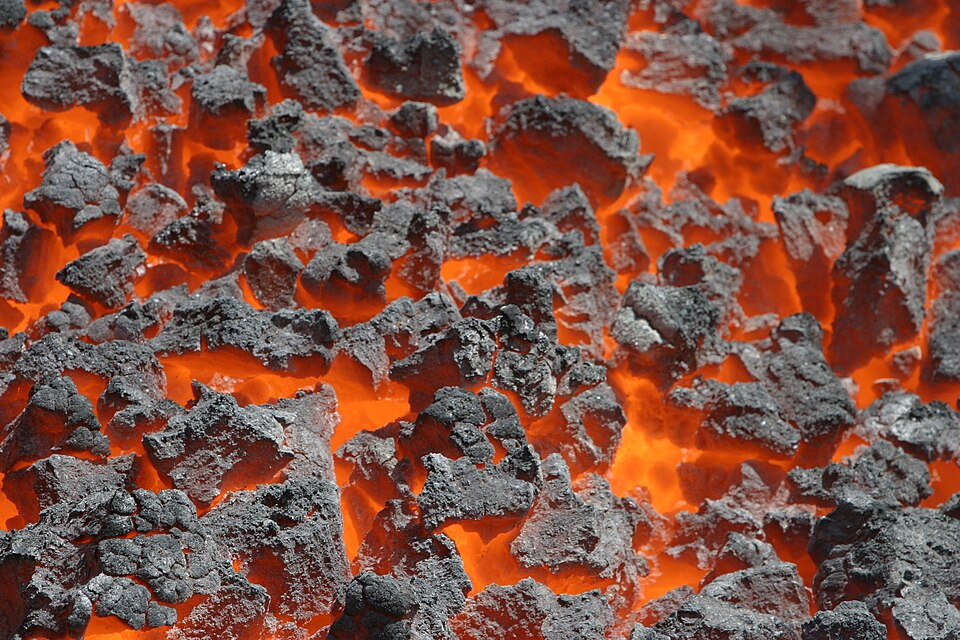
Coke is judged on its strength, its size distribution and how it behaves under the conditions inside a blast furnace, because it has to carry the weight of the charge above it without crushing.
A 1960 works judged that largely by experience of which coals produced coke the local furnaces were happy with, and coal blending was a practised art rather than a specification.
Getting it wrong was expensive in a way that showed up at the furnace rather than at the ovens, which made the relationship between the two plants a continuous negotiation. Coal blends are now designed against measured coke strength and reactivity tests, with the blend adjusted to the furnace’s requirements and the result verified before it is used. The negotiation has become a specification.
14. The works dominated its town in every sense
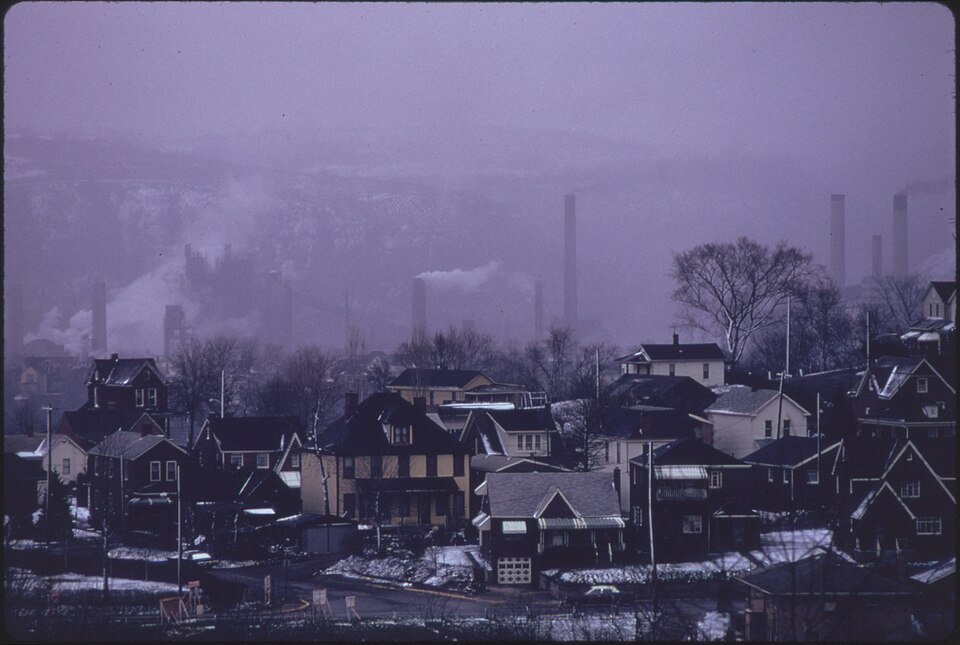
A coke works is large, loud, continuously lit, visible for miles and detectable by smell well beyond its boundary, and in 1960 it was frequently the largest employer within reach.
That meant a town organised around shift patterns, a local economy dependent on one plant, and a population that took the emissions as the price of the wages because the alternative was no wages.
It is important to say that plainly rather than sentimentally. People knew the air was bad and the work was hard, and most of them would have told you the job was worth having. Modern plants are fewer, larger, far more tightly controlled and employ a fraction of the people, and the towns that grew around the old ones have had to find something else to be. That transition is still working itself out in a great many places.
15. Nothing was recorded in a way anybody could audit
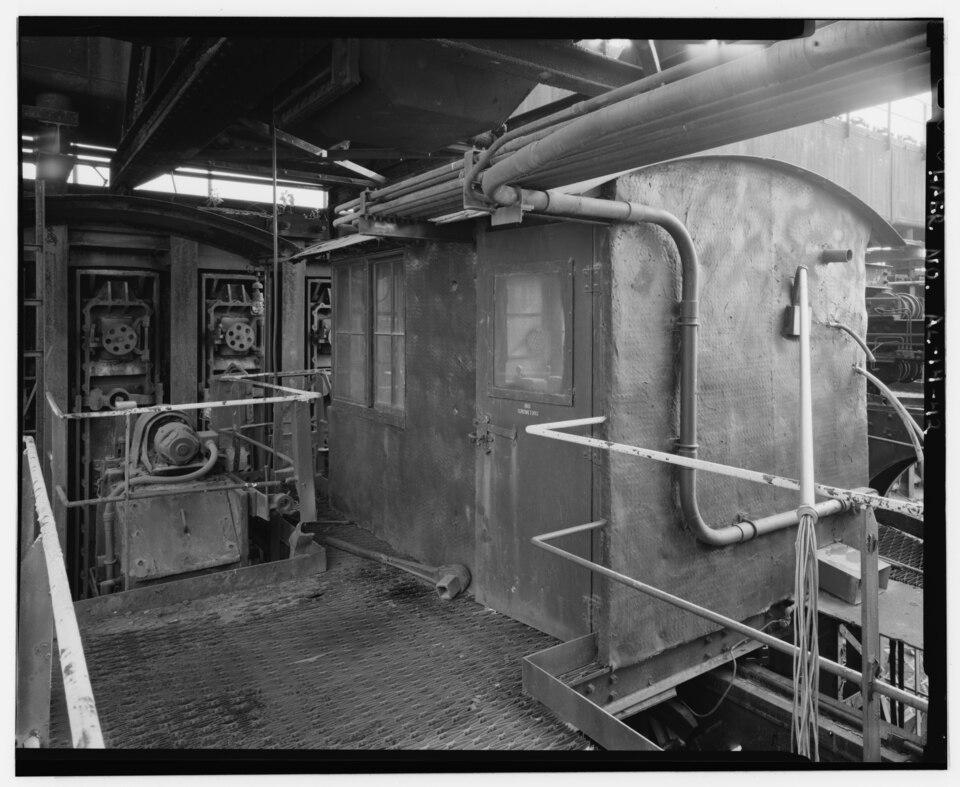
A 1960 battery ran on log sheets, shift books and the knowledge of the men on it, and what had actually happened to a particular oven on a particular day was reconstructable only approximately.
That made investigating a problem difficult and made consistent performance dependent on the same people doing the same job.
Every parameter of a modern battery is logged automatically against the oven and the charge: temperatures, timings, pushes, emissions and product tests. It is the change that has done most for both the product and the environment, and it is the one nobody outside the industry has ever heard about.
16. The process survived because nothing has replaced it at scale
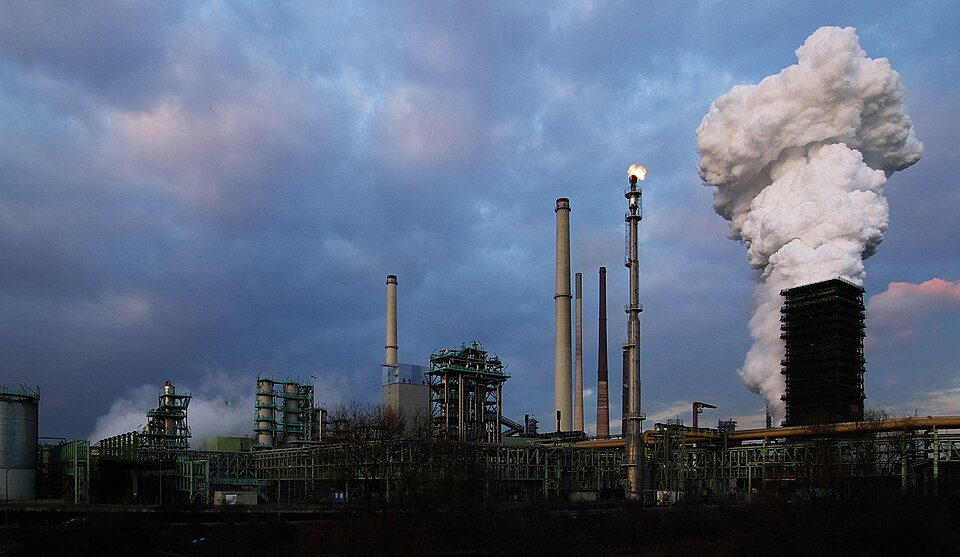
Blast furnace ironmaking needs coke, and no alternative has displaced it for primary iron production at the scale the world uses.
So coke ovens still operate, in fewer and much larger plants, under emission and exposure controls that would be unrecognisable to anybody from 1960, making a product that is essentially the same material.
The long-term question is different and is about ironmaking rather than coking: processes that reduce iron ore without coke exist and are being developed hard, and if they displace the blast furnace they will displace the coke oven with it. So this is a trade whose future depends entirely on a decision being made somewhere else, which is an unusual position for an industry that has outlasted almost everything else in this series.
What actually changed
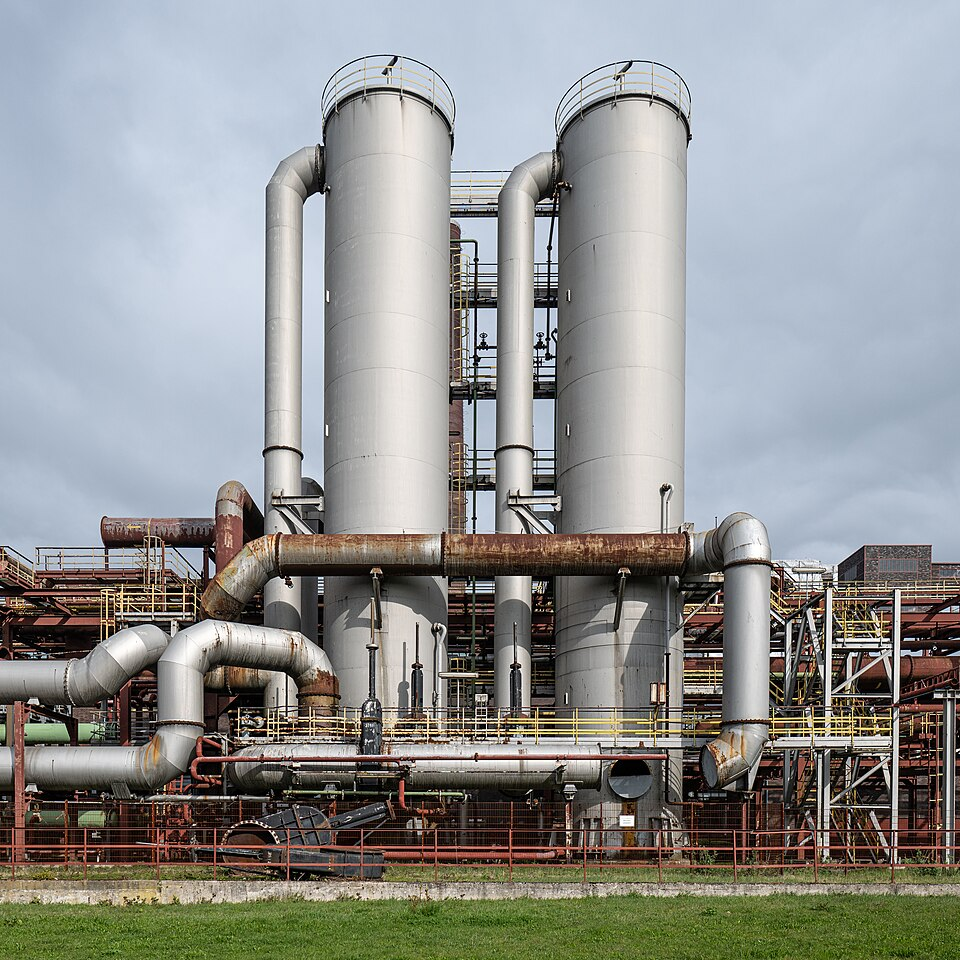
Containment and measurement. The process is the same baking of coal in a sealed oven that it always was, and the coke it produces is essentially the same material. What has been rebuilt is everything around it: sealed charging with gas collection, closed or dry quenching with treated water, self-sealing doors with leak monitoring, automatic combustion control holding the heating profile, enclosed cabs and remote operation, and a specific exposure regime for coke oven emissions and tar products with monitoring and health surveillance.
The towns are the part that has not been solved. A plant that employed thousands now employs hundreds, and the places built around the old batteries are still working out what to be instead.
Like our content? Follow us for more.