

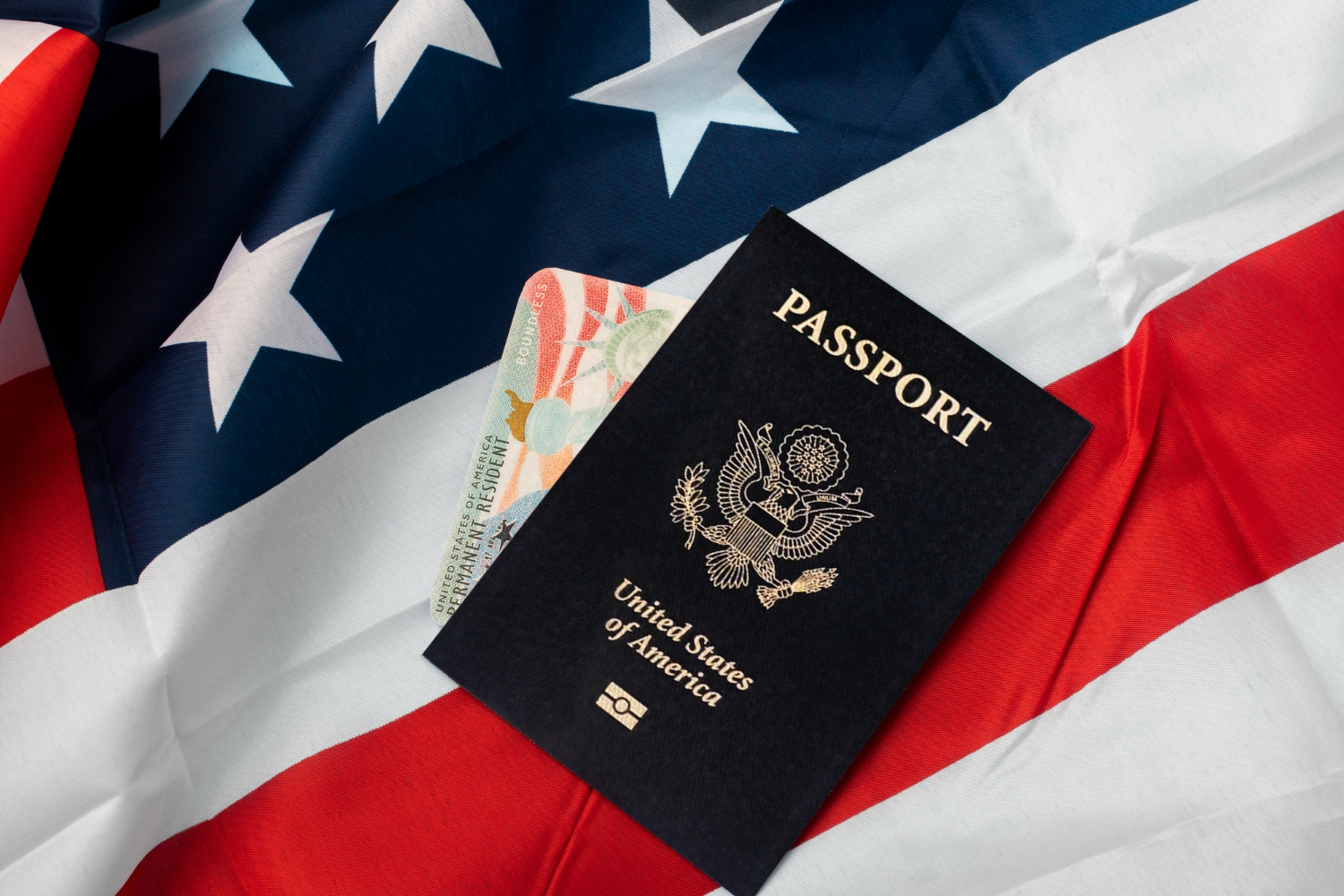
For decades, the idea of pulling up stakes and moving to another country was a dream most Americans only entertained idly. Today, a growing number are actually doing it, relocating abroad for retirement, work, or simply a change of life. Drawn by the promise of a lower cost of living, welcoming visa programs, and new experiences, these expats are part of a notable trend. The reasons are varied and personal, and the decision is a major one with real trade-offs. Here is a look at why more Americans are choosing to live and retire abroad, and what anyone considering it should keep in mind.
Stretching a Budget Further

One of the biggest drivers is financial. In many popular destinations, the cost of living, including housing, food, and especially healthcare, is significantly lower than in much of the United States. For retirees on a fixed income, or remote workers earning in dollars, that difference can be transformative, turning a tight budget into a comfortable one.
In a number of countries in Latin America, Southeast Asia, and parts of Europe, a couple can live comfortably for a fraction of what a similar lifestyle would cost in many American cities. Lower housing costs and far cheaper medical care are frequently cited as major attractions. The chance to enjoy a higher quality of life for less money is, for many, the single most compelling reason to consider a move abroad.
Like our content? Follow us for more.
Retirement Programs That Roll Out the Welcome Mat

Another factor is that a number of countries actively court foreign retirees with dedicated visa programs and incentives. More than 30 countries now offer some form of retirement or passive-income visa, designed for people who can show a steady pension or income, and some come with attractive perks.
Countries like Portugal, with its passive-income visa, and Panama and Costa Rica, with their long-established pensioner programs, have become well-known destinations for American retirees. Some, like Panama, offer notable discounts to retirees on everything from healthcare to entertainment, while others, like Greece, have introduced favorable tax treatment for foreign retirement income. These welcoming policies make the practical side of relocating more achievable, and signal that retirees are wanted.
Climate, Lifestyle, and Adventure

Beyond money, many Americans are drawn abroad by the appeal of a different lifestyle. Warmer weather, beautiful scenery, a slower pace, and the adventure of immersing themselves in a new culture all hold strong appeal, particularly for those entering retirement and looking for a fresh chapter.
For some, it’s the dream of mild, sunny weather year-round; for others, the charm of a historic European town, the vibrancy of a Latin American city, or the tranquility of a coastal village. The opportunity to learn a new language, make new friends in established expat communities, and experience daily life in another country is a powerful motivator. Travel and exploration, once reserved for vacations, become part of everyday life.
The Rise of Remote Work

The growth of remote work has also opened the door for younger Americans to live abroad while keeping their jobs. So-called digital nomads, able to work from anywhere with a good internet connection, have made relocating overseas feasible for people far from retirement age, and many countries have introduced special digital-nomad visas to welcome them.
This shift has broadened the expat trend well beyond retirees, drawing professionals and entrepreneurs who want to combine career and adventure. The ability to earn a stable income while living in a lower-cost, appealing destination has made the math work for a new generation of would-be expats. For many, the pandemic-era normalization of remote work turned a once-impractical idea into a genuine option.
What to Weigh Before You Go
For all its appeal, moving abroad is a significant decision with real challenges, and experts consistently advise careful research before taking the plunge. Leaving behind family, friends, and the familiar can be harder than expected, and building a new social network takes time. Navigating a foreign country’s bureaucracy, language, and healthcare system requires patience and preparation.
There are also important practical and financial matters to understand. U.S. citizens are generally required to continue filing U.S. taxes on their worldwide income no matter where they live, and they must understand how their new country will tax them as well, which is why many consult a tax professional before moving. Visa requirements, healthcare access, residency rules, and even currency fluctuations all need careful consideration, and some countries have recently tightened their income requirements for residency. Because each person’s situation is different, and rules change, anyone seriously considering a move abroad is wise to research thoroughly and seek professional financial, tax, and legal guidance rather than relying on general information.
A Trend Worth Understanding
The movement of Americans abroad reflects a broader desire for affordability, adventure, and a different way of life, made more attainable by welcoming visa programs and the flexibility of remote work. For retirees, it can mean a comfortable lifestyle that might be out of reach at home; for younger workers, it can mean combining career and exploration in ways previous generations couldn’t.
Whether the trend is right for any individual depends entirely on their circumstances, priorities, and willingness to navigate the practical hurdles. What’s clear is that living abroad has moved from a far-fetched fantasy to a realistic option that more Americans are seriously weighing, and choosing. For those drawn to the idea, the key is to go in with eyes open: to research the destination deeply, understand the financial and legal realities, and recognize both the rewards and the challenges. Done thoughtfully, a move abroad can open a remarkable new chapter, and it’s a path a growing number of Americans are deciding to explore.
Like our content? Follow us for more.

![boats docked near seaside promenade]](https://travelandtannins.com/wp-content/uploads/2025/12/YfM6mqWf-unsplash-Prb-sjOUBFs-924x520.jpg)